
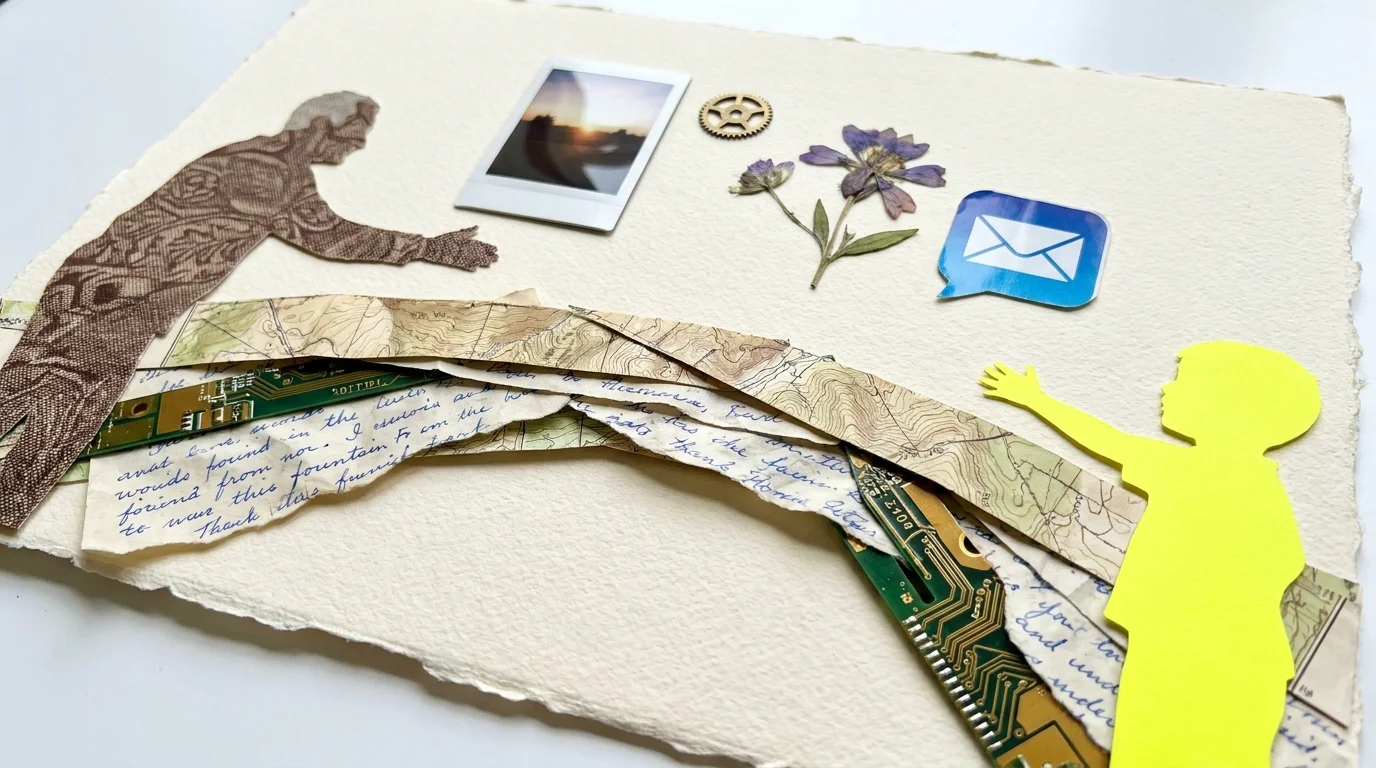
Deepening your grandparent grandchild bond gives you a front-row seat to the next generation while enriching your own emotional well-being. By embracing a mix of modern communication tools and timeless traditions, you can actively shape a profound connection that will ground your family for decades. Today’s dynamic approach to grandparenting goes far beyond occasional holiday visits; it is about cultivating a consistent, meaningful presence in their everyday lives. Whether you live ten minutes away or across the country, you possess the wisdom and time to become their trusted confidant and guide. Focus your energy on a few intentional habits, and watch your relationship flourish into one of the most rewarding joys of your golden years.
Tip #1: Mastering Their Preferred Technology
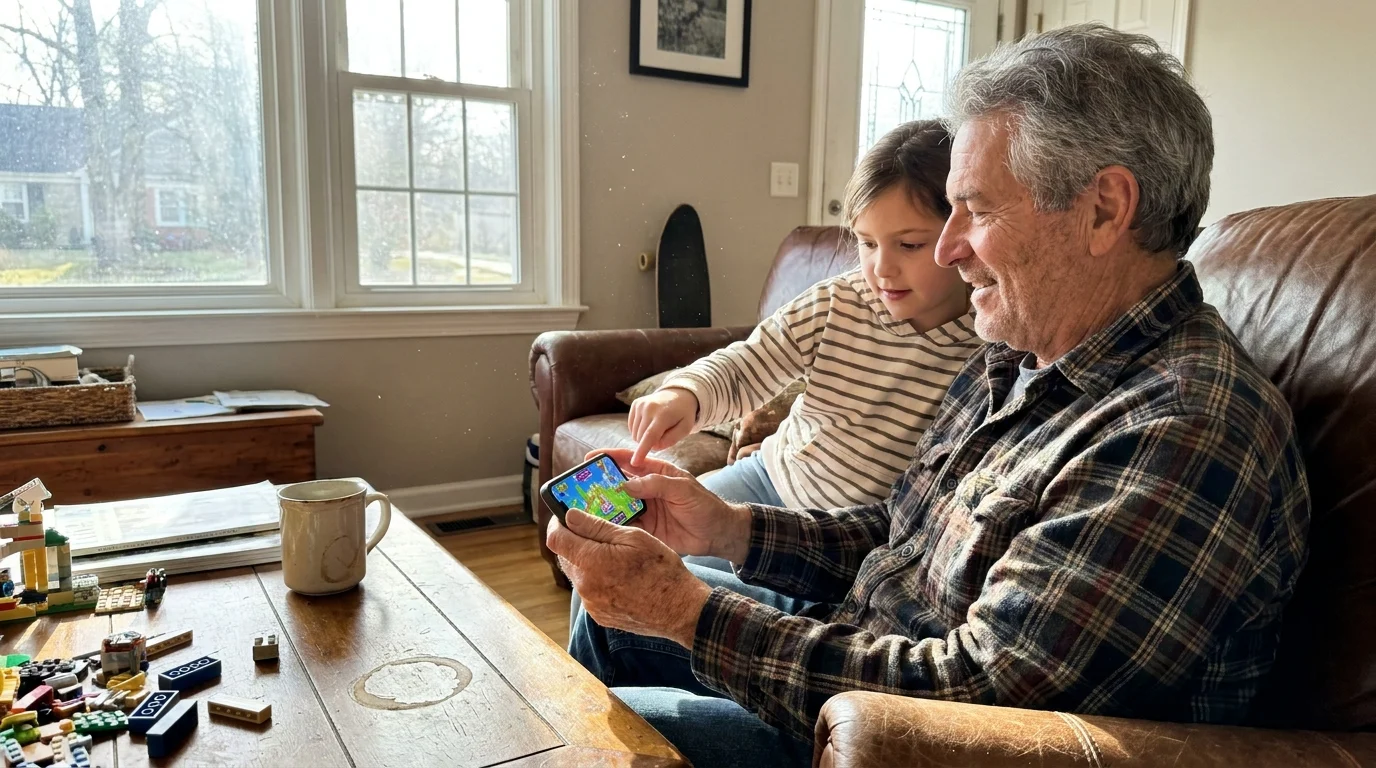
To stay relevant in your grandchildren’s daily routines, you must meet them where they spend a significant amount of their time—in the digital world. Gone are the days when a weekly phone call to the landline sufficed. Today, children and teens communicate through text messages, video calls, and interactive gaming platforms. Grandparents who adapt to these digital avenues report a significantly higher frequency of meaningful interactions. By taking the time to learn how to send a quick text message or an encouraging voice note, you seamlessly weave yourself into the fabric of their everyday lives.
You might even ask them to teach you how to use a popular app or play a collaborative game; this role reversal empowers them and naturally lowers the barrier to conversation. Technology should never replace your physical presence, but it acts as a phenomenal bridge between visits. Showing a willingness to engage with their digital world proves that you genuinely care about their interests and are committed to staying connected, regardless of the physical distance separating you.
Tip #2: Sharing Family History Through Storytelling
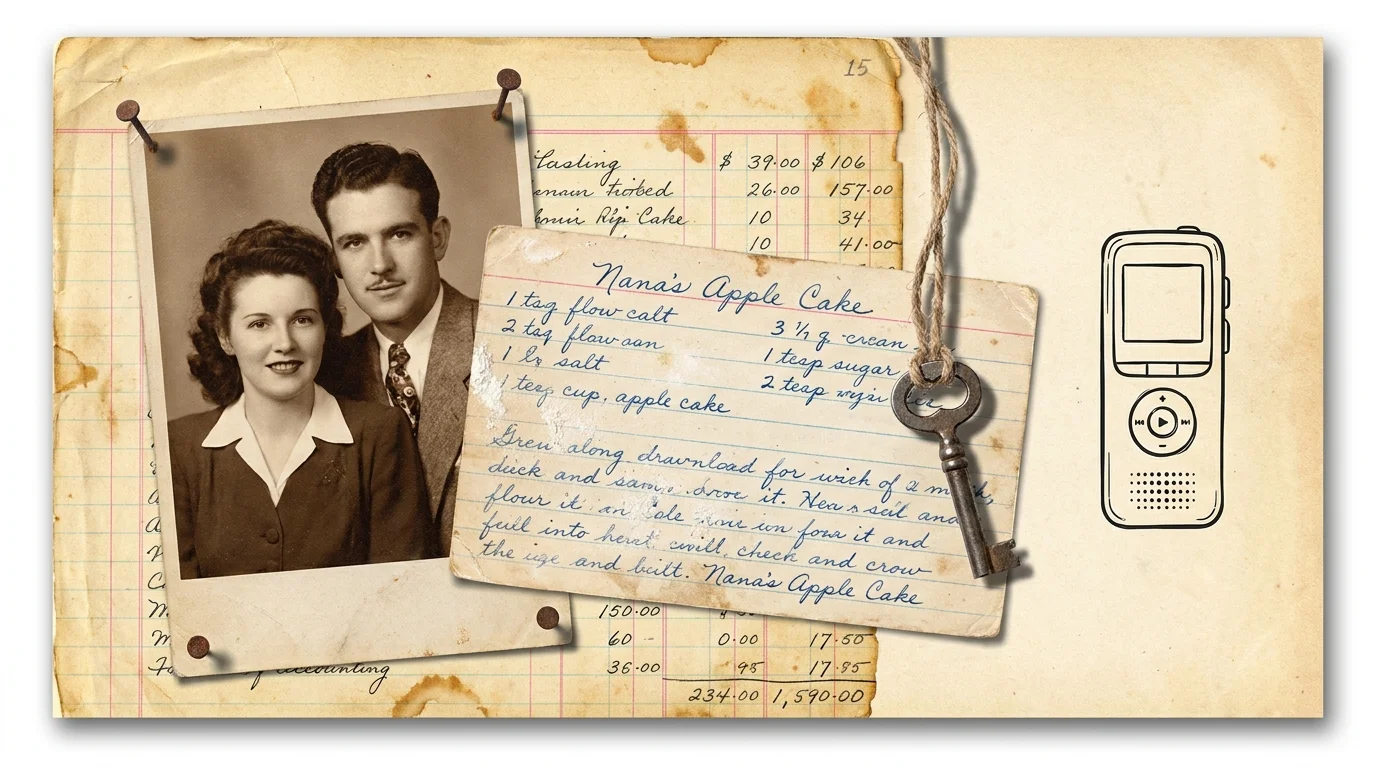
Children who understand their family narratives show higher levels of emotional resilience and stronger self-esteem. You hold the master key to this ancestral knowledge, making you uniquely positioned to deepen relationship grandchildren dynamics through rich storytelling. Rather than simply reciting dates and names, bring your family tree to life with vivid anecdotes about your childhood, the challenges your parents overcame, and the unexpected adventures that shaped your youth.
Pull out old photo albums and explain the context behind faded black-and-white pictures, or cook a heritage recipe while recounting the generations of hands that have prepared it before. If you want to ensure these stories outlive you, consider recording voice memos or writing letters detailing your life lessons and fondest memories. When grandchildren understand the trials and triumphs of their lineage, they develop a profound sense of belonging. They begin to see you not just as a kindly older relative, but as the enduring anchor of a complex family history that directly contributes to who they are today.

Tip #3: Establishing One-on-One Traditions
Group family gatherings are wonderful for cultivating shared joy, but individual traditions are where you truly build connection grandchildren deeply cherish. When you isolate your time with just one grandchild, you remove the competition for attention and create an environment tailored entirely to their unique personality. A tradition does not need to be elaborate or expensive to be highly memorable.
It could be as simple as a monthly Saturday morning pancake breakfast at the local diner, an annual trip to pick out a new book at the independent bookstore, or an ongoing puzzle you only work on together. These dedicated moments signal to the child that they are individually valued and seen. Over time, these consistent rituals become the foundational memories of their childhood. They will look forward to this exclusive time with you, knowing it is a safe space where they hold your undivided focus. As they grow older, these established touchpoints naturally evolve from playful outings into meaningful catch-up sessions where they can comfortably share their evolving dreams and anxieties.
Tip #4: Teaching a Lost Skill or Craft
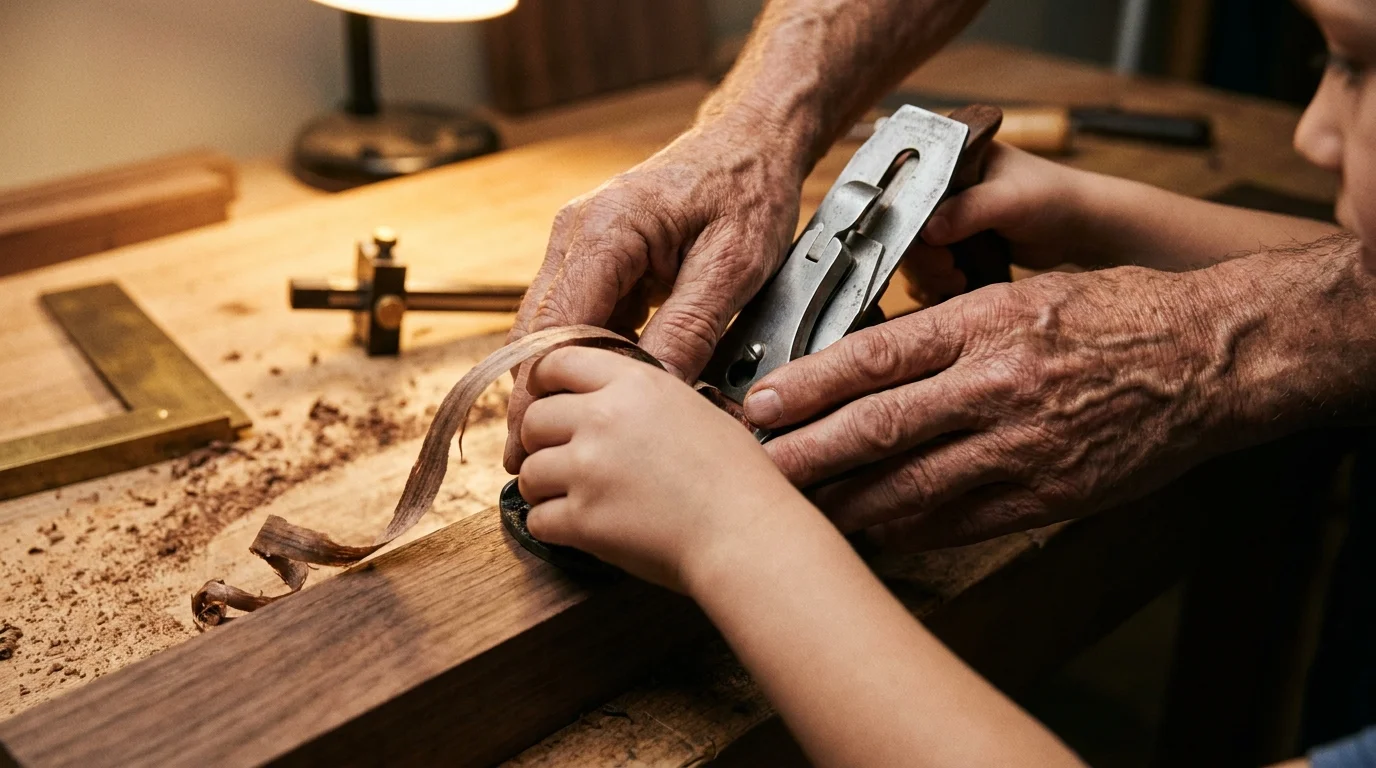
One of the greatest gifts you can offer the younger generation is the transfer of tangible, hands-on skills that are increasingly rare in our hyper-digital age. Think about the abilities you mastered over the decades—whether it is tending a thriving vegetable garden, baking bread from scratch, knitting a cozy scarf, or maintaining basic woodworking tools.
When you invite your grandchildren into your workshop or kitchen, you provide them with an interactive classroom steeped in patience and tactile learning. Working side-by-side on a physical project encourages a relaxed environment where conversation flows organically without the pressure of direct eye contact. You can discuss the science of yeast while kneading dough, or the changing of the seasons while planting tomato seeds. Furthermore, completing a project yields a physical reminder of your time together. Whenever they wear that scarf or eat a fresh vegetable from their own small garden patch, they will immediately think of the patient instruction and warm encouragement you offered.
Tip #5: Becoming Their Biggest Cheerleader
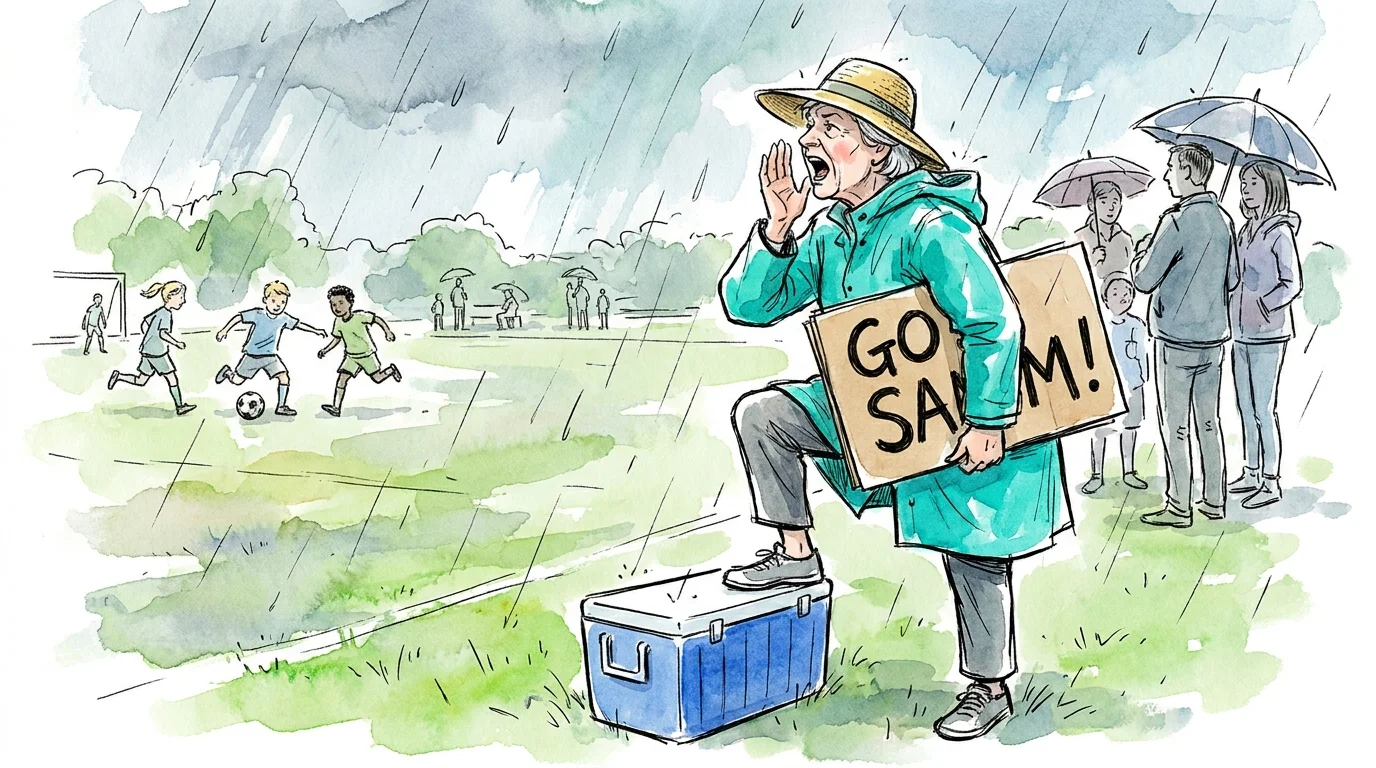
Grandchildren thrive on positive reinforcement, and having a dedicated supporter outside of their immediate parental unit profoundly impacts their self-confidence. You can show your unwavering support by attending their piano recitals, soccer games, and school plays whenever possible. If you live far away, request video recordings of these events and follow up with a celebratory phone call or an enthusiastic text message.
However, being a cheerleader extends far beyond formal extracurricular activities. It means celebrating their small, everyday victories—a good grade on a tough spelling test, a creative drawing they finished, or even their successful navigation of a difficult social situation at school. Praise their effort, resilience, and character rather than just their innate talents. When you consistently highlight their positive traits, you help them build a strong internal foundation of self-worth. They will come to rely on your uplifting perspective, knowing that you are always in their corner, ready to offer a steady stream of pride and encouragement regardless of the outcome.
Tip #6: Creating a Judgment-Free Listening Zone
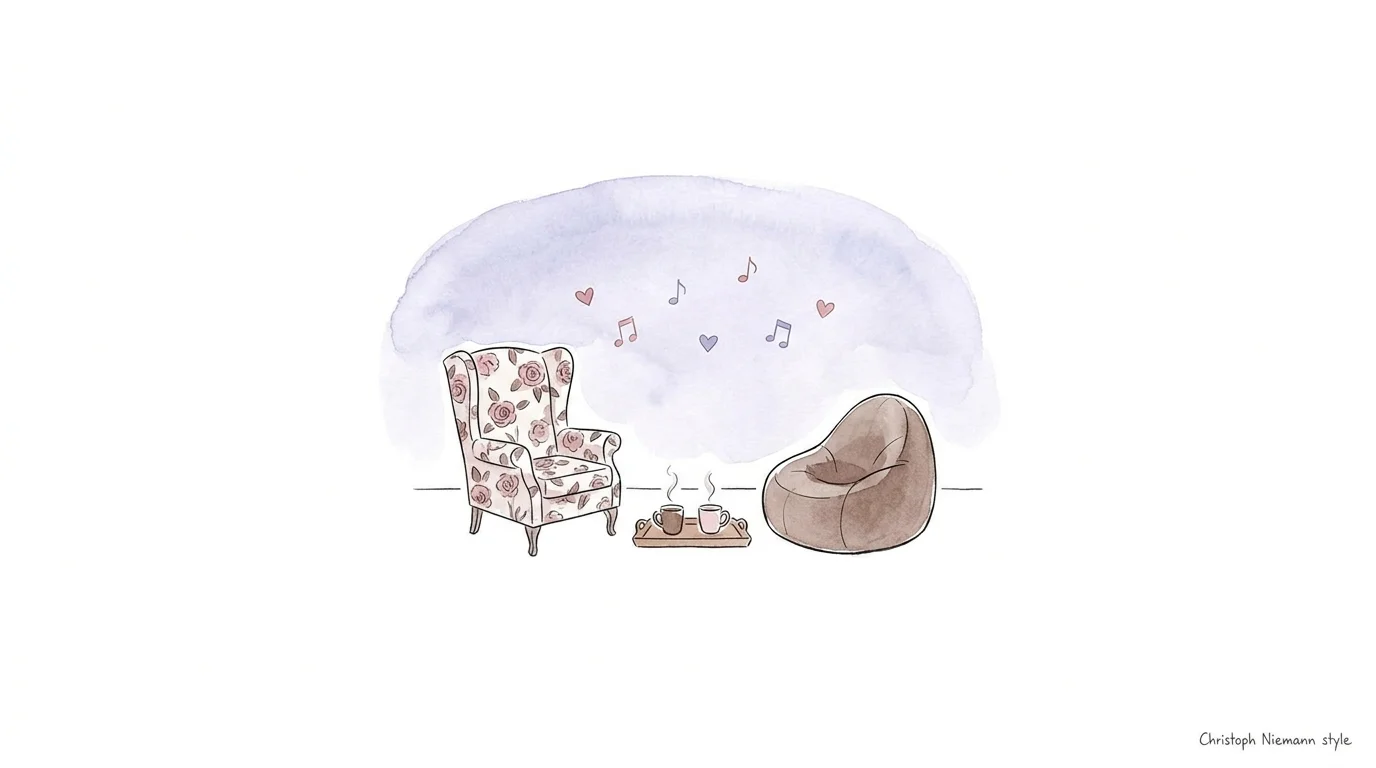
As grandchildren enter their pre-teen and teenage years, they often crave a safe emotional harbor where they can express themselves without the immediate disciplinary oversight of their parents. You can be that invaluable sounding board by practicing active, non-judgmental listening. When they share a frustration or confess a mistake, resist the urge to instantly offer a solution or launch into a lecture.
Instead, validate their feelings by saying things like, “That sounds incredibly stressful,” or “I understand why you would be upset.” This empathetic approach represents one of the most effective grandparenting tips golden years experts recommend. By withholding immediate judgment, you position yourself as a trusted confidant rather than an authority figure they need to rebel against. Once they feel entirely heard and understood, they are much more likely to ask for your advice organically. Your life experience gives you the wisdom to provide gentle guidance, but establishing that foundational trust through empathetic listening must always come first.

Tip #7: Engaging in Their Hobbies and Interests
While it is wonderful to share your world with them, flipping the script and immersing yourself in their world is a surefire way to strengthen your bond. Take a genuine interest in the hobbies that captivate their attention, even if those subjects initially seem baffling to you. If your grandson is obsessed with a specific animated series, watch an episode with him and ask questions about the plot. If your granddaughter loves a particular pop artist, ask her to curate a playlist for your next drive together.
By validating their interests, you communicate a deep respect for their individuality. It shows that you care about who they are becoming, not just who you want them to be. You might be surprised by how much you enjoy learning about modern culture, and they will be delighted by your willingness to step outside your comfort zone. This mutual exchange of interests bridges the generational gap, fostering a dynamic relationship built on shared curiosity and active participation.

Tip #8: Sending Snail Mail and Care Packages
In an era dominated by instantaneous digital communication, receiving physical mail feels incredibly novel and special to a child. You can harness the nostalgic power of snail mail to bridge the distance between visits and deliver unexpected moments of joy. Make it a habit to send handwritten letters, quirky postcards, or small clippings from magazines that remind you of them.
During exam seasons or minor illnesses, a carefully assembled care package filled with their favorite snacks, a cozy pair of socks, and an encouraging note can instantly brighten their week. Physical mail provides a tangible artifact of your love that they can pin to a bulletin board or tuck into a memory box. The anticipation of checking the mailbox and finding an envelope bearing your distinct handwriting creates a multi-sensory connection that a quick text message simply cannot replicate. It reassures them that you are thinking about them actively, taking the time to craft something personal specifically for their enjoyment.

Tip #9: Traveling and Exploring Together
Skip-generation travel is a rapidly growing trend where grandparents and grandchildren embark on vacations without the parents. This dedicated travel time removes everyday distractions and forces both generations to navigate new environments together. You do not need to book an extravagant overseas cruise to reap the benefits; a weekend camping trip, a visit to a nearby state park, or exploring a neighboring city’s museums can be just as impactful.
When looking for activities grandparents grandkids can enjoy equally, seek out interactive, educational experiences that encourage teamwork. Planning the itinerary together leading up to the trip builds anticipation and ensures everyone has a voice in the adventure. Exploring unfamiliar territory naturally prompts deep conversations, inside jokes, and shared moments of awe. These trips foster an incredible sense of independence in your grandchildren while granting you the uninterrupted quality time necessary to forge memories that will easily last a lifetime.
Tip #10: Respecting Parental Boundaries
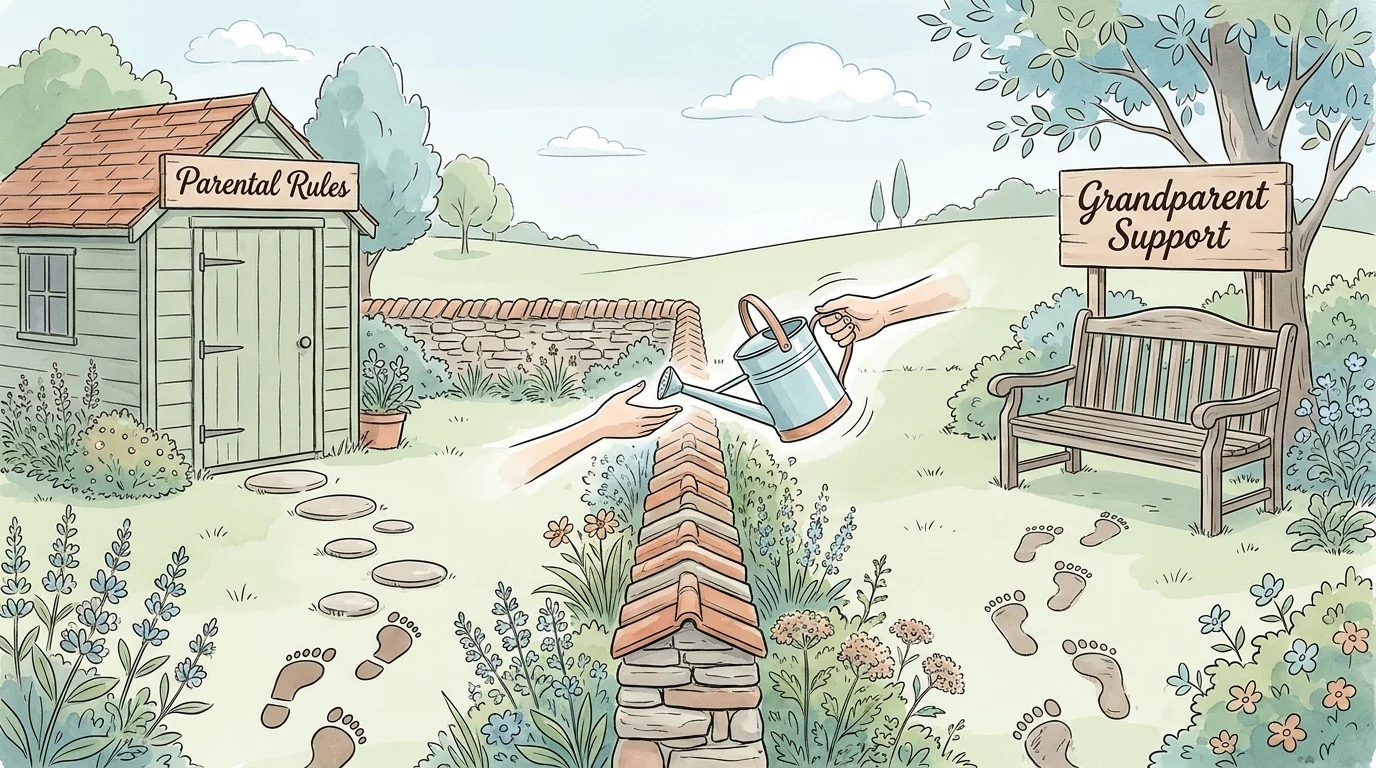
Perhaps the most crucial, yet occasionally challenging, aspect of building a healthy relationship with your grandchildren is maintaining a harmonious dynamic with their parents. Your relationship with your grandchild does not exist in a vacuum; it is deeply intertwined with the rules and values established by your adult children. Whether it concerns dietary restrictions, screen time limits, or bedtime routines, consistently honoring the parents’ guidelines demonstrates profound respect.
Undermining their authority, even playfully, can create unnecessary tension and ultimately restrict your access to the grandchildren. If you disagree with a specific parenting choice, keep that conversation private and avoid involving the child. By presenting a united front, you contribute to a stable, secure family environment where the child feels safe. When parents trust that you respect their boundaries, they are far more likely to encourage frequent visits and solo outings. A strong, respectful partnership with the parents is the absolute bedrock upon which a lasting grandparent-grandchild bond is built.

The Takeaway: Living a More Blissful Retirement
Stepping into the role of an active, engaged grandparent infuses your retirement years with renewed purpose and boundless joy. You have spent a lifetime gathering wisdom, weathering storms, and building character; passing those hard-earned treasures down to your grandchildren is one of the greatest legacies you can leave. Remember that building a profound connection does not require extravagant gifts or exhausting daily schedules. It thrives on steady consistency, genuine curiosity, and an open heart.
When you take the time to learn their digital language, share stories of your youth, and offer a completely judgment-free space for their worries, you cement your status as an irreplaceable pillar in their lives. Embrace these intentional practices with optimism and patience. As you watch them grow into resilient, capable adults, you will find that the love you pour into them returns to you tenfold, making your golden years truly blissful.
Frequently Asked Questions
How can I stay close to my grandchildren if they live in another state?
Distance requires a bit more creativity, but it should never be a barrier to love. Schedule recurring virtual dates using video calls, play online games together, and utilize the power of traditional snail mail to send care packages. Creating consistent touchpoints ensures they feel your presence continually, rather than just during major holidays.
What should I do if my teenage grandchild pulls away?
It is entirely normal for teenagers to seek independence and prioritize their peer groups. Give them space without completely stepping back. Send brief, no-pressure text messages expressing your love and support. Make sure they know your home remains a safe, judgment-free zone. Often, if you stop pressing them for details and simply offer a warm presence, they will eventually return to you when they need guidance.
How do I handle disagreements with how my adult children are parenting?
Always address parenting disagreements privately with your adult children, never in front of the grandchild. Keep an open mind and remember that parenting standards and safety guidelines evolve over time. Respecting their boundaries fosters a peaceful family dynamic, which is essential for maintaining unrestricted, happy visits with your grandchildren.
For a wide range of resources for older adults, visit AARP and the National Council on Aging (NCOA). Health information is available from the National Institute on Aging.
Disclaimer: This article is for informational and inspirational purposes only. It is not a substitute for professional medical, financial, or psychological advice. Please consult with a qualified expert for guidance tailored to your individual needs.







Leave a Reply