

Recognizing the difference between treatable health conditions and standard physiological aging allows you to reclaim your vitality and thrive in your later years. Many adults quietly accept discomfort, assuming everyday aches, persistent fatigue, or memory slips are just inevitable parts of getting older. However, dismissing these symptoms often masks underlying issues that medical professionals can easily resolve. When you understand what genuinely constitutes normal aging, you empower yourself to seek appropriate care and dramatically improve your quality of life. Exploring these seven commonly misunderstood body changes reveals actionable ways to prioritize your wellness. By catching warning signs early, you ensure your retirement remains vibrant, active, and fully enjoyable.
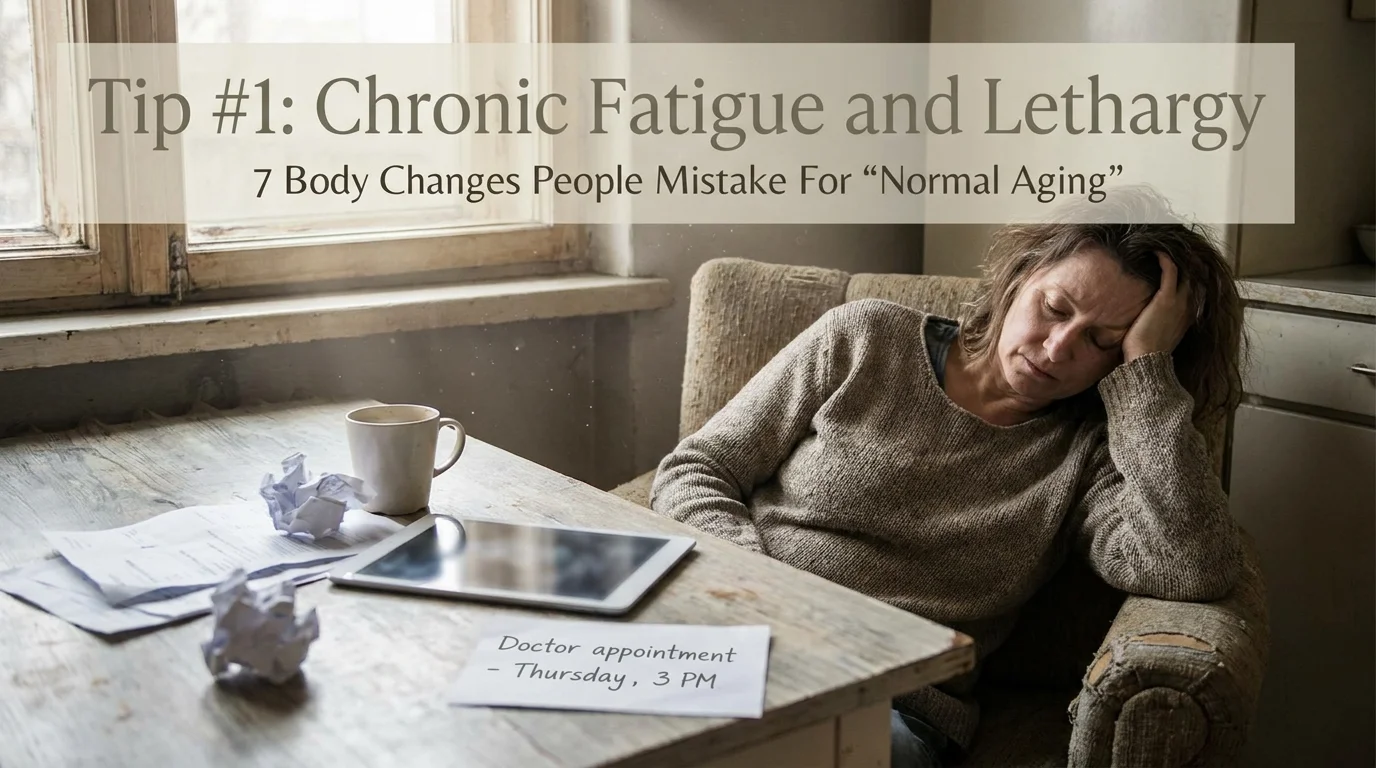
Tip #1: Chronic Fatigue and Lethargy
Many older adults assume that feeling exhausted all the time is just the standard price of admission for entering their golden years. You might find yourself giving up cherished hobbies, skipping family social events, or taking multiple naps throughout the afternoon, attributing this steep drop in energy to a natural slowing of your metabolism. However, chronic fatigue signals that something within your body requires immediate attention rather than quiet, resigned acceptance.
Medical experts continually emphasize that severe lethargy often points to highly treatable conditions. For example, as your digestive system matures, it produces significantly less stomach acid, which dramatically reduces your ability to absorb Vitamin B12 from your daily meals. A deficiency in this crucial vitamin restricts your body’s ability to produce red blood cells, leaving you feeling profoundly wiped out and physically weak. Similarly, an underactive thyroid—a condition affecting roughly ten percent of women over the age of sixty—can drag your energy levels to a grinding halt while simultaneously causing unexplained weight gain and a frustrating intolerance to cold temperatures.
Take charge of your wellness by tracking your energy patterns in a small notebook for an entire week. Document precisely when you feel most tired and note any accompanying symptoms like sudden dizziness or shortness of breath. Present this detailed data to your primary care physician and specifically request comprehensive blood work. Checking your thyroid function, iron levels, and Vitamin B12 status offers a clear, scientific roadmap to reclaiming your vitality. Simple interventions, such as taking a daily high-quality supplement or making a minor medication adjustment, can effectively restore the stamina you need to fully enjoy your retirement adventures.
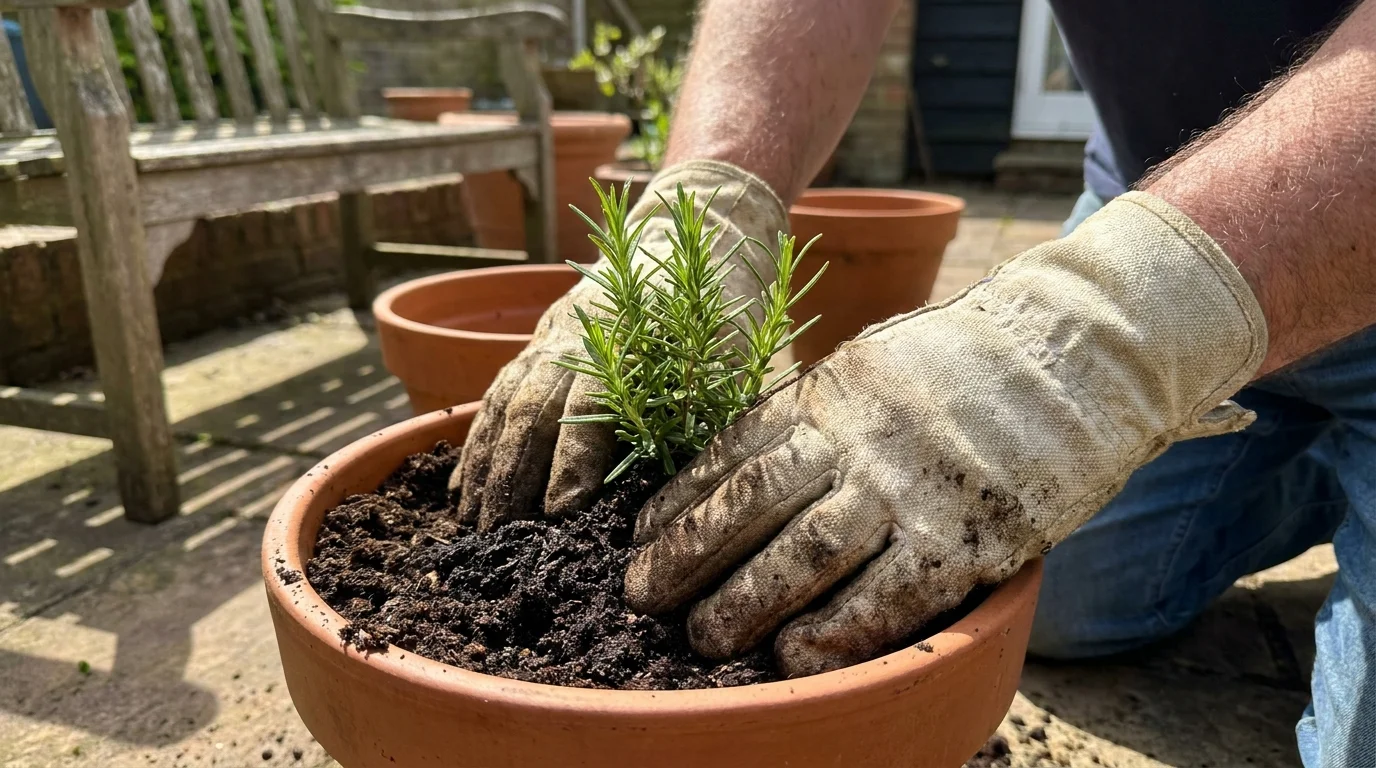
Tip #2: Debilitating Joint Pain and Stiffness
Waking up with a minor creak in your knees or a bit of stiffness in your shoulders happens to almost everyone as cartilage slowly loses some of its natural elasticity over the decades. Because mild osteoarthritis affects millions of seniors worldwide, society often incorrectly normalizes severe joint pain as an unavoidable, permanent reality of getting older. You might even avoid walking your dog or spending time in your garden because you believe the intense pain is simply an unchangeable fact of life.
Accepting debilitating pain actively harms your senior health by encouraging a sedentary lifestyle, which ultimately makes your joint stiffness exponentially worse. Your cartilage operates somewhat like a dense sponge; it requires consistent physical movement to soak up synovial fluid, the natural, built-in lubricant that keeps your joints gliding smoothly. When you stop moving because of untreated pain, your joints become drier, more rigid, and increasingly painful. Furthermore, intense, burning pain could actually indicate autoimmune conditions like rheumatoid arthritis or severe inflammatory responses triggered by your daily diet, rather than simple mechanical wear and tear.
Rather than surrendering to the sofa, you can take proactive, powerful steps to soothe and strengthen your body. Request a referral to a physical therapist who specializes in geriatric care and mobility retention. These skilled professionals design targeted, low-impact exercise routines—like water aerobics or specialized stretching—that build the supporting muscles around your vulnerable joints, significantly reducing your daily pain burden. You might also explore beneficial anti-inflammatory dietary changes, such as incorporating omega-3-rich wild salmon, turmeric, and antioxidant-packed blueberries into your weekly meals. Pain management has advanced immensely; you owe it to yourself to explore modern treatments that keep you moving freely and independently.
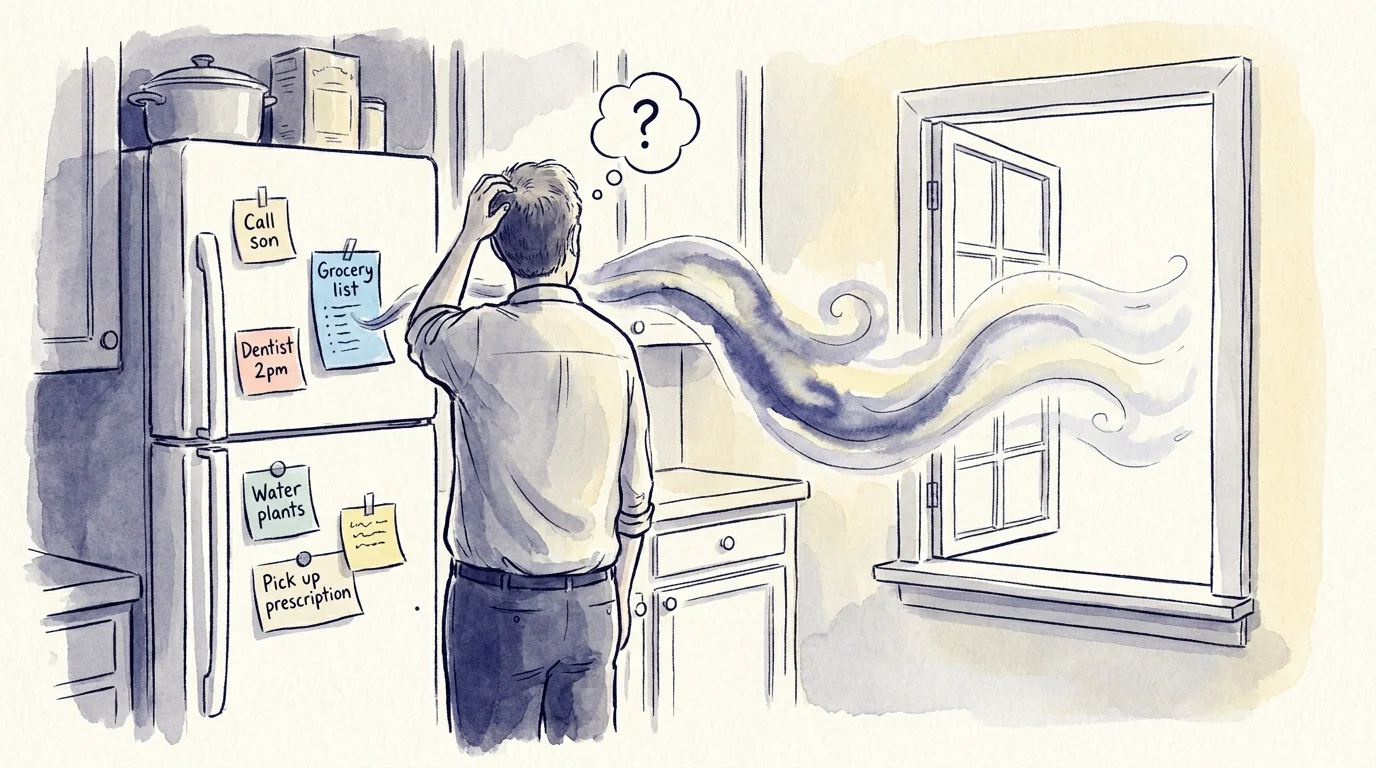
Tip #3: Sudden Memory Slips and Brain Fog
Misplacing your car keys before running an errand or temporarily forgetting the name of a distant acquaintance usually sparks immediate panic about irreversible cognitive decline. It is incredibly common to brush off persistent brain fog, sudden confusion, or an inability to concentrate as standard “senior moments.” While your brain’s processing speed naturally slows down slightly over the decades, sharp, sudden declines in your memory are not a standard, expected feature of the aging process.
Frequent memory lapses often originate from surprising, highly treatable sources right under your nose. Polypharmacy—the common medical practice of taking five or more daily medications—stands as one of the absolute leading culprits of cognitive disruption in older adults. Mixing blood pressure medications, over-the-counter antihistamines, and prescription sleep aids creates a potent chemical cocktail that can easily fog your mind and disrupt your focus. Additionally, undiagnosed sleep apnea frequently deprives your brain of essential oxygen during the night, ensuring you wake up feeling disoriented and forgetful. Even a simple, painless urinary tract infection can present almost entirely as sudden confusion or delirium in seniors, completely bypassing the typical physical symptoms.
Protect your cognitive wellness by aggressively demanding a thorough medication review with your primary care doctor or a licensed pharmacist at least once a year. Bring every single prescription, over-the-counter pill, and herbal supplement you take in a large bag so the medical expert can identify dangerous chemical interactions. Prioritize your daily hydration, aiming for at least eight glasses of pure water, as even mild systemic dehydration physically shrinks brain tissue and severely impairs your concentration. By diligently addressing these hidden triggers, you can maintain a sharp, focused, and vibrant mind well into your later years.

Tip #4: Persistent Digestive Issues and Heartburn
Your digestive tract certainly undergoes subtle structural changes as you add more candles to your birthday cake. The muscular contractions that push food through your intestines naturally slow down, and your delicate stomach lining becomes slightly more fragile. Consequently, many seniors casually dismiss chronic heartburn, persistent bloating, or sudden bowel irregularity as the inescapable, permanent consequences of an aging digestive system.
Enduring stomach distress after every single meal deprives you of the simple, wonderful joy of eating and prevents your body from properly absorbing vital nutrients. Chronic acid reflux, if consistently left untreated, severely damages the delicate lining of your esophagus and significantly increases your risk of developing severe medical complications over time. Furthermore, sudden, dramatic shifts in your bowel habits could indicate underlying food intolerances that randomly developed late in life, major shifts in your gut microbiome, or even inflammatory bowel diseases that require immediate medical intervention to resolve.
You hold the incredible power to stabilize your digestive health through mindful, strategic dietary adjustments and open communication with a board-certified gastroenterologist. Start by keeping a simple daily food diary to identify specific ingredients that consistently trigger your discomfort; you might quickly discover that dairy, heavy spices, or gluten suddenly disagrees with your changing system. Gradually increase your intake of soluble fiber through delicious foods like warm oatmeal, lentils, and roasted root vegetables, which gently sweep through your digestive tract and promote comfortable regularity. If harsh heartburn keeps you awake at night, try eating your final meal at least three full hours before lying down and elevate the head of your bed. Demand proper diagnostics for relentless digestive symptoms rather than relying on an endless, expensive supply of antacids.

Tip #5: Significant Changes in Vision or Hearing
Holding a restaurant menu at arm’s length to read the evening specials is a classic, universally recognized hallmark of presbyopia, a natural hardening of the eye’s lens that typically begins in middle age. Because this minor vision change happens to nearly everyone on the planet, it becomes dangerously easy to ignore much more severe sensory declines. Many adults slowly turn up the television volume to maximum levels or entirely stop driving at night, quietly assuming these significant sensory losses are just standard milestones on the timeline of life.
Accepting severe sensory deprivation unnecessarily isolates you from the vibrant world around you and significantly increases your daily risk of experiencing dangerous falls and accidents. Cataracts, which slowly cloud the lens of your eye and create blinding, frustrating halos around oncoming headlights, affect over half of all Americans by the time they reach age eighty. Yet, modern cataract surgery ranks among the absolute safest and most highly successful medical procedures in the entire world, often restoring a patient’s vision to crystal-clear precision in a matter of mere minutes. Similarly, untreated hearing loss directly correlates with profound social withdrawal, depression, and a massively increased risk of cognitive decline, simply because your brain stops receiving vital auditory stimulation from your environment.
Commit to scheduling an annual comprehensive eye exam with an ophthalmologist, strictly ensuring they fully dilate your pupils to check for hidden, painless conditions like glaucoma or macular degeneration. Treat your hearing with the exact same level of respect by visiting an audiologist if you constantly find yourself asking your loved ones to repeat themselves. Modern hearing aids are incredibly discreet, technologically advanced devices that can seamlessly sync directly to your smartphone or television. Restoring your precious senses keeps you deeply engaged in lively conversations, securely grounded in your physical environment, and actively participating in your beloved community.
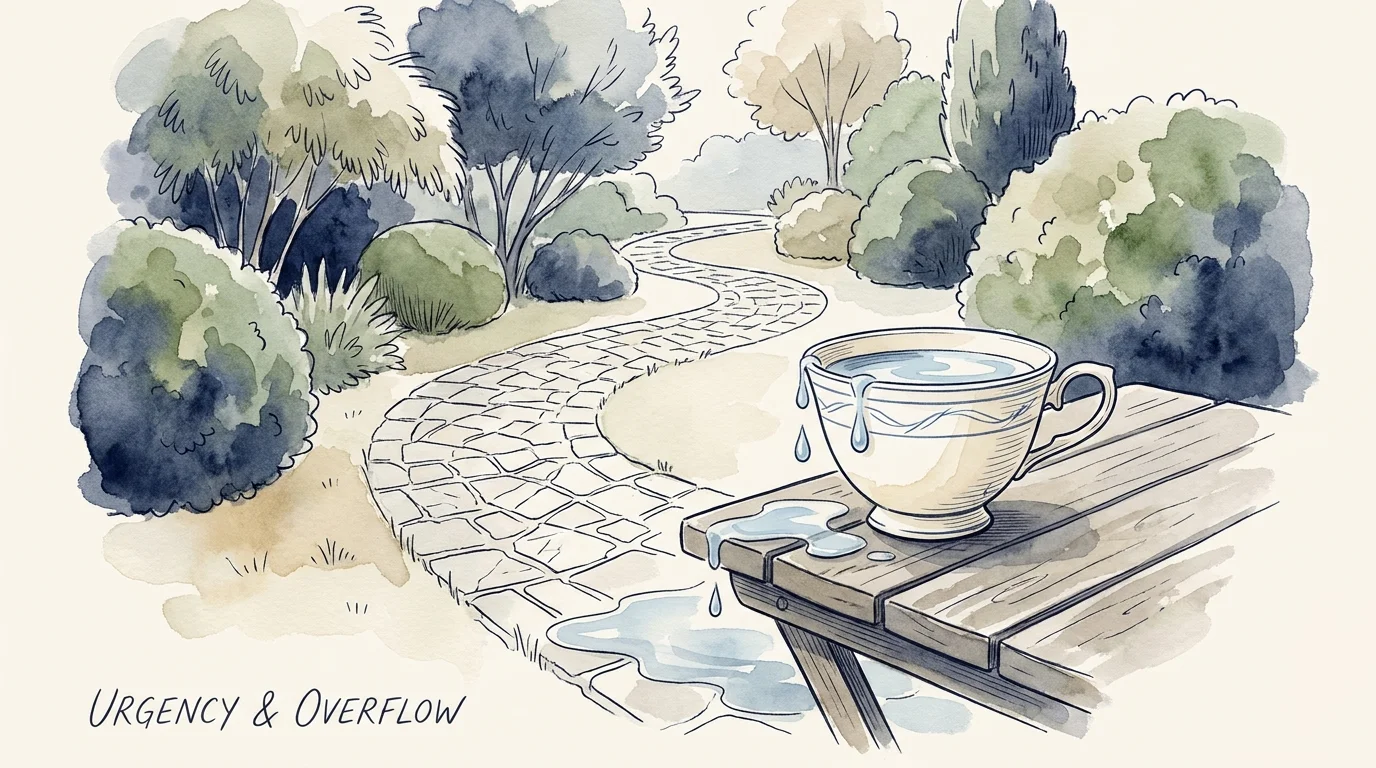
Tip #6: Urinary Incontinence and Urgency
Few health topics carry quite as much social stigma and silent, unnecessary suffering as urinary incontinence. The pervasive narrative that losing control of your bladder is a guaranteed, inescapable part of aging has unfortunately convinced millions of seniors to quickly resort to absorbent pads rather than seeking proper, effective medical treatment. Whether it is a sudden, overwhelming urge that sends you sprinting to the nearest restroom or a minor, embarrassing leak when you laugh at a joke, you might feel compelled to shrink your world and stay close to home.
Bladder leakage represents a specific mechanical or systemic issue, not a mandatory penalty for living a long, fruitful life. For women, the significant drop in estrogen during menopause visibly weakens the critical pelvic floor muscles, while men frequently experience frustrating urgency due to a benign enlarged prostate pressing forcefully against the urethra. Furthermore, certain common blood pressure medications act as powerful diuretics, flooding your bladder with liquid much faster than you can safely manage. In many daily instances, simple dietary irritants like dark coffee, artificial sweeteners, and acidic citrus fruits aggressively provoke severe bladder spasms.
Take back complete control of your social calendar by discussing your symptoms candidly and fearlessly with a urologist. Incredibly effective, modern solutions exist, ranging from specialized pelvic floor physical therapy—which teaches you exactly how to properly strengthen the specific muscles supporting your bladder—to targeted, safe medications that efficiently calm overactive pelvic nerves. You can immediately support your daily bladder health by carefully pacing your fluid intake throughout the afternoon and actively limiting your coffee consumption to a single morning cup. Your golden years should be joyfully spent exploring exciting new destinations and enjoying hearty laughs with dear friends, completely unburdened by the constant, nagging anxiety of locating the nearest public restroom.
Tip #7: Lingering Sadness or Loss of Interest
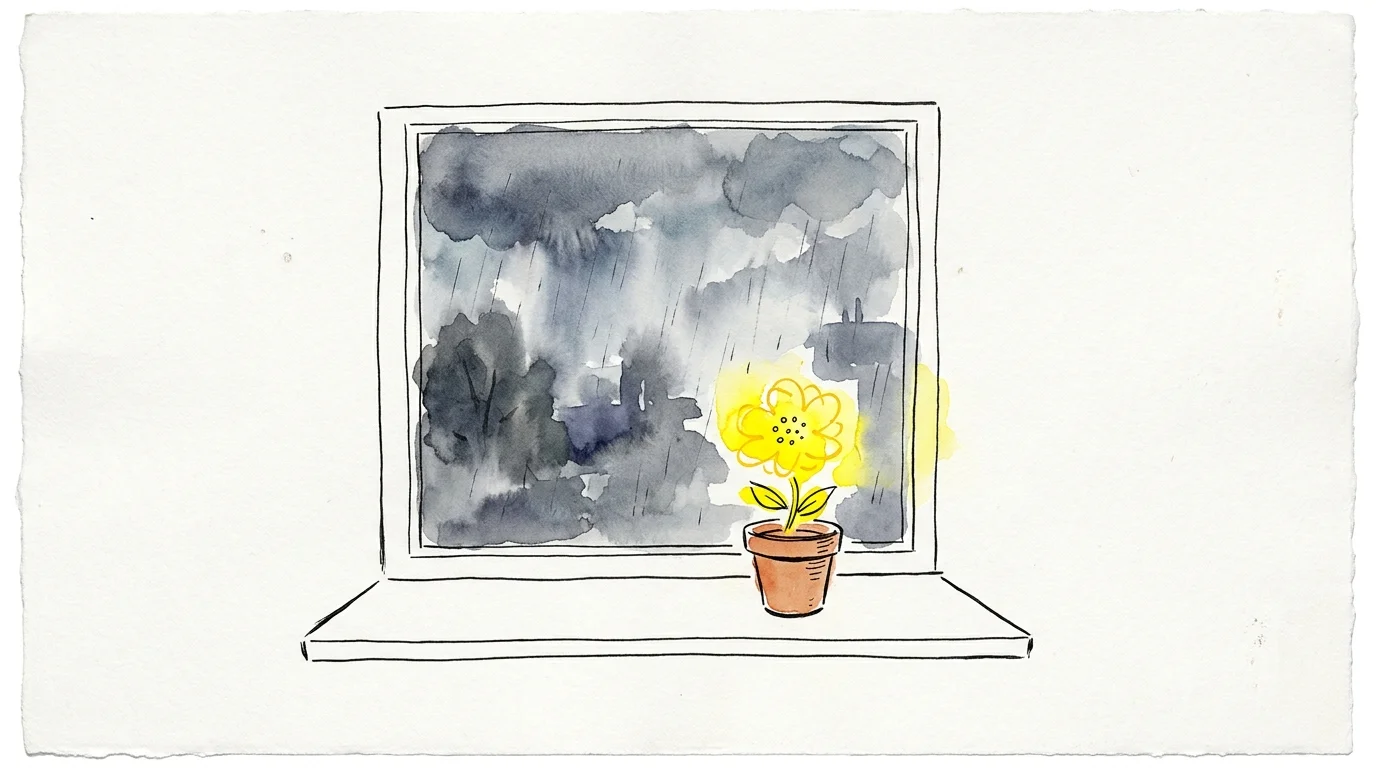
When you gracefully retire from your career, downsize your family home, or experience the profound, heartbreaking loss of longtime peers, navigating heavy emotional transitions becomes a daily reality. Society frequently paints a bleak, unfair stereotypic picture of the lonely, grumpy senior citizen, leading many people to accept lingering sadness or a total loss of interest in lifelong hobbies as a perfectly normal emotional baseline for old age. You might find yourself turning down exciting invitations or spending long days isolated in front of the television, genuinely believing your natural zest for life has simply expired.
Clinical depression presents a highly serious medical condition, not a quirky personality trait or an inevitable, required consequence of senior health changes. While grief is a perfectly natural, necessary response to loss, persistent apathy, severe changes in your appetite, and a total inability to experience joy point directly to treatable biochemical imbalances within your brain. Social isolation heavily compounds these negative symptoms, creating a dangerous, restrictive feedback loop where your profound sadness prevents you from seeking the very social connections that could rapidly elevate your mood.
Treat your mental wellness with the exact same urgency, care, and immense respect as your physical health. Reaching out to a licensed therapist or compassionate counselor who specifically specializes in geriatric psychology provides you with a safe, constructive, and completely confidential space to process major life transitions. Furthermore, actively explore local senior community centers, engaging book clubs, or rewarding community volunteer programs to purposefully build a fresh, highly supportive network of optimistic peers. Your later decades offer a uniquely beautiful opportunity for immense personal growth, renewed life purpose, and deep emotional fulfillment; you absolutely do not have to accept a life devoid of vibrant joy. Speak transparently with your doctor about your daily mood, as modern behavioral therapies and targeted lifestyle adjustments can spectacularly reignite your fierce passion for living.

The Takeaway: Living a More Blissful Retirement
Your golden years hold incredible, boundless potential for thrilling adventure, deep human connection, and beautifully vibrant health. By actively learning to distinguish between natural physical shifts and the specific body changes people mistakenly attribute to normal aging, you place yourself firmly and confidently in the driver’s seat of your personal wellness journey. You never have to silently settle for chronic pain, persistent exhaustion, or heavy emotional numbness. Modern medicine, targeted physical therapy, and proactive, smart lifestyle adjustments offer remarkably powerful tools to keep your physical body strong and your brilliant mind sharp. Listen closely to the subtle signals your body sends; when something feels genuinely off, advocate for yourself in the doctor’s office with unwavering confidence and determination. Surround yourself with supportive medical professionals who view aging as a triumphant, beautiful phase of life to be fully optimized, rather than a steep decline to be merely managed. Embrace the empowering knowledge that your daily comfort and overall happiness truly matter. Keep your body moving, stay intellectually curious, and continue fiercely prioritizing your holistic health every single day.
Frequently Asked Questions
Why do doctors sometimes dismiss my symptoms as normal aging?
Unfortunately, some healthcare providers harbor subtle, unconscious biases regarding older adults, a frustrating phenomenon widely known as medical ageism. They might genuinely, yet incorrectly, believe certain aches, pains, or memory slips are standard issues not worth investigating. To actively combat this, you must aggressively and confidently advocate for your own health. Keep highly detailed, written records of your specific symptoms and directly ask your doctor what medical tests or cutting-edge treatments they would recommend if you were twenty years younger.
Can improving my daily diet really reverse these misunderstood symptoms?
Absolutely; exceptional nutrition plays a massive, undeniable role in senior health and longevity. Modifying your diet can dramatically reduce severe joint inflammation, permanently resolve persistent digestive issues, and even completely clear up frustrating brain fog caused by hidden nutrient deficiencies. Focusing intensely on whole foods, lean proteins, and plenty of natural fiber provides your aging body with the exact, high-quality fuel it desperately needs to repair cellular damage and maintain steady, reliable energy levels throughout the entire day.
How can I easily tell the difference between normal forgetfulness and a serious cognitive issue?
Normal forgetfulness typically involves misplacing an everyday item and easily finding it later, or momentarily forgetting a specific word but naturally remembering it shortly after the conversation ends. Serious, alarming cognitive issues directly disrupt your daily, independent functioning—such as getting completely lost in your own familiar neighborhood, completely forgetting how to use standard household appliances, or failing to recognize close family members. If memory slips begin to actively interfere with your precious independence, securely consult a board-certified neurologist immediately.
Is it actually safe to start physical therapy if I currently have severe joint pain?
Yes; in fact, clinical physical therapy stands as one of the absolute safest and most highly effective medical interventions for treating severe joint pain. A licensed physical therapist will comprehensively evaluate your specific physical limitations and design extremely gentle, low-impact exercises perfectly tailored to your current, unique abilities. They focus heavily on building the supporting muscles securely around your joints to reduce the physical load, which ultimately decreases your pain and beautifully improves your daily mobility.
For a wide range of resources for older adults, visit AARP and the National Council on Aging (NCOA). Health information is available from the National Institute on Aging.
Disclaimer: This article is for informational and inspirational purposes only. It is not a substitute for professional medical, financial, or psychological advice. Please consult with a qualified expert for guidance tailored to your individual needs.







Leave a Reply