

Stepping out of the workforce gives you the freedom to design a life centered around your passions and well-being. Establishing a purposeful morning routine protects you from aimlessness and builds a foundation for lasting happiness. Without the demanding schedule of a traditional job, you hold a beautiful opportunity to reclaim your early hours for self-care, reflection, and vitality. Incorporating intentional habits into the start of your day sharpens your cognitive health and strengthens your emotional resilience. Whether you prefer quiet solitude or invigorating activity, setting the right tone each morning ensures your days remain vibrant. By prioritizing simple daily rituals, you transform your retirement lifestyle into a deeply fulfilling chapter of your life.
Tip 1: Embrace Mindful Movement
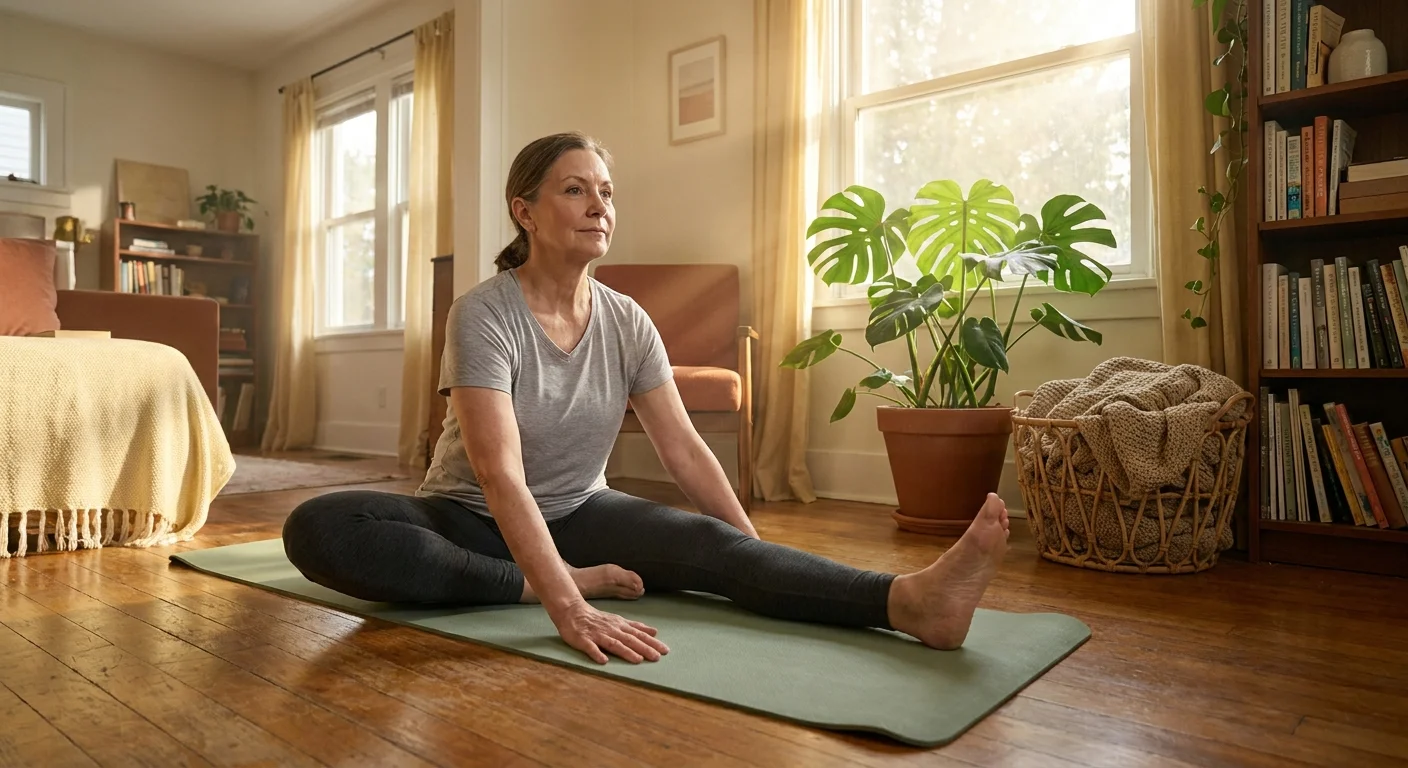
Starting your day with physical activity serves as a powerful catalyst for your overall well-being. When you prioritize mindful movement, you wake up your joints, increase blood circulation, and signal to your brain that it is time to engage with the world. You do not need to run a marathon or lift heavy weights to experience these profound benefits. Gentle exercises tailored to your comfort level provide massive improvements to your daily mobility and long-term balance.
Consider incorporating a simple fifteen-minute routine into your early hours. Stretching on a yoga mat, practicing tai chi in your living room, or taking a brisk walk around your neighborhood helps lubricate your joints effectively. Consistent morning movement actively combats the stiffness that often accompanies aging. Studies highlight that regular aerobic activity boosts endorphin levels; these natural mood elevators leave you feeling optimistic and energized for the rest of your day.
To build this healthy habit seamlessly, set out your exercise clothes the night before. This small act of preparation removes friction and makes it incredibly easy to step right into your routine. If you live in an area with accessible nature trails, combine your movement with fresh air. Exposure to morning sunlight regulates your circadian rhythm, which directly improves your sleep quality at night. Find a form of exercise you genuinely love, and treat it as a non-negotiable daily appointment with your physical health.
Tip 2: Cultivate a Gratitude Practice
Retirement provides the perfect landscape to shift your mindset from what you must achieve to what you get to appreciate. Cultivating a gratitude practice early in the morning centers your thoughts and anchors your day in deep positivity. Rather than instantly checking the news or focusing on mundane daily chores, take a few quiet moments to reflect on the good things in your life. This intentional pause builds a resilient and joyful retirement lifestyle.
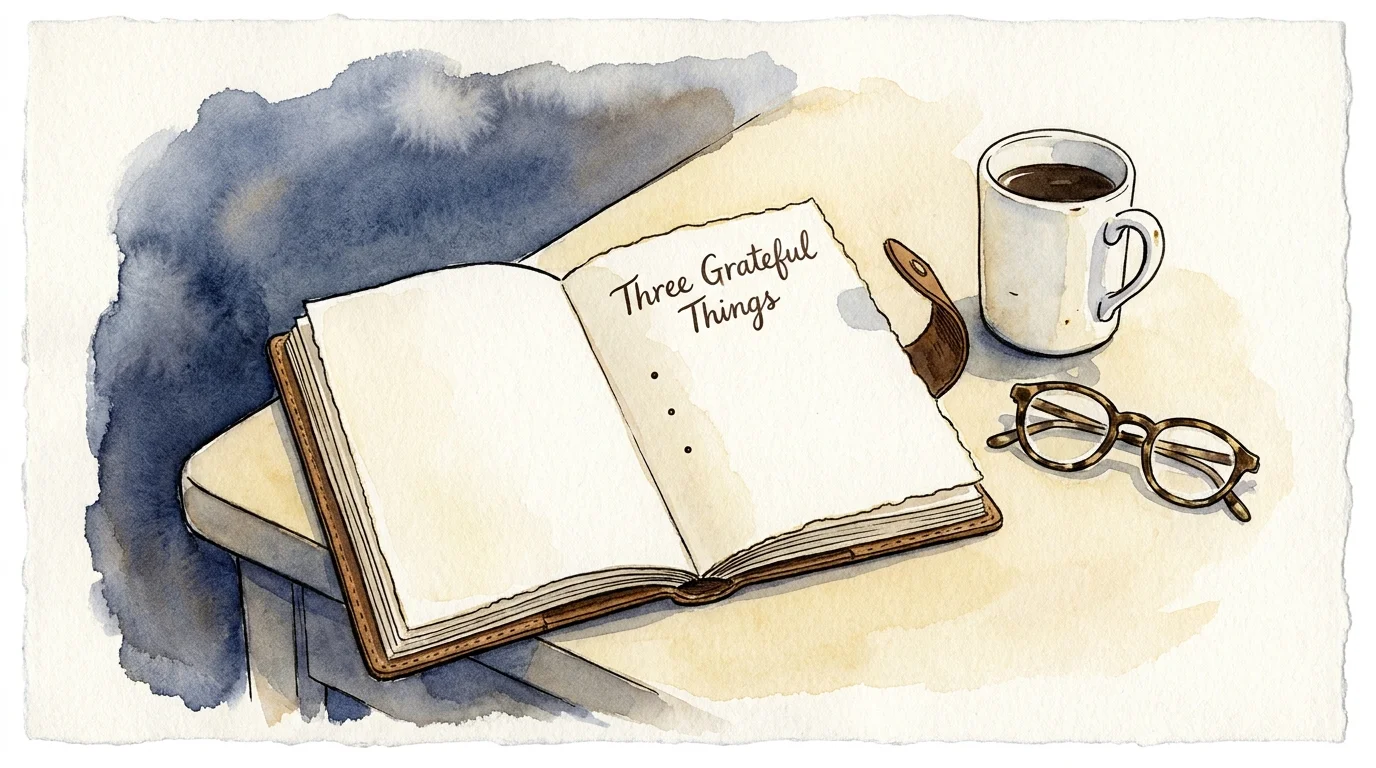
Keep a dedicated journal on your nightstand or next to your favorite coffee mug. Each morning, write down three specific things you feel genuinely thankful for. You might express gratitude for a meaningful conversation with a grandchild, a comfortable bed, or simply the sound of birds singing outside your window. When you force your brain to scan your environment for positive elements, you actively rewire your neural pathways to notice joy over annoyance.
Research consistently demonstrates that practicing gratitude lowers cortisol levels and reduces systemic stress in older adults. You experience measurable improvements in your emotional baseline when you count your blessings regularly. If writing feels cumbersome, try silently meditating on your gratitude while brewing your morning tea. The medium matters far less than the consistency of the habit itself. Grounding yourself in appreciation sets a protective shield around your mood, equipping you to handle any minor frustrations that pop up later in the day with absolute grace.

Tip 3: Feed Your Cognitive Health
Your brain requires just as much daily nourishment as your physical body. Retirement removes the automatic mental stimulation provided by a demanding career, making it essential for you to actively seek out new cognitive challenges. Dedicating a portion of your morning to mental exercises strengthens your neural connections and builds cognitive reserve—a crucial defense against age-related memory decline.
Replace passive entertainment, such as watching morning television, with activities that demand active intellectual engagement. Spending twenty minutes reading a chapter of a nonfiction book exposes you to new ideas and complex vocabulary. Working on a crossword puzzle, playing a strategic game like chess, or practicing a new language using a mobile app forces your brain to process challenging information. These activities stimulate neuroplasticity; your brain remains highly adaptable and capable of forming new pathways well into your golden years.
To make this ritual highly enjoyable, pair your cognitive tasks with a relaxing, peaceful environment. Sit in a comfortable chair with plenty of natural light and immerse yourself in the challenge. If you prefer auditory learning, listen to an educational historical podcast while enjoying your breakfast. The goal is to stretch your mental capacities slightly outside your comfort zone every single day. A sharp, engaged mind allows you to participate fully in conversations, pursue complex hobbies, and maintain your independence for decades to come.

Tip 4: Set a Daily Intention
A common pitfall of the retirement lifestyle is the sudden loss of external structure. Without a manager assigning projects or a strict timeline dictating your actions, days can easily blur together into a haze of inactivity. Setting a clear daily intention each morning gives your day immediate purpose and distinct direction. This practice differs completely from writing a rigid to-do list; an intention focuses on the overarching theme or emotional quality you want to bring to your daily experiences.
Take two minutes before leaving your bedroom to ask yourself a simple question: How do I want to show up today? Your intention might be to remain patient, to seek out simple joys, or to offer kindness to everyone you meet. On days when you feel highly energetic, your intention could involve tackling a challenging home improvement project with enthusiasm. On days when your body craves rest, your intention might simply be to grant yourself peace and relaxation without any associated guilt.
Write your daily intention on a sticky note and place it on your bathroom mirror or the refrigerator door. This visual reminder keeps you aligned with your chosen mindset as the hours pass. Living intentionally prevents you from operating on autopilot. You reclaim complete control over your time and your emotional energy. When you know exactly what you want to experience from your day, you make confident choices that consistently support your long-term happiness and well-being.

Tip 5: Prioritize Hydration and Nutrient-Dense Fuel
Your physical vitality directly dictates your ability to enjoy the activities you love most. After a long night of sleep, your body wakes up in a state of mild dehydration. Before you pour your first cup of coffee or tea, prioritize drinking a large glass of water. Proper early-morning hydration flushes out toxins, kickstarts your sluggish metabolism, and provides an immediate surge of natural energy to your cellular system.
Pair this hydration habit with a breakfast designed to fuel your body for optimal daily performance. As you age, your nutritional needs shift significantly. Prioritize meals rich in high-quality protein, healthy fats, and dense dietary fiber. A bowl of warm oatmeal topped with walnuts and fresh berries delivers sustained energy and supports excellent cardiovascular health. Scrambled eggs accompanied by fresh spinach provide essential amino acids that maintain muscle mass—a critical component for preventing frailty and preserving your independent mobility.
Think of your morning meal as the foundational building block for your daily wellness. Avoiding heavily processed cereals or sugar-laden pastries prevents the dreaded mid-morning energy crashes that leave you feeling lethargic and unmotivated. By mindfully preparing a nutritious breakfast, you show profound respect for your physical health. This ritual transforms the simple act of eating into a daily celebration of your physical resilience. When you feed your body exactly what it needs, you create the stamina required to travel, play with your grandchildren, and explore new passions vigorously.
Tip 6: Connect with Your Surroundings or Loved Ones
Human beings thrive on deep interpersonal connection, yet many retirees experience a shrinking social circle once they leave the bustling workplace. Establishing a morning ritual focused on relationships and environmental connection actively combats feelings of isolation and loneliness. When you reach out to the world around you early in the day, you reaffirm your place within a larger community and boost your emotional well-being significantly.
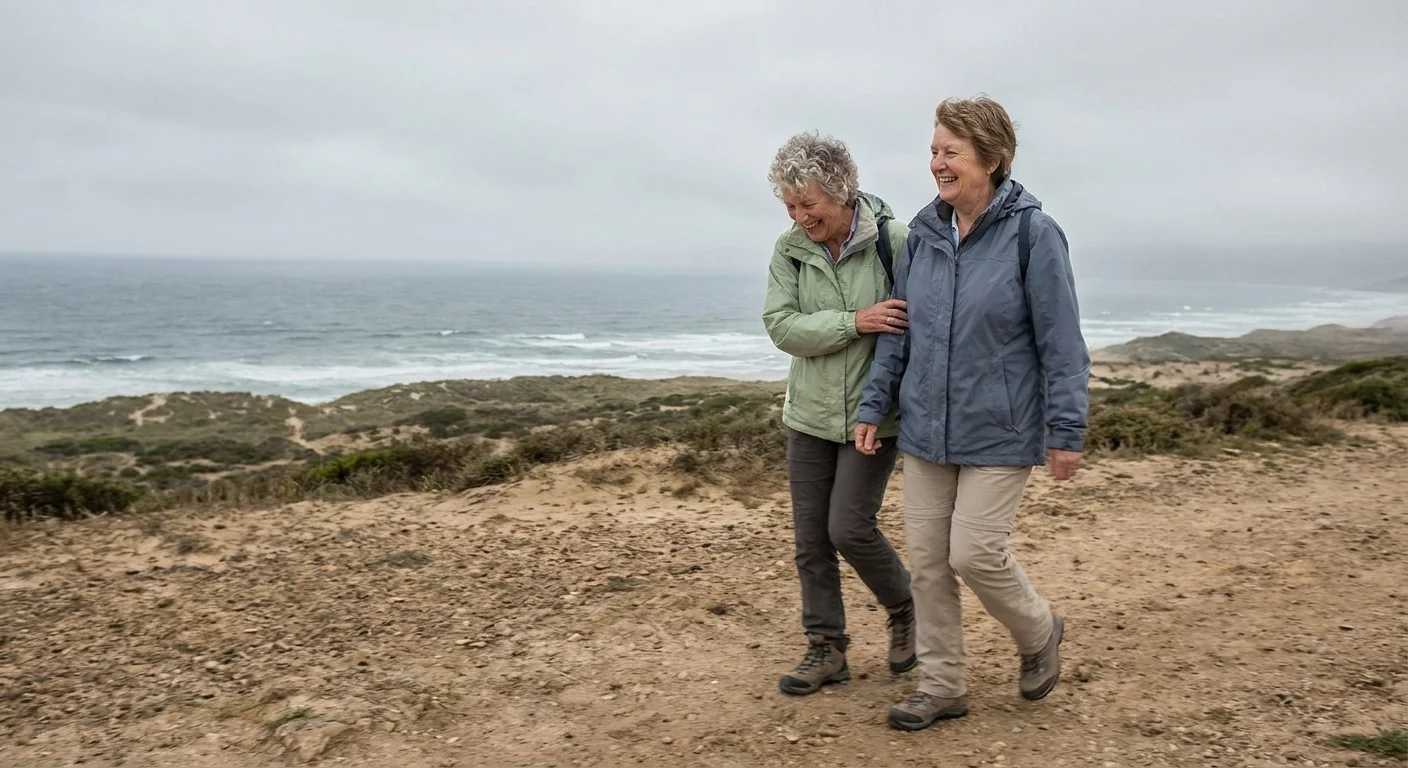
Connection takes many beautiful and accessible forms. You might make it a consistent habit to call a different friend or family member for a brief, ten-minute chat while you walk around the block. Hearing a familiar, loving voice releases oxytocin and deepens your interpersonal bonds. Alternatively, you can find profound connection simply by interacting directly with your local environment. Tending to your garden plants, greeting your neighbors as they walk their dogs, or filling a backyard bird feeder forces you to look outside yourself and appreciate the bustling life happening right around you.
If you live with a spouse or partner, dedicate a specific portion of your morning to uninterrupted, quality conversation. Leave your smartphones in another room and focus entirely on each other over a warm cup of coffee. Discuss your exciting hopes for the week, share an interesting article you recently read, or reminisce about a favorite shared memory. Starting your day feeling seen, heard, and deeply valued sets an incredibly positive trajectory for everything that follows. Cultivating these strong tethers to your community ensures you remain deeply engaged with the world.

Tip 7: Dedicate Time to a Passion Project
Perhaps the most exhilarating aspect of retirement is finally having the unstructured time to pursue the interests you placed on the back burner for decades. Dedicating the first part of your day to a specific passion project capitalizes on your peak mental clarity and your highest creative energy. When you prioritize your hobbies before the demands of daily errands interfere, you guarantee that your personal fulfillment remains front and center.
Your passion project should be something that completely absorbs your attention and drops you into a seamless state of flow. You might spend a quiet hour painting in a sunlit corner of your home, restoring antique furniture in your garage workspace, or writing your extensive family memoir. Volunteering your time to coordinate events for a local charity or mentoring young professionals also qualifies as an incredibly rewarding pursuit. The specific activity matters far less than the deep sense of satisfaction and identity it consistently provides.
Dedicating precious morning hours to your passions proves that your retirement is a period of active growth rather than a slow winding down. This dedicated time gives you an exciting, tangible reason to jump out of bed. It reinforces the beautiful truth that you still have valuable contributions to make and wonderful things to create. By consistently investing in the activities that light up your soul, you ensure that your golden years remain synonymous with discovery, joy, and profound personal achievement.

The Takeaway: Living a More Blissful Retirement
Your transition out of the traditional workforce marks the exciting beginning of an extraordinary personal renaissance. Implementing a thoughtful morning routine anchors your days in distinct purpose, high vitality, and deep satisfaction. You certainly do not need to adopt all seven of these rituals overnight. Begin by selecting just one or two habits that resonate most strongly with your current lifestyle and future goals. Practice them consistently until they feel as natural and effortless as brushing your teeth.
Over time, you can stack new positive habits onto your securely established routine. Remember that the ultimate goal is never rigid perfection, but rather a consistent, loving commitment to your own well-being. By waking up with intention, moving your body freely, stimulating your mind, and engaging enthusiastically with your passions, you guarantee that your days remain vibrant and highly meaningful. Embrace these early hours as a precious daily gift to yourself. You have absolutely earned the right to design a joyful life; use your mornings intentionally to build a retirement experience that exceeds your wildest expectations.
Frequently Asked Questions
How long should my morning routine take?
Your morning routine should take exactly as much time as you need to feel fully grounded and energized. For some active individuals, a highly effective routine lasts only thirty minutes; for others, a leisurely two-hour sequence feels absolutely ideal. The greatest beauty of the retirement lifestyle is your total, uncompromised control over your schedule. Focus entirely on the quality of your chosen activities rather than strictly watching the clock. Build a realistic, flowing timeline that seamlessly integrates into your unique personal preferences.
What if I have never been a morning person?
You definitely do not need to wake up at the crack of dawn to benefit from a powerful morning ritual. If your body strongly prefers sleeping in until eight or nine o’clock, honor that natural biological rhythm. A morning routine is simply the deliberate sequence of actions you take immediately after waking up, regardless of the actual time on the clock. Customize your positive habits to align perfectly with your natural energy levels; the consistency of your daily actions matters far more than the specific hour you choose to begin.
Can a daily routine genuinely improve my mental health in retirement?
Absolutely. Extensive psychological research consistently confirms that structured daily routines dramatically reduce feelings of anxiety, depression, and cognitive decline among modern retirees. Knowing exactly what to expect when you wake up provides a highly comforting sense of internal control and stability. Furthermore, when your personalized routine includes proven habits like physical exercise and daily gratitude, you actively stimulate the natural production of mood-enhancing neurotransmitters in your brain.
How do I stick to a new habit without feeling overwhelmed?
The proven secret to building lasting habits lies in starting incredibly small. If you want to begin a daily reading habit, commit to reading just two pages a day. If you want to exercise regularly, start with a simple five-minute stretch. Celebrate these tiny victories to build forward momentum and self-confidence rapidly. Pair your new habit securely with an existing one—like taking your daily vitamins right after you pour your coffee. Keep your expectations highly realistic and give yourself plenty of grace as you enthusiastically adapt to your new lifestyle.
For a wide range of resources for older adults, visit AARP and the National Council on Aging (NCOA). Health information is available from the National Institute on Aging.
Disclaimer: This article is for informational and inspirational purposes only. It is not a substitute for professional medical, financial, or psychological advice. Please consult with a qualified expert for guidance tailored to your individual needs.







Leave a Reply