

Building a structured schedule around intentional habits transforms an open calendar from an overwhelming void into a deeply fulfilling chapter of life. You spent decades following routines dictated by careers and raising families; now, you hold the power to design a day centered entirely on your well-being. By anchoring your mornings and evenings with small, deliberate actions, you protect your physical health, sharpen your cognitive function, and cultivate lasting retirement happiness. Establishing predictable rhythms provides an essential sense of purpose that keeps you grounded. Embrace these simple yet transformative daily rituals to build a vibrant life after retirement and experience the profound rewards of joyful aging.
Tip #1: Prioritize Morning Movement and Mindfulness
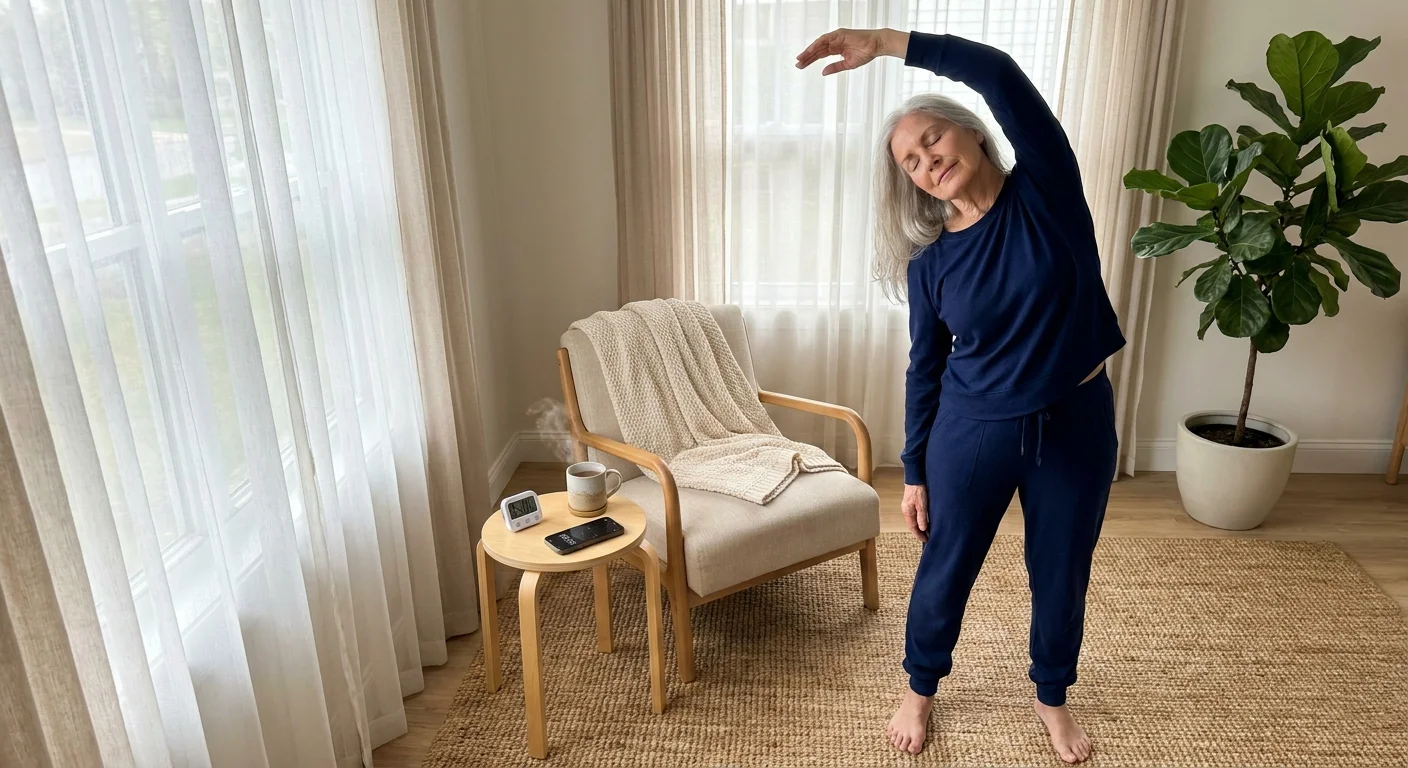
Many older adults wake up feeling adrift without a morning commute or a strict office schedule to dictate their early hours. Reclaiming your morning through intentional movement and mindfulness sets a positive, proactive tone for the rest of the day. You do not need to endure grueling workouts to experience profound physical and mental benefits; instead, focus on gentle, consistent activities that awaken your body and center your mind. Engaging in a fifteen-minute stretching routine right after you wake up improves joint lubrication, enhances your flexibility, and drastically reduces the risk of age-related mobility loss.
Following your indoor stretches with a short walk outdoors exposes your eyes to natural morning sunlight. This critical early-light exposure regulates your circadian rhythm, signaling to your brain that the day has begun and ensuring your body naturally produces melatonin when evening arrives. Breathing in fresh air while navigating your neighborhood provides a gentle cardiovascular boost that protects your heart health over time. Even a ten-minute stroll around the block initiates blood flow and shakes off the stiffness of sleep.
Pair this physical movement with five minutes of quiet mindfulness before you turn on the television or check your smartphone. Sit comfortably with a cup of warm tea or water, close your eyes, and take deep, deliberate breaths to anchor yourself in the present moment. This dedicated quiet time lowers your resting heart rate and equips you with a calm, resilient mindset.
To make this morning ritual stick, rely on a psychological technique called habit stacking. Pair your new stretching and mindfulness routine with an existing, automatic habit—like waiting for your morning coffee to brew. This simple connection trains your brain to associate the familiar aroma of coffee with taking proactive care of your physical health.
Tip #2: Dedicate Time to Purposeful Lifelong Learning
A curious mind remains a youthful mind. Retirement offers the perfect opportunity to explore fascinating subjects you never had time to study during your demanding career years. Transitioning away from passive entertainment—like endlessly watching daytime television—toward active, engaged learning provides a vital spark to your daily schedule.
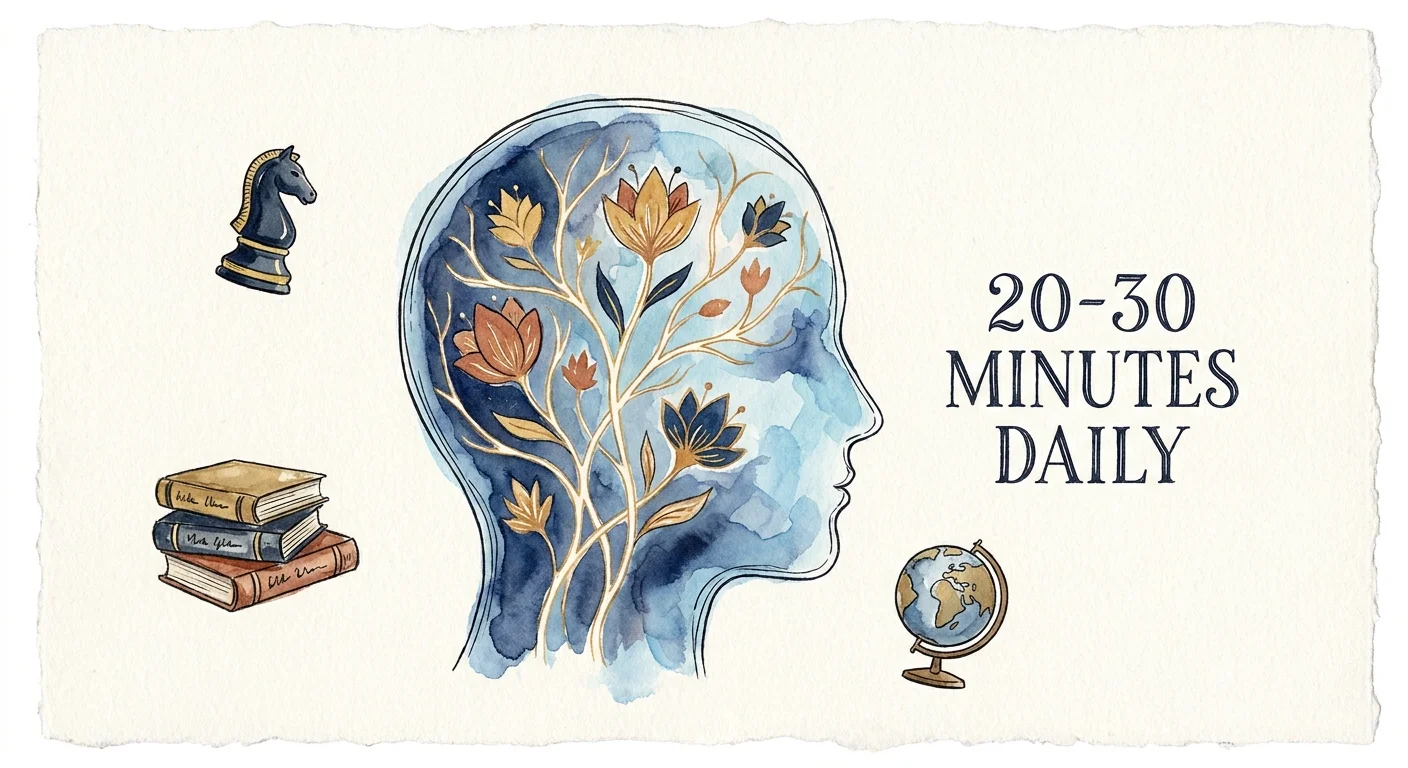
Engaging in challenging cognitive tasks promotes neuroplasticity; this is your brain’s remarkable ability to form new neural connections and adapt to fresh stimuli. By continuously challenging your intellect, you build a robust cognitive reserve that acts as a powerful buffer against memory decline and age-related cognitive impairment. The very friction you feel when trying to understand a new concept is the exact mechanism that keeps your brain sharp.
Make lifelong learning a non-negotiable daily ritual. Pick up a new language using a free mobile app, enroll in a local community college course designed for older adults, or master a complex, strategic hobby like chess. Dedicate just twenty to thirty minutes a day to this intellectual pursuit. Consistency matters far more than the total hours spent; a brief daily challenge yields significantly better cognitive results than a massive, exhausting study session once a month.
Leverage the vast resources available in your community and online. Watch educational documentaries, read thick historical biographies, or follow guided tutorials on digital photography. Pushing yourself out of your intellectual comfort zone replaces boredom with a profound sense of achievement and self-discovery.

Tip #3: Schedule Intentional Social Connection
The sudden loss of workplace camaraderie leaves many retirees feeling unexpectedly isolated. During your career, you enjoyed a built-in network of colleagues, clients, and daily acquaintances. Now, you must actively engineer your own social interactions to replace that passive socialization and maintain your emotional well-being.
Extensive medical research demonstrates that chronic loneliness poses a severe health risk, often compared to the physiological damage of smoking fifteen cigarettes a day. Prolonged isolation increases systemic inflammation, weakens your immune response, and elevates the risk of depression. Conversely, regular social engagement boosts your immune system, provides emotional support, and keeps your mind agile through dynamic, unpredictable conversation.
Treat socialization as a daily health requirement, much like taking your vitamins or exercising. Schedule a recurring weekly activity that mandates your attendance and interaction. Volunteer your time at a local food bank, join a community gardening club, or establish a standing Tuesday morning coffee date with a neighbor. Sharing your time and skills with others reinstates a powerful sense of purpose and confirms that you remain a vital, needed member of your community.
Additionally, commit to reaching out to one friend or family member every single day. A brief phone call, a thoughtful text message, or a quick video chat with your grandchildren bridges the physical distance and reinforces your emotional safety net. Prioritize the quality of your connections over the sheer quantity of your acquaintances; deep, vulnerable conversations nourish your soul far more than superficial small talk.
Tip #4: Cultivate a Daily Gratitude Practice
Human evolution wired our brains with a “negativity bias,” meaning we naturally fixate on threats, complaints, and frustrations to survive. As you age, it becomes incredibly easy to focus solely on physical aches, financial worries, or the frustrations of a changing world. Shifting your focus toward the positive aspects of your life requires deliberate, conscious effort, but the psychological payoff is monumental.
Psychological studies consistently show that individuals who regularly practice gratitude report significantly higher levels of subjective well-being and life satisfaction. Actively documenting your appreciation lowers your body’s production of cortisol—the primary stress hormone—reduces symptoms of anxiety, and literally rewires your neural pathways to seek out joy in everyday moments.
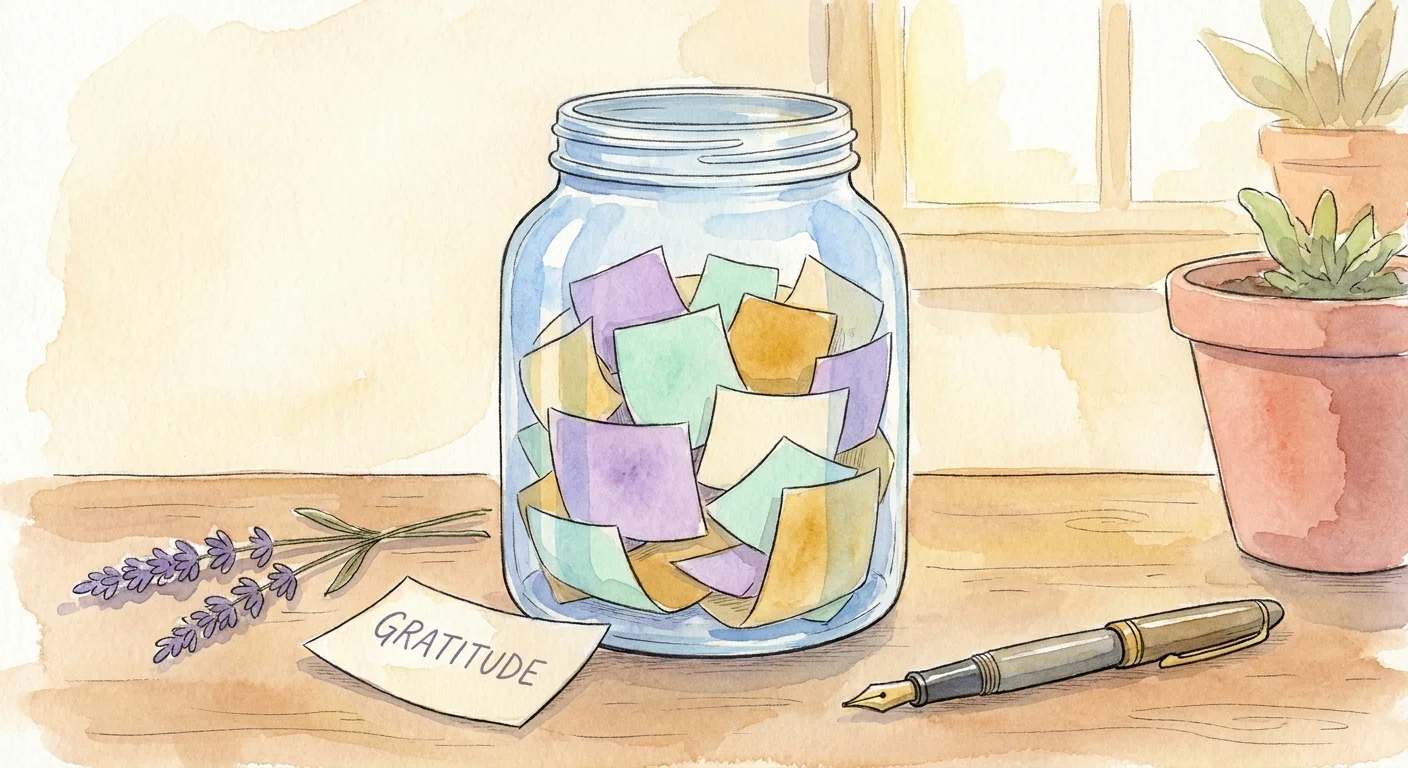
Keep a dedicated, high-quality notebook and a smooth-writing pen on your nightstand or beside your favorite reading chair. Every evening, write down three specific things that went well that day. Avoid vague, repetitive statements. Instead of writing, “I am grateful for my family,” write, “I am grateful for the sound of my grandson’s laughter during our afternoon phone call,” or “I am grateful for the rich taste of the soup I made for lunch.”
This strict level of specificity forces your brain to mentally relive the positive emotion associated with the event. Occasionally, take this ritual a step further by writing a physical letter of gratitude to someone who positively impacted your past. Expressing your thanks outwardly not only deepens your own happiness but profoundly brightens the recipient’s day, creating a beautiful ripple effect of positivity.

Tip #5: Immerse Yourself in Nature Therapy
Modern conveniences often trap us inside climate-controlled boxes, severing our innate, biological connection to the natural world. Reintegrating nature into your daily routine provides an immediate, tangible boost to your overall retirement lifestyle, grounding your energy and soothing your nervous system.
The Japanese therapeutic practice of shinrin-yoku, commonly known as forest bathing, proves that spending mindful, deliberate time in green spaces significantly reduces high blood pressure and alleviates chronic stress. Trees and plants naturally emit phytoncides—airborne essential oils that protect foliage from disease. When you breathe in these compounds, they actively boost human immune function and increase the count of natural killer cells in your body, which help fight off illness.
You do not need to hike rugged mountain trails or embark on exhausting wilderness expeditions to reap these incredible benefits. Tend to a small collection of potted plants on your balcony, walk slowly through a local botanical park, or simply sit quietly on a park bench beneath a large oak tree while listening to the birds overhead. The goal is sensory immersion, not aerobic exertion.
Aim for at least thirty minutes of outdoor nature exposure each day. Leave your smartphone at home—or bury it deep in your pocket on silent mode—to fully engage your senses. Notice the texture of the tree bark, the specific shades of green in the grass, and the physical sensation of the wind against your skin. If harsh weather traps you indoors, bring nature inside by caring for houseplants or sitting near a sunny window with a clear view of your yard.
Tip #6: Engage in Creative Expression Without Expectations
During your long working years, society conditioned you to evaluate every activity based on its external productivity, financial return, or measurable success. Retirement represents the perfect, liberating season to abandon those rigid metrics and embrace creativity purely for the sake of intrinsic enjoyment.
Engaging in a creative task allows your mind to enter a psychological “flow state”—a period of deep, effortless absorption where time seems to slip away entirely. This immersive focus temporarily suspends external worries, financial ruminations, and physical discomfort, serving as a highly effective, active form of meditation. When your hands are busy creating, your mind finally finds the space to rest.
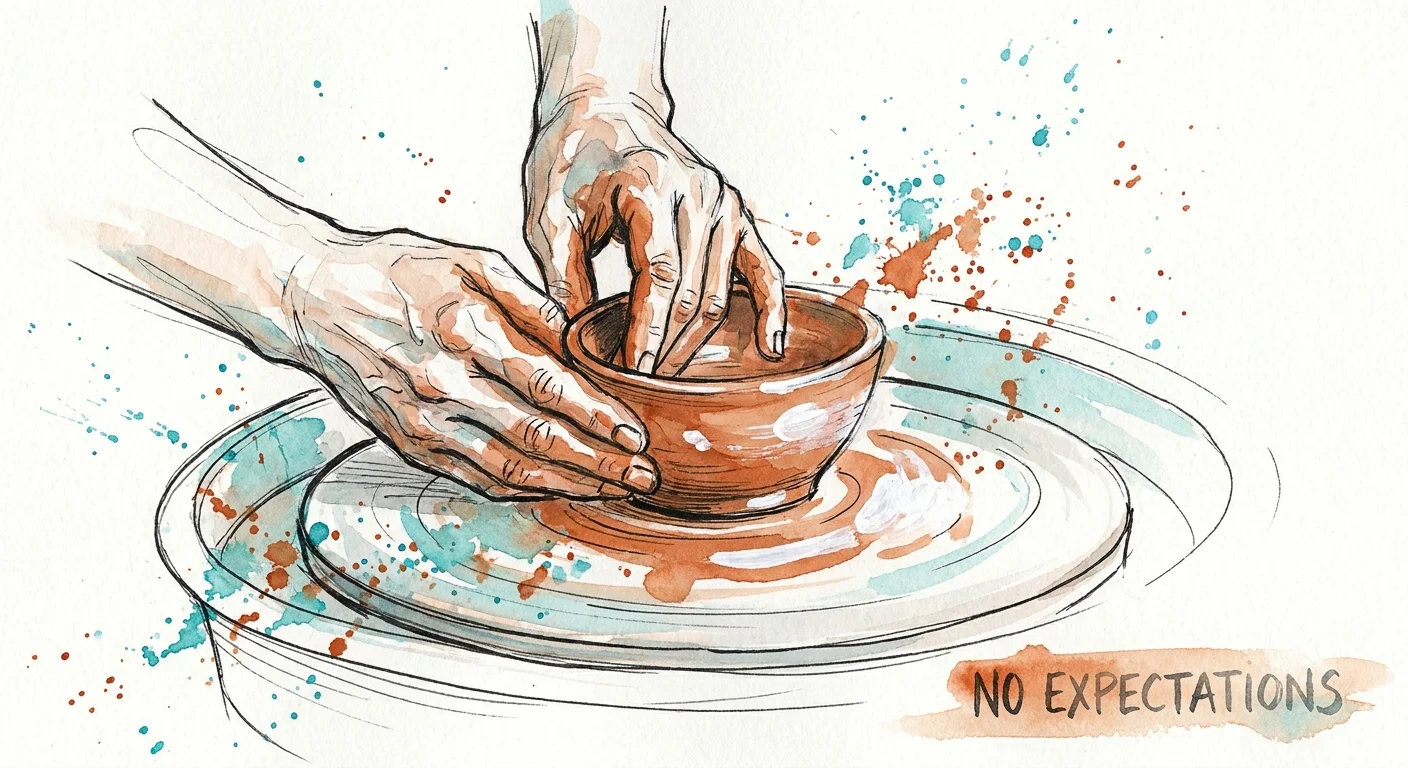
Give yourself radical permission to be a beginner. Purchase an inexpensive beginner’s watercolor set, start knitting a scarf, learn to play the ukulele, or open a blank document on your computer to write down childhood memories for your family. Do not judge the quality of your early attempts; the therapeutic value lies entirely in the relaxing process of self-expression, not the perfection of the final product.
If you prefer a social element, join a local pottery studio or a community woodworking group. Sharing your creative journey with other novices removes the pressure to perform and replaces it with shared laughter and mutual encouragement. By creating something physical from nothing, you reaffirm your capability and inject a deep sense of playfulness into your daily retirement schedule.

Tip #7: Establish a Structured Evening Wind-Down
A vibrant, energetic morning relies completely on the quality of the sleep you achieve the night before. As you age, your natural sleep architecture shifts; you spend less time in the deep, restorative phases of sleep and wake up more easily during the night. Counteracting this biological shift requires a solid, non-negotiable evening routine that actively prepares your brain for rest.
The greatest modern enemy of restorative sleep is blue light. Exposure to the harsh artificial light emitted by flat-screen televisions, digital tablets, and smartphones actively suppresses your pineal gland’s production of melatonin—the crucial hormone responsible for signaling to your body that it is time to sleep. Furthermore, consuming stressful evening news broadcasts keeps your sympathetic nervous system on high alert, virtually guaranteeing a night of tossing and turning.
Establish a strict digital curfew exactly one hour before your intended bedtime. Turn off all glowing screens and dim the harsh overhead lights in your living space, opting instead for the warm, soft glow of a reading lamp. Use this final golden hour to engage in relaxing, analog activities that soothe your mind.
Read a few chapters of an engaging fiction book, listen to soft classical music, or engage in five minutes of gentle, seated stretching to release physical tension from your back and shoulders. Prepare your environment for the following day by laying out your morning clothes and setting up your coffee maker. This predictable, calming sequence sends a clear, powerful biological signal to your body that the day’s work is done and it is finally safe to rest.
The Takeaway: Living a More Blissful Retirement
Transforming your retirement from a passive waiting period into an active, joyful adventure requires deliberate daily action. You hold complete authority over your time; by intentionally filling your hours with movement, learning, connection, and creativity, you build a life rich in meaning and personal satisfaction. Remember that consistency easily triumphs over intensity. You do not need to overhaul your entire life overnight; simply implement one or two of these small rituals this week, and gradually layer in the rest as you feel comfortable. Embrace this beautiful chapter of your life with optimism, curiosity, and a steadfast commitment to your own daily joy.
Frequently Asked Questions
How long does it actually take to form a new daily ritual?
While popular culture often claims it takes exactly 21 days to form a habit, rigorous psychological research from University College London reveals that it actually takes an average of 66 days for a new behavior to become automatic. The timeline varies depending on the complexity of the habit and your individual circumstances. The key to success is self-compassion; if you skip your morning walk or forget to write in your gratitude journal one day, simply acknowledge the slip and start again the next day. Consistency over months matters far more than a perfect, unbroken streak.
What should I do if my physical mobility is currently limited?
Every single ritual mentioned above can be easily adapted to accommodate physical limitations or chronic pain. If a neighborhood walk is out of the question, substitute it with gentle chair yoga or seated resistance band exercises in your living room. If leaving the house for social events is difficult, rely on video calls, telephone dates, or inviting neighbors over for a cup of tea. Nature therapy can be achieved by placing a comfortable chair near an open window or cultivating a small indoor herb garden. Focus fiercely on what your body can do, rather than mourning what it cannot.
How do I avoid feeling overwhelmed by trying to start too many habits at once?
Attempting to implement all seven rituals on the exact same day is a guaranteed recipe for burnout and frustration. Protect your peace by starting with just one small, highly achievable change—such as writing down three things you are grateful for before bed. Practice that single habit for two full weeks until it feels like a natural part of your routine. Once that behavior requires zero mental effort, introduce a second ritual, such as a ten-minute morning stretch. By slowly stacking these behaviors over several months, you build a sustainable, life-changing routine without ever feeling overwhelmed.
Do I need to follow a strict schedule every single day?
Absolutely not. One of the greatest luxuries of life after retirement is the flexibility to bend your schedule to fit your mood. Treat these daily rituals as a supportive framework, not a rigid prison. Employ the 80/20 rule: aim to follow your healthy routines 80 percent of the time, and leave the remaining 20 percent open for spontaneous adventures, lazy rainy mornings, or unexpected visits from family. The goal of these rituals is to generate happiness and structure, not to burden you with unnecessary stress or guilt.
For a wide range of resources for older adults, visit AARP and the National Council on Aging (NCOA). Health information is available from the National Institute on Aging.
Disclaimer: This article is for informational and inspirational purposes only. It is not a substitute for professional medical, financial, or psychological advice. Please consult with a qualified expert for guidance tailored to your individual needs.
Leave a Reply