

Transforming your daily routine into a rejuvenating retreat improves your cardiovascular health, reduces joint stiffness, and significantly lowers chronic stress levels. By integrating simple, resort-inspired wellness practices into your schedule, you can protect your physical vitality and cultivate a sustainable vacation mindset 60+ all year long. You do not need expensive travel to experience profound relaxation and physical renewal; instead, you can optimize your nutrition, prioritize restorative movement, and upgrade your sleep habits right at home. These eight evidence-based strategies will help you lower your blood pressure, strengthen your immune system, and discover profound retirement joy daily while maintaining peak physical condition.
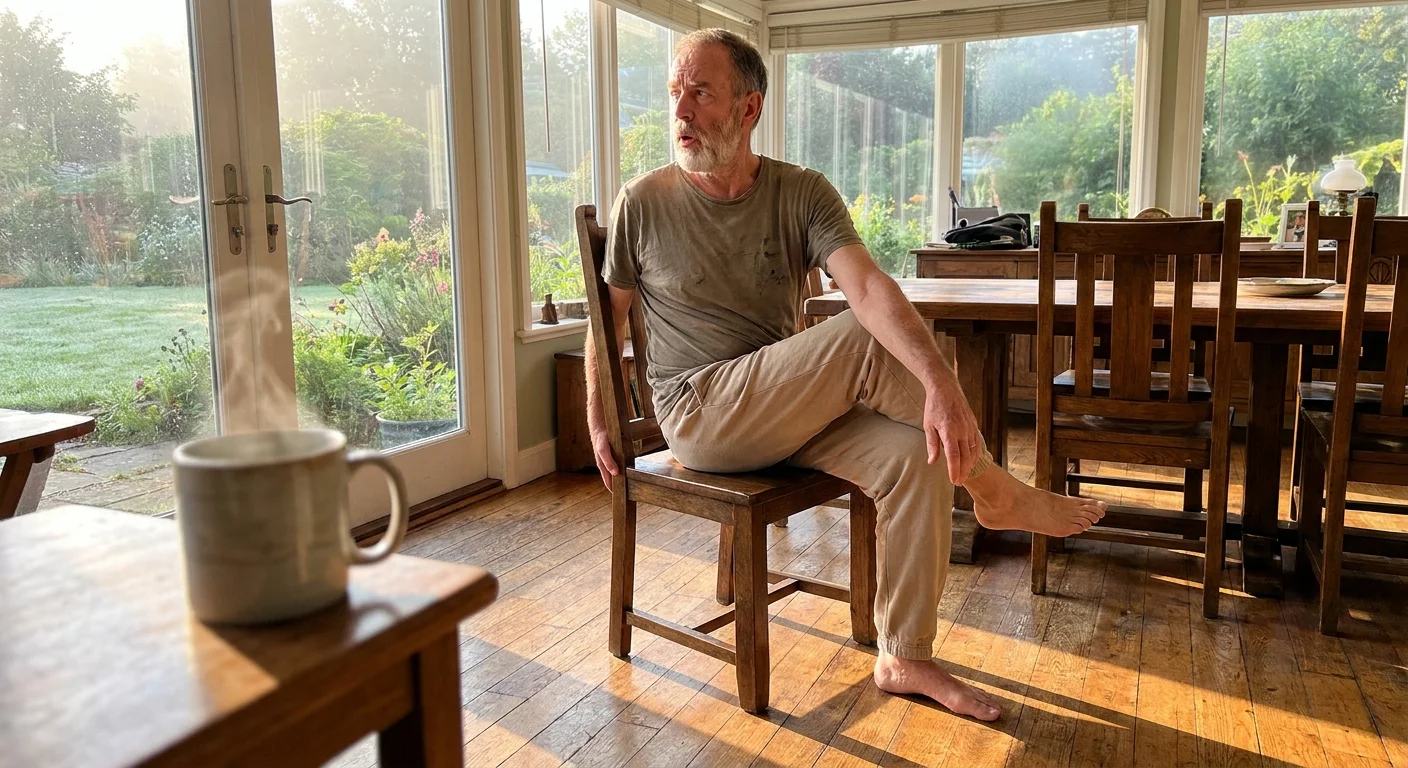
Wellness Tip #1: Wake Up to Gentle, Restorative Movement
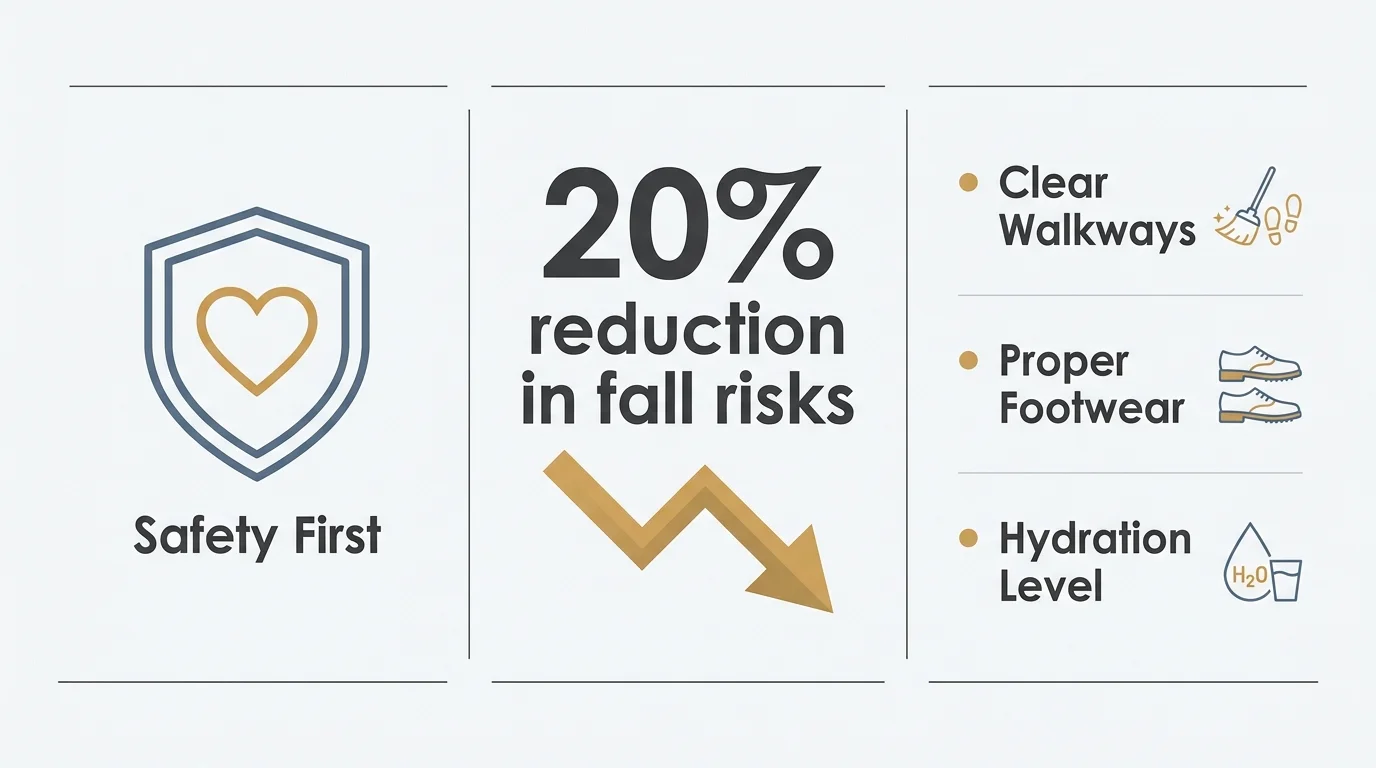
Your joints and muscles crave gradual awakening after a long night of sleep; mimicking the tranquil morning routine of a health retreat sets a positive physical tone for the entire day. Incorporating twenty minutes of gentle stretching or restorative yoga into your morning schedule increases synovial fluid production in your joints, which significantly reduces the stiffness often associated with aging. Instead of rushing through your morning, you can take a moment to breathe deeply and move deliberately—creating a mini vacation retirement experience right in your living room. Research demonstrates that seniors who engage in daily, low-impact flexibility exercises experience a twenty percent reduction in fall risks and report much higher levels of daily physical comfort. You can begin with simple neck rolls, seated spinal twists, and slow overhead reaches to gently elevate your heart rate and improve your overall circulation. Integrating mindful breathwork alongside your stretches expands your lung capacity and delivers oxygen-rich blood to your extremities. Maintaining this consistent morning ritual lowers your morning cortisol levels, reduces systemic inflammation, and prepares your cardiovascular system for more demanding activities later in the day. By prioritizing your physical comfort first thing in the morning, you establish a resilient foundation for long-term mobility and independence.
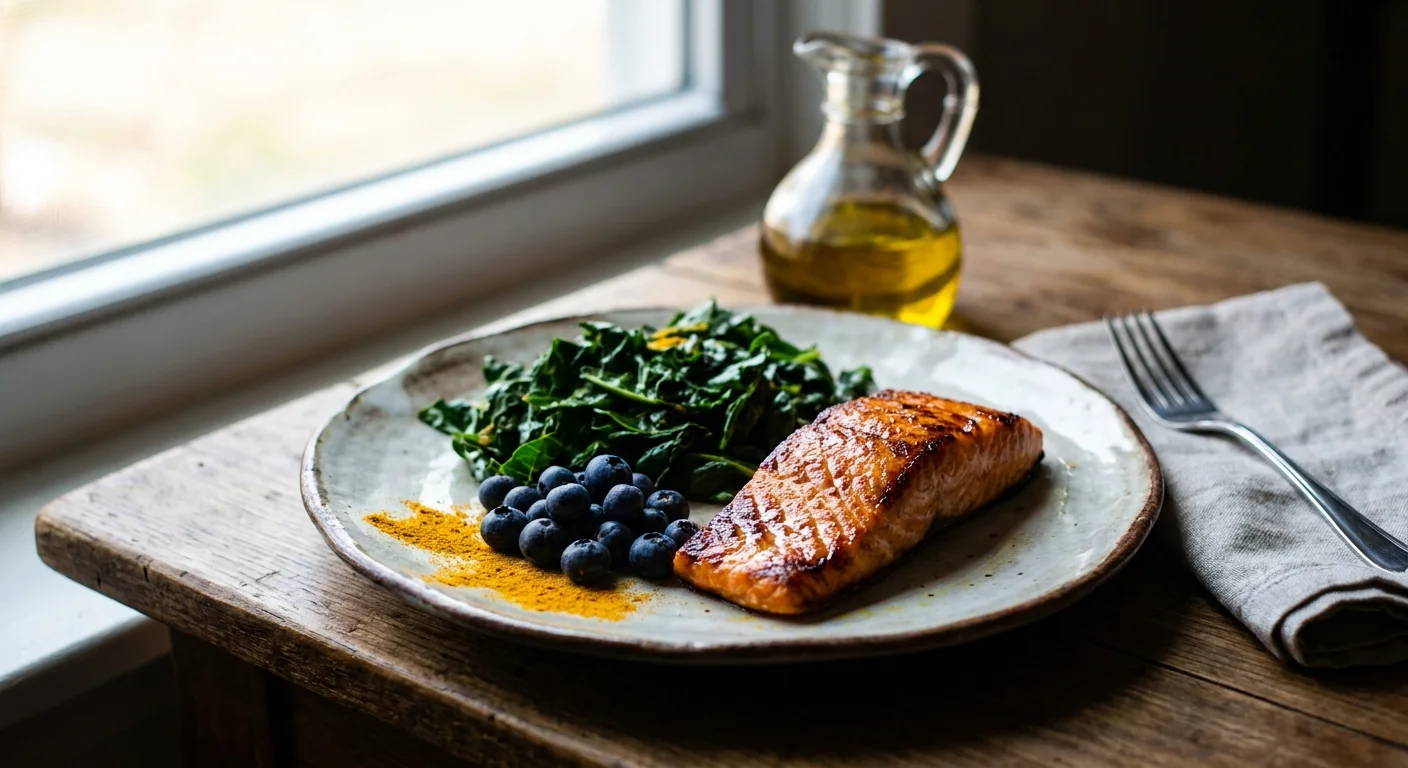
Wellness Tip #2: Savor Nutrient-Rich, Colorful Meals
Nourishing your body with vibrant, antioxidant-rich foods directly supports your cellular health while making you feel vacation everyday right at your dining table. Resort chefs often prioritize fresh, local produce to create visually stunning plates, and you can easily adopt this exact approach to improve your metabolic health. A diet rich in leafy greens, colorful berries, and omega-3 fatty acids from wild-caught fish actively reduces arterial plaque buildup and strengthens your cognitive function. Turmeric, ginger, and garlic offer powerful anti-inflammatory properties that mimic the restorative benefits of high-end spa cuisine. You should aim to fill half your plate with vegetables at every meal, utilizing olive oil and fresh herbs instead of heavy sodium to season your dishes; this simple adjustment helps manage hypertension and supports healthy weight maintenance. Data from extensive nutritional studies indicates that seniors adhering to a Mediterranean-style diet show significantly lower rates of cardiovascular disease and type 2 diabetes. Furthermore, taking the time to sit down, chew your food slowly, and truly savor each bite improves your digestive enzyme production and nutrient absorption. Treating your daily meals as a luxurious culinary experience rather than a rushed necessity profoundly benefits your gastrointestinal health and daily energy levels.

Wellness Tip #3: Hydrate Luxuriously for Cellular Health
Proper hydration serves as the critical foundation for almost every physiological process in your body, yet the sensation of thirst often diminishes as you age. You can elevate this basic biological necessity by preparing pitchers of water infused with fresh cucumber slices, crushed mint, or vibrant citrus wedges—replicating the refreshing beverages served at luxury spas. Consuming at least sixty-four ounces of water daily ensures your kidneys efficiently filter toxins, maintains the elasticity of your skin, and prevents the severe cognitive fatigue associated with mild dehydration. Drinking room-temperature infused water is often gentler on your digestive system than ice-cold beverages, making it easier to consume larger quantities throughout the afternoon. Drinking adequate fluids also lubricates your joints and aids in the smooth digestion of the fiber-rich foods necessary for a healthy gut microbiome. When you keep a beautiful glass of infused water within arm’s reach throughout the day, you effortlessly encourage continuous hydration without feeling forced to chug large amounts at once. Clinical studies consistently show that well-hydrated older adults experience fewer instances of orthostatic hypotension—a sudden drop in blood pressure upon standing—and suffer from fewer urinary tract infections. This elegant approach to drinking water seamlessly blends essential preventative health care with the small pleasures senior life has to offer.
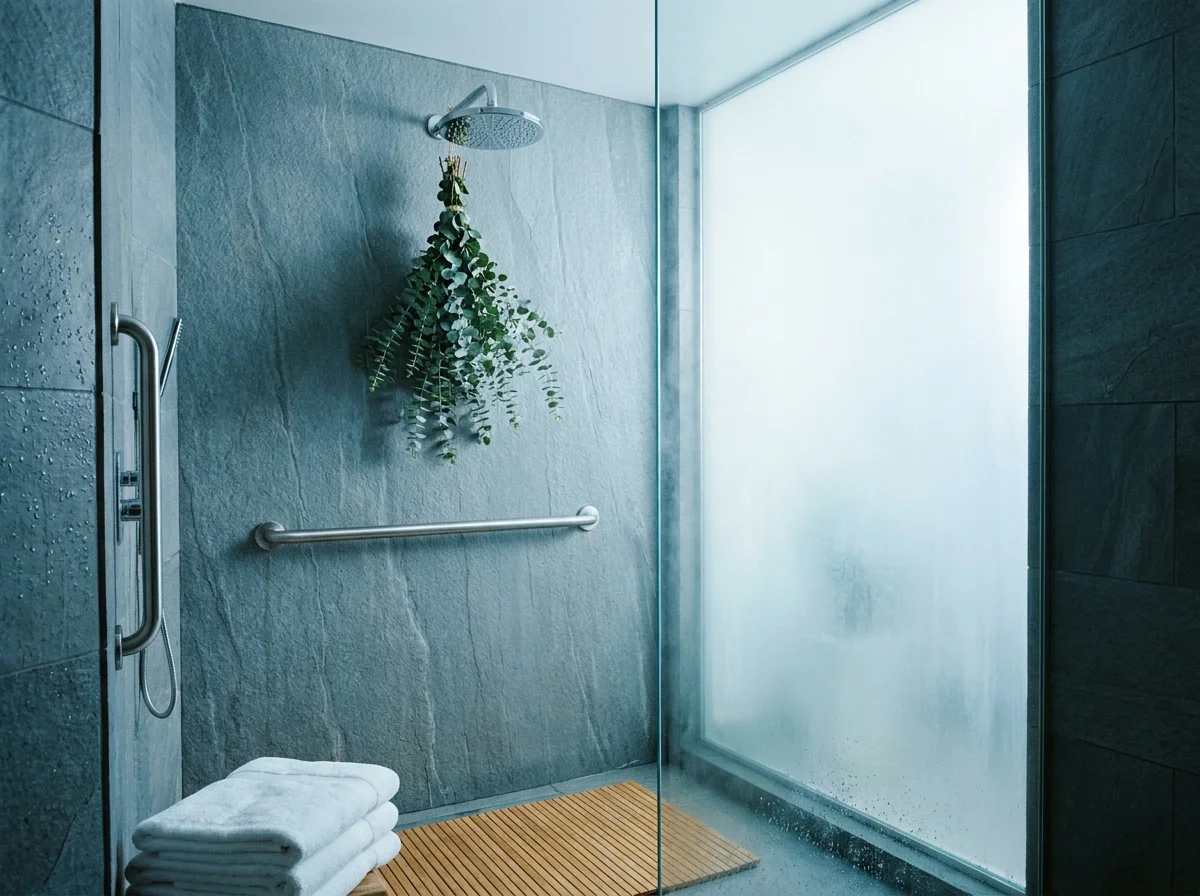
Wellness Tip #4: Transform Your Bathroom Into a Safe Healing Spa
Upgrading your daily bathing routine into a therapeutic ritual provides profound benefits for your dermatological health and your muscular recovery. Warm water immersion effectively dilates your blood vessels, which improves peripheral circulation and soothes chronic aches in your lower back and knees. You can enhance this daily habit by incorporating non-slip bath mats, secure grab bars, and a supportive shower chair to ensure maximum safety while you relax. Using gentle, fragrance-free moisturizers immediately after drying off locks essential hydration into your skin, preventing the uncomfortable pruritus—or severe itching—that frequently affects aging skin. You can also implement a brief dry brushing routine before you step into the water to gently exfoliate dead skin cells and further stimulate your lymphatic system. Adding a few drops of pure eucalyptus or lavender essential oil to the corner of your shower floor creates a therapeutic steam environment that clears your respiratory pathways and reduces tension headaches. By treating your personal hygiene as a restorative health practice rather than a basic chore, you actively reduce muscular tension and promote a state of deep neurological relaxation. Secure, well-designed bathroom environments empower you to enjoy these therapeutic benefits independently, protecting your physical well-being while making your home feel like a private health retreat.

Wellness Tip #5: Prescribe Yourself Daily Nature Walks
Engaging in regular cardiovascular exercise outdoors delivers compounding benefits for your heart muscle, your bone density, and your psychological well-being. Walking briskly through a local botanical garden, a quiet park, or a scenic neighborhood trail mimics the exploratory walks you might take while traveling, effectively boosting your cardiovascular endurance. Exposure to natural sunlight for just twenty minutes a day triggers your skin to synthesize Vitamin D, an essential nutrient that enables calcium absorption and fortifies your skeletal system against osteoporosis. Research confirms that walking at least thirty minutes a day, five days a week, dramatically lowers your risk of coronary artery disease and helps regulate your blood sugar levels. While you walk, consciously pull your shoulders back and engage your core muscles; maintaining excellent upright posture maximizes your lung expansion and relieves pressure on your lumbar spine. You should invest in highly supportive, well-cushioned walking shoes to protect your plantar fascia and minimize the impact on your hips and knees during these daily excursions. Combining aerobic exercise with exposure to green spaces also lowers your resting heart rate and decreases the production of stress hormones; this powerful combination of physical exertion and natural beauty seamlessly integrates retirement joy daily into your routine.

Wellness Tip #6: Prioritize an Afternoon Restorative Break
Many vibrant cultures around the world integrate a daily afternoon rest into their routine, recognizing that physical recovery is just as important as active exertion. Implementing a short, twenty-to-thirty-minute afternoon siesta provides your central nervous system with a crucial opportunity to reset, which actively lowers your blood pressure and diminishes cardiovascular stress. If you struggle to fall asleep during the day, simply lying down in a quiet, dimly lit room with your legs slightly elevated can significantly reduce peripheral edema—the uncomfortable swelling often experienced in the ankles and feet. Using blackout curtains or a soft eye mask helps signal to your brain that it is time to wind down, even when the sun is shining outside. Keeping these rest periods under thirty minutes prevents you from entering deep sleep cycles, ensuring you wake up feeling refreshed rather than groggy and avoiding any disruption to your nighttime sleep architecture. Regular, brief periods of daytime rest improve your memory consolidation, sharpen your afternoon cognitive focus, and provide your heart with a valuable period of decreased demand. Giving yourself absolute permission to rest without guilt honors your body’s natural circadian rhythms and perfectly captures the restorative essence of a tranquil getaway.
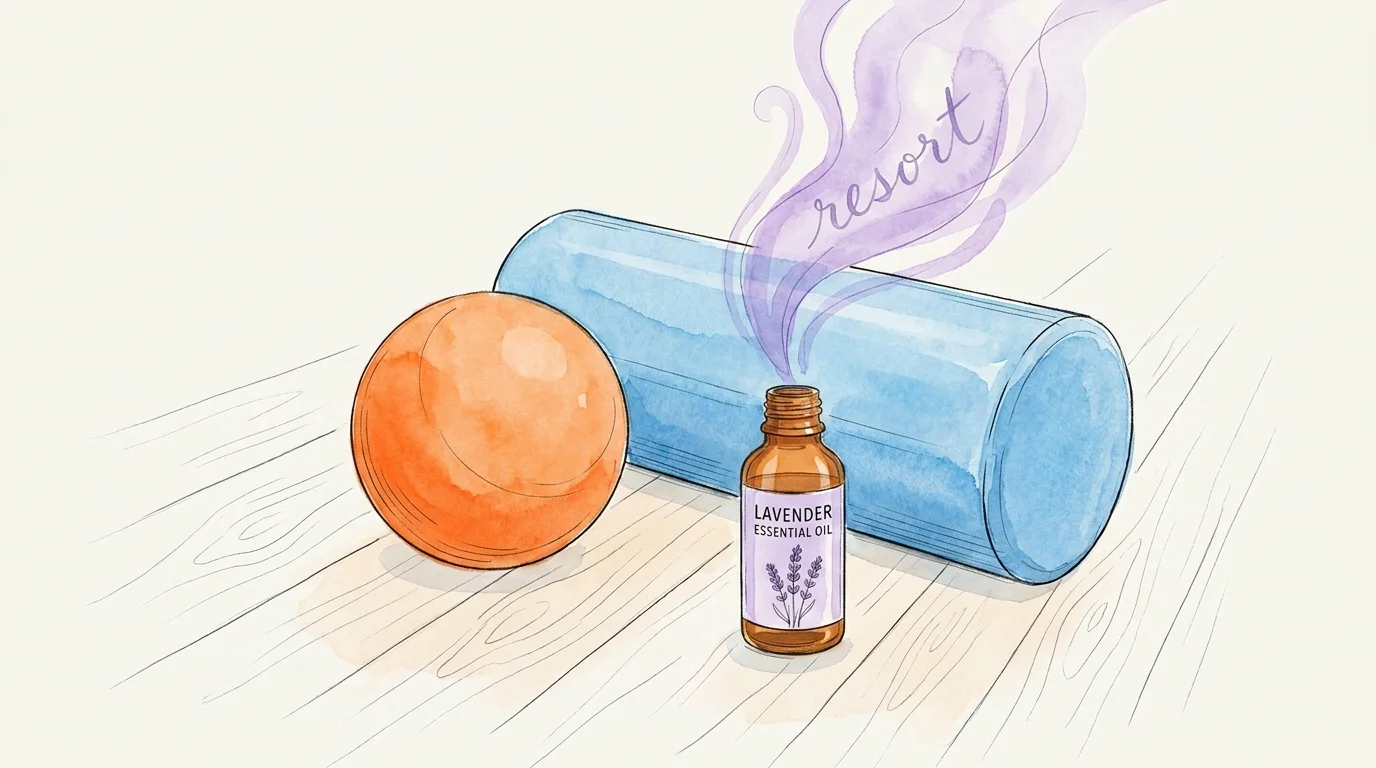
Wellness Tip #7: Implement a Daily Soft Tissue Care Routine
Managing soft tissue health is a cornerstone of preventative gerontology, and you can easily replicate the benefits of professional massage therapy in the comfort of your own home. Utilizing simple tools like a textured massage ball or a foam roller helps break up fascial adhesions, stimulates localized blood flow, and accelerates the removal of metabolic waste products from your muscle tissues. Spending just ten minutes gently rolling out the soles of your feet or massaging your calves actively prevents plantar fasciitis and reduces the frequency of nocturnal leg cramps. You can use your hands to gently knead your forearms, shoulders, and neck; this targeted pressure interrupts pain signals sent to your brain and rapidly reduces muscle hypertonicity. Always drink a large glass of water immediately following your tissue care routine; this essential step helps your kidneys efficiently flush out the cellular toxins released during the massage. Consistent soft tissue manipulation also stimulates your lymphatic system, which relies on muscular movement and manual pressure to flush cellular debris and support your immune function. By taking proactive ownership of your physical comfort through daily self-massage, you significantly enhance your flexibility, reduce chronic pain reliance on over-the-counter medications, and treat your body with the profound respect it deserves.

Wellness Tip #8: Cultivate Vibrant Social Connections
The most memorable vacations often revolve around the joy of shared experiences and meaningful conversations, both of which are critical components of your long-term cognitive health. Maintaining an active social calendar actively stimulates your brain’s neural pathways, preventing the cognitive decline associated with prolonged isolation and loneliness. You can organize a weekly healthy potluck with neighbors, join a local walking group, or participate in community gardening projects to combine physical activity with essential social interaction. Epidemiological data overwhelmingly illustrates that older adults with robust social networks enjoy stronger immune responses, experience lower rates of clinical depression, and boast greater overall longevity. Volunteering at local animal shelters, food banks, or historical societies provides a profound sense of purpose and structure to your week while expanding your social circle. Engaging in lively discussions and learning from your peers forces your brain to process complex verbal cues and formulate spontaneous responses, serving as a powerful workout for your working memory. When you prioritize building and sustaining deep relationships, you build a protective buffer against life’s inevitable stressors; this proactive approach to community engagement ensures you maintain a joyful, engaged spirit and a resilient physical body for years to come.
Important Safety Considerations
While adopting a luxurious, restorative approach to your daily routine offers immense physical benefits, you must always prioritize your immediate safety and structural limits. When you introduce new physical activities—such as morning stretching routines or daily nature walks—you should always start slowly and gradually increase your intensity over several weeks. Pushing your body too hard or too fast dramatically increases your risk of musculoskeletal strains, ligament sprains, and dangerous falls. If you decide to alter your nutritional habits by significantly increasing your fiber intake or introducing new dietary supplements, monitor your digestive system closely to avoid gastrointestinal distress. Furthermore, while warm baths provide excellent therapeutic relief for aching joints, you must ensure the water temperature is not excessively hot; temperatures above one hundred and four degrees Fahrenheit can cause a dangerous drop in blood pressure, leading to dizziness or fainting upon standing. Always utilize proper safety equipment, such as supportive footwear during your walks and non-slip mats in your bathroom, to protect your physical independence while enjoying your new wellness practices.
When to Talk to Your Doctor
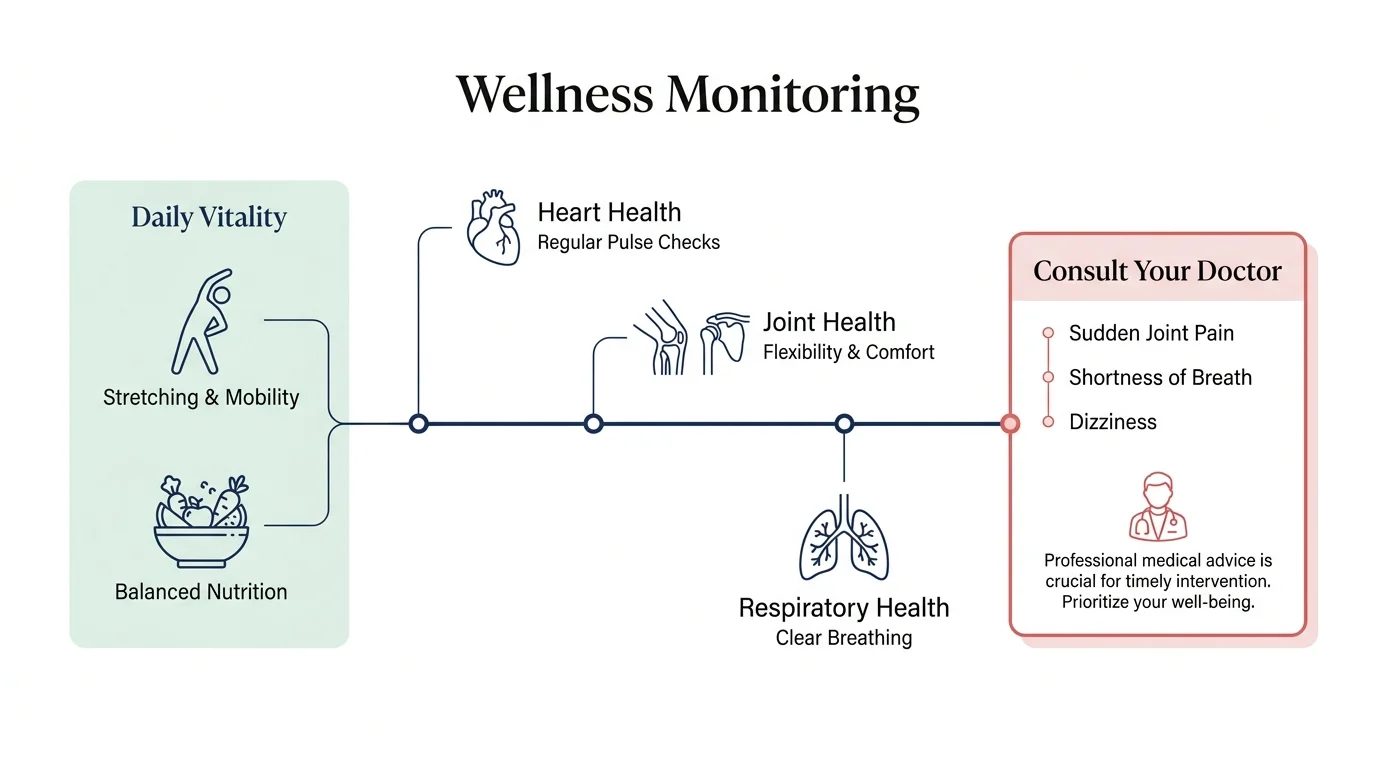
You must always consult your primary care physician or a board-certified specialist before making any significant changes to your diet, exercise routine, or daily supplement regimen. Your healthcare provider possesses the comprehensive medical history necessary to identify potential contraindications between new wellness practices and your current prescription medications. For instance, drastically increasing your intake of leafy greens can dangerously interfere with blood-thinning medications, and certain herbal teas used for relaxation may interact negatively with cardiovascular drugs. If you experience unexpected pain, severe dizziness, shortness of breath, or an irregular heartbeat while engaging in any new physical activity, you should cease the movement immediately and seek prompt medical evaluation. Do not attempt to self-diagnose chronic joint pain or sudden mobility limitations; a qualified medical professional can accurately determine whether your symptoms require targeted physical therapy or more advanced medical intervention. Open, transparent communication with your medical team ensures that your pursuit of a healthier, resort-inspired lifestyle remains completely safe and perfectly tailored to your unique physiological needs.
Frequently Asked Questions
Can I achieve cardiovascular benefits from walking if I break it up into shorter sessions?
Yes; breaking your daily walking goal into smaller, manageable increments—such as three ten-minute walks—provides nearly identical cardiovascular benefits to a single thirty-minute session. This approach significantly reduces the sustained load on your knees and hips, making it an excellent strategy for seniors managing osteoarthritis. Short, frequent walks also effectively lower post-meal blood sugar spikes when performed shortly after eating.
How can I safely improve my flexibility if I have mobility limitations?
If you experience significant mobility limitations, you can safely improve your flexibility by practicing chair-based exercises or utilizing a stretching strap to extend your reach without straining your back. Water aerobics also offers a remarkably safe environment for stretching, as the buoyancy of the water unloads your joints while the natural resistance helps build functional strength. Always perform stretches to the point of mild tension, never to the point of sharp pain.
Are daytime naps safe if I struggle with nighttime insomnia?
If you suffer from nighttime insomnia, you should approach daytime napping with extreme caution. Prolonged naps, especially those taken late in the afternoon, heavily diminish your sleep drive and severely disrupt your natural circadian rhythm. If you absolutely must rest during the day to manage fatigue, limit your nap to twenty minutes and ensure you take it before two o’clock in the afternoon to preserve your nighttime sleep quality.
Should I be concerned if my joints pop or crack during my morning stretching routine?
Painless popping or cracking sounds in your joints—known as crepitus—are entirely normal and typically result from the harmless release of gas bubbles in the synovial fluid. However, if the cracking is accompanied by sharp pain, sudden swelling, or a locked joint, you must stop the activity immediately. Painful crepitus often indicates underlying cartilage degradation or mechanical joint issues that require professional medical assessment.
For authoritative health information, refer to the National Institute on Aging (NIA) and the CDC. For heart health, visit the American Heart Association. For Medicare questions, go to Medicare.gov.
Disclaimer: This article provides general wellness information and is not medical advice. Always seek the advice of your physician or other qualified health provider with any questions you may have regarding a medical condition.







Leave a Reply