
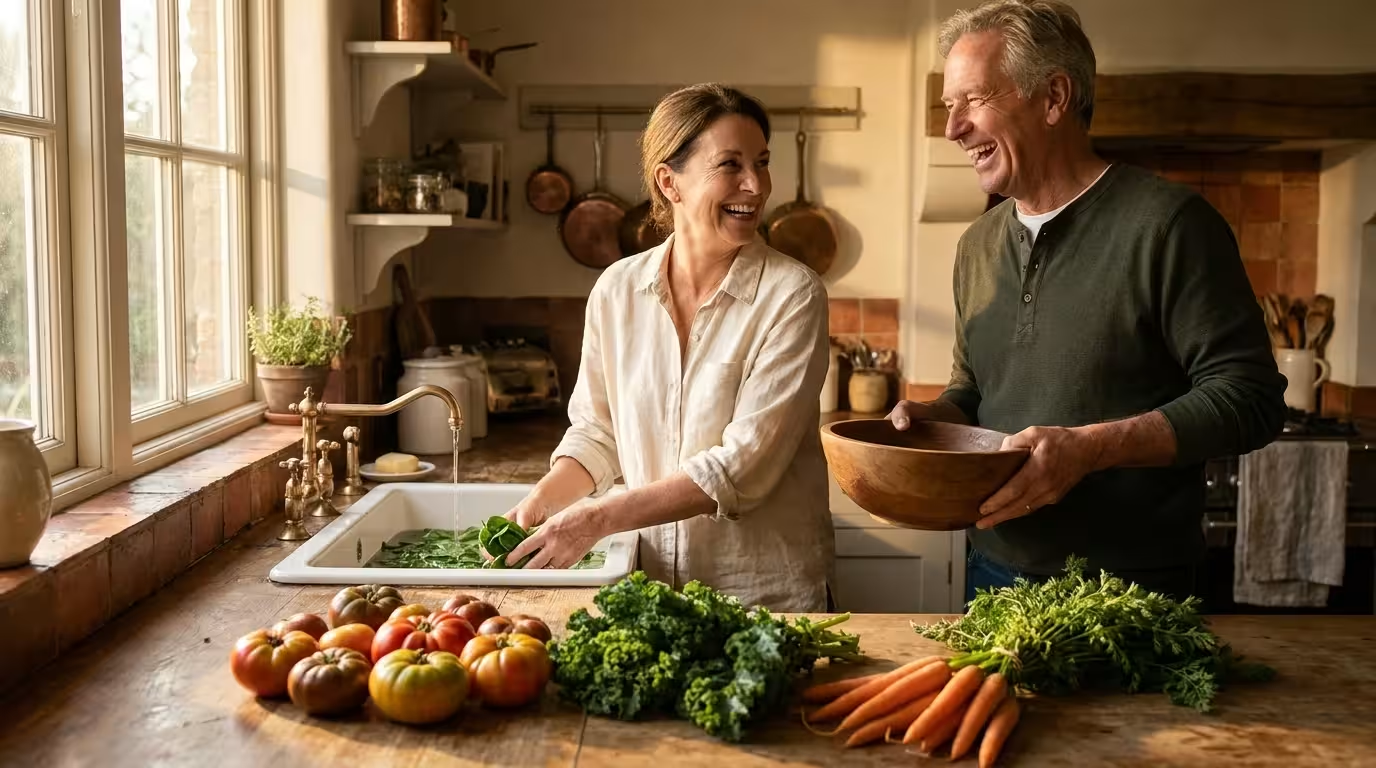
Your golden years offer a beautiful opportunity to prioritize your well-being and pursue the passions you never had time for during your working life. True freedom during this exciting chapter relies heavily on maintaining a strong foundation of physical and mental vitality. By implementing a proactive retirement health strategy, you build the stamina needed for travel, active hobbies, and joyful moments with your grandchildren. Healthy aging goes far beyond just managing illnesses; it involves actively optimizing your daily routines, nutrition, and social connections to thrive. Following a comprehensive checklist takes the guesswork out of preventive health. You will discover exactly which habits, screenings, and lifestyle adjustments yield the greatest impact on your long-term wellness.
Tip #1: Schedule Comprehensive Preventive Screenings
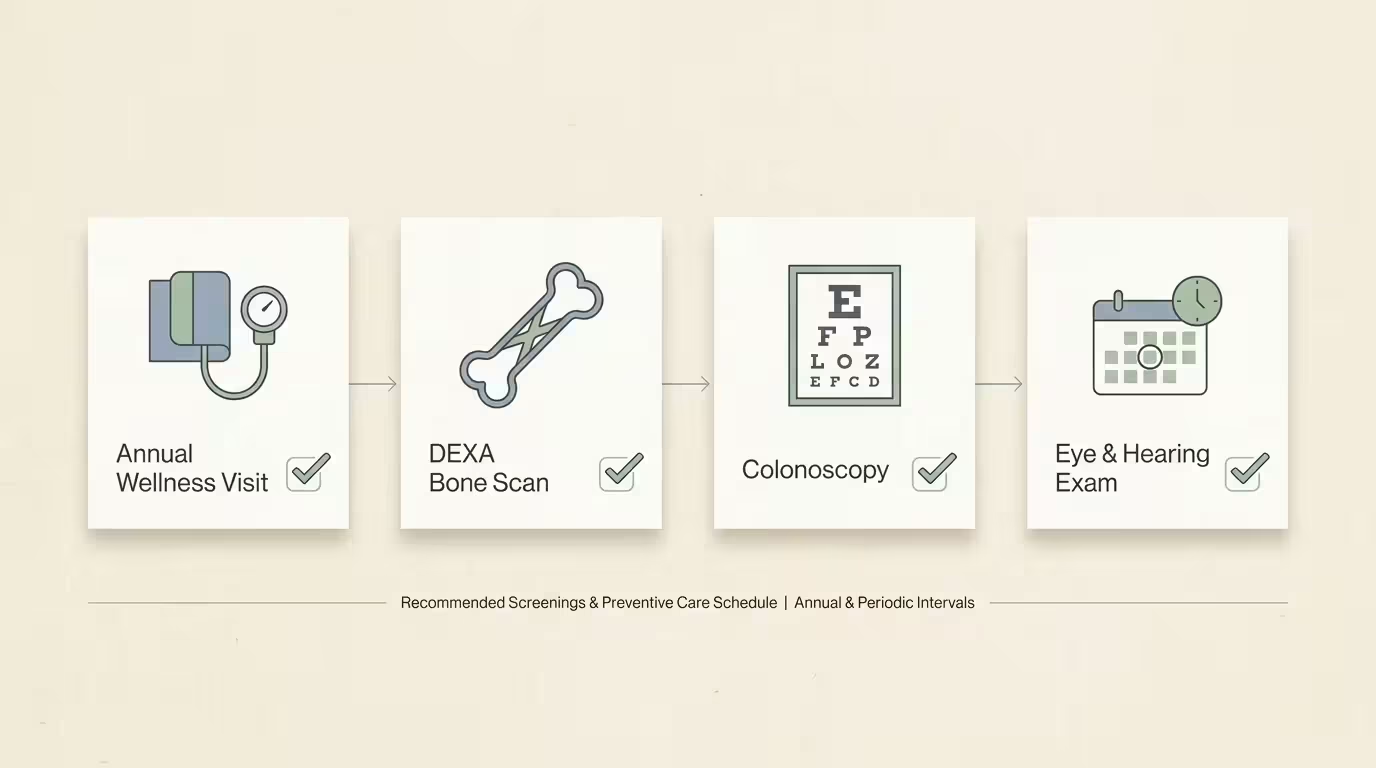
Your doctor serves as your partner in navigating healthy aging, and regular preventive health screenings form the cornerstone of this partnership. Catching potential issues early significantly improves your treatment outcomes and preserves your retirement lifestyle. You need to schedule an annual comprehensive wellness visit to track your blood pressure, cholesterol levels, and blood glucose.
Beyond the basics, ask your physician about age-specific screenings. Women should continue mammograms and schedule DEXA scans to monitor bone density; men need regular prostate evaluations. Both men and women must prioritize colonoscopies and routine dermatological checks for skin cancer. Do not overlook your sensory health—age-related hearing loss and vision changes like cataracts or macular degeneration can isolate you if left untreated. Book an annual comprehensive eye exam and a baseline hearing test. By keeping a master calendar of these appointments, you take full control of your long-term vitality.
Tip #2: Prioritize Cardiovascular Health and Daily Movement
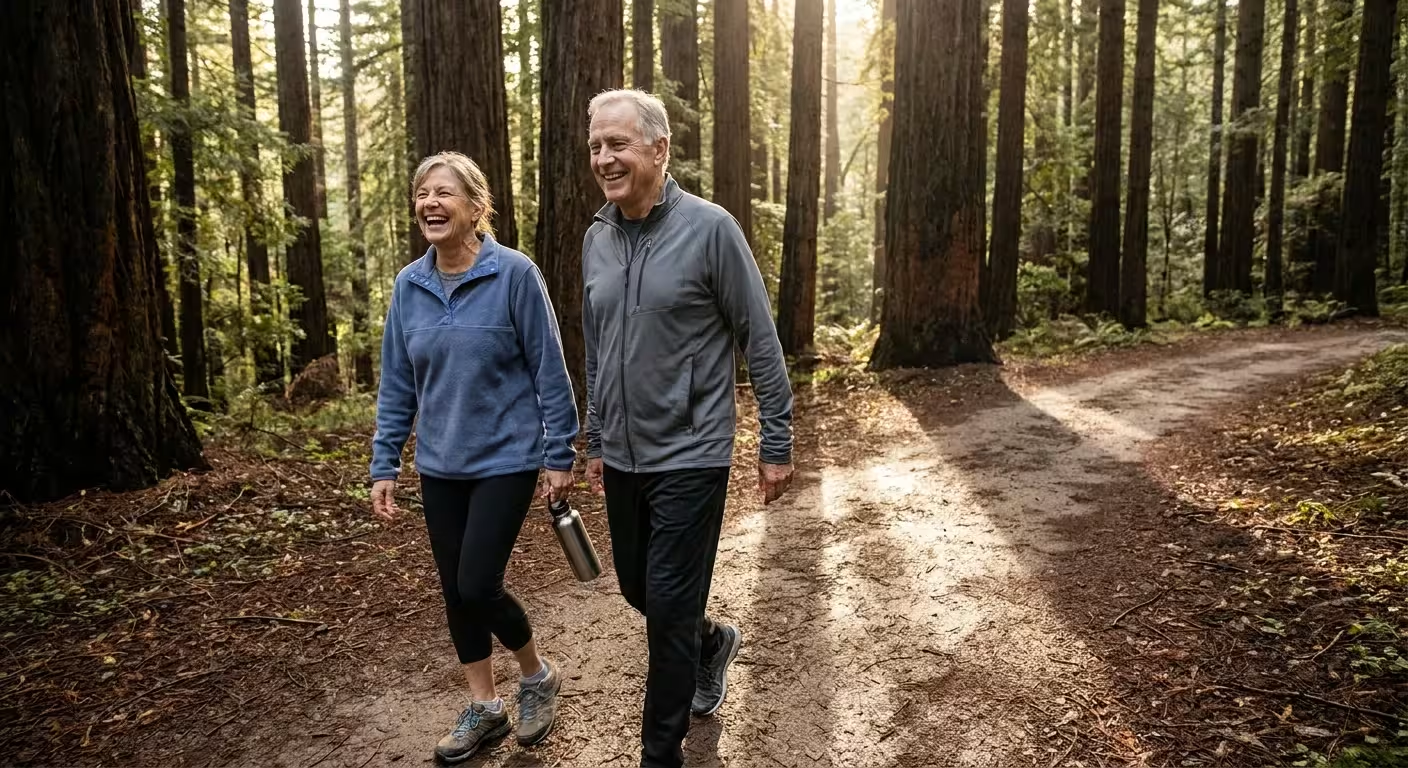
A strong heart pumps life into your daily adventures, making cardiovascular fitness a top priority for senior wellness. The American Heart Association recommends at least 150 minutes of moderate-intensity aerobic exercise each week. You do not need to run marathons to achieve this goal; brisk walking, swimming, cycling, and water aerobics offer excellent cardiovascular benefits without placing undue stress on your joints.
Consistency matters far more than intensity. Break your movement into manageable thirty-minute sessions, five days a week. Engaging in activities you genuinely enjoy ensures you stick with your routine long-term. Invite a friend for a morning walk around the neighborhood or join a local hiking group tailored to older adults. This daily physical activity lowers your risk of heart disease, helps manage your blood pressure, and boosts your overall energy levels. When you prioritize daily movement, you build the physical stamina required to travel, play with grandchildren, and fully embrace your retirement freedom.

Tip #3: Adopt a Nutrient-Dense, Anti-Inflammatory Diet
The food you consume directly fuels your retirement lifestyle, making nutrition one of the most powerful tools for healthy aging. As your metabolism naturally slows down, every calorie needs to pack a nutritional punch. Focus on adopting a nutrient-dense, anti-inflammatory eating pattern, such as the highly researched Mediterranean diet. This approach emphasizes vibrant vegetables, fresh fruits, whole grains, and lean proteins while minimizing processed foods and refined sugars.
Incorporate healthy fats from olive oil, avocados, and nuts to support your brain health and reduce joint inflammation. Omega-3 fatty acids, found abundantly in wild-caught salmon and sardines, specifically protect your cognitive function and cardiovascular system. Hydration also plays a critical role in your diet. Your natural thirst mechanism weakens as you age, increasing your risk of dehydration. Keep a reusable water bottle nearby and aim to drink consistently throughout the day. By treating your kitchen as a source of proactive medicine, you give your body the exact building blocks it needs to maintain high energy levels.
Tip #4: Cultivate Meaningful Social Connections
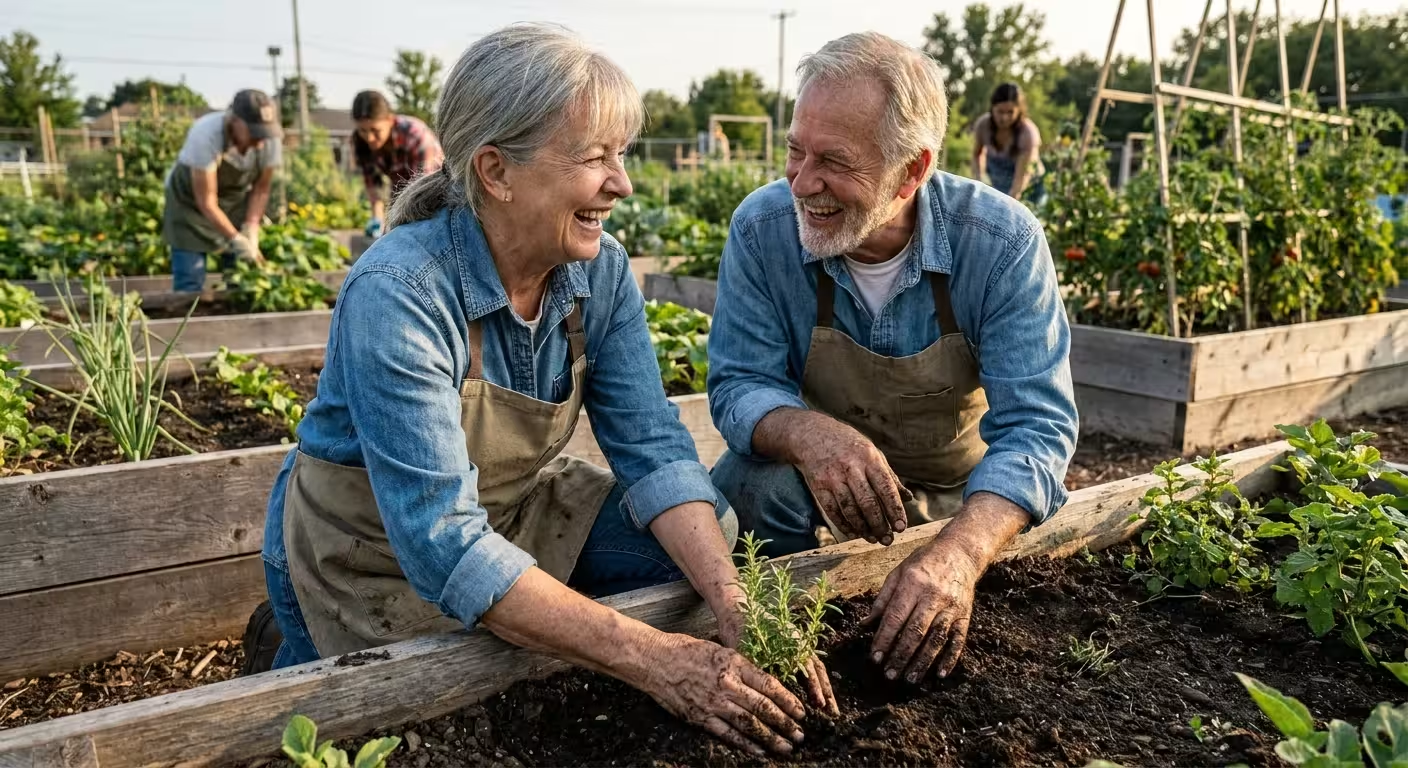
Strong relationships nourish your soul and protect your physical health just as effectively as diet and exercise. Research shows that chronic loneliness carries severe health risks, actively accelerating cognitive decline and weakening your immune system. Protecting your senior wellness requires you to cultivate and maintain a vibrant social network. Leaving the structured environment of a workplace often shrinks your daily social interactions, so you must intentionally create new opportunities for connection.
Join a local book club, enroll in a community college course, or participate in group fitness classes. Volunteering offers an exceptional way to meet like-minded individuals while giving you a profound sense of purpose. Dedicate a few hours each week to an animal shelter, a local food bank, or a mentoring program. Schedule regular phone calls or coffee dates with friends and family members to nurture your existing bonds. When you invest time in your community, you dramatically lower your risk of depression and enhance your overall retirement health.
Tip #5: Protect and Stimulate Your Cognitive Function
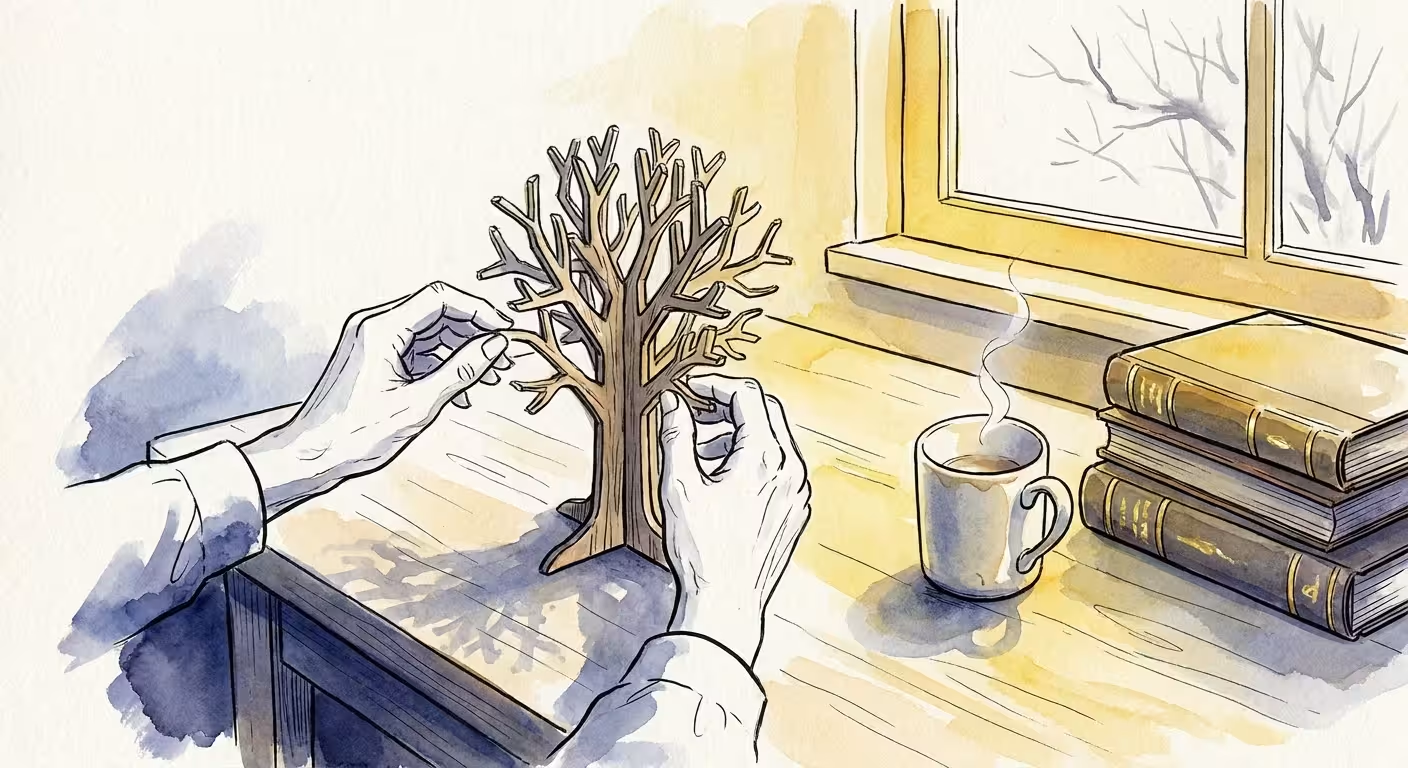
Your brain thrives on novelty and challenge, making cognitive stimulation essential for a vibrant retirement. Neuroplasticity—the brain’s ability to form new neural connections—remains active throughout your life. To keep your mind sharp, you must step outside your intellectual comfort zone. Engaging in routine tasks does not provide the mental workout your brain needs. Instead, challenge yourself to learn a completely new skill.
Pick up a musical instrument, study a foreign language, or explore complex hobbies like woodworking or painting. Strategy games, such as chess, bridge, or advanced puzzles, force you to think critically and solve problems, reinforcing your cognitive reserves. Reading diverse genres also broadens your perspective and stimulates your imagination. Dedicate at least thirty minutes each day to focused, intellectually demanding activities. By treating your mind like a muscle that requires regular, varied resistance training, you effectively delay cognitive decline and maintain your sharp memory for years to come.

Tip #6: Optimize Your Sleep Hygiene and Rest
High-quality sleep serves as your body’s nightly repair system, consolidating memories, balancing hormones, and strengthening your immune function. Despite the myth that older adults need less rest, your body still requires seven to eight hours of uninterrupted sleep each night to function optimally. As you age, your sleep architecture changes, often resulting in lighter sleep and more frequent nighttime awakenings. Combat these changes by practicing immaculate sleep hygiene.
Create a relaxing pre-bedtime ritual to signal to your brain that the day has ended. Dim the lights, read a physical book, and avoid the blue light emitted by smartphones and televisions at least an hour before turning in. Keep your bedroom cool, dark, and exceptionally quiet. If you struggle with insomnia, evaluate your caffeine intake and avoid consuming coffee or dark tea after the early afternoon. Prioritizing restorative rest guarantees you wake up energized and fully prepared to tackle your retirement activities.
Tip #7: Manage Stress and Prioritize Mental Health
Transitioning into retirement brings significant life changes that can unexpectedly trigger stress, anxiety, or feelings of lost identity. Protecting your mental health stands as a critical pillar of your overall retirement health checklist. Chronic stress elevates your cortisol levels, which promotes inflammation and accelerates the aging process. You can effectively counter these negative effects by integrating daily mindfulness practices into your routine.
Spend ten minutes each morning practicing deep, diaphragmatic breathing or guided meditation to center your thoughts. Mind-body exercises like yoga and tai chi not only improve your physical balance but also cultivate a profound sense of inner calm. Do not ignore persistent feelings of sadness or anxiety. Seeking support from a licensed therapist or counselor demonstrates strength and self-awareness. Discussing your fears and frustrations provides valuable coping strategies and helps you navigate this major life transition gracefully. Managing your stress proactively ensures your golden years remain a time of joy, peace, and personal fulfillment.
Tip #8: Review and Manage Your Medications Regularly
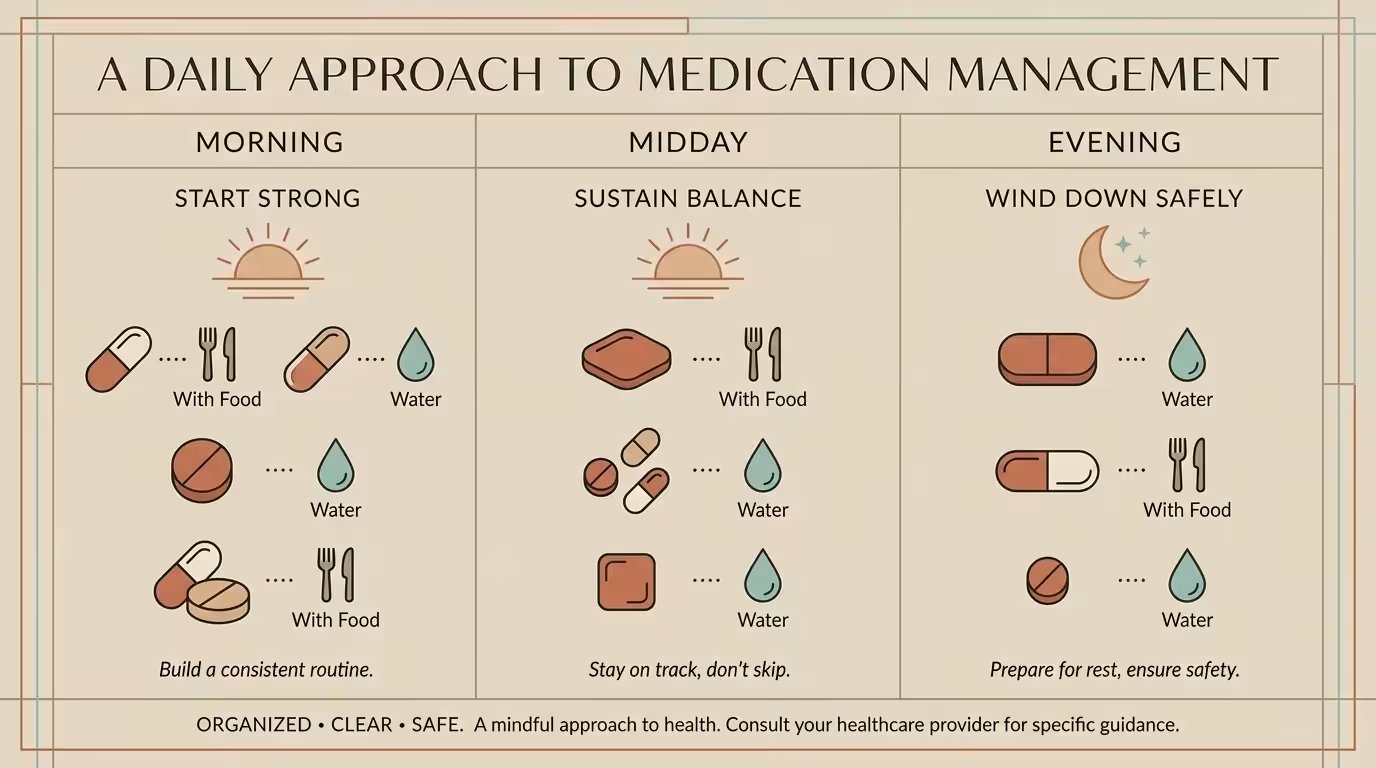
Managing multiple prescriptions correctly prevents dangerous drug interactions and safeguards your senior wellness. Polypharmacy—the simultaneous use of multiple medications—becomes increasingly common as you age, elevating the risk of adverse side effects. Take an active role in your pharmaceutical care by scheduling an annual comprehensive medication review with your primary care physician or a clinical pharmacist.
Bring every pill bottle, including over-the-counter vitamins, herbal supplements, and pain relievers, to this appointment. Discuss the ongoing necessity of each medication; you might find that certain drugs prescribed years ago no longer serve your current health needs. Ask your doctor if lifestyle changes, such as improved diet or weight loss, could safely replace specific prescriptions. To prevent daily confusion, utilize a weekly pill organizer and set alarms on your phone to ensure you take the right dosages at the correct times. Maintaining meticulous oversight of your prescriptions protects your long-term health goals.
Tip #9: Strengthen Your Muscles and Improve Balance
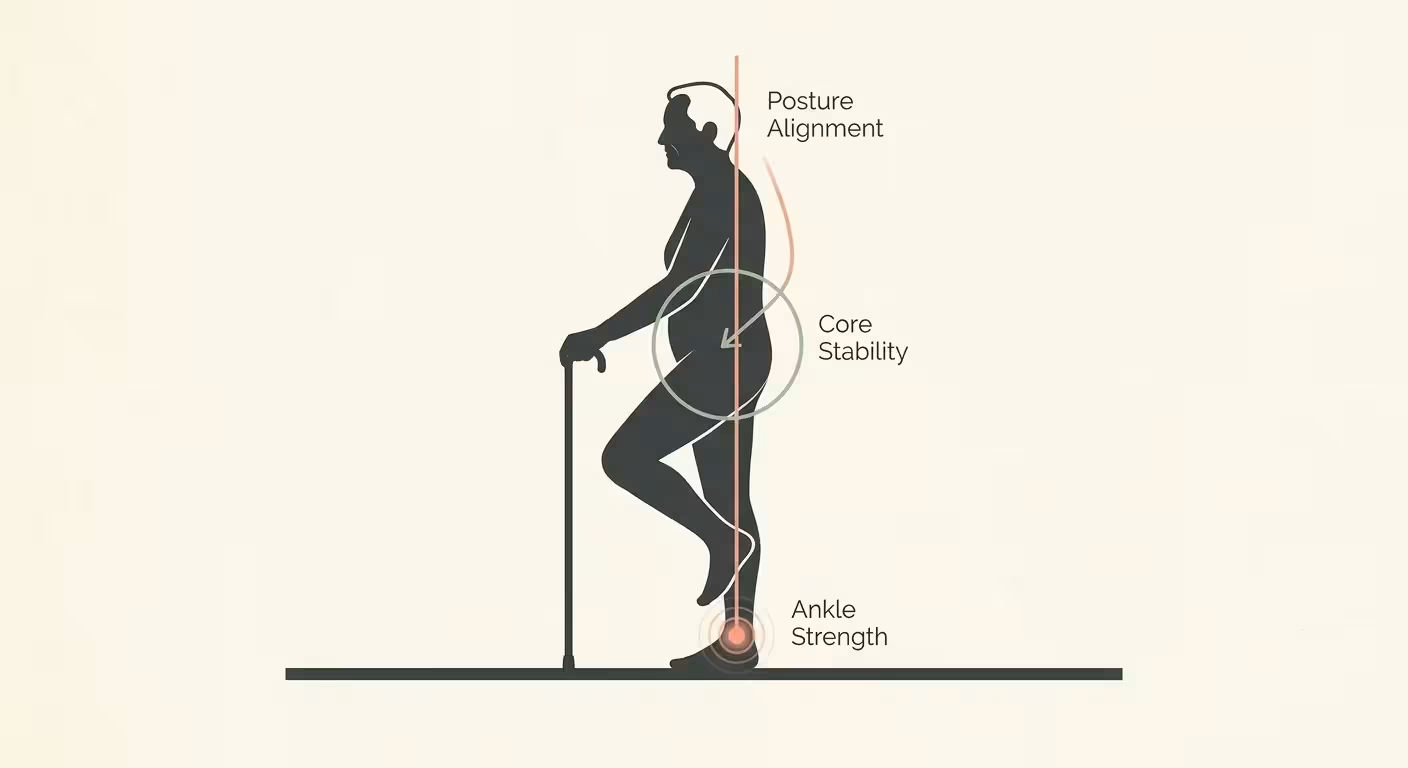
Preserving your muscle mass and enhancing your balance directly prevents falls, which rank among the leading causes of injury for older adults. Sarcopenia, the natural loss of muscle tissue associated with aging, weakens your physical foundation if left unchecked. You can successfully reverse this trend by incorporating resistance training into your routine at least twice a week. Lift free weights, use resistance bands, or leverage your own body weight through squats and modified push-ups.
Building functional strength makes daily tasks—like carrying groceries, climbing stairs, and getting out of chairs—effortless. Equally important is specific balance training. Simple exercises, such as standing on one foot while holding onto a sturdy counter or practicing heel-to-toe walking, train your nervous system to maintain stability. Classes focused on core strength, like Pilates, dramatically improve your posture and your body’s spatial awareness. By actively strengthening your muscles and refining your balance, you ensure a highly independent retirement lifestyle.
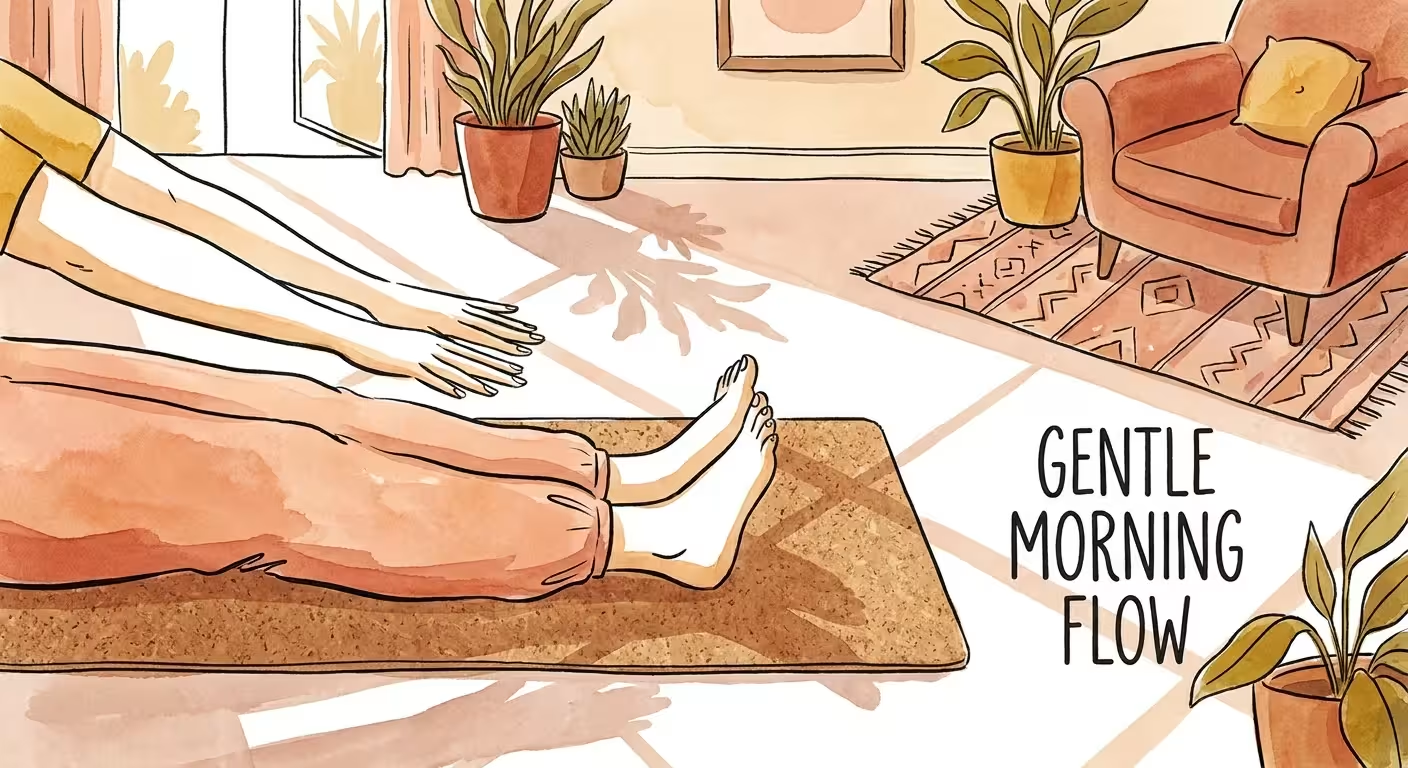
Tip #10: Protect Your Joints and Maintain Flexibility
Stiff joints and restricted mobility can quickly sideline your favorite retirement activities. Maintaining your flexibility ensures you move through life with ease and minimal discomfort. Years of wear and tear often lead to osteoarthritis, but you can actively manage your joint health through consistent, gentle stretching. Dedicate ten to fifteen minutes every morning to a full-body stretching routine.
Focus on your major muscle groups, paying special attention to your hamstrings, hips, and shoulders. Warm up your muscles with light walking before sinking into any deep stretches to prevent injury. Consider incorporating activities like water aerobics; the buoyancy of the water supports your body weight, removing stress from your hips and knees while allowing you to move freely. Pay attention to your posture throughout the day, as slouching places unnecessary strain on your spine and neck. Nurturing your flexibility preserves your range of motion, allowing you to swing a golf club, garden, or travel comfortably.

The Takeaway: Living a More Blissful Retirement
Your retirement years hold incredible potential for joy, discovery, and personal growth. By diligently following this retirement health checklist, you transform the concept of healthy aging from a passive hope into an actionable daily reality. Embracing preventive health measures, moving your body with purpose, and nurturing your social connections empowers you to squeeze the absolute most out of every single day.
Remember that building a sustainable retirement lifestyle does not require overnight perfection. Start small. Choose one or two tips from this list to implement this week—perhaps scheduling that overdue health screening or committing to a ten-minute morning stretch. As these positive choices become ingrained habits, layer on additional strategies. You hold the pen to this exciting new chapter of your life. Invest deeply in your physical and mental vitality today, and you will reap the beautiful rewards of an active, independent, and deeply fulfilling tomorrow.
Frequently Asked Questions
How often should I visit the doctor for preventive health checkups?
You should schedule a comprehensive physical exam with your primary care physician at least once a year. During this annual visit, your doctor will check vital signs, update your bloodwork, and ensure you remain current on necessary vaccines like the flu shot and shingles vaccine. If you manage chronic conditions like diabetes or hypertension, your doctor may recommend seeing you every three to six months for closer monitoring.
Can I improve my health if I have been inactive for years?
Absolutely. It is never too late to embrace healthy aging and improve your senior wellness. Research consistently demonstrates that older adults who start exercising later in life still reap massive cardiovascular and muscular benefits. Begin slowly with low-impact activities like walking or swimming for just ten minutes a day. Gradually increase your duration and intensity as your stamina builds. Always consult your doctor before starting any new fitness regimen.
What is the best diet for a healthy retirement lifestyle?
Experts widely consider the Mediterranean diet the gold standard for long-term health. This anti-inflammatory eating pattern prioritizes fresh vegetables, fruits, whole grains, beans, nuts, and healthy fats like extra virgin olive oil. It limits red meat, processed snacks, and added sugars. Adopting this diet supports heart health, aids in weight management, and protects against cognitive decline.
How can I stay socially active if I have mobility issues?
You can cultivate meaningful connections without leaving your home. Embrace technology by using video chat platforms to stay in touch with distant friends and family. Join online forums or virtual book clubs tailored to your specific interests. Many local libraries and community centers now offer hybrid programs, allowing you to participate in lectures and social hours via your computer.
For a wide range of resources for older adults, visit AARP and the National Council on Aging (NCOA). Health information is available from the National Institute on Aging.
Disclaimer: This article is for informational and inspirational purposes only. It is not a substitute for professional medical, financial, or psychological advice. Please consult with a qualified expert for guidance tailored to your individual needs.








Leave a Reply