
Introduction: Your Guide to a Healthier, More Vibrant You
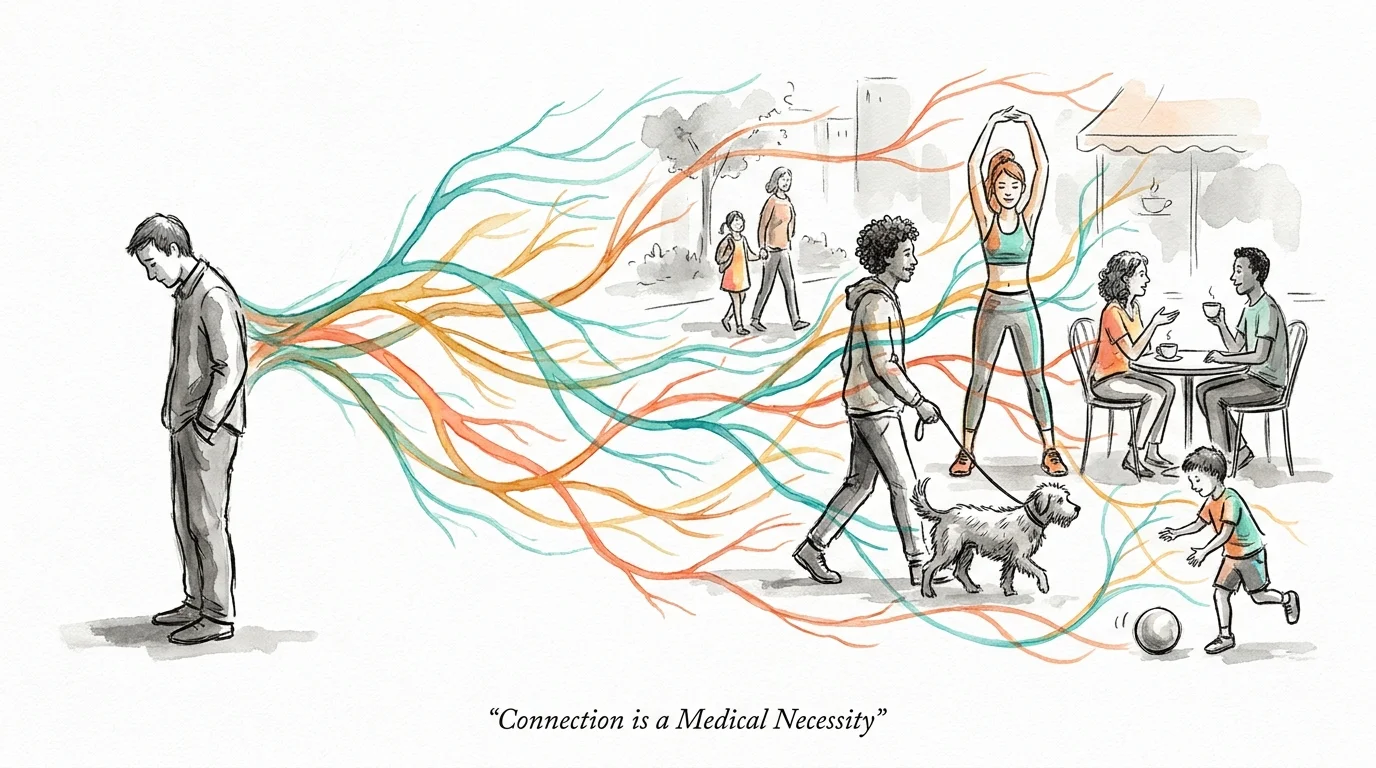
You already know that keeping your body active is a cornerstone of aging well. You probably monitor your blood pressure, try to eat plenty of leafy greens, and aim for a daily walk. Yet, one of the most vital components of your physical health often goes completely overlooked: your social connections. Building a robust social life after 60 is not just about filling your calendar; it is a medical necessity. Research consistently shows that chronic loneliness can be as damaging to your physical health as smoking 15 cigarettes a day. Isolation increases the risk of heart disease, weakens the immune system, and contributes significantly to cognitive decline.
However, knowing you need to make friends seniors can relate to and actually doing it are two entirely different things. The prospect of putting yourself out there often feels intimidating or forced. You might wonder how to find friends retirement age without enduring awkward small talk or attending uncomfortable networking events. The secret lies in combining your physical wellness goals with social opportunities. By participating in activities that inherently improve your health, you naturally surround yourself with like-minded individuals. Shared activities remove the pressure of maintaining constant eye contact or driving a conversation from scratch.
This guide offers seven actionable, health-focused strategies to help you cultivate new connections 60+ while simultaneously prioritizing your physical well-being. You will discover practical ways to step out of your comfort zone, move your body safely, and build a supportive network of peers who share your commitment to a vibrant, active lifestyle.
Wellness Tip #1: Join a Low-Impact Group Fitness Class
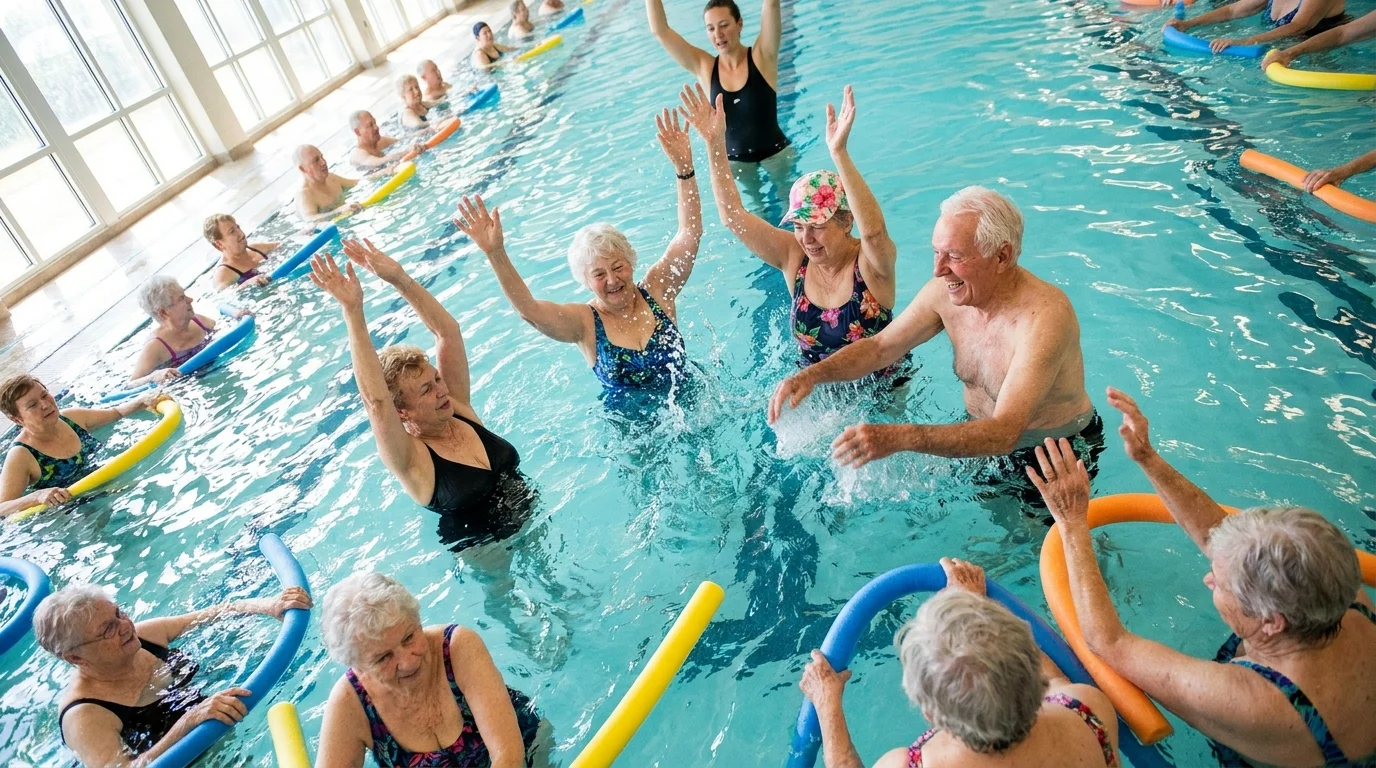
Group fitness environments offer one of the most effective ways to boost your physical health while naturally expanding your social circle. When you attend a class focused on low-impact movement, you place yourself in a room full of individuals prioritizing their vitality and mobility.
The Physical Benefits
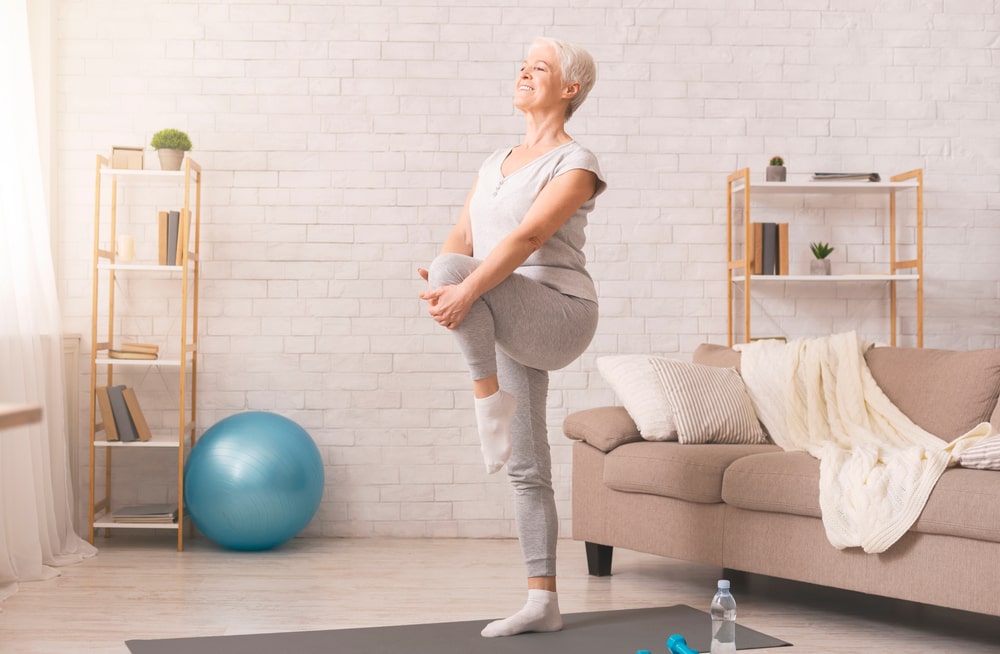
Low-impact exercises—such as water aerobics, Tai Chi, and restorative yoga—protect your joints while delivering substantial cardiovascular and muscular benefits. Water aerobics utilizes the natural resistance of water to build strength without placing stress on the knees or hips. Tai Chi, often described as meditation in motion, drastically improves balance and proprioception, which directly reduces your risk of dangerous falls. Consistently attending these classes helps you maintain muscle mass, regulate blood sugar levels, and keep your heart strong.
Why It Removes the Awkwardness
Fitness classes rely on a phenomenon called the proximity effect. You form friendships by showing up consistently to the same place at the same time. During a water aerobics class, the shared experience of learning a new routine or laughing through a challenging movement provides instant, natural conversation starters. You do not need an opening line; you simply ask the person next to you if they also felt the burn during the leg lifts.
How to Take Action
Call your local YMCA or community recreation center and ask for a schedule of classes specifically designed for older adults. Many Medicare Advantage plans offer SilverSneakers benefits, which provide free access to participating gyms and specialized fitness programs. Commit to attending the exact same class twice a week for a month to establish a recognizable presence.
Wellness Tip #2: Bond Over Walking Clubs or Hiking Groups
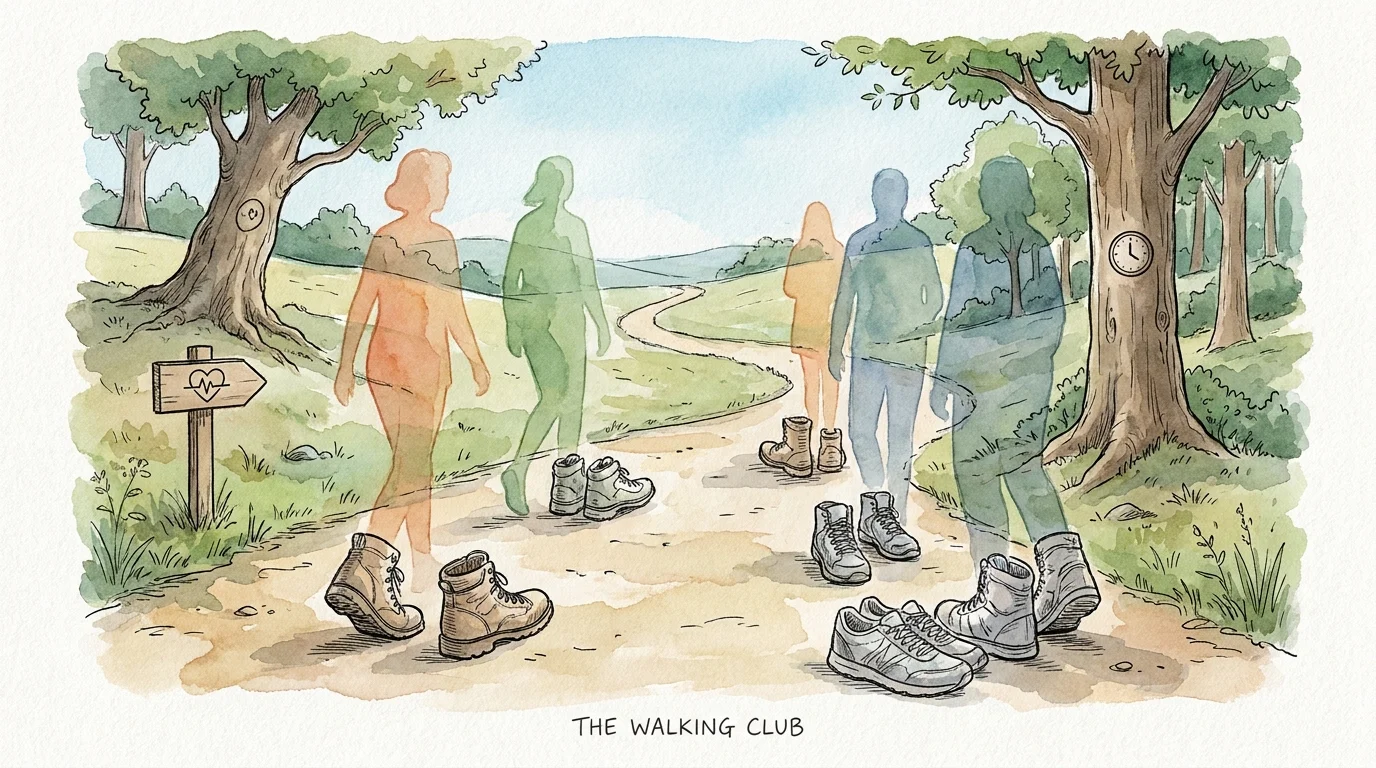
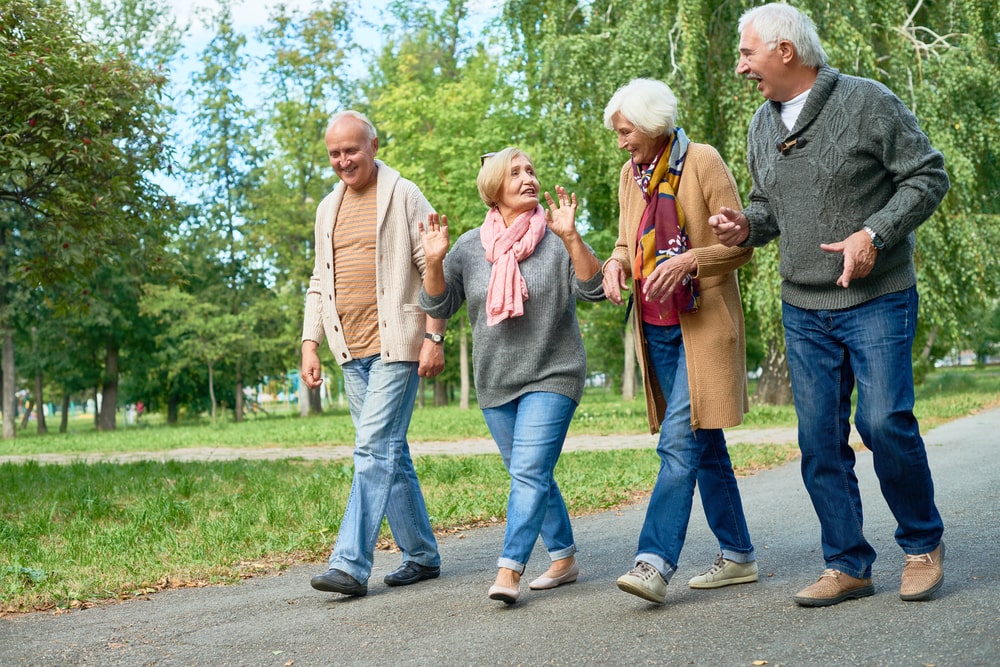
Walking remains one of the most accessible and highly effective forms of exercise for older adults. Transforming this solitary habit into a group activity instantly revitalizes your social life and keeps you accountable to your fitness goals.
The Physical Benefits
Brisk walking elevates your heart rate, improves circulation, and strengthens the muscles in your lower body. Regular walking helps lower blood pressure, aids in weight management, and strengthens bone density, which is crucial for preventing osteoporosis. Furthermore, walking outdoors exposes you to natural sunlight, helping your body synthesize Vitamin D and regulating your circadian rhythm for better nighttime sleep.
Why It Removes the Awkwardness
Walking side-by-side with someone is psychologically liberating. Because you are looking forward rather than directly into someone’s eyes, the pressure of a face-to-face interaction vanishes. This unique dynamic encourages deeper, more authentic conversations. Pauses in the dialogue feel completely natural as you both navigate the trail or observe the surrounding nature.
How to Take Action
Search online community boards or local library bulletin boards for neighborhood walking groups. If you live near a nature reserve or state park, ask the visitor center about guided group hikes tailored for varying mobility levels. Make a habit of arriving five minutes early to introduce yourself to the organizer; they will often naturally introduce you to other regular members.
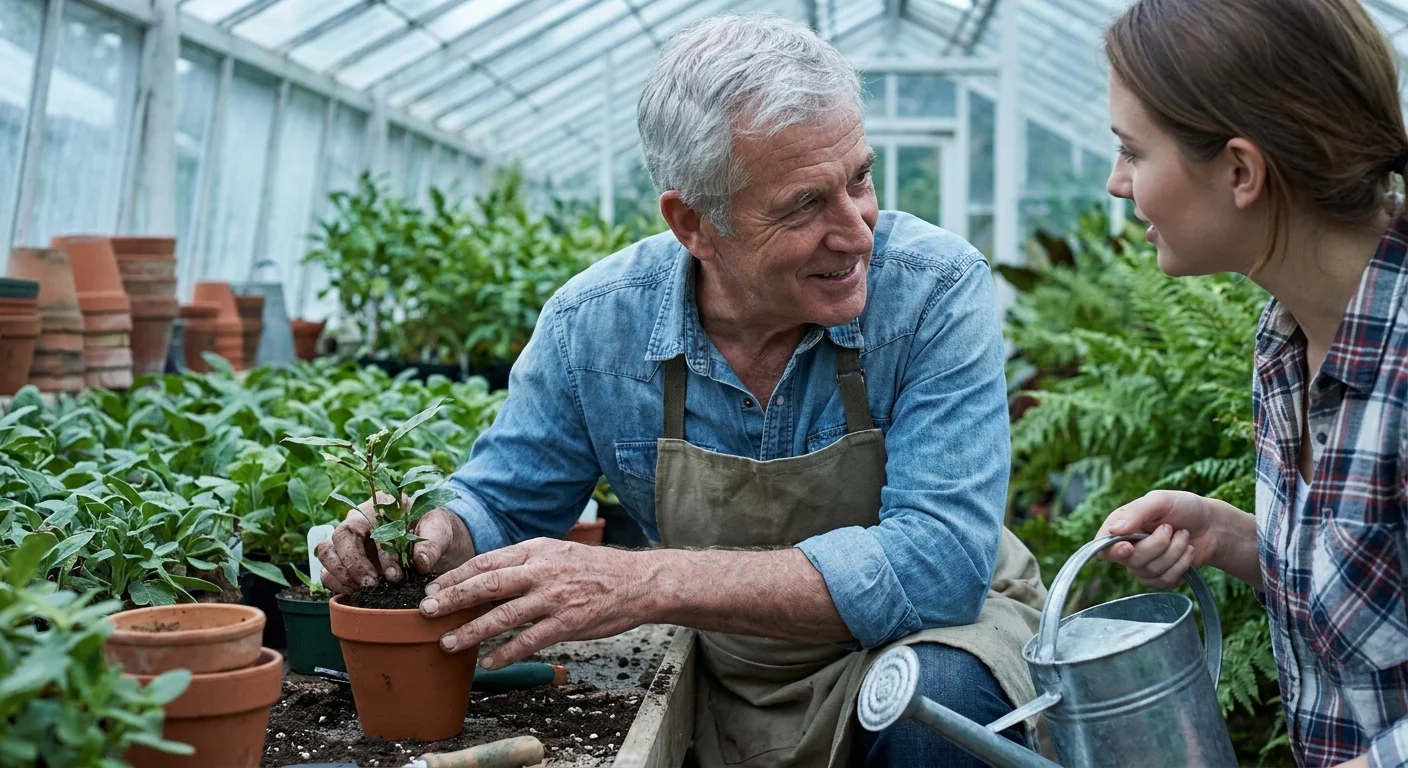
Wellness Tip #3: Volunteer for Active Community Roles
Retirement frees up a tremendous amount of time, giving you the perfect opportunity to give back to your community. Choosing volunteer roles that require physical movement serves a dual purpose: you contribute to a meaningful cause while keeping your body active and engaged.
The Physical Benefits
Active volunteering significantly increases your daily caloric expenditure and prevents a sedentary lifestyle. Building homes with Habitat for Humanity improves upper body strength and core stability. Working in a community garden involves squatting, lifting soil, and pulling weeds—excellent functional movements that maintain your flexibility and grip strength. Even ushering at a local theater requires you to stay on your feet and navigate stairs, promoting continuous low-intensity cardiovascular activity.
Why It Removes the Awkwardness
Meeting people elderly individuals can sometimes feel contrived in purely social settings. Volunteering eliminates this by centering the interaction around a shared mission. When you are focused on sorting items at a food bank or planting trees, the collaborative effort builds an instant camaraderie. You already share a core value with everyone in the room—a desire to help others—which forms a solid foundation for lasting friendships.
How to Take Action
Identify a cause you care passionately about, whether it involves animal rescue, environmental conservation, or supporting local food pantries. Reach out to the volunteer coordinator and specifically ask for roles that involve light physical activity rather than sitting at a desk. Commit to a regular weekly shift so you interact with the same group of volunteers continuously.
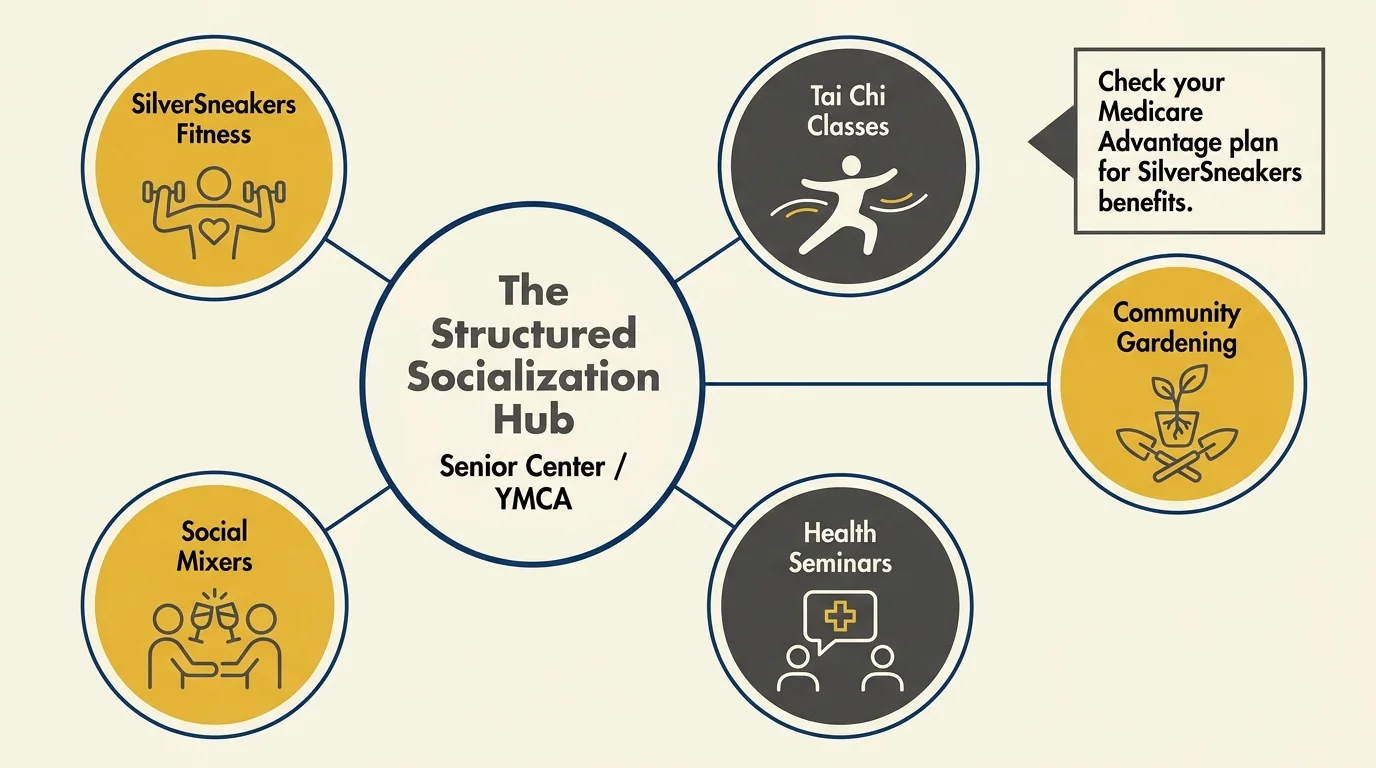
Wellness Tip #4: Leverage Senior Centers for Structured Socialization
Modern community centers have evolved drastically from the bingo halls of the past. Today, they serve as bustling hubs of physical activity, continuous learning, and structured socialization.
The Physical Benefits
Senior centers frequently offer access to sports that improve agility and hand-eye coordination. Pickleball, for instance, is highly popular because it combines elements of tennis and ping-pong on a smaller court, providing an excellent cardiovascular workout with less running. Many centers also host line dancing or ballroom dancing classes. Dancing requires complex cognitive processing to remember steps while simultaneously engaging your core, improving your balance, and elevating your heart rate.
Why It Removes the Awkwardness
These centers deliberately design their programming to foster connections. Because everyone is there to engage and participate, the social barriers are incredibly low. Engaging in a game of doubles pickleball inherently requires communication and teamwork. You easily bond over a missed shot or a great rally, turning casual acquaintances into post-game coffee companions.
How to Take Action
Visit your local center in person and request a monthly newsletter. Look for interactive activities rather than passive events like movie screenings. Sign up for an introductory class where everyone is a beginner; shared learning curves create immediate mutual empathy and laughter.
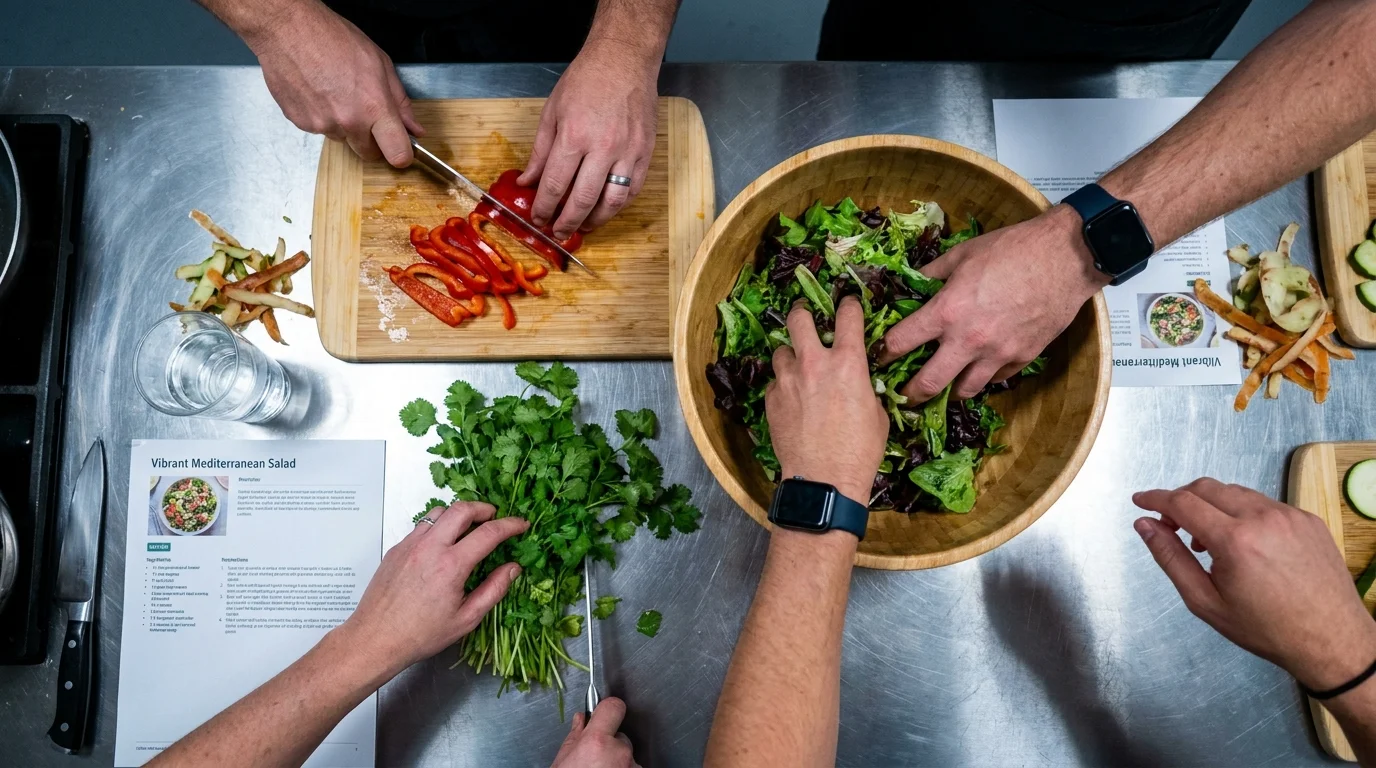
Wellness Tip #5: Take a Hands-On Healthy Cooking Class
Nutrition plays a massive role in how you feel, how much energy you have, and how your body defends against illness. Upgrading your culinary skills through a group class perfectly marries dietary improvement with social interaction.
The Physical Benefits
As we age, our metabolic rate slows down and our need for specific nutrients—like high-quality protein, fiber, and B vitamins—increases. Taking a cooking class focused on the Mediterranean diet or anti-inflammatory cooking teaches you how to prepare meals that protect your heart and brain. Furthermore, the physical act of chopping, stirring, and kneading dough exercises the small muscles in your hands and wrists, preserving fine motor skills and combating stiffness associated with arthritis.
Why It Removes the Awkwardness
Food is the ultimate universal connector. In a cooking class, you work at stations, share ingredients, and collaborate on recipes. The focus remains entirely on the food preparation, giving you plenty to talk about. “How finely did you chop the garlic?” or “Can you help me measure this flour?” are natural icebreakers. Ending the class by sitting down to eat the meal you just cooked together provides a comfortable, relaxed environment to deepen the conversations.
How to Take Action
Look for classes hosted by local culinary schools, high-end grocery stores, or community colleges. Seek out courses specifically labeled as heart-healthy, plant-based, or senior nutrition. Do not hesitate to ask your cooking partner for their contact information to share recipes after the class concludes.
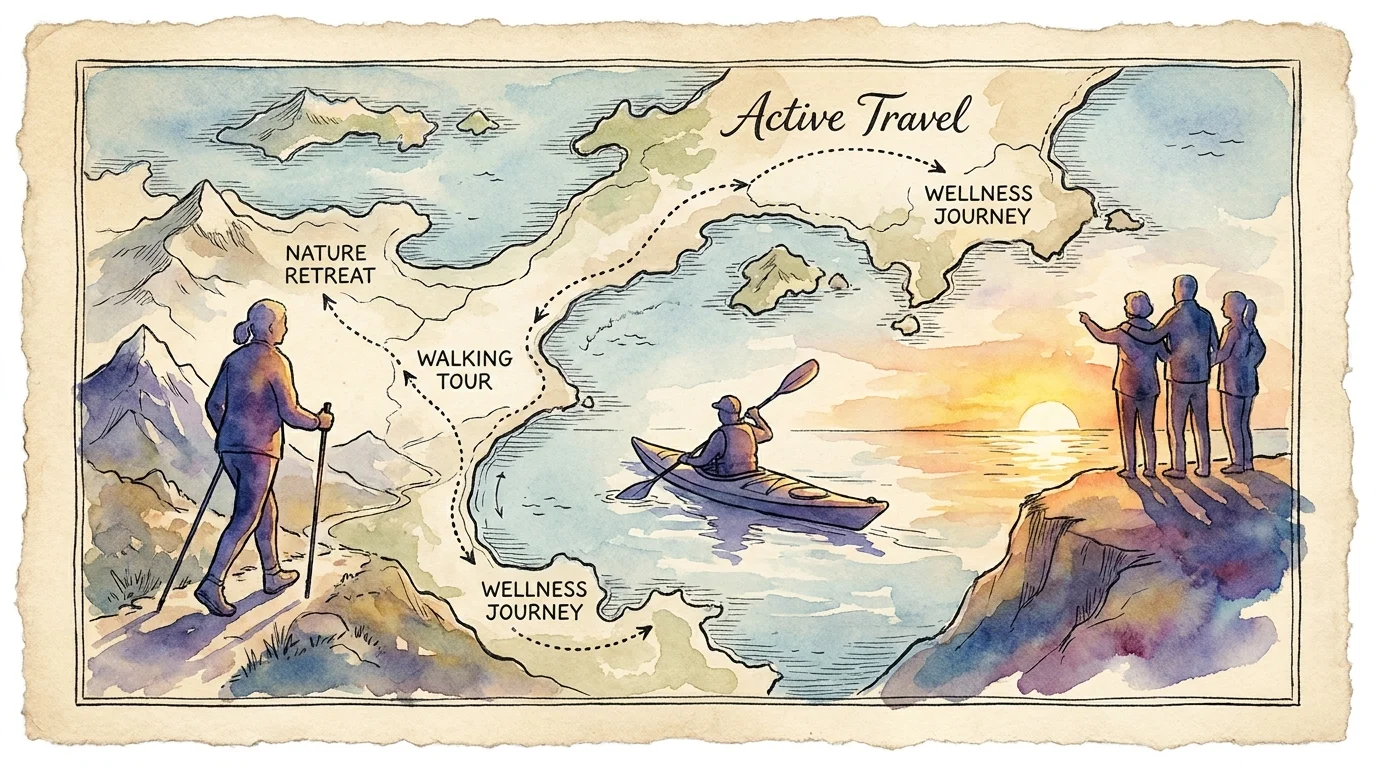
Wellness Tip #6: Participate in Active Travel or Retreats
If you have the resources and the physical capability, active travel presents an extraordinary way to see the world while forming intense, rapid friendships with fellow explorers.
The Physical Benefits
Active travel—such as walking tours of historical European cities or bird-watching expeditions in national parks—forces you out of your routine and keeps you moving for several hours a day. Navigating uneven cobblestone streets or dirt trails challenges your balance and engages different muscle groups than your standard neighborhood walk. The mental stimulation of navigating new environments also builds neural pathways, protecting your brain against cognitive decline.
Why It Removes the Awkwardness
Traveling with a structured group means you share meals, bus rides, and daily excursions with the exact same people for a week or more. The shared awe of experiencing a beautiful landmark or the shared minor adversity of a delayed train accelerates the bonding process. You skip the superficial stages of friendship and quickly move into meaningful territory. Many people return from these trips with lifelong friends they continue to travel with year after year.
How to Take Action
Research travel organizations that cater specifically to older adults. Look for itineraries graded by physical difficulty so you can choose a trip that perfectly matches your fitness level. Select trips that emphasize walking, biking, or cultural immersion to guarantee an active, rather than passive, vacation.
Wellness Tip #7: Combine Dogs and Daily Steps at the Local Park
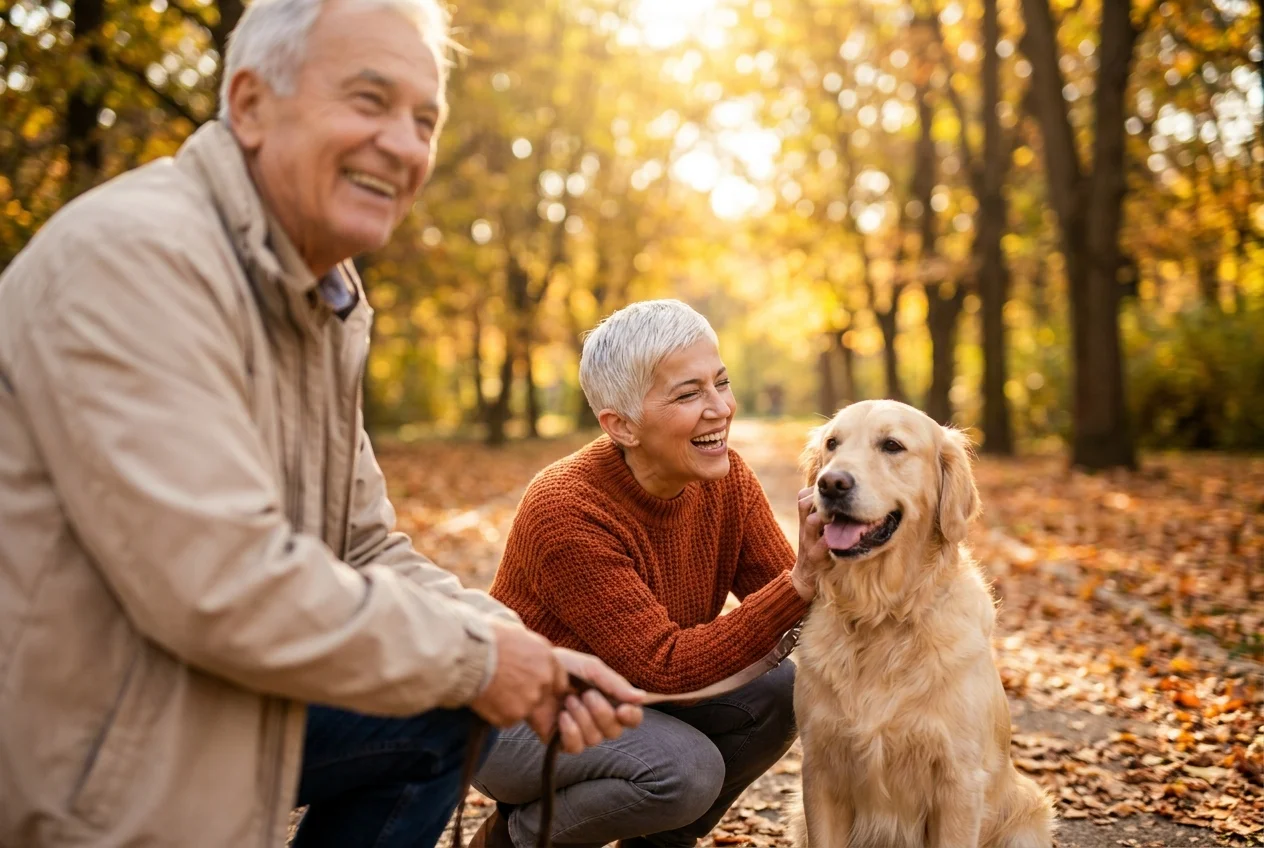
Animals provide incredible companionship on their own, but they also act as powerful magnets for human interaction. If you own a dog or are considering adopting one, this is a prime avenue for improving both your physical and social health.
The Physical Benefits
Dog owners routinely achieve higher levels of daily physical activity than non-owners. A dog requires consistent walking, regardless of the weather or your level of motivation. This mandatory daily exercise routine strengthens your cardiovascular system, aids in joint lubrication, and lowers your overall body mass index. Petting and interacting with a dog also releases oxytocin in your brain, significantly lowering cortisol levels and reducing stress-induced inflammation.
Why It Removes the Awkwardness
A dog is the world’s most effective social icebreaker. When you visit a local dog park, the dogs naturally interact with one another, essentially forcing the owners to do the same. You never need to search for a topic of conversation; you simply ask about the dog’s breed, age, or temperament. These daily, low-pressure interactions build familiarity. Before long, you recognize the “regulars” and transition from talking about the dogs to talking about your own lives.
How to Take Action
Establish a strict routine of visiting the exact same dog park or walking the exact same neighborhood route at the exact same time every morning. Consistency is key. If owning a dog is not feasible, volunteer to walk dogs for a local animal shelter; you will reap the physical benefits and still experience the social magnetism a dog provides on your walking routes.
Important Safety Considerations
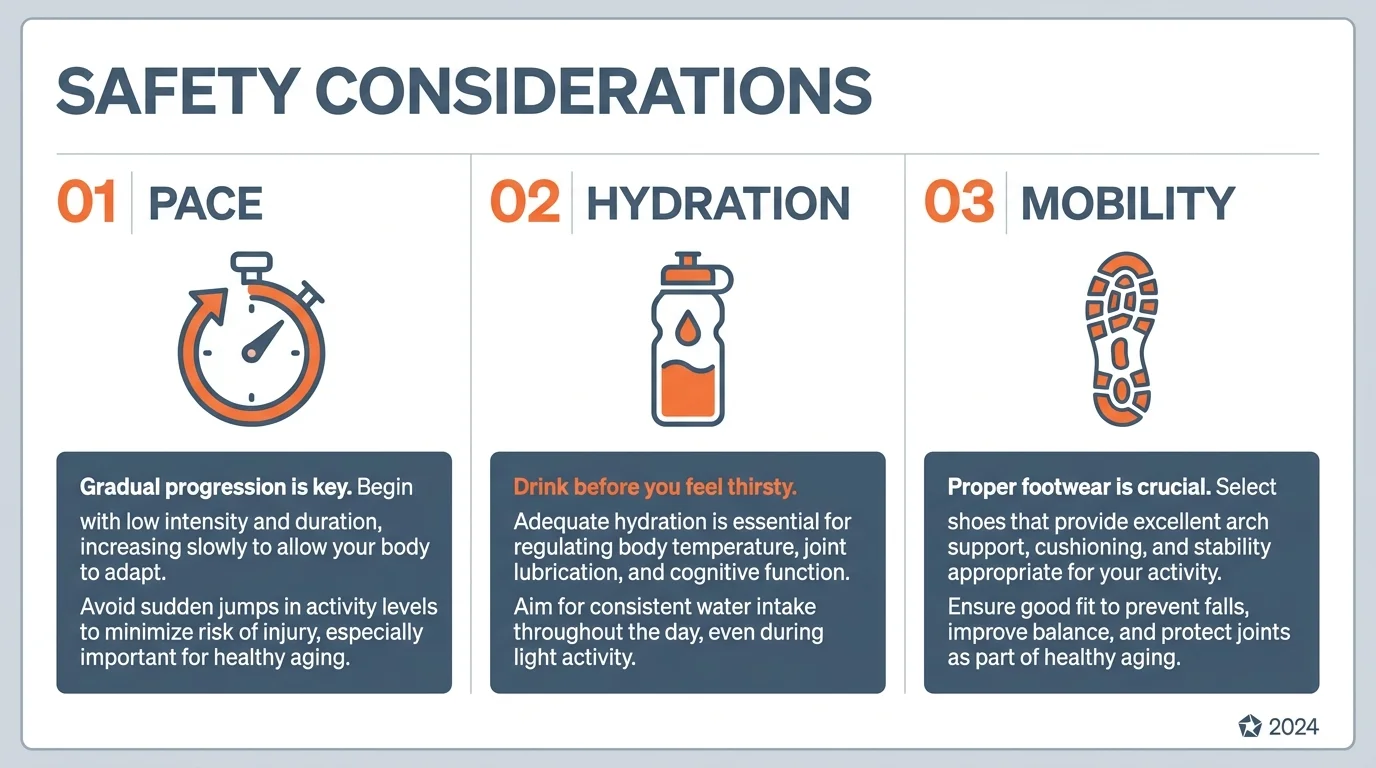
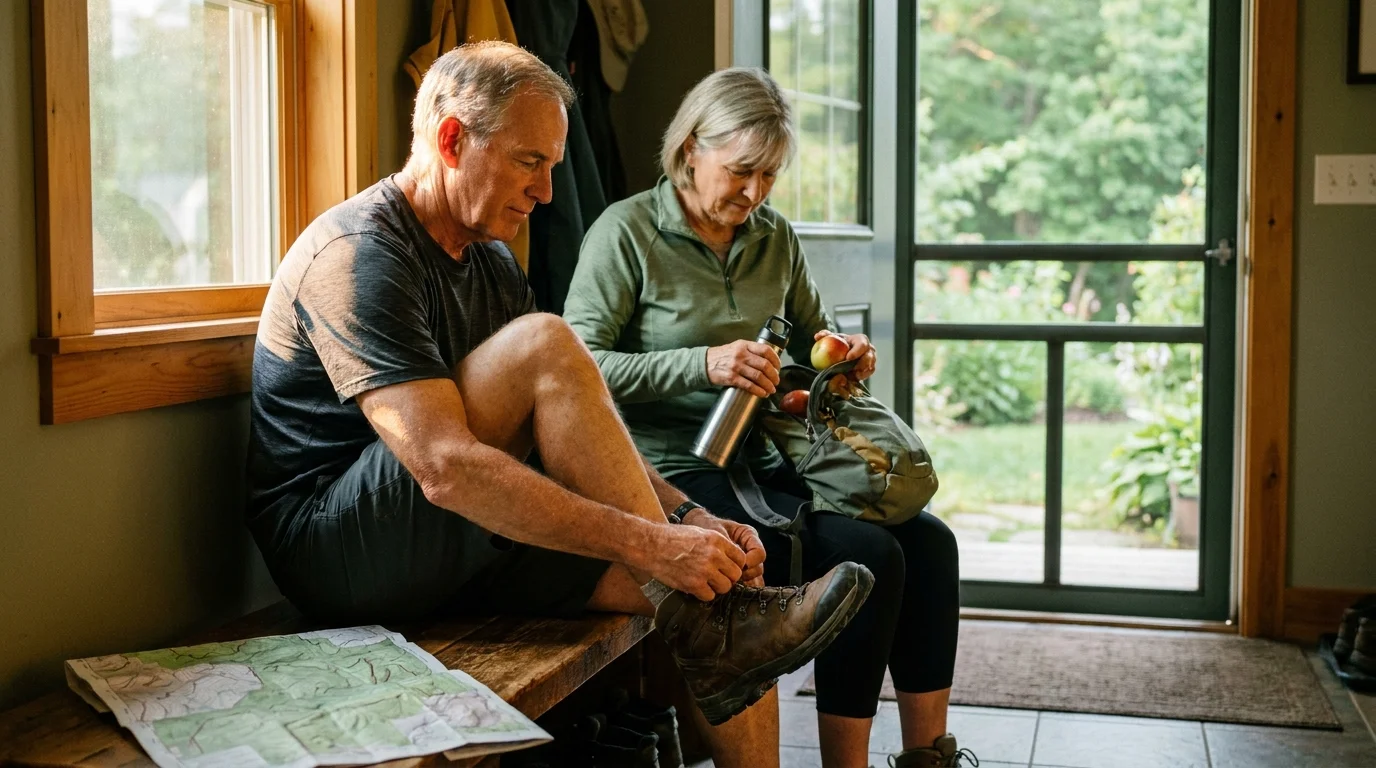
While engaging in new physical activities to improve your social life after 60 is highly beneficial, protecting your body must remain your top priority. Always start slowly when introducing your muscles and joints to a new form of movement. If you join a walking club or a fitness class, do not feel compelled to match the pace or intensity of individuals who have been participating for years. Listen to your body and honor its limits; soreness is normal, but sharp pain is a clear signal to stop.
Hydration becomes increasingly crucial as you age because your natural thirst mechanism weakens. Always carry a water bottle to group fitness classes or hikes, and drink proactively before you feel thirsty. Additionally, pay attention to environmental factors. If you are joining an outdoor gardening group or walking club, apply broad-spectrum sunscreen, wear a wide-brimmed hat, and invest in highly supportive, slip-resistant footwear to prevent injuries.
When to Talk to Your Doctor
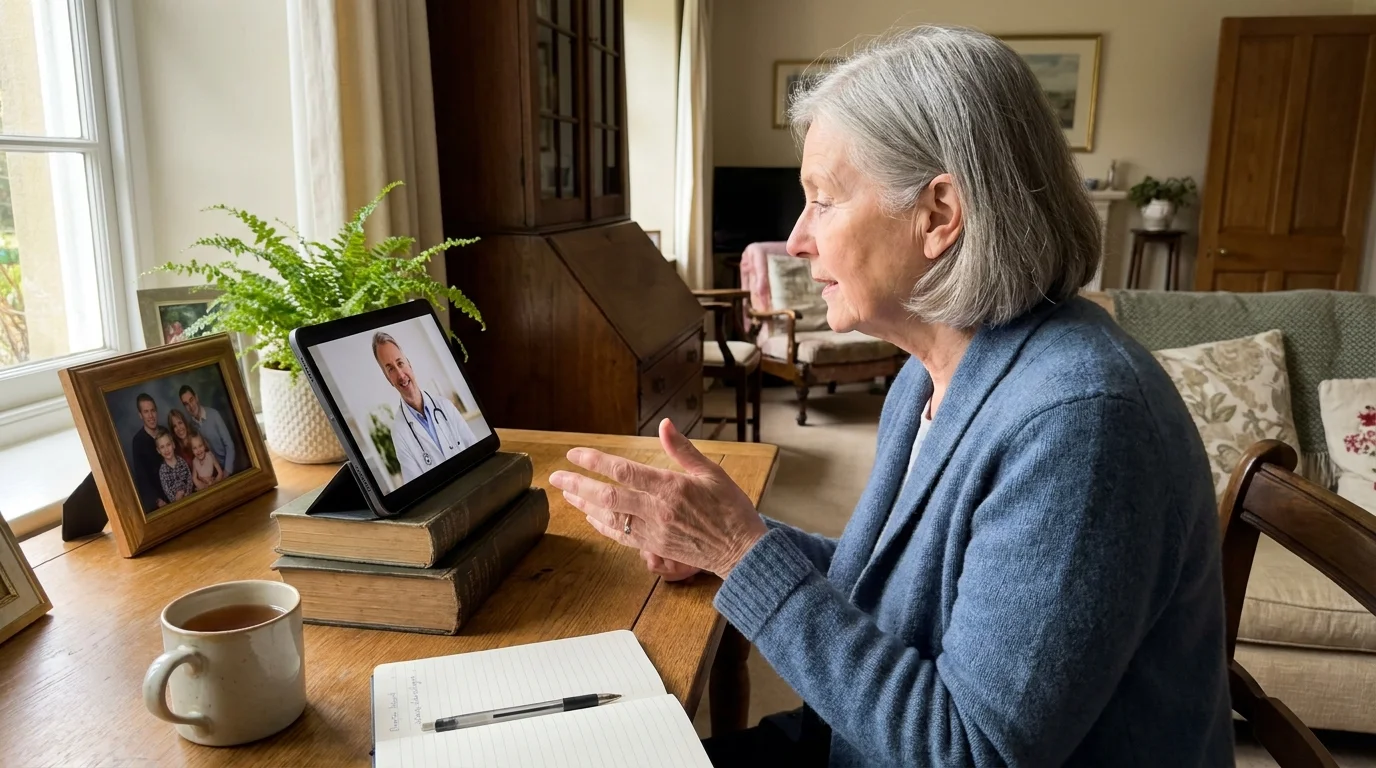
Before you commit to a new exercise class, a strenuous travel itinerary, or any significant change in your daily physical activity, you must schedule a consultation with your primary care physician. This is especially critical if you manage chronic conditions such as high blood pressure, diabetes, osteoporosis, or cardiovascular disease.
Your doctor can assess your current mobility and cardiovascular health to recommend the safest forms of activity. They can also review your current prescription medications to determine if any drugs might affect your balance, heart rate, or risk of dehydration during exercise. Always seek the advice of your physician before making significant changes to your diet, exercise, or supplement regimen.
Frequently Asked Questions
How do I start exercising socially if I have severe joint pain?
Focus entirely on water-based activities or seated exercises. Water buoyancy reduces the load on your joints by up to 90%, making movements pain-free while still offering resistance. Look for specialized aquatic therapy pools that keep the water at a warm, therapeutic temperature, which further aids in relaxing stiff joints.
What if my medications make me feel fatigued during the day?
Timing is everything. Track your energy levels for a week to identify your peak hours. If your medication makes you drowsy in the morning, look for social fitness classes or volunteer shifts scheduled in the mid-afternoon. Always discuss persistent fatigue with your doctor, as they may be able to adjust your dosage timing.
I experience social anxiety; how do I handle group settings?
Choose activities where the focus is firmly on a task rather than open-ended socializing. Cooking classes, gardening, or focused volunteer work are excellent options. The structured nature of the activity gives you a mental anchor. You can simply concentrate on chopping vegetables or pulling weeds, allowing conversations to develop slowly and organically without the pressure of forced small talk.
Is it safe to start strength training or weightlifting after 60?
Yes, it is not only safe but highly recommended to combat age-related muscle loss (sarcopenia). However, form is critical. Do not attempt to learn from internet videos alone. Join a senior-specific strength class or hire a personal trainer specializing in older adults for a few sessions. They will teach you the proper biomechanics to protect your spine and joints while lifting.
For authoritative health information, refer to the National Institute on Aging (NIA) and the CDC. For heart health, visit the American Heart Association. For Medicare questions, go to Medicare.gov.
Disclaimer: This article provides general wellness information and is not medical advice. Always seek the advice of your physician or other qualified health provider with any questions you may have regarding a medical condition.




Leave a Reply