

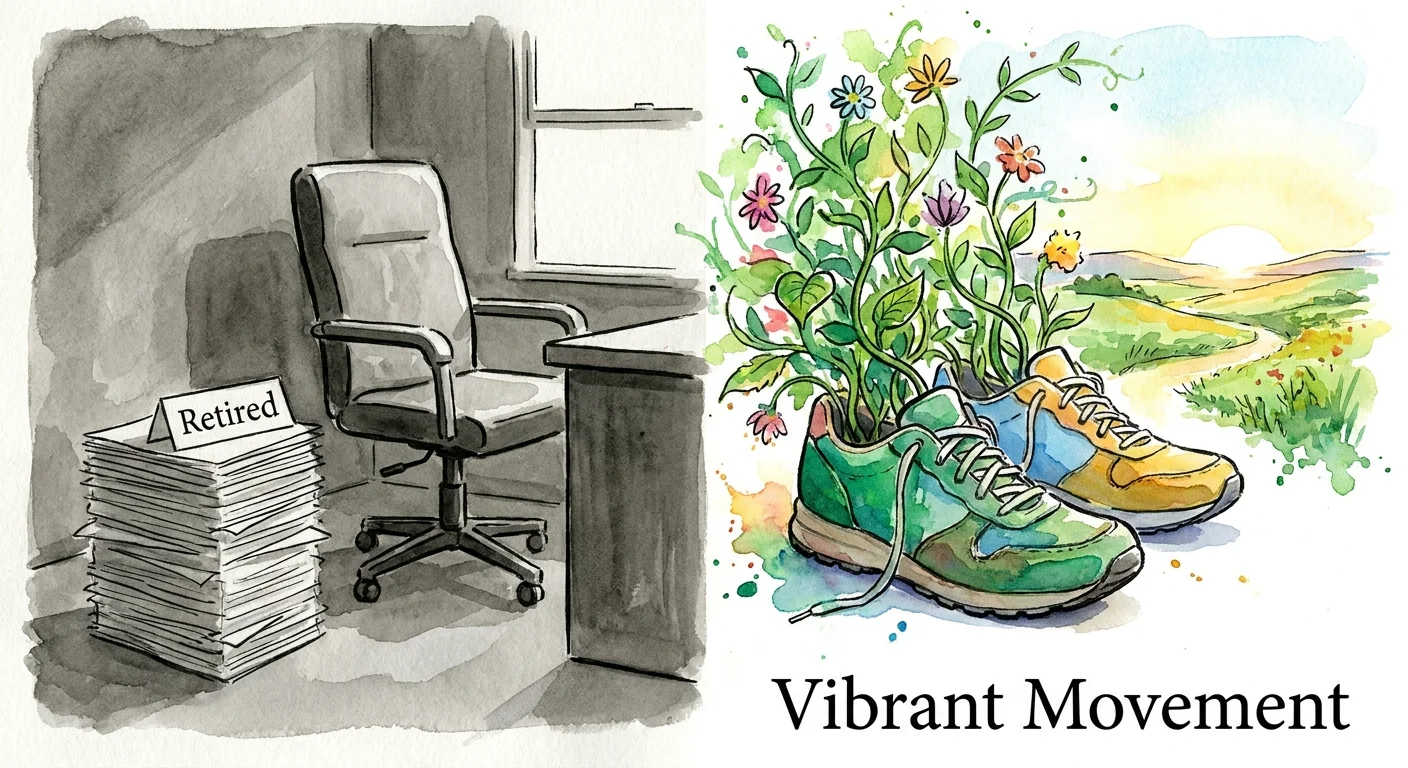
Introduction: Your Guide to a Healthier, More Vibrant You
Transitioning into your post-career life brings an exciting yet profound shift in your daily routine. You suddenly possess an abundance of free time, and how you choose to spend those hours dramatically influences your physical and mental trajectory over the coming decades. Spending most of your day sitting at home predictably accelerates muscle loss, cardiovascular deconditioning, and joint stiffness. However, finding an active, fulfilling role in your local area completely reverses that downward trend. People often view charitable work as a purely altruistic endeavor; they focus entirely on how it helps the organization or the community at large. Yet, rigorous scientific research reveals that the most significant beneficiary of your service is often your own body.
When you look for meaningful ways to give back, retirement transforms from a passive phase into a highly active adventure. Engaging in structured activities outside your house forces you to move, think, and interact in ways that actively preserve your physical youth. The structured environment of community service replaces the routine you lost when you stopped working, providing built-in exercise and stress relief. In this comprehensive guide, you will discover six actionable wellness tips detailing exactly why donating your time serves as a powerful, science-backed prescription for your ongoing physical well-being and longevity.
Wellness Tip #1: Boosting Cardiovascular Health Through Active Movement
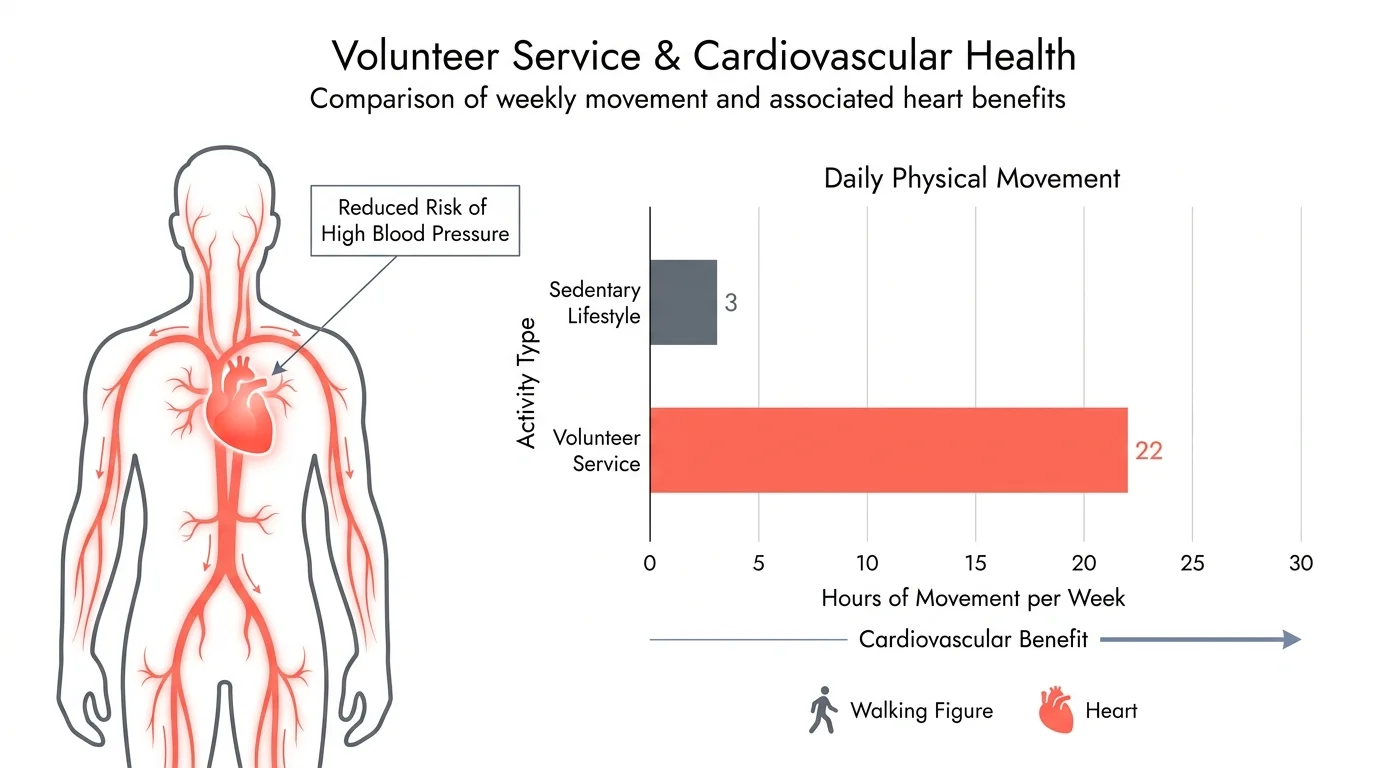
When you commit to a regular schedule helping others, you naturally and effortlessly increase your daily physical activity. Many service roles require sustained, low-impact movement that you might otherwise skip if you simply stayed home watching television. Whether you distribute fresh produce at a local food bank, guide walking tours at a historical museum, or help organize bustling community events, you spend significantly more time on your feet. This continuous movement gently elevates your heart rate, improves blood circulation, and conditions your cardiovascular system without the intense strain of a heavy gym workout.
Studies consistently demonstrate that older adults who remain highly active through service exhibit a markedly lower risk of developing high blood pressure compared to their sedentary peers. When examining volunteer benefits, retiree populations consistently show remarkable improvements in arterial health and endurance. Committing just a few hours a week helps maintain the elasticity of your blood vessels, reducing the daily workload on your heart muscle. You do not need to run marathons or lift heavy weights to protect your cardiovascular health; you merely need a compelling reason to get up and move consistently.
To harness these physical advantages, actively seek out organizations that require light walking or standing. Avoid taking on a purely desk-based role if your primary goal involves improving your heart health. Treat your scheduled shifts as a mandatory exercise appointment that happens to benefit your neighborhood. By focusing on roles that keep you moving, you effortlessly integrate heart-healthy habits into your weekly routine while enjoying the energetic atmosphere of your chosen organization.
Wellness Tip #2: Expanding Daily Mobility and Functional Independence
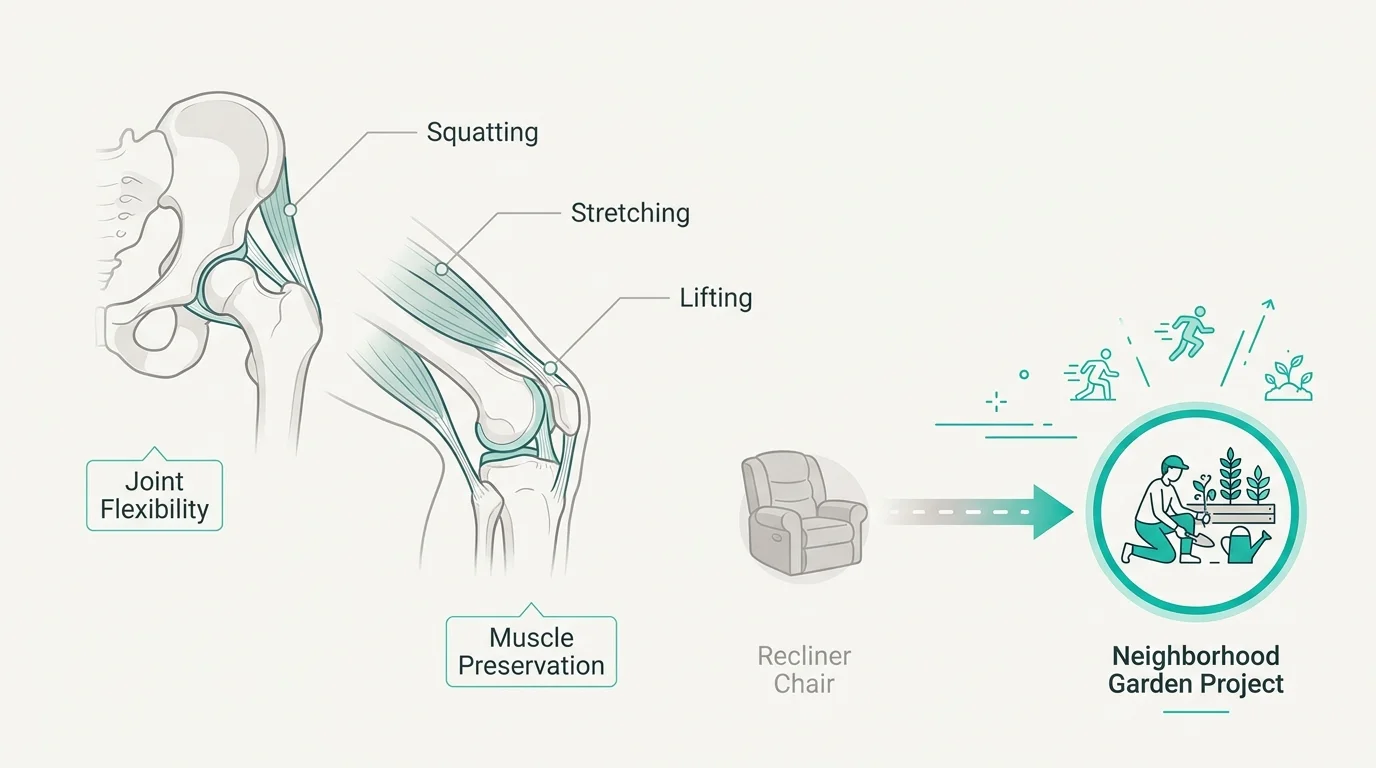
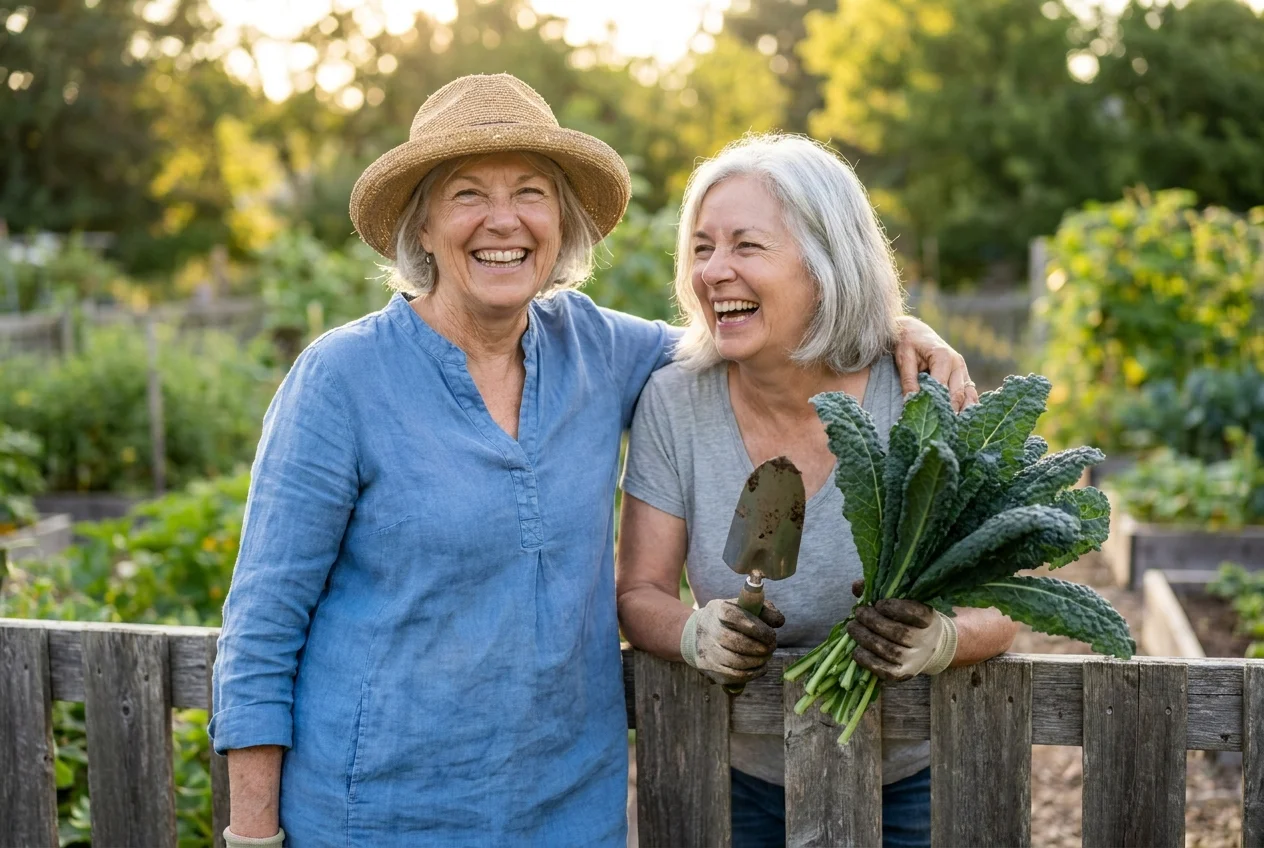
Remaining completely independent as you age relies heavily on preserving your functional mobility, joint flexibility, and muscular strength. Retiring and spending hours in a comfortable recliner inevitably leads to muscle atrophy and stiff, painful joints. Engaging in senior community service introduces dynamic, varied physical movements back into your weekly routine. When you participate in a neighborhood garden project, you practice squatting, lifting lightweight soil bags, and stretching to reach plants. If you volunteer at a local animal shelter walking rescue dogs, you rapidly improve your core balance, grip strength, and physical endurance.
These everyday motions act as a natural form of functional strength training. Moving through different environments forces your joints to produce synovial fluid, which naturally lubricates your knees, hips, and shoulders to prevent painful stiffness. Furthermore, navigating uneven terrain or moving around a crowded charity shop enhances your proprioception—your body’s crucial ability to sense its location in space. Strong proprioception serves as your absolute best defense against devastating trips and falls.
To maximize these mobility benefits, carefully match your chosen role to your current physical capabilities while looking for positions that challenge you slightly. If you currently struggle with balance, choose an activity that allows you to transition frequently between sitting and standing. This simple act of getting in and out of a chair multiple times a shift strengthens your quadriceps and glutes; these are the exact muscles you need to maintain your total physical independence for years to come.

Wellness Tip #3: Protecting Cognitive Function and Brain Plasticity
While we often separate mental health from physical health, your brain dictates your body’s overall function and physical coordination. Cognitive decline remains a major concern for many older adults, but your brain thrives on novelty, challenge, and complex problem-solving. Volunteering seniors frequently learn new computer systems, navigate unfamiliar physical environments, and communicate with highly diverse groups of people. This constant mental stimulation strongly encourages neuroplasticity; this is the remarkable ability of your brain to form entirely new neural connections regardless of your chronological age.
Engaging in challenging tasks builds a robust cognitive reserve. Think of cognitive reserve as a protective buffer that defends your physical brain tissue against age-related memory loss and early-stage dementia. The simple act of socializing during your shift serves as a highly complex cognitive workout. Reading facial expressions, actively listening to instructions, and formulating appropriate responses require your brain to fire on all cylinders. This mental agility directly translates to physical safety, as a sharp brain processes environmental hazards faster, significantly reducing your risk of physical accidents.
Seek out a volunteer opportunity that forces you comfortably out of your typical routine. If you spent your career in solitary accounting, try volunteering as a reading tutor for energetic young children. If you worked in manual labor, try learning the administrative software at a local hospital welcome desk. By consistently challenging your brain with unfamiliar tasks, you physically alter your brain chemistry and structure, keeping your mind razor-sharp and your body highly responsive.
Wellness Tip #4: Reducing Chronic Stress and Systemic Inflammation
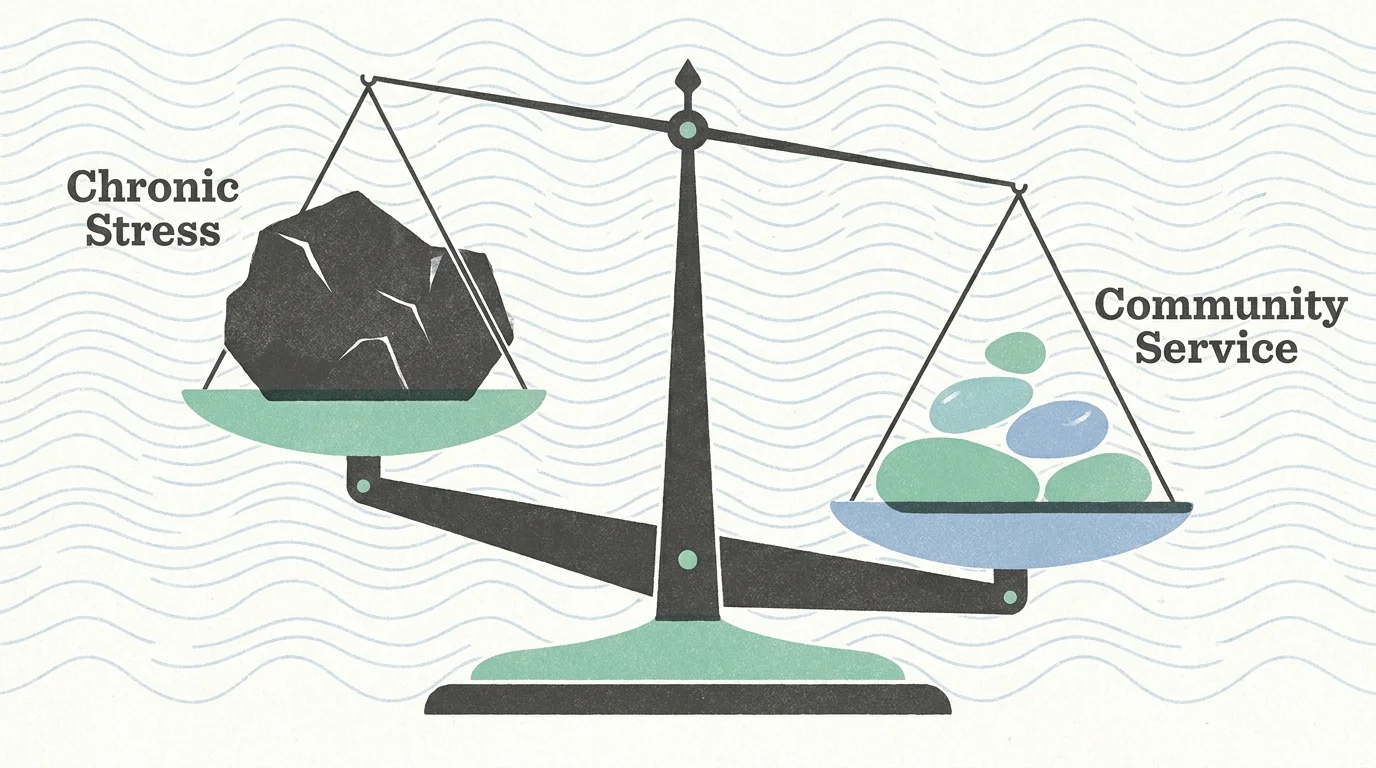
Chronic stress quietly accelerates the physical aging process by flooding your entire system with cortisol, a hormone that triggers widespread systemic inflammation. Medical professionals recognize inflammation as the root cause of almost every major age-related disease, including rheumatoid arthritis, type 2 diabetes, and severe heart disease. Fortunately, the act of helping others triggers a powerful physiological response documented by clinical researchers as the “helper’s high.” When you assist someone in need, your brain releases a massive cascade of feel-good neurotransmitters, including oxytocin, dopamine, and serotonin.
Oxytocin acts as far more than just a psychological bonding chemical; it physically helps dilate your blood vessels and significantly lowers your blood pressure. This hormonal shift actively reduces the concentration of cortisol in your bloodstream, thereby lowering systemic inflammation. As your inflammation levels drop, your joints hurt less, your digestion improves, and your immune system regains its fighting strength. Lower stress levels directly empower your white blood cells to effectively fend off common infections like the seasonal flu or common cold.
Prioritize face-to-face volunteering roles over remote, computer-based work whenever possible to maximize the release of these beneficial, stress-reducing hormones. Looking directly into another person’s eyes and hearing their genuine gratitude produces the strongest biological relaxation response. Make it a point to connect personally with the people you serve, as these genuine human interactions serve as natural, side-effect-free anti-inflammatory medicine for your entire body.

1: Worn
2: work
3: gloves
4: and
5: a
6: steaming
7: mug
8: rest
9:
Wellness Tip #5: Building Better Sleep Habits Through Natural Fatigue
High-quality, restorative sleep often becomes elusive for many older adults. A sudden lack of structured scheduling and a sharp decrease in daytime physical energy expenditure frequently disrupt your internal circadian rhythm. Adopting a structured community service schedule provides a highly compelling reason to wake up at a consistent time each morning. When you commit to a team that relies on your physical presence, you naturally abandon the habit of sleeping in or taking excessive daytime naps that ultimately ruin your nighttime rest.
Furthermore, the physical exertion and mental engagement required during your shift actively build “sleep pressure” throughout the day. Your brain accumulates a chemical called adenosine the longer you stay awake and physically active. By the time evening arrives after a busy day of helping others, your body and mind experience genuine, healthy fatigue. This allows you to fall asleep much faster and, more importantly, enter the deep, slow-wave sleep phases your body desperately requires for cellular repair and immune system maintenance.
If you struggle with insomnia or restless nights, schedule your community service hours for the morning or early afternoon. This ensures you receive vital exposure to natural daylight, which naturally suppresses daytime melatonin production and firmly resets your biological clock. By combining morning light exposure with meaningful physical exertion, you naturally train your body to crave deep, uninterrupted sleep at night.

Wellness Tip #6: Finding a Powerful Sense of Purpose After Work
Cultivating a deep, unwavering sense of purpose after work directly and profoundly influences your physical resilience. When you feel genuinely needed by your community, you subconsciously begin to prioritize your own physical health and longevity. Research clearly demonstrates that individuals with a strong sense of life purpose are significantly more likely to undergo routine preventative health screenings, take their prescribed medications exactly on time, and adopt healthier, nutrient-dense diets.
You naturally protect and maintain a vehicle because you need it to reach an important destination; similarly, you actively protect your physical body because you know other people rely on your help. This psychological anchor prevents the apathy and self-neglect that unfortunately affect many retirees who lose their professional identity. A strong sense of purpose has even been linked at a cellular level to the preservation of telomeres, which are the protective caps on the ends of your DNA strands. Longer telomeres universally indicate a slower biological aging process.
Take the time to find a charitable cause that deeply aligns with your personal core values. Whether you feel passionate about environmental conservation, animal welfare, or mentoring the next generation, your emotional investment directly fuels your physical vitality. When you wake up knowing your actions matter, you inherently treat your body with the respect and care it deserves to keep fulfilling that critical mission.
Important Safety Considerations
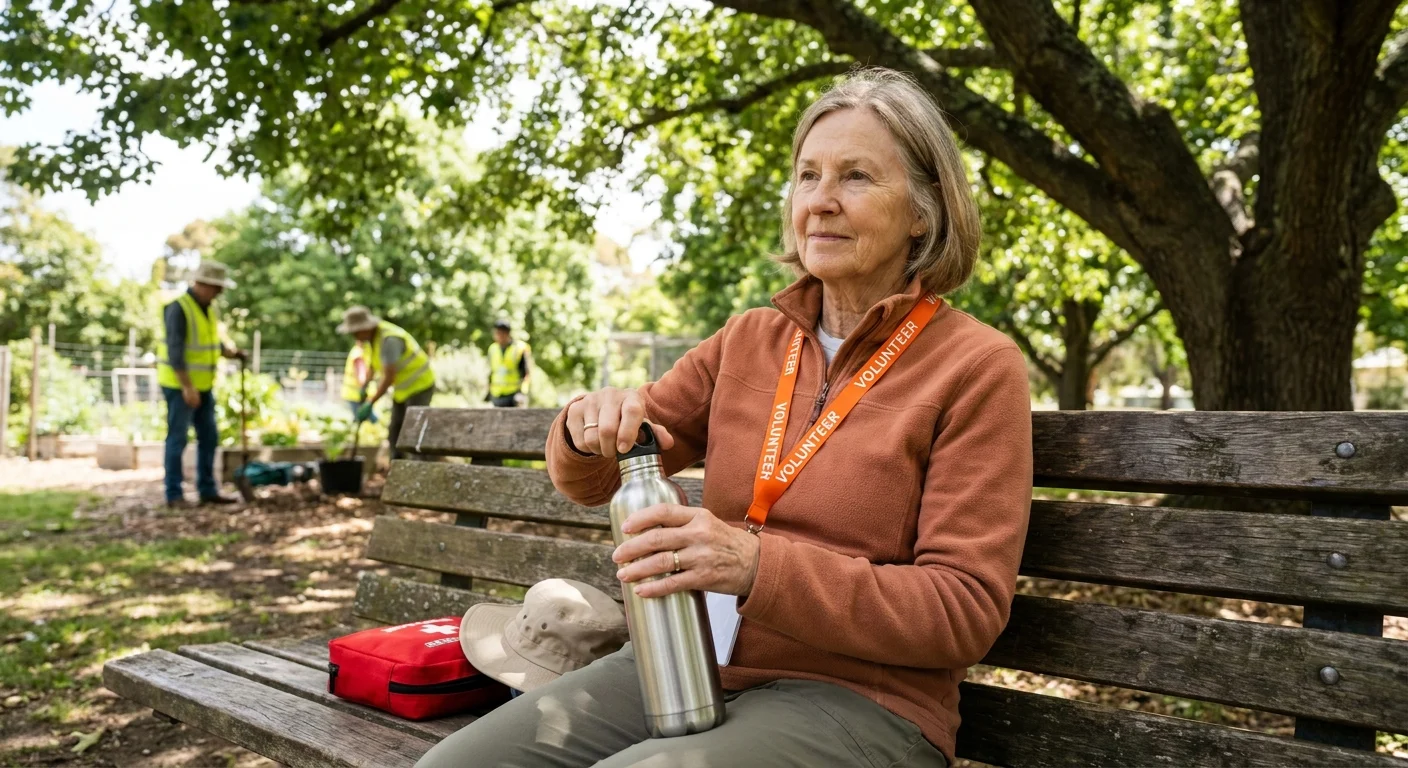
While engaging in local service projects offers incredible physical rewards, you must always prioritize your personal safety to prevent preventable injuries and setbacks. Start slowly when transitioning into any new physical routine. If you have spent the last few years living a mostly sedentary lifestyle, do not immediately sign up for a physically demanding role that requires four-hour shifts of continuous standing or heavy lifting. Begin with a modest commitment of just one or two hours a week, and gradually increase your involvement as your physical stamina naturally improves.
Always pay close attention to proper ergonomics, especially if your role involves lifting boxes, moving supplies, or stooping in a garden. Bend at your knees, keep your core tight, and never hesitate to ask a younger volunteer for assistance with heavy or awkwardly shaped items. Wearing highly supportive footwear with proper arch support and non-slip soles will protect you from developing painful conditions like plantar fasciitis while significantly reducing your fall risk.
Additionally, remain highly vigilant about your hydration and immune protection. Older adults often experience a diminished thirst response; therefore, you should carry a water bottle to every shift and sip continuously, even if you do not feel actively thirsty. If you choose to work in crowded, indoor environments, practice excellent hand hygiene, and stay home if you feel under the weather. Your chosen organization will always prefer that you prioritize your physical recovery over pushing through an illness.
When to Talk to Your Doctor
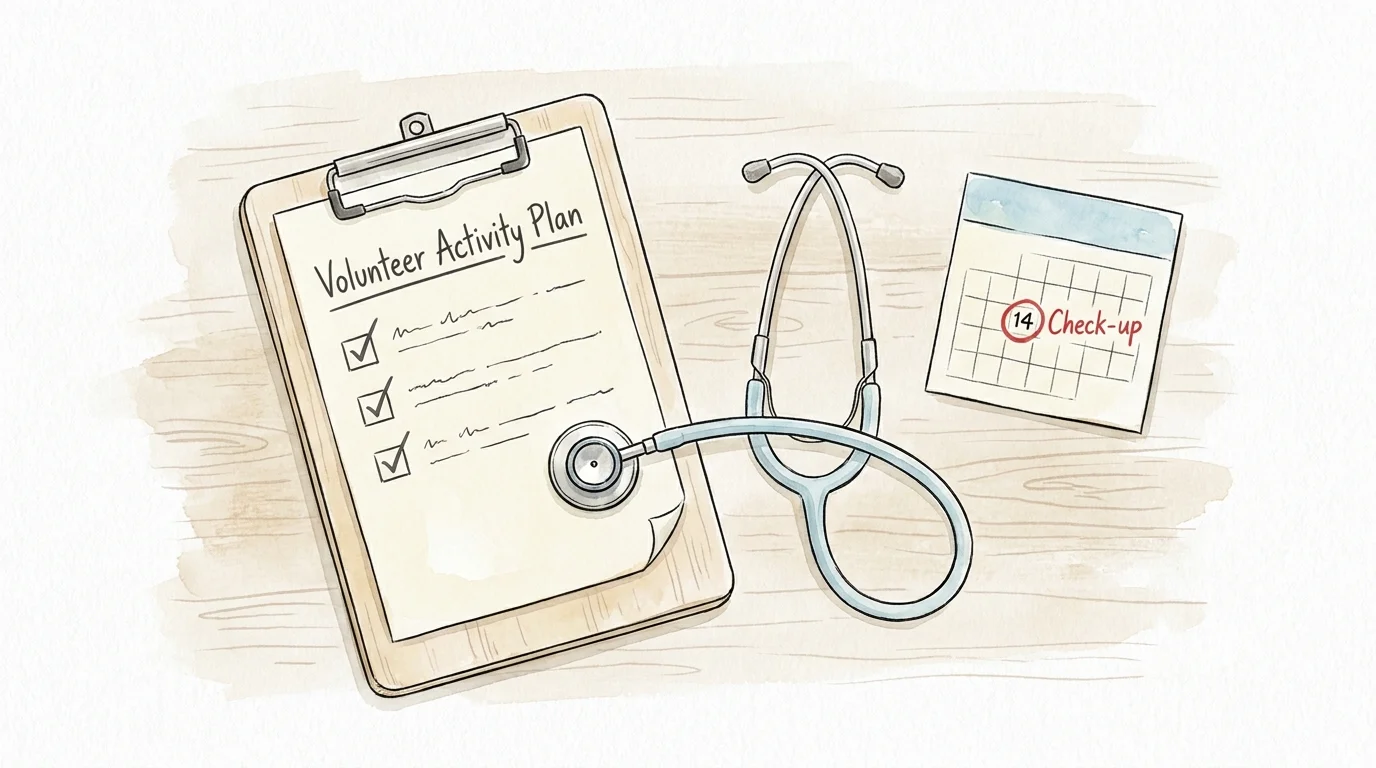
You should always consult your primary care physician before making any significant changes to your daily physical activity levels, diet, or supplement regimen. A quick medical consultation ensures that your new community commitments align perfectly with your current health status and physical limitations.
Discuss your specific volunteering plans with your doctor, especially if you actively manage chronic conditions such as severe osteoarthritis, heart disease, or osteoporosis. Your physician can offer customized, practical advice on which specific physical movements to avoid and how to pace yourself properly throughout a shift. Furthermore, ask your doctor about potential medication interactions. For instance, certain blood pressure medications might cause temporary dizziness when you bend over and stand up quickly during a neighborhood cleanup project. Being proactive with your medical provider guarantees that your efforts to help others remain completely safe and highly beneficial for your own body.
Frequently Asked Questions
Question: How many hours should I commit to volunteering to see actual physical health benefits?
Answer: Research suggests that consistency matters far more than extreme intensity. Committing to roughly 100 to 200 hours per year—which breaks down to merely two to four hours a week—provides optimal physical and mental health benefits. This highly manageable schedule easily prevents emotional burnout while providing enough consistent physical movement to noticeably improve your cardiovascular health and boost your immune system.
Question: What if I have severely limited mobility or use a wheelchair? Can I still achieve these wellness benefits?
Answer: Absolutely. While you might not experience the cardiovascular benefits of a highly active role, seated or remote volunteering still delivers massive cognitive and psychological advantages. Answering phones for a local charity, knitting blankets for a children’s hospital, or tutoring students online still triggers the release of stress-reducing hormones. Lowering your systemic inflammation and stimulating your brain are direct physical benefits accessible regardless of your physical mobility limits.
Question: Are there specific types of organizations that offer the best physical workout for seniors?
Answer: If your primary goal involves increasing your daily physical movement, look for roles in environmental conservation, community gardening, or local animal shelters. Working outdoors exposes you to fresh air and natural sunlight, while tasks like walking energetic dogs, planting small trees, or sorting heavy donations in a food warehouse naturally elevate your heart rate and strengthen your major muscle groups.
Question: How do I manage physical fatigue when adjusting to a brand new volunteer schedule?
Answer: It is completely normal to feel physically tired when you first increase your daily activity levels. Manage this fatigue by strictly pacing yourself and refusing to overcommit during your first month of service. Ensure you consume enough high-quality protein to help your muscles recover, and prioritize your nighttime sleep. As your body physically adapts to the new physical demands, your overall energy levels will naturally rise, replacing initial fatigue with long-lasting vitality and strength.
For authoritative health information, refer to the National Institute on Aging (NIA) and the CDC. For heart health, visit the American Heart Association. For Medicare questions, go to Medicare.gov.
Disclaimer: This article provides general wellness information and is not medical advice. Always seek the advice of your physician or other qualified health provider with any questions you may have regarding a medical condition.




Leave a Reply