
Introduction: Your Guide to a Healthier, More Vibrant You
Retirement offers a profound opportunity to redefine your daily routines and prioritize your physical well-being. When you step away from the structured demands of a long-term career, you suddenly possess a wealth of free time; how you choose to fill those hours plays a decisive role in your long-term vitality. Rather than slipping into a sedentary lifestyle, you can leverage this chapter to build strength, enhance your cardiovascular endurance, and protect your cognitive function. Engaging in healthy hobbies retirement offers is not just about passing the time smoothly—it is a critical strategy for actively improving your physical trajectory.
You do not need to train like an elite athlete to see dramatic improvements in your quality of life. The most effective approach involves finding activities you genuinely enjoy, which ensures you will stick with them week after week. Embracing senior hobbies wellness principles means choosing pursuits that challenge your body safely while keeping your mind engaged. Whether your goal is to manage chronic joint pain, lower your blood pressure, or simply maintain the stamina needed to keep up with your grandchildren, the right activities can spark incredible physical transformations. The following guide explores eight practical, engaging pursuits designed to help you thrive.
Wellness Tip #1: Gardening for Strength and Stress Relief
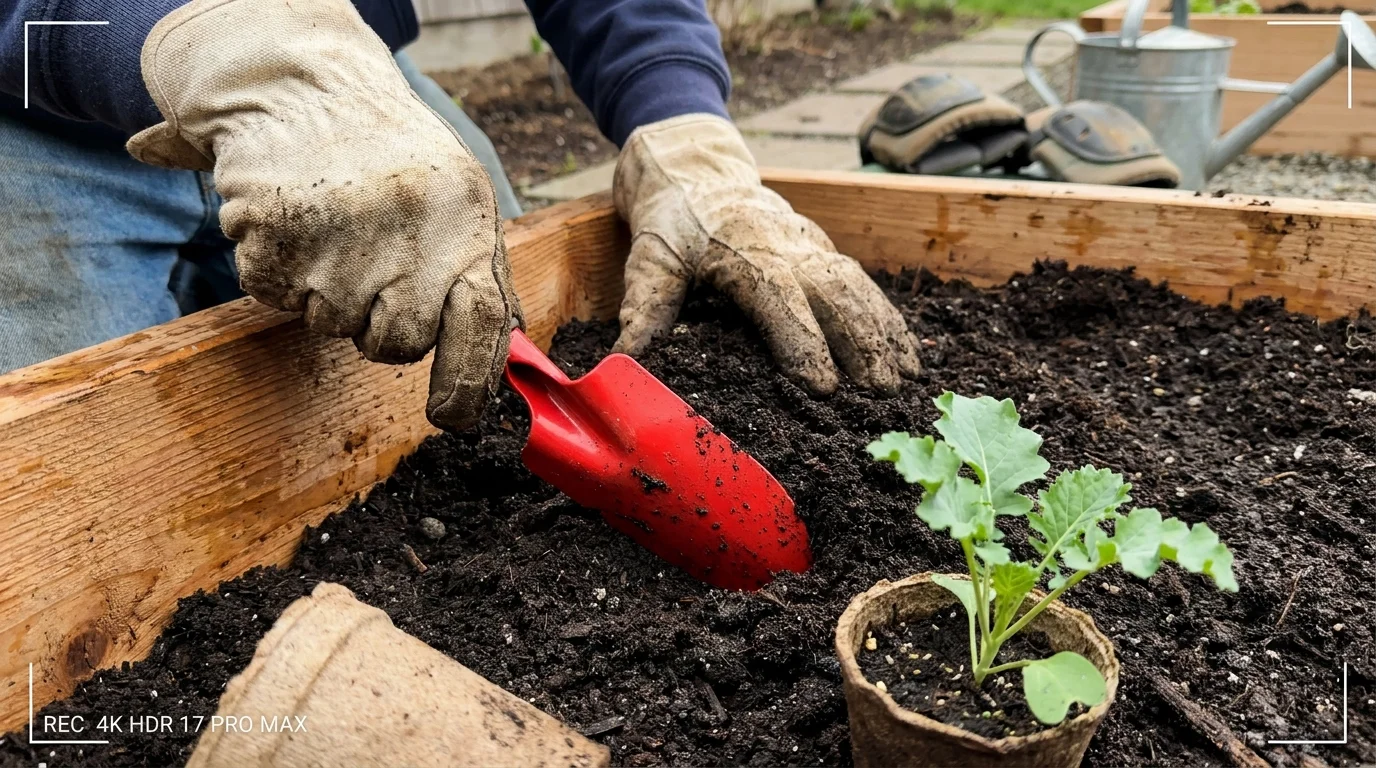
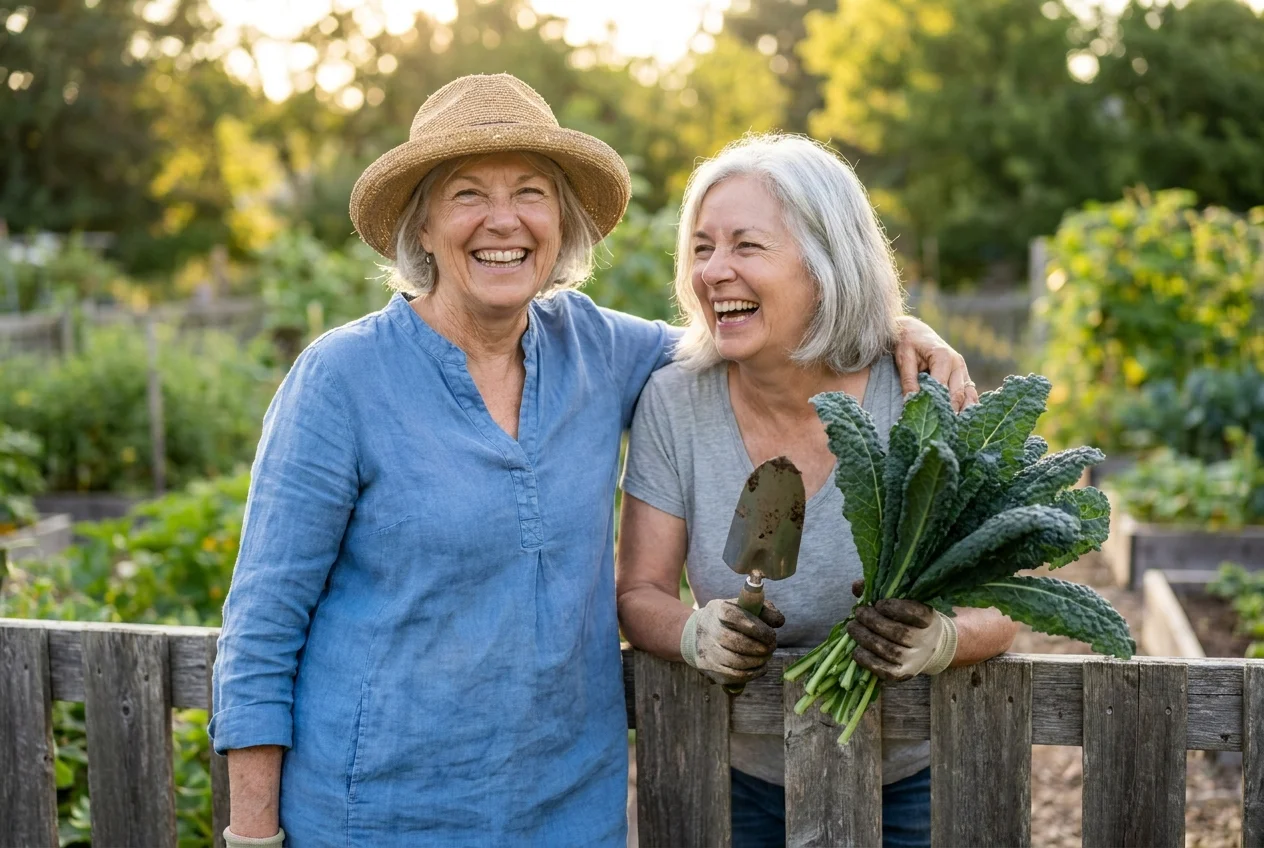
Many people view gardening as a purely aesthetic pursuit, but getting your hands dirty provides an exceptional full-body workout. When you squat to plant seeds, kneel to pull weeds, and carry bags of soil across your yard, you engage in functional strength training. These movements activate your core, strengthen your lower back, and challenge your quadriceps. Furthermore, gripping tools like trowels and pruners builds significant hand and forearm strength; maintaining a strong grip is heavily correlated with overall longevity and independence in older adults.
Beyond the musculoskeletal benefits, gardening is a highly effective way to improve your metabolic health. A vigorous session of digging and planting can easily burn between 200 and 300 calories an hour, classifying it as a moderate-intensity aerobic exercise. You also benefit from direct sunlight exposure, which prompts your skin to synthesize vitamin D—a crucial nutrient for maintaining bone density and immune function. The tactile experience of working with soil even exposes you to beneficial microorganisms that are known to lower cortisol levels and combat systemic inflammation.
To maximize the benefits of this hobby while protecting your joints, you should invest in high-quality ergonomic tools with padded handles. Utilizing raised garden beds or vertical planters completely eliminates the need for deep, repetitive bending, saving your lower back from unnecessary strain. Remember to alternate your tasks every twenty minutes; move from heavy digging to light pruning to give different muscle groups adequate rest.
Wellness Tip #2: Swimming and Water Aerobics for Joint-Friendly Cardio
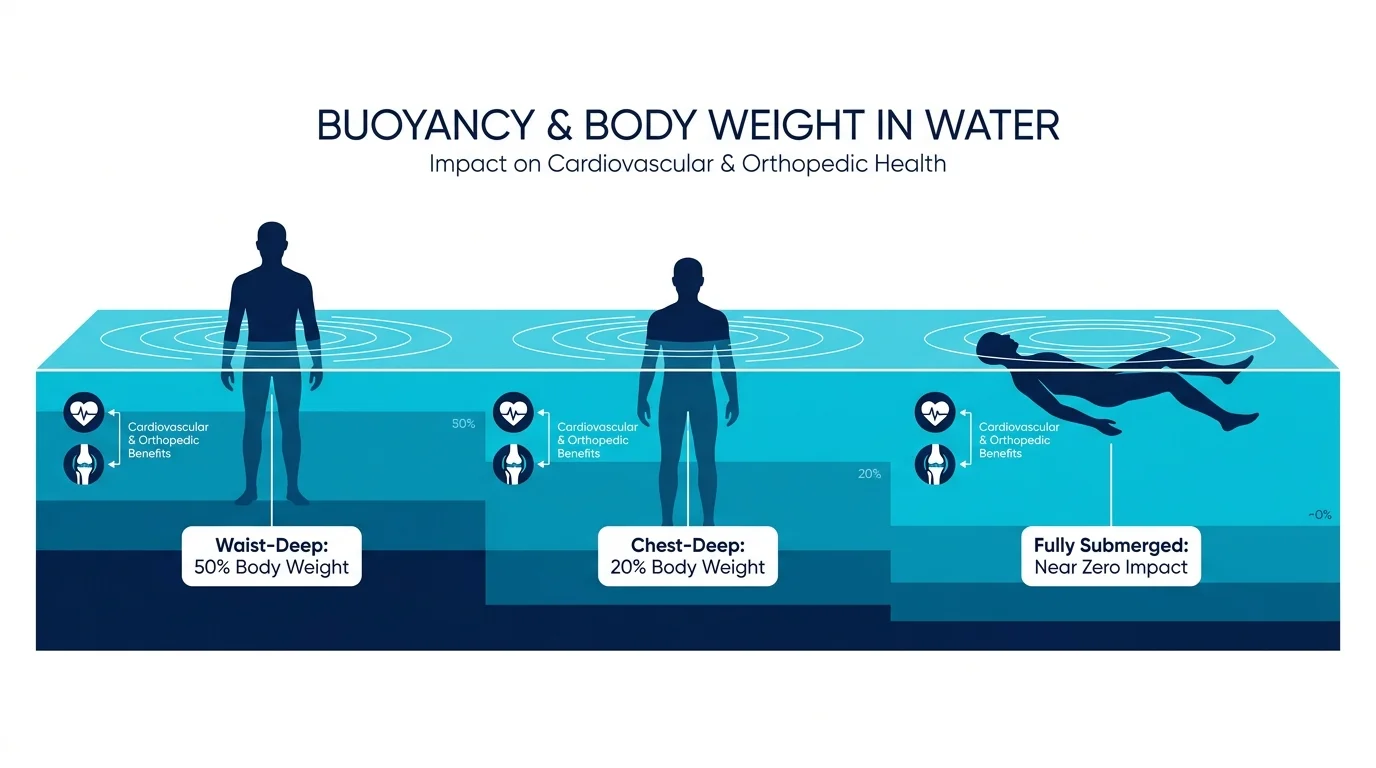
If you experience osteoarthritis or general joint stiffness, traditional weight-bearing exercises might feel uncomfortable or even counterproductive. Swimming and water aerobics solve this problem beautifully by utilizing the natural buoyancy of water. When submerged waist-deep, your body bears only about half its normal weight; in chest-deep water, that number drops to roughly twenty percent. This dramatic reduction in impact allows you to elevate your heart rate and challenge your cardiovascular system without punishing your knees, hips, or spine.
The resistance provided by water is unique because it surrounds you completely. Every time you push your arms forward, sweep your legs backward, or twist your torso, you are pushing against a force roughly twelve times denser than air. This continuous, multidirectional resistance builds lean muscle mass safely and symmetrically. Consistent aquatic exercise forces your heart to pump more efficiently, lowers your resting blood pressure, and improves your lung capacity, making it a cornerstone of hobbies improve health initiatives.
You do not need to swim perfect freestyle laps to reap these benefits. Water walking—simply marching back and forth in the shallow end of a pool—provides an outstanding workout. Many community centers offer structured water aerobics classes specifically designed as activities 60+ individuals can enjoy safely. Look for facilities with heated pools, as warmer water actively soothes stiff joints and increases your overall range of motion during the workout.
Wellness Tip #3: Hiking and Nature Walks for Cardiovascular Health
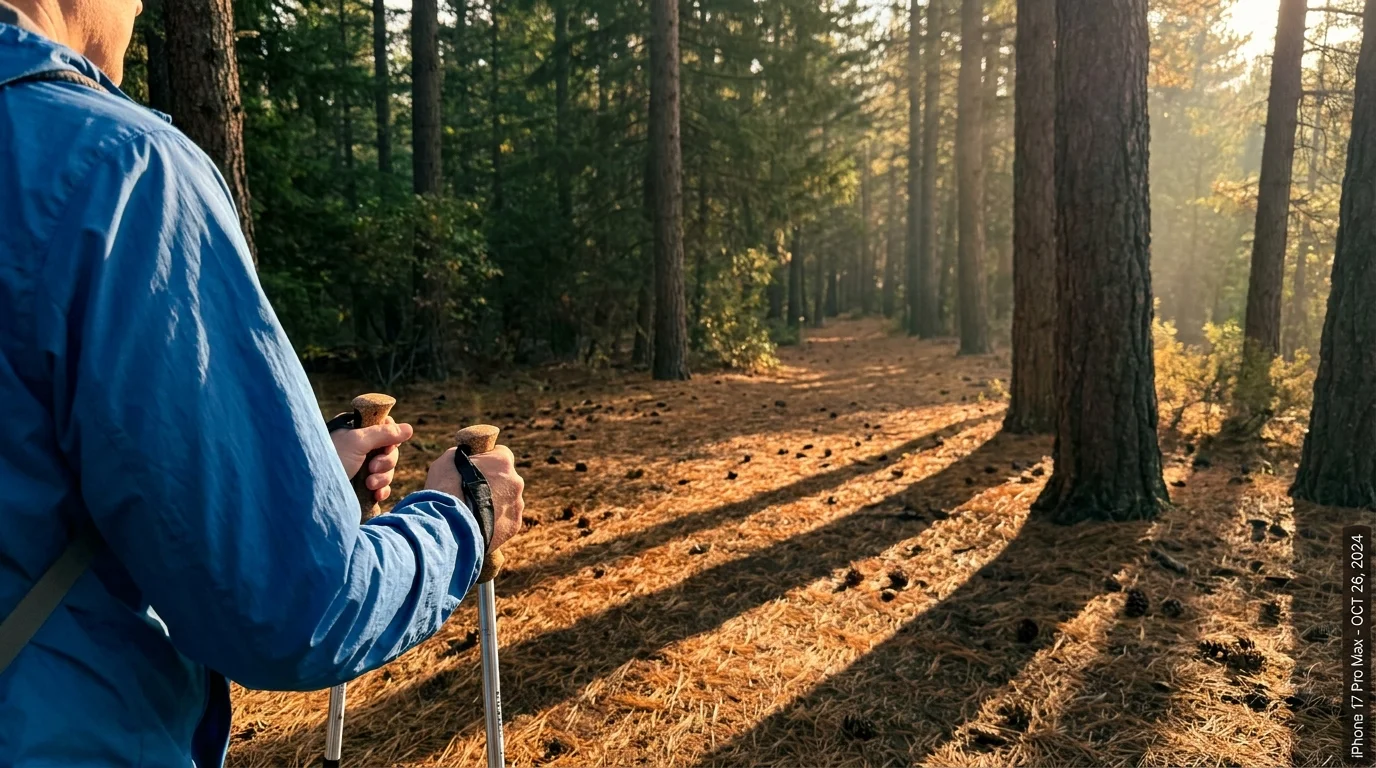
Walking is frequently touted as the ultimate exercise for older adults, but upgrading your neighborhood stroll to a trail hike introduces a host of new physical challenges. When you walk on an uneven dirt trail, your ankles, knees, and hips must constantly make micro-adjustments to keep you upright. This dynamic movement recruits smaller stabilizing muscles that remain entirely dormant when you walk on perfectly flat pavement or a treadmill. By strengthening these stabilizers, you significantly improve your baseline balance and reduce your risk of tripping in your everyday life.
Hiking also serves as an outstanding cardiovascular conditioning tool. Navigating gentle inclines forces your heart and lungs to work harder, safely expanding your cardiovascular endurance. Regular trail walking improves circulation, helps manage blood sugar levels, and strengthens the bones in your lower body through safe, manageable impact. In addition to the physical mechanics, spending time in forested areas provides a scientifically proven calming effect on the nervous system, drastically lowering resting blood pressure and reducing anxiety.
Preparation is the key to safe and enjoyable hiking. You should always wear specialized trail shoes or hiking boots that provide deep tread and robust ankle support. Using a pair of adjustable trekking poles is highly recommended; they redistribute the physical load, taking pressure off your knees during descents while giving your upper body a light workout. Always carry a small backpack equipped with plenty of water, a fully charged cell phone, and a basic first-aid kit.
Wellness Tip #4: Dancing for Balance and Cognitive Function
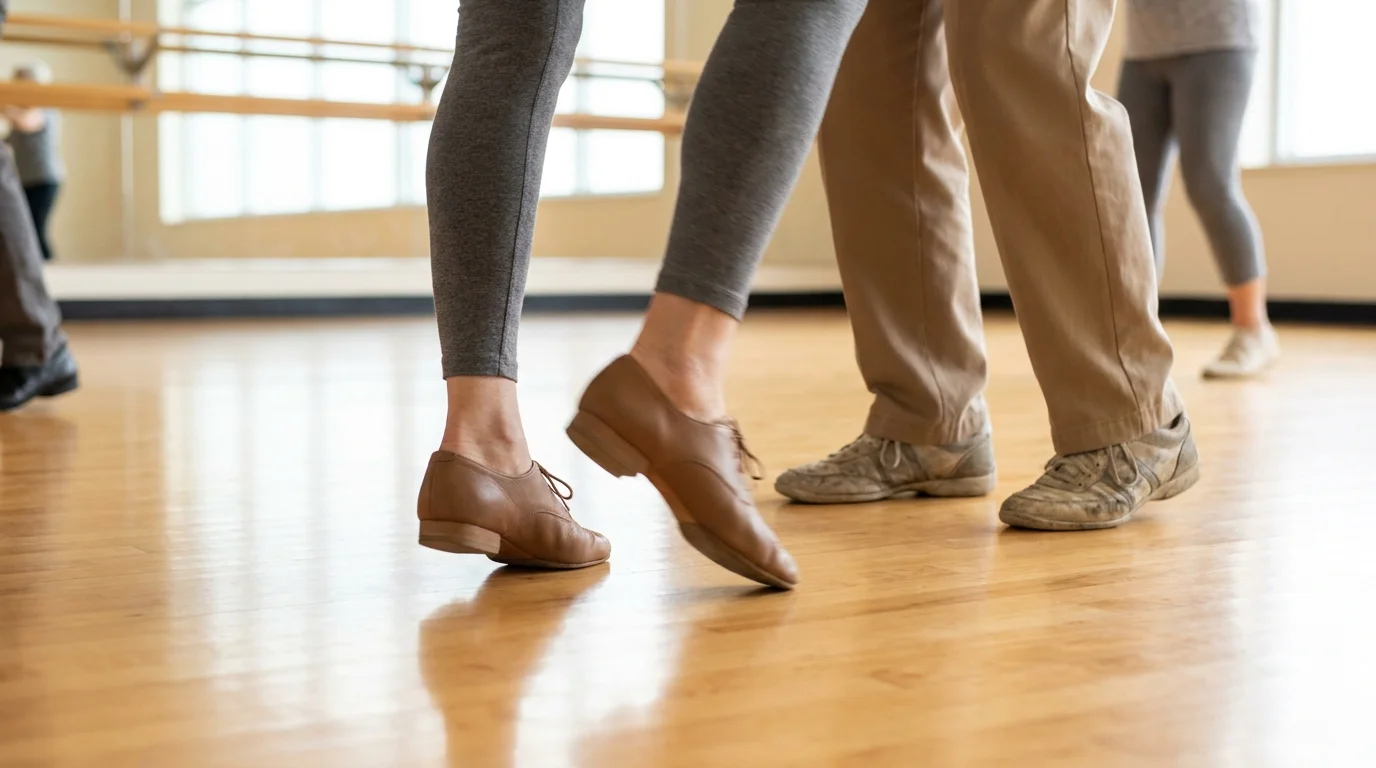
Dancing is one of the most comprehensive fun senior pastimes available because it demands simultaneous physical exertion and intense cognitive focus. When you learn a new dance routine, your brain must rapidly process spatial awareness, musical rhythm, and motor coordination. This complex multitasking stimulates the creation of new neural pathways, making dancing one of the most effective activities for preserving memory and fighting cognitive decline. Research consistently demonstrates that older adults who dance frequently exhibit a significantly lower risk of developing dementia compared to their sedentary peers.
From a physical standpoint, dancing requires you to move in multiple planes of motion. Unlike walking or cycling, which are strictly linear, dancing asks you to step sideways, pivot, and walk backward. Training your body to move laterally improves your dynamic balance and agility, which are critical components of fall prevention. A lively session of ballroom, line, or salsa dancing also provides an excellent aerobic workout that strengthens the heart and lungs.
The social environment of a dance class further amplifies its health benefits by combating isolation and releasing endorphins. You can start by seeking out beginner-friendly classes at local senior centers or dance studios. Focus entirely on the joy of movement rather than perfect technique; the health benefits stem from the effort of trying to match the steps, not from flawless execution.
Wellness Tip #5: Cycling for Leg Strength and Metabolic Health
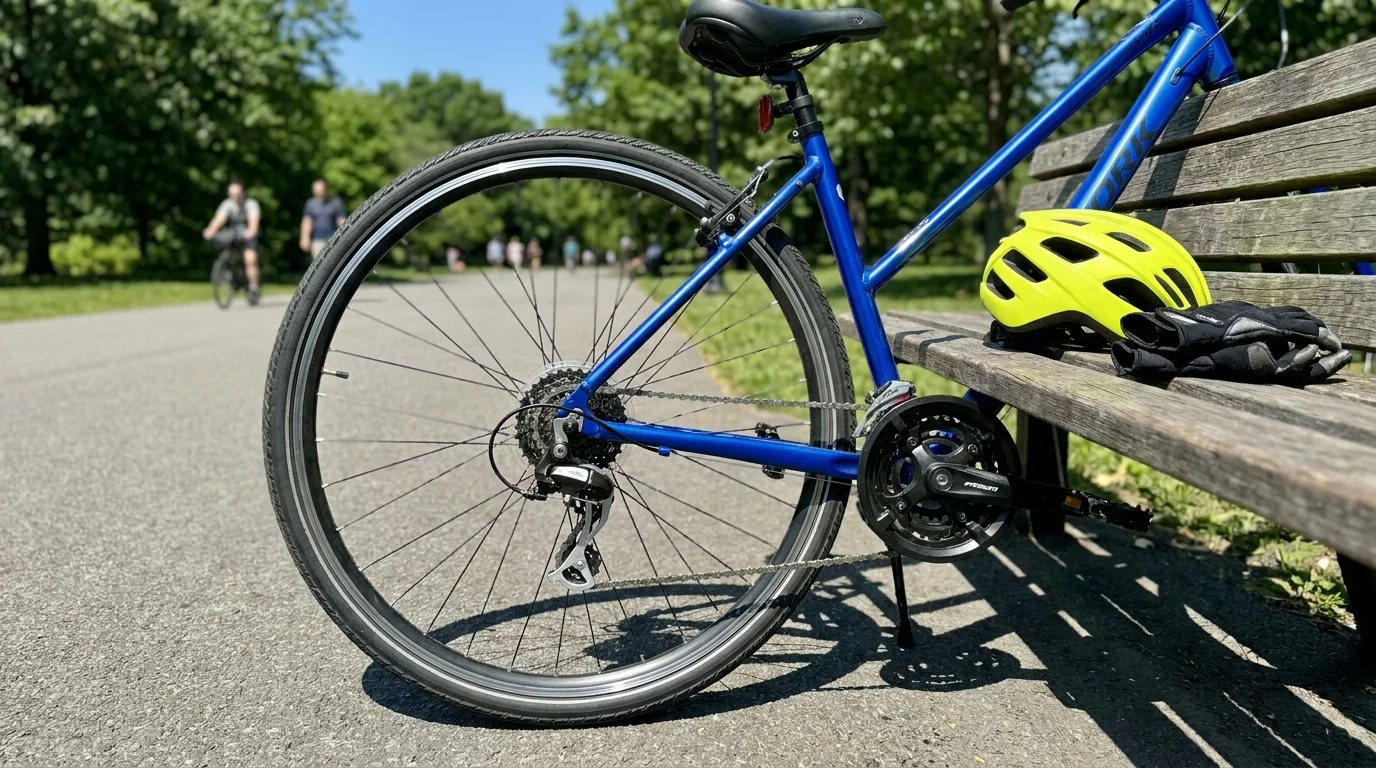
Cycling offers a powerful way to build formidable lower-body strength while maintaining a surprisingly low impact on your skeletal system. The smooth, circular motion of pedaling actively lubricates your hip and knee joints by stimulating the production of synovial fluid, which can dramatically reduce the stiffness associated with arthritis. Pushing the pedals engages your quadriceps, hamstrings, calves, and glutes; maintaining muscle mass in these areas is essential for getting out of chairs easily and climbing stairs without fatigue.
Taking up cycling as a regular hobby revs up your metabolic rate, aiding in weight management and improving insulin sensitivity. Because it is an aerobic activity, regular riding increases the efficiency with which your body transports and utilizes oxygen. You will find that after a few weeks of consistent cycling, your baseline energy levels throughout the day will noticeably increase.
If you are concerned about navigating steep hills or keeping up with a group, the modern advent of electric bicycles—or e-bikes—provides a perfect solution. E-bikes feature a battery-powered motor that offers pedal assistance, allowing you to control exactly how much physical effort you exert. This technology empowers you to tackle long distances and hilly terrain without experiencing dangerous spikes in your heart rate. Always prioritize safety by wearing a properly fitted helmet, utilizing bright reflective clothing, and equipping your bicycle with flashing lights.
Wellness Tip #6: Tai Chi for Fall Prevention and Core Stability
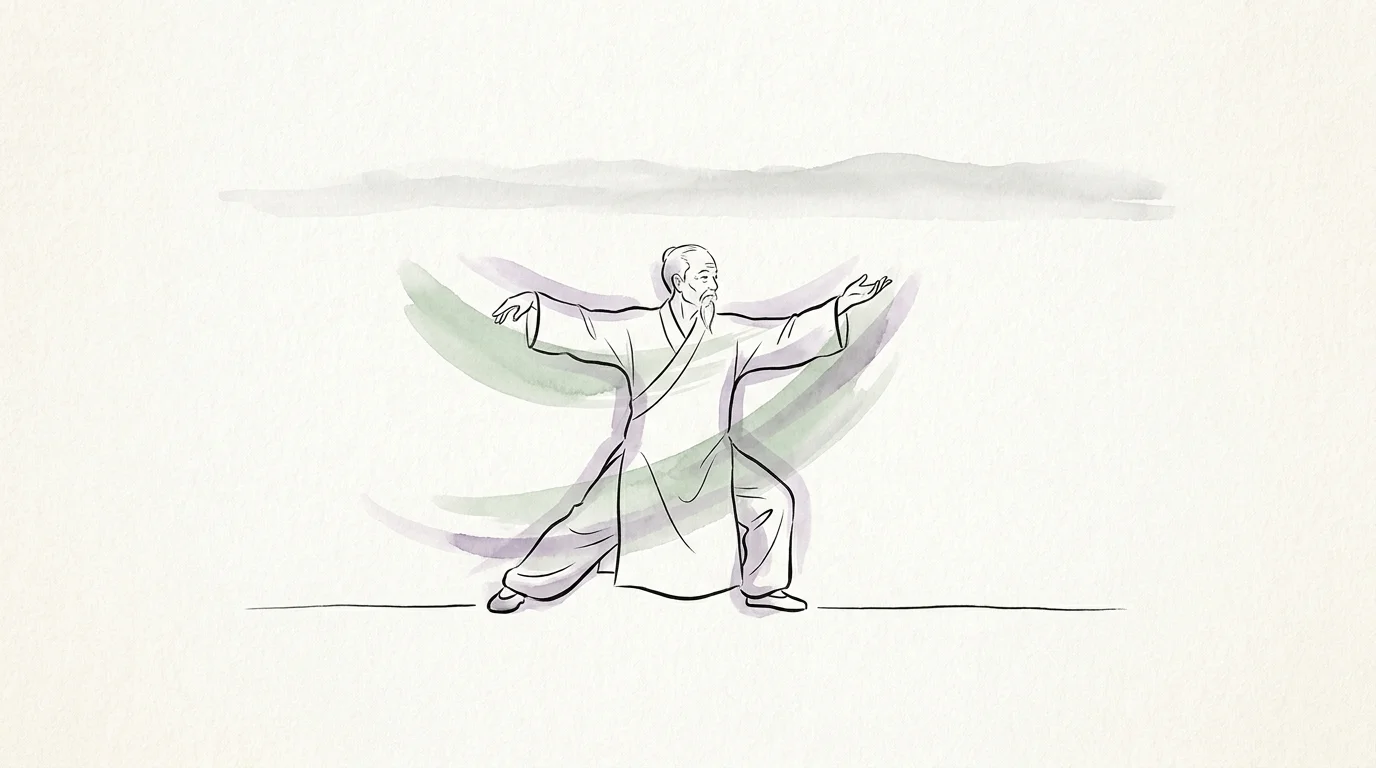
Often described as meditation in motion, Tai Chi is an ancient Chinese martial art defined by slow, deliberate, and highly controlled movements. While it may look effortless, practicing Tai Chi requires immense neuromuscular control and core stability. As you transition smoothly from one posture to the next, you spend a significant amount of time supporting your entire body weight on a single leg. This unilateral weight-bearing is phenomenal for building the deep core strength and leg stability required to prevent devastating falls.
The practice places a heavy emphasis on proprioception, which is your brain’s ability to sense where your body is positioned in physical space. As we age, proprioception naturally declines, leading to clumsiness and balance issues. Tai Chi directly counteracts this decline by forcing you to move with acute physical awareness. Furthermore, the deep, rhythmic breathing patterns integrated into the forms stimulate the parasympathetic nervous system, leading to sustained reductions in blood pressure and resting heart rate.
Tai Chi is exceptionally accessible because it requires absolutely no specialized equipment and can be performed anywhere. You can find excellent introductory classes tailored specifically for older adults at community centers, YMCAs, or even through free online instructional videos. The low-intensity nature of the movements means you can practice daily without worrying about muscle exhaustion or joint wear and tear.
Wellness Tip #7: Birdwatching for Mental Acuity and Gentle Mobility
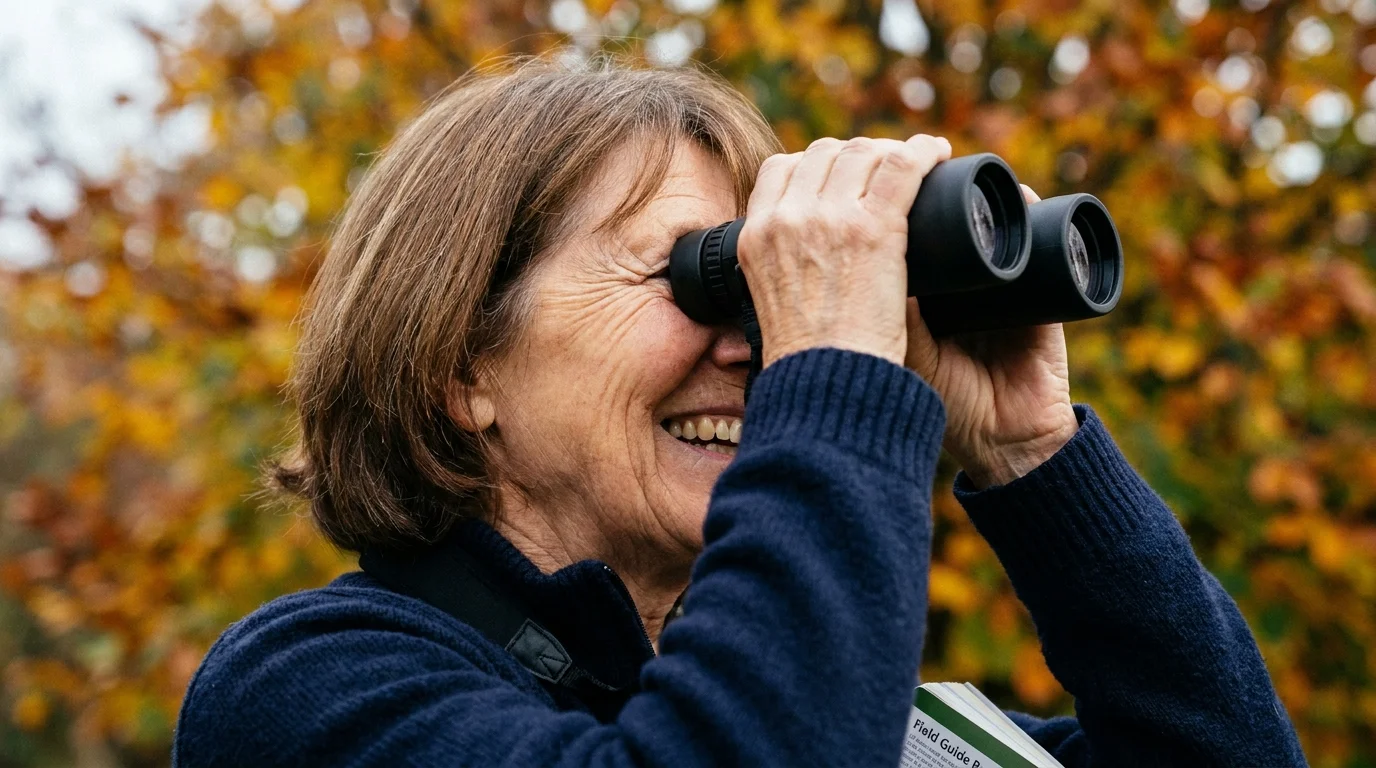
At first glance, birdwatching might seem like a passive activity, but it is actually a fantastic catalyst for gentle, sustained physical movement. Tracking elusive bird species inherently requires you to walk long distances across parks, nature reserves, and woodland trails. These excursions provide a stealthy cardiovascular workout; you are often so focused on scanning the canopy that you easily walk a few miles without noticing the physical effort. Standing completely still while holding binoculars to your eyes also engages your shoulder and core muscles in a prolonged isometric contraction.
The cognitive benefits of birdwatching are equally impressive. Identifying a specific bird requires sharp visual tracking, pattern recognition, and working memory as you compare the creature in front of you with the details in a field guide. This constant mental engagement keeps the brain’s executive functions sharp and responsive. Additionally, the hobby relies heavily on acoustic processing, as you learn to distinguish between different bird calls and songs, which actively trains your auditory cortex.
Because birds are most active during the early morning hours, this hobby encourages you to get outside shortly after sunrise. Exposure to early morning sunlight is critical for regulating your circadian rhythm, which in turn promotes deeper, more restorative sleep at night. To begin, simply acquire a lightweight pair of binoculars and a local field guide, and consider joining a local ornithological group for a supportive community experience.
Wellness Tip #8: Cooking Nutrient-Dense Meals for Cellular Health
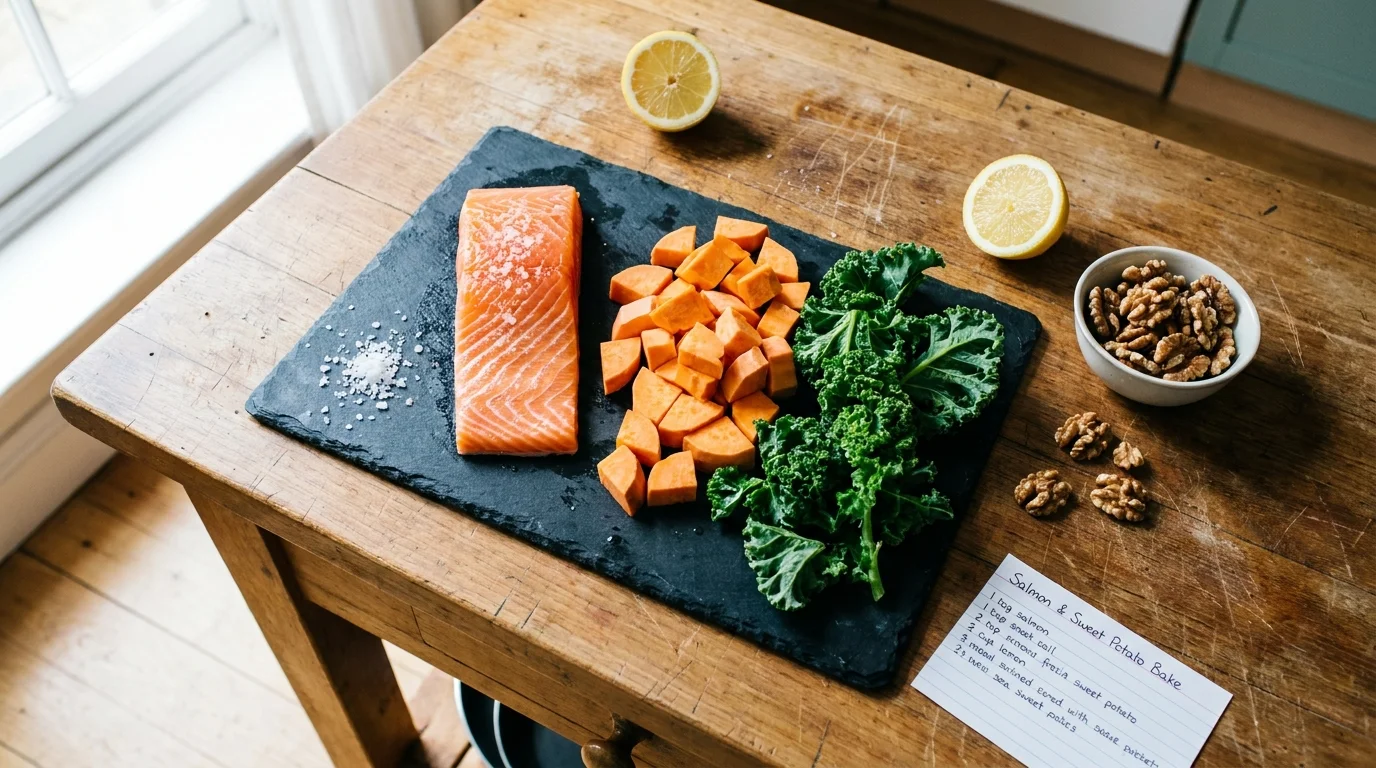
Transforming your daily meals from a chore into an engaging culinary hobby profoundly impacts your physical wellness from the inside out. When you cook meals from scratch, you exercise complete control over your ingredients, allowing you to eliminate the excessive sodium, refined sugars, and unhealthy trans fats hidden within processed foods. By focusing your culinary efforts on nutrient-dense ingredients—such as leafy greens, colorful vegetables, fatty fish, and whole grains—you actively combat cellular aging and lower your risk of systemic inflammation.
The physical act of cooking also provides excellent benefits for maintaining your motor skills. Chopping vegetables, kneading dough, and whisking sauces require fine motor coordination and manual dexterity, which helps keep the joints in your hands and wrists supple. Moving around the kitchen, bending to reach low cabinets, and standing at the counter all contribute to your daily accumulation of non-exercise physical activity.
To make healthy cooking a true hobby, challenge yourself to master a completely new, health-focused cuisine. The Mediterranean diet, for example, is globally recognized for its incredible heart-health benefits; learning to cook with fresh olive oil, legumes, and diverse spices can be a thrilling culinary adventure. Consider enrolling in a healthy cooking class or finding instructional videos that teach proper knife skills and advanced flavor-balancing techniques.
Important Safety Considerations
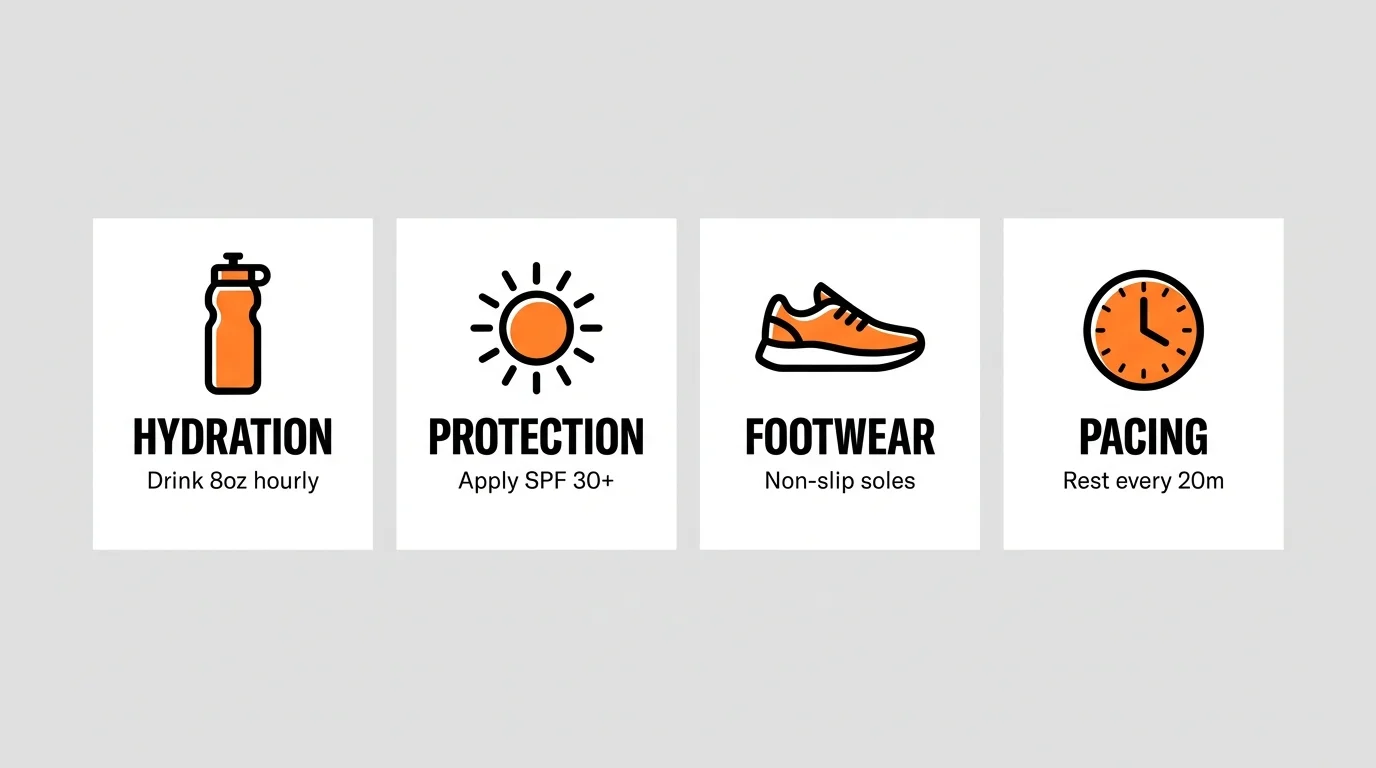
Before throwing yourself into any new physical pursuit, it is absolutely essential to approach your new routine with patience and self-awareness. Your body requires time to adapt to new mechanical stresses, so you must always start slowly. If you have chosen a cardiovascular hobby like cycling or swimming, begin with brief fifteen-minute sessions and gradually increase the duration by a few minutes each week. This progressive overload prevents painful delayed-onset muscle soreness and protects your connective tissues from acute injury.
Hydration is another critical factor that is easily overlooked. As we age, our natural sensation of thirst diminishes, meaning you can easily become dehydrated during an outdoor hobby like gardening or hiking without realizing it. Make it a strict habit to drink a full glass of water before you begin your activity, and keep a water bottle readily accessible throughout. Finally, learn to distinguish between the dull, satisfying ache of worked muscles and the sharp, sudden pain of a joint issue; never push through sharp pain under any circumstances.
When to Talk to Your Doctor
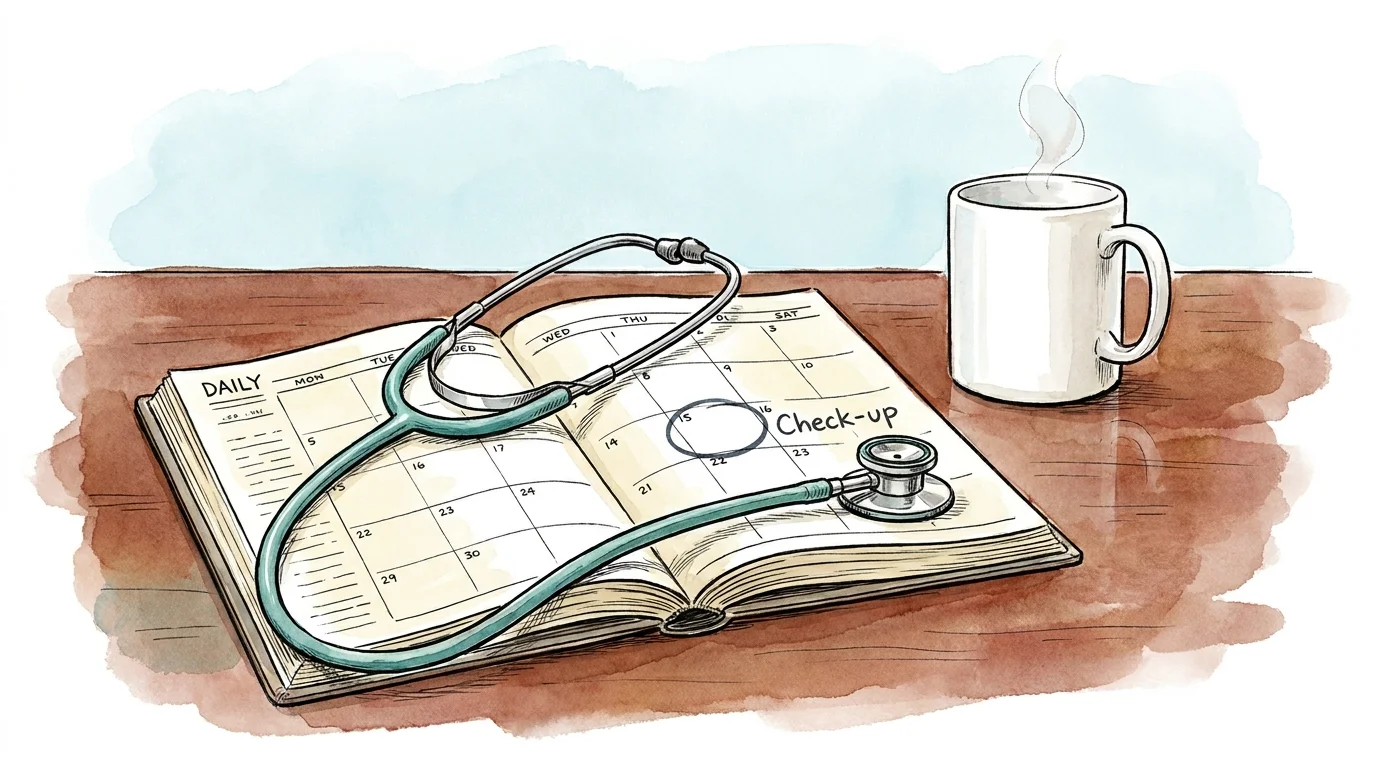
You must consult your primary care physician before making any significant changes to your physical activity levels, dietary habits, or supplement regimens. This conversation is not a mere formality; it is a vital safety checkpoint. Your doctor can evaluate how a new cardiovascular hobby might interact with your current prescription medications, such as beta-blockers that artificially cap your heart rate or blood thinners that make you more susceptible to bruising. If you have pre-existing conditions like osteoporosis, hypertension, or severe arthritis, your healthcare provider can offer personalized modifications to ensure your chosen hobby improves your health safely rather than exacerbating existing vulnerabilities.
Frequently Asked Questions
How much weekly exercise should I aim for after I retire?
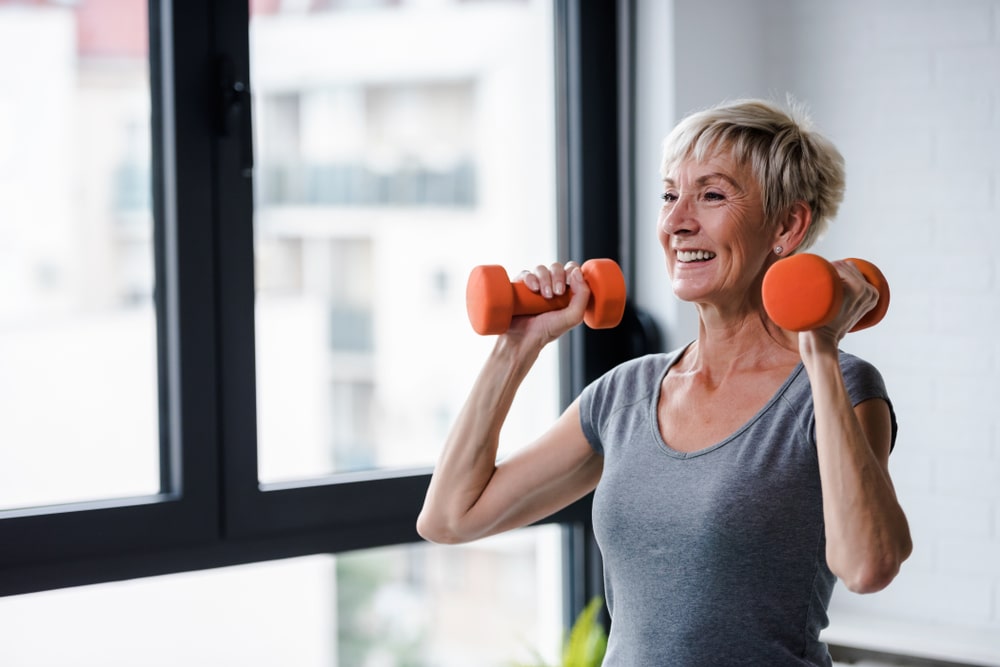
Current health guidelines recommend that older adults accumulate at least 150 minutes of moderate-intensity aerobic activity per week, alongside two days of muscle-strengthening exercises. You do not need to do this all at once; breaking it down into thirty-minute sessions of walking, swimming, or dancing five days a week is highly effective and manageable.
What if I experience chronic knee pain; can I still participate in these hobbies?
Absolutely. Chronic joint pain simply means you need to select your activities more strategically. Swimming, water aerobics, and cycling on flat terrain are excellent choices because they completely remove the impact forces of gravity from your lower extremities. You should avoid high-impact activities like running or aggressive trail hiking until your doctor clears you.
Are there specific hobbies that focus on improving memory?
Activities that combine physical movement with cognitive challenges yield the best results for brain health. Dancing is particularly powerful because it forces you to memorize steps and react to music in real time. Similarly, learning a new, complex skill like culinary arts or identifying bird species forces your brain to build strong, resilient neural connections.
How do I find the energy to start a new hobby when I often feel fatigued?
It is entirely normal to feel lethargic when transitioning into a new routine. The key is to conquer the initial inertia by committing to incredibly brief intervals—tell yourself you will only garden or practice Tai Chi for ten minutes. Often, the gentle movement will stimulate your circulation and provide an unexpected surge of energy, prompting you to continue naturally.
For authoritative health information, refer to the National Institute on Aging (NIA) and the CDC. For heart health, visit the American Heart Association. For Medicare questions, go to Medicare.gov.
Disclaimer: This article provides general wellness information and is not medical advice. Always seek the advice of your physician or other qualified health provider with any questions you may have regarding a medical condition.

Leave a Reply