


Introduction: Your Guide to a Healthier, More Vibrant You
Stepping away from a decades-long career opens the door to an exciting new chapter filled with untapped potential. You now possess the time and freedom to focus entirely on your personal well-being, transforming your daily routines into powerful tools for longevity. Making this transition successfully requires more than just financial planning; it demands a proactive approach to your physical health. When you invest intentionally in your body and mind, you build the foundation necessary to truly enjoy retirement without being sidelined by preventable health setbacks.
Your body experiences profound physiological changes as you age, but these changes do not have to dictate your quality of life. By understanding how your nutritional needs, sleep patterns, and muscular systems evolve, you can adapt your habits to support sustained vitality. The choices you make today directly influence your mobility, cognitive clarity, and immune function tomorrow. Think of your health as an investment portfolio—consistent, daily contributions yield the greatest long-term returns.
This comprehensive guide delivers ten actionable, science-backed strategies designed to optimize your physical wellness. You will discover practical methods to safeguard your heart, protect your joints, and maintain your independence. Implement these evidence-based techniques gradually, listen closely to your body, and reclaim your natural energy so you can embrace every moment of your newfound freedom.
Wellness Tip #1: Prioritize Low-Impact Cardiovascular Exercise
A robust cardiovascular system serves as the engine for your entire body, pumping oxygen-rich blood to your brain, organs, and muscles. As you gracefully enter this new phase of life, keeping your heart strong remains non-negotiable. However, high-impact activities like running on pavement can place unnecessary stress on aging joints, potentially leading to inflammation and cartilage wear. Low-impact cardiovascular exercise provides the perfect solution—delivering maximum cardiovascular benefits while minimizing the risk of orthopedic injury.
Swimming and water aerobics stand out as premier exercises for joint preservation. The buoyancy of water supports your body weight, drastically reducing the gravitational load on your knees and hips while providing continuous, gentle resistance. If you prefer staying dry, brisk walking and stationary cycling offer excellent alternatives. Walking stimulates bone density through mild weight-bearing mechanics, while cycling strengthens the stabilizing muscles around your knees without subjecting them to pounding impacts.
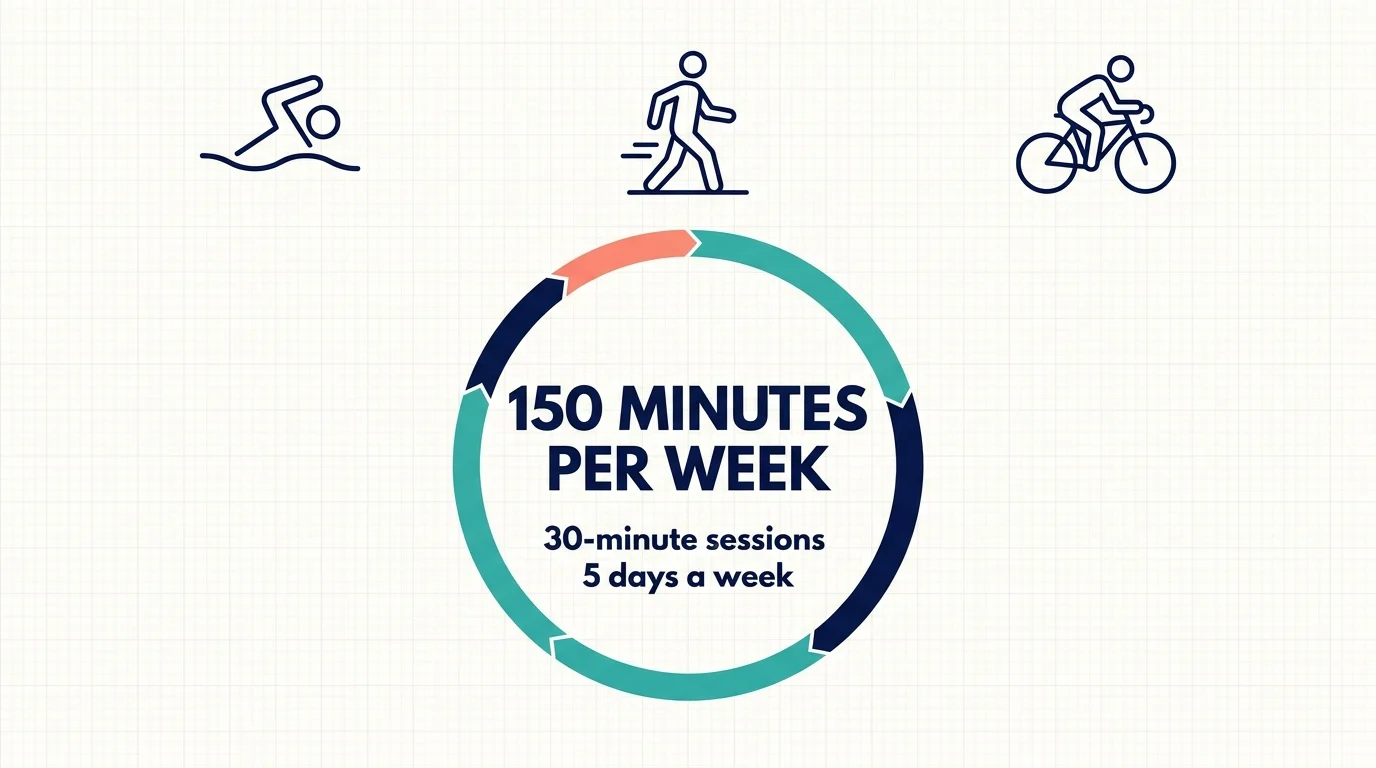
Aim to accumulate at least 150 minutes of moderate-intensity aerobic activity each week. Break this goal down into manageable, thirty-minute sessions spread across five days. You will know you have reached the correct intensity when you feel your heart rate elevate and a light sweat break out, yet you can still hold a conversation without gasping for breath. Consistency matters far more than intensity; establishing a daily habit of joyful movement will dramatically enhance your cardiovascular endurance over time.

Wellness Tip #2: Build and Preserve Muscle Mass Through Strength Training
Sarcopenia—the age-related progressive loss of muscle mass and strength—begins subtly in your thirties and accelerates significantly after age sixty. If left unchecked, this natural process compromises your balance, slows your metabolism, and increases your vulnerability to falls. Reversing this trend requires a dedicated commitment to strength training, a practice that signals your body to rebuild and fortify its muscular scaffolding.
You do not need to lift massive weights in a crowded gym to see remarkable results. Resistance bands, light dumbbells, and your own body weight provide more than enough stimulus to trigger muscle growth. Focus on compound movements that recruit multiple muscle groups simultaneously, such as assisted squats, wall push-ups, and seated rows. These functional exercises mimic the movements you perform in daily life, translating directly into easier grocery carrying, stair climbing, and standing up from low chairs.
Implement a strength training routine two to three times per week, allowing at least forty-eight hours of rest between sessions for optimal muscle recovery. Focus entirely on executing each movement with slow, controlled precision rather than rushing through repetitions. As you progressively challenge your muscles, you also apply mechanical stress to your bones. This essential stress stimulates the production of new bone tissue, combating osteopenia and ensuring your skeletal structure remains resilient.

Wellness Tip #3: Fuel Your Body with Nutrient-Dense, Anti-Inflammatory Foods
Your digestive system and metabolic rate naturally slow down over time, meaning you require fewer total calories but significantly more vitamins and minerals per bite. Optimizing your diet is a cornerstone of a healthy lifestyle after 60. A nutrition plan focused on whole, minimally processed foods will aggressively combat systemic inflammation—a primary driver of joint pain, cardiovascular disease, and cognitive decline.
Adopt an eating pattern heavily influenced by the Mediterranean diet, which consistently ranks as the gold standard for healthy aging. Fill your plate with vibrant, colorful vegetables, fibrous whole grains, and lean proteins. Prioritize high-quality protein sources like eggs, poultry, legumes, and Greek yogurt to provide the essential amino acids your body needs for muscle repair. Adequate protein intake becomes exceptionally critical as you age, helping you preserve the lean mass you build through your strength training efforts.
Equally important is the inclusion of healthy fats, particularly omega-3 fatty acids found in wild-caught salmon, walnuts, and flaxseeds. Omega-3s act as powerful natural anti-inflammatories, lubricating your joints and supporting optimal brain function. Limit your consumption of refined sugars, trans fats, and heavily processed snacks, as these items trigger inflammatory cascades that drain your energy and exacerbate chronic pain. Proper fueling ensures happy seniors maintain the stamina needed for active, fulfilling days.
Wellness Tip #4: Optimize Your Hydration Habits to Boost Daily Energy
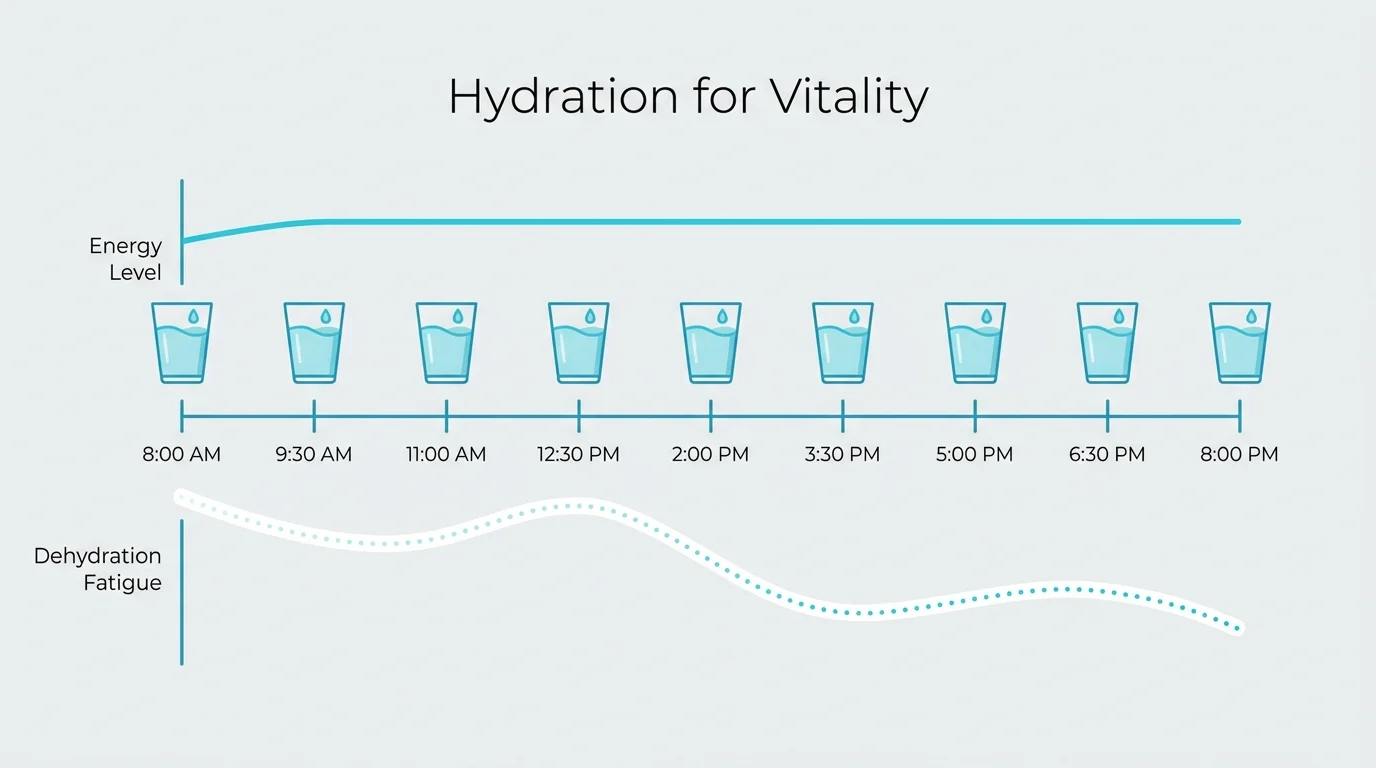
Water facilitates every single metabolic process in your human physiology, yet chronic dehydration remains an invisible epidemic among older adults. As you age, the thirst center located in your brain’s hypothalamus becomes notably less sensitive. Consequently, you may not feel thirsty even when your body is actively experiencing a fluid deficit. This lack of awareness can lead to fatigue, muscle cramps, and periods of unexpected mental confusion.
Do not wait for a dry mouth to signal your need for fluids. Instead, adopt a proactive approach by drinking water continuously throughout the day. Keep a reusable water bottle easily accessible on your kitchen counter or side table as a visual reminder. If plain water feels unappealing, infuse your glass with slices of fresh lemon, cucumber, or crushed mint to enhance the flavor naturally without adding artificial sweeteners or excess sugar.
Monitor your hydration status by observing the color of your urine; it should consistently remain a pale, straw-like yellow. Dark urine serves as an immediate warning sign that you need to increase your fluid intake. Remember that herbal teas, clear broths, and water-rich foods like watermelon and celery also contribute significantly to your daily hydration goals. Proper fluid balance ensures your kidneys flush out toxins efficiently and keeps your joints adequately lubricated.

Wellness Tip #5: Cultivate a Consistent, Restorative Sleep Routine
Sleep architecture undergoes profound changes during the aging process. You may notice a decrease in the amount of deep, slow-wave sleep you achieve, causing you to wake up feeling unrefreshed despite spending eight hours in bed. Restorative sleep is not a luxury; it serves as the critical period when your brain clears out metabolic waste products and your immune system reinforces its defenses. Prioritizing sleep hygiene directly correlates with true senior happiness and robust daytime energy.
Regulate your body’s internal circadian clock by waking up and going to bed at the exact same times every single day, including weekends. This unyielding consistency anchors your biological rhythms, making it much easier to fall asleep naturally. Transform your bedroom into a sanctuary optimized strictly for rest—keep the ambient temperature cool, usually around sixty-five degrees Fahrenheit, and invest in blackout curtains to eliminate disruptive street light.
Limit your exposure to the blue light emitted by televisions, tablets, and smartphones for at least one hour before turning in. Blue light actively suppresses your pineal gland’s production of melatonin, the hormone responsible for inducing sleepiness. Instead of scrolling through screens, establish a calming pre-sleep ritual; reading a physical book, practicing gentle stretching, or listening to classical music can successfully signal to your nervous system that it is time to power down.

Wellness Tip #6: Keep Your Brain Sharp Through Lifelong Learning
Cognitive decline is not an inevitable consequence of accumulating birthdays. The human brain possesses a remarkable characteristic known as neuroplasticity—the ability to continuously form new neural connections and reorganize existing pathways throughout your entire lifespan. To harness this neuroplasticity, you must actively and consistently challenge your brain with novel, complex tasks that force it to operate outside of its comfortable routines.
Engaging in lifelong learning builds a robust cognitive reserve, which helps protect your mind against memory loss. Pick up a completely new hobby that requires intense focus and coordination. Learning to play a musical instrument, studying a foreign language, or mastering a strategic game like chess forces your brain to create fresh synaptic bridges. Passive activities, like watching television, do not provide the necessary cognitive friction required to stimulate brain health.
Incorporate smaller cognitive challenges into your daily routine to keep your mind agile. Switch the hand you use to brush your teeth, navigate a different route to the grocery store, or complete a daily crossword puzzle. These minor adjustments disrupt your mental autopilot, forcing your brain to remain engaged and alert. Intellectual curiosity acts as a powerful shield for your neurological health.

Wellness Tip #7: Nurture Meaningful Social Connections to Prevent Isolation
Physical isolation poses a severe threat to your physiological health, carrying risks that rival obesity and physical inactivity. When you leave the structured social environment of the workplace, your daily interactions naturally decrease. Without proactive effort, this reduction can easily slip into chronic loneliness, which aggressively elevates cortisol levels, increases systemic inflammation, and depresses immune function.
Finding genuine retirement joy requires you to actively engineer your social landscape. Join local community groups, book clubs, or walking groups that align with your personal interests. These structured environments provide predictable, recurring opportunities to interact with peers and forge new friendships based on shared passions. Volunteering for a local charity or mentoring younger professionals also offers profound social engagement while simultaneously providing a deep sense of purpose.
Do not underestimate the power of digital connections when geographical distance separates you from loved ones. Schedule regular video calls with your children, grandchildren, and lifelong friends. While virtual interactions cannot completely replace face-to-face contact, they effectively maintain emotional bonds and provide vital emotional support. Prioritizing relationships ensures your nervous system remains grounded and secure.

Wellness Tip #8: Embrace the Outdoors for Natural Vitamin D and Fresh Air
Modern conveniences often trap us indoors, entirely separated from the natural world. Spending time in nature provides immediate, measurable benefits for both your physical and psychological well-being. Exposure to natural sunlight regulates your circadian rhythms, directly improving your nighttime sleep quality while simultaneously boosting your mood during the day.
Direct sunlight on your skin triggers the synthesis of Vitamin D, a crucial hormone-like nutrient that facilitates calcium absorption. Without adequate Vitamin D, your body cannot efficiently maintain bone density, regardless of how much calcium you consume in your diet. Aim for fifteen to thirty minutes of sun exposure on your arms and legs several times a week, taking care to avoid the intense midday sun to protect against skin damage.
Beyond sunlight, breathing fresh air and moving through green spaces exposes you to phytoncides—beneficial airborne chemicals released by trees and plants. Studies demonstrate that inhaling these natural compounds significantly increases the activity of your immune system’s natural killer cells, which hunt down and destroy harmful pathogens. A daily stroll through a local park or a morning spent tending to a garden provides a profound, holistic health boost.
Wellness Tip #9: Practice Mindfulness and Proactive Stress Management
Chronic stress acts as a silent toxin, slowly eroding your cardiovascular health and exacerbating inflammatory conditions like arthritis. Even without the pressures of a demanding career, the aging process presents unique stressors—ranging from health anxieties to major life transitions. Managing your physiological response to these stressors is vital for preserving your overall wellness.
Mindfulness practices center your attention firmly on the present moment, effectively short-circuiting the anxious loops of worrying about the future or ruminating on the past. Deep, diaphragmatic breathing serves as the most accessible and immediate tool for stress reduction. By taking slow, expansive breaths into your belly, you physically stimulate the vagus nerve. This stimulation commands your parasympathetic nervous system to activate, rapidly lowering your heart rate and reducing circulating stress hormones.
Incorporate mind-body practices like Tai Chi or gentle yoga into your weekly schedule. These disciplines combine fluid, controlled movements with deliberate breathwork, simultaneously improving your physical balance and your mental tranquility. Dedicating just ten minutes a day to a guided meditation or quiet reflection can fundamentally rewire your nervous system to respond to daily challenges with calm resilience rather than panicked reactivity.
Wellness Tip #10: Schedule and Attend Preventative Health Screenings
The most effective strategy for managing age-related health conditions involves catching them before they manifest as serious symptoms. Preventative medicine shifts your healthcare focus from reactive treatment to proactive maintenance. Establishing a comprehensive schedule for diagnostic screenings is the ultimate act of self-care and a vital step to ensure you fully enjoy retirement without unexpected medical crises.
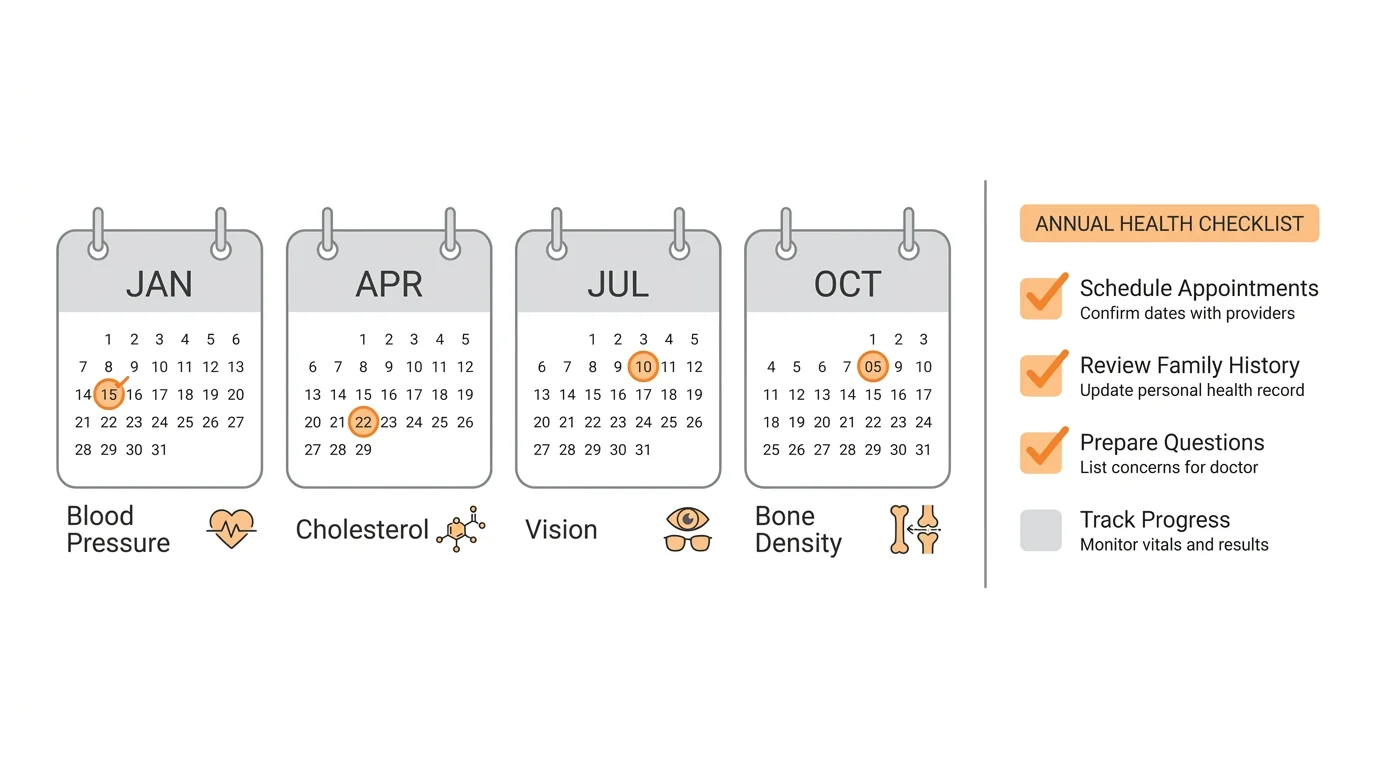
Maintain a close partnership with your primary care physician to map out your necessary annual screenings. Regular blood pressure monitoring and comprehensive lipid panels will keep a close eye on your cardiovascular risk factors. Hemoglobin A1c tests track your average blood sugar levels, allowing you to head off prediabetes through dietary adjustments before it progresses into full-blown type 2 diabetes.
Do not neglect your sensory and structural health. Dual-energy X-ray absorptiometry (DXA) scans measure your bone mineral density, providing crucial data to prevent osteoporosis-related fractures. Annual eye exams screen for macular degeneration and glaucoma, while routine audiology tests ensure your hearing remains sharp. Catching subtle changes early provides you and your medical team with the widest possible array of gentle, effective treatment options.
Important Safety Considerations
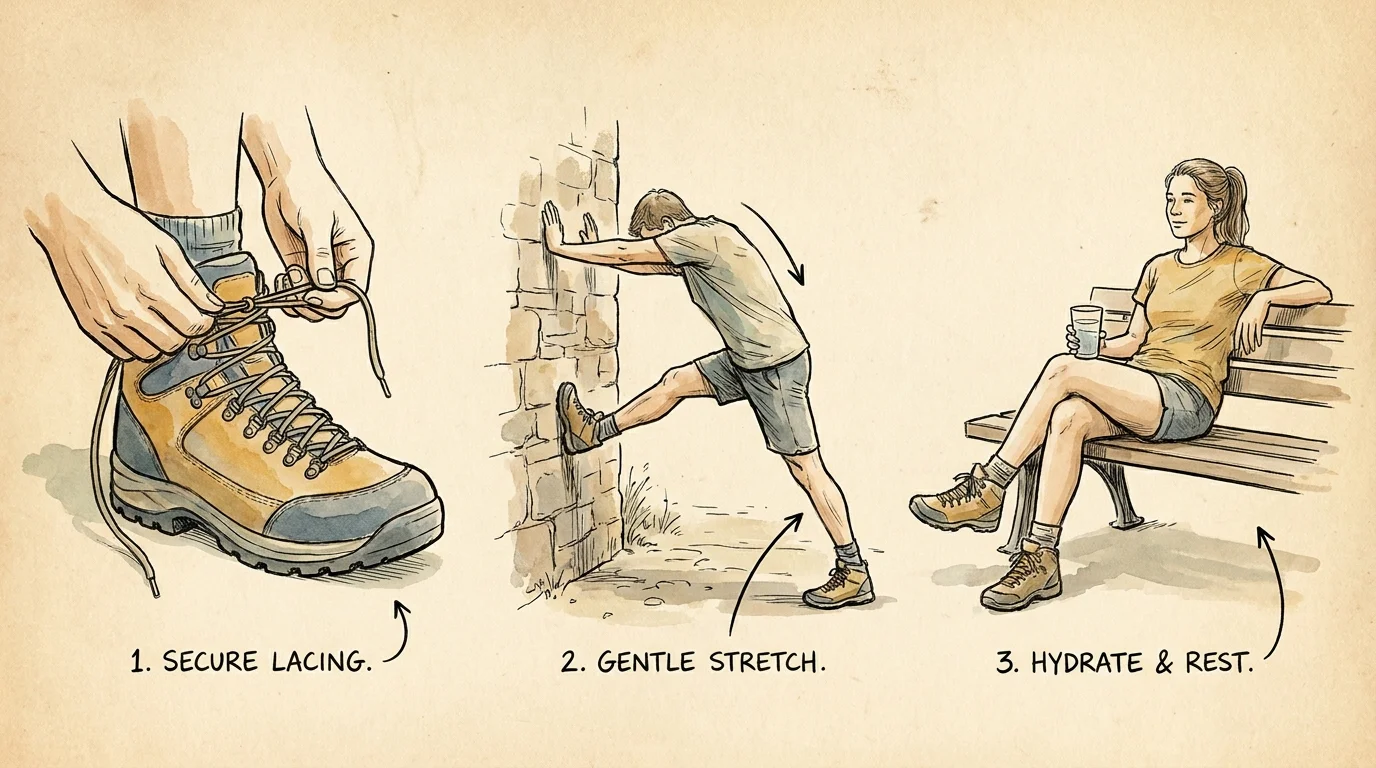
Enthusiasm for building a healthier lifestyle is wonderful, but it must be tempered with common sense and careful pacing. When introducing a new exercise routine, always prioritize form and safety over speed or heavy resistance. Start slowly, allowing your tendons and ligaments ample time to adapt to the new physical demands. Pushing your body too hard, too fast dramatically increases your risk of strains and joint injuries.
Pay close attention to how your body responds to dietary modifications. If you increase your fiber intake through vegetables and whole grains, do so gradually while simultaneously increasing your water consumption to prevent digestive blockages. Furthermore, be hyper-aware of potential interactions between your prescribed medications and over-the-counter supplements. Even seemingly harmless herbal remedies can alter the efficacy of blood thinners, hypertension drugs, and metabolic medications.

When to Talk to Your Doctor
Your healthcare provider serves as your most critical partner in your wellness journey. You must consult your physician before making any significant changes to your diet, initiating a new exercise program, or adding new vitamins and supplements to your daily regimen. They possess your complete medical history and can tailor general advice to fit your specific physiological needs safely.
Never ignore acute warning signs. If you experience sudden, unexplained joint pain, prolonged dizziness, shortness of breath, or a rapid, irregular heartbeat during exercise, stop immediately and seek medical evaluation. Persistent fatigue, dramatic unexplained weight loss, or sudden changes in your vision also warrant immediate professional attention. Proactive communication with your doctor prevents minor issues from escalating into major medical emergencies.
Frequently Asked Questions
How many days a week should I exercise for optimal health?
For optimal cardiovascular and metabolic health, aim to be active most days of the week. The baseline recommendation is 150 minutes of moderate aerobic activity weekly, which breaks down to about thirty minutes a day for five days. Additionally, you should incorporate strength-training exercises that target all major muscle groups at least two days a week. Always space out your strength training days to allow your muscles proper time to recover and rebuild.
Is it really possible to build new muscle mass after the age of sixty?
Yes, it is entirely possible to build new muscle tissue well into your sixties, seventies, and beyond. While the physiological process of muscle synthesis slows down as you age, your muscles remain highly responsive to mechanical resistance. Consistent strength training, combined with adequate daily protein intake, will absolutely stimulate muscle hypertrophy—improving your strength, protecting your joints, and enhancing your metabolic rate.
What are the absolute best foods to eat for joint health and mobility?
Joint health relies heavily on reducing systemic inflammation. The best dietary choices include foods rich in omega-3 fatty acids, such as salmon, mackerel, chia seeds, and walnuts. Dark, leafy greens like spinach and kale provide powerful antioxidants that protect joint tissue from oxidative stress. Additionally, foods rich in Vitamin C, such as bell peppers and citrus fruits, play a vital role in synthesizing collagen, the primary structural protein found in your cartilage.
How can I tell if I am drinking enough water throughout the day?
The most reliable, immediate indicator of your hydration status is the color of your urine. You are aiming for a pale, translucent yellow color. If your urine is dark yellow or amber, you are likely dehydrated and need to increase your fluid intake immediately. Other subtle signs of dehydration include mild headaches, a sensation of dry mouth, unexplained fatigue, and dry, inelastic skin.
For authoritative health information, refer to the National Institute on Aging (NIA) and the CDC. For heart health, visit the American Heart Association. For Medicare questions, go to Medicare.gov.
Disclaimer: This article provides general wellness information and is not medical advice. Always seek the advice of your physician or other qualified health provider with any questions you may have regarding a medical condition.









Leave a Reply