


Introduction: Your Guide to a Healthier, More Vibrant You
Retirement brings a profound and well-deserved shift in how you experience time. For decades, your mornings were likely dictated by alarm clocks, stressful commutes, and the rigorous demands of a structured workplace. Stepping into this new chapter offers a wonderful sense of freedom; however, an unstructured morning can easily slide into lethargy if left entirely to chance. Establishing a dedicated morning routine seniors look forward to is not about rigidly scheduling every minute of your day. Rather, it involves intentionally choosing habits that promote physical vitality, emotional stability, and mental clarity. By anchoring your day with purposeful actions, you create a positive routine aging strategy that enhances your overall quality of life and protects your long-term independence.
The way you spend your first waking hour heavily influences your energy levels, mood, and cognitive function for the rest of the day. Many older adults find that without a set schedule, they naturally gravitate toward passive activities, such as turning on the television immediately upon waking. While relaxation is a beautiful benefit of retirement, prioritizing active, health-focused choices right out of bed sets a physiological precedent. Your body thrives on rhythm and predictability. When you consistently practice a healthy start day 60+ routine, your internal systems—from your digestive tract to your hormone regulation centers—learn to operate much more efficiently. You do not need to overhaul your entire life overnight to see these benefits; simply adopting one or two of the following seven practical steps can yield significant improvements in your daily vitality.

Wellness Tip #1: Hydrate Immediately to Jumpstart Your Metabolism
Water is the fundamental building block of cellular health, yet aging naturally diminishes your internal thirst signals. By the time you actually feel thirsty, you are often already in a state of mild dehydration. You lose a surprising amount of water overnight simply through respiration and normal perspiration. Older adults face a significantly higher risk of chronic dehydration, a condition that frequently masquerades as unexplained fatigue, occasional dizziness, and frustrating cognitive fogginess. Instead of reaching immediately for your coffee maker when you walk into the kitchen, make your very first action of the day drinking a large glass of water.
Consuming twelve to sixteen ounces of room-temperature water upon waking replenishes the vital fluids lost during the night. This simple daily ritual retirees can easily adopt helps to flush out metabolic byproducts that accumulate while you sleep, lubricates your joints before you begin moving, and stimulates your digestive tract to prevent constipation. If plain water feels unappealing early in the morning, try adding a squeeze of fresh lemon juice or a slice of cucumber to provide a mild, natural flavor boost. Keeping a dedicated water glass by your bathroom sink or on your kitchen counter serves as a reliable visual cue to prioritize your hydration before caffeine enters your system.

Wellness Tip #2: Seek Natural Sunlight to Anchor Your Circadian Rhythm
Your body operates on a natural 24-hour internal clock known as the circadian rhythm, which manages your sleep-wake cycle, hormone production, and core body temperature. As you age, this biological clock naturally shifts, often causing you to feel sleepy much earlier in the evening and wake up before the sun rises. The most effective, scientifically backed method for regulating this internal clock is direct exposure to bright, natural light early in your morning. When specific receptors in your eyes detect bright outdoor light, they send a powerful signal to your brain to halt the production of melatonin—the sleep hormone—and release cortisol to promote focused alertness.
Research indicates that securing twenty to thirty minutes of morning sunlight exposure can significantly advance your circadian clock, leading to deeper, more restorative sleep later that night. Indoor artificial lighting simply does not possess the necessary intensity to trigger this biological response. Make it a foundational part of your retirement morning habits to step outside onto your porch, tend to your garden, or take a brief walk shortly after waking. If inclement weather or mobility issues prevent you from going outdoors, sitting adjacent to a large, bright window while you read or enjoy your breakfast serves as a highly effective alternative.

Wellness Tip #3: Fuel Up with a Protein-Forward Breakfast
Breakfast truly sets the nutritional tone for your entire day, yet many traditional morning meals—like sugary cereals, pastries, or simple toast—are heavy in refined carbohydrates. These choices cause rapid spikes in your blood sugar, which are inevitably followed by mid-morning crashes that leave you feeling sluggish and hungry. Furthermore, older adults experience a natural phenomenon known as anabolic resistance, meaning your body becomes less efficient at utilizing dietary protein to maintain and repair muscle tissue. To combat age-related muscle loss, known clinically as sarcopenia, you must consume higher amounts of protein at every meal.
Clinical data suggests that older adults need roughly twenty-five to thirty grams of high-quality protein during breakfast to effectively trigger muscle protein synthesis. Opt for nutrient-dense whole foods that provide sustained energy and keep you satiated. Excellent options include a generous bowl of plain Greek yogurt topped with antioxidant-rich berries and walnuts, or three scrambled eggs served alongside a cup of fibrous spinach. Integrating sufficient protein and dietary fiber into your morning meal stabilizes your blood sugar, supports your immune system, and provides the sustained physical energy required to remain active throughout the day.
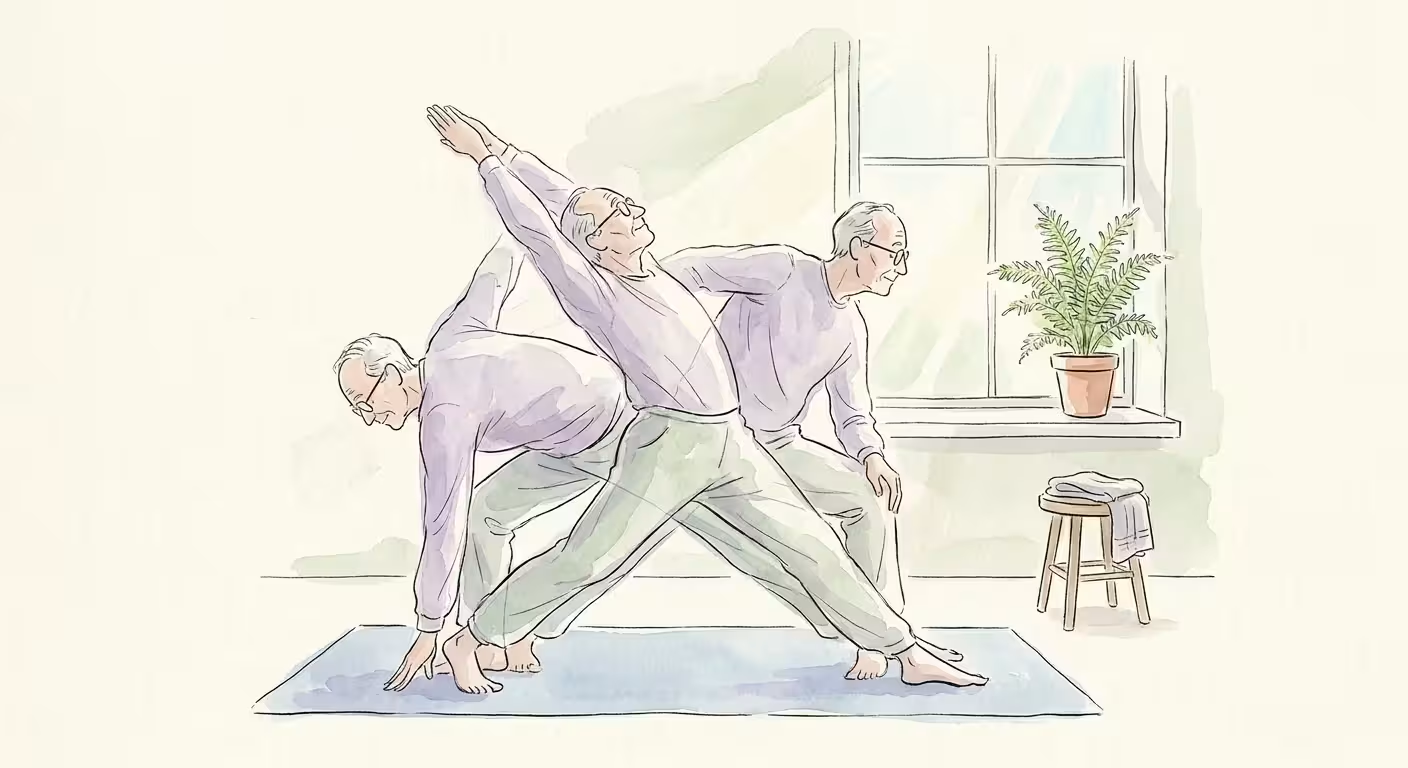
Wellness Tip #4: Incorporate Gentle Stretching and Balance Work
Waking up with stiff, achy joints is a common experience after the age of fifty. The synovial fluid that normally lubricates your joints naturally thickens when you remain stationary for extended periods, such as during a long night of sleep. Engaging in dynamic, gentle movement warms this fluid, effectively greasing the hinges of your body and significantly reducing morning discomfort. Rather than jumping straight out of bed, spend your first few conscious minutes performing gentle stretches while still lying under the covers. Simple movements like slowly pulling your knees to your chest or rotating your ankles help initiate crucial blood flow to your extremities.
Once you transition to a standing position, dedicating just ten minutes to balance and mobility exercises protects your long-term independence. According to geriatric health data, falls remain a leading cause of severe injury among older adults. You can easily integrate balance work into your existing routine; for example, practice standing on one leg while securely holding the kitchen counter as you wait for your tea to steep. Incorporating gentle, restorative practices like Tai Chi, seated marches, or basic yoga stretches improves your proprioception—your body’s awareness of its position in space—and builds the functional strength required for daily activities.

Wellness Tip #5: Engage Your Mind with Purposeful Cognitive Activities
Physical well-being is deeply intertwined with mental acuity. A comprehensive positive routine aging strategy treats the brain precisely like a muscle; it requires consistent, challenging exercise to remain sharp and resilient. Passive consumption of information, such as watching morning news broadcasts or casually scrolling through a smartphone, can actually spike your cortisol levels and induce unnecessary anxiety early in the day. Instead, actively engage your cognitive faculties through tasks that require sustained focus, problem-solving, and neuroplasticity.
Dedicating twenty minutes of your morning to an intellectually stimulating activity builds cognitive reserve, which acts as a neurological buffer against age-related decline. You might choose to read a chapter of a challenging non-fiction book, complete a complex crossword or Sudoku puzzle, or spend time learning a new language using a digital tablet. The specific activity matters far less than the requirement that it actively challenges your brain to learn, recall, and synthesize new information. This deliberate mental engagement sharpens your memory, enhances your concentration, and provides a deeply satisfying sense of accomplishment before the day has truly begun.
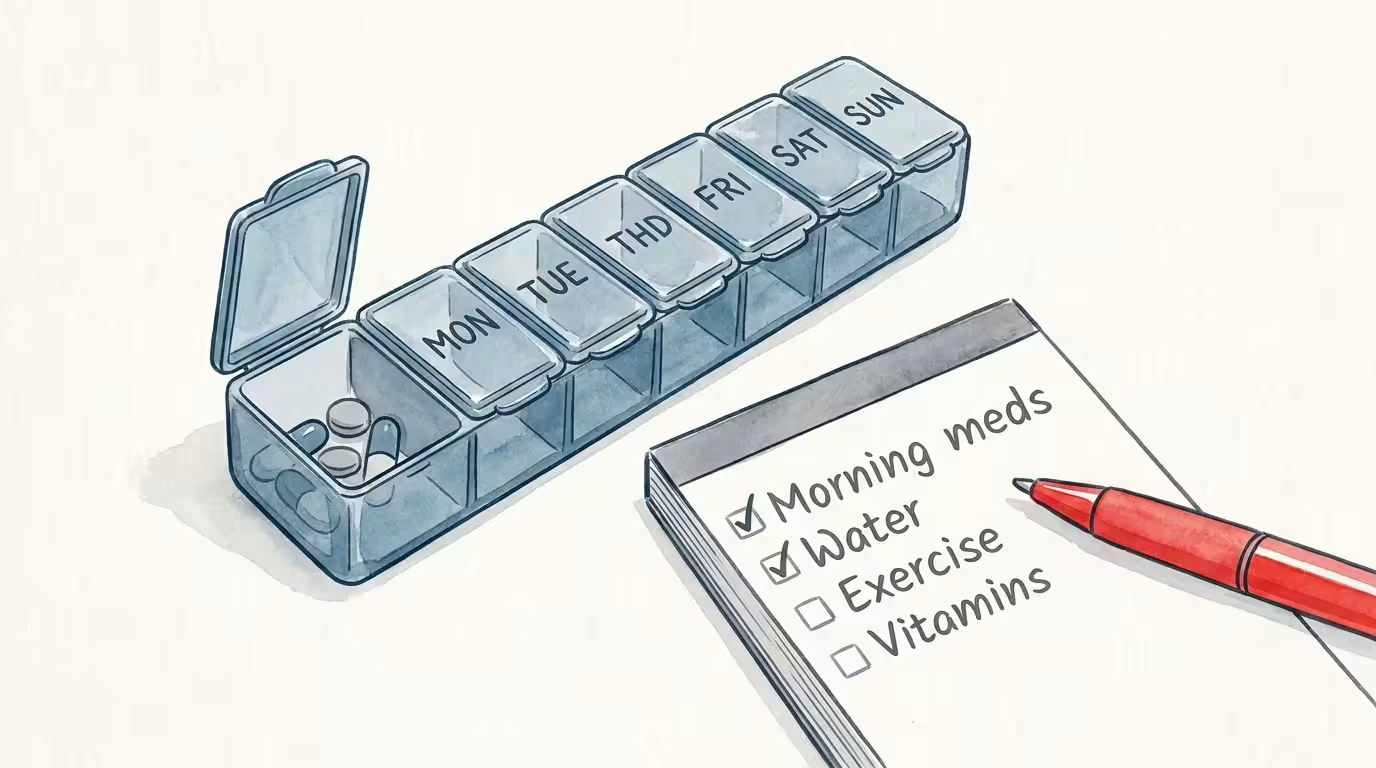
Wellness Tip #6: Organize Your Daily Health and Medication Protocol
Managing multiple prescriptions, over-the-counter medications, and daily vitamins is a standard reality for millions of seniors. Consistency and precise timing are the absolute keys to medication efficacy. Statistics unfortunately show that nearly half of all older adults do not take their medications exactly as prescribed, often due to simple forgetfulness or confusion regarding timing. By making medication management a fixed, immovable pillar of your morning routine, you eliminate the daily guesswork and drastically reduce the risk of accidental missed doses or double dosing.
Invest in a high-quality weekly pill organizer and choose a specific day of the week to fill it thoughtfully. During your morning routine, pair your medication protocol with a habit you already do every single day, such as eating breakfast or brushing your teeth, to create a reliable psychological link. Pay close attention to the specific instructions provided by your pharmacist; some medications, like specific thyroid hormones, require a completely empty stomach to absorb properly, while others necessitate a meal containing healthy fats to prevent gastrointestinal distress. Staying meticulously organized protects your internal organs and ensures your treatments work exactly as intended.

Wellness Tip #7: Set a Positive Intention and Connect with Others
Emotional and social well-being exert a profound, measurable influence on your physical health. Humans are fundamentally social creatures, and the transition into retirement often dramatically reduces the number of automatic social interactions you experience daily. Medical research demonstrates that chronic social isolation carries severe physical health risks, comparable to the cardiovascular damage caused by smoking up to fifteen cigarettes a day. Making intentional emotional connection a core component of your morning drastically improves your psychological resilience and overall life satisfaction.
Take five minutes each morning to consciously set a positive intention for the hours ahead. You might write down three simple things you feel grateful for in a dedicated journal, a practice clinically proven to lower systemic inflammation and reduce depressive symptoms. Following this private reflection, seek out a brief moment of genuine human connection. Call a long-distance friend just to say hello, enjoy a distraction-free conversation with your spouse over breakfast, or greet your neighbors while retrieving the morning mail. These small, positive social interactions trigger the release of oxytocin, a powerful hormone that naturally lowers your blood pressure and diminishes physical stress.

Important Safety Considerations
While establishing an active morning routine provides immense benefits, your physical safety must always remain your primary priority. When you transition from a horizontal sleeping position to standing upright, gravity pulls your blood downward. In many older adults, the cardiovascular system takes a moment to adjust, leading to a sudden drop in blood pressure known as orthostatic hypotension. To prevent dizziness and potential falls, practice the “sit and wait” rule: sit on the edge of your bed for a full sixty seconds, slowly pump your ankles up and down to encourage blood flow back to your heart, and only stand once you feel completely stable.
Additionally, always wear supportive, non-slip footwear when walking through your home, especially if you have hard surface floors like tile or polished wood. When attempting new balance exercises or stretches, keep a sturdy piece of furniture nearby to grab if you lose your footing. Listen closely to the signals your body sends you; gentle muscle tension during a stretch is perfectly normal and beneficial, but sharp, sudden pain is a clear warning sign to stop the movement immediately. Progress slowly, allowing your body ample time to adapt to your new, healthy habits.

When to Talk to Your Doctor
Your unique medical history heavily dictates which wellness practices are safe and appropriate for your specific needs. As a crucial reminder, readers should consult their physician before making significant changes to their diet, exercise, or supplement regimen. A routine that works beautifully for one individual may pose profound risks to another, particularly if you manage chronic conditions such as diabetes, osteoporosis, or severe cardiovascular disease.
Schedule a dedicated appointment with your primary care provider to review your proposed morning routine. Bring a comprehensive list of all your current medications and dietary supplements, as even seemingly harmless natural remedies can severely interact with prescription drugs. If you experience persistent morning dizziness, unmanageable joint pain that does not improve with gentle movement, or sudden, unexplained changes in your appetite or weight, treat these symptoms seriously and seek professional medical evaluation promptly.
Frequently Asked Questions
Question: Should I exercise before or after eating my morning meal?
Answer: The ideal timing depends heavily on your personal health status and how your body responds to exercise. Exercising on an empty stomach, often called fasted cardio, can occasionally lead to low blood sugar (hypoglycemia) in older adults, resulting in dizziness and an increased risk of falls. If you plan to engage in vigorous activity like a brisk walk or an extended swimming session, consuming a light, easily digestible snack—such as half a banana or a small handful of almonds—about thirty minutes prior to exercise provides necessary fuel. If you only plan to do gentle stretching, doing so before breakfast is generally safe and highly effective for relieving immediate stiffness.
Question: How can I safely manage severe morning joint stiffness caused by arthritis?
Answer: Osteoarthritis naturally causes cartilage to wear down, leading to inflammation that often peaks after a long period of inactivity. If gentle bed stretches do not provide sufficient relief, utilize the power of heat therapy. Taking a warm, five-minute shower immediately after waking dilates your blood vessels and significantly relaxes tense muscles surrounding your joints. Alternatively, applying a warm, damp towel to specifically troublesome areas like your knees or lower back can provide profound, localized relief, making your morning mobility exercises much more comfortable to perform.
Question: Is it normal to wake up much earlier as I get older, even if I feel tired?
Answer: Yes, experiencing changes in your sleep architecture is a deeply common part of the aging process. Older adults naturally spend less time in the deep, restorative stages of sleep and more time in lighter sleep stages, making them highly susceptible to waking up early due to minor environmental noises, temperature fluctuations, or the need to use the restroom. Furthermore, the natural advancement of your circadian rhythm shifts your entire sleep cycle earlier. Maintaining strict consistency with your morning sunlight exposure and limiting liquid intake just before bed can help consolidate your nighttime rest.
Question: Can I drink my morning coffee before taking my prescription medications?
Answer: You must exercise extreme caution when mixing coffee with medications. The caffeine and natural tannins present in coffee can severely inhibit the absorption of numerous common drugs, including thyroid hormone replacements (like levothyroxine), specific osteoporosis medications, and certain blood pressure prescriptions. Consuming these medications with coffee can render the drugs practically ineffective. Always take your medications with a full glass of plain water, and ask your pharmacist exactly how long you need to wait before you can safely enjoy your morning cup of coffee.
For authoritative health information, refer to the National Institute on Aging (NIA) and the CDC. For heart health, visit the American Heart Association. For Medicare questions, go to Medicare.gov.
Disclaimer: This article provides general wellness information and is not medical advice. Always seek the advice of your physician or other qualified health provider with any questions you may have regarding a medical condition.









Leave a Reply