

Cultivating daily joy seniors can count on directly enhances physical vitality, lowers resting heart rates, and fortifies the immune system. Taking a mindful approach to your morning routine, incorporating gentle movement, and fueling your body with nutrient-dense foods completely transforms how you experience your later years. You hold the keys to maintaining mobility and protecting cognitive function through accessible, science-backed lifestyle modifications. Embracing the 10 actionable wellness strategies below empowers you to reduce inflammation, improve joint flexibility, and optimize cardiovascular health. These practical tips prove that the little pleasures retirement brings go hand in hand with building a robust, highly capable body, ensuring you remain independent and energized for all your future adventures.
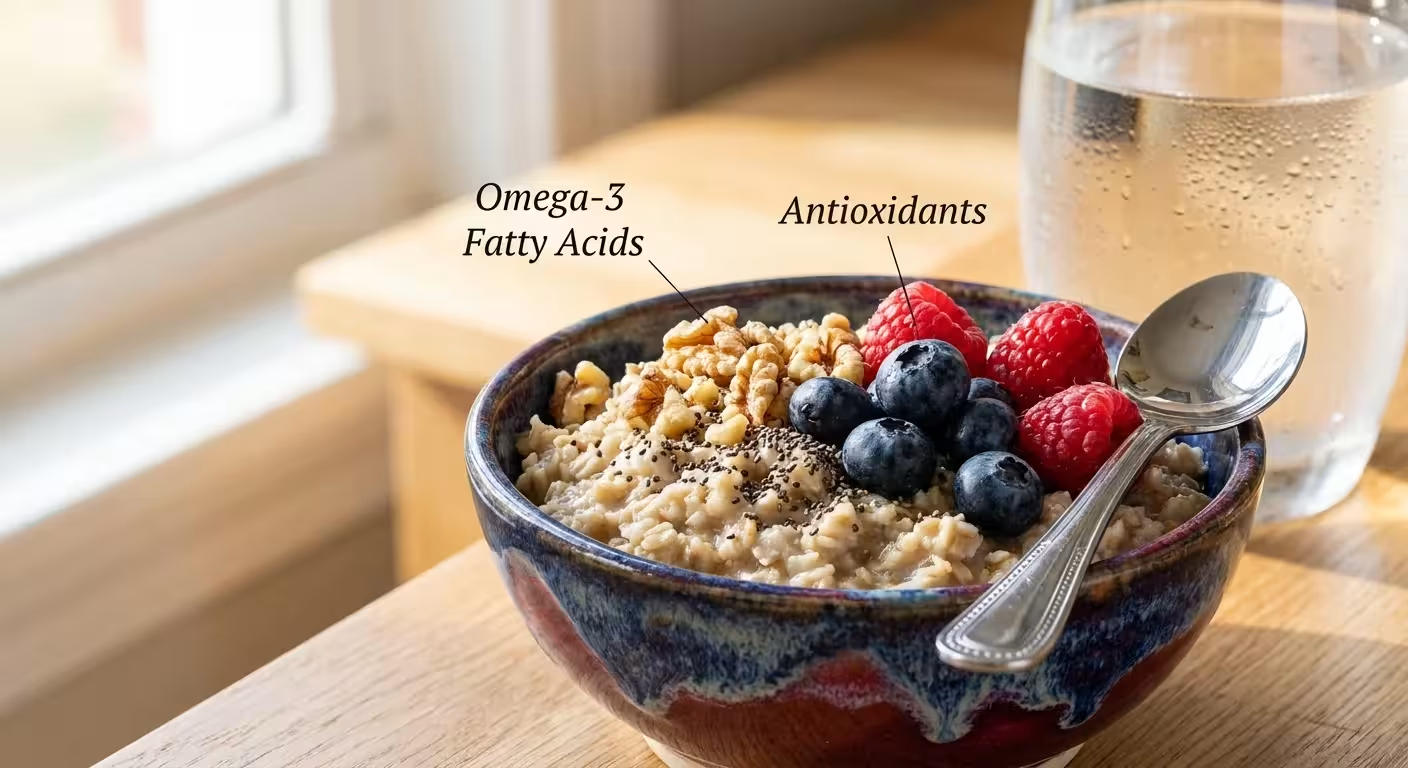
Wellness Tip #1: Savoring a Nutrient-Rich Morning Meal
Transform your mornings by treating your first meal as an essential investment in your cellular health and daily energy. Consuming a protein-rich, high-fiber breakfast stabilizes your blood sugar and provides sustained fuel for your morning activities. Try assembling a vibrant bowl of steel-cut oats topped with chia seeds, crushed walnuts, and fresh berries; this combination delivers a robust dose of omega-3 fatty acids and antioxidants. These specific nutrients directly combat cellular inflammation and support cognitive function. Eat slowly and intentionally to improve digestion and maximize nutrient absorption in your gastrointestinal tract. Hydrating with a large glass of water alongside your meal jumpstarts your metabolism and replenishes fluids lost during sleep. By actively planning this ritual, you establish a positive physiological tone for the day. Avoid processed sugary cereals that cause rapid energy crashes. Instead, prioritize complex carbohydrates that digest slowly, allowing you to stay focused straight through until lunchtime.

Wellness Tip #2: Engaging in Gentle Sunlit Stretching
Step outside or position yourself near a bright window to combine the benefits of morning sunlight with purposeful flexibility training. Exposing your skin to natural light early in the day regulates your circadian rhythm, which directly improves your sleep quality at night. Sunlight also triggers your body to synthesize Vitamin D, a crucial prohormone enabling your bones to absorb calcium and maintain structural density. Pair this light exposure with gentle dynamic stretches—such as arm circles, torso twists, and calf raises. Movement lubricates your joints by stimulating the release of synovial fluid, dramatically reducing morning stiffness and expanding your functional range of motion. Consistent stretching elongates tight muscles and corrects postural imbalances that frequently develop over time. Always perform these movements slowly, synchronizing your breath with your physical extension. Over time, you will notice a drastic reduction in the localized aches that often accompany inactivity.
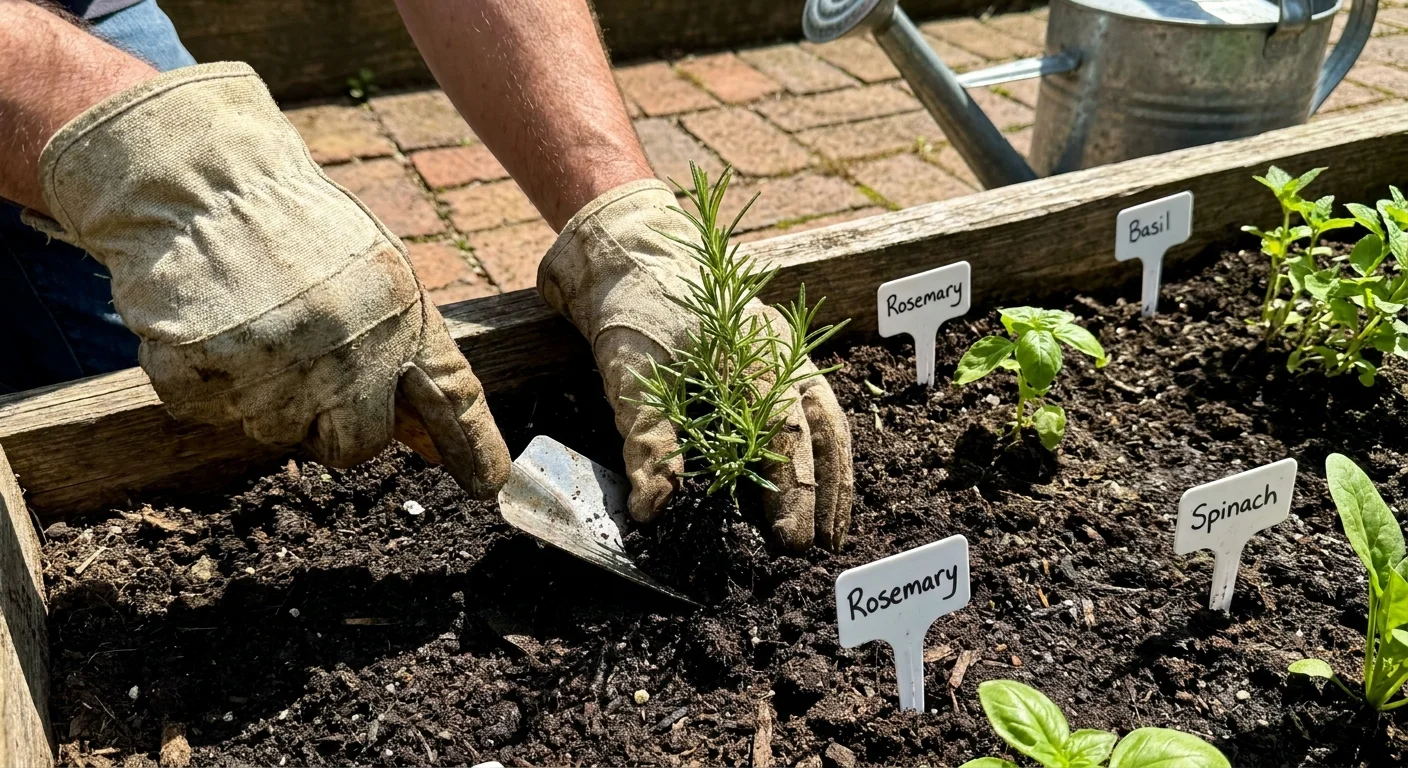
Wellness Tip #3: Cultivating a Medicinal and Culinary Garden
Digging your hands into the soil provides far more than fresh herbs; it serves as a multifaceted physical workout that enhances your functional fitness. Gardening requires you to squat, kneel, bend, and lift, which organically improves your hip mobility and strengthens your core stabilizing muscles. Repeatedly gripping trowels and pruning shears builds robust forearm and hand strength, a vital metric linked to cardiovascular resilience. Planting a variety of medicinal and culinary plants—like rosemary, basil, and spinach—equips your kitchen with dense sources of vitamins and anti-inflammatory compounds. Consuming fresh, home-grown greens naturally reduces oxidative stress and lowers your blood pressure. Navigating uneven outdoor terrain challenges your proprioception and refines your balance, drastically reducing your risk of accidental falls. Treat your gardening routine as a scheduled workout session, applying sunscreen and wearing supportive footwear to safely enjoy this highly productive physical endeavor.
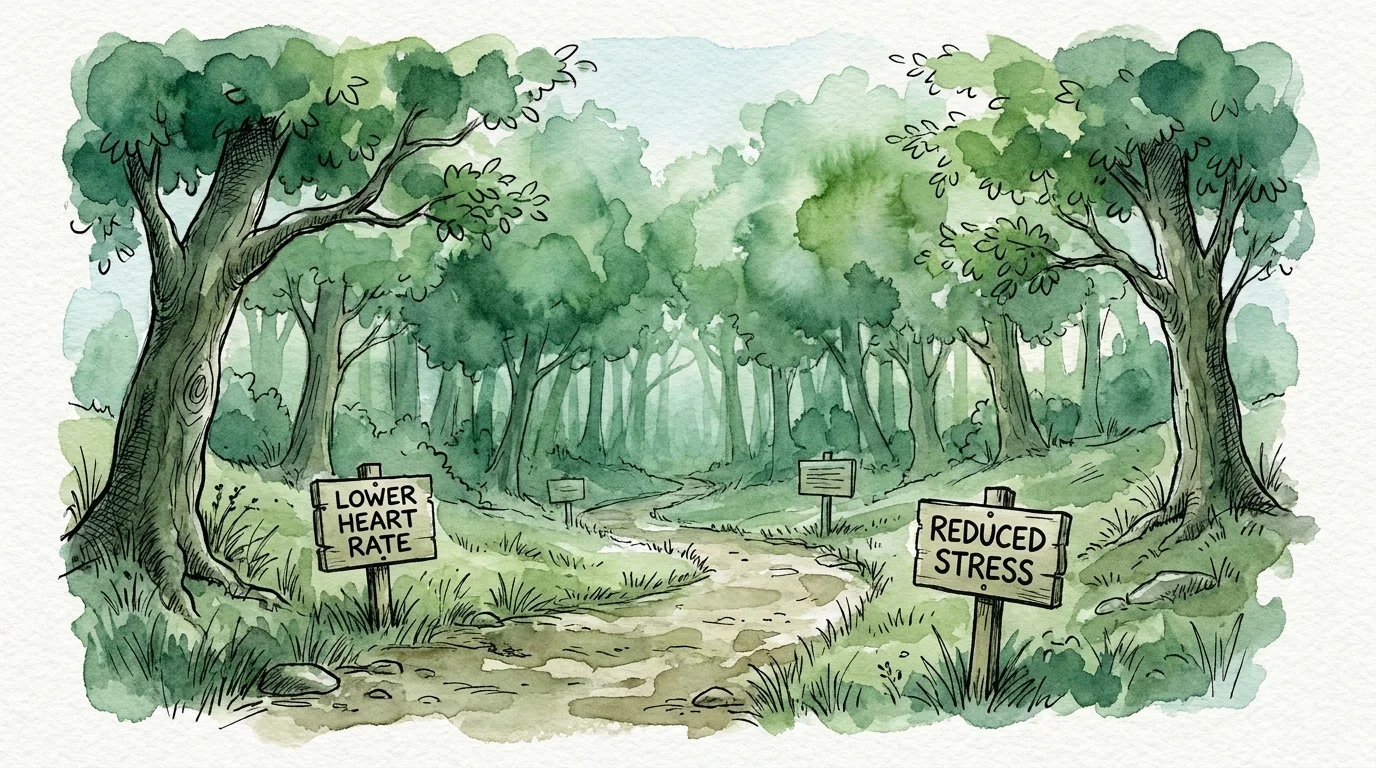
Wellness Tip #4: Immersing Yourself in Nature Walks
Dedicate time each day to walk briskly through a local park, nature reserve, or tree-lined neighborhood. Moving rhythmically through natural landscapes lowers your circulating cortisol levels, directly alleviating systemic stress and reducing vascular tension. Brisk walking acts as a potent cardiovascular stimulus; it elevates your heart rate, improves stroke volume, and ensures your arteries remain elastic. To maximize the skeletal benefits, strike the ground with purpose, as weight-bearing cardiovascular exercises stimulate osteoblast activity and increase your bone mineral density. Breathe deeply as you walk to expand your lung capacity and elevate the oxygen saturation in your bloodstream. You will truly appreciate retirement when you navigate the world with a strong, highly capable body. Invest in a pair of supportive, shock-absorbing walking shoes to protect your feet and lower back. Maintain an upright posture and engage your abdominal muscles to turn a simple stroll into a comprehensive conditioning session.
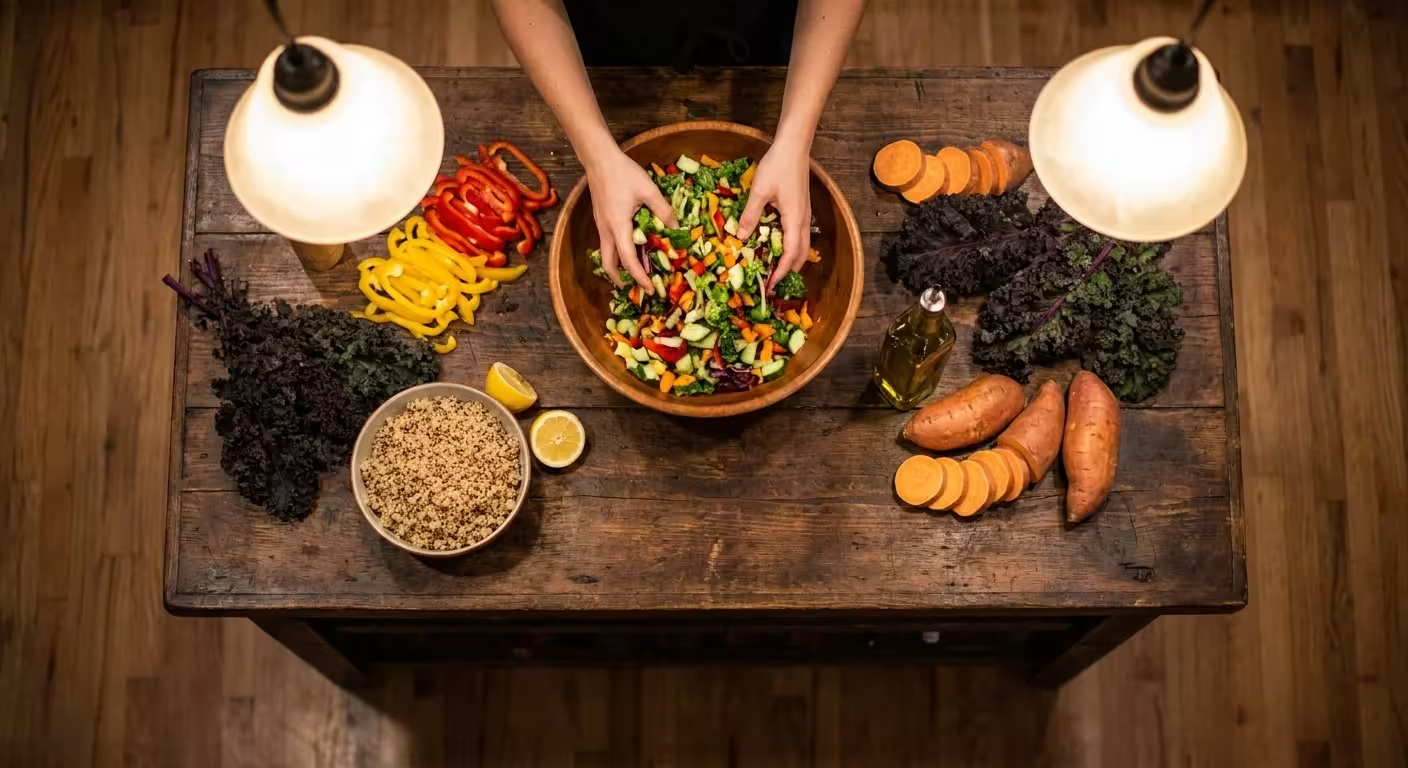
Wellness Tip #5: Preparing Colorful, Whole-Food Dinners
Transform your evening meal preparation from a chore into a highly engaging physical and cognitive exercise. Slicing, dicing, and mixing fresh ingredients refine your fine motor skills and maintain the essential neural pathways connecting your brain to your hands. Standing at the counter challenges your postural endurance, while retrieving pots and pans keeps your shoulders and back actively mobilized. Focus your menu on Mediterranean diet principles, prioritizing fatty fish, dark leafy greens, legumes, and extra virgin olive oil. Consuming meals rich in these macronutrients lowers bad cholesterol and supports the myelin sheaths protecting your nervous system. Prioritizing home-cooked food completely eliminates the hidden sodium and artificial preservatives found in processed convenience meals. Pay close attention to your posture while working at the stove; keep your shoulders pulled back. Taking control of your nutritional intake empowers you to manage your weight effectively and support your long-term metabolic health.

Wellness Tip #6: Practicing Aquatic Therapy and Swimming
Immerse yourself in a local pool to experience one of the safest and most effective forms of full-body resistance training available. The natural buoyancy of water supports your body weight, which immediately offloads mechanical stress from your hips, knees, and spine. This low-impact environment allows you to move through a wider, pain-free range of motion, making it ideal for managing arthritis. Concurrently, the water provides continuous, multidirectional resistance against every physical movement you make. Pushing against this density builds lean muscle mass without the delayed onset muscle soreness commonly associated with heavy weightlifting. Swimming laps or participating in spirited water aerobics classes forces your heart and lungs to work efficiently, dramatically boosting your aerobic capacity. Experiencing this fluid movement generates the simple happiness 60+ individuals seek in their fitness routines. Always finish your pool session with a thorough cool-down stretch in the shallow end to prevent lactic acid buildup.

Wellness Tip #7: Sharing Active Social Hobbies
Combine your physical exercise with regular social interaction to multiply the health benefits and ensure you stay consistent with your routine. Joining a local pickleball league, attending a group Tai Chi class, or participating in a community dance group demands agility, rapid decision-making, and precise hand-eye coordination. These multidirectional movements strengthen the stabilizing ligaments around your joints and dramatically improve your dynamic balance. Engaging in complex physical tasks alongside peers creates powerful cognitive demands that stimulate neurogenesis—the creation of new neurons in your brain. Laughter and camaraderie during these activities trigger the release of endorphins and oxytocin, which naturally relieve pain and reduce systemic inflammation. Schedule your group activities in advance so they become non-negotiable appointments on your calendar. Pushing yourself alongside motivated peers ensures you continuously advance your cardiovascular fitness while building a resilient body and reinforcing a robust social support network.
Wellness Tip #8: Incorporating Mindful Deep Breathing Exercises
Harness the mechanical power of your respiratory system by practicing intentional diaphragmatic breathing every single day. Shallow chest breathing limits oxygen exchange and keeps your nervous system in a mild, chronic state of fight-or-flight. Instead, actively pull air deep into the base of your lungs, causing your abdomen to expand outward before your chest rises. This physical action directly stimulates your vagus nerve, initiating a parasympathetic response that rapidly lowers your blood pressure and decreases your resting heart rate. Robust oxygenation enhances cellular metabolism, ensuring your muscles and organs have the necessary energy to perform efficiently. Perform these breathing exercises while sitting with a perfectly straight spine, which strengthens your erector spinae muscles and prevents hunched posture. Practice this technique for five unbroken minutes immediately upon waking. Consistent application retrains your autonomic nervous system to default to a restorative, low-stress operational mode.

Wellness Tip #9: Exploring Resistance Training with Light Weights
Pick up a pair of dumbbells or utilize resistance bands to actively combat sarcopenia—the age-related loss of skeletal muscle mass. Engaging in consistent strength training overloads your muscle fibers, forcing them to adapt, repair, and grow substantially stronger. This increased muscle mass elevates your basal metabolic rate, making it significantly easier to manage your body composition. Focus on functional, multi-joint movements like goblet squats, overhead presses, and deadlifts. Executing these foundational patterns ensures you retain the raw strength needed to carry groceries, climb stairs, and stand up from deep chairs without assistance. Strong muscles act as a vital shock-absorption system, protecting your fragile joints and ligaments from unexpected impacts. Embracing the burn of a good workout cultivates the deep gratitude senior life provides when you realize how adaptable your body remains. Remember that proper form always supersedes the amount of weight you lift; execute every repetition with strict precision.

Wellness Tip #10: Establishing a Restorative Evening Wind-Down
Treat your sleep hygiene as the ultimate daily recovery protocol for your brain and body. During deep sleep, your pituitary gland releases human growth hormone, which actively repairs damaged muscle tissue and fortifies your immune defenses. To maximize this biological process, create a physical environment strictly optimized for rest. Lower the temperature in your bedroom to approximately 65 degrees Fahrenheit, as a cooler core body temperature signals your brain to sleep. Consume a warm, magnesium-rich tea—like chamomile or valerian root—to physically relax your skeletal muscles and calm your central nervous system. Strictly abstain from interacting with blue-light-emitting screens for at least an hour before bed, as artificial light aggressively suppresses natural melatonin production. Invest in high-quality, breathable bedding that rapidly wicks away nighttime perspiration. Prioritizing your restorative rest remains the single most effective physical strategy for managing systemic inflammation and delaying age-related cognitive decline.
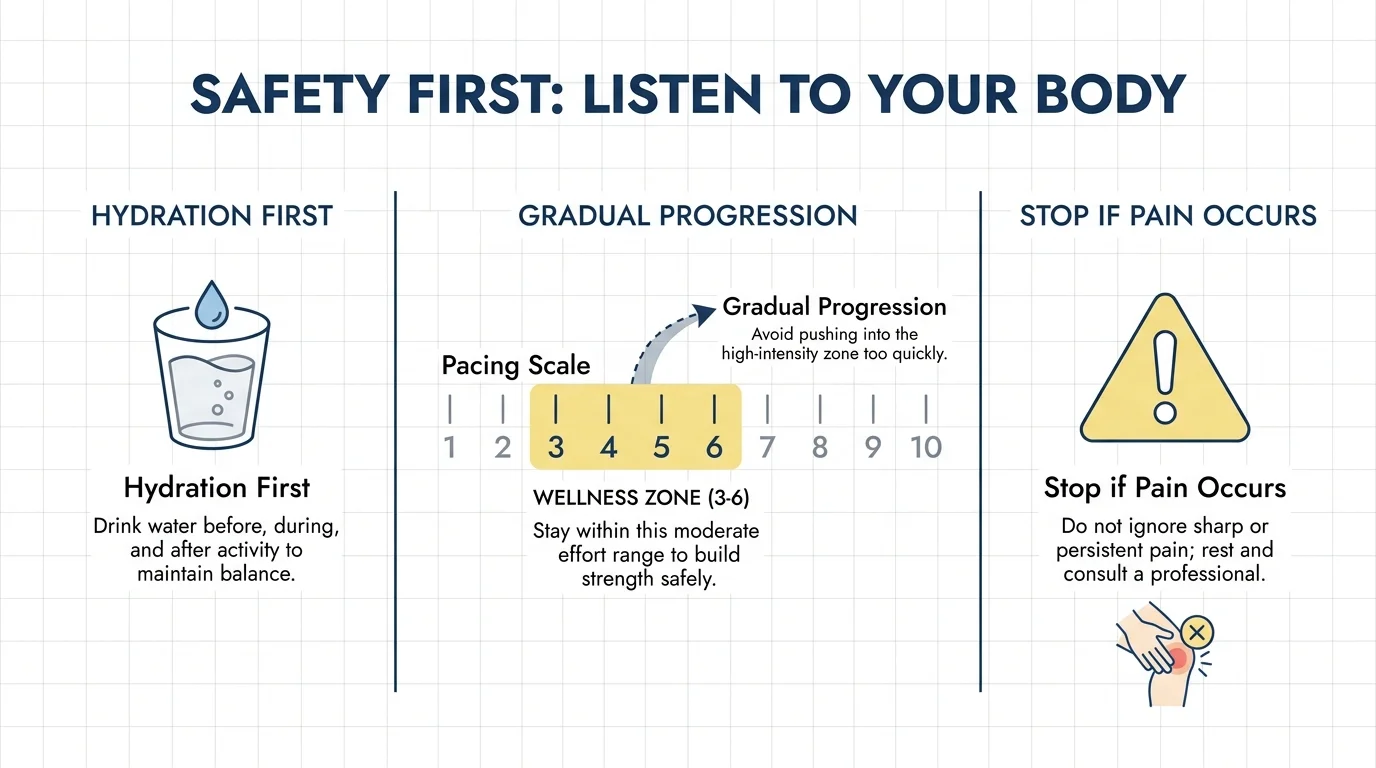
Important Safety Considerations
Before embarking on any new physical regimen or significantly altering your nutritional intake, you must establish a baseline of safety to prevent unnecessary injury. Start slowly and deliberately whenever you introduce a new movement pattern into your daily routine. Pay close attention to your body’s feedback; you must learn to distinguish between the acceptable, dull ache of muscle fatigue and the sharp, acute pain that signals a potential joint or ligament injury. Always spend five to ten minutes thoroughly warming up your body to increase blood flow and prepare your connective tissues for safe exertion. Monitor your heart rate during cardiovascular activities to ensure you remain within a targeted, healthy aerobic zone. Stay hyper-vigilant about your hydration status, as older adults naturally experience a diminished thirst mechanism, making them highly susceptible to dangerous dehydration. Carefully review all your current prescription medications with a pharmacist to identify any potential side effects—such as dizziness or lethargy—that could severely compromise your balance during physical activity.
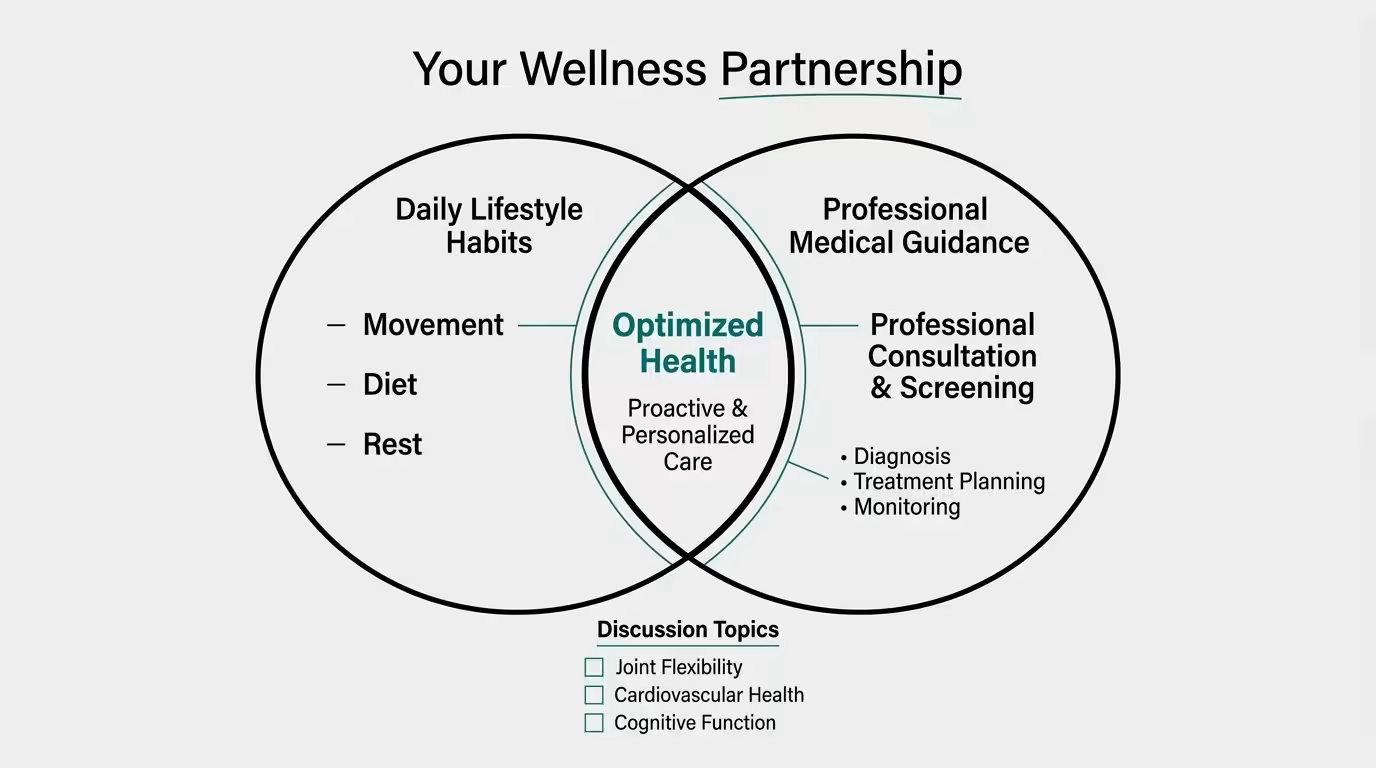
When to Talk to Your Doctor
You must prioritize professional medical guidance to safely manage your long-term physical well-being. Schedule a comprehensive consultation with your primary care physician before you begin lifting weights, starting a rigorous cardiovascular program, or adopting a radically new dietary protocol. Inform your doctor immediately if you experience alarming physical symptoms during exertion, such as sudden shortness of breath, unexplained chest pressure, or severe dizziness. Never ignore new, persistent joint pain or sudden swelling, as these require rapid clinical assessment to prevent irreversible cartilage damage. Discuss any dietary supplements you plan to take, including vitamins or herbal remedies, to ensure they do not create dangerous contraindications with your prescribed blood thinners or hypertension medications. By maintaining open, highly transparent communication with your dedicated healthcare provider, you establish a critical safety net that allows you to confidently and securely pursue an active, physically rewarding lifestyle.
Frequently Asked Questions
How much physical activity do I actually need each week?
The Centers for Disease Control and Prevention recommends that older adults aim for at least 150 minutes of moderate-intensity aerobic activity every week. You should also incorporate muscle-strengthening activities that target all major muscle groups on two or more days a week. Break these sessions into manageable 20-minute intervals to make your daily routine highly achievable and prevent debilitating physical burnout.
Can I still rebuild muscle mass if I have not exercised in years?
Yes; your skeletal muscles remain highly responsive to resistance training at any age. While you must start with lighter weights or simple bodyweight exercises, consistently challenging your muscles stimulates protein synthesis and promotes measurable hypertrophy. Begin with supervised, low-resistance movements to establish proper biomechanical form, and gradually increase the load to safely rebuild your foundational strength and mobility.
Are dietary supplements necessary if I eat a balanced diet?
Even with an impeccably planned diet, your aging digestive tract naturally becomes less efficient at absorbing specific nutrients, particularly Vitamin B12, Vitamin D, and calcium. While whole foods must always remain your primary nutritional source, targeted supplementation effectively bridges these biological gaps. Request comprehensive blood panels from your physician to identify your precise deficiencies before purchasing over-the-counter supplements.
What should I do if joint stiffness limits my daily movement?
Never force your body through sharp, acute joint pain. Instead, pivot your fitness routine toward low-impact, joint-friendly activities like stationary cycling, aquatic aerobics, or gentle mobility flows. Apply heat therapy to stiff areas before exercising to stimulate localized blood flow, and use cold therapy afterward to suppress painful joint inflammation. Consult a licensed physical therapist to receive a customized stretching protocol.
For authoritative health information, refer to the National Institute on Aging (NIA) and the CDC. For heart health, visit the American Heart Association. For Medicare questions, go to Medicare.gov.
Disclaimer: This article provides general wellness information and is not medical advice. Always seek the advice of your physician or other qualified health provider with any questions you may have regarding a medical condition.









Leave a Reply