

Reclaiming your weekends transforms a quiet retirement into a vibrant, adventure-filled chapter you genuinely look forward to experiencing. You worked hard for decades to reach this milestone, and now you finally have the bandwidth to fill your schedule with engaging retirement activities that spark joy and foster deep connections. Moving away from a rigid corporate routine allows you to experiment with fresh hobbies retirees love and build a senior lifestyle tailored entirely to your personal interests. Whether you want to explore hidden local gems, share your wisdom with the next generation, or simply laugh over great food with new friends, these nine weekend ideas will help you design a genuinely happy retirement filled with meaningful, unforgettable moments.
Lifestyle Idea #1: Launch a Local Supper Club
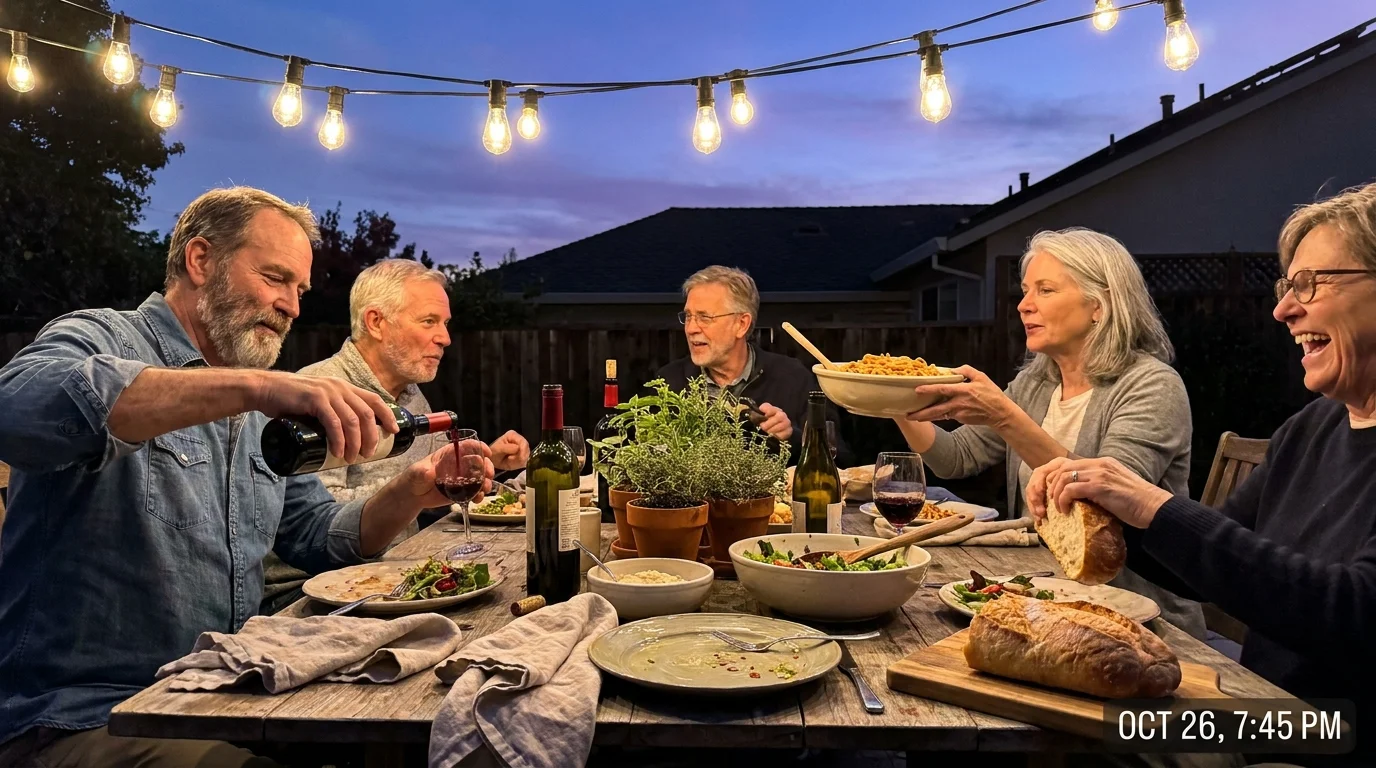
Cooking and dining with others provides a profound sense of community. Rather than simply going out to a noisy restaurant, launch a local supper club right in your dining room or backyard. You invite three or four other couples or friends, rotating the hosting duties every weekend. The host chooses a specific culinary theme—perhaps classic Tuscan comfort food, coastal seafood, or entirely plant-based dishes—and everyone contributes one course to the meal. Shopping for ingredients at a local farmers market on Saturday morning becomes an event in itself. You engage with local vendors, discover seasonal produce, and bring those fresh flavors directly to the evening’s dinner table.
This approach divides the labor and the cost while maximizing the social reward. Research consistently highlights that communal dining strengthens interpersonal bonds and releases positive endorphins. You get to test new recipes, swap fascinating stories, and linger over dessert without a waiter rushing you out the door to flip the table.
To get started, text a few friends who appreciate good food. Propose a low-pressure trial run, perhaps a simple Sunday brunch. Once the group establishes a rhythm, you will find yourselves eagerly anticipating these gatherings all week long.
Lifestyle Idea #2: Plan Micro-Cations to Nearby Towns
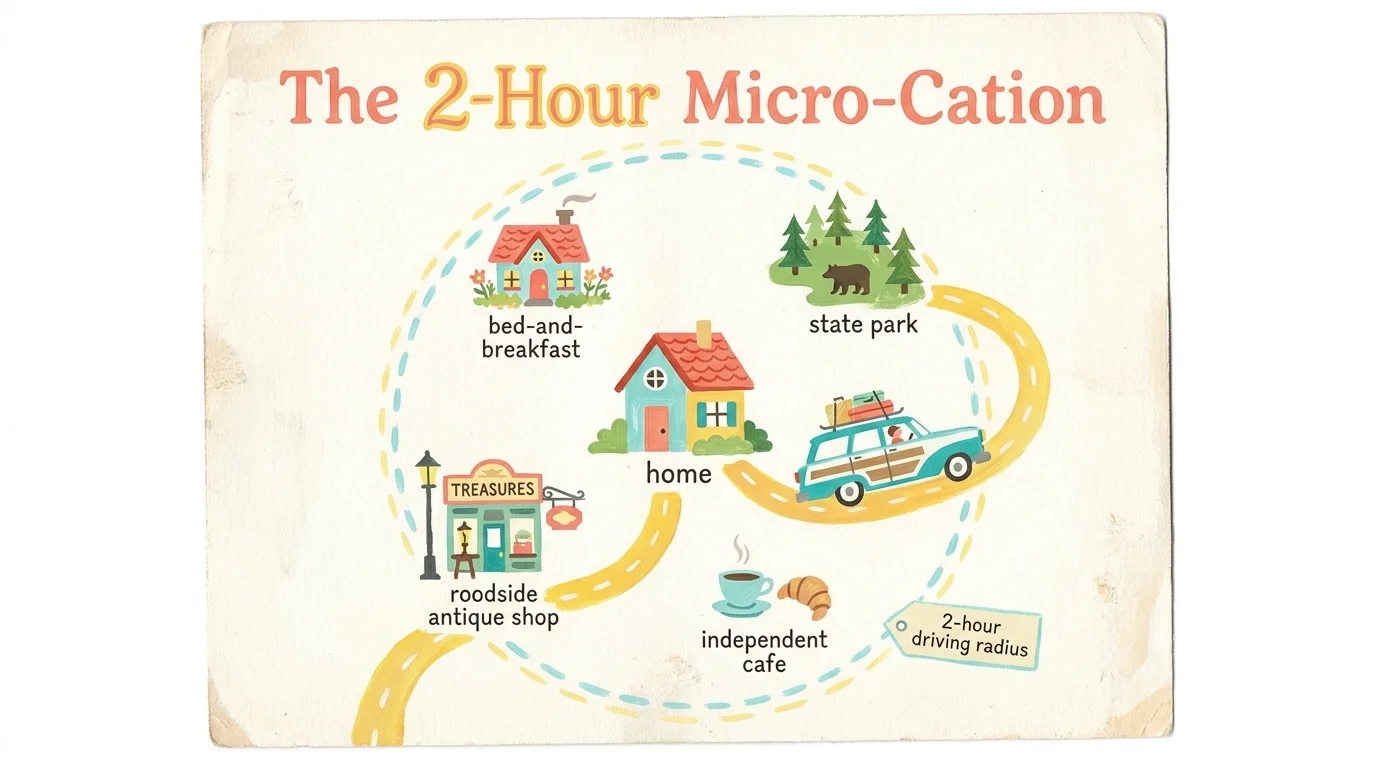
Extensive international travel requires massive planning and significant financial investment. Micro-cations—trips lasting just two or three days to destinations within a short drive—offer the perfect alternative for discovering genuine fun after retirement. You skip the crowded airports, avoid the jet lag, and still experience the sheer thrill of exploring new environments. Enhance the journey by curating a nostalgic driving playlist or selecting a captivating audiobook; the drive itself transforms into a relaxing transition period rather than a stressful commute.
Draw a two-hour driving radius around your home on a map. Identify state parks, historic downtowns, or quirky roadside attractions you always meant to visit but never had the time to see. Book a cozy bed-and-breakfast or a rustic cabin for a Friday and Saturday night. You can spend your days browsing antique shops, hiking gentle trails, or sampling regional specialties at independent cafes.
These short bursts of novelty stimulate your brain and break up the routine of daily life. Because the logistics remain simple, you can easily plan a micro-cation once a month, ensuring your calendar always holds a refreshing change of scenery.
Lifestyle Idea #3: Dig Into Ancestry and Heritage Tourism
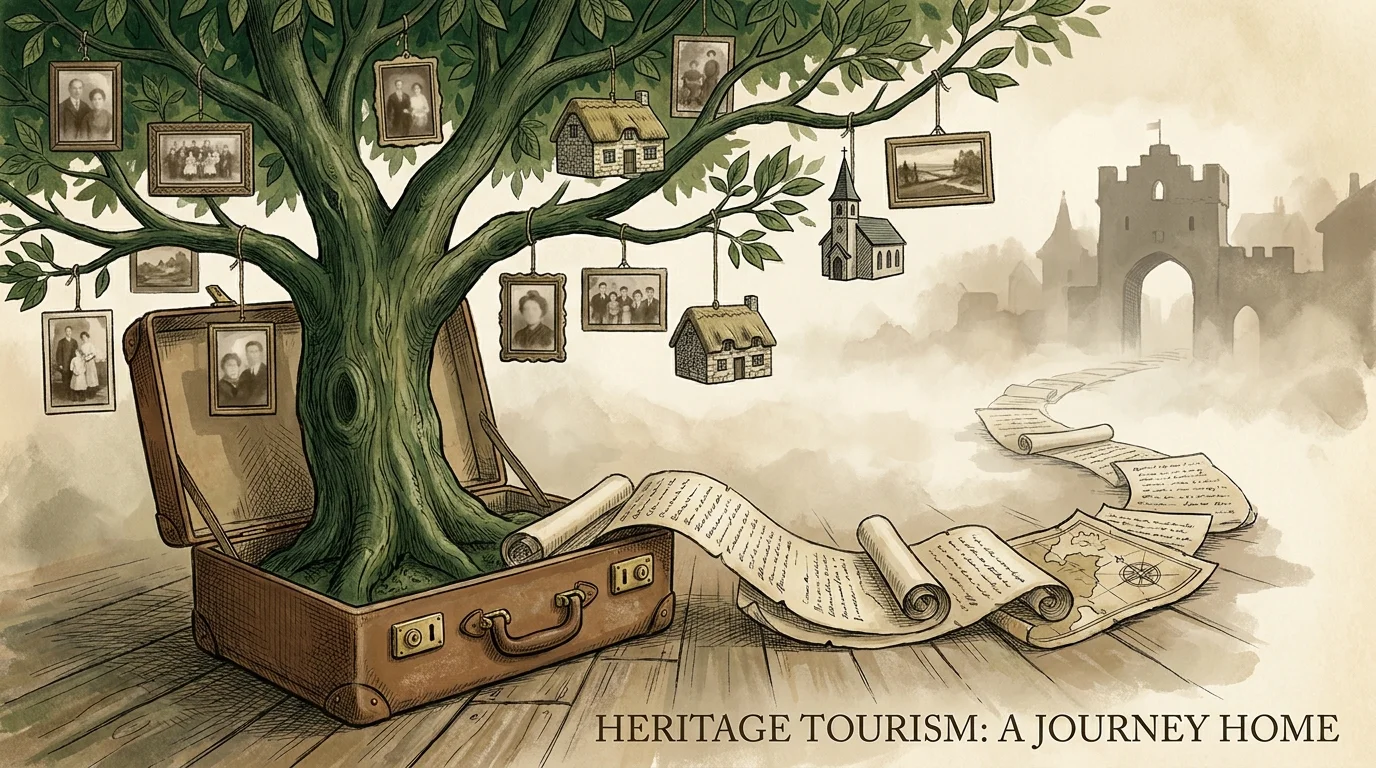
Tracing your family tree online offers fascinating insights, but physically visiting the places your ancestors lived turns genealogy into a tangible, highly emotional adventure. Heritage tourism transforms a simple weekend drive into a deeply personal historical quest. You might even invite your adult children or older grandchildren to join you on these specific trips, as sharing the physical locations of their heritage bridges generational gaps and sparks fascinating family conversations.
Start by identifying the hometowns, neighborhoods, or even the specific street addresses where your parents or grandparents resided. Plan a weekend itinerary around visiting local historical societies, regional archives, and old family churches. Walking the same pavements and seeing the landscapes your relatives experienced provides a profound, grounding connection to your personal history.
Document your findings through photography and journal entries. Speak with local historians or long-time residents who might share stories about the area during the era your family lived there. This activity not only gets you out of the house but also allows you to create a rich, documented legacy to pass down.
Lifestyle Idea #4: Volunteer Your Professional Expertise
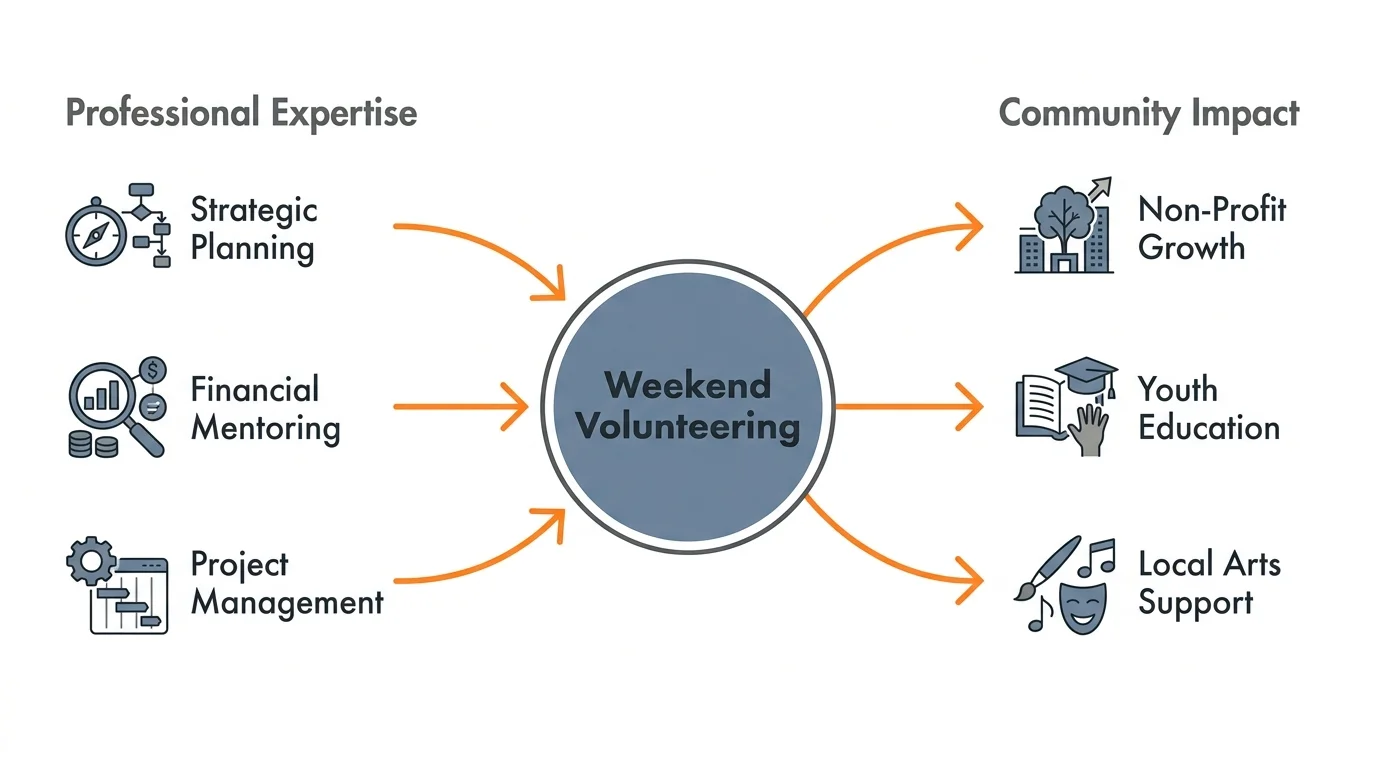
Decades spent in the workforce equip you with a massive reservoir of specialized knowledge. Instead of letting those hard-earned skills sit idle, spend a few hours each weekend volunteering your professional expertise. Communities desperately need experienced mentors to guide young professionals and local organizations. Many organizations gladly accommodate flexible schedules, allowing you to serve exclusively on weekends. This leaves your weekdays entirely free for relaxation or other hobbies, striking a perfect balance between leisure and civic duty.
Programs like SCORE connect retired executives and managers with new small business owners seeking practical guidance. If your background lies in education, local libraries and after-school programs constantly seek reading tutors. If you worked in trades, community housing initiatives deeply value your hands-on construction and repair knowledge.
Giving back provides an immediate sense of purpose and structure. You stay intellectually sharp by tackling real-world problems, and you enjoy the deep satisfaction of watching someone else succeed because of your guidance. Treat your volunteer shift like a fulfilling weekend hobby, dedicating just enough time to make a meaningful impact without overwhelming your schedule.

Lifestyle Idea #5: Master a Hands-On Craft Like Pottery or Woodworking
Transitioning from a screen-heavy career to tactile, hands-on hobbies completely reshapes how you use your brain. Weekend workshops in pottery, woodworking, or stained glass creation provide immense satisfaction because you produce tangible, beautiful objects with your own hands. As your skills progress, these handmade items transform into deeply personal gifts for birthdays and holidays. Gifting a hand-carved wooden bowl or a custom-glazed mug brings far more joy than purchasing a mass-produced item from a retail store.
Look for introductory classes at local community colleges, art collectives, or independent studios. These environments naturally foster camaraderie among beginners. You learn to embrace the learning curve, laughing at lopsided clay bowls or slightly crooked birdhouses while celebrating your gradual improvements.
Working with your hands improves fine motor skills and requires a meditative level of focus. As you shape a piece of wood or center clay on a wheel, outside stressors rapidly fade away. Once you learn the basics, you can slowly build a small workshop in your garage or spare room, giving you a dedicated creative sanctuary to retreat to whenever the mood strikes.
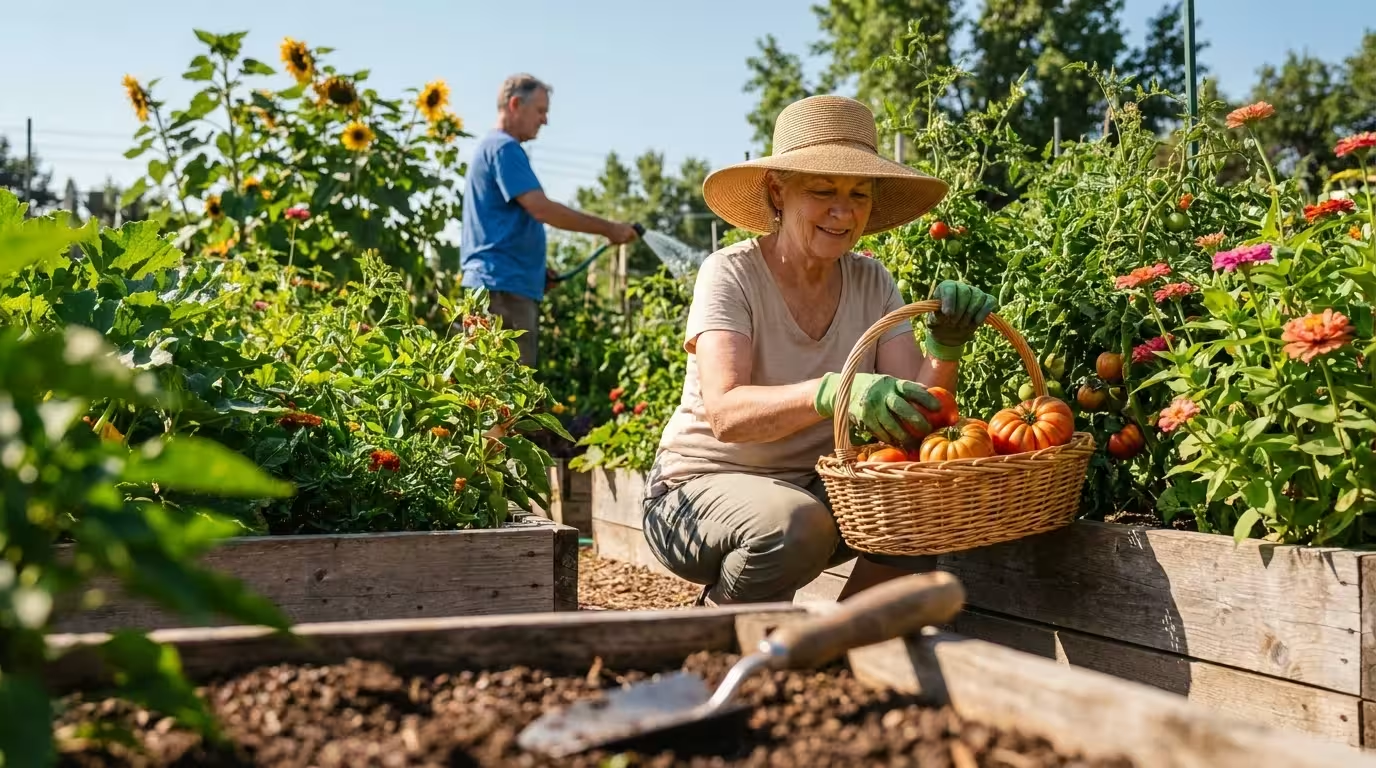
Lifestyle Idea #6: Cultivate a Community Garden Plot
If your own yard lacks the space or sunlight for a serious garden, securing a plot in a local community garden offers the perfect solution. Tending a garden requires regular weekend visits to weed, water, and harvest, providing a healthy dose of physical activity and fresh air. If your plot yields more produce than you can reasonably consume, many community gardens partner with local food pantries. Donating your surplus vegetables allows you to directly support families in need within your community.
Community gardens serve as bustling social hubs. You naturally strike up conversations with neighboring gardeners over the best methods for keeping pests away from tomatoes or the ideal time to harvest zucchini. Many gardens organize weekend workdays, seed-swapping events, and end-of-season potlucks, effortlessly expanding your social circle.
The physical labor of digging and planting improves cardiovascular health and flexibility. Furthermore, eating food you grew yourself brings a primal, deep-seated joy. You can even combine this activity with the supper club idea, using your weekend harvest to prepare fresh, organic meals for your friends.
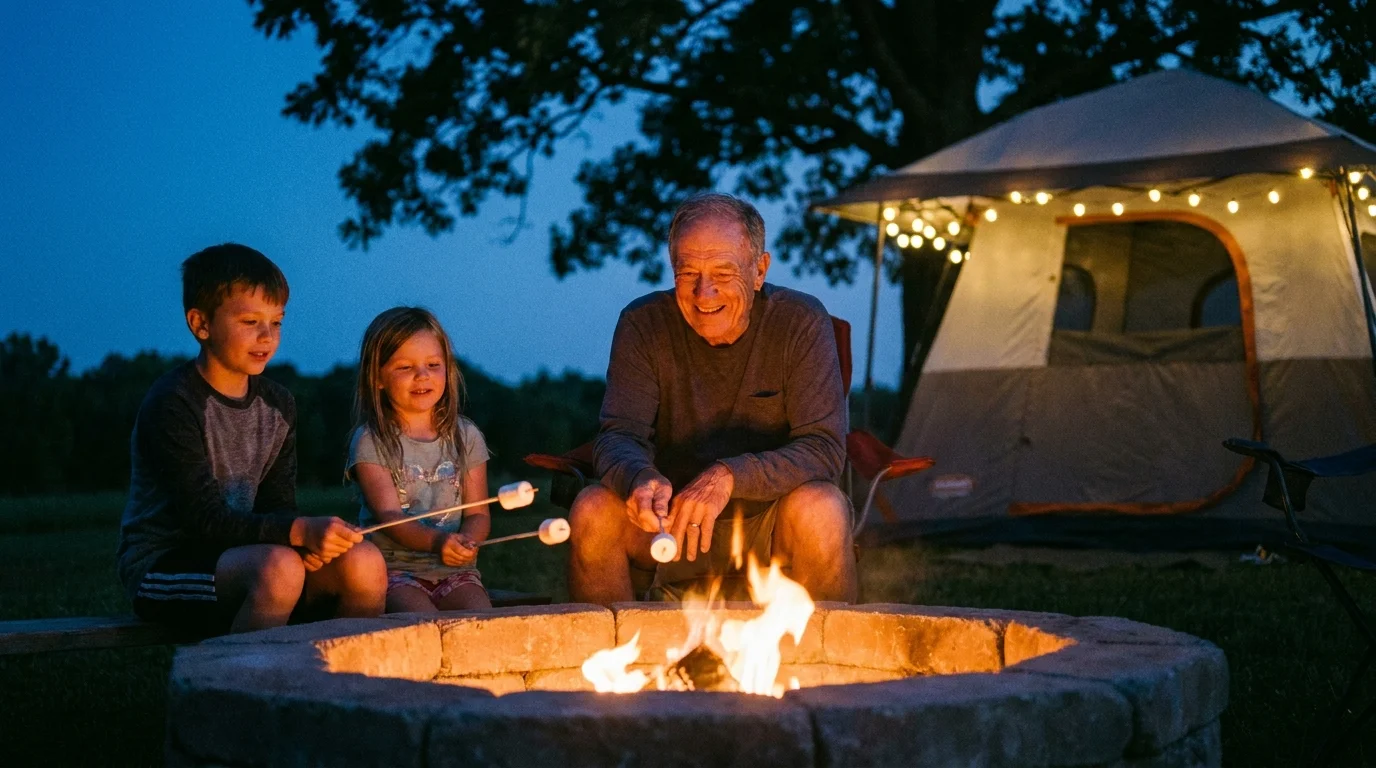
Lifestyle Idea #7: Host “Grandcamp” for Your Grandchildren
Spending time with grandchildren brings immense joy, but unstructured visits can sometimes feel a bit chaotic. Take control of the experience by hosting a weekend “Grandcamp.” You design a structured, themed weekend packed with specific activities, giving the children an unforgettable experience while giving their parents a well-deserved break. Take plenty of photographs throughout the weekend and compile them into a small digital or printed album; these scrapbooks become treasured keepsakes that the children will look back on fondly as they grow older.
Choose a theme based on their ages and specific interests. A “Culinary Bootcamp” might involve teaching them how to bake bread from scratch and playfully decorate cookies. A “Mad Scientist Weekend” could feature safe kitchen chemistry experiments and building a classic baking soda volcano in the yard. An “Outdoor Explorer” theme might involve pitching a tent in the backyard and identifying local bird species.
Having a clear itinerary keeps the kids fully engaged and prevents boredom. It also allows you to manage your own energy levels by scheduling quiet reading or movie times in the afternoon.

Lifestyle Idea #8: Take a University Course for Free
Retirement offers the ultimate luxury: learning purely for the joy of understanding, rather than for career advancement. Many state-funded universities and local colleges offer programs that allow seniors to audit classes completely free of charge or for a nominal administrative fee. Beyond the classroom, auditing often grants you access to university amenities. You can spend your Sunday afternoons reading in the expansive campus library or enjoying discounted performances at the university theater.
Spend your weekend mornings diving into European history, philosophy, art appreciation, or even a foreign language. Sitting in a lecture hall alongside traditional college students creates a dynamic, intergenerational learning environment. You bring decades of real-world context to the academic discussions, while the younger students offer fresh, contemporary perspectives.
Auditing removes the heavy pressure of midterms and final grades. You get all the intellectual stimulation of higher education without the late-night cram sessions. Check the websites of your local academic institutions for their specific senior auditing policies and registration dates.
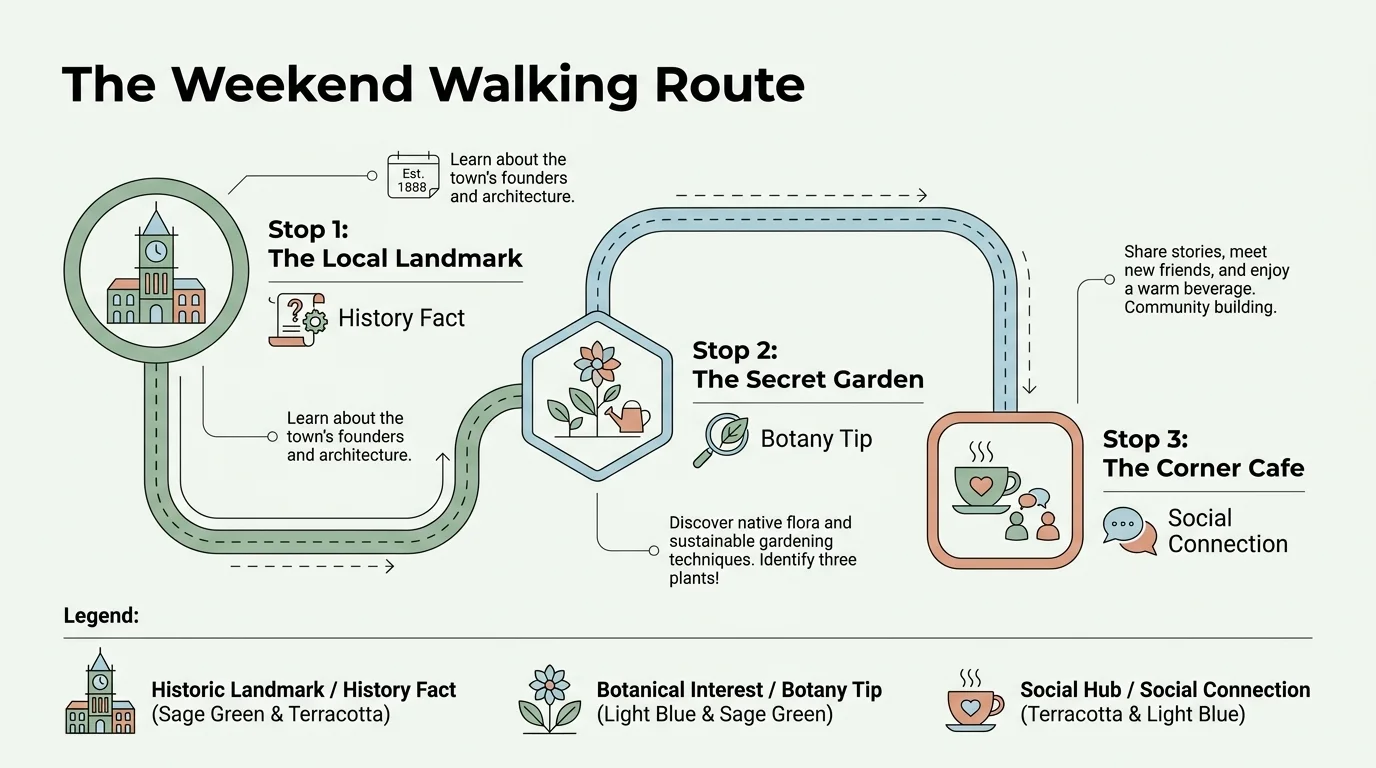
Lifestyle Idea #9: Start a Walking Group With a Twist
Walking remains one of the best physical activities for a healthy senior lifestyle, but walking the exact same neighborhood loop quickly becomes monotonous. Elevate your cardiovascular routine by starting a walking group with a specific twist. To maximize the social aspect, always conclude the weekend walk at a local bakery or coffee shop. Sharing a warm beverage and a pastry provides a delightful reward and gives everyone a chance to sit and chat.
Instead of just logging steps, organize a weekend “Architecture Walk” where the group researches and discusses the history of different buildings downtown. Try a “Photography Walk” where everyone brings a camera or smartphone to capture specific themes, like reflections, shadows, or local wildlife. You might also organize a foraging walk guided by a local plant expert.
Having a secondary purpose keeps the group intellectually engaged and eager to show up. Use neighborhood apps or community bulletin boards to invite neighbors. You will quickly build a dedicated group of walkers who keep each other accountable and make the miles fly by in lively conversation.
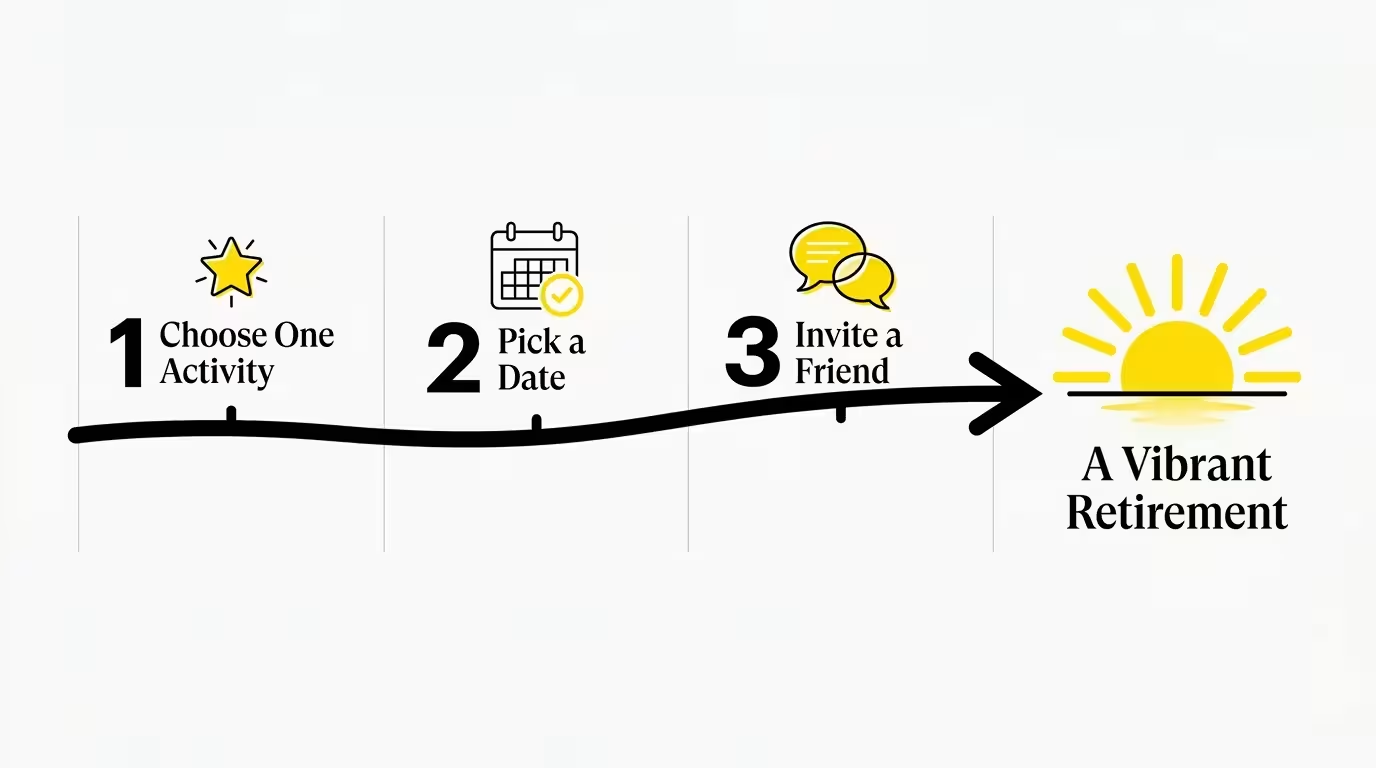
Putting It into Practice: Small Steps for Big Changes
Reading about new weekend routines serves as an excellent starting line, but taking action requires a slight push against inertia. You do not need to overhaul your entire lifestyle overnight. Instead, adopt the “Rule of One.” Commit to trying just one new activity from this list during the upcoming month.
Start by scheduling the activity on your calendar just as you would a doctor’s appointment or a highly important meeting. Treat this commitment to your own joy with the utmost respect. If an idea requires a small physical investment—like buying a bag of potting soil, reserving a campsite, or paying a museum entry fee—take care of that detail today. Reach out to one friend or family member right now and invite them to join you. Sharing your intentions out loud makes you much more likely to follow through, naturally paving the way for a dynamic, highly engaging chapter of life. Remember, building momentum takes a little effort upfront, but the long-term rewards of an active schedule far outweigh the initial hesitation.
Frequently Asked Questions
How do I fund weekend adventures on a fixed income?
Many engaging activities cost absolutely nothing. Focus on utilizing community resources like local libraries, state parks, and community recreation centers. If you want to travel, opt for day trips packed with free activities like hiking trails or public cultural festivals. Leverage senior discounts wherever possible, and prioritize shared expenses; a potluck supper club costs significantly less than dining at an upscale restaurant while providing superior social interaction.
What if I feel anxious about joining new social groups?
Social anxiety is entirely normal, especially when stepping out of your long-established comfort zone. To ease the transition, start by inviting just one trusted friend to accompany you to a new class or walking group. Alternatively, contact the group organizer ahead of time via email or phone to introduce yourself. Establishing a point of contact makes walking into a room full of strangers far less intimidating.
How do I find local activities tailored to my interests?
Your local library remains a powerful, often underutilized hub for community information. Check the physical bulletin boards at local coffee shops, read the community events section of your local newspaper, or browse digital neighborhood platforms. Do not hesitate to call your city’s parks and recreation department; they frequently mail out seasonal catalogs packed with classes, group outings, and volunteer opportunities designed specifically for mature adults.
What are the best ways to stay physically safe during outdoor weekend hobbies?
Always prioritize safety by dressing appropriately for the weather conditions and wearing highly supportive, comfortable footwear designed for your specific activity. Keep a small first-aid kit, plenty of water, and a fully charged cell phone in your day bag. If you plan to hike, garden, or explore isolated areas, always inform a family member or neighbor about your exact itinerary and your expected return time.
For resources on retirement living, travel, and finance, visit AARP. Official information on Social Security is available at SSA.gov. For travel advisories, consult the U.S. Department of State.
Disclaimer: This article provides lifestyle suggestions for informational purposes. Financial, legal, or travel decisions should be made in consultation with qualified professionals.









Leave a Reply