

Chronic stress from relationship friction directly impacts your physical health, elevating blood pressure and weakening your immune system as you age. Addressing negative interaction patterns is just as vital to your longevity as maintaining a nutritious diet or a consistent exercise routine. You can protect both your cardiovascular health and your emotional bond by identifying the subtle behaviors that create emotional distance over time. Shifting away from dismissive communication, poor sleep hygiene coordination, and unequal health management fosters a resilient partnership and promotes physical vitality. Cultivating these positive connection strategies ensures you and your partner navigate the complexities of aging with robust health, shared joy, and mutual support during your later years.
Wellness Tip #1: Dismissing Your Partner’s Physical Limitations
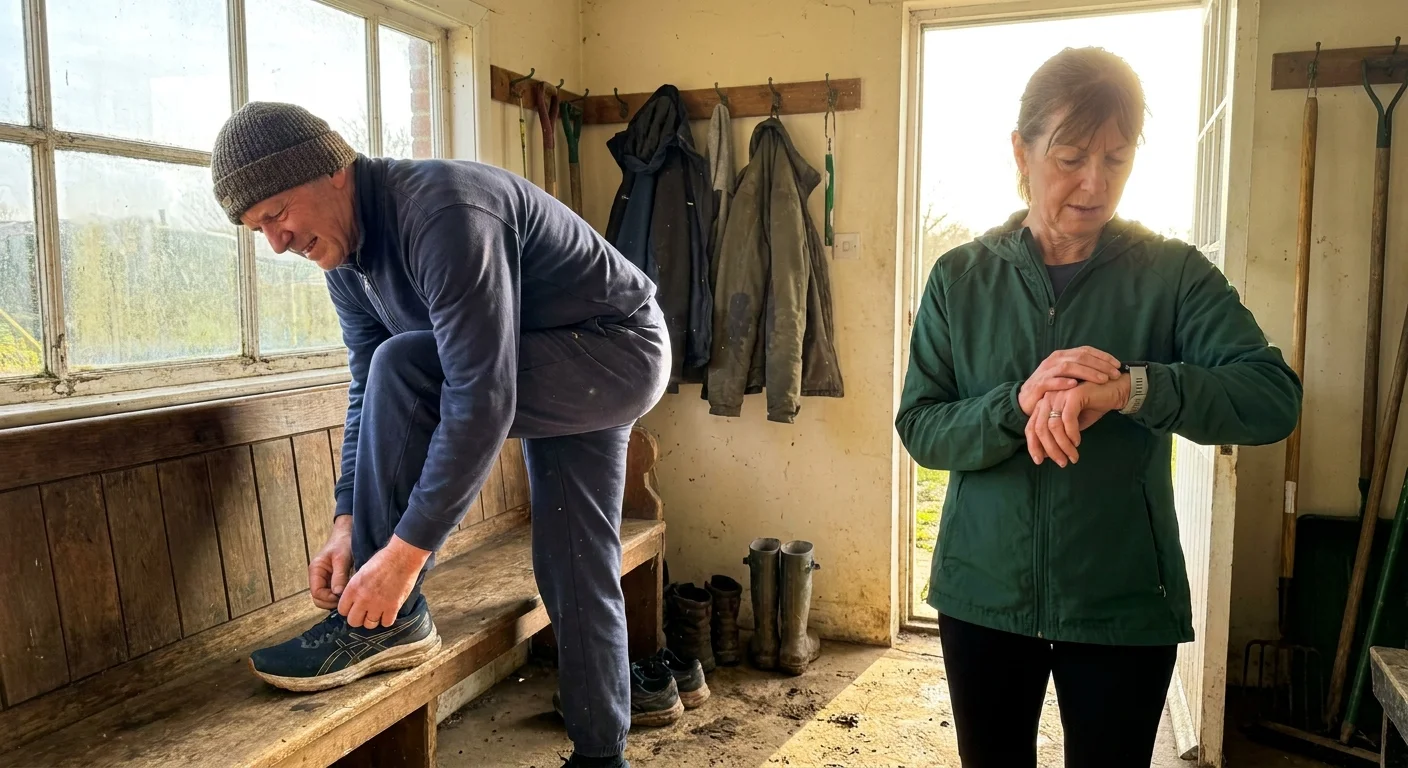
When navigating your fifties and beyond, inevitable physiological changes demand careful adaptations in your daily activities; however, failing to acknowledge a partner’s shifting physical boundaries breeds deep emotional resentment. Perhaps your spouse experiences morning joint stiffness from progressing osteoarthritis, yet you persistently insist on maintaining the brisk, high-impact morning runs you both enjoyed in your thirties. Brushing off their physical discomfort not only pushes them toward debilitating musculoskeletal injuries but also communicates a profound lack of empathy. Over time, this dismissive dynamic creates an insurmountable emotional wedge. The partner in pain feels chronically invalidated and unsupported, while the highly active partner feels artificially held back. You can bridge this dangerous gap by cultivating a deep, compassionate awareness of each other’s physical realities. Engage in open, honest conversations about daily pain levels and energy reserves without a hint of judgment. If one of you requires a significantly slower pace, find creative alternative ways to share your fitness goals. Consider transitioning seamlessly to low-impact, joint-friendly activities like swimming, restorative stretching, or relaxed cycling. Validating your partner’s physical limitations reinforces your emotional connection, lowers individual stress hormones, and ensures that both of you remain physically active in a deeply safe, sustainable manner.

Wellness Tip #2: Enabling Sedentary Routines Together
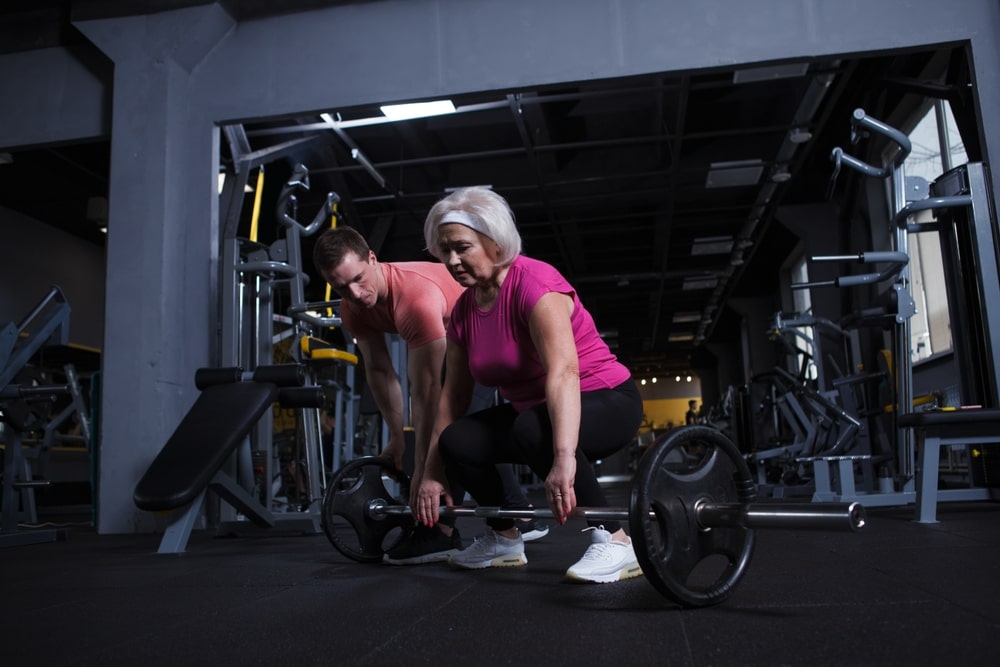
Couples seamlessly influence one another’s daily lifestyle choices; unfortunately, this mutual influence frequently manifests as shared physical inactivity. It becomes incredibly easy to skip the local gym or abandon an evening walk when your partner affectionately suggests staying on the couch to watch television instead. Research consistently demonstrates that prolonged sitting accelerates muscle loss—a condition known as sarcopenia—and drastically increases the risk of metabolic syndrome in older adults. When you both continuously validate each other’s excuses to avoid rigorous movement, you unknowingly sabotage your collective physical well-being and set the stage for severe long-term health complications. This shared lethargy slowly drains your daily vitality, making spontaneous outings or independent travel increasingly difficult as the years pass. Breaking this toxic cycle requires intentional, unified action. Transform your partnership into an empowering accountability system rather than an echo chamber for physical complacency. Schedule non-negotiable physical activities on your shared daily calendar, treating them with the exact same importance as a crucial medical appointment. Begin with manageable, realistic goals, such as a brisk twenty-minute walk immediately after dinner or a beginner-friendly mobility routine in your living room. By championing each other’s physical endurance, you replace the destructive habit of shared stagnation with a profound shared commitment to thriving.
Wellness Tip #3: Sabotaging Dietary Goals Through Shared Indulgences
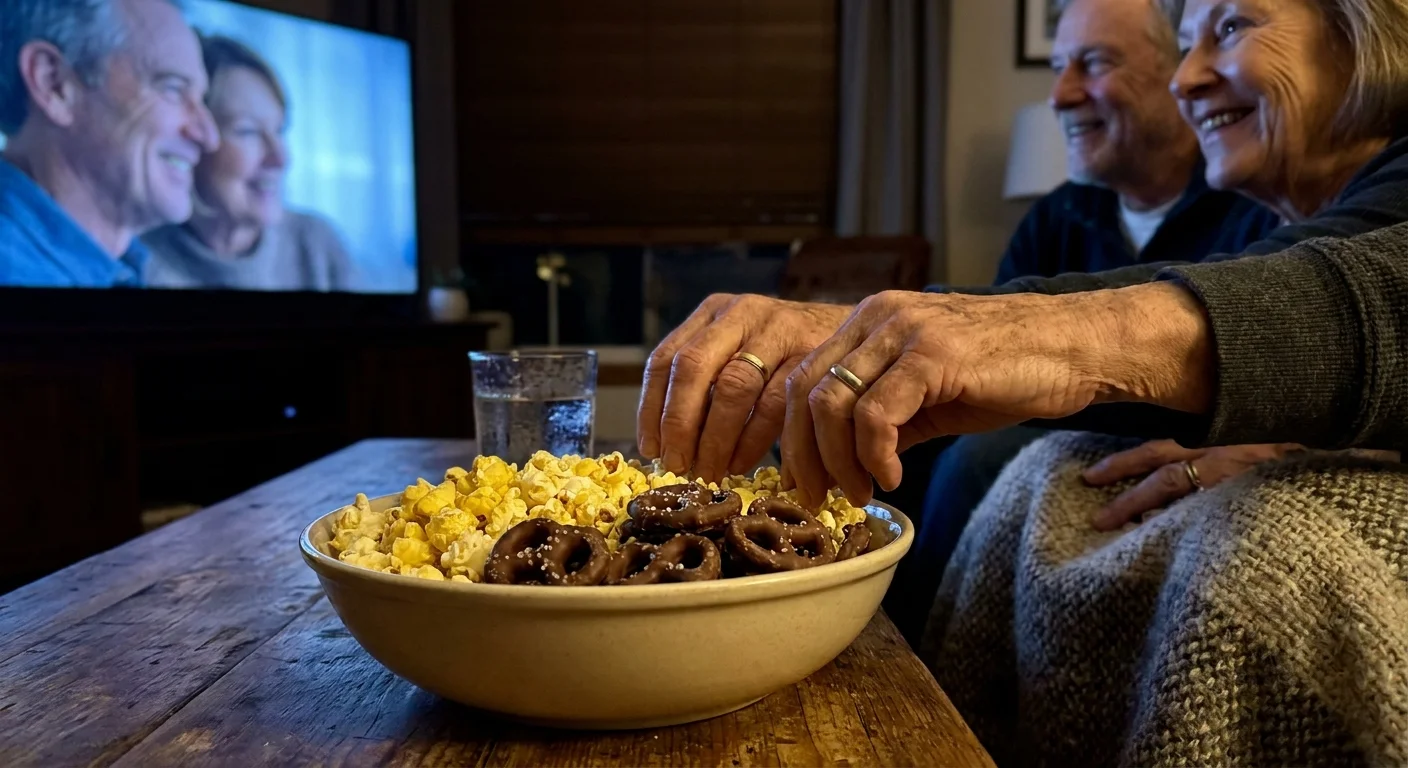
Precision nutrition plays a central role in successfully managing blood pressure, cholesterol, and blood glucose levels as you age; however, partners frequently derail these vital metrics through misguided acts of affection. Bringing home a spouse’s favorite sugary treat or heavily processed snack may initially feel like a loving, generous gesture, but it actively undermines their urgent medical needs and personal dietary goals. This phenomenon—often referred to clinically as food pushing—creates unnecessary friction when one partner is actively trying to adopt a strict heart-healthy or diabetic-friendly lifestyle. The individual striving for better nutrition feels deeply disrespected and undermined, while the partner offering the food feels rejected and hurt. This persistent misalignment slowly erodes foundational trust and immensely complicates chronic disease management. You can eliminate this unnecessary conflict by deliberately aligning your household food environment with your highest, most urgent health priorities. Sit down together to meticulously review your physician’s medical recommendations and establish crystal-clear boundaries regarding the types of groceries that enter your home. Approach daily meal preparation as an exciting collaborative project rather than an isolated, tedious chore. Experiment enthusiastically with nutrient-dense recipes that utilize fresh vegetables, lean proteins, and complex whole grains. When you fully support your partner’s specific nutritional requirements, you actively protect their physiological health and demonstrate profound respect for their longevity.
Wellness Tip #4: Ignoring Snoring and Disrupting Sleep Cycles
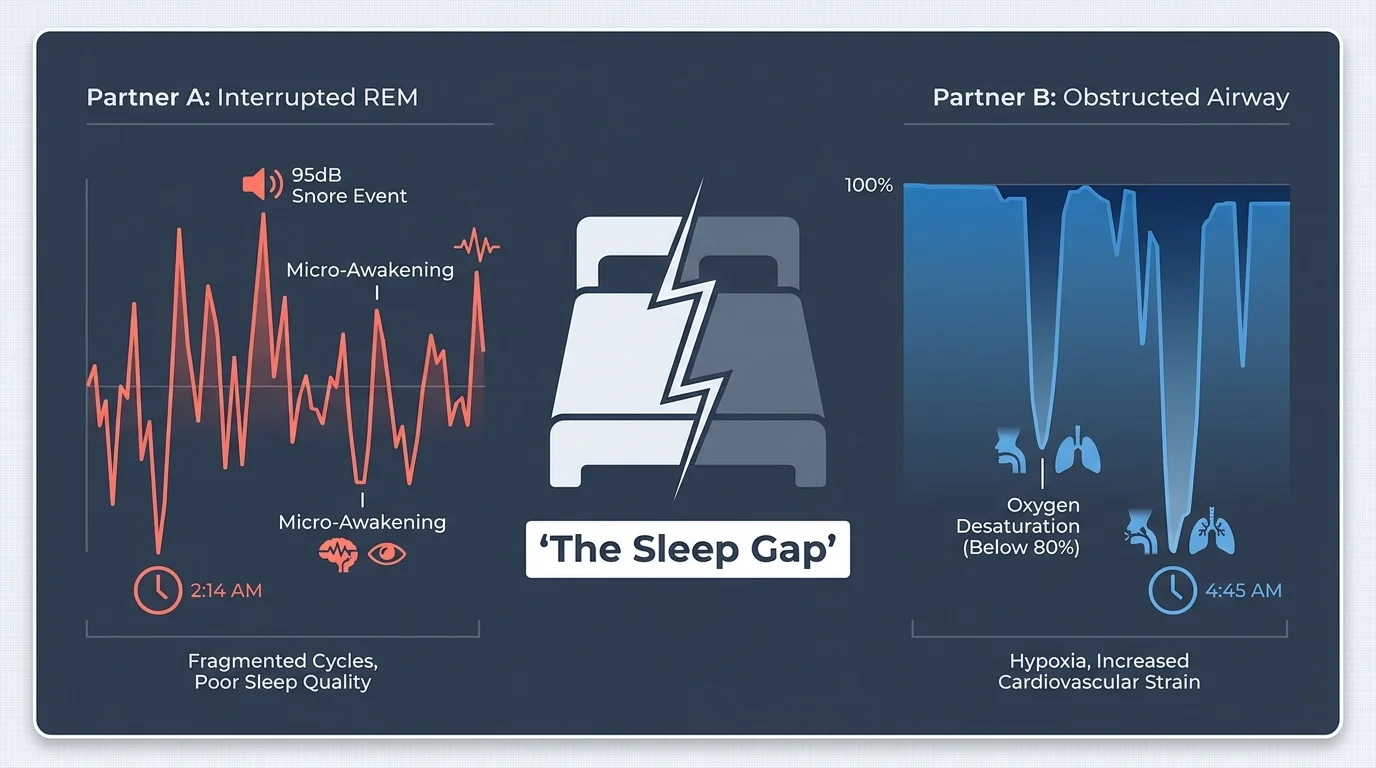
Uninterrupted, high-quality sleep remains a fundamental pillar of cognitive preservation and immune function, yet many couples stubbornly tolerate severe nocturnal disruptions in the name of sleeping in the exact same bed. Chronic, loud snoring is not merely a frustrating nighttime annoyance; it is frequently a primary symptom of obstructive sleep apnea, a dangerous condition directly linked to severe hypertension and immense cardiovascular strain. When one partner snores aggressively, the other suffers continuously from fragmented, inadequate sleep, leading inevitably to highly elevated cortisol levels, severe daytime fatigue, and dramatically heightened irritability. Sleep deprivation significantly reduces your baseline emotional regulation capacity, meaning minor, trivial disagreements quickly escalate into major, relationship-threatening arguments. Stubbornly refusing to seek a professional medical evaluation for chronic snoring forces your exhausted partner into an agonizing choice between their vital sleep health and physical proximity to you. Addressing this specific issue head-on instantly improves both your cardiovascular health and your baseline relationship harmony. Schedule a comprehensive appointment with a pulmonologist or a dedicated sleep specialist to explore effective interventions like CPAP therapy or custom oral appliances. If sleep disturbances persist despite medical intervention, embrace the practical concept of a sleep divorce—sleeping happily in separate, comfortable bedrooms to ensure both individuals achieve the deep, restorative rest absolutely necessary for optimal aging.

Wellness Tip #5: Bottling Up Anxiety About Aging and Health Declines
The natural process of aging introduces entirely new physical vulnerabilities, including mysterious joint aches, sudden cognitive lapses, or highly concerning diagnostic test results. A common, yet highly destructive, relationship habit involves intentionally concealing these health anxieties from your partner in a misguided attempt to protect them from unnecessary worry. Masking a persistent, hacking cough, willfully ignoring chronic fatigue, or suffering silently through recurring digestive issues effectively prevents you from seeking timely, life-saving medical intervention. Furthermore, your perceptive partner can inevitably sense your underlying psychological tension, leading them to falsely assume you are pulling away from them emotionally. This rigid wall of silence creates a toxic atmosphere of isolation and suspicion, slowly pushing you apart precisely when you desperately need mutual support the most. Complete transparency regarding your physical health remains absolutely essential for maintaining deep intimacy. Establish a regular, predictable check-in routine where you can safely discuss bodily changes and health fears without triggering immediate panic. Approach these vulnerable conversations with open curiosity rather than catastrophic thinking. Sharing your objective health realities allows your partner to step willingly into a supportive role, accompanying you to stressful diagnostic appointments and helping you research specialized, high-quality care options. Facing the stark physical realities of aging as a completely united front dramatically reduces individual psychological stress and powerfully fortifies your partnership against unforeseen medical challenges.
Wellness Tip #6: Neglecting Joint Cognitive and Physical Activities
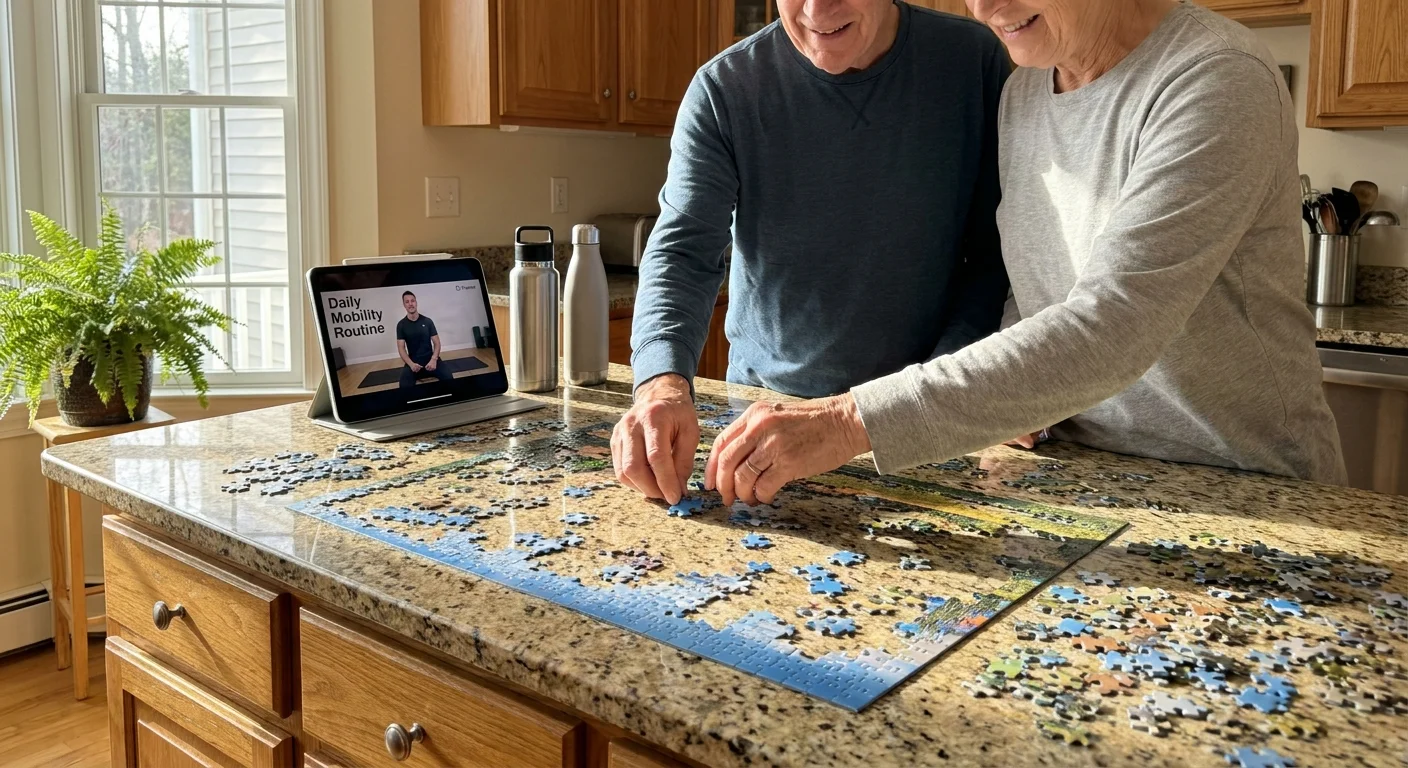
Decades into a long-term relationship, couples frequently settle into highly comfortable but deeply stagnant routines, essentially living parallel lives within the exact same home. You might find yourselves repeatedly spending hours in separate rooms engaged in highly passive activities, such as mindlessly scrolling through digital tablets or silently watching entirely different television programs. While intermittent downtime remains necessary for recovery, a complete lack of novel, shared stimulation rapidly accelerates both age-related cognitive decline and severe relationship apathy. The human brain thrives specifically on neuroplasticity—the remarkable ability to form new, resilient neural connections—which is heavily stimulated by intentionally learning new skills and engaging in complex, coordinated physical movements. Abandoning joint hobbies totally deprives you of this crucial cognitive maintenance and strips your daily relationship of spontaneous joy and mutual discovery. Revitalize your physical and mental health simultaneously by eagerly adopting a new, appropriately challenging activity together. Enroll in a local beginner’s ballroom dancing class, which actively requires physical coordination, sustained cardiovascular endurance, and intensive non-verbal communication. Explore a beautiful local nature reserve, take up community water aerobics, or learn the intricate, engaging rules of pickleball. Engaging consistently in active, shared pursuits forces you to interact in fresh, dynamic ways, continuously reinforcing your emotional bond while providing a highly powerful defense against age-related cognitive impairment.
Wellness Tip #7: Managing Medical Appointments and Care Unequally
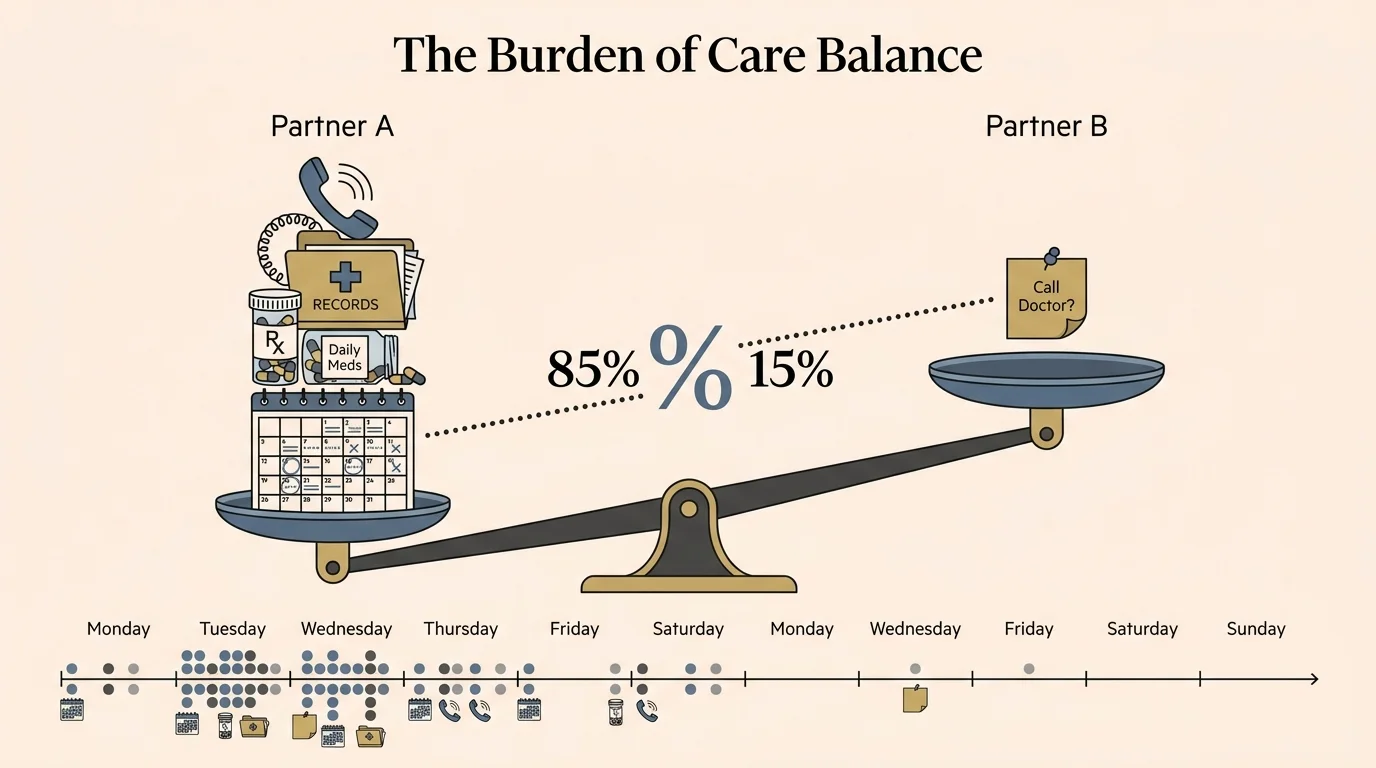
As personal medical needs become significantly more complex with advancing age, the heavy administrative burden of modern healthcare often falls entirely disproportionately onto the tired shoulders of just one partner. This default, unspoken arrangement—where one spouse schedules all the vital colonoscopies, meticulously refills the weekly pillboxes, and communicates extensively with the local pharmacy—is a guaranteed recipe for profound, relationship-ending strain. The managing partner inevitably succumbs to severe caregiver burnout, feeling hopelessly overwhelmed and deeply resentful of the crushing mental load. Conversely, the dependent partner rapidly loses their essential medical autonomy, becoming completely helpless and dangerously disconnected from their own objective health status. This severe logistical imbalance slowly transforms a beautiful partnership of equals into a restrictive parent-child dynamic, effectively killing romantic intimacy and eroding mutual respect. Restoring proper balance requires a highly deliberate redistribution of all health management tasks. Empower each other daily by utilizing shared digital calendars to closely track specialist appointments and essential preventive screenings. Use convenient automated pharmacy services to seamlessly manage prescription refills, vastly reducing the daily cognitive burden on both of you. Attend all major medical consultations together, ensuring you both thoroughly understand the physician’s specific instructions and ongoing treatment protocols. When you take equal, proactive responsibility for essential healthcare logistics, you actively preserve the dignity of your partnership and guarantee that neither individual is crushed beneath the heavy weight of medical administration.

Important Safety Considerations
Before drastically altering your daily routines to actively address these relationship and wellness habits, you must prioritize baseline physical safety above all else. As you thoughtfully incorporate new shared physical exercises or transition carefully to completely different dietary plans, understand thoroughly that older adults inherently face a heightened risk of sudden musculoskeletal injuries and dangerous metabolic fluctuations. Never blindly push your partner past their established physical pain threshold during any workout; sharp, localized pain is a clear, urgent warning sign from the nervous system, not a trivial hurdle to simply overcome. If you are starting a brand new cardiovascular regimen like outdoor walking or stationary cycling, begin conservatively with brief ten-minute sessions to accurately assess your current baseline endurance. Additionally, when intentionally modifying your household diet to mutually support each other’s wellness goals, pay very close attention to how these specific dietary shifts directly interact with your current prescription medications. For example, suddenly increasing your daily intake of leafy greens can drastically interfere with prescribed blood thinners, while drastically cutting dietary carbohydrates may require immediate, professional adjustments to your routine diabetes medications. Always vigilantly monitor yourselves for concerning signs of acute dizziness, extreme unusual fatigue, or sudden shortness of breath when enthusiastically adopting any new lifestyle habits.
When to Talk to Your Doctor
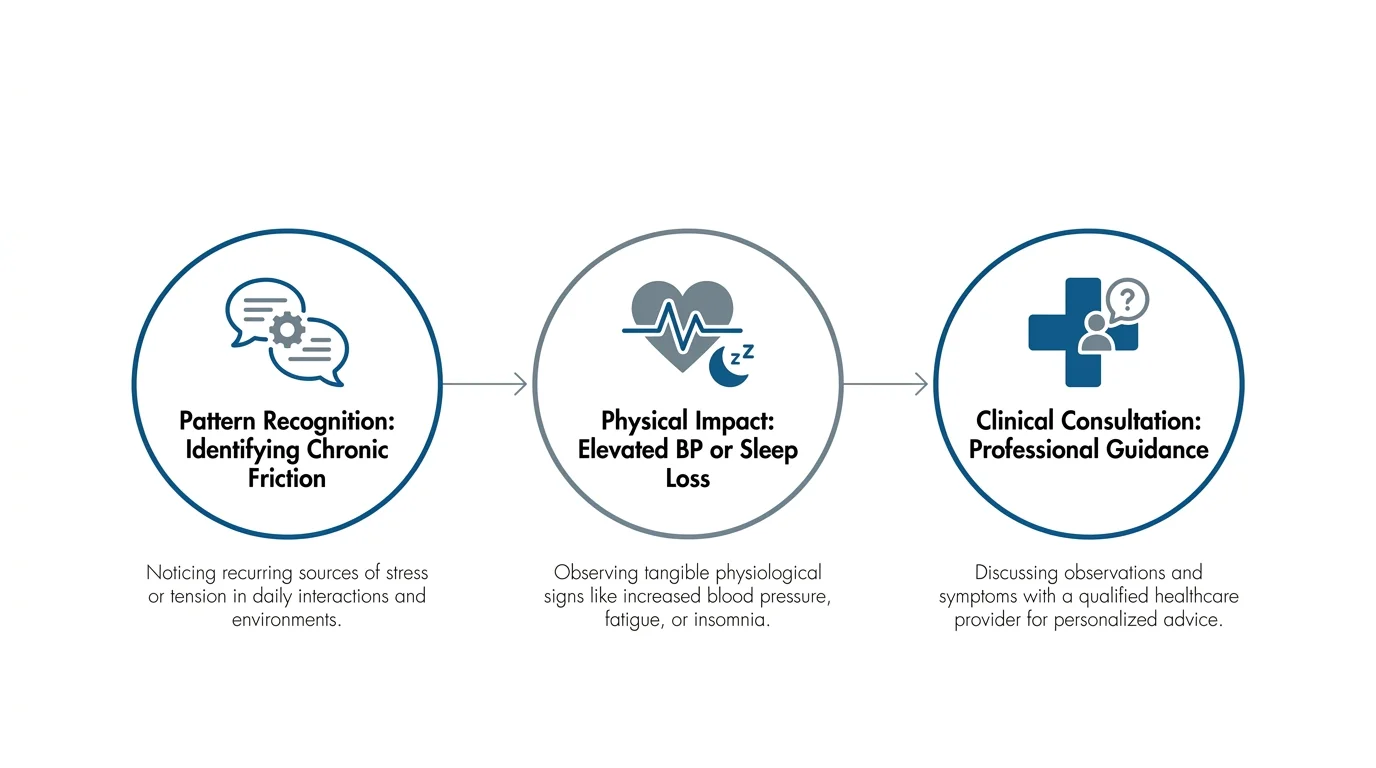
Transparent, open communication with your primary healthcare provider is absolutely critical when making any lifestyle adjustments to improve your physical well-being and daily relationship dynamics. You must explicitly consult your physician before initiating any new physical exercise program, particularly if you have a documented history of dangerous cardiac issues, severe advanced osteoporosis, or surgical joint replacements. Your personal doctor can easily provide highly specific, customized guidelines that perfectly accommodate your unique physiological needs. Furthermore, if you highly suspect your partner’s chronic snoring is directly tied to obstructive sleep apnea, a formal medical evaluation is strictly mandatory, as untreated apnea significantly increases your literal risk of debilitating stroke and catastrophic heart failure. Do not ever attempt to self-diagnose chronic joint pain, sudden alarming cognitive changes, or prolonged, unexplainable lethargy. If open, honest conversations about your daily health unfortunately reveal new, highly concerning symptoms, schedule a comprehensive diagnostic appointment immediately. Consistent professional medical oversight ensures completely that your highly proactive steps toward achieving better physical health and a significantly stronger emotional relationship remain completely safe and highly effective.
Frequently Asked Questions
How can we start exercising together if we have vastly different fitness levels?
You can successfully exercise together safely by intentionally choosing highly adaptable activities that easily accommodate totally different physical intensities. Brisk walking is an excellent, scalable option; the naturally faster partner can easily wear a specialized weighted vest or safely carry light dumbbells to significantly increase their personal exertion, while the other partner walks smoothly at a highly comfortable, steady baseline pace. Community water aerobics also provides a fantastic, safe middle ground, as the pool water’s natural buoyancy perfectly protects the vulnerable joints of the less mobile partner while the constant fluid resistance offers a rigorous, healthy workout for the physically stronger partner. The primary key is intentionally prioritizing the shared emotional experience over perfectly matching each other’s total physical output.
What should I do if my partner continually refuses to eat a heart-healthy diet?
You cannot forcefully compel a resistant partner to drastically change their ingrained dietary preferences, but you can confidently assert firm, healthy boundaries regarding your own personal nutritional needs. Communicate incredibly clearly that you are adopting a specifically healthier daily diet for your own long-term longevity, and politely request that they purposely keep their specific sugary or processed indulgences entirely out of your immediate visual sight. Focus your energy heavily on preparing highly delicious, extremely nutrient-dense meals that you both might naturally enjoy together, such as expertly grilled fresh fish or perfectly seasoned roasted root vegetables. Very often, quietly leading by strong example and clearly demonstrating the highly positive physical outcomes of your new personalized diet will organically encourage your observant partner to make far better nutritional choices over time.
Is it normal for sleep issues to severely strain a marriage in our sixties?
Yes, it is incredibly common and widely documented for various sleep disturbances to easily create significant, highly noticeable relationship friction during this specific stage of life. As you physically age, natural changes in your baseline circadian rhythm, potential enlarged prostates, common menopause symptoms, and undiagnosed sleep apnea dramatically alter your brain’s natural sleep architecture. Chronic, prolonged sleep deprivation heavily elevates daily stress hormones, making both exhausted partners highly irritable and significantly less empathetic toward one another. Openly acknowledging together that the current household tension stems directly from a physiological medical issue—rather than a tragic loss of romantic affection—is the absolute first step toward meaningful resolution. Eagerly exploring professional medical treatments or simply transitioning peacefully to separate, quiet bedrooms can immediately relieve this incredibly common relational pressure point.
How do we discuss cognitive decline without causing defensiveness?
Addressing any potential memory issues or suspected cognitive decline requires profound, deep sensitivity and an absolute absence of any harsh judgment. Always intentionally frame your gentle observations entirely around your own personal feelings of deep concern rather than bluntly listing their recent mistakes. Deliberately use soft “I” statements, such as, “I noticed you seemed slightly confused about the driving route yesterday, and I am genuinely worried about your current stress levels.” Completely avoid actively confronting them in the chaotic middle of a highly frustrating moment. Instead, bring up the delicate topic casually during a highly calm, quiet afternoon. Gently suggesting that you both mutually attend a routine neurological baseline screening completely normalizes the clinical process and entirely removes the heavy, painful stigma of individual targeting.
For authoritative health information, refer to the National Institute on Aging (NIA) and the CDC. For heart health, visit the American Heart Association. For Medicare questions, go to Medicare.gov.
Disclaimer: This article provides general wellness information and is not medical advice. Always seek the advice of your physician or other qualified health provider with any questions you may have regarding a medical condition.







Leave a Reply