
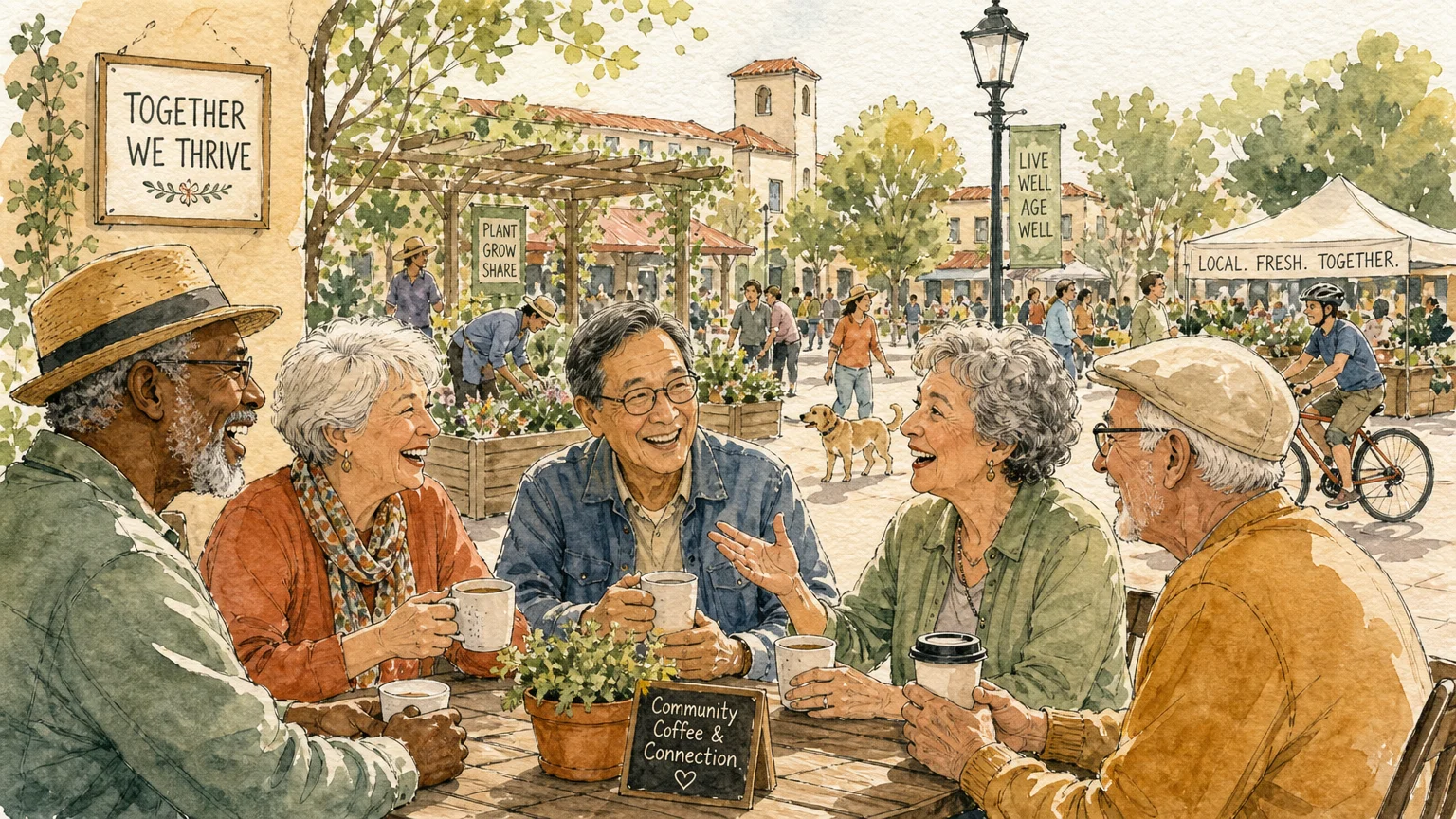
Retirement offers the perfect opportunity to expand your social circle and engage in social activities that genuinely energize you. Stepping into a new hobby connects you instantly with like-minded individuals who share your interests; this transforms your newfound free time into a deeply rewarding adventure. Research shows that older adults who maintain strong social connections enjoy better cognitive function, lower stress levels, and a higher overall quality of life. Whether you prefer moving your body, stimulating your mind, or expressing your creativity, the right group environment provides a natural, low-pressure way to start making friends. Dive into these retirement hobbies to build meaningful relationships while enjoying the vibrant retirement lifestyle you truly deserve.
Tip #1: Joining a Local Walking or Hiking Club
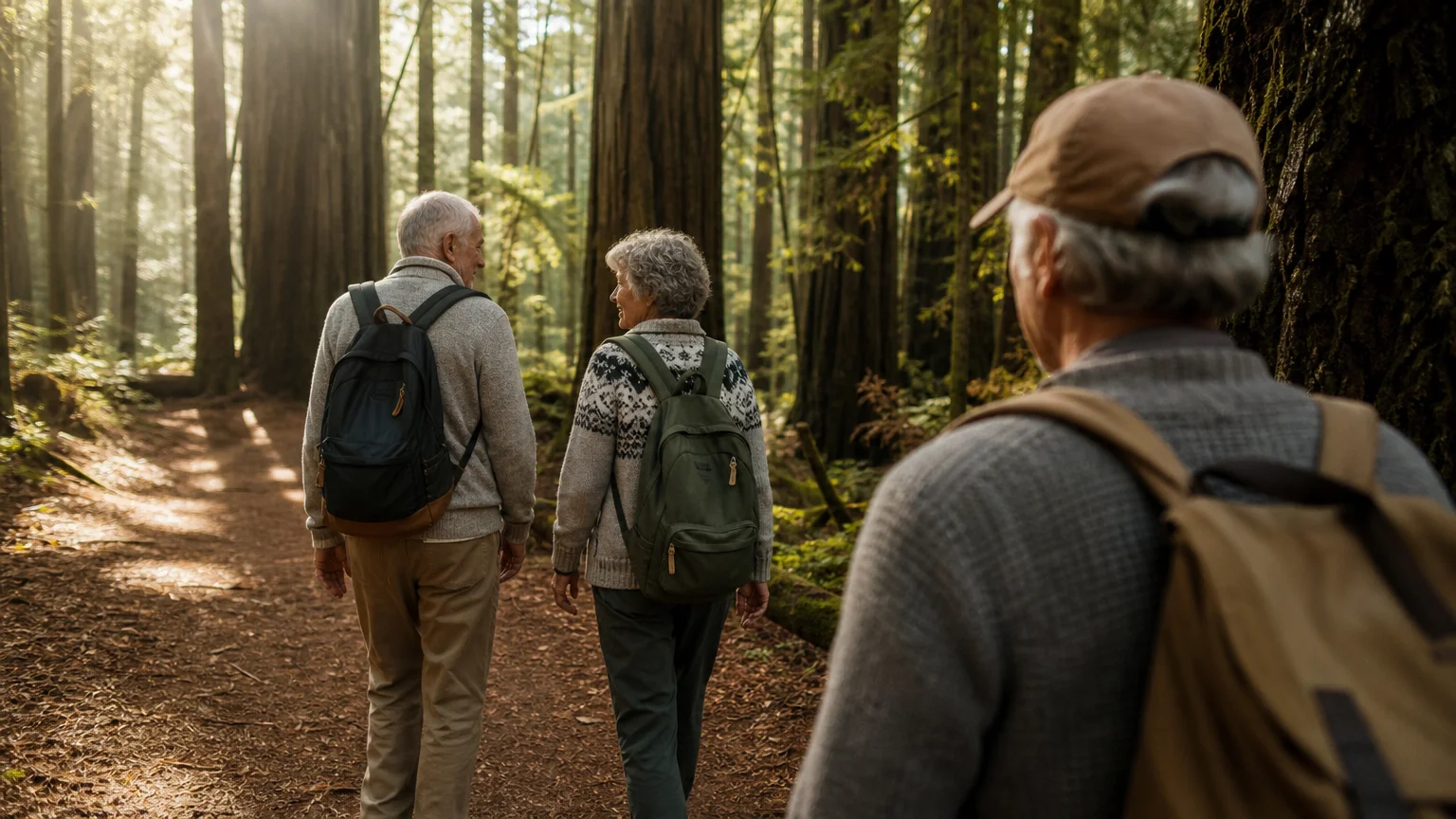
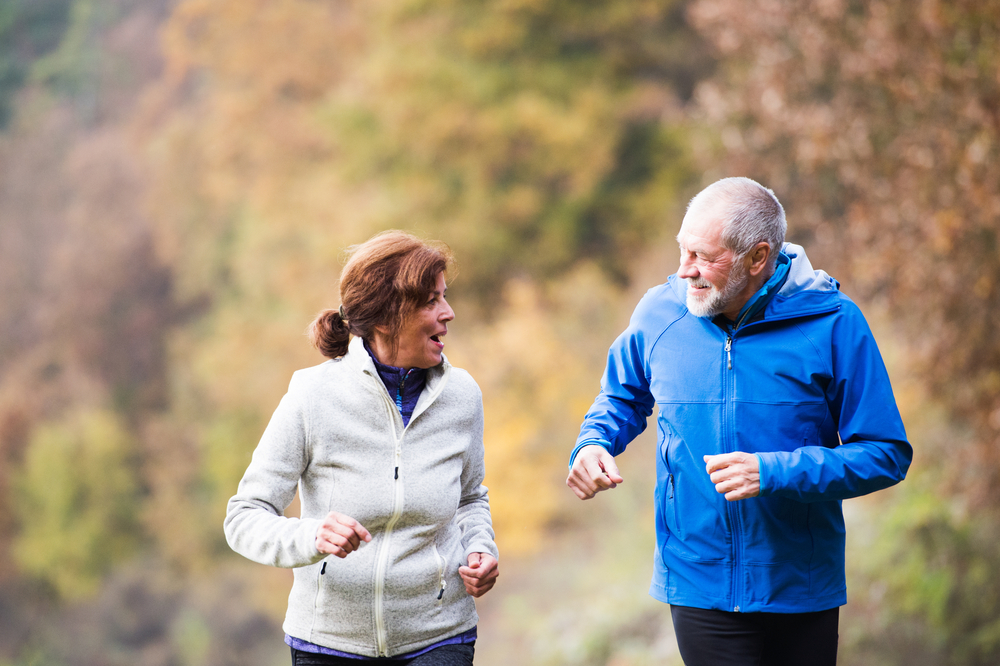
Lacing up your supportive walking shoes and hitting the local trails provides one of the easiest, most accessible ways to meet active seniors in your area. Walking groups offer a fantastic, low-pressure environment for conversation; you can easily chat with several different people as your pace naturally matches theirs along the route. Organizations like the Sierra Club, local Audubon societies, or municipal community centers frequently host guided nature walks specifically tailored for older adults. You enjoy the dual benefits of gentle cardiovascular exercise and engaging socialization in the fresh air. According to recent health studies, older adults who walk regularly in organized groups show significantly lower rates of depression and feelings of isolation compared to those who exercise entirely alone. Search online community directories or check your neighborhood bulletin boards to find a walking club that fits your current fitness level. If you cannot find one nearby, consider starting your own informal weekly meetup at a scenic local park. Sharing a beautiful morning stroll—and perhaps grabbing a warm cup of coffee together afterward—creates a simple yet powerful routine for building genuine, lasting friendships.
Tip #2: Taking Group Fitness or Dance Classes
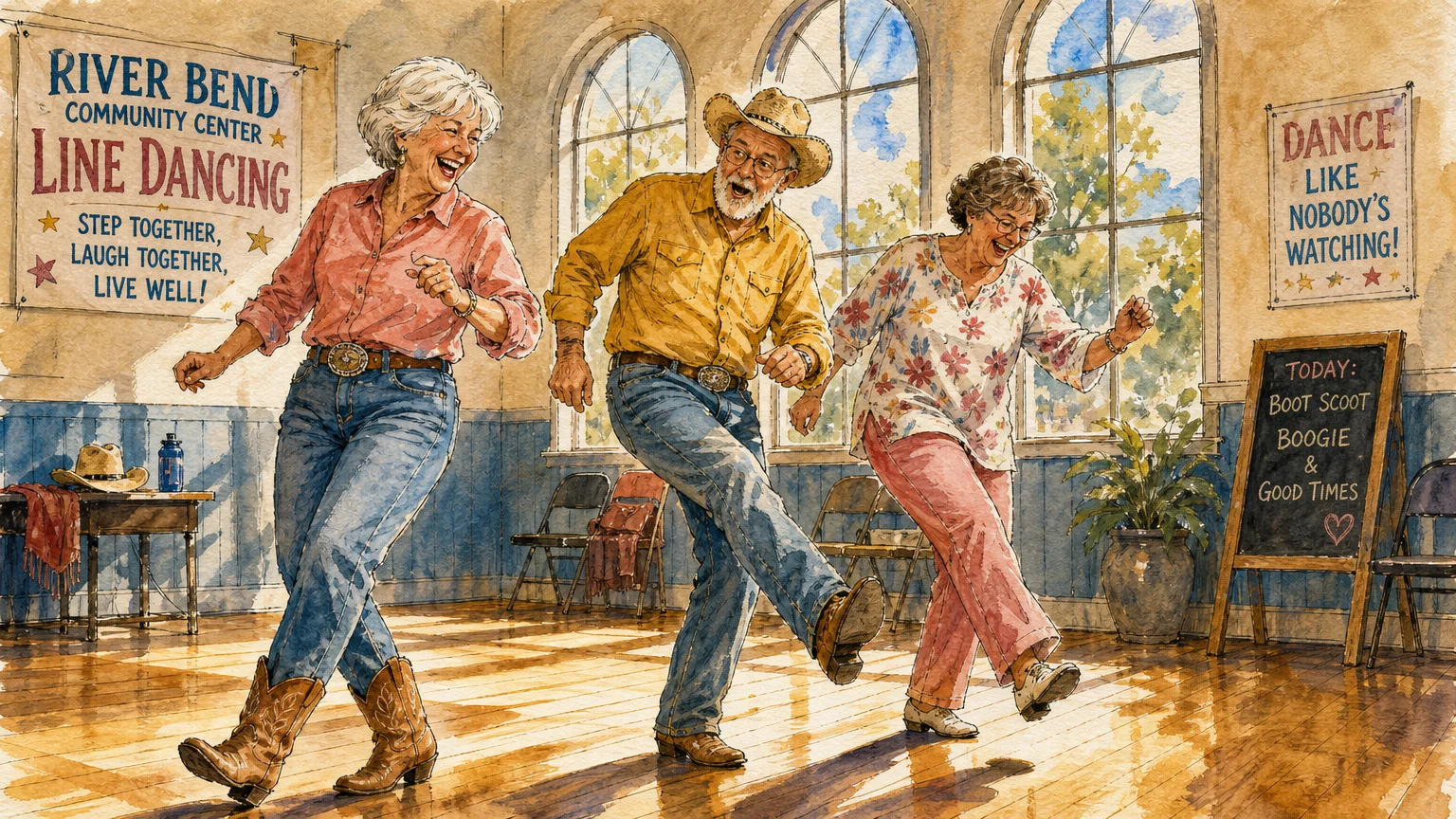
Enrolling in a group fitness or dance class energizes your body while simultaneously expanding your social network in a lively, upbeat setting. Programs designed specifically for older adults—such as Zumba Gold, water aerobics, line dancing, or SilverSneakers classes—focus heavily on community building alongside physical wellness. The shared challenge of learning a new dance routine, mastering a yoga pose, or completing a water aerobics circuit naturally breaks the ice among participants. You find yourself laughing, encouraging one another, and bonding over the shared physical experience. Regular physical activity reduces your risk of falls and improves your joint mobility; doing it with others keeps you highly accountable and motivated to return week after week. The release of endorphins during exercise also creates a naturally positive, welcoming atmosphere. Many fitness centers actively encourage socializing by setting up comfortable lounge areas where class members can chat and rehydrate after a strenuous workout. Introduce yourself to the person on the mat next to yours, or ask a classmate for tips on a specific stretching movement. These small interactions frequently blossom into regular coffee dates outside the walls of the gym.
Tip #3: Volunteering for Community Organizations
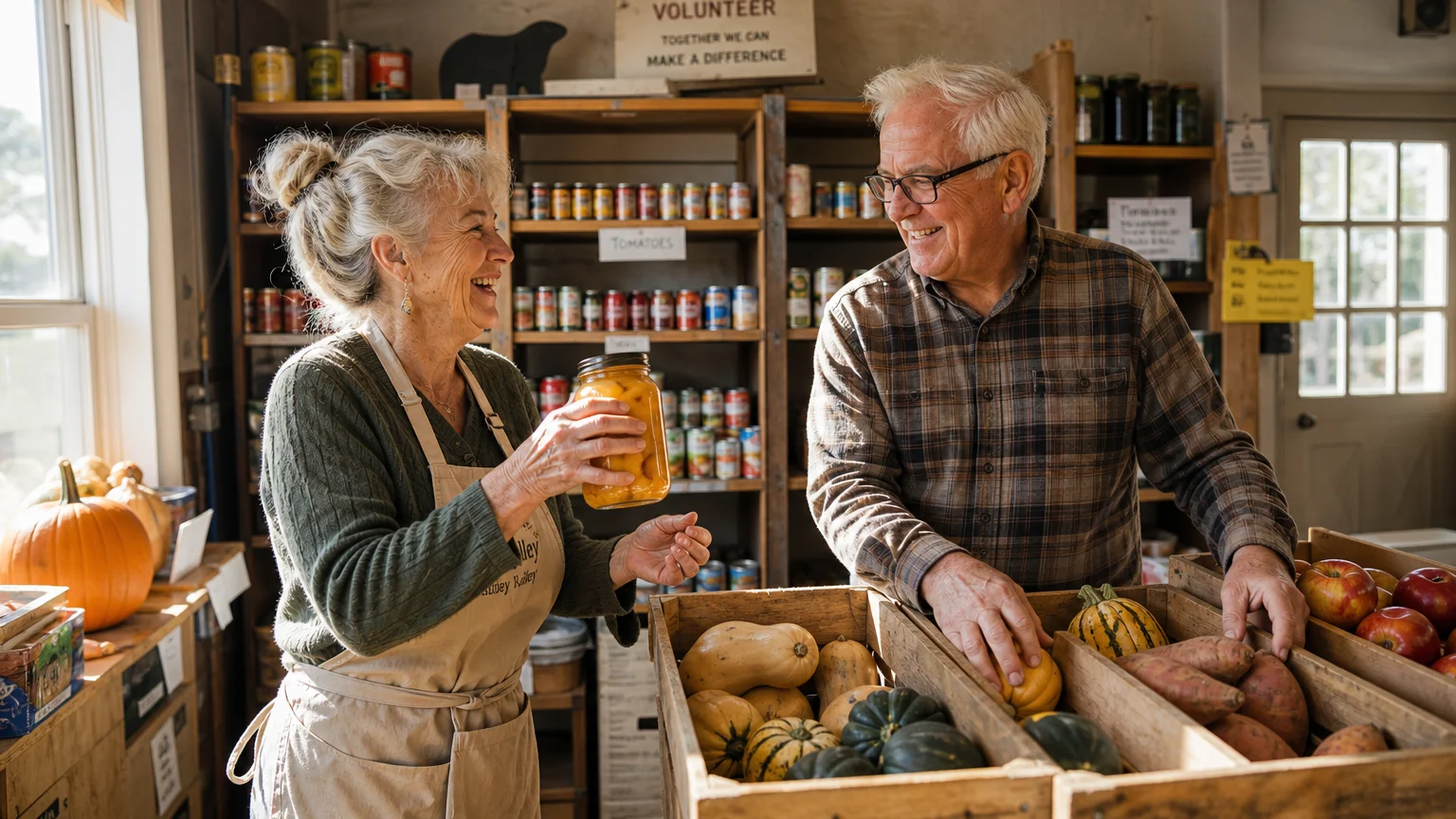
Giving back to your community provides a profound sense of purpose and introduces you to incredibly compassionate, like-minded individuals. Volunteering serves as a powerful, proven antidote to the isolation that sometimes accompanies the transition out of the workforce. When you dedicate your free time to a local food bank, animal rescue shelter, or youth mentoring program, you collaborate directly with people who share your core values and your desire to make a tangible positive impact. Working side-by-side on a shared mission completely eliminates the awkwardness of traditional networking or forced social events. You build camaraderie organically as you organize pantry donations, walk shelter dogs, or plan community outreach events together. Data from social health organizations consistently indicates that seniors who engage in regular volunteer work experience lower mortality rates and report much higher levels of daily life satisfaction. Assess your unique professional skills and personal passions, then reach out to local charities, schools, or hospitals that align with your interests. The shared dedication to a meaningful cause creates deep, resilient connections.

Tip #4: Enrolling in Continuing Education Courses
Stimulating your mind through continuing education offers an enriching pathway to connect with intellectually curious peers. Many community colleges, universities, and lifelong learning institutes offer discounted or even free classes for seniors. These programs cover fascinating, diverse subjects ranging from Renaissance art history and creative writing to conversational Spanish and local politics. Stepping back into a lively classroom environment reignites your passion for learning and provides built-in conversation starters every single week. Discussing a complex historical event or practicing a new language dialogue with a classroom partner forces you to interact, collaborate, and share unique life perspectives. This consistent mental stimulation actively strengthens your neural pathways, helping to preserve your cognitive health and memory as you age. Study groups and post-class discussions over a casual lunch offer perfect, low-stress opportunities to deepen these new acquaintances. Do not worry about rigid grading scales or stressful exams; these adult education courses focus entirely on the pure joy of discovery. Embrace your natural curiosity, enroll in a subject you always wanted to explore, and enjoy the lively conversations that follow.
Tip #5: Participating in Community Gardening
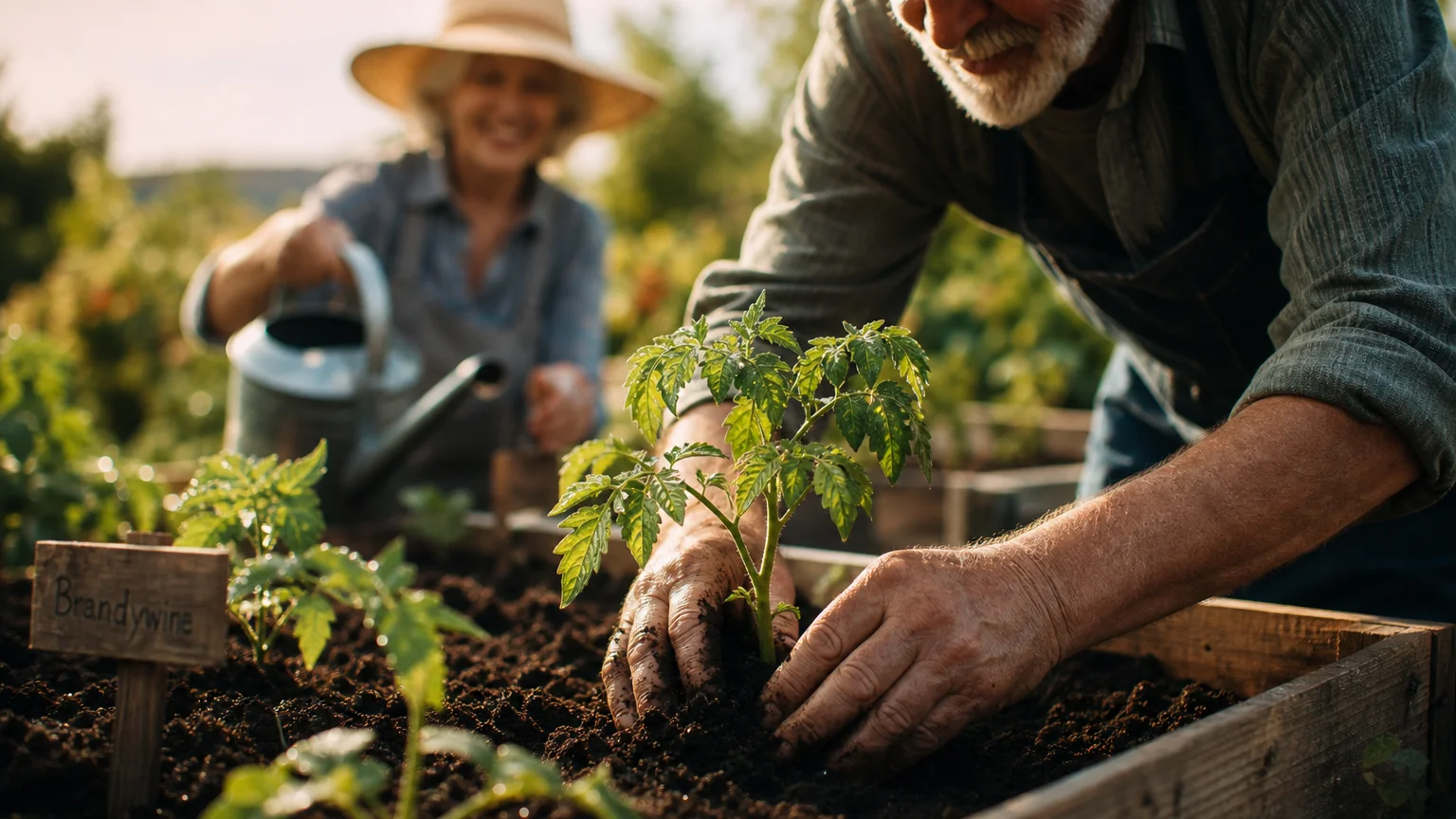
Getting your hands dirty in a community garden nourishes both your growing plants and your blossoming social life. If you lack the necessary yard space at home or simply prefer the company of fellow green thumbs, renting a designated plot in a shared neighborhood garden provides an ideal solution. The very nature of gardening invites warm, casual interaction. You quickly find yourself swapping heirloom seeds, sharing organic pest control tips, and celebrating the first ripe summer tomatoes with your plot neighbors. The physical act of gardening significantly improves your flexibility and grip strength, while the direct exposure to morning sunlight boosts your vitamin D levels and elevates your overall mood. Many vibrant community gardens host seasonal weekend workdays, summer potlucks, and autumn harvest festivals. These group events seamlessly transform the space from a mere plot of dirt into a bustling, vibrant social hub. Even if you have never successfully grown a vegetable in your entire life, experienced gardeners usually love sharing their hard-earned expertise with enthusiastic beginners. Grab a sturdy trowel, immerse yourself in this tranquil hobby, and cultivate thriving new friendships.

Tip #6: Joining a Book Club or Writing Group
Immersing yourself in literature and sharing your thoughts within a local book club creates an intimate, intellectually stimulating environment for making friends. Reading generally serves as a solitary, quiet activity, but actively discussing a novel’s unexpected plot twists, complex character motivations, and underlying societal themes transforms it into a highly engaging social event. Local public libraries, independent neighborhood bookstores, and lively community centers frequently host monthly reading groups tailored to various distinct genres—ranging from gripping historical biographies to lighthearted cozy mysteries. If you prefer expressing your own personal creativity, joining a memoir or creative writing group allows you to share your life stories and receive supportive, constructive feedback from peers. Listening to others bravely share their personal narratives fosters deep empathy, trust, and understanding among group members. The structured, recurring nature of these meetings provides a reliable social anchor in your monthly schedule. The engaging conversations often drift organically from the book’s specific subject matter to personal life experiences, allowing you to connect with fellow avid readers on a much deeper personal level.
Tip #7: Attending Local Art or Pottery Workshops
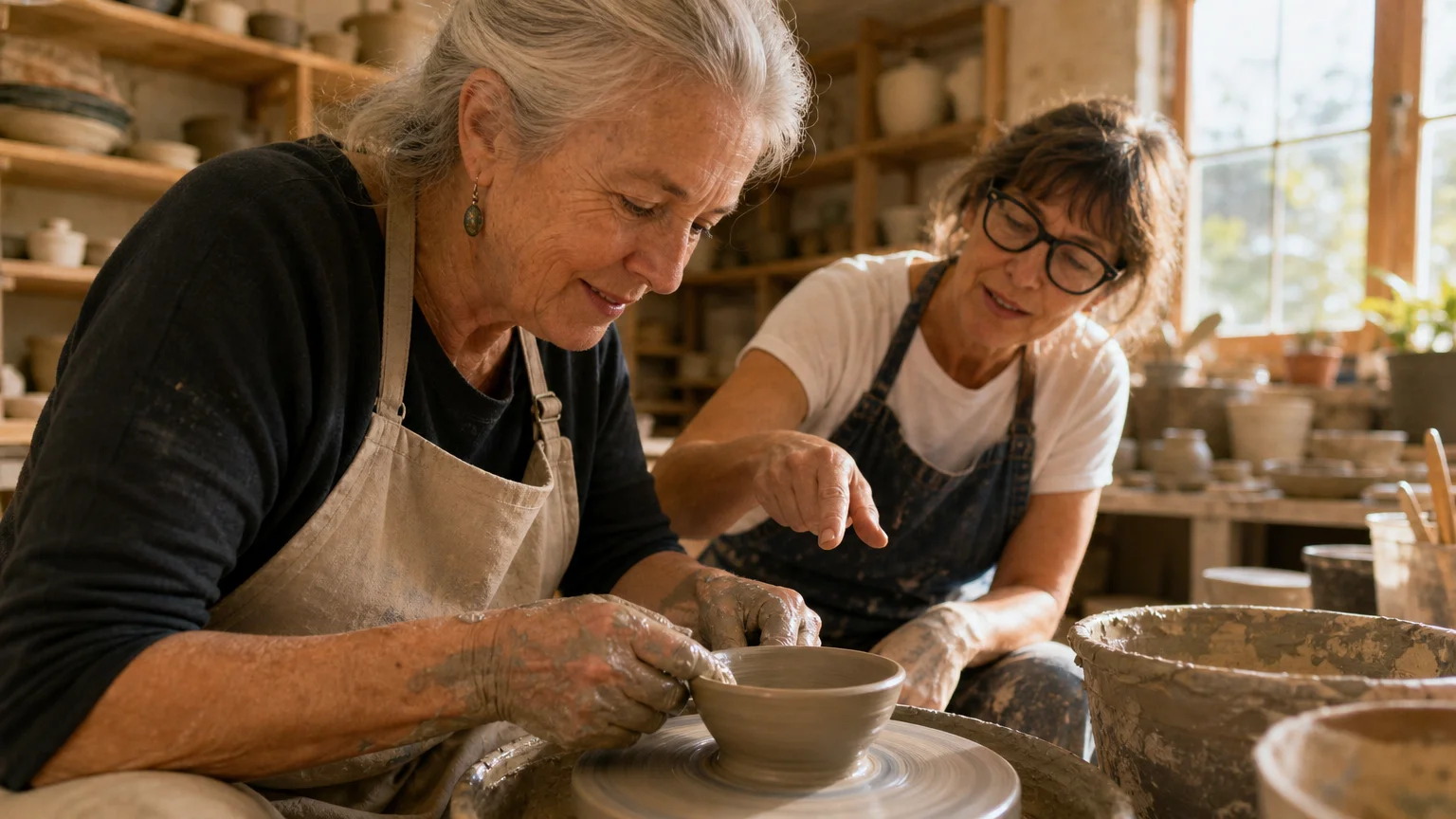
Unleashing your inner creativity through hands-on art classes presents a wonderful opportunity to meet fascinating people in a relaxed, highly supportive setting. Whether you decide to try delicate watercolor painting, messy ceramics, detailed woodworking, or intricate jewelry making, beginner workshops encourage playful experimentation rather than strict perfection. The warm, inviting atmosphere in a communal art studio naturally lends itself to casual, pressure-free conversation. You can easily chat with your table neighbor while patiently waiting for clay to dry or carefully mixing acrylic paint colors on your palette. Laughing together over a lopsided pottery bowl or admiring a beautifully blended landscape canvas quickly breaks down initial social barriers and builds immediate camaraderie. Engaging deeply in creative hobbies also lowers cortisol levels in your brain, significantly reducing daily anxiety and stress. Look for affordable introductory workshops at your local recreation center, community college, or privately owned art studios. Many studios even offer designated afternoon sessions specifically designed for older adults, seamlessly combining gentle artistic instruction with light refreshments and plenty of socializing. You will happily walk away with a new tangible creation and a wider circle of friends.
Tip #8: Engaging in Group Travel or Day Tours
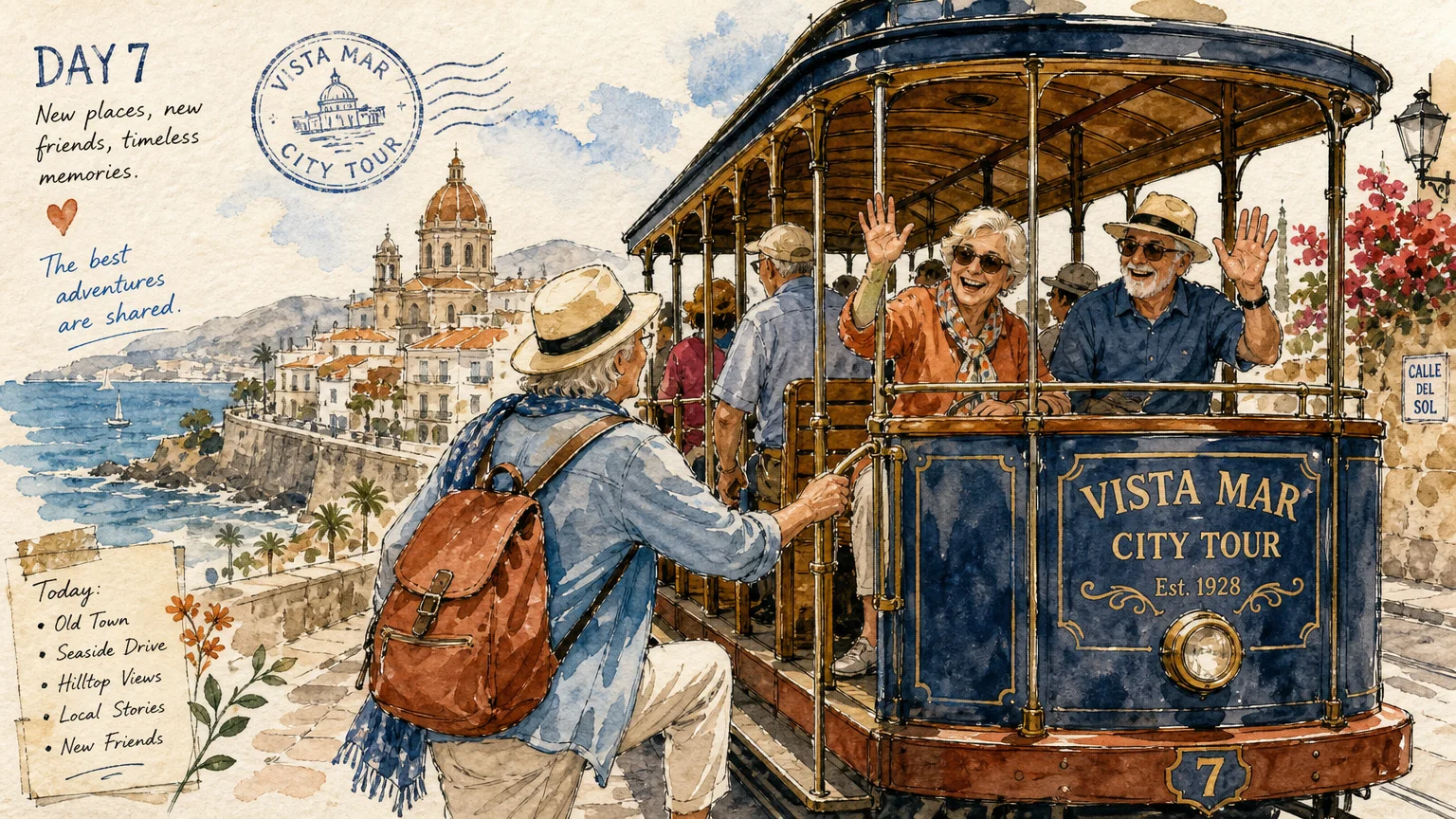
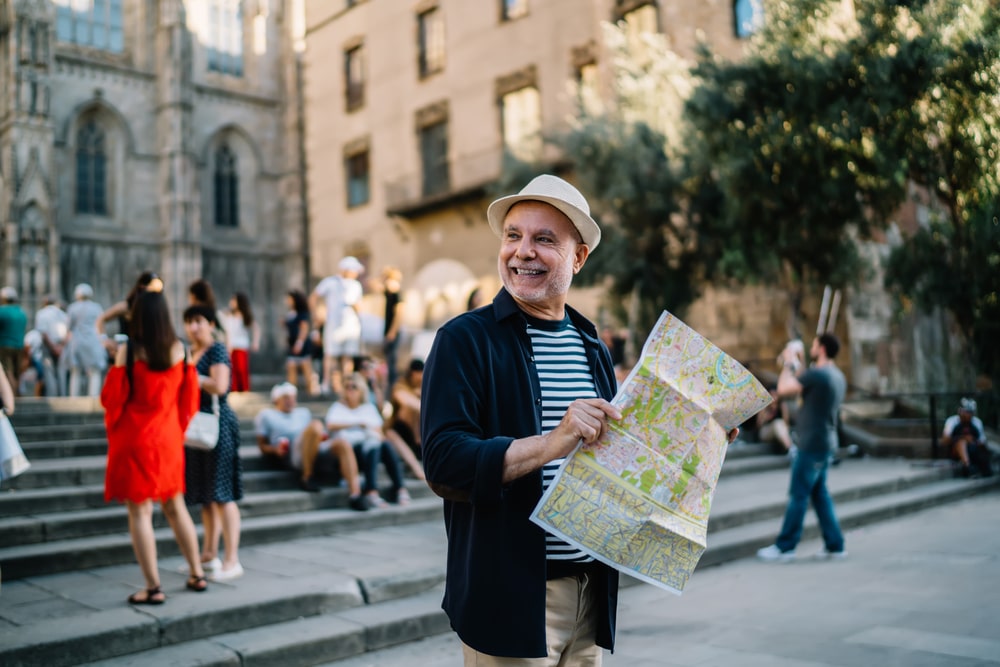
Exploring new, exciting destinations through structured group travel programs offers a thrilling way to bond with fellow adventurous retirees. You do not need to book an expensive, month-long overseas cruise to enjoy these profound social benefits. Local historical societies, robust senior centers, and community recreation departments frequently organize highly affordable day trips to nearby museums, live theater performances, or scenic natural landmarks. Traveling together by chartered bus or group train ensures you spend several hours in close proximity to other eager individuals. The shared awe of discovering a beautiful, sweeping landscape or the shared amusement of navigating a minor travel hiccup creates instant, deeply memorable bonds. Organized group tours completely remove the logistical stress of driving, navigating unfamiliar roads, and planning itineraries. This allows you to focus entirely on genuinely enjoying the experience and conversing freely with your seatmates. If you feel bolder, specialized senior travel agencies curate incredible multi-day excursions designed specifically for older adults. Sharing daily meals, exploring vibrant new cultures, and safely stepping out of your everyday routine together fast-tracks the friendship-building process.

Tip #9: Playing Pickleball or Table Tennis
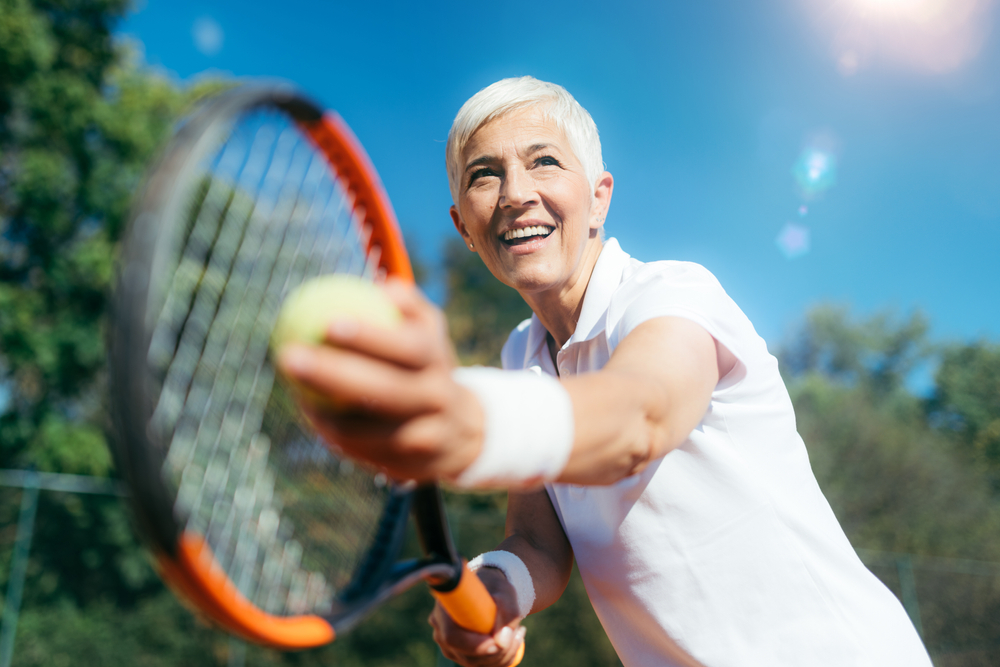
Stepping onto the local court for a friendly game of pickleball or table tennis introduces you to one of the most popular, rapidly growing, and socially engaging trends in retirement. Pickleball, in particular, has seen explosive growth among older adults due to its slightly smaller court size and incredibly manageable learning curve. The game utilizes a lightweight composite paddle and a wiffle-like plastic ball, making it noticeably easier on your aging joints than traditional tennis while still providing a phenomenal cardiovascular workout. The welcoming culture surrounding these energetic paddle sports emphasizes fun, laughter, and inclusion over intense, cutthroat competition. Standard matches typically last only fifteen to twenty minutes, and players constantly rotate partners and opponents throughout the session. This specific rotation structure practically guarantees you will personally meet and interact with dozens of different people in a single, enjoyable afternoon. Most local parks departments, athletic clubs, and YMCAs offer free or low-cost beginner clinics where you can safely learn the rules alongside other nervous novices. Grab a comfortable paddle, eagerly embrace the friendly court banter, and quickly discover why active seniors love this sport.
The Takeaway: Living a More Blissful Retirement
Embracing these rewarding retirement hobbies does much more than simply fill up your daily schedule; it permanently opens the door to a vibrant, highly connected lifestyle. You finally possess the abundant time and freedom to actively explore personal passions you may have neglected during your busy working years. By bravely stepping slightly out of your established comfort zone and actively participating in structured group activities, you intentionally position yourself to meet remarkable, fascinating people who share your renewed enthusiasm for life. Building strong friendships later in life requires a bit of deliberate effort, but the long-term rewards—dramatically enhanced mental health, increased physical vitality, and deep, unwavering emotional support—are truly immeasurable. Choose one or two distinct activities from this diverse list that genuinely spark your personal interest, and commit to attending a few initial sessions. Give yourself plenty of grace as you learn the ropes of a brand-new skill and navigate unfamiliar social circles. Your golden years offer a beautiful canvas; fill it up with shared laughter, healthy days, and a thriving community of wonderful new friends.
Frequently Asked Questions
How can I overcome the nervousness of attending a new group activity alone?
Feeling anxious about joining a new group or attending an unfamiliar class by yourself is completely normal and widely experienced. To significantly ease your nervous tension, try arriving about ten to fifteen minutes early so you can personally introduce yourself to the instructor or event organizer before the larger crowd arrives. You can also proactively reach out to the group leader beforehand via a quick email or phone call to ask exactly what to expect on your first day. Remember that most community groups and hobby clubs actively want to recruit new members and will purposefully go out of their way to make you feel comfortable and included.
Are there affordable or completely free retirement hobbies for meeting people?
Absolutely. You do not need to spend a fortune or deplete your savings to build an incredibly active, fulfilling social life. Neighborhood walking clubs, community gardening initiatives, public library book clubs, and local volunteer organizations rarely cost anything to join and participate in. Additionally, many municipal community centers, community colleges, and YMCAs offer generous sliding scale fees, substantial senior discounts, or highly subsidized memberships specifically for their older adult fitness and art classes. Always ask about senior pricing when inquiring about a new program.
What if I try a new hobby and quickly discover I do not enjoy it?
Not every single activity will be a perfect, seamless fit for your personality or physical abilities, and that is perfectly fine. Treat each new hobby attempt as a fun, low-stakes experiment rather than a permanent, lifelong commitment. If a particular fitness class, book group, or art workshop does not resonate with you after two or three honest attempts, give yourself full permission to move on without any guilt. The ultimate goal is to find a supportive environment that brings you genuine joy and connects you with people you truly enjoy being around. Keep exploring until you find your perfect match.
How do I transition a casual acquaintance from a hobby group into a closer, personal friend?
Transitioning from friendly class buddies to true, trusted friends simply requires taking a small, proactive initial step. Once you establish a warm, friendly rapport with someone during your chosen activity, casually suggest continuing your interesting conversation afterward. A simple, low-pressure invitation—such as asking if they would like to grab a quick cup of coffee, enjoy a light lunch, or take a short walk after your art class or pickleball match—provides a perfect opportunity to deepen the social connection outside of the structured group setting. Most people eagerly welcome the gesture and are actively looking for new friends themselves.
For a wide range of resources for older adults, visit AARP and the National Council on Aging (NCOA). Health information is available from the National Institute on Aging.
Disclaimer: This article is for informational and inspirational purposes only. It is not a substitute for professional medical, financial, or psychological advice. Please consult with a qualified expert for guidance tailored to your individual needs.



Leave a Reply