
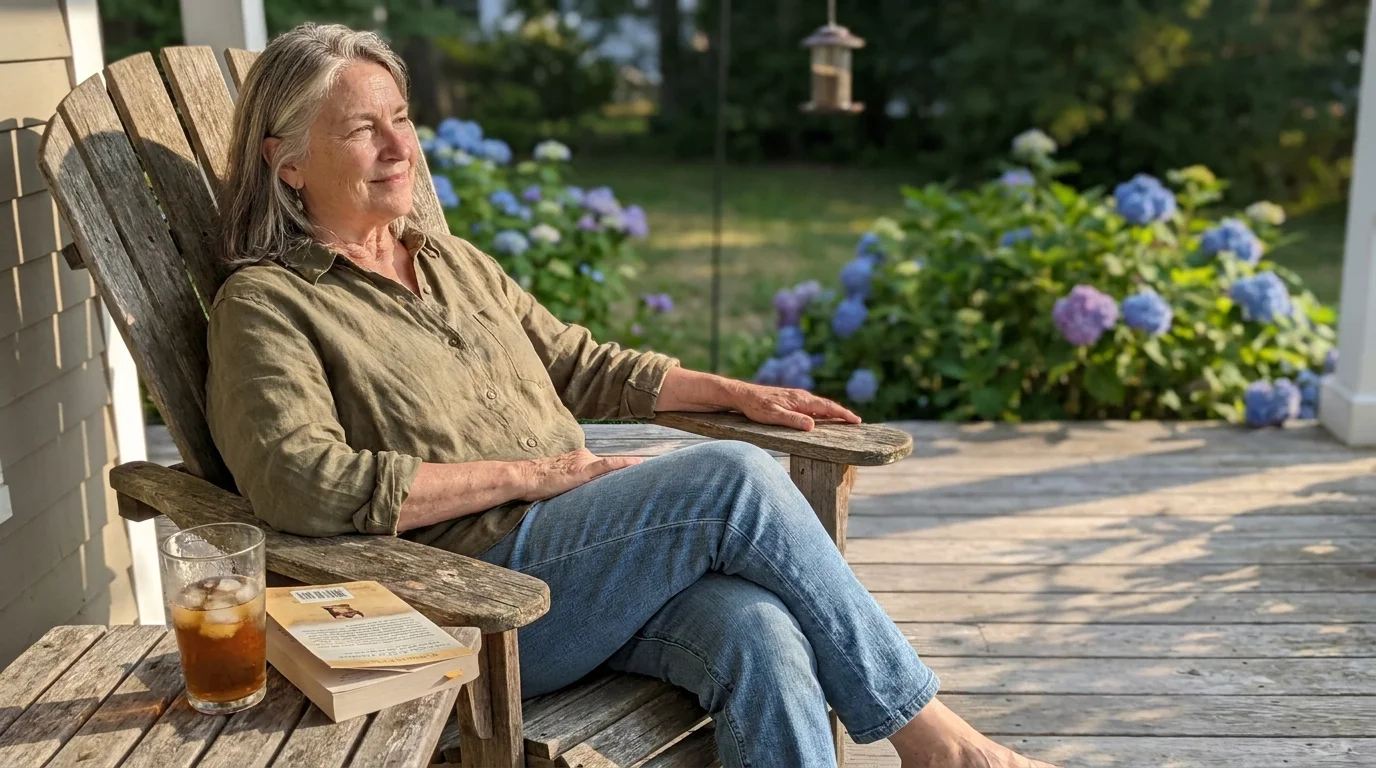
Transitioning out of the workforce gives you the freedom to redesign your social life and surround yourself with the people who truly matter. However, stepping away from your career often reveals that certain connections relied entirely on shared routines rather than deep emotional bonds. Preparing for this natural shift prevents disappointment and empowers you to invest your newfound time into relationships that bring genuine joy to your retirement lifestyle. You will likely notice specific social circles shrinking as your daily habits change, which creates exciting opportunities to build fresh, meaningful connections with other seniors. Embracing this evolution helps you cultivate a supportive network tailored to your passions rather than your past employment.
Tip #1: The Office Confidante
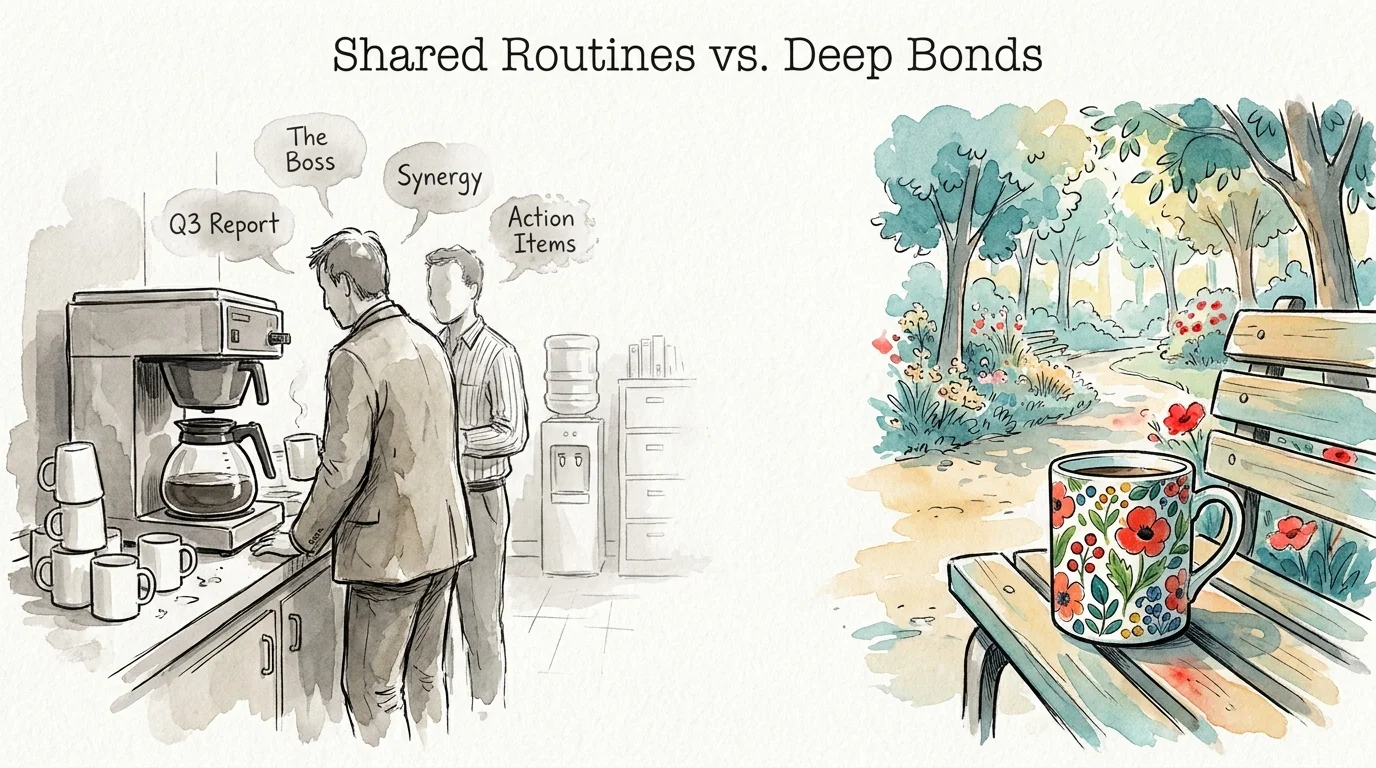
When you leave your career, you also leave behind the shared environment that anchors many of your daily interactions. The colleague you spoke with every morning by the coffee machine—the one who knew exactly how to handle a difficult boss—might suddenly feel like a stranger once the workplace context disappears. Research into relationship dynamics consistently shows that proximity and shared experiences serve as the foundation for most adult friendships. Without the daily rhythm of office life to sustain the connection, conversation often dries up quickly. You may realize that aside from workplace projects and office politics, you actually share very few common interests.
Do not view this natural fading as a failure. Instead, appreciate the purpose this relationship served during your working years. You can gently test the waters by scheduling a lunch date a few months into your retirement. If the conversation flows easily and shifts to personal passions, the friendship has potential to survive outside the office walls. If it stalls and reverts entirely to company gossip, give yourself permission to let it go gracefully. Redirect your energy into community groups or local clubs where you can build bonds based on the hobbies you want to pursue now. Actively seeking out individuals who share your current interests guarantees a much more engaging and supportive social circle.
Maintaining a friendship out of sheer obligation drains the energy you need to establish your new life. Giving yourself the grace to step away from forced interactions preserves your emotional well-being. Focus on the exciting opportunity to meet people who match the pace and priorities of your golden years.
Tip #2: The Industry Networking Acquaintance
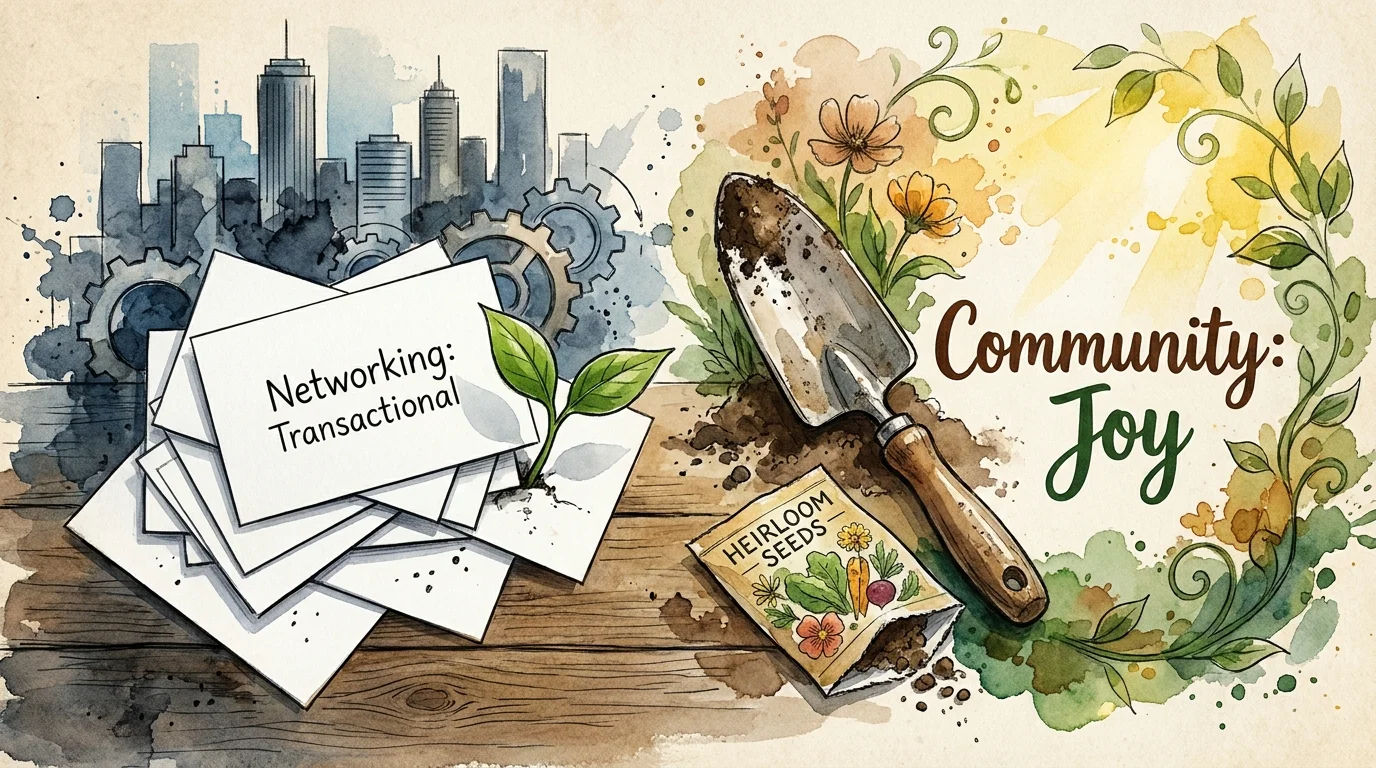
Throughout your career, you likely built a robust network of peers from conferences, trade shows, and industry associations. These individuals provided valuable professional support, shared leads, and helped you navigate complex career transitions. However, these connections usually possess a highly transactional undertone; you maintain them primarily because they benefit your professional trajectory. Once you step off the corporate ladder, the incentive to stay in touch evaporates almost overnight. You no longer need to exchange business cards, discuss market trends, or seek endorsements for your specialized skills. The shared goal of career advancement no longer exists to glue the relationship together.
Let these ties dissolve naturally without guilt. Your retirement lifestyle demands a completely different approach to socializing. Rather than networking for financial gain or professional leverage, you now have the absolute luxury of networking for joy. Take the exceptional relationship-building skills you honed over decades in the workforce and apply them directly to your local community. Join a neighborhood council, become a regular at a community garden, or volunteer for a charitable cause you deeply care about. Transitioning your focus from boardrooms to community centers instantly introduces you to people who prioritize giving back and personal growth.
You will quickly discover that making friends based on shared personal values creates a much deeper, more satisfying social life for seniors than exchanging professional favors ever could. Surrounding yourself with individuals who share your passions fosters an environment of mutual support and genuine affection. Leave the corporate hustle behind and embrace the profound peace that comes from authentic, expectation-free friendships.

Tip #3: The Happy Hour Crew
Blowing off steam after a demanding week often bonds coworkers together over appetizers and drinks. The Friday happy hour group provides a reliable space to vent frustrations, celebrate small victories, and smoothly transition into the weekend. Yet, the appeal of this specific group usually hinges entirely on the stark contrast between intense work stress and immediate leisure time. When every day belongs to you, the sheer urgency to decompress vanishes. You no longer need to recover from a grueling commute, a demanding supervisor, or endless client meetings.
Consequently, the ritual of the post-work drink loses its therapeutic value, and the friendships tethered strictly to that ritual often lose their momentum. Reclaim those evening hours and redirect them toward activities that nourish your long-term physical and mental health. Swap the dim lighting of a local bar for the bright sunshine of a morning walking club, a daytime fitness class, or a community art workshop. Engaging in active, health-focused socializing surrounds you with vibrant individuals who prioritize longevity and holistic well-being over temporary stress relief.
Friendships forged during a scenic hike, a watercolor painting class, or a lively pickleball match naturally translate into supportive, long-lasting bonds that deeply enrich your retirement. Studies focusing on senior health frequently highlight that daytime, activity-based socialization drastically improves overall life satisfaction. By shifting your schedule, you automatically filter for friends who share your commitment to an energetic, fulfilling, and profoundly positive lifestyle.
Tip #4: The Commuter Buddy
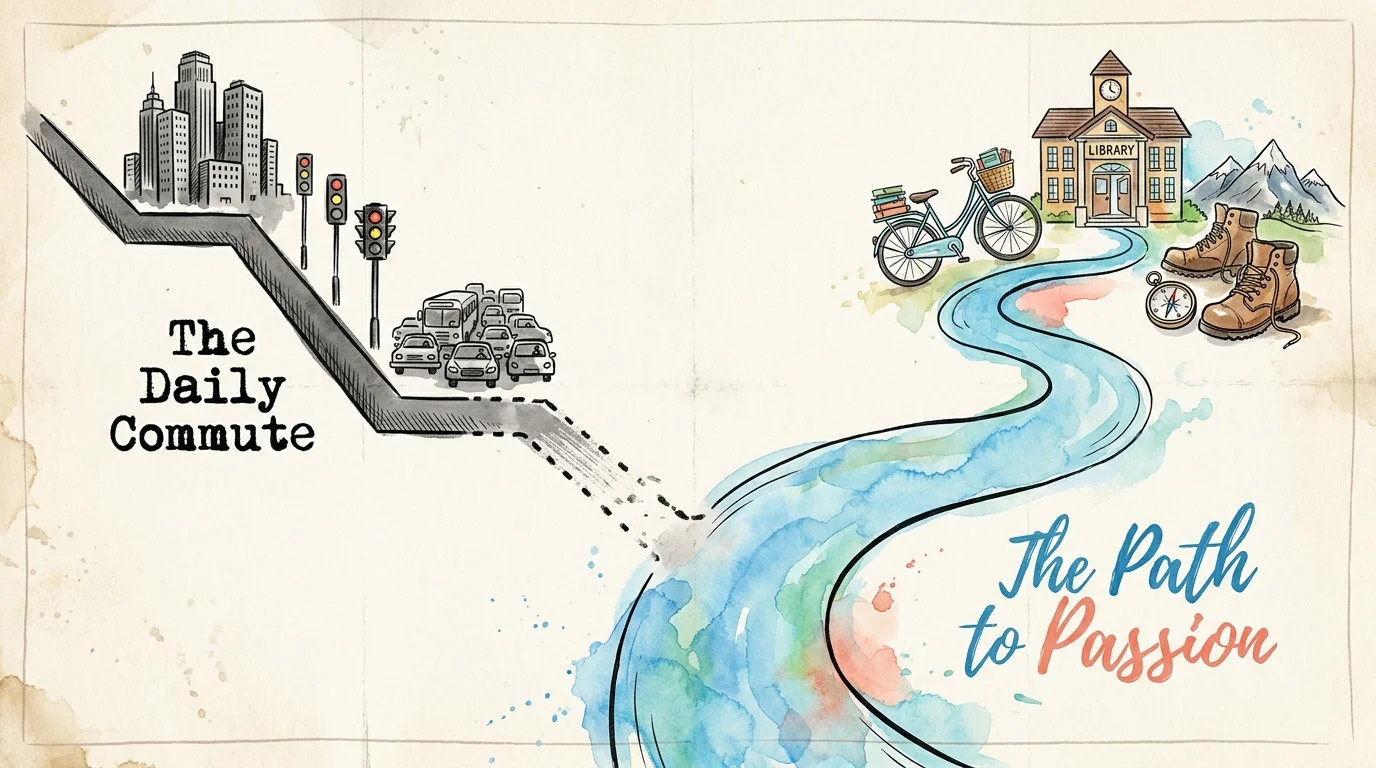
If you spent years taking the same train, riding the same bus, or participating in a daily carpool, you likely developed a specific camaraderie with your fellow commuters. You shared complaints about sudden traffic jams, celebrated the arrival of Friday mornings, and built a unique micro-community centered entirely around travel. This relationship exists purely due to geographic coincidence and identical, rigid schedules. The moment you permanently stop traveling to the office, you completely sever the only thread keeping this highly contextual friendship together.
These connections rarely survive the transition to retirement because neither party actually wants to go out of their way to recreate a relationship born out of absolute necessity. Acknowledge the incredible comfort these friendly faces provided during countless stressful commutes, and gracefully move forward. You now possess the ultimate luxury that working professionals covet: total control over your own daily schedule. Use the valuable time you previously spent sitting in gridlock to expand your social life locally and intentionally.
Visit your neighborhood coffee shop at the same time every Tuesday, or join a local book club hosted at the public library. Becoming a recognizable regular at community hubs near your home allows you to organically meet neighbors and build a fresh circle of friends. You can confidently replace the anxiety of the morning rush hour with the relaxed, meaningful conversations that define a truly joyful retirement lifestyle.

Tip #5: The Work-Adjacent Service Provider
We rarely recognize just how much of our daily social interaction relies on the dedicated people who support our working lives. The barista near your office building, the owner of the dry cleaning business you visited weekly, and the receptionist at the corporate gym all form a crucial part of your daily social fabric. You exchange warm greetings, share brief life updates, and build a genuine fondness over the years. However, when you abruptly stop frequenting the commercial neighborhood around your former employer, these casual but comforting friendships disappear instantly.
Transitioning into your golden years requires you to intentionally rebuild these vital daily touchpoints much closer to home. Sociologists often refer to these connections as weak ties, and they play a surprisingly massive role in combating loneliness and maintaining a positive daily outlook. Actively seek out independent local businesses in your immediate residential community to establish a completely new routine. Introduce yourself to the staff at the bakery down the street, or strike up friendly conversations with vendors at your nearby farmers’ market.
Rooting your daily habits in your local neighborhood helps you feel deeply connected and widely recognized by your peers. Establishing this comforting sense of belonging in your new phase of life ensures you never feel isolated, even on days when you lack formal social plans. Building a local network of familiar faces transforms your immediate neighborhood into a warm, welcoming extension of your own home.
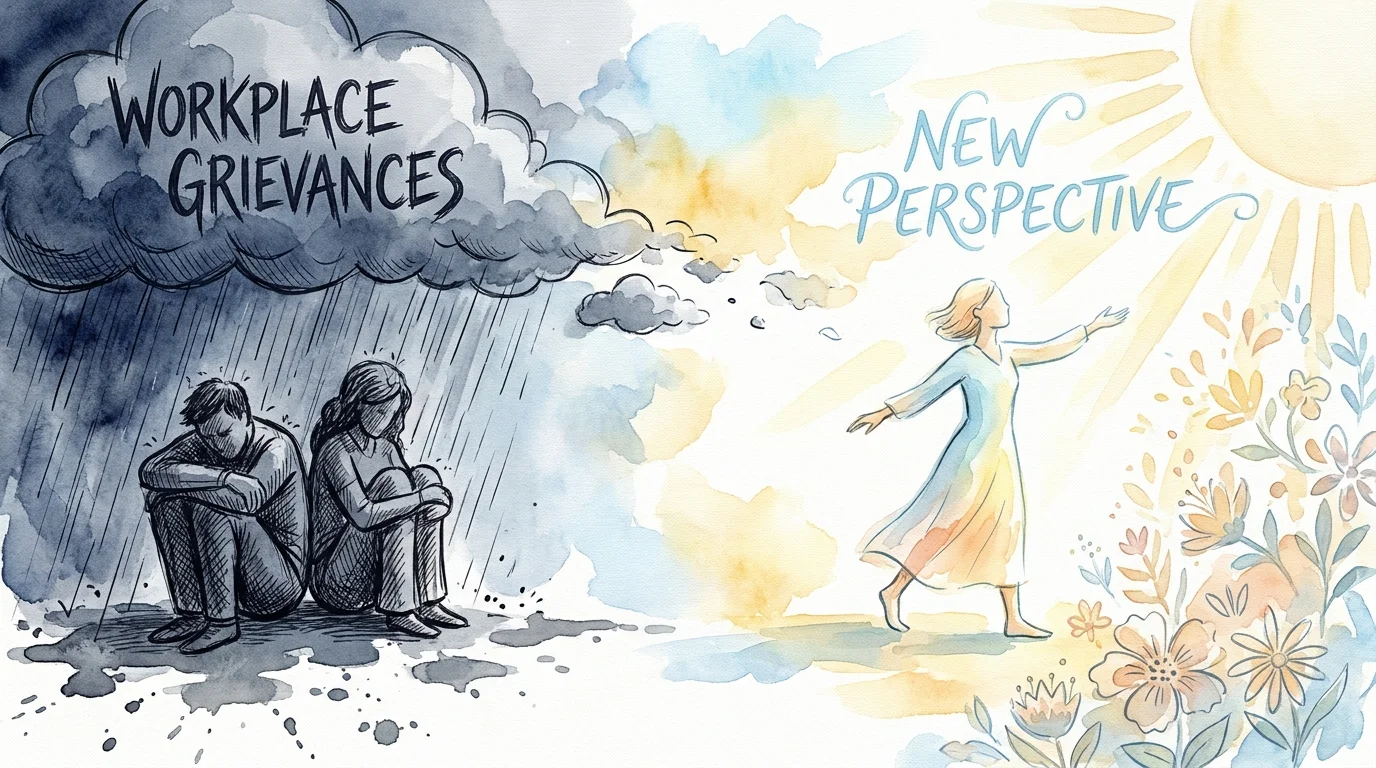
Tip #6: The Shared-Grievance Colleague
Every workplace features at least one intense relationship built entirely on mutual dissatisfaction and daily complaining. You bond over shared annoyances—a notoriously difficult manager, unreasonable project deadlines, or frustrating company policies. This dynamic creates a remarkably fast, powerful camaraderie that feels intensely validating at the time. However, shared negativity provides a notoriously fragile and emotionally draining foundation for long-term relationships. Once you retire and permanently remove the primary source of the irritation, you instantly lose your main topic of conversation.
If you attempt to maintain this specific friendship, you might quickly find the conversations exhausting as the other person continues to complain about a workplace you no longer care about. Leaving a toxic or high-stress environment behind means you must also bravely leave behind the relationships that kept you anchored to that toxicity. Your retirement years should focus entirely on optimism, exciting personal growth, and the pursuit of your newfound freedom. You deserve to protect your mental peace from unnecessary drama.
Surround yourself with other seniors who radiate bright positivity and eagerly look forward to the future. Seek out inspiring individuals who prefer to discuss upcoming travel plans, delicious new recipes, or exciting volunteer projects rather than constantly dwelling on past grievances. Cultivating a highly uplifting social circle profoundly impacts your mental health, dramatically lowers your stress levels, and helps you fully embrace the boundless joy of your retirement.

Tip #7: The Status-Driven Connection
During our active careers, we sometimes deliberately maintain relationships based on professional titles, financial brackets, or perceived societal status. You might regularly golf with an executive management team simply to maintain appearances, or attend lavish dinner parties hosted by industry leaders to ensure you remain firmly part of the professional network. These highly curated relationships demand significant emotional energy and almost always lack genuine, vulnerable intimacy. Retirement acts as the ultimate great equalizer; impressive job titles, prestigious corner offices, and corporate status suddenly carry very little weight in your daily life.
Without the rigid scaffolding of professional prestige to hold them up, these superficial connections quickly crumble. Allow them to fall away completely. You finally have the incredible opportunity to pursue completely authentic relationships without any underlying motives or professional obligations. Choose your new friends based strictly on their strong character, their infectious sense of humor, and their profound capacity for empathy. You no longer have to impress anyone to secure a promotion or close a vital business deal.
Volunteer organizations, local religious groups, and community hobby clubs offer fantastic, low-pressure environments to meet wonderful people from diverse backgrounds who share your core values. When you finally stop worrying about how a friendship looks on paper, you instantly open the door to deeply fulfilling connections. These authentic relationships effortlessly nourish your soul and provide unwavering, genuine support throughout the entirety of your later years.
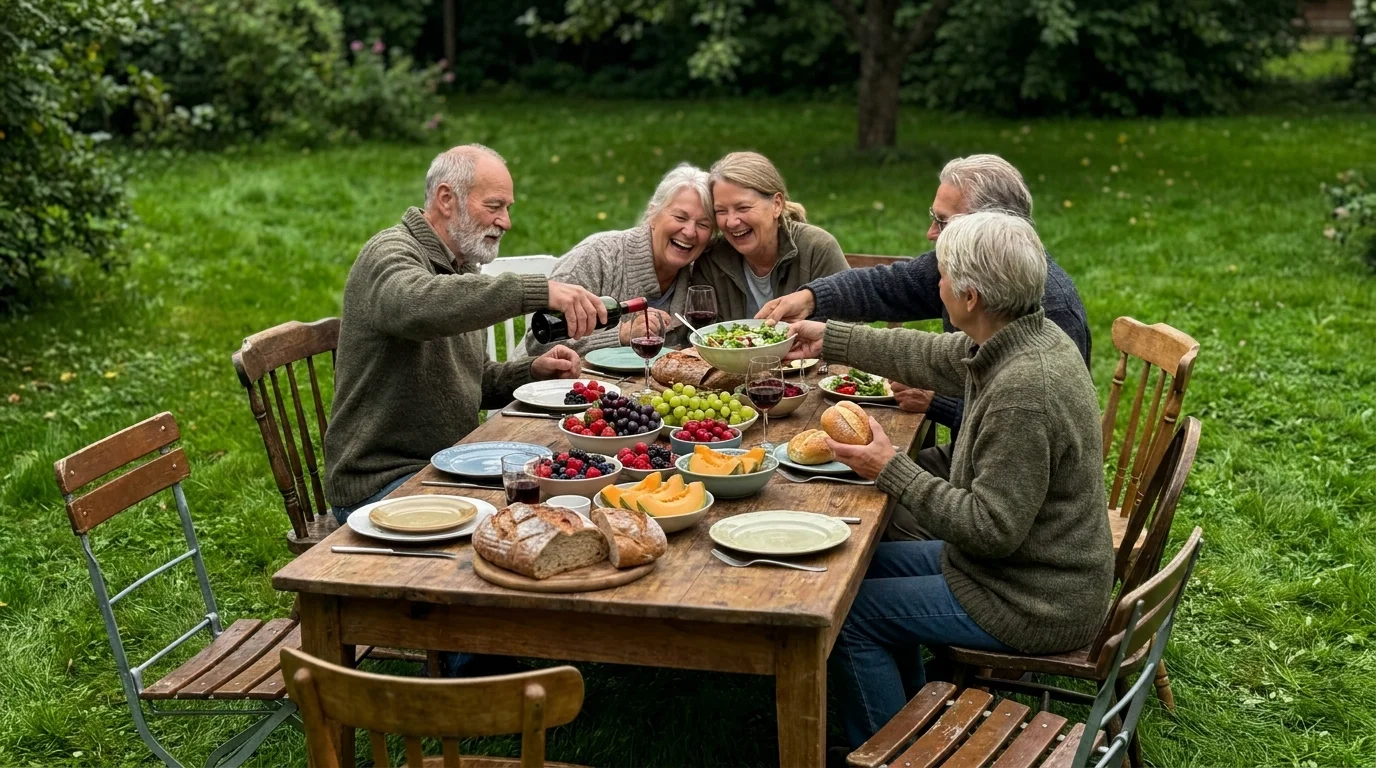
The Takeaway: Living a More Blissful Retirement
Navigating the inevitable shifts in your social circle represents a perfectly normal, exceptionally healthy part of transitioning out of the workforce. By clearly recognizing which relationships relied purely on convenience, geographic proximity, or shared professional grievances, you can gracefully release the connections that no longer serve your highest good. This natural clearing process creates vital physical and emotional space for you to cultivate magnificent new friendships that align perfectly with your current values and deepest interests.
You now possess total control over how you spend your precious days and exactly who you choose to spend them with. Lean into this beautiful freedom with confidence and enthusiasm. Join a local club, volunteer for a charitable cause you deeply cherish, and bravely introduce yourself to the people in your immediate neighborhood. The golden years offer an absolutely unparalleled opportunity to intelligently design a social life filled with genuine joy, mutual support, and abundant laughter. Embrace the change, remain open to exciting new experiences, and watch as your retirement blossoms into the most fulfilling chapter of your life.
Frequently Asked Questions
Is it normal to feel lonely immediately after retiring?
Yes, experiencing temporary loneliness right after leaving the workforce is incredibly common and entirely understandable. You just lost a built-in daily community that provided reliable structure and automatic interaction. Acknowledge these valid feelings without harsh judgment, and view this major life transition as a beautifully blank canvas. You can proactively rebuild a highly satisfying social life by joining community groups, enthusiastically pursuing new hobbies, and reaching out to family members or neighbors you wish to know better.
How do I kindly distance myself from former coworkers who only want to complain?
Setting firm, clear boundaries protects your hard-earned peace of mind. You can gracefully decline social invitations by simply mentioning that your new retirement schedule keeps you incredibly busy with local projects or family commitments. If you do agree to meet up, actively steer the conversation toward highly positive topics or enjoyable shared hobbies. If the other person absolutely refuses to shift away from workplace negativity, simply let the communication naturally fade over time without guilt.
What is the most effective way for seniors to make new friends?
Shared, consistent activities provide the absolute strongest foundation for building new friendships. Look for local senior centers, community colleges offering engaging adult education classes, or neighborhood volunteer organizations. Participating in lively group fitness classes like water aerobics or morning walking clubs also easily connects you with health-conscious peers. Consistency remains the ultimate key; show up regularly to the exact same events so you can organically build deep familiarity and mutual trust with others.
Can I still maintain a friendship with a former coworker if we truly clicked?
Absolutely; a truly genuine friendship can easily survive the transition into retirement if both parties willingly put in the consistent effort required. The fundamental secret lies in permanently taking the relationship out of the old workplace context. Plan exciting activities that have absolutely nothing to do with your former jobs, such as visiting an art museum, trying a highly-rated new restaurant, or attending a local community concert. If the bond continues to thrive effortlessly outside of office hours, you have successfully found a lifelong friend.
For a wide range of resources for older adults, visit AARP and the National Council on Aging (NCOA). Health information is available from the National Institute on Aging.
Disclaimer: This article is for informational and inspirational purposes only. It is not a substitute for professional medical, financial, or psychological advice. Please consult with a qualified expert for guidance tailored to your individual needs.




Leave a Reply