
Turning your passion into a source of side income offers an exciting and lucrative way to spend your newfound free time. You can easily transform the activities you already love into profitable ventures that bring both joy and extra cash. Many retirees find that pursuing their favorite retirement hobbies naturally evolves into a fulfilling small business without the stress of a traditional career. Whether you enjoy crafting, gardening, or repairing vintage finds, sharing your skills allows you to stay socially engaged and mentally sharp. Earning money during your golden years does not require long hours; it simply requires leveraging your unique talents. Explore these seven inspiring paths where everyday leisure activities accidentally blossom into rewarding financial opportunities.

Tip #1: Woodworking and Upcycling Furniture
You might start by spending a few quiet afternoons in your garage, sanding down an old oak dresser or building a simple birdhouse. The tactile sensation of working with raw wood provides immense satisfaction, keeping your hands busy and your mind focused. Woodworking allows you to express your creativity while producing tangible, beautiful objects. Many older adults take up this craft simply to furnish their own homes or create heartfelt gifts for their grandchildren.
The transition from a quiet pastime to a profitable enterprise usually happens organically. A neighbor visits, admires the custom coffee table in your living room, and asks you to build one for their home. Soon, word of mouth spreads throughout your community. You find yourself picking up discarded, structurally sound furniture at local estate sales, applying a fresh coat of chalk paint and new hardware, and flipping the pieces for a substantial profit.
The market for upcycled and handmade furniture continues to experience massive growth. Consumers increasingly reject mass-produced, flimsy retail items in favor of sustainable, unique decor that carries a story. By listing your restored creations on local community boards, social media marketplaces, or at weekend craft fairs, you tap into a demographic eager to pay premium prices for quality craftsmanship. You maintain complete control over your production schedule—taking on only as many commissions as you find enjoyable.
Tip #2: Cultivating and Selling Heirloom Produce
Stepping out into the morning sun to tend to your garden offers profound physical and mental health benefits. You spend hours nurturing fragile seedlings, testing soil pH levels, and pruning unruly tomato vines. Gardening deeply connects you to the natural world, providing a peaceful escape from the noise of modern life. Initially, your only goal might involve growing enough fresh vegetables to sustain your own kitchen and share a few extra zucchini with your friends.
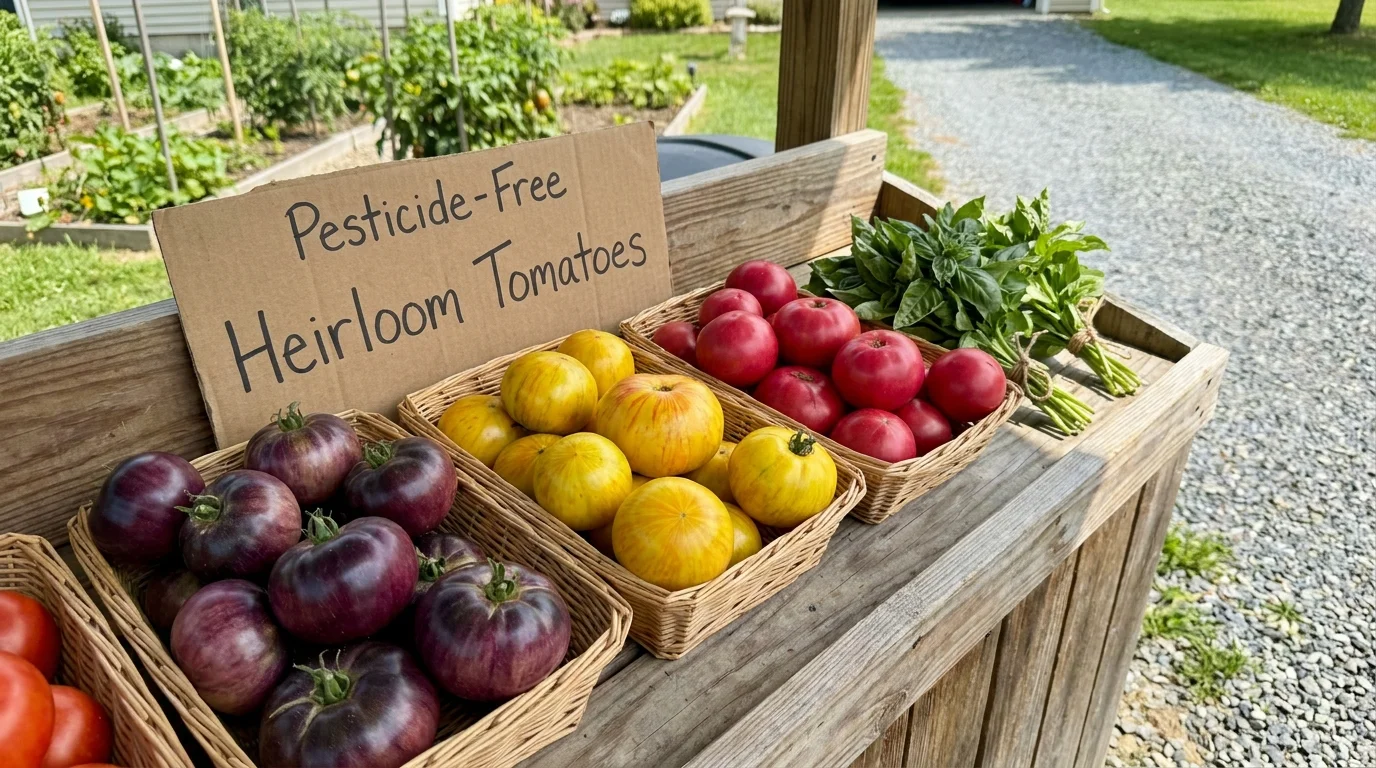
Eventually, your harvest begins to vastly outpace your personal consumption. You end up with dozens of perfectly ripe heirloom tomatoes, bundles of fragrant basil, and vibrant hot peppers. Rather than letting the excess spoil, you set up a modest roadside stand or rent a small table at the local weekend farmers market. Suddenly, neighbors and local chefs are lining up to purchase your vibrant, pesticide-free produce.
The demand for locally grown, organic food has never been higher. People want to know exactly where their food comes from and who grew it. You can maximize your side income by focusing on high-margin specialty crops; microgreens, rare culinary herbs, and exotic hot peppers require minimal space but command excellent prices. This venture keeps you physically active, integrates you into the bustling local food community, and turns your green thumb into a reliable revenue stream.

Tip #3: Baking Gourmet Pet Treats
If you love animals and enjoy the warmth of a busy kitchen, baking healthy treats for your pets often starts as a simple act of affection. You research canine nutrition, avoiding the artificial preservatives and fillers found in commercial brands. You roll out oat-based dough, stamp out cute bone shapes, and fill your home with the wholesome aroma of peanut butter and pumpkin. Your own dogs go wild for the results, and you feel good knowing exactly what they are eating.
The accidental business begins when you share a batch with the “grand-dogs” or hand out sample bags at the local dog park. Other pet owners quickly notice how much their animals love your homemade creations. They ask for your recipe or, better yet, ask if they can buy a weekly supply directly from you. Before you know it, you are designing charming labels and packaging your artisanal biscuits for an eager local audience.
Americans spend billions of dollars annually on their pets, treating them as beloved family members who deserve the highest quality food. By focusing on grain-free, organic, or allergy-friendly recipes, you carve out a specialized niche in a booming industry. You can easily sell your treats at community fairs, veterinary offices, or specialized pet boutiques. This endeavor requires very little upfront capital, allowing you to scale up exactly at your own pace.
Tip #4: Restoring and Repairing Bicycles
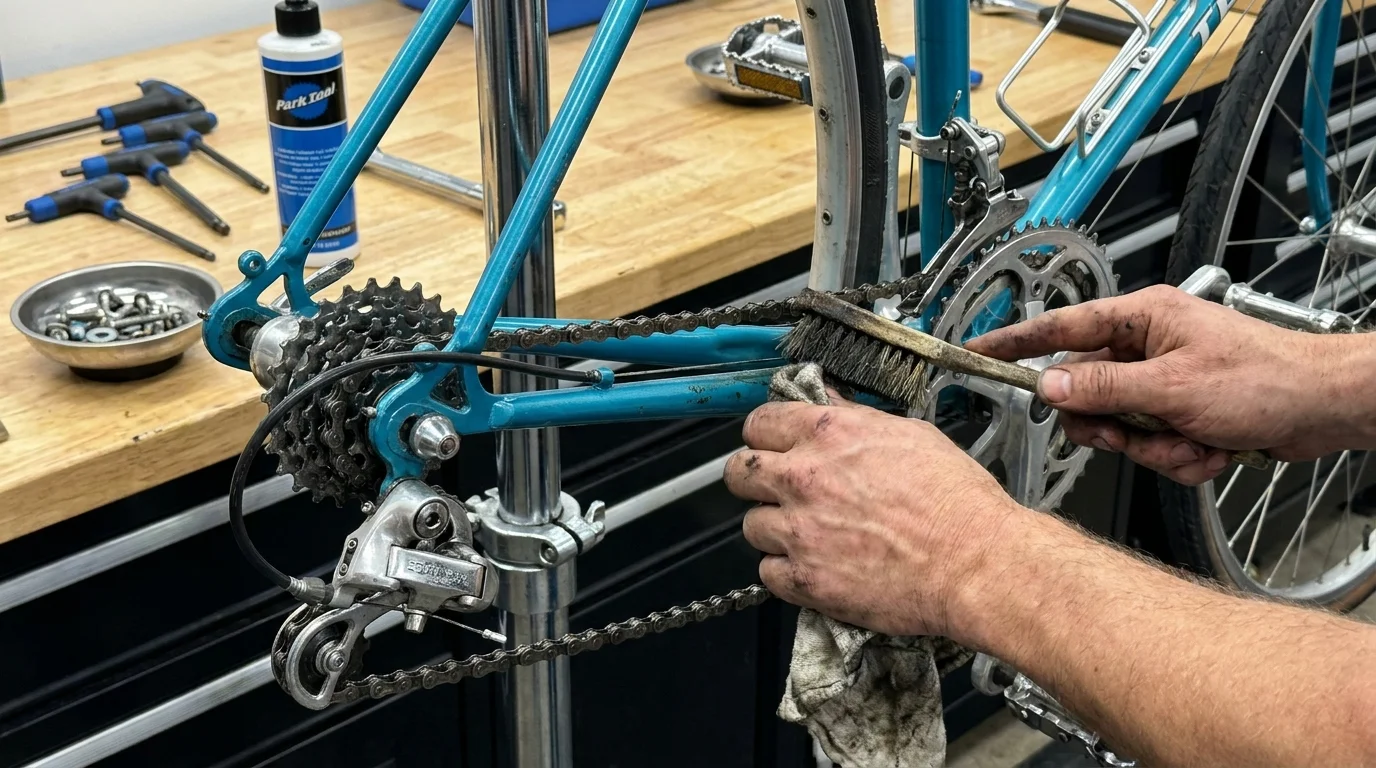
Tinkering with mechanical objects provides a deeply engaging puzzle for the analytically minded retiree. You might rescue a rusted, neglected bicycle from a garage sale simply for the joy of taking it apart and understanding how it works. Cleaning the gears, replacing frayed brake cables, and truing the wheels require patience and precision. Taking that first smooth test ride down your street on a bike you brought back to life delivers an unmatched sense of accomplishment.
Your driveway soon becomes an exhibition of beautifully restored vintage ten-speeds and rugged mountain bikes. Passersby stop to admire your work, and local college students or daily commuters inquire if any of the bikes are for sale. You realize that you can purchase neglected bicycles for pennies on the dollar, invest a few hours of enjoyable labor, and resell them for a handsome profit.
The recent surge in outdoor recreation and eco-friendly commuting has driven the demand for reliable, affordable bicycles through the roof. Many consumers prefer purchasing a high-quality, refurbished older model over a cheap, unreliable new bike from a big-box store. Beyond selling the restored bikes, you can also offer tune-up and repair services to your neighborhood. This venture keeps your hands nimble, provides an excellent excuse to test-ride your creations, and generates a steady flow of extra cash.

Tip #5: Crafting Custom Greeting Cards and Paper Goods
Sitting at your dining room table surrounded by colorful cardstock, delicate stamps, and vibrant inks offers a highly therapeutic creative outlet. You begin designing personalized birthday, anniversary, and holiday cards for your immediate family. You experiment with watercolor washes, intricate paper cutting, and elegant calligraphy. Each card serves as a miniature piece of art, carrying far more emotional weight than a generic, store-bought alternative.
Friends and family members naturally recognize the superior quality and deep personal touch of your work. They start requesting custom batches for their own events—wedding invitations, baby shower announcements, and personalized thank-you notes. They insist on paying you for your time and materials. What began as a heartfelt way to celebrate your loved ones organically transforms into a thriving stationary studio operated right from your living room.
Despite living in a highly digital world, people still crave the tactile, emotional experience of receiving handwritten, beautifully crafted mail. The custom stationary market thrives on platforms specifically designed for artisans. You can establish a robust online storefront to reach a global audience or partner with local gift shops to display your inventory. Because paper goods are incredibly lightweight, your shipping and overhead costs remain astonishingly low, maximizing your overall profit margins.

Tip #6: Capturing the World Through Photography
Retirement provides the ultimate luxury of time—time to pause and truly observe the world around you. You take long, unhurried walks through national parks or stroll through historic downtown streets with your camera in hand. You learn to manipulate aperture and shutter speed, waiting patiently for the perfect golden-hour light to illuminate a landscape. Photography teaches you to see beauty in everyday moments, documenting your travels and local discoveries.
As you share your stunning images on social media or display framed prints in your home, the feedback pours in. Friends ask if they can purchase a print of your stunning sunset shot for their living room. Local businesses request permission to use your images of the town square for their promotional materials. You suddenly realize that your digital archives hold significant commercial value.
Monetizing your photography requires very little physical labor. You can upload your high-quality images to major stock photography websites, where designers and marketers pay licensing fees to use your work. Alternatively, you can print your best local landscapes onto canvases, calendars, or greeting cards to sell at regional art festivals. Every time you head out for a scenic walk, you are simultaneously enjoying your hobby and expanding your profitable digital inventory.

Tip #7: Self-Publishing Niche Books and Memoirs
After decades of acquiring unique professional knowledge and rich life experiences, you have countless stories to tell. You sit down at your computer with a cup of coffee and simply start typing. You might draft a comprehensive guide on a highly specific topic, compile your family history, or weave a cozy mystery novel set in your hometown. Writing exercises your cognitive abilities, sharpens your memory, and provides a profound sense of legacy.
Initially, you may plan to print only a handful of copies at a local bindery to distribute to your children. However, as you research the printing process, you discover the incredible accessibility of modern independent publishing. You format your manuscript and upload it to a global distribution platform. Within days, your book is available for purchase by millions of readers worldwide.
The self-publishing industry has revolutionized how authors share their work and earn money. You keep a significant percentage of your royalties, and the platform handles all the printing, shipping, and customer service. Older adults excel in this arena because they possess the patience to write and the wisdom to share compelling narratives. Whether you sell ten copies a month or ten thousand, generating passive income from your own words is one of the most rewarding experiences of retirement.

The Takeaway: Living a More Blissful Retirement
Entering your golden years opens up a magnificent chapter characterized by freedom, exploration, and self-discovery. The transition from a demanding, full-time career to a schedule entirely of your own making can feel daunting at first, but it presents the perfect opportunity to rediscover your passions. The most successful side businesses often start completely by accident; they are born from genuine enthusiasm rather than a desperate need to grind for a paycheck. You follow your curiosity, dedicate time to mastering a pleasant craft, and the financial rewards naturally follow.
Earning a side income during retirement provides far more than just extra money to pad your savings or fund your next vacation. It offers a renewed sense of purpose, structured daily routines, and exciting avenues for social connection. When you share your handcrafted goods, homegrown produce, or creative talents with the world, you actively engage with your community. You prove that productivity and innovation do not stop at age sixty-five. Embrace the activities that bring you profound joy, share them generously, and watch as your favorite pastimes effortlessly transform into rewarding, profitable adventures.
Frequently Asked Questions
How do I know if my hobby has the potential to generate a side income?
The clearest indicator is consistent, unprompted external demand. If friends, family, or complete strangers frequently compliment your work and ask where they can purchase it, you have a highly viable product. Additionally, take time to research online marketplaces or visit local craft fairs; if you see other people successfully selling similar items or services, it proves that an active, paying market already exists for your specific skills.
Will earning extra money from a side business affect my retirement benefits?
It certainly can, depending entirely on your specific age and the exact type of benefits you currently receive. If you are collecting Social Security but have not yet reached your full retirement age, the government enforces specific annual earnings limits that could temporarily reduce your monthly benefit payments. Conversely, if you have already reached full retirement age, you can generally earn as much as you want without any penalty. You should always consult with a certified financial advisor to understand the exact implications for your personal financial situation.
How much time should I realistically dedicate to my new venture?
You remain entirely in control of your own schedule. The true beauty of cultivating these particular ventures is their ultimate flexibility. You can choose to work two hours a week or twenty hours a week—the primary goal is to actively enhance your life, not to create a stressful, overwhelming obligation. Start small, test the waters, and only scale up your operations if you genuinely enjoy the daily process of running the business.
For a wide range of resources for older adults, visit AARP and the National Council on Aging (NCOA). Health information is available from the National Institute on Aging.
Disclaimer: This article is for informational and inspirational purposes only. It is not a substitute for professional medical, financial, or psychological advice. Please consult with a qualified expert for guidance tailored to your individual needs.









Leave a Reply