
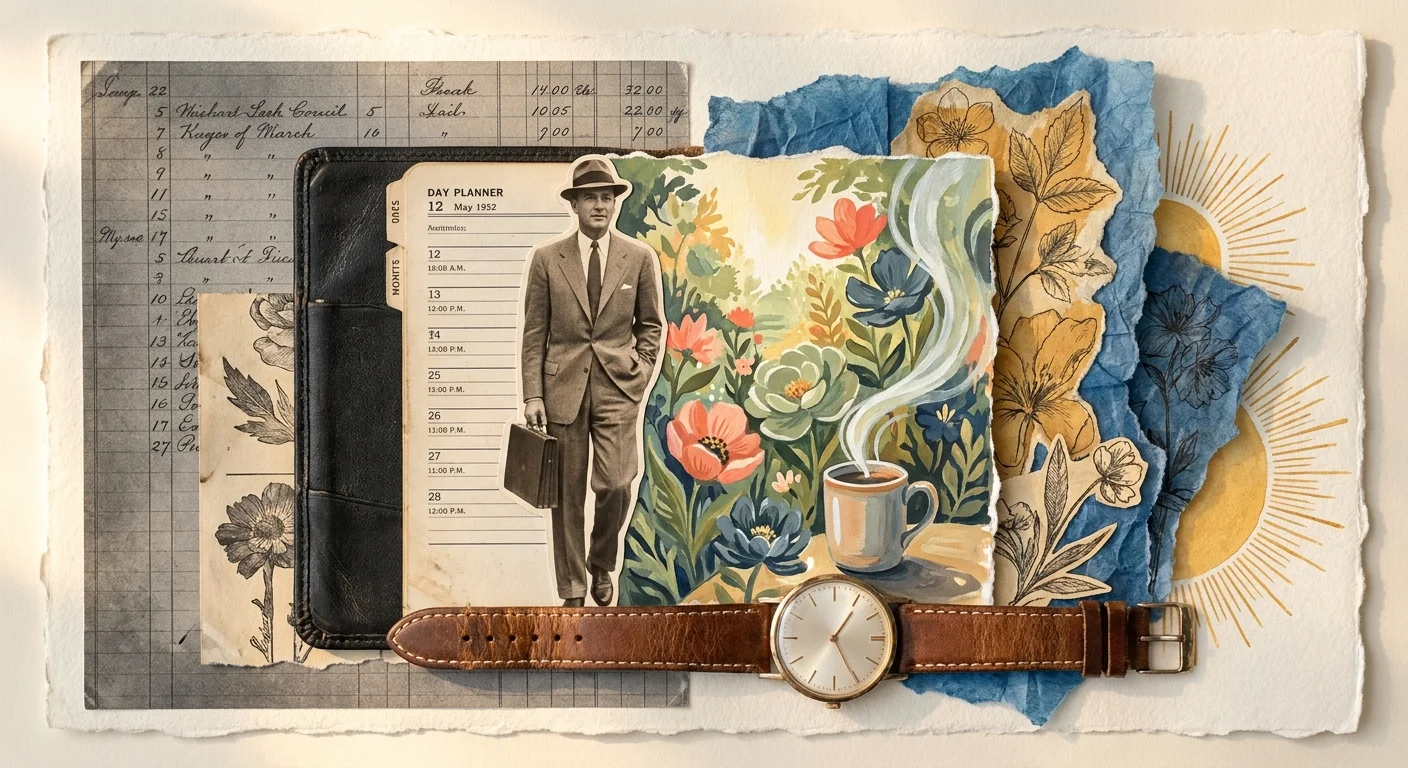
Stepping away from your career opens the door to boundless freedom and the opportunity to design a life on your own terms. However, many newly minted retirees realize that leaving the workforce creates unexpected voids in their daily routines. You might find yourself longing for the subtle benefits your job provided—such as the comforting rhythm of a set schedule, the spontaneous banter by the coffee machine, or the deep satisfaction of solving complex problems. Acknowledging these feelings of nostalgia is completely normal and serves as the perfect catalyst for intentional life changes. By identifying exactly what you miss about your working years, you can proactively weave those missing elements into a highly fulfilling and vibrant retirement lifestyle.
Tip #1: Reclaim the Daily Structure You Unexpectedly Miss
When you first retire, tossing out your alarm clock feels like the ultimate luxury; however, that boundless freedom can quickly mutate into a profound sense of aimlessness. During your career, your employer provided an external scaffolding that dictated when you woke up, when you ate lunch, and when you went home. This predictability anchored your circadian rhythm and gave your days a definitive shape. Without it, weeks can blur together into an endless, monotonous stretch of time. Research from the Journal of Happiness Studies consistently demonstrates that retirees who maintain a structured routine report significantly higher levels of life satisfaction than those who simply take each day as it comes.
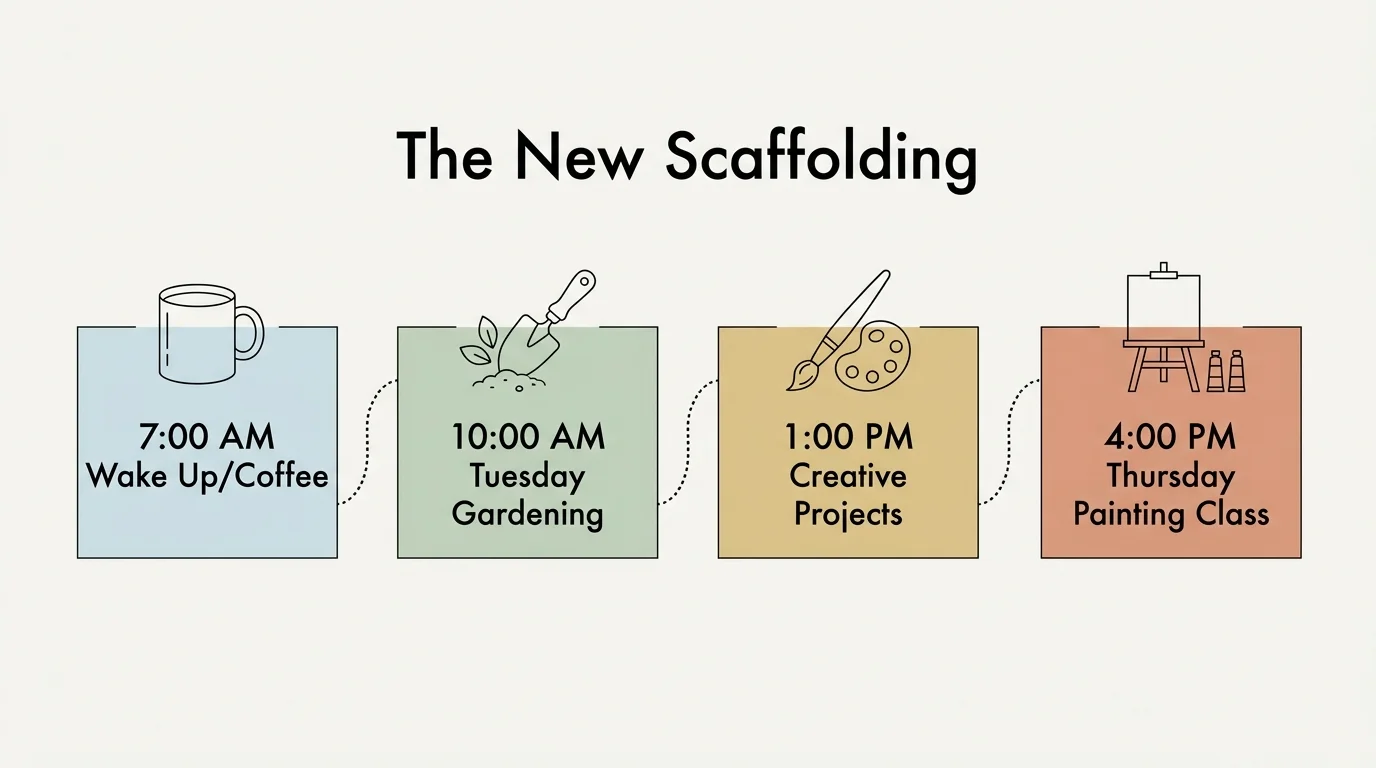
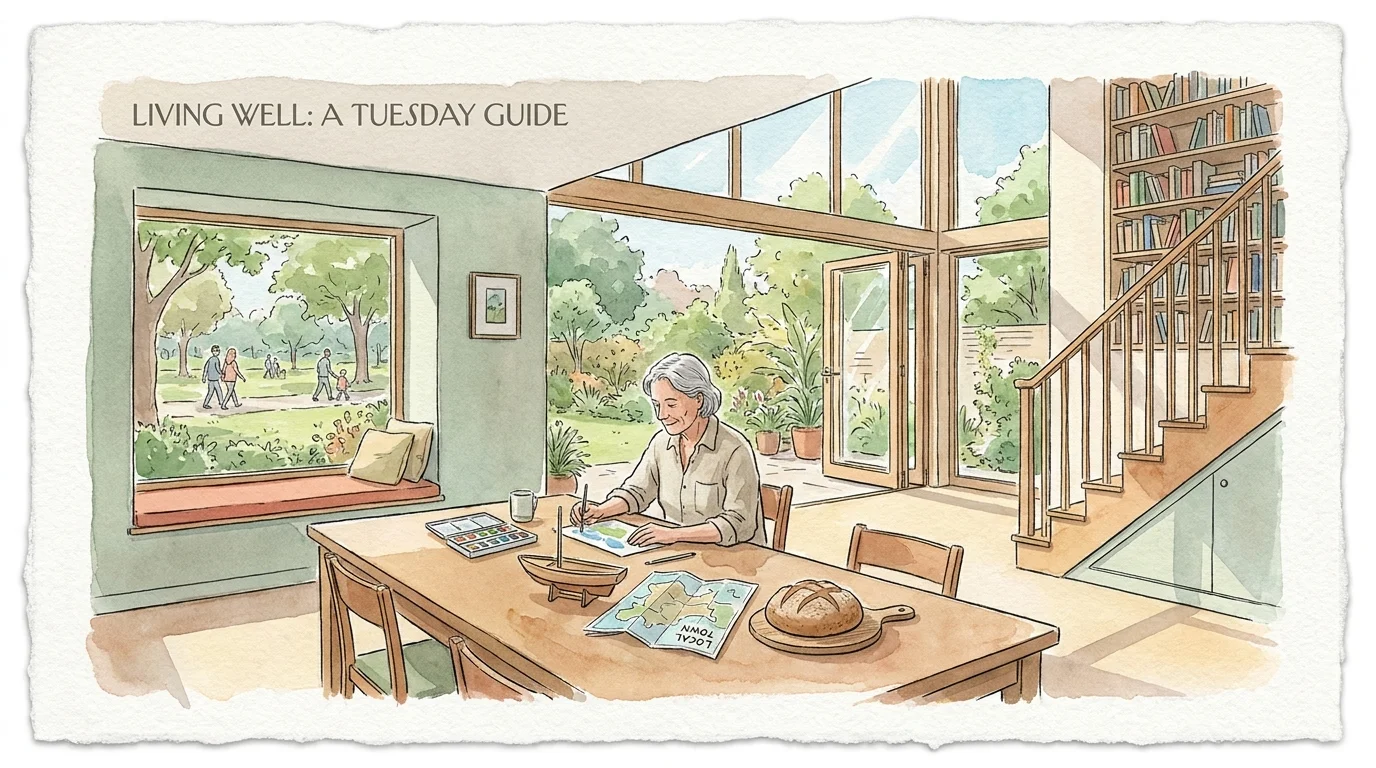
To replace this missing structure, you must become the architect of your own schedule. Start by establishing a consistent morning routine—perhaps waking up at the same hour, enjoying a quiet cup of coffee, and reading the news before taking a brisk walk. Use timeboxing to divide your day into distinct blocks dedicated to specific activities, such as home projects, socialization, exercise, and pure relaxation. Treat your personal commitments with the exact same level of respect you once gave to corporate meetings. If you schedule a Tuesday morning gardening session or a Thursday afternoon painting class, show up on time and engage fully. Reclaiming this structured approach anchors your retirement lifestyle, ensuring that your newfound free time feels earned, intentional, and deeply rewarding.

Tip #2: Replace the Casual Social Interactions of the Workplace
Workplace friendships and casual acquaintances form a vibrant social web that you often take for granted until it disappears. As you reflect on fond work memories, you probably miss the spontaneous conversations in the breakroom, the shared laughter over a frustrating project, or the quick catch-ups in the parking lot. Sociologists refer to these casual acquaintances as “weak ties,” and studies confirm they play a massive role in maintaining our overall mental well-being and sense of belonging. The National Academies of Sciences, Engineering, and Medicine notes that nearly one-quarter of adults aged sixty-five and older experience social isolation, which can negatively impact both mental and physical health.
When you leave the office, you lose that built-in community, meaning you must actively foster new avenues for connection. You cannot rely on proximity to make friends anymore; you must seek out environments that naturally facilitate repeated, low-pressure interactions. Consider joining local hobby groups, book clubs, or fitness classes tailored for seniors, where you see the same faces every week. Become a regular at a neighborhood coffee shop, strike up conversations with the staff, and chat with fellow patrons. Volunteering provides an exceptional way to meet like-minded individuals who share your values and interests. By intentionally putting yourself in social environments on a regular schedule, you gradually weave a new social fabric that rivals the camaraderie of your former workplace, keeping nostalgia at bay and your calendar comfortably full.
Tip #3: Redefine the Professional Identity You Left Behind
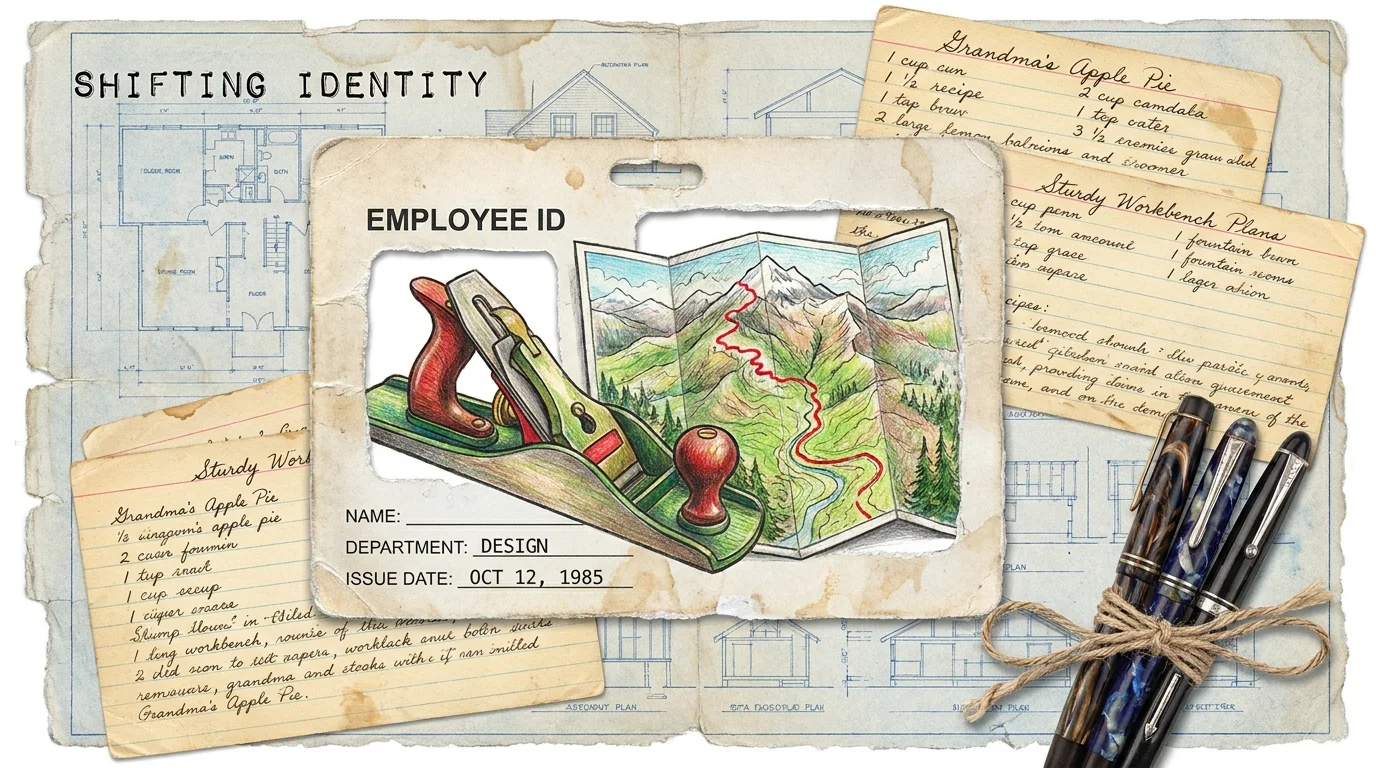
For decades, your career served as a fundamental pillar of your identity. When meeting someone new, you likely answered the question regarding what you do by stating your job title. Stepping away from that role can trigger an unexpected identity crisis. Many retirees mourn the loss of the status, expertise, and respect associated with their professional titles. Leaving behind a distinguished career can make you feel invisible or irrelevant, especially if you strongly associated your self-worth with your professional output and achievements.
Navigating this complex emotional transition requires you to redefine your core identity beyond your resume. Start by reflecting on the underlying skills and passions that made you successful in your career. If you thrived as a teacher, you possess a natural gift for mentoring and explaining complex concepts. If you worked as an accountant, you likely excel at organization, strategy, and detail-oriented planning. Channel these transferable traits into fresh endeavors. Create a new narrative for yourself that focuses on who you are today rather than what you used to do. When people ask what you do, answer with pride about your current passions, whether that involves being an avid gardener, a dedicated community volunteer, or an aspiring watercolor painter. Shifting your perspective allows you to embrace this life change as an opportunity for reinvention. You are not losing an identity; you are simply stepping into a much broader, more expansive version of yourself.
Tip #4: Seek Out the Mental Stimulation of Office Problem-Solving
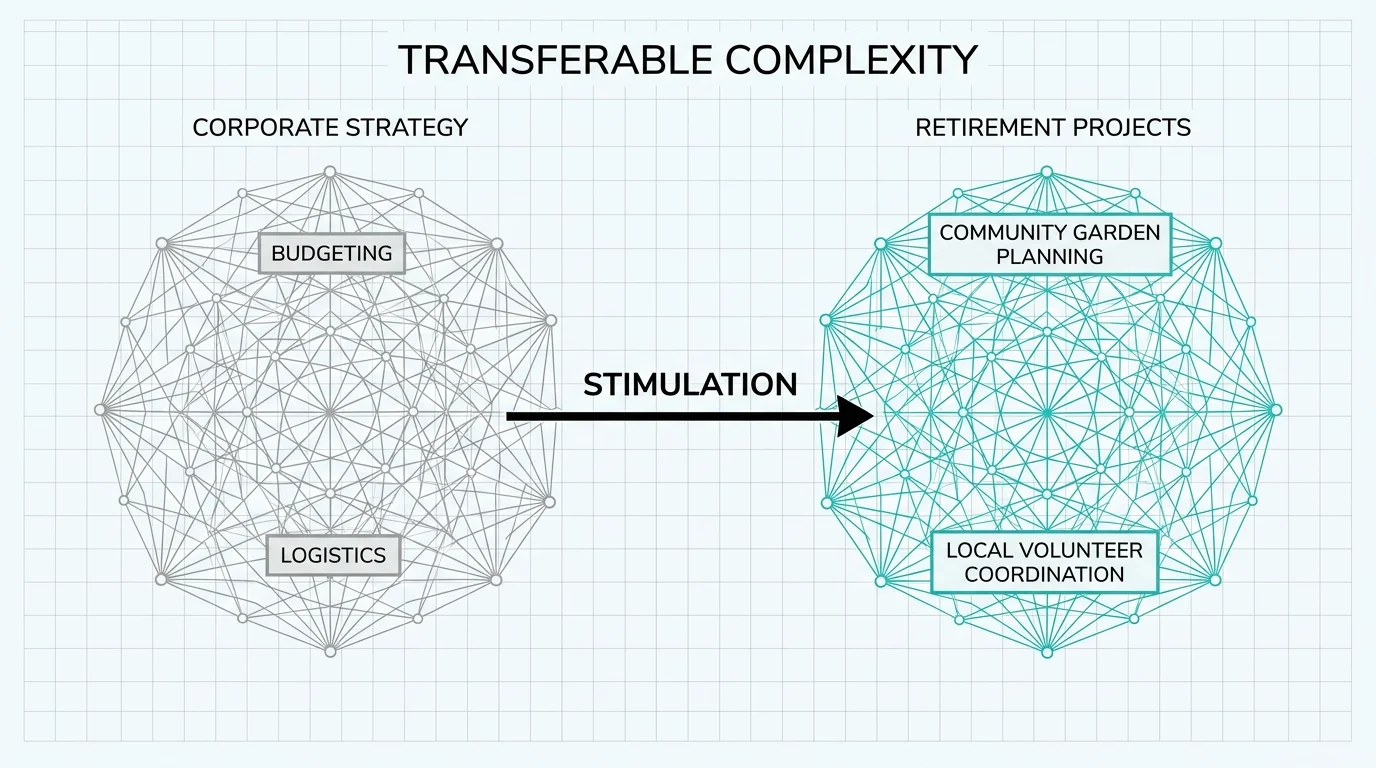
Work naturally forces your brain to confront challenges, adapt to new technologies, and resolve complex interpersonal conflicts. This constant cognitive friction keeps your mind sharp and agile. Once you retire, the daily demand for high-level problem-solving plummets. While living a low-stress life sounds deeply appealing, an under-stimulated brain can quickly lead to boredom and even accelerate cognitive decline. The Rush Memory and Aging Project emphasizes that engaging in cognitively demanding activities builds cognitive reserve, which directly protects your brain health as you age.
To capture the mental stimulation of your working years, you must actively seek out experiences that challenge you and push you slightly out of your comfort zone. Passive activities like watching television or scrolling through social media do not provide the necessary cognitive workout. Instead, treat learning as your new part-time job. Tackle a foreign language using an educational application on your smartphone, learn to play a musical instrument, or enroll in a continuing education course at your local community college. Engage in strategic games like chess, bridge, or complex modern board games that require foresight and adaptability. You might even consider doing fractional consulting work or mentoring young professionals in your former industry. By consistently introducing novel mental challenges into your routine, you satisfy your craving for intellectual engagement while keeping your mind robust and fiercely capable for years to come.

Tip #5: Recreate the Clear Boundary Between Work and Leisure Time
One of the most surprising things retirees miss is the sweet anticipation of Friday afternoon. During your career, the stark contrast between a demanding workweek and a relaxing weekend made your free time feel incredibly precious. You savored those pockets of leisure precisely because they were limited. In retirement, every day effectively becomes Saturday, which can ironically drain the specialness out of your downtime. When you lack obligations, the boundary between effort and relaxation completely dissolves, leaving you in a persistent state of mild lethargy.
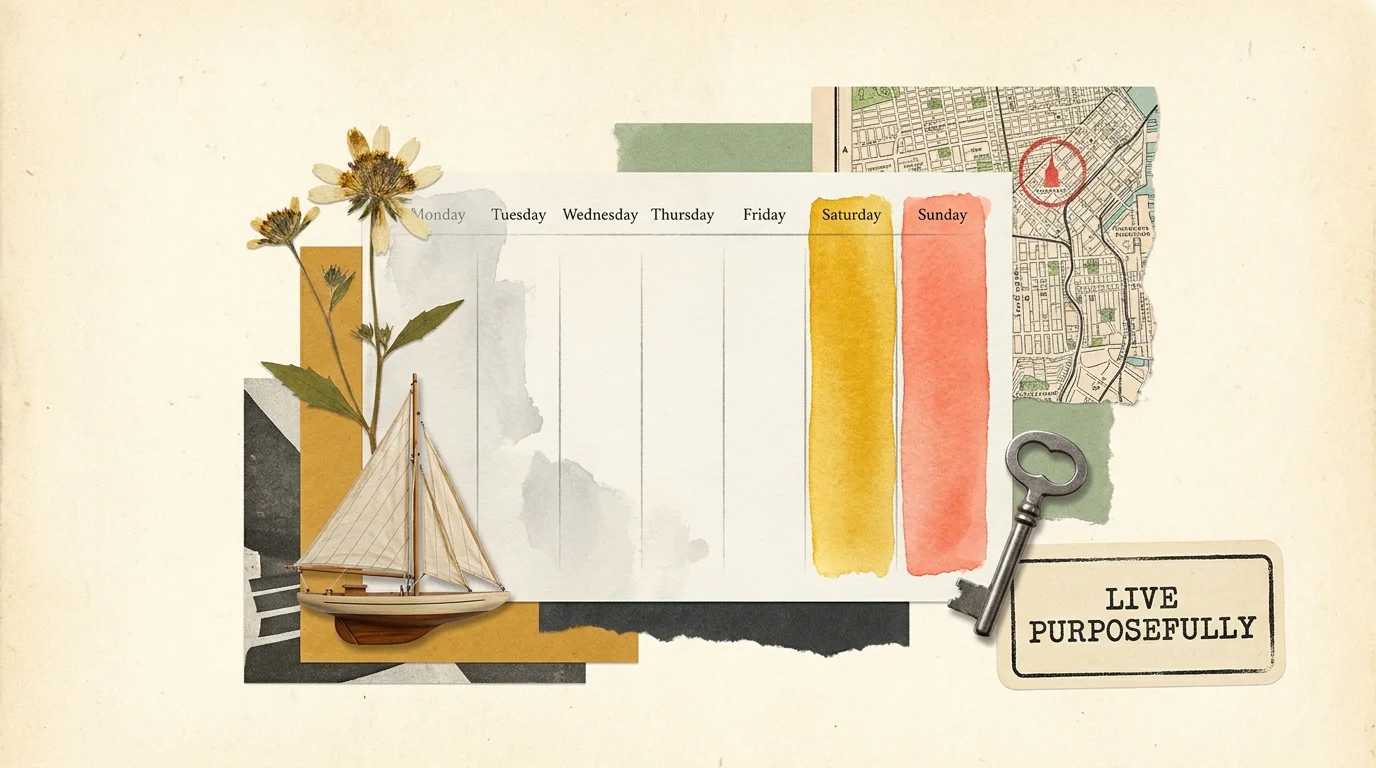
Recreating the contrast principle in your retirement lifestyle restores the joy of true relaxation. You need to manufacture constructive work so you can genuinely enjoy your leisure. Dedicate specific days of the week to tackling your most demanding tasks. For example, designate Mondays and Tuesdays as your active days for deep cleaning, financial planning, running errands, or performing heavy yard work. Push yourself to accomplish meaningful, tangible goals during these focused periods. Then, clearly delineate your weekends—or whatever days you choose—as strictly off-limits for chores. When you sit down on Friday evening with a good book, you will experience that familiar, deeply satisfying wave of relief. Earning your relaxation through intentional effort ensures that your leisure time remains a vibrant and cherished part of your week.

Tip #6: Find New Avenues for Collaborative Teamwork and Shared Goals
Humans are naturally tribal creatures, and the modern workplace often serves as our primary tribe. Working diligently alongside a team to hit a quarterly target, launch a new product, or organize a successful event generates a powerful sense of shared purpose. Retirees frequently miss the unique bonding that occurs when a group of people pools their talents to accomplish something larger than themselves. Individual hobbies—while deeply fulfilling—often lack the collaborative energy and collective triumph that a functioning team provides.
You can actively replace this missing dynamic by seeking out collaborative environments in your community. Local non-profit organizations desperately need the exact teamwork and leadership skills you honed during your career. Join the board of a local charity, involve yourself in a neighborhood watch program, or spearhead a community garden project. If you enjoy politics or local governance, volunteer for a town committee or assist with a local election campaign. Engaging in amateur theater, joining a choral group, or playing in a recreational sports league also provides the perfect blend of teamwork, shared objectives, and mutual support. When you commit your time to group endeavors, you reignite that motivating spark of shared purpose. You will quickly discover that working together toward a common goal feels just as exhilarating in retirement as it did in the boardroom.

Tip #7: Substitute the Built-In Physical Movement of Your Commute
Even if you worked a sedentary desk job, your working years naturally incorporated a surprising amount of physical activity into your day. You walked from the parking lot to your office, paced around during phone calls, climbed stairs to attend meetings, and moved physically from one environment to another. Health experts refer to this daily movement as Non-Exercise Activity Thermogenesis, and it burns a significant number of calories while keeping your joints lubricated. Upon retiring, your world physically shrinks. You can easily navigate an entire day within the confines of your home, inadvertently allowing your daily step count to plummet.
Combatting this sudden drop in physical activity requires you to consciously build movement back into your daily routine. Since you no longer have a mandated commute, create a fake one. Step outside every morning for a brisk twenty-minute walk around your neighborhood before you settle in for breakfast, and repeat the process in the early evening to signal the end of your active day. Embrace the physical chores you used to outsource; spend an hour working in the garden, mow your own lawn, or thoroughly clean a room in your house each day. Invest in a pedometer or a wearable fitness tracker to monitor your incidental movement and hold yourself accountable. By artificially replacing the built-in movement of your working years, you preserve your physical mobility, boost your energy levels, and enhance your overall well-being.

The Takeaway: Living a More Blissful Retirement
Transitioning into your golden years represents an incredible achievement, yet it requires a thoughtful psychological adjustment. It is entirely natural to look back on your working years with a sense of nostalgia. You dedicated a massive portion of your life to your career, and missing the structure, social connection, and mental rigor of that environment simply means you were engaged and committed. The secret to a deeply satisfying retirement lifestyle lies in recognizing these specific voids and proactively filling them with new, life-affirming activities.
You possess complete control over your schedule, your goals, and your social circle. By intentionally designing your days to include meaningful challenges, collaborative teamwork, and regular physical movement, you capture the very best elements of your working years while leaving the stress and office politics behind. Embrace this new chapter not as an ending, but as an expansive canvas waiting for your unique vision. Your retirement is a precious resource; structure it wisely, live it fully, and savor every single moment.
Frequently Asked Questions
Is it normal to feel depressed immediately after retiring?
Yes, experiencing a dip in your mood is incredibly common. The sudden loss of routine, purpose, and daily social interaction can easily trigger feelings of mild depression or anxiety. Psychologists often refer to this as retirement shock. Acknowledging these feelings rather than suppressing them represents the first critical step toward adjusting. If these feelings persist or severely impact your daily life, consider speaking with a mental health professional who specializes in major life transitions.
How long does it typically take to adjust to retirement?
The adjustment period varies wildly from person to person. While some individuals settle into their new lifestyle within a few weeks, others may take up to a year or more to find their footing. Generally, the transition happens in phases: the initial honeymoon phase, a period of disenchantment or boredom, and finally, a phase of reorientation where you build a sustainable, fulfilling routine. Patience and deliberate planning will significantly accelerate your journey toward contentment.
Can part-time work help ease the transition into full retirement?
Absolutely. Many retirees embrace a phased retirement by transitioning into part-time work, consulting, or freelance projects before stopping entirely. This approach provides a gentle stepping stone, allowing you to maintain a steady stream of mental stimulation, social interaction, and income while gradually expanding your free time. It offers the perfect middle ground for individuals who want to step back from the grind without completely severing their ties to the professional world.
For a wide range of resources for older adults, visit AARP and the National Council on Aging (NCOA). Health information is available from the National Institute on Aging.
Disclaimer: This article is for informational and inspirational purposes only. It is not a substitute for professional medical, financial, or psychological advice. Please consult with a qualified expert for guidance tailored to your individual needs.






Leave a Reply