

Discovering new retirement hobbies directly boosts your cognitive health and daily happiness. You finally have the time to explore subjects you always wanted to master, transforming your lifestyle into an exciting journey of self improvement. Without the pressures of a busy career, learning becomes a purely joyful experience. Many seniors are stepping outside their comfort zones to acquire fascinating abilities that keep their minds sharp and their days vibrant. Whether you want to connect with different cultures, express your creativity, or simply challenge your brain, picking up a fresh skill provides immense personal satisfaction. Dive into these popular pursuits and find the perfect inspiration for your own vibrant golden years.
Tip #1: Conversational Languages
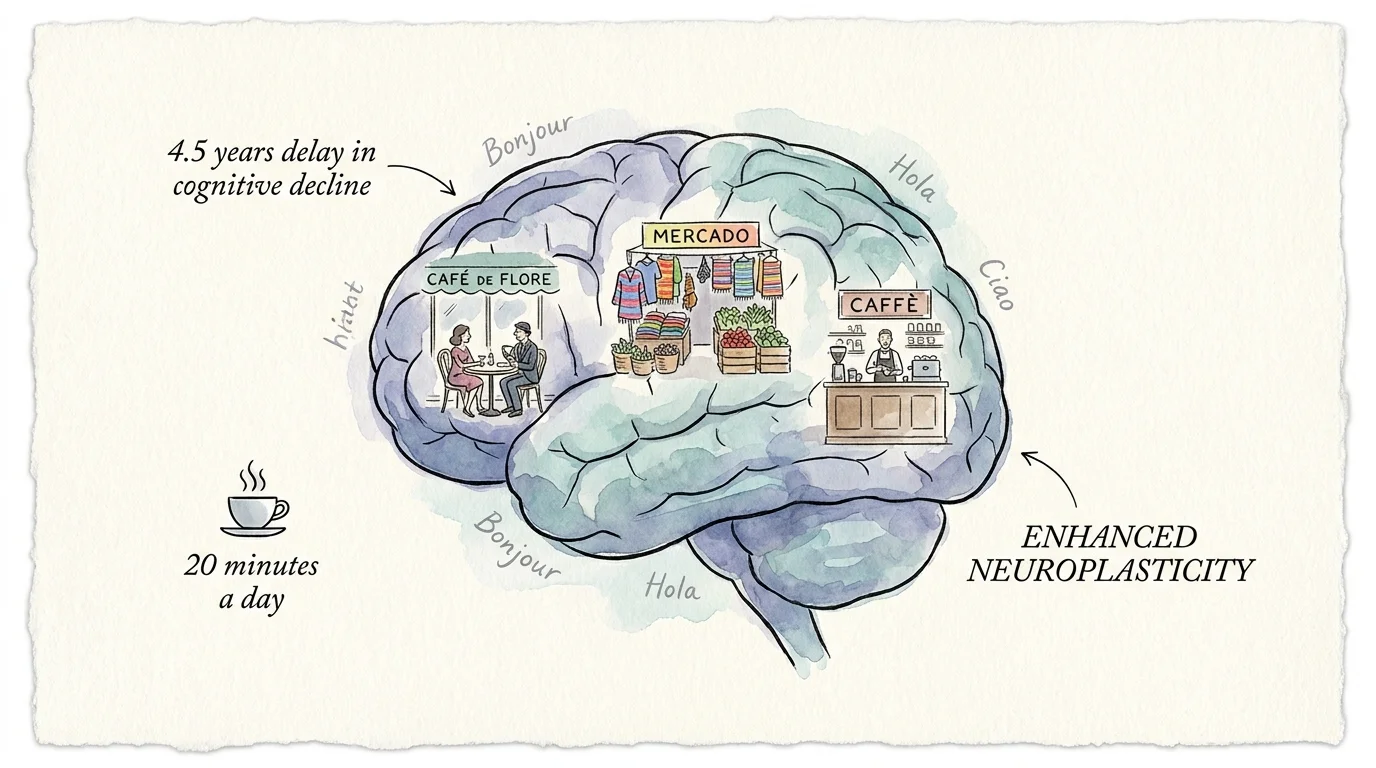
Mastering a new language completely transforms the way you travel and interact with the world. You no longer have to rely on translation guides or tour groups; instead, you can confidently order espresso in Rome or navigate the bustling markets of Mexico City. Learning a language late in life provides a thrilling challenge that shifts your daily routine from predictable to deeply engaging. You immerse yourself in foreign films, listen to international music, and uncover the rich cultural nuances that only native speakers usually grasp. Engaging with locals in their native tongue breaks down cultural barriers and creates authentic, memorable connections.
Beyond the thrill of travel, bilingualism acts as a powerful workout for your brain. Research from the American Academy of Neurology demonstrates that learning a second language delays the onset of cognitive decline by an average of four and a half years. When you study vocabulary and grammar, you physically alter your brain structure—building new neural pathways and strengthening your memory. You tackle complex conjugations and unfamiliar pronunciations, keeping your mind incredibly agile. This neurological resistance acts as an incredible defense mechanism for your aging brain.
Starting your linguistic journey requires minimal investment and offers maximum flexibility. You can download intuitive smartphone applications like Duolingo or Babbel for quick, gamified lessons during your morning coffee. If you prefer a structured environment, local community colleges often offer discounted conversational classes specifically designed for seniors. Seek out virtual conversation partners through platforms like Tandem, where you can chat with native speakers across the globe. Dedicate just twenty minutes a day to practice, and you will quickly notice your comprehension and confidence soaring.
Tip #2: Digital Photography and Photo Editing
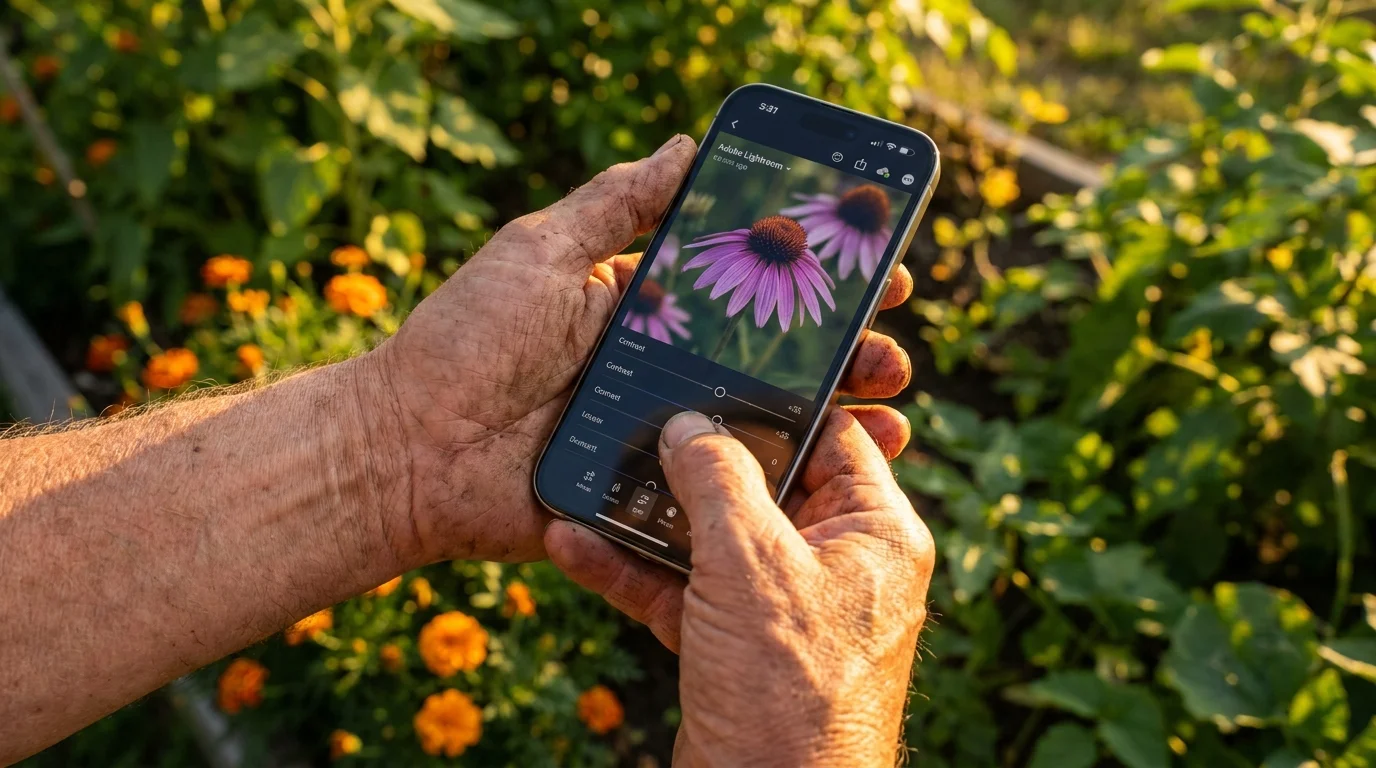
Capturing breathtaking moments no longer requires hauling around heavy, complicated camera equipment. You carry a remarkably sophisticated lens right in your pocket, and mastering your smartphone camera opens up a whole new world of creative expression. Retirement gives you the luxury of time to observe the world closely—to notice the way morning light filters through the trees or the joyful expressions on your grandchildren’s faces. By learning the fundamental principles of photography, you transform everyday scenes into striking visual art. You no longer view your daily walks as merely exercise; instead, they become scouting missions for the perfect lighting and composition.
Understanding the rule of thirds, leading lines, and proper exposure elevates your snapshots into professional-quality images. You learn to control focus, adjust lighting on the fly, and frame your subjects with an artistic eye. Furthermore, diving into photo editing applications like Adobe Lightroom or Snapseed adds an incredibly rewarding layer to this hobby. You can tweak contrast, enhance colors, and crop out distractions, giving you complete creative control over your final image. A study published in the Journal of Gerontology found that engaging in sustained, cognitively demanding hobbies like digital photography significantly enhances memory function in older adults.
Begin your photographic adventure by stepping outside and shooting your immediate surroundings. Practice taking ten distinct photos of a single object in your living room or garden, forcing yourself to experiment with various angles and lighting conditions. You can find thousands of free, step-by-step tutorials on YouTube tailored specifically to your exact phone model. Join local photography walks or online forums where you can share your work and receive constructive feedback. As you refine your eye, you build a beautiful digital archive of your golden years.

Tip #3: Gourmet Cooking and Artisanal Baking
Stepping into the kitchen without the pressure of a rushing family dinner changes the entire culinary experience. You can finally treat cooking as an art form rather than a daily chore. Exploring complex flavor profiles and mastering precise techniques brings an intense level of satisfaction to your daily routine. Whether you want to perfect a classic French beef bourguignon or craft the ultimate crusty sourdough loaf, the culinary arts provide endless opportunities for delicious self improvement. You take immense pride in placing a gorgeous, aromatic dish on the table, knowing you crafted it entirely from scratch.
Baking, in particular, requires a fascinating blend of science and patience. You learn how different hydration levels affect bread dough, how ambient temperature influences yeast fermentation, and how specific folding techniques create airy, open crumbs. These precise measurements and timed processes keep your mind sharp and highly focused. Additionally, culinary exploration naturally leads to better nutritional choices. When you understand how to balance spices and utilize fresh, seasonal produce, you effortlessly create healthier meals that support your long-term wellness.
Transform your kitchen into a learning laboratory by picking one specific cuisine or technique to master each month. You might dedicate October to classic Italian pasta making and November to authentic Thai curries. Invest in a high-quality chef’s knife and watch instructional videos to perfect your chopping, dicing, and julienning skills. Local culinary schools and community centers frequently host single-day workshops where you can learn directly from professional chefs. Invite your friends over to taste your creations, turning your new skill into a wonderful tool for social connection and community building.
Tip #4: Playing a Musical Instrument
Creating music offers one of the most profound ways to express your emotions and soothe your soul. Many retirees harbor a lifelong dream of playing the piano, strumming the guitar, or picking up the ukulele. You now possess the uninterrupted time necessary to build muscle memory and understand musical theory. The initial squeaks and missed notes quickly give way to recognizable melodies, providing a powerful sense of accomplishment that brightens your entire day. The vibration of the strings or the resonance of the keys provides a deeply tactile and rewarding sensation.
The cognitive benefits of playing an instrument are absolutely staggering. Reading sheet music while simultaneously moving your fingers requires complex, multisensory processing that heavily engages both hemispheres of your brain. According to research from the University of Geneva, older adults who practice music experience significant improvements in working memory, processing speed, and executive function. You essentially give your brain a rigorous, full-body workout while enjoying beautiful sounds. Furthermore, the rhythmic nature of music naturally lowers cortisol levels, significantly reducing your daily stress and anxiety. When you play, you enter a flow state that completely washes away external worries.
Start with an accessible instrument that fits your physical comfort level and living space. The ukulele represents a fantastic starting point; it features only four strings, uses gentle nylon tension, and costs very little upfront. If you prefer the piano, inexpensive digital keyboards offer realistic weighted keys and headphone jacks for quiet practice. You do not need to hire an expensive private tutor right away. Online platforms like Simply Piano or Fender Play provide interactive, self-paced lessons that guide you through the basics. Dedicate a short, consistent block of time each afternoon, and you will find yourself playing your favorite songs faster than you ever imagined.
Tip #5: Advanced Gardening and Horticulture
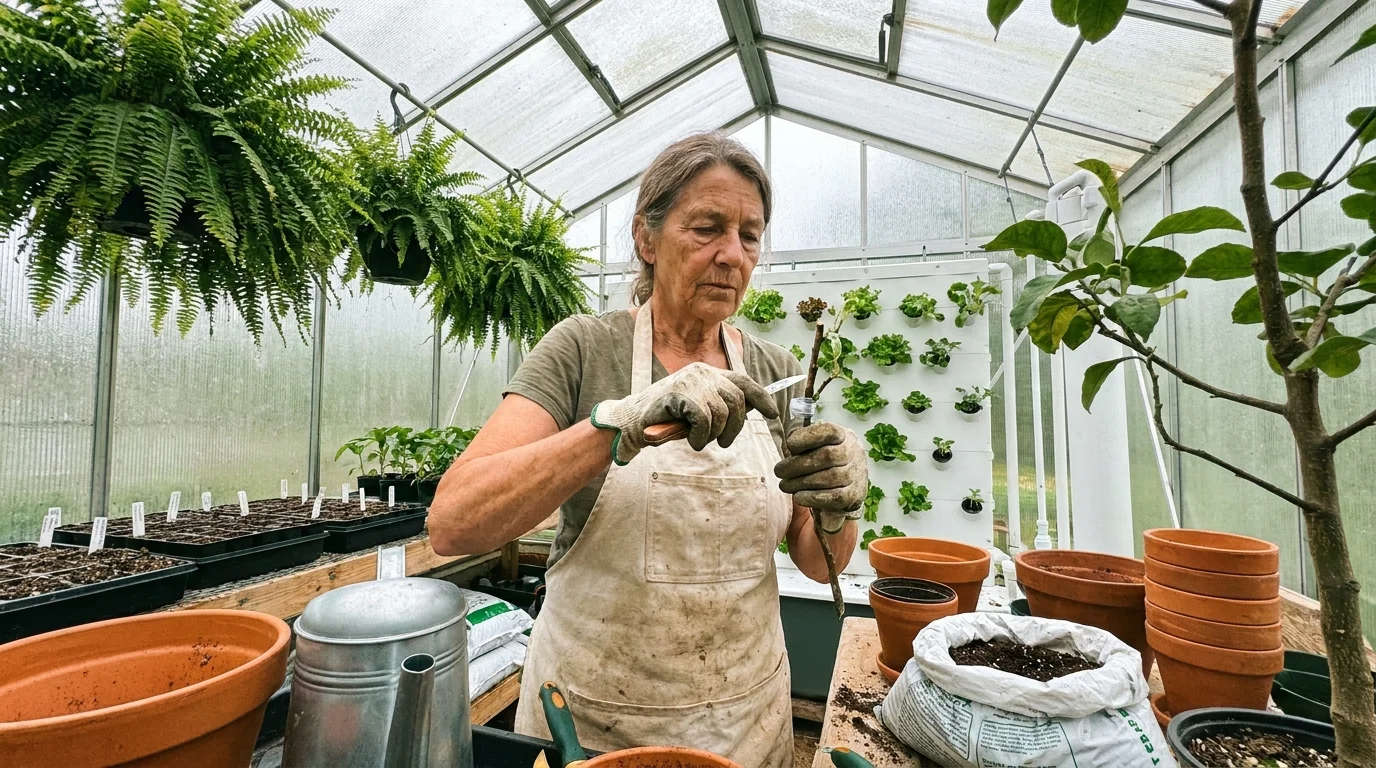
Cultivating a thriving garden connects you directly to the natural world and offers incredibly rewarding, tangible results. Moving beyond basic lawn care, many retirees are diving deeply into advanced horticulture—learning the intricate science of soil microbiomes, companion planting, and native species cultivation. You can transform a barren backyard or a sunny apartment balcony into a lush, biodiverse oasis that supports local pollinators and provides fresh organic produce. You cultivate a profound respect for the delicate balance of ecosystems right in your own outdoor space.
Advanced gardening requires continuous learning and careful observation. You learn to test soil pH, identify subtle signs of nutrient deficiencies, and implement sustainable pest control methods without relying on harsh chemicals. This deep engagement with nature delivers substantial physical and mental health benefits. The Centers for Disease Control and Prevention classifies gardening as moderate cardiovascular exercise; a vigorous hour of digging, planting, and weeding burns up to 300 calories while improving your flexibility and grip strength. Moreover, exposure to soil bacteria like Mycobacterium vaccae has been scientifically shown to trigger the release of serotonin in the brain, naturally elevating your mood.
Elevate your horticultural skills by enrolling in a local Master Gardener program, typically offered through your state’s university extension service. These rigorous courses teach you botany, entomology, and water conservation, instantly connecting you with a passionate community of fellow plant enthusiasts. If you lack outdoor space, focus on mastering indoor hydroponics or cultivating delicate bonsai trees. Start keeping a detailed garden journal to track your planting dates, weather patterns, and harvest yields. This meticulous record-keeping turns your hobby into a fascinating, ongoing scientific experiment.
Tip #6: Creative Writing and Memoir Crafting
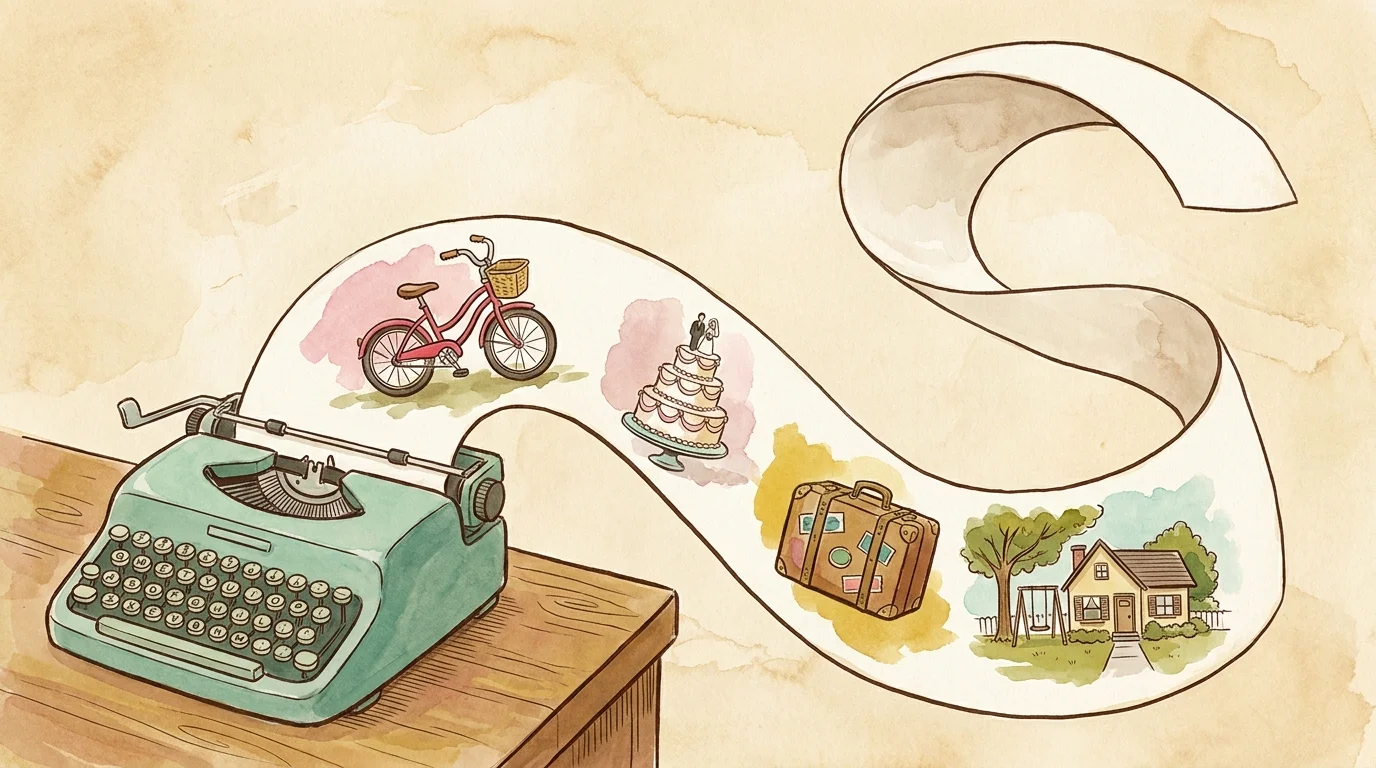
Everyone holds a unique, fascinating story, and retirement provides the perfect quiet space to finally put yours onto paper. Creative writing allows you to capture your most cherished memories, articulate your life lessons, and explore entirely new fictional worlds. You do not need to aim for a bestselling novel; the simple act of arranging words into compelling narratives offers immense therapeutic value. You preserve your personal legacy for your children and grandchildren, ensuring your voice echoes through future generations. Every life contains chapters of triumph, heartbreak, and resilience that deserve to be permanently recorded.
Crafting a compelling narrative requires you to learn the mechanics of good storytelling. You study character development, pacing, dialogue, and thematic structure. Translating abstract memories into vivid, descriptive scenes forces your brain to recall forgotten details, providing an excellent exercise in long-term memory retrieval. A study conducted by the University of Texas demonstrated that expressive writing significantly lowers blood pressure, improves immune system function, and reduces symptoms of depression. You process past experiences, make sense of complex emotions, and gain a profound sense of inner peace.
Overcome the intimidation of the blank page by starting incredibly small. Commit to writing just one paragraph a day in a dedicated notebook. Focus on specific sensory details from your past—the smell of your grandmother’s kitchen, the texture of your first car’s steering wheel, or the exact shade of the sky on your wedding day. You can find excellent guided autobiography courses online that provide structured writing prompts to spark your inspiration. Consider joining a local writers’ group at your library; sharing your work and receiving gentle critiques from peers drastically accelerates your learning curve while fostering deep friendships.
Tip #7: Genealogy and Archival Research
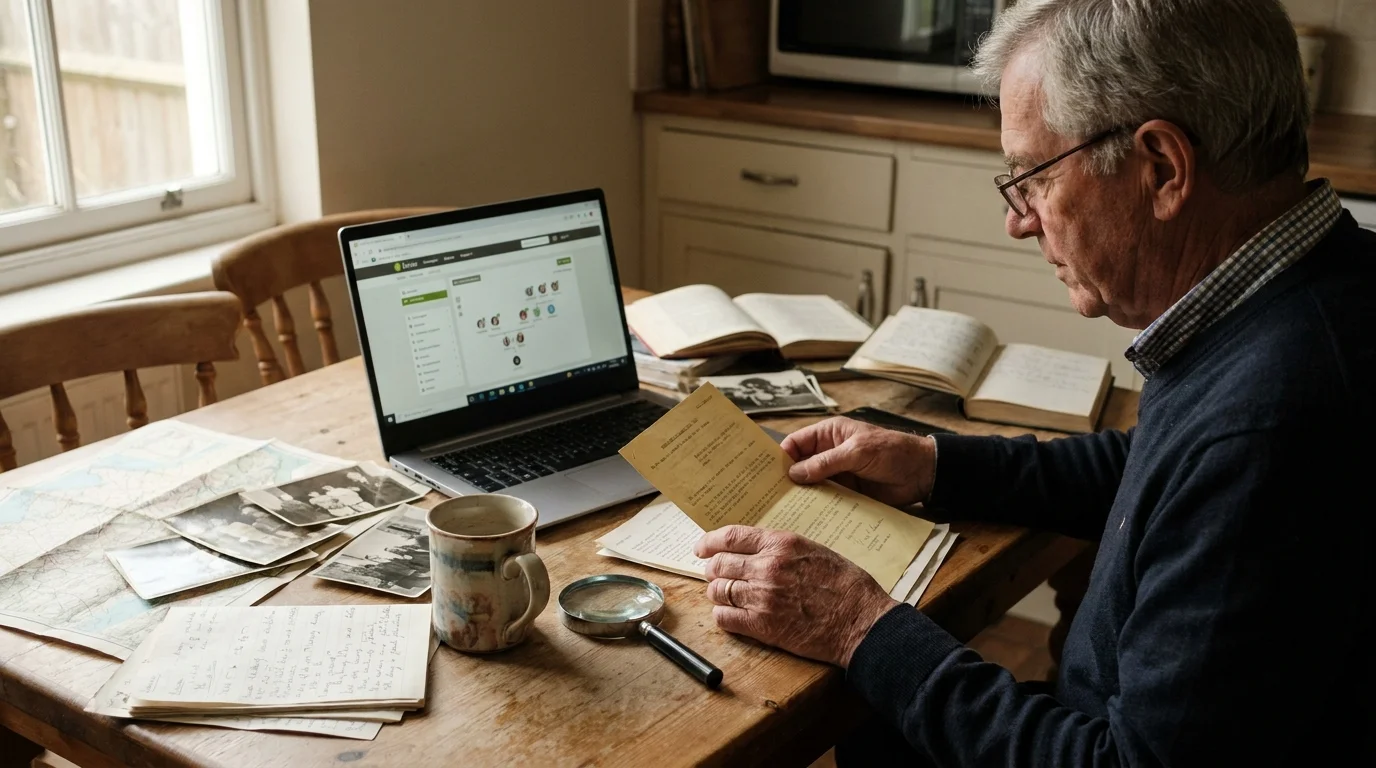
Uncovering your family’s hidden history feels exactly like solving a thrilling, real-life mystery. Genealogy has exploded in popularity as a retirement hobby, blending historical research, technological navigation, and genetic science. You dig past the names and dates to discover the incredible journeys, struggles, and triumphs of your ancestors. Tracing your lineage connects you to massive historical events, giving you a profound understanding of exactly how you arrived in the present moment. Each new document you uncover acts as a thrilling piece of a massive, centuries-old puzzle.
Mastering genealogical research involves developing a highly specific, analytical skill set. You learn how to navigate massive digital archives, interpret decipherable handwriting on nineteenth-century census forms, and cross-reference military draft cards with immigration ship manifests. You also dive into the fascinating world of DNA analysis, learning how to read centimorgans and predict relationships based on genetic overlap. This rigorous investigative work sharpens your critical thinking and logical deduction skills. You become an amateur historian, painstakingly piecing together scattered clues to form a cohesive, accurate family narrative.
Begin your ancestral investigation by interviewing your oldest living relatives. Record their stories and gather any existing family Bibles, old letters, or unlabeled photographs. Next, create a free account on a platform like FamilySearch to begin building your basic tree. As your skills advance, you can invest in comprehensive databases like Ancestry to access international records and historical newspaper archives. Take online webinars offered by genealogical societies to learn advanced research methodologies. As you compile your findings, you build a priceless, extensively researched family archive that your relatives will treasure forever.
The Takeaway: Living a More Blissful Retirement
Your retirement years represent a spectacular, wide-open chapter dedicated entirely to your personal joy and growth. By stepping away from the demands of the traditional workforce, you reclaim the power to direct your own curiosity. Learning new skills—whether you choose to master a foreign language, bake the perfect loaf of bread, or uncover your ancestral roots—keeps your mind sharp, your spirit young, and your days deeply fulfilling. You no longer learn for a grade or a promotion; you learn purely for the thrill of discovery. Embrace the inevitable mistakes that come with being a beginner again. Celebrate your small victories, stay consistent with your practice, and allow your chosen hobbies to connect you with passionate new communities. Your golden years offer the perfect canvas to reinvent yourself, explore uncharted territories, and cultivate a truly vibrant, blissful lifestyle.
Frequently Asked Questions
Am I too old to learn a complex new skill?
Absolutely not. While learning might feel slightly different than it did in your twenties, your brain retains lifelong neuroplasticity—the ability to form new neural connections. In fact, older adults often possess superior focus, patience, and time management skills, making the learning process highly efficient and deeply rewarding.
How do I choose the right hobby to pursue?
Start by reflecting on your childhood interests or the activities you consistently daydreamed about during your working years. Consider your current physical mobility, budget, and whether you prefer solitary activities or social engagement. Do not hesitate to try several different hobbies for a few weeks each until you find the one that genuinely sparks your excitement.
What if I lose motivation after starting a new pursuit?
Fluctuating motivation is a completely normal part of any learning journey. To stay engaged, break your overarching goal into very small, easily achievable milestones. Celebrate these micro-wins to build momentum. Additionally, joining a club, class, or online community creates gentle accountability and surrounds you with enthusiastic peers who will encourage you during frustrating moments.
Can learning new skills genuinely improve my physical health?
Yes, significantly. Hobbies like gardening demand moderate cardiovascular exertion, improving your strength and flexibility. Furthermore, cognitively demanding tasks reduce stress hormones like cortisol, which lowers your blood pressure and strengthens your immune system. Engaging deeply in a fun activity creates a holistic boost to both your mental and physical well-being.
For a wide range of resources for older adults, visit AARP and the National Council on Aging (NCOA). Health information is available from the National Institute on Aging.
Disclaimer: This article is for informational and inspirational purposes only. It is not a substitute for professional medical, financial, or psychological advice. Please consult with a qualified expert for guidance tailored to your individual needs.



Leave a Reply