

Your golden years offer a beautiful opportunity to design a life centered entirely around your joy, comfort, and well-being. Finding true retirement happiness requires intentionally cultivating routines that nourish your mind and body. While stepping away from a lifelong career brings freedom, it can also disrupt the structure that once kept you grounded. By embracing simple, purposeful daily habits, you build a foundation for a peaceful life. You do not need to overhaul your entire existence to find tranquility; you only need small adjustments that yield significant emotional returns. These seven practices will seamlessly integrate into your schedule, elevate your senior wellness, and help you craft a fulfilling retirement lifestyle that feels genuinely rewarding every single day.
Tip #1: Embrace a Mindful Morning Routine
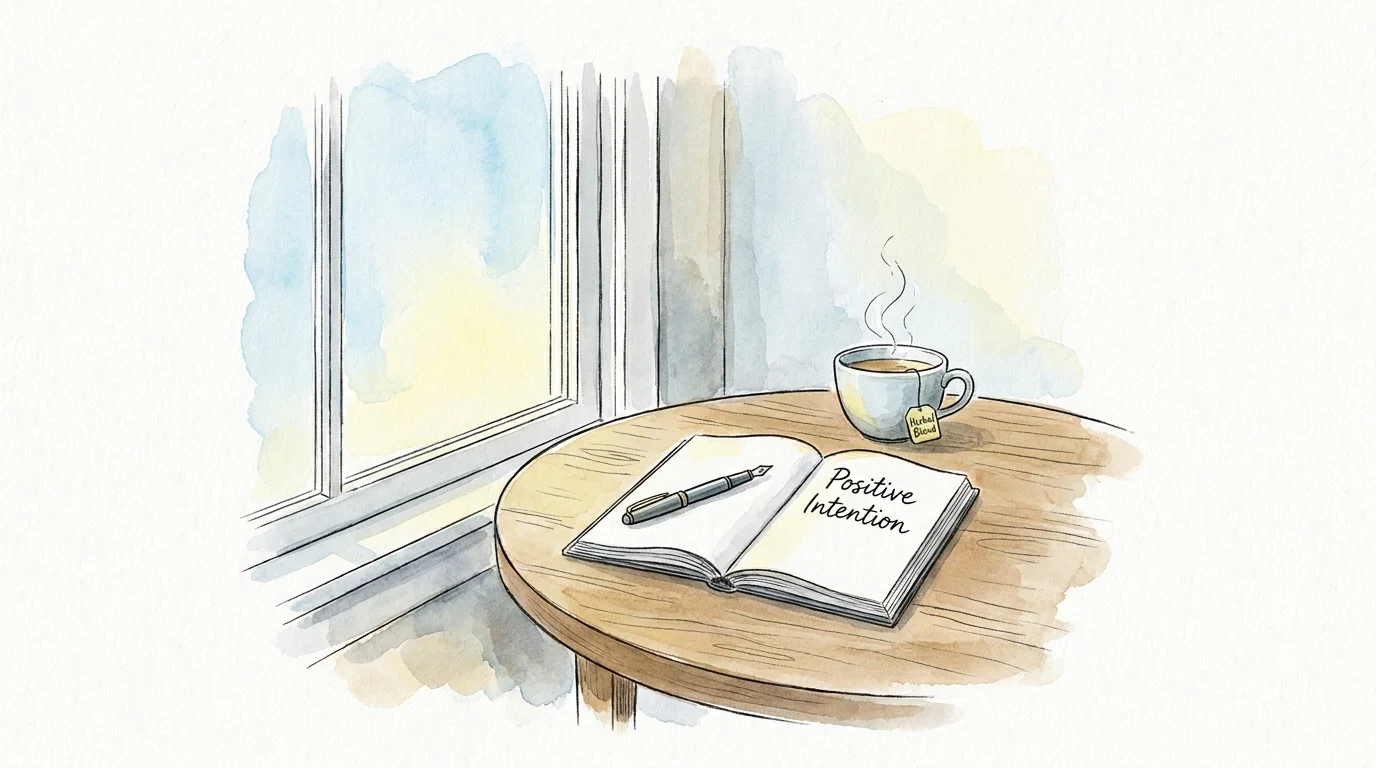
How you start your morning sets the emotional trajectory for your entire day. During your working years, mornings likely involved rushing through traffic, gulping down coffee, and racing against the clock. Retirement offers the luxury of reclaiming this time to establish a calm, grounding start. A mindful morning routine significantly reduces stress and helps you step into the day with a clear, positive intention.
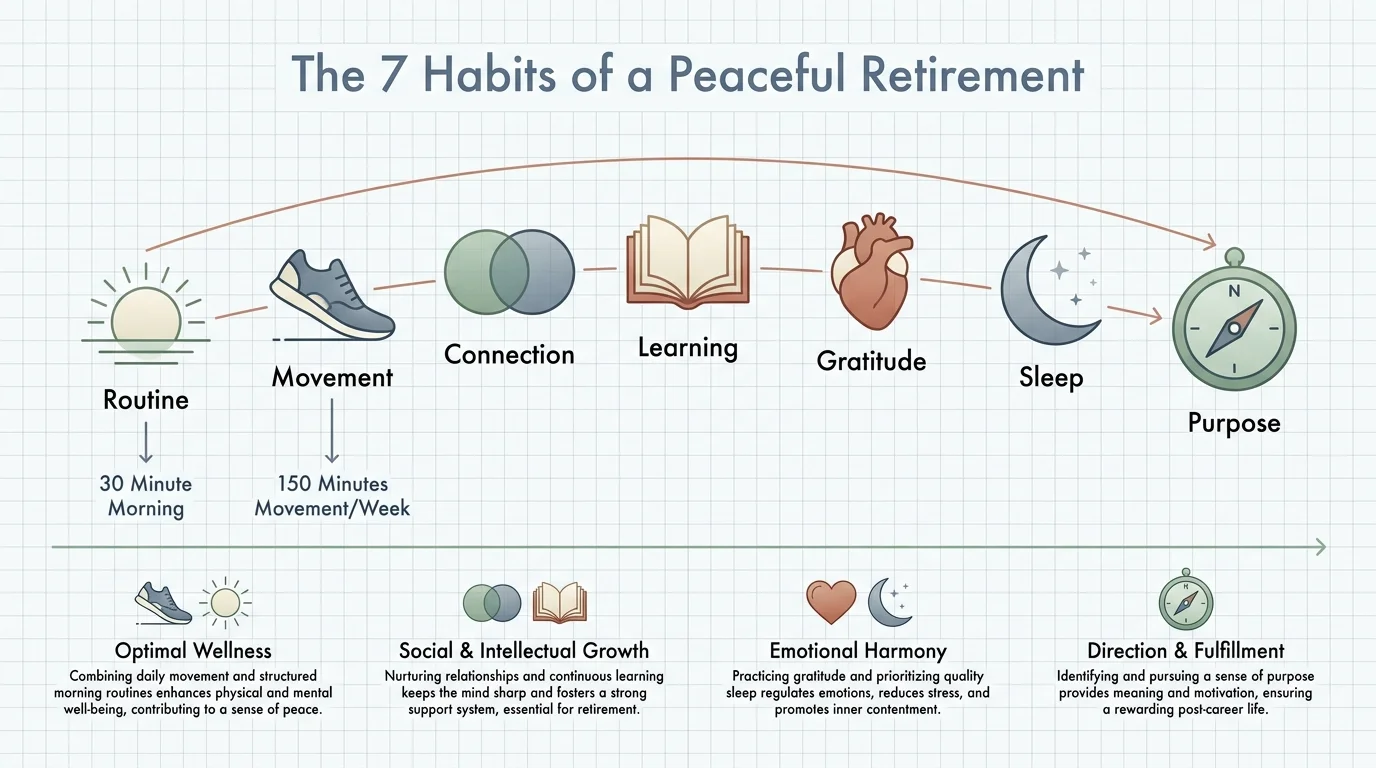
Begin by waking up at roughly the same time each day; consistency regulates your body’s internal clock and improves your overall daytime energy levels. Instead of immediately turning on the morning news or scrolling through a smartphone, dedicate the first thirty minutes of your day to peaceful activities. You might sit by a window with a cup of herbal tea, listen to the ambient sounds of nature, or practice deep breathing exercises. Actionable insight: spend ten minutes writing in a journal to clear your mind and set a positive intention for the hours ahead. If the weather permits, step outside to expose yourself to natural morning sunlight, which naturally signals your brain to remain alert.
According to research from the American Psychological Association, establishing predictable routines reduces anxiety because it practically eliminates decision fatigue. You no longer need to worry about what comes next. Whether your morning involves gentle stretching, reading a chapter of an uplifting novel, or simply enjoying the absolute silence of your home, this habit builds a sturdy foundation for retirement happiness. By consciously protecting your mornings, you create a buffer against the unpredictability of life, ensuring your daily foundation remains deeply rooted in tranquility.
Tip #2: Prioritize Daily Physical Movement
Physical activity acts as a cornerstone for both senior wellness and long-term emotional stability. When you move your body, your brain releases endorphins—powerful natural chemicals that elevate your mood and naturally relieve minor aches and pains. You do not need to run marathons or lift heavy weights to experience these profound benefits; consistent, moderate movement provides everything your heart, joints, and mental health require to thrive.
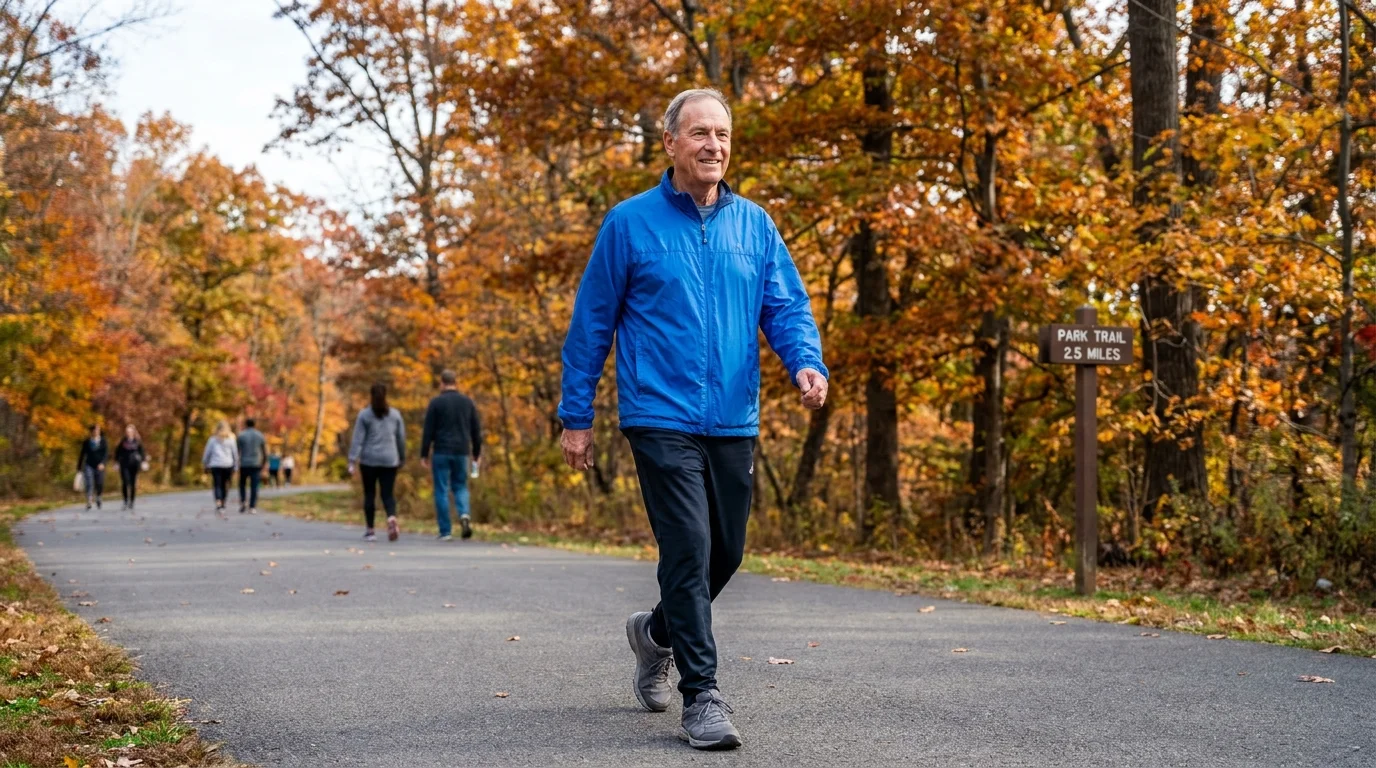
The Centers for Disease Control and Prevention recommends that older adults aim for one hundred and fifty minutes of moderate-intensity aerobic activity per week, alongside two days of muscle-strengthening activities. Break this ambitious target down into manageable daily increments. A brisk thirty-minute walk through your neighborhood or local park five days a week easily meets this goal. Walking outside also exposes you to fresh air and sunlight, which naturally boosts your vitamin D levels and further enhances your mood.
Find a physical activity that brings you genuine joy rather than treating exercise as an obligatory chore. Join a local water aerobics class, try tai chi for improved balance and flexibility, or spend an hour cultivating a backyard garden. If you experience joint stiffness, swimming provides an excellent low-impact alternative that builds full-body strength without straining your knees or hips. Make movement a non-negotiable part of your daily schedule. By keeping your physical vessel strong and agile, you preserve your independence, allowing you to enjoy a vibrant and peaceful life without physical limitations holding you back.
Tip #3: Cultivate Strong Social Connections
Stepping away from the workplace often severs the built-in social network you relied on for decades. Without daily interactions with colleagues and clients, isolation can slowly and quietly creep into your retirement lifestyle. Humans are inherently social creatures, and maintaining strong, active relationships remains absolutely vital for preserving your cognitive health and emotional well-being as you age.
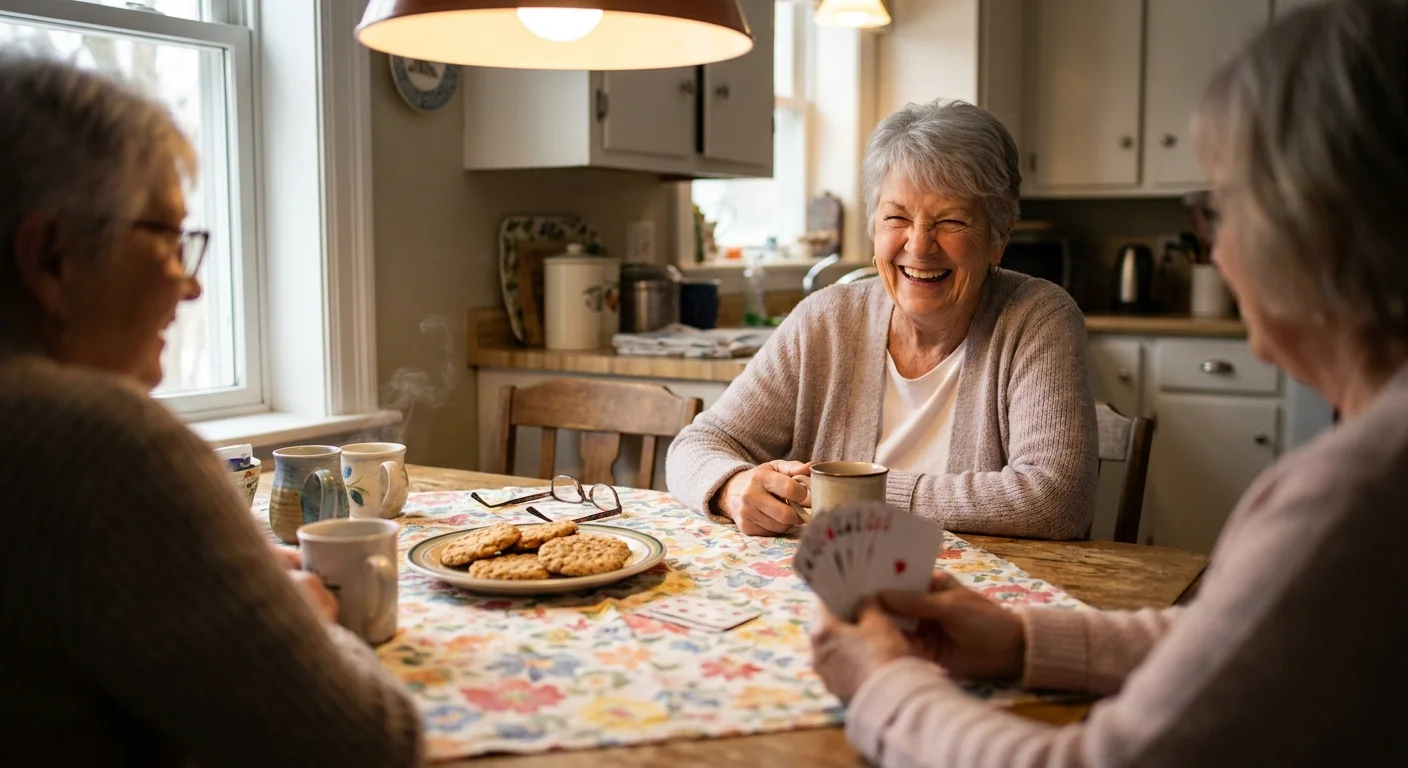
Extensive public health data consistently highlights the hidden dangers of loneliness. The United States Surgeon General recently declared social isolation a public health crisis, noting that prolonged loneliness carries physiological health risks comparable to smoking up to fifteen cigarettes a day. To combat this effectively, you must proactively nurture your relationships. Schedule regular phone calls with family members, invite a neighbor over for a midday coffee, or organize a weekly lunch date with old friends to ensure your social calendar remains active.
If you want to expand your social circle, seek out community groups that align perfectly with your personal interests. Local public libraries often host engaging book clubs, while community recreation centers provide accessible art classes and organized group outings. While in-person interactions offer the deepest emotional benefits, modern technology provides a wonderful supplementary tool for staying in touch. Use video calls to bridge the physical distance between you and grandchildren living across the country. Prioritizing human connection ensures your days remain filled with laughter, shared experiences, and a robust support system that sustains your retirement happiness.

Tip #4: Engage in Lifelong Learning
A peaceful mind is an active, endlessly engaged mind. Retiring from your professional career does not mean retiring from personal growth and discovery. Challenging your brain with new information builds valuable cognitive reserves, enhances your memory, and provides a deeply satisfying sense of personal accomplishment. Lifelong learning prevents your days from blurring together and keeps your intellect razor-sharp.
Research published by Rush University Medical Center demonstrates that mentally stimulating activities significantly delay the onset of cognitive decline in older adults. Engaging in complex, unfamiliar tasks promotes neuroplasticity—the brain’s remarkable ability to form new neural connections at any age. Make it a daily habit to stretch your cognitive abilities in fun and rewarding ways. This might involve completing a daily crossword puzzle, playing strategic games like chess or Sudoku, or reading dense non-fiction books on subjects you currently know very little about.
Take full advantage of the immense educational resources currently available to you. Many local universities offer free or heavily discounted auditing programs specifically designed for seniors. You can also learn a new conversational language using free smartphone applications, watch online video tutorials to master watercolor painting, or finally learn how to play that acoustic guitar gathering dust in your attic. Dedicating just forty-five minutes a day to acquiring new knowledge infuses your retirement lifestyle with tangible excitement. When you remain curious about the world, you continually discover new passions that make your golden years vibrant and endlessly fascinating.
Tip #5: Practice Gratitude and Positive Reflection
It is incredibly easy to focus on the occasional aches, minor pains, or daily frustrations that sometimes accompany the aging process. However, consciously shifting your mental perspective toward abundance dramatically alters your emotional landscape. Practicing daily gratitude actively trains your brain to notice the good, transforming ordinary moments into sources of profound joy and fostering a truly peaceful life.
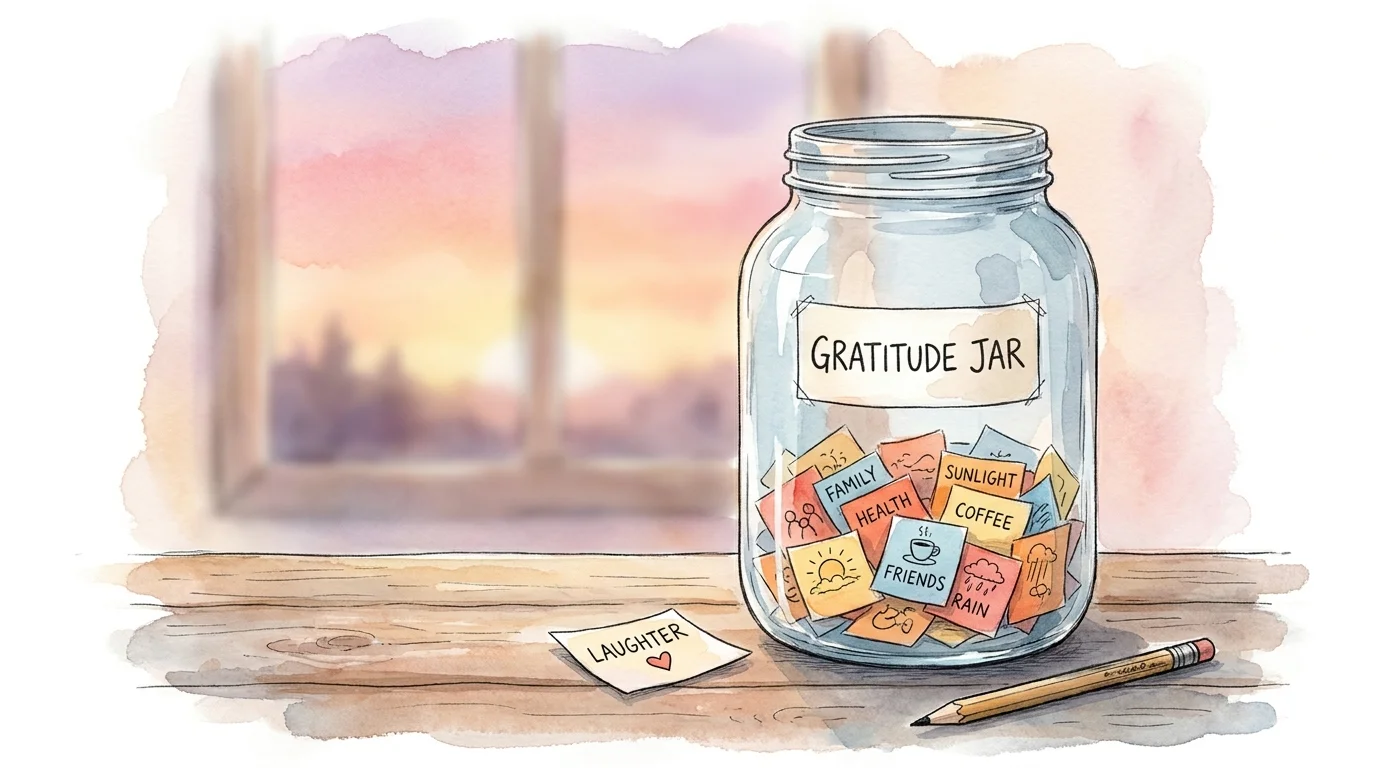
Extensive studies conducted by leading psychology researchers, including Dr. Robert Emmons at the University of California, Davis, reveal that people who regularly practice gratitude report fewer physical ailments, sleep better, and experience noticeably higher levels of positive emotions. Implement this transformative habit by keeping a small, dedicated notebook on your nightstand. Every evening before you go to sleep, write down three specific things you felt grateful for that day. They do not need to be monumental events; you might appreciate a perfectly brewed cup of tea, a warm conversation with a friendly cashier, or a beautiful neighborhood sunset.
When you inevitably encounter a frustrating situation, try to immediately reframe it. Instead of complaining about a rainy afternoon that abruptly canceled your outdoor walking plans, view it as a cozy, unexpected opportunity to finally finish reading a good book. This mental pivot significantly reduces bitterness and cultivates deep emotional resilience. Over time, this simple daily reflection permanently rewires your brain to default to optimism. You will naturally start scanning your environment for positive experiences, ensuring that your retirement happiness remains remarkably resilient regardless of external circumstances.

Tip #6: Maintain a Consistent Sleep Schedule
High-quality sleep serves as the ultimate restorative tool for both your physical body and your aging brain. Many people mistakenly assume that needing less sleep is just a natural, unavoidable part of getting older, but this is a dangerous misconception. Poor sleep actively exacerbates memory issues, weakens your immune system, and directly contributes to elevated anxiety and depression. Prioritizing profound rest is absolutely non-negotiable for maintaining senior wellness.
The National Sleep Foundation strictly advises that adults over the age of sixty-five still require seven to eight hours of uninterrupted, quality sleep each night. To achieve this crucial benchmark, you must practice excellent sleep hygiene. Go to bed and wake up at the exact same time every day, including on weekends. This rigid routine stabilizes your body’s circadian rhythm, making it substantially easier to fall asleep and stay asleep. Avoid consuming caffeine after the early afternoon, and purposefully limit your liquid intake in the evening to reduce disruptive nighttime trips to the bathroom.
Create a calming, intentional pre-sleep ritual to explicitly signal to your brain that the day has concluded. Turn off bright overhead lights and television screens at least an entire hour before getting into bed. The blue light emitted by electronic devices suppresses natural melatonin production, making it incredibly difficult to wind down. Instead, listen to soft instrumental music, take a warm bath, or read a few pages of a relaxing book. By fiercely protecting your sleep schedule, you wake up refreshed, highly energized, and emotionally equipped to handle whatever the new day brings.
Tip #7: Establish Meaningful Purpose
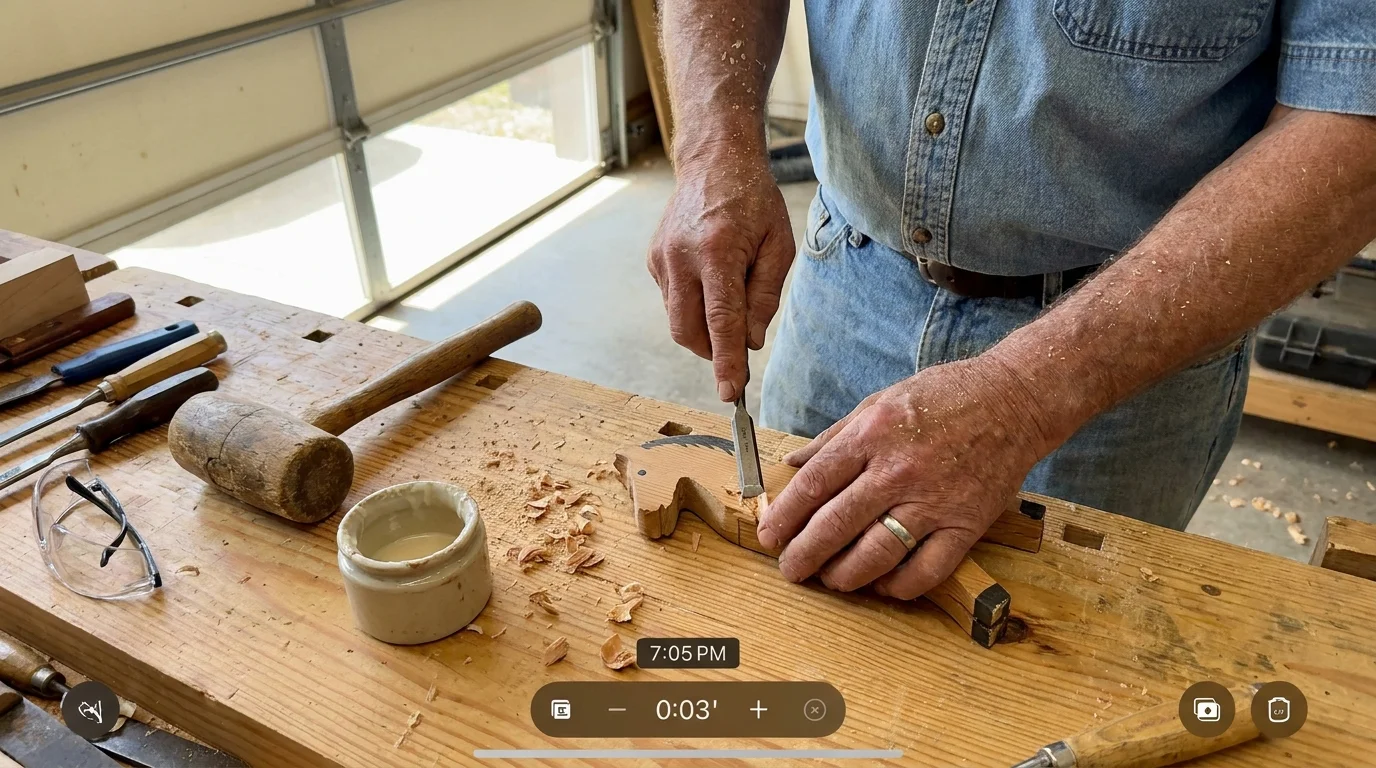
Perhaps the most challenging and unexpected aspect of retirement is the sudden loss of personal identity that often accompanies the end of a long career. For decades, your specific job title likely dictated your schedule, your professional goals, and your underlying sense of daily achievement. Finding a new, meaningful purpose—a tangible reason to get out of bed each morning—stands as the single most critical habit for a fulfilling retirement lifestyle.
A comprehensive study published in JAMA Network Open tracked nearly seven thousand older adults and conclusively found that those who scored highest on measures of life purpose had a significantly lower risk of mortality over a five-year period. Purpose provides clear direction and powerfully fortifies your mental resilience. Your new purpose does not need to be grand or world-changing; it simply needs to matter deeply to you. You might find profound satisfaction in helping raise your grandchildren, cultivating a thriving community vegetable garden, or passionately advocating for local environmental causes.
Many seniors find immense, unexpected joy in mentoring younger generations. Sharing your lifetime of accumulated professional expertise or personal life experience with someone just starting out provides a profound sense of lasting legacy. Alternatively, adopting a rescue pet offers structured daily routines and incredible, unconditional companionship. Whatever you choose, deliberately dedicate time each day to an activity that makes you feel useful, needed, and deeply connected to the world around you. When your days possess genuine purpose, retirement quickly transforms from a quiet ending into a vibrant, dynamic new beginning.
The Takeaway: Living a More Blissful Retirement
Transitioning into your golden years represents a magnificent, once-in-a-lifetime opportunity to completely redesign your daily existence. True peace does not happen by accident; it directly results from the small, highly intentional choices you make from the exact moment you wake up until you close your eyes at night. By enthusiastically embracing mindful mornings, prioritizing physical movement, and consistently nurturing your social connections, you lay the ultimate groundwork for exceptional senior wellness.
Remember that successfully building these positive habits takes time, ongoing patience, and steadfast consistency. You do not need to implement all seven practices perfectly starting tomorrow morning. Choose just one or two specific areas to focus on first, such as establishing a consistent sleep schedule or starting a daily gratitude journal. As these particular actions naturally weave into your everyday routine, gradually introduce the others. Cultivating a robust retirement lifestyle requires profound self-compassion and a genuine willingness to explore what truly brings you joy. Your time is entirely your own now. Fill it intentionally with activities that nourish your spirit, gently challenge your mind, and warmly surround you with love, ensuring your retirement feels profoundly peaceful and limitlessly rewarding.
Frequently Asked Questions
How long does it take to successfully form these new retirement habits?
While popular culture often claims it takes exactly twenty-one days to form a new habit, actual behavioral science suggests the timeline varies significantly from person to person. Extensive research from University College London indicates it takes an average of sixty-six days for a new behavior to become completely automatic. The absolute key is consistency rather than speed. Focus entirely on showing up for your new routine every single day, even if you only practice it for five brief minutes. Give yourself plenty of grace during the initial transition period; missing a single day will not derail your long-term progress toward lasting retirement happiness.
What if physical limitations restrict my ability to exercise daily?
If specific mobility issues, joint stiffness, or chronic pain limit your range of movement, you still possess plenty of excellent, highly effective options for maintaining your senior wellness. Always consult your primary care physician before starting any new exercise regimen. Licensed physical therapists can readily recommend tailored, extremely low-impact movements such as chair yoga, seated resistance band exercises, or gentle water aerobics. The ultimate goal is to safely engage your muscles and slightly elevate your heart rate within your unique physical capabilities, ensuring you reap the wonderful mental and physical benefits of movement without risking unnecessary injury.
How do I find local social groups or clubs to stay connected?
Finding excellent local social opportunities requires a mildly proactive approach. Start by checking the public bulletin boards or official websites of your local community centers, public libraries, and religious institutions, as they frequently host free or low-cost clubs specifically designed for older adults. You can also utilize user-friendly digital platforms designed to connect people with shared hobbies and interests in your exact zip code. Reach out directly to local volunteer organizations, historical societies, or neighborhood gardening clubs. Bravely stepping out of your immediate comfort zone to attend that very first meeting quickly paves the way for lasting friendships and a much richer retirement lifestyle.
For a wide range of resources for older adults, visit AARP and the National Council on Aging (NCOA). Health information is available from the National Institute on Aging.
Disclaimer: This article is for informational and inspirational purposes only. It is not a substitute for professional medical, financial, or psychological advice. Please consult with a qualified expert for guidance tailored to your individual needs.






Leave a Reply