
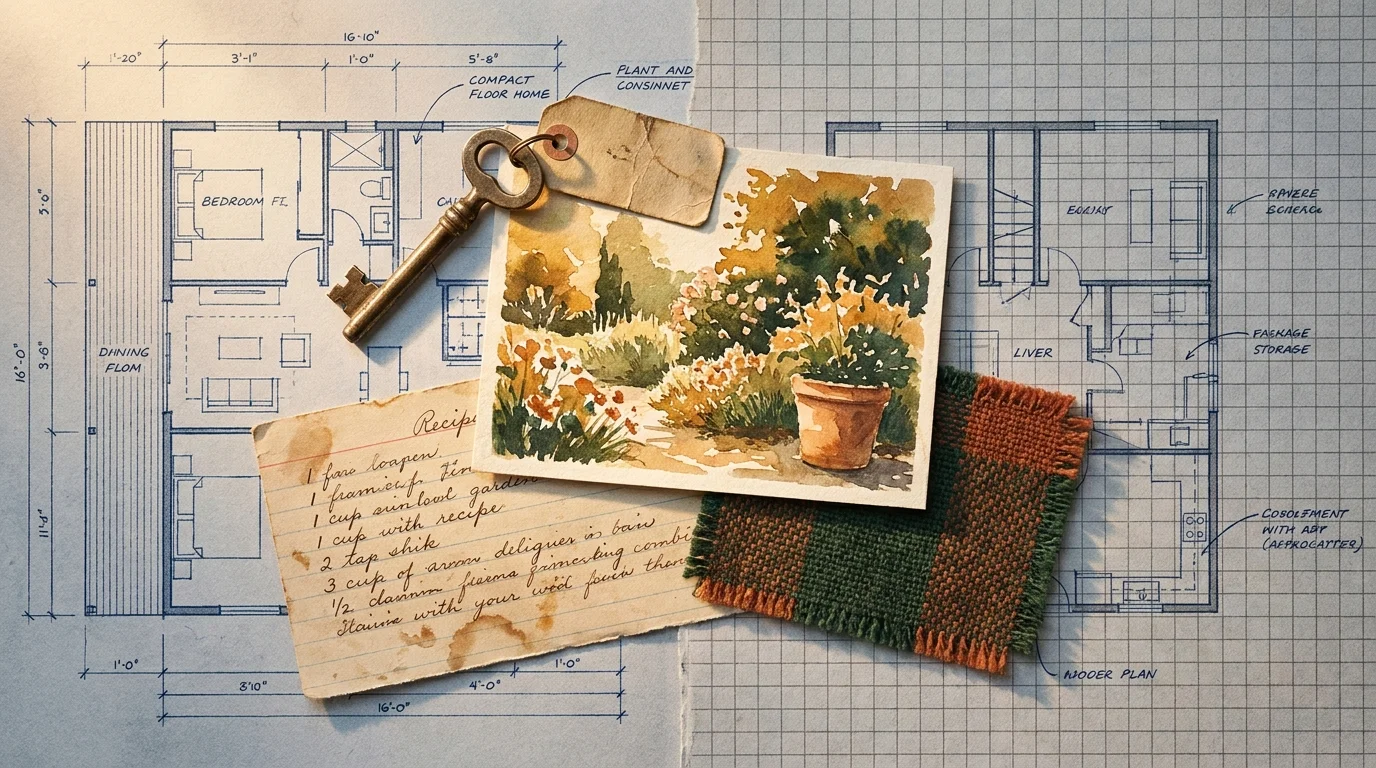
Downsizing your home opens the door to lower maintenance costs and a simpler, more manageable lifestyle. Careful planning ensures your transition to a smaller space enhances your daily life rather than creating unexpected frustrations. Many retirees embrace the idea of shedding decades of accumulated belongings, yet they sometimes overcorrect and discard items or spaces they still genuinely need. Navigating home size decisions requires a delicate balance between clearing the clutter and preserving the elements that bring you joy, comfort, and connection. Recognizing which features and possessions truly support your routine helps you avoid common moving mistakes and build a rewarding new chapter.
Tip #1: Dedicated Hosting Space for Family and Friends
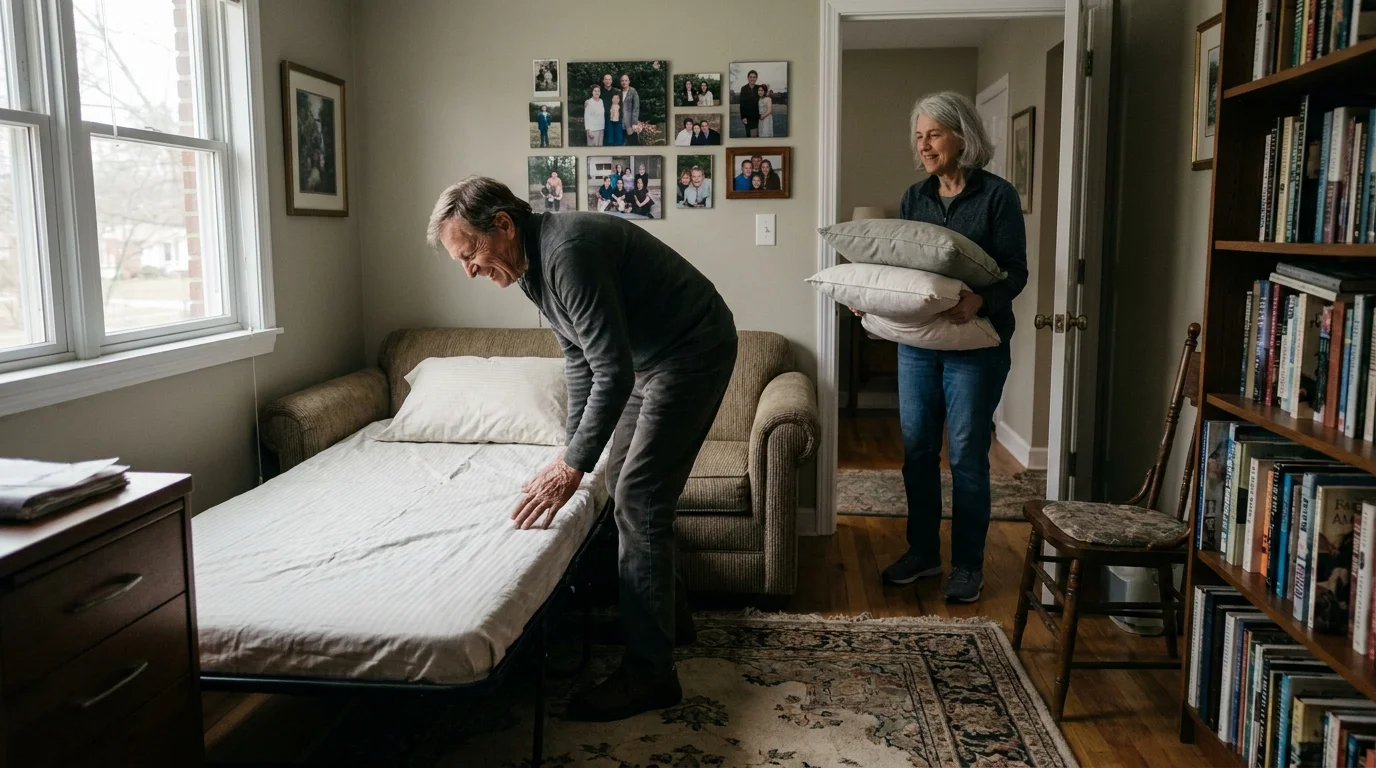
When you transition to a smaller home, the first room to go is often the guest bedroom. Eliminating unused space makes perfect sense on paper, but you might severely underestimate how much you value hosting your loved ones. If your house has always served as the central gathering hub for Thanksgiving dinners, holiday celebrations, and spontaneous weekend sleepovers with your grandchildren, losing that capacity can feel profoundly isolating. Maintaining social connections remains one of the most critical factors for longevity and cognitive health in older adults; stripping away your ability to host can disrupt those vital emotional bonds.
You do not necessarily need a massive five-bedroom estate to accommodate guests, but you do need a strategic plan. Instead of completely eliminating spare sleeping arrangements during your retirement downsizing journey, look for multi-functional living areas. A cozy den equipped with a high-quality Murphy bed or a comfortable sleeper sofa allows you to maintain your daily living space while effortlessly transitioning into a welcoming guest suite when family arrives. If you decide to move into a specialized community, look into senior housing tips emphasizing shared amenities. Many modern developments offer reservable guest suites for visiting family members, giving you the best of both worlds—lower personal square footage without sacrificing your role as the ultimate host.
Tip #2: A Dedicated Workspace or Hobby Area
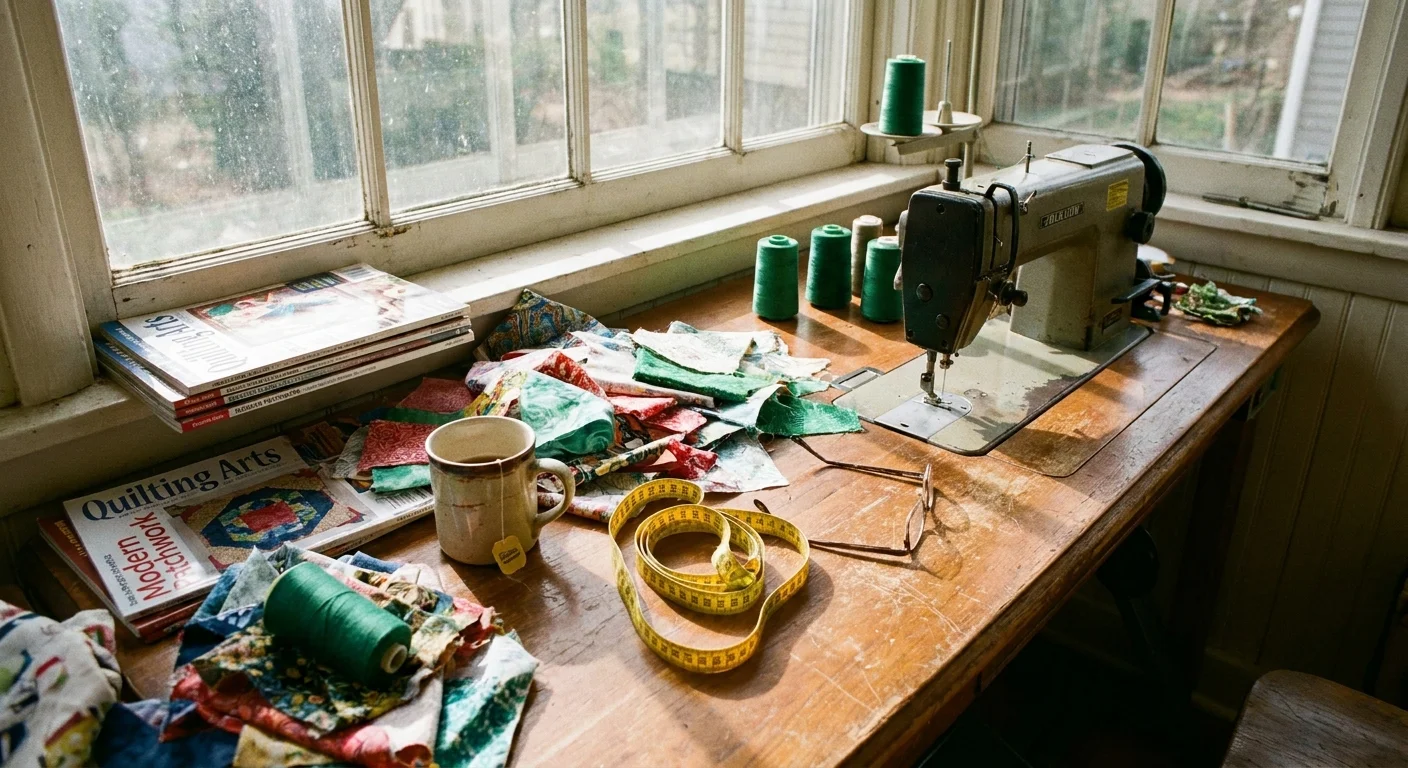
Retirement frees up your schedule to pursue the passions and projects you pushed aside during your demanding working years. Unfortunately, downsizers frequently trade their workbenches, craft rooms, and reading nooks for a streamlined, minimalist floor plan. Giving up your dedicated hobby space stands out as one of the most common moving mistakes retirees make. Whether you love restoring antique furniture, quilting, painting, or writing your memoirs, you need a designated physical environment to leave your supplies out and immerse yourself in the creative process without constantly packing everything away in hidden storage bins.
Before you commit to a property that lacks an extra room or a garage, evaluate how you actually want to spend your free hours. A fulfilling retirement requires engaging activities, and your home environment must directly support those endeavors. If a sprawling basement is out of the question, consider properties that feature a bright sunroom, an oversized closet that you can easily convert into a crafting alcove, or a heated garage. Alternatively, if you plan to move into an independent living community, prioritize facilities that offer robust shared spaces like woodworking shops, communal art studios, and community gardens. Maintaining access to the tools and spaces that fuel your creativity ensures your daily routine remains vibrant and deeply purposeful.

1: Vibrant
2: red
3: flowers
4: and
5: fresh
6: herbs
7: in
8: terrac
Tip #3: Outdoor Gardening and Private Nature Areas
Trading a sprawling, high-maintenance yard for a maintenance-free condo appeals heavily to anyone tired of mowing lawns, raking leaves, and pulling stubborn weeds. However, complete detachment from private outdoor space often leads to deep regret for those who find genuine peace in nature. Giving up your personal oasis means losing the simple, daily joys of sipping your morning coffee on a quiet patio, cultivating heirloom tomatoes, or tending to a beloved rose garden. Research consistently shows that spending time outdoors lowers cortisol levels and boosts overall mood, making green space a crucial component of your physical and mental well-being.
As you navigate your specific home size decisions, think critically about the difference between eliminating burdensome yard work and eliminating nature entirely. You can strike a beautiful, practical balance by seeking out properties that offer manageable outdoor footprints. A spacious balcony, a small enclosed courtyard, or a ground-floor patio provides just enough room for container gardening and fresh air without the grueling upkeep of a half-acre lot. If you lean toward an apartment or a townhome, investigate the surrounding neighborhood thoroughly. Proximity to well-maintained botanical gardens, walking trails, or community garden plots seamlessly replaces your backyard, ensuring you stay closely connected to the natural world without the immense hassle of full-scale landscaping.

Tip #4: Deep Bathtubs for Soaking and Relaxation
In the rush to age-proof a new home, many seniors immediately strip out bathtubs in favor of sleek, zero-entry walk-in showers. While prioritizing mobility and safety represents an undeniably smart move, entirely eliminating a bathtub can cause massive disappointment if you enjoy a soothing soak to ease aching joints or simply unwind at the end of a busy day. Warm water therapy provides proven relief for arthritis, muscle stiffness, and everyday stress; losing access to this simple luxury alters your self-care routine in unexpected, frustrating ways.
You do not have to choose between future-proofing your bathroom and keeping your beloved soaking rituals. If you decide to build or renovate a downsized space, consider keeping at least one bathtub in the home. Alternatively, explore modern, accessible walk-in tubs equipped with therapeutic hydrotherapy jets. These specialized fixtures offer the deep, relaxing immersion of a traditional tub while featuring a watertight door, built-in seating, and secure grab bars to prevent slips and falls. Thoughtful lifestyle changes retirement planning means anticipating your physical needs while simultaneously protecting the small comforts that bring you profound happiness. A hot bath is a simple pleasure you might deeply miss once you remove the option.

Tip #5: Sufficient Storage for Cherished Keepsakes
The decluttering process serves as a highly therapeutic step when moving to a smaller footprint. Organization experts constantly advise downsizers to let go of the past and embrace a lighter, less burdened lifestyle. Yet, in the frenzy of purging, you can incredibly easily cross the line into ruthless minimalism, accidentally discarding sentimental items you later desperately wish you had kept. Tossing out decades-old family photo albums, beloved handmade holiday decorations, or a slightly worn but cherished heirloom quilt often triggers intense waves of nostalgia and remorse.
You should fill your golden years with the stories, memories, and artifacts that make your life uniquely yours. While you absolutely must reduce your overall volume of possessions to fit a smaller floor plan, you must also secure enough storage to comfortably house your most precious keepsakes. When touring potential new homes, look beyond the open square footage and meticulously inspect the concealed storage capabilities. Deep hall closets, accessible attic spaces, or built-in shelving units make a massive difference in your daily comfort. If your chosen floor plan lacks built-in storage, invest proactively in functional furniture like storage ottomans, bed frames with integrated drawers, or customized closet systems that maximize every inch of vertical space without cluttering your main living area.
Tip #6: A Full-Sized Kitchen for Cooking and Entertaining
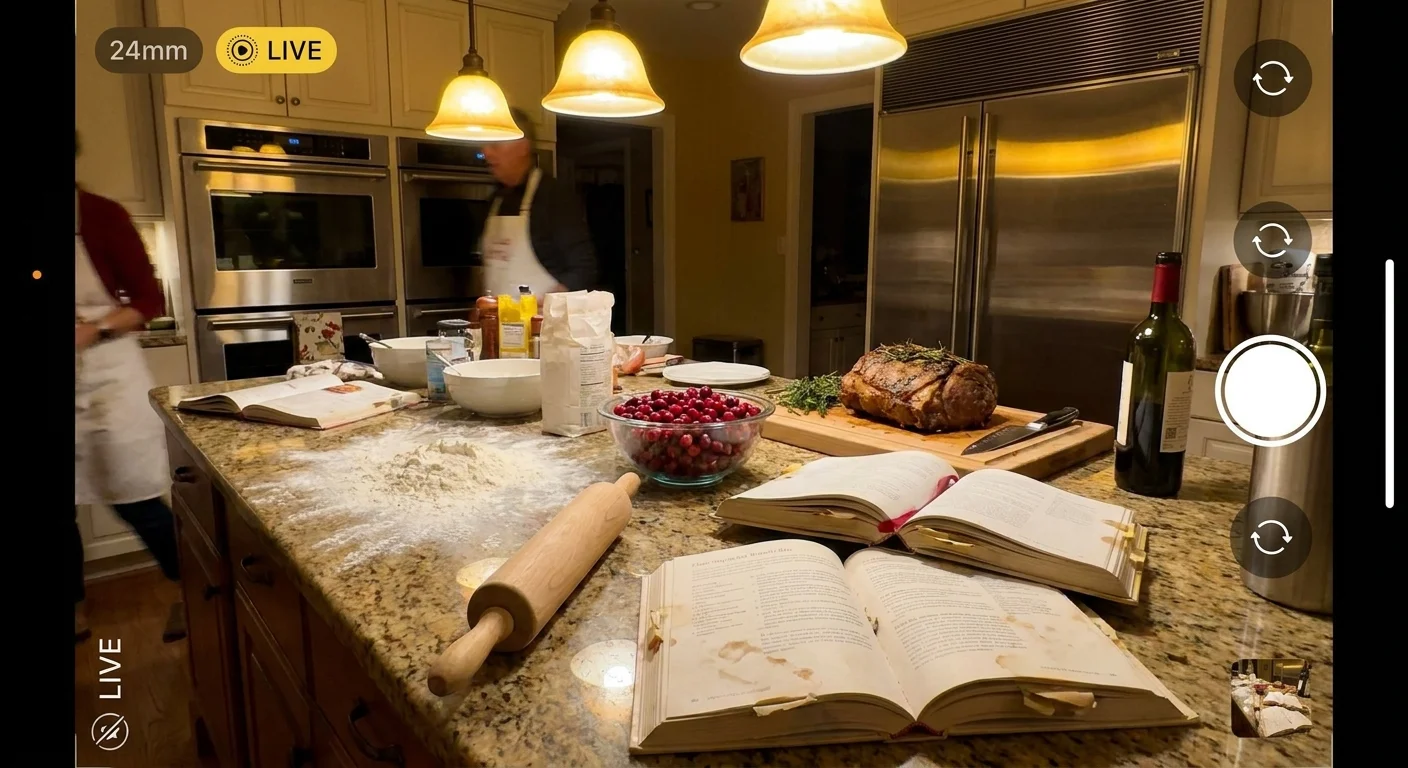
Downsizing usually means accepting a smaller kitchen, often transitioning from a sprawling chef’s paradise to a compact galley or a modest L-shaped setup. For retirees who rarely cook, this reduction presents no issue whatsoever. But if baking elaborate holiday cookies with your grandchildren or hosting weekly dinner parties ranks high on your list of joyful activities, a tiny, poorly designed kitchen quickly transforms into a daily source of intense frustration. Sacrificing counter space and downgrading to miniature appliances drastically limits your culinary freedom and stifles your creativity.
Do not assume that moving to a smaller home automatically sentences you to a cramped, inadequate cooking space. When evaluating real estate options, prioritize the kitchen layout and functionality over sheer square footage alone. A smartly designed, compact kitchen featuring a highly efficient work triangle, ceiling-height cabinets, and full-sized, high-quality appliances easily outperforms a larger, poorly organized space. Look for flexible design solutions like mobile kitchen islands, pull-out pantry shelves, or drop-leaf tables that instantly expand your prep area exactly when you need it. Preserving your ability to comfortably cook and entertain ensures your home remains a warm, welcoming center of hospitality, allowing you to seamlessly continue the culinary traditions you love most.
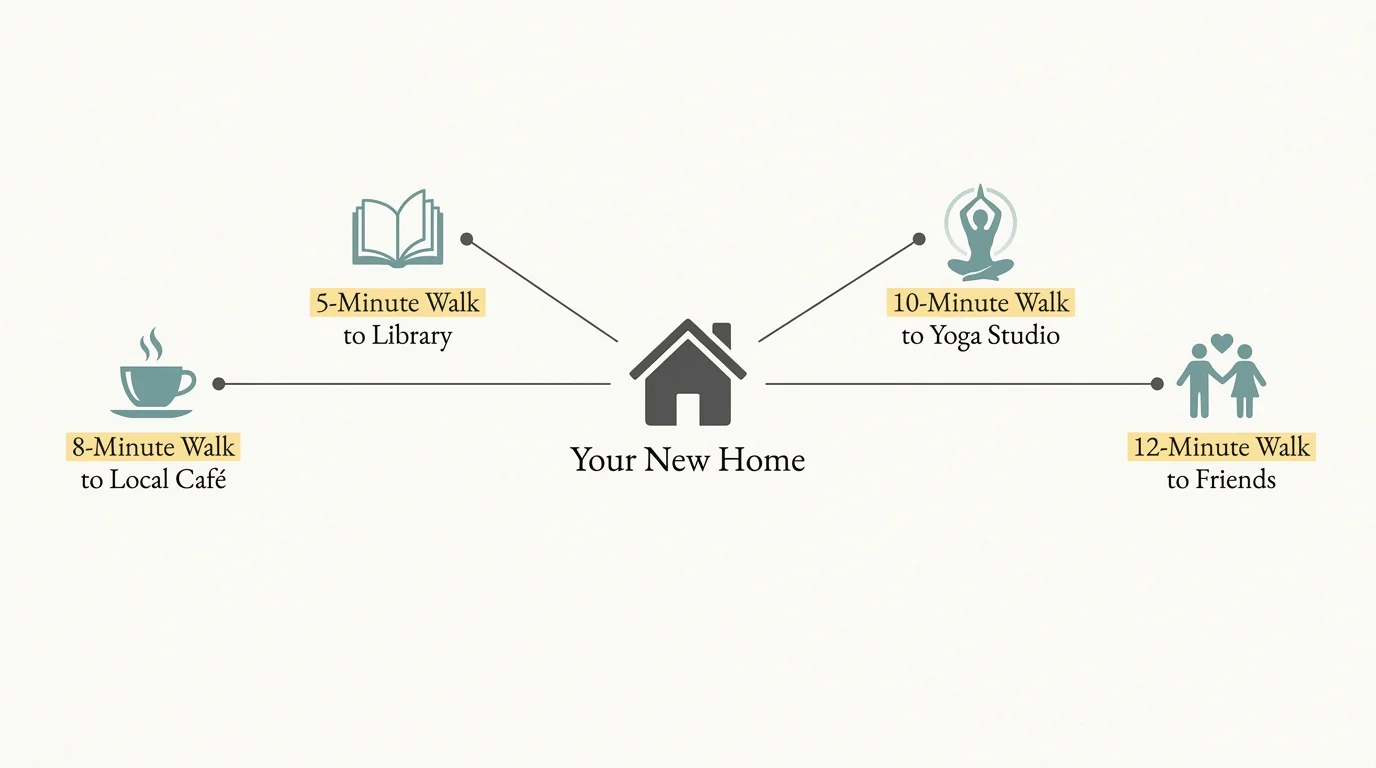
Tip #7: Proximity to Your Established Community Hubs
Financial incentives often drive retirees to relocate to entirely new cities or far-flung suburbs where housing costs appear substantially lower. While reducing your monthly mortgage or property tax burden represents a financially sound strategy, moving too far away severs your deep ties to the community you spent decades building. You might deeply regret giving up the immediate convenience of your trusted primary care physician, your favorite local grocery store, your longtime place of worship, and the lively local coffee shop where everyone knows your name. Building a completely new social network and finding reliable new service providers takes immense time and draining emotional energy.
Before you uproot your life for a cheaper zip code, calculate the hidden emotional and social costs of leaving your established hubs. Incorporate geographic convenience directly into your senior housing tips and search criteria. Sometimes, moving into a smaller condo or townhome within your current neighborhood offers a much smoother, happier transition than buying a slightly larger house three towns away. If you absolutely must move to a new area, actively research the local amenities, social clubs, and healthcare facilities before signing on the dotted line. Ensuring your new location effortlessly supports your existing daily routines prevents the profound isolation that often accompanies a drastic relocation.

Tip #8: Adequate Space and Accommodations for Beloved Pets
Pets provide unparalleled companionship, unconditional love, and a built-in reason to stay active during your retirement years. However, downsizing frequently complicates pet ownership in unexpected ways. Moving from a single-family home with a fenced-in backyard to a strict homeowners association community or a high-rise apartment drastically alters your furry friend’s quality of life—and your own. You may deeply regret moving into a facility that enforces strict weight limits on dogs, prohibits specific breeds entirely, or simply lacks safe, accessible green spaces for late-night bathroom breaks and essential morning walks.
Protecting your lifestyle means rigorously advocating for your pets during the housing search. Never assume a community embraces animals just because you see a dog in their glossy marketing brochure; meticulously read the legal bylaws regarding animal ownership before making any commitment. Look for downsized homes that offer ground-floor access, small private patios, or immediate proximity to well-maintained dog parks and secure walking trails. If you transition to an apartment, map out the precise logistics of taking your pet outside in inclement weather. Prioritizing your pet’s comfort guarantees that your most loyal companion thrives alongside you in your new, simplified living arrangement.

Tip #9: A Quiet Retreat for Personal Privacy
When couples retire and simultaneously downsize, they face a unique and often unexpected challenge: they suddenly spend 24 hours a day together in a significantly smaller space. While sharing your golden years with your spouse provides a beautiful experience, losing the ability to retreat to your own quiet corner creates unnecessary friction. In a sprawling family home, one person could watch television in the living room while the other read quietly in a home office or upstairs bedroom. In a downsized open-concept condo, that acoustic separation vanishes, leading to potential irritation and a distinct lack of personal privacy.
Navigating this physical proximity requires intentional design choices and highly realistic communication. When selecting your new home, actively look for floor plans that offer secondary living areas, even if they appear small at first glance. A four-season enclosed porch, a secondary bedroom, or a finished basement provides the essential physical boundary needed to decompress independently. If you must embrace a smaller open-concept layout, utilize acoustic room dividers, strategically placed bookcases, and noise-canceling headphones to artificially create distinct zones. Respecting each other’s need for solitude forms the cornerstone of a healthy relationship, and your downsized home must structurally support that ongoing need for personal space.

The Takeaway: Living a More Blissful Retirement
Downsizing in retirement represents far more than a simple real estate transaction; it acts as a profound lifestyle transition that demands careful introspection and strategic planning. While shedding excess square footage and reducing strenuous home maintenance undoubtedly liberates your daily schedule and your finances, you must remain incredibly vigilant about protecting the vital elements of your home that bring you genuine joy. Whether you require a sunny corner for your morning crossword puzzle, a dedicated space to host your lively grandchildren, or a small patch of earth to grow your favorite flowers, your physical environment significantly dictates your daily happiness.
By anticipating these potential regrets before you list your home, you can make informed, proactive decisions that honor your unique physical needs and personal preferences. Embrace the healthy decluttering process, but give yourself full permission to hold onto the distinct spaces, engaging hobbies, and meaningful keepsakes that define exactly who you are. With mindful execution, your transition to a smaller home will never feel like a series of painful sacrifices. Instead, it will serve as the exciting gateway to a vibrant, manageable, and deeply fulfilling new chapter, allowing you to maximize the incredible freedom and bliss of your golden years.
Frequently Asked Questions
What is the best age to downsize for retirement?
There is no single magic number, but many experts strongly suggest downsizing in your mid-to-late 60s. Moving while you remain highly active and in good health allows you to easily handle the rigorous physical demands of packing, organizing, and settling in. Early downsizing also gives you substantially more time to integrate into your new community and fully enjoy the immediate financial benefits of significantly lower home maintenance costs.
How do I handle the emotional stress of getting rid of my belongings?
Start the decluttering process several months before your actual move to avoid feeling overwhelmed by decisions. Tackle one small room or even a single dresser drawer at a time. It immensely helps to take clear photographs of sentimental items you cannot keep and share cherished physical heirlooms directly with your family members. Focusing on the upcoming freedom of your new, simplified lifestyle makes parting with inanimate objects much easier to process.
Are there hidden costs I should watch out for when downsizing?
Absolutely. While your monthly mortgage and utility bills will likely drop, you must carefully factor in several other hidden expenses. Professional moving costs, real estate agent commissions, purchasing new furniture designed to fit a smaller floor plan, and elevated homeowners association fees in specialized retirement communities can quickly add up. Create a comprehensive financial budget that accounts for all these upfront transition costs to entirely avoid stressful financial surprises.
Will moving to a smaller home truly make me happier?
Downsizing drastically reduces the physical and financial burdens of homeownership, which profoundly lowers your daily stress levels. However, true happiness ultimately depends on intentionally choosing a space that supports your specific daily routines, beloved hobbies, and active social life. If you purposefully select a home that perfectly aligns with your passions and preserves your strongest community ties, you will absolutely find far greater joy and profound peace of mind in a smaller footprint.
For a wide range of resources for older adults, visit AARP and the National Council on Aging (NCOA). Health information is available from the National Institute on Aging.
Disclaimer: This article is for informational and inspirational purposes only. It is not a substitute for professional medical, financial, or psychological advice. Please consult with a qualified expert for guidance tailored to your individual needs.








Leave a Reply