

Recognizing when joint discomfort stems from a deeper issue allows you to protect your mobility and maintain an active lifestyle. While occasional stiffness often accompanies an afternoon of gardening or a brisk morning walk, specific symptoms warrant a closer look by a medical professional. Understanding the difference between standard wear and tear and conditions like rheumatoid arthritis or gout empowers you to seek the right treatment early. By paying close attention to when, where, and how your discomfort occurs, you take control of your physical well-being. This guide breaks down eight distinct warning signs to watch for, helping you navigate your health journey with confidence and keep moving forward with joy.

Tip #1: Pain Accompanied by Visible Swelling, Redness, and Heat
As you embrace an active retirement, you might expect a bit of soreness after a long day of walking or carrying groceries. However, when your joint pain symptoms include visible swelling, a red tint, and physical heat radiating from the area, your body is signaling an active inflammatory response. Normal aging joints might ache, but they rarely turn red and hot to the touch.
This triad of symptoms often points to conditions like gout, a localized infection, or inflammatory arthritis rather than standard osteoarthritis. When your immune system attacks a joint capsule or when uric acid crystals accumulate, blood flow to the area increases dramatically; this causes the noticeable warmth and tissue expansion.
To manage this effectively, document the physical changes immediately. Snap clear photographs of the swollen joint in good lighting so you can show your doctor exactly what the flare-up looks like. While waiting for your medical appointment, apply a cold compress to the affected area for fifteen minutes at a time to constrict the blood vessels and reduce inflammation. Elevating the joint above your heart also helps fluid drain away, providing temporary relief and protecting your senior health.
Tip #2: Morning Stiffness That Lingers for More Than an Hour
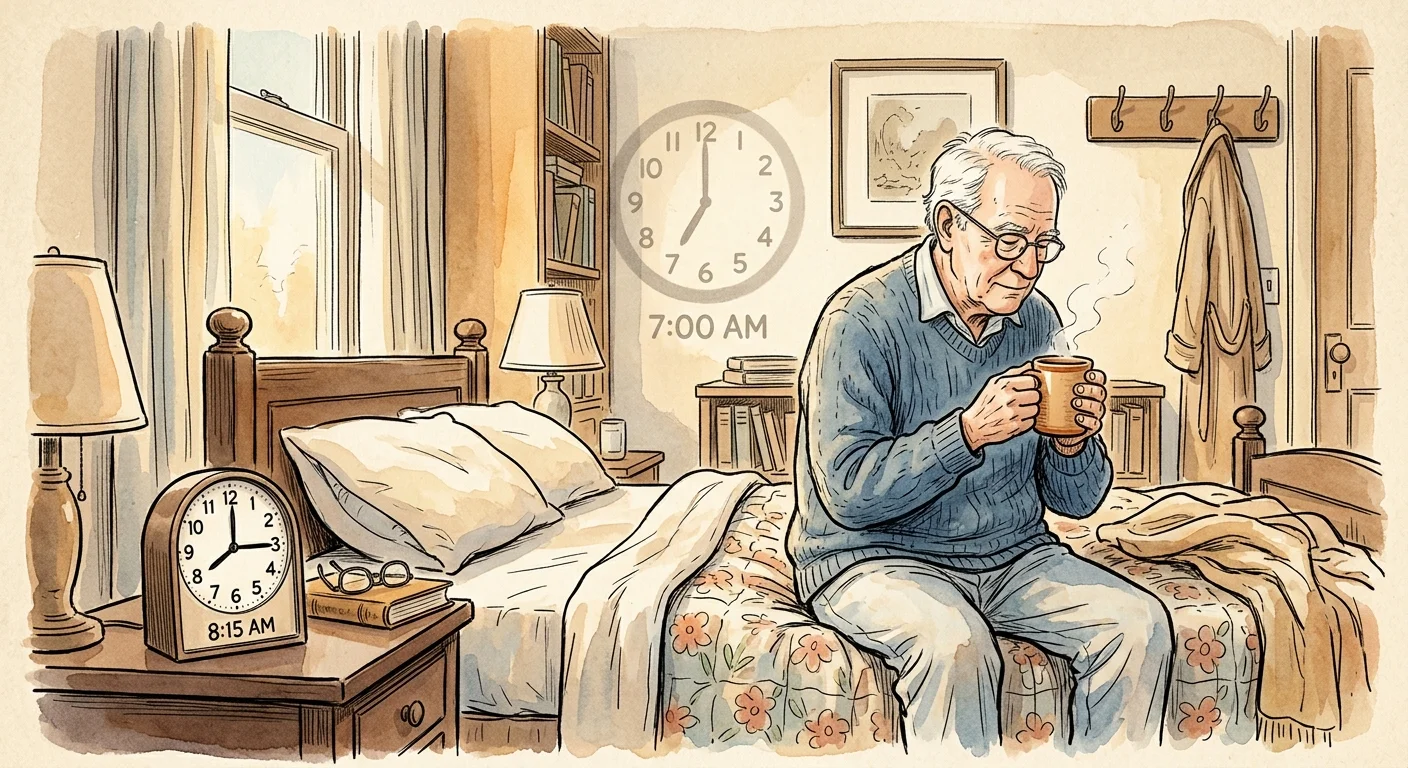
Waking up feeling a little creaky is a very common experience, but how long that stiffness lasts tells a critical story about your underlying health. If you find yourself struggling to bend your knees or grip your coffee mug for more than an hour after getting out of bed, you are likely dealing with more than simple age-related wear and tear.
Standard osteoarthritis stiffness typically resolves within twenty to thirty minutes as you begin moving around and naturally lubricating your joints. Prolonged morning stiffness serves as a classic hallmark of systemic autoimmune conditions, particularly rheumatoid arthritis or polymyalgia rheumatica. During the night, inflammatory chemicals pool in the resting joint capsules, and it takes considerable time and movement for your body to disperse that fluid.
Take practical steps by timing your morning stiffness with a clock. Write down the exact minute you wake up and the minute your joints finally feel flexible enough to function normally. Sharing this specific timeline with a rheumatologist provides concrete data to guide your diagnosis. In the meantime, start your day with a warm shower; the heat increases blood circulation and helps loosen tightened tissues much faster than pushing through the stiffness cold.
Tip #3: Discomfort That Migrates From One Joint to Another
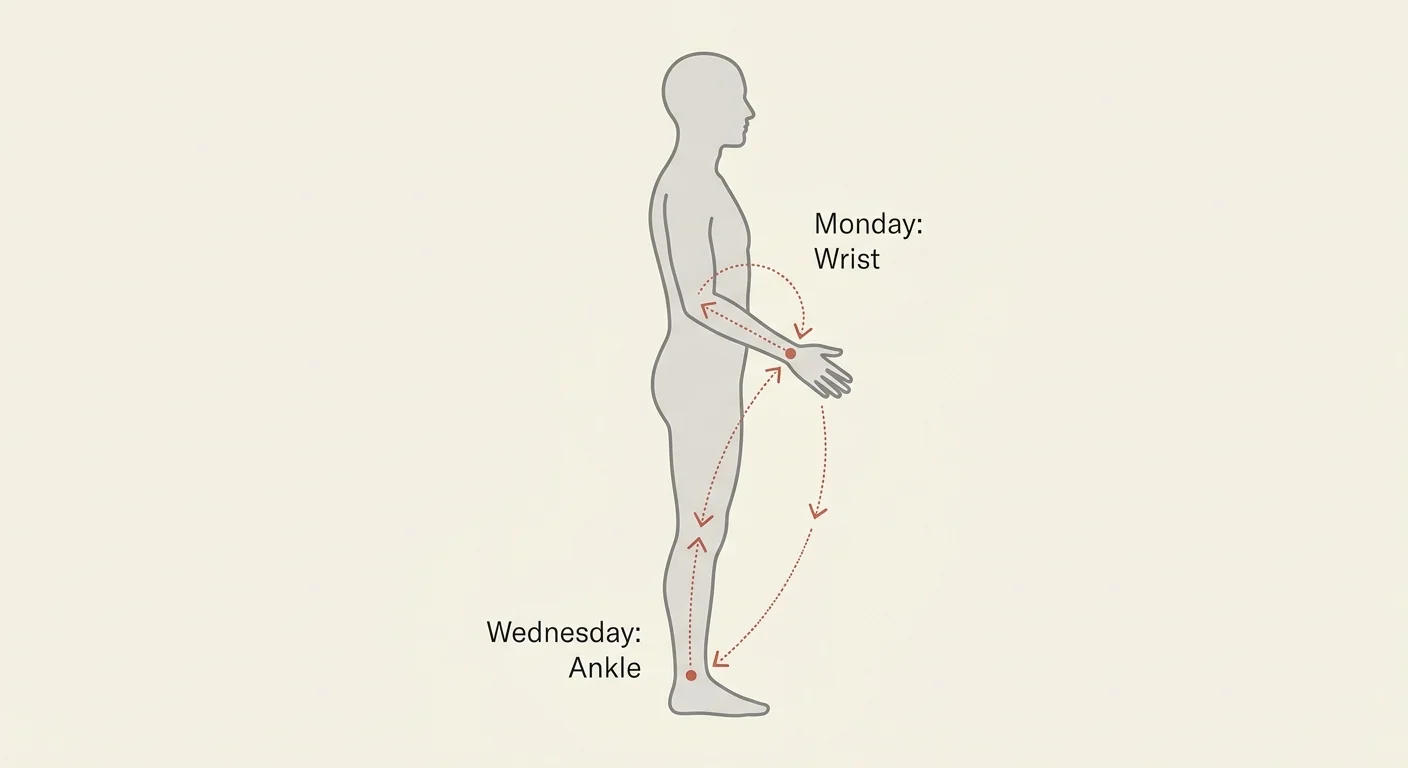
Standard joint deterioration typically remains localized to the areas you use most heavily. If you played tennis for thirty years, your serving shoulder might ache consistently, or a previous knee injury might flare up during cold weather. Migratory arthritis presents a completely different pattern—the pain physically moves around your body over a matter of days.
You might experience intense wrist discomfort on Monday, only to have it resolve by Wednesday when your ankle suddenly swells and throbs. This shifting pain pattern indicates a systemic issue traveling through your bloodstream rather than an isolated mechanical problem. Medical professionals often link migratory joint issues to conditions like lupus, rheumatic fever, or even certain tick-borne illnesses.
Because the location changes so frequently, patients sometimes doubt their own experiences or delay seeking help. Purchase a small notebook and keep a daily joint pain diary. Note which joint hurts, the intensity of the ache on a scale of one to ten, and how long the discomfort lasts before moving. This concrete record transforms a confusing array of symptoms into a clear diagnostic map for your healthcare provider.
Tip #4: Joint Pain Paired With Unexplained Fatigue or Fever
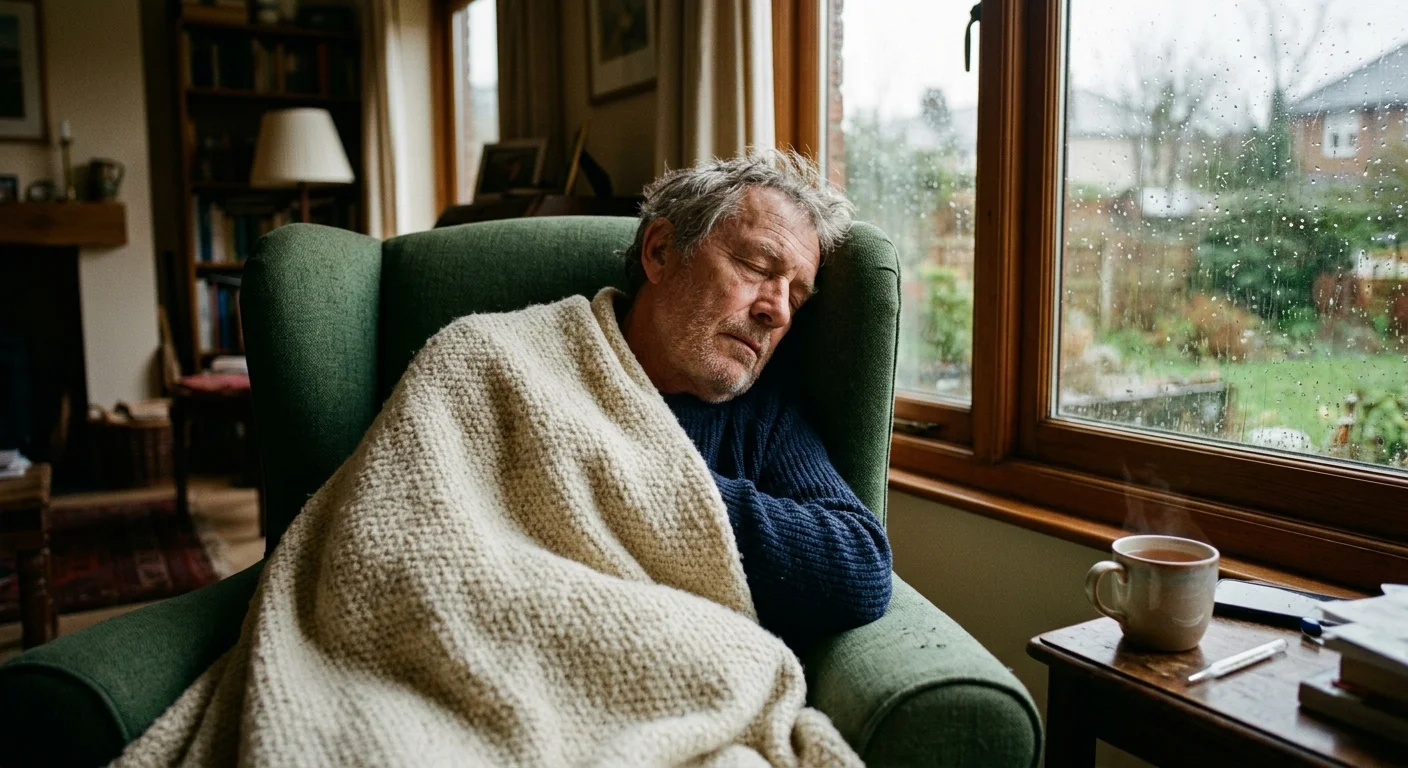
Your joints do not exist in a vacuum; they connect deeply to your overall physical system. When profound fatigue, unexplained weight loss, or a low-grade fever accompanies your joint pain, your body is sounding a louder alarm. Normal aging joints do not elevate your core temperature or leave you feeling unusually exhausted.
These systemic symptoms reveal that your immune system is working overtime. Whether your body is fighting a hidden joint infection or mistakenly attacking its own tissues, the energy required for this internal battle drains your daily stamina. Ignoring a fever alongside joint pain can prove particularly dangerous, as infections inside the joint capsule require immediate medical intervention.
If you experience chronic pain alongside a fever above 100 degrees Fahrenheit, contact a physician promptly. Monitor your temperature twice daily and log your energy levels. Prioritize profound rest during these periods; pushing through extreme fatigue only depletes your physical reserves further. By recognizing that these combined symptoms represent a whole-body issue, you take a vital step toward protecting your long-term independence.
Tip #5: Severe Aches That Disrupt Your Sleep Cycle
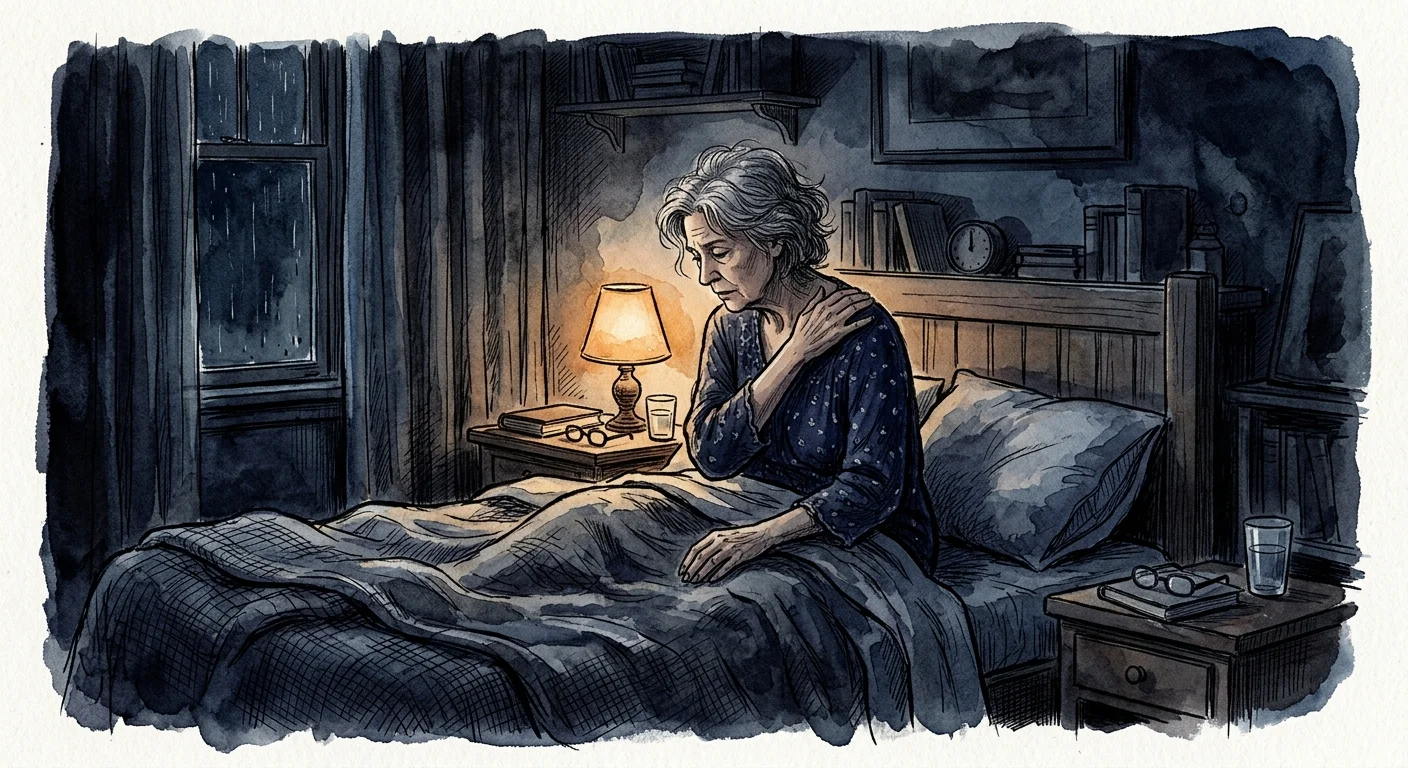
A restful night of sleep forms the foundation of robust senior health. While a busy day of physical activity might cause your joints to ache as you settle into bed, that discomfort should gradually fade as your muscles relax. If you frequently wake up in the middle of the night because a sharp, throbbing ache demands your attention, your condition requires a fresh assessment.
Nighttime pain often occurs in advanced osteoarthritis when the protective cartilage wears away significantly, leaving bones vulnerable to pressure even while resting. It also happens when inflammation causes tissue swelling that compresses nearby nerves—a situation exacerbated when you lie flat and fluid redistributes across your body. Consistently losing sleep creates a vicious cycle; sleep deprivation increases your brain’s sensitivity to pain signals, making the discomfort feel even more intense the next day.
To improve your nighttime comfort, evaluate your sleeping position. If you sleep on your side, place a firm pillow between your knees to align your hips and reduce joint stress. If you sleep on your back, a pillow under your knees relieves lower back and hip pressure. Inform your doctor about your disrupted sleep so they can tailor your pain management specifically for the evening hours.
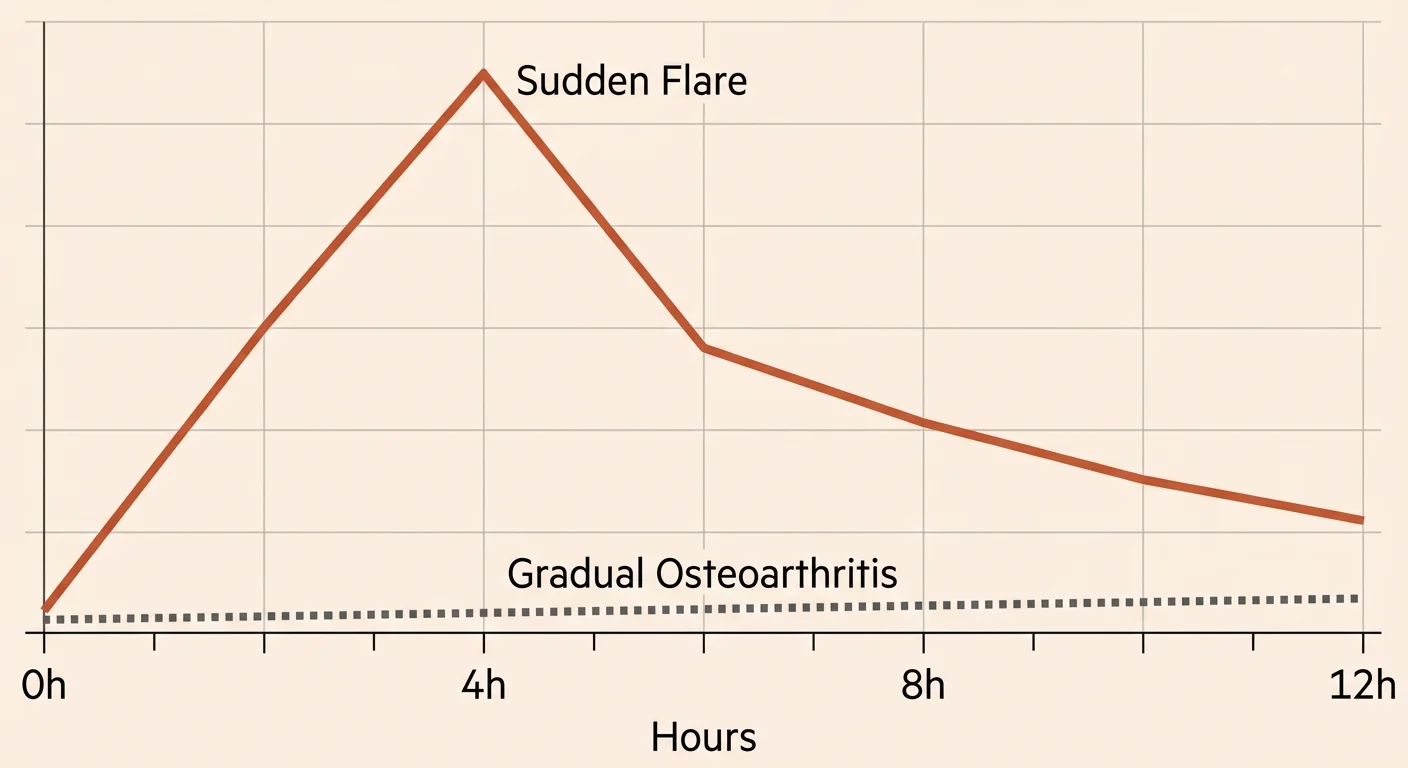
Tip #6: Sudden and Intense Flares Peaking Within Hours
Osteoarthritis behaves like a slow-moving storm; the degeneration happens gradually over years, and the pain increases at a similarly slow pace. If a joint suddenly erupts into excruciating agony over the course of just a few hours, you are dealing with a different and more acute medical event.
This rapid, fiery escalation frequently strikes the base of the big toe, the ankle, or the knee, making even the weight of a light bedsheet feel completely unbearable. This lightning-fast onset represents a classic presentation of gout or pseudogout. These conditions occur when microscopic crystals suddenly form within the joint fluid, prompting your immune system to launch a massive, rapid counterattack.
Handling a sudden flare requires immediate dietary adjustments and medical support. Drink plenty of water to help your kidneys flush excess uric acid from your bloodstream. Avoid purine-rich foods like red meat and shellfish during an active flare, as these elements break down into uric acid. Contact your doctor quickly; prescription medications can halt crystal formation and dramatically reduce the duration of the flare if taken early enough.

Tip #7: A Joint That Locks, Catches, or Gives Way Completely
Experiencing a joint that suddenly refuses to support your weight or physically locks into a single position creates a frightening situation that dramatically increases your risk of falls. Aging joints may feel stiff or slightly unstable at times, but they should not mechanically freeze or collapse unexpectedly without warning.
These mechanical failures indicate a structural disruption within the joint complex itself. A locking knee or a shoulder that catches painfully often points to a torn meniscus, a damaged ligament, or loose fragments of bone and cartilage floating freely within the joint space. These fragments can wedge between the moving bones like a pebble caught in a door hinge, bringing your movement to an abrupt halt.
Never ignore a joint that compromises your physical stability. Invest in a reliable walking cane or a supportive knee brace to use temporarily, preventing a catastrophic fall while you seek a medical evaluation. Request a referral to an orthopedic specialist who can order an MRI. Unlike standard X-rays, an MRI reveals the soft tissue tears and cartilage fragments responsible for the mechanical catching, allowing for highly targeted repairs.
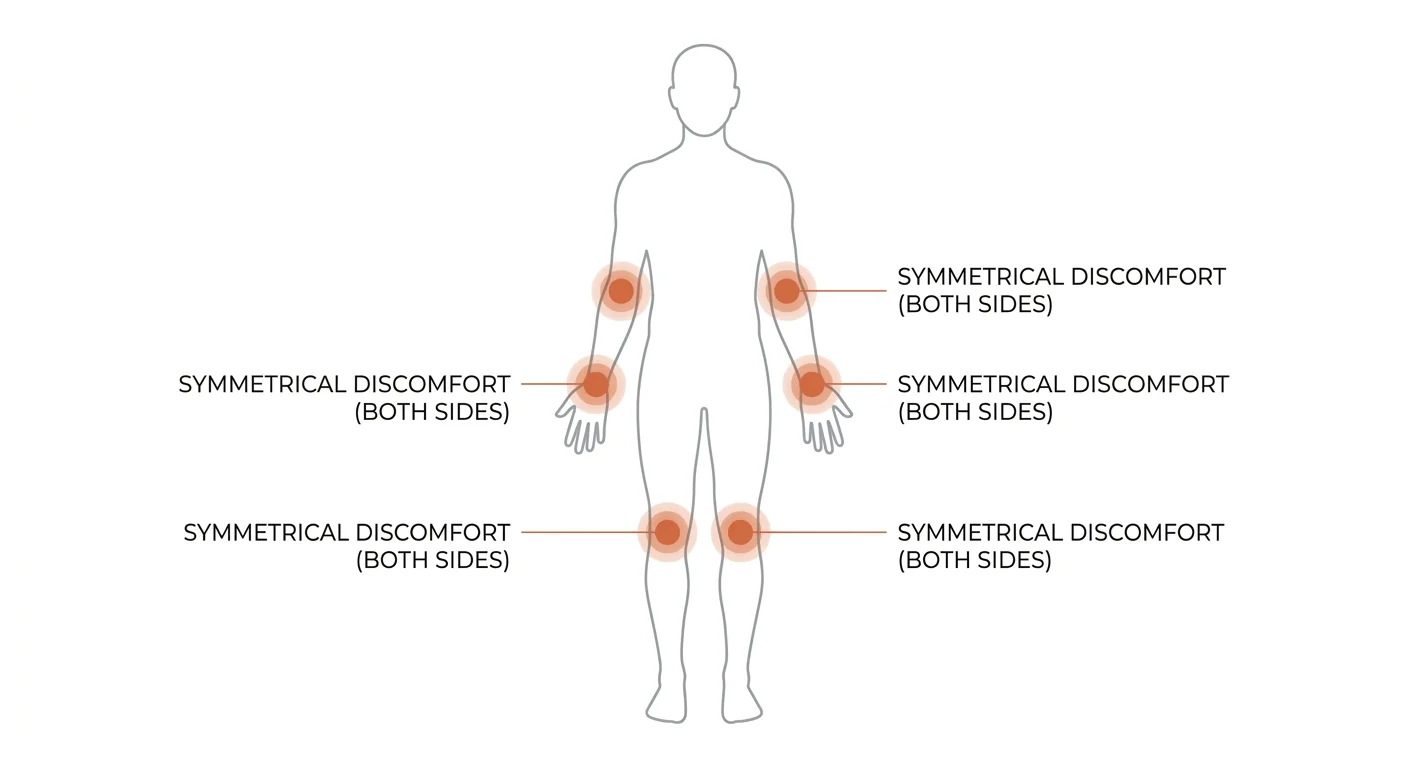
Tip #8: Symmetrical Discomfort Affecting Both Sides of Your Body
Pay close attention to the mirror image of your discomfort. Normal wear and tear almost always favors one side of your body based on your movement history. If you are right-handed, your right wrist and shoulder typically show arthritis signs years before your left side does, simply due to decades of repetitive use.
However, if you experience identical pain, swelling, and stiffness in both wrists, both knees, or both ankles simultaneously, you are witnessing a hallmark sign of systemic autoimmune disease. Conditions like rheumatoid arthritis operate systemically, meaning the circulating antibodies attack the synovial lining of joints on both sides of the body equally. This symmetrical pattern serves as a highly reliable diagnostic indicator.
Use this knowledge to advocate for yourself during medical appointments. When detailing your joint pain symptoms to a doctor, explicitly point out the bilateral nature of your discomfort. Request blood tests checking for inflammatory markers and specific autoantibodies. Catching symmetrical joint disease in its earliest stages allows you to start disease-modifying therapies that preserve your joint function and keep you thriving.

The Takeaway: Living a More Blissful Retirement
Navigating the changes in your physical body requires patience, awareness, and proactive care. Occasional stiffness absolutely represents a normal part of living a long, active life, but recognizing when those aches cross the line into abnormal territory gives you a powerful advantage. By monitoring the specific timing, location, and severity of your discomfort, you provide your healthcare team with the exact details they need to formulate a highly effective treatment plan.
You do not have to accept severe, mobility-limiting discomfort simply because you are growing older. Modern medicine offers incredible interventions, ranging from targeted physical therapy and customized lifestyle modifications to advanced medications that halt joint damage in its tracks. Focus on what you can control: maintain a balanced diet, keep your joints gently moving, and never hesitate to speak up when your body signals that something unusual is happening. Protecting your physical foundation ensures you have the strength and vitality to travel, explore new hobbies, and fully enjoy the countless beautiful moments your retirement has to offer.
Frequently Asked Questions
How can I tell if my joint pain is from normal aging or something more serious?
Normal aging usually brings gradual, mild stiffness that improves quickly with movement and rest. If your pain features visible swelling, intense physical heat, morning stiffness lasting over an hour, or sudden, severe flares that make walking difficult, you should suspect a deeper medical issue. Keep a daily pain journal to track these distinct patterns and share the precise findings with your primary care doctor.
Does weather really affect aging joints, or is that a myth?
Scientific evidence supports the idea that weather changes impact joint comfort. Drops in barometric pressure allow the soft tissues around your joints to expand slightly, which can increase pressure on surrounding nerves and cause an aching sensation. However, weather-related pain should remain relatively mild; severe, debilitating pain during a rainstorm still warrants a proper medical evaluation to rule out underlying structural damage or severe inflammation.
What kind of doctor should I see for unusual joint pain patterns?
Start with your primary care physician, who can perform an initial physical exam and order baseline blood tests or X-rays. Depending on your results, they will likely refer you to a rheumatologist for suspected autoimmune or inflammatory conditions, or an orthopedic specialist for structural issues like torn cartilage, loose bone fragments, or advanced physical degeneration.
Can dietary changes actually improve joint pain symptoms?
Absolutely. Diets rich in anti-inflammatory foods like omega-3 fatty acids, leafy greens, and berries can significantly reduce systemic inflammation and ease discomfort. Conversely, consuming high amounts of processed sugars, refined carbohydrates, and purine-rich foods can trigger severe flares in conditions like gout. Proper hydration also keeps the cartilage in your joints plump and properly lubricated, reducing painful bone-on-bone friction.
For a wide range of resources for older adults, visit AARP and the National Council on Aging (NCOA). Health information is available from the National Institute on Aging.
Disclaimer: This article is for informational and inspirational purposes only. It is not a substitute for professional medical, financial, or psychological advice. Please consult with a qualified expert for guidance tailored to your individual needs.








Leave a Reply