
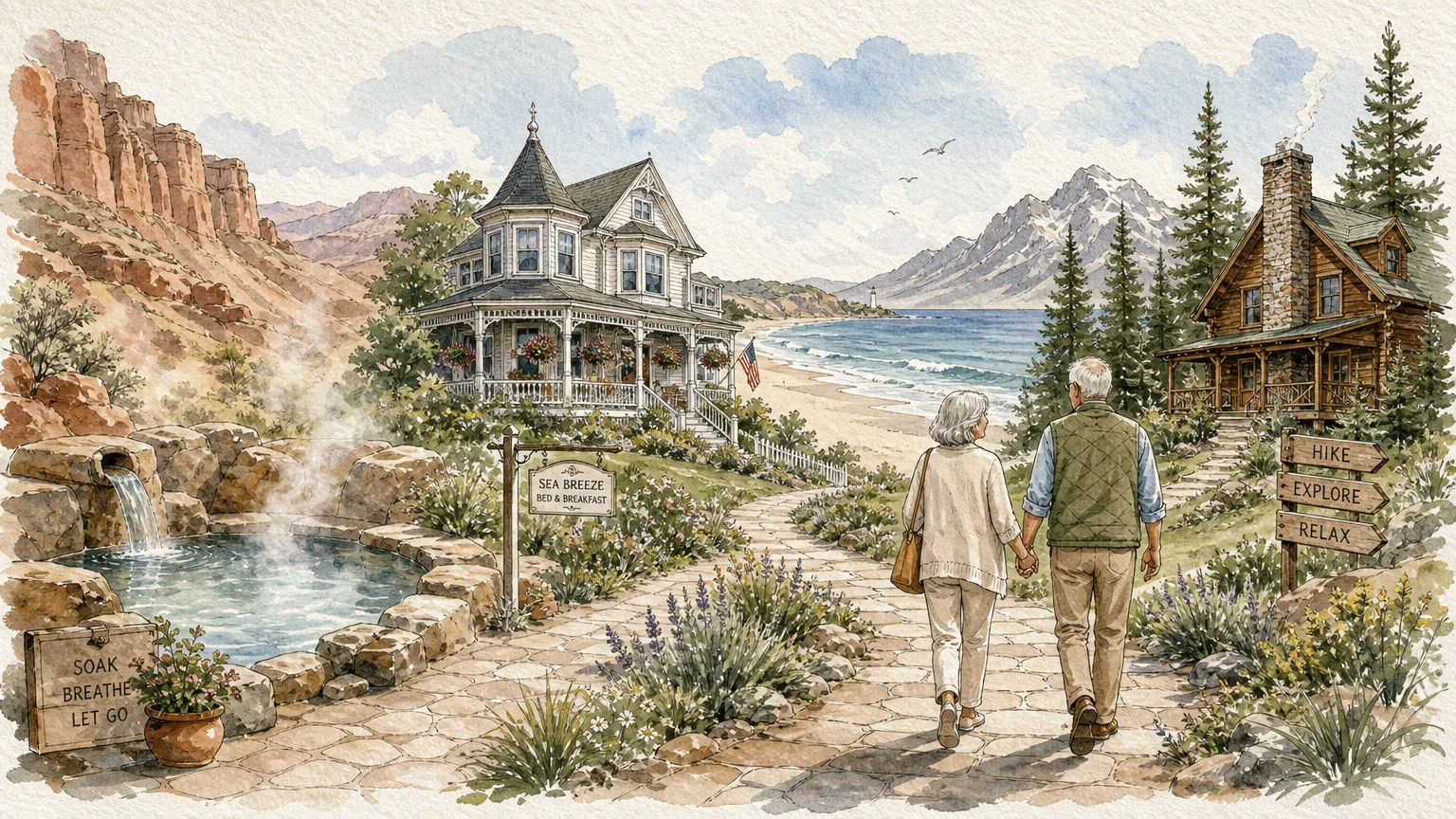
Your golden years offer the perfect opportunity to pack a bag, escape the daily routine, and immerse yourself in a rejuvenating weekend getaway. Discovering the right travel destinations allows you to recharge your spirit, explore new hobbies, and connect with like-minded peers without the exhaustion of a weeks-long international excursion. From tranquil wellness spas tucked into the mountains to culturally rich historic towns offering leisurely walking tours, retirees are prioritizing experiences that blend comfort with gentle adventure. Whether you crave the quiet solitude of nature or the engaging atmosphere of an arts community, these highly recommended, senior-friendly retreats provide practical luxury and memorable weekend experiences tailored specifically for your lifestyle and pace.
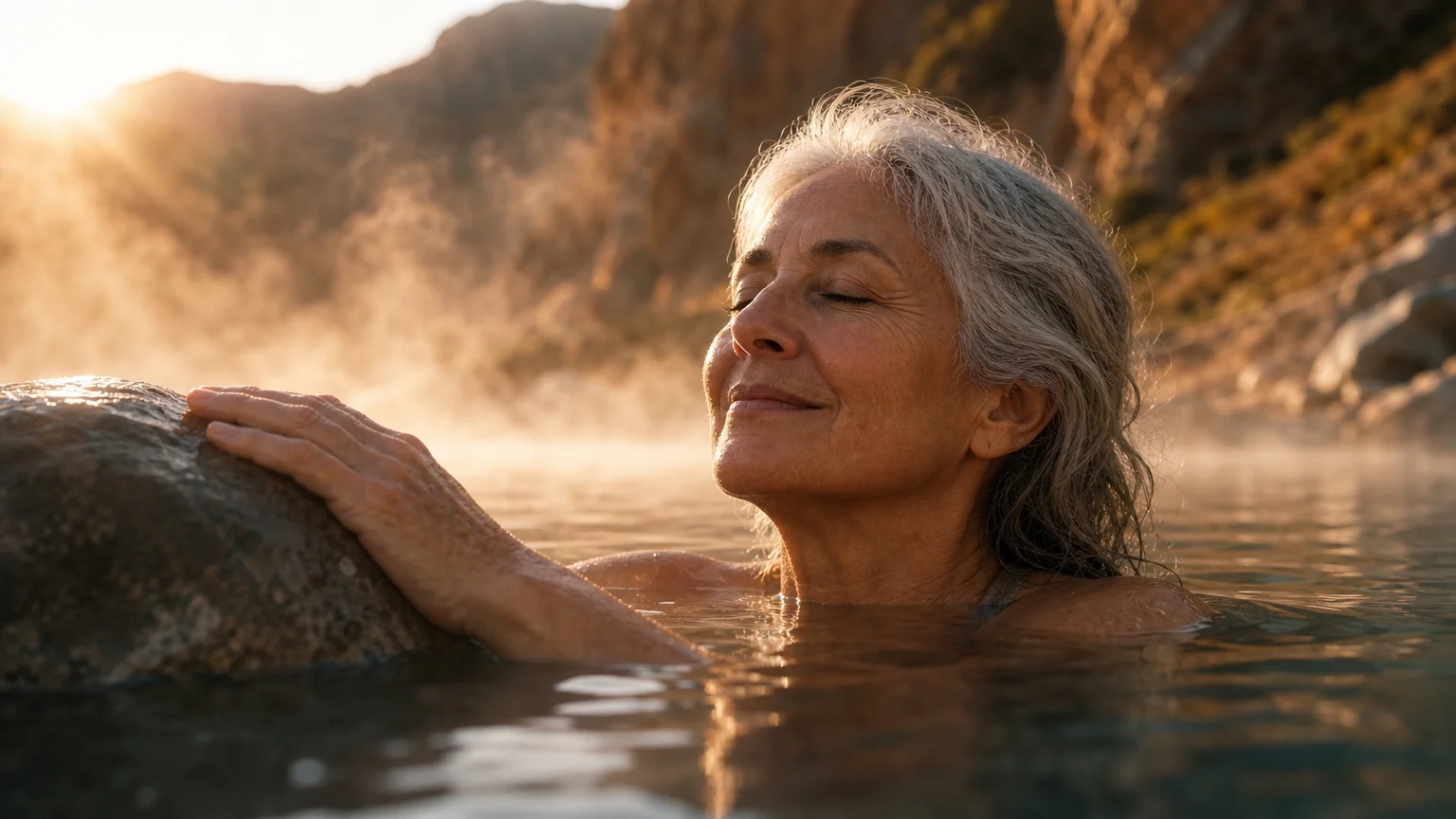
Tip #1: Rejuvenating Hot Springs and Wellness Spas
Stepping into the warm, mineral-rich waters of a natural hot spring provides an immediate sense of deep physical relief and mental tranquility. Retirement travel is increasingly shifting away from exhausting itineraries toward restorative experiences, making wellness spas one of the most popular choices for older adults. Thermal waters naturally contain high levels of therapeutic minerals—such as magnesium, silica, and lithium—which work together to soothe aching joints, alleviate arthritis discomfort, and significantly reduce stress levels. The gentle buoyancy of the water takes the pressure off your skeletal system, allowing you to move freely and comfortably.
Facilities like the Ojo Caliente Mineral Springs Resort in New Mexico or the Glenwood Hot Springs Resort in Colorado perfectly exemplify these relaxing retreats. They offer beautifully maintained, accessible pools of varying temperatures, ensuring you can find the exact level of warmth that suits your body. Beyond the pools, these resorts often feature complementary wellness amenities, including therapeutic massages, quiet meditation rooms, and eucalyptus steam baths designed to clear the respiratory system and promote deep relaxation.
To maximize your experience, book your wellness retreat during the middle of the week rather than the weekend. Mid-week stays naturally filter out the larger family crowds, guaranteeing a much quieter, more serene environment where you can truly unwind. Additionally, contact the spa ahead of time to request ground-floor accommodations or rooms located close to the main bathing areas; this simple step significantly reduces the amount of walking required and allows you to transition effortlessly from a hot soak to the comfort of your plush bed.

Tip #2: Coastal Bed and Breakfasts for Gentle Exploration
There is profound psychological power in “blue space”—the therapeutic environment created by being near large bodies of water. Coastal weekend getaways offer a unique blend of refreshing sea breezes, calming acoustic rhythms from crashing waves, and picturesque seaside towns waiting to be explored at a leisurely pace. Spending just a few days breathing in the salt air has been shown to lower heart rates, reduce blood pressure, and dramatically improve sleep quality, making the coast an ideal destination for a restorative retreat.
Destinations like Cape May, New Jersey, and Carmel-by-the-Sea, California, represent the gold standard for senior travel along the coast. These charming towns are famous for their immaculately preserved architecture, flat, highly walkable boardwalks, and an abundance of cozy bed and breakfasts. Staying in a locally owned inn provides a deeply personalized travel experience. Innkeepers are typically passionate locals who gladly serve up daily homemade breakfasts and offer insider knowledge on the quietest beaches, the most accessible local art galleries, and the finest seafood restaurants in town.
When planning your coastal escape, pay special attention to the physical layout of your chosen accommodation. Because many beloved coastal inns operate within historic Victorian homes, they frequently lack modern elevators. Always call the property directly before making your reservation to specifically request a ground-floor suite or a room requiring minimal stair climbing. Furthermore, pack a pair of highly supportive, slip-resistant walking shoes; coastal boardwalks and charming cobblestone streets are beautiful to admire but require proper footwear to navigate safely and comfortably.
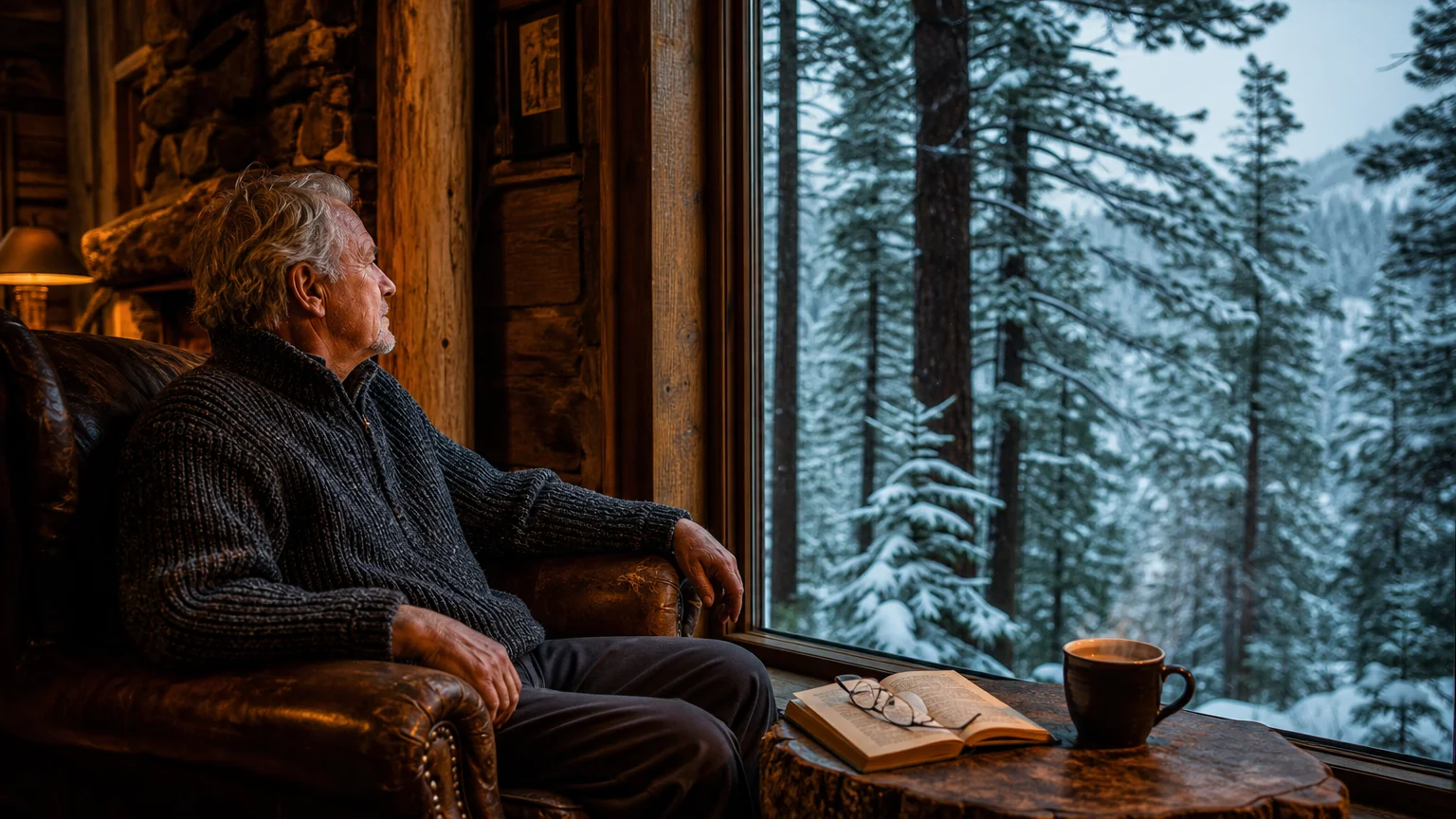
Tip #3: Mountain Lodge Escapes for Nature Lovers
You do not need to embark on a grueling, multi-day backpacking expedition to profoundly connect with the beauty of the great outdoors. Historic mountain lodges provide spectacular, panoramic wilderness scenery directly from the comfort of a padded rocking chair on a wrap-around porch. For nature enthusiasts, these mountain retreats strike the perfect balance between experiencing the rugged beauty of the wilderness and enjoying the refined comforts of premium hospitality.
Consider iconic travel destinations like the Skytop Lodge in Pennsylvania’s Pocono Mountains or the historic lodges scattered along the scenic Blue Ridge Parkway in North Carolina. These majestic stone and timber properties often sit upon thousands of acres of pristine, protected forests. They cater heavily to retirees by offering low-impact outdoor activities. You can spend your mornings enjoying guided bird-watching tours, traversing flat, fully paved nature trails, or simply driving along spectacular scenic byways that offer breathtaking overlooks without requiring you to leave the comfort of your vehicle.
To ensure your mountain getaway is as comfortable as possible, practical packing is essential. Mountain environments are famous for their rapidly fluctuating microclimates; a morning that begins crisp and chilly can quickly transform into a brilliantly warm afternoon. Pack lightweight, breathable layers that you can easily add or remove throughout the day. Additionally, bring along a quality pair of compact binoculars and a guidebook on local flora and fauna. These simple tools drastically enhance your enjoyment of the natural surroundings right from the lodge’s main deck.

Tip #4: Immersive Culinary and Wine Retreats
Gastronomic tourism is flourishing among older adults who view food not merely as sustenance, but as a rich, cultural experience. Immersive culinary and wine retreats allow you to explore the unique agricultural heritage of a region through guided tastings, farm-to-table dining, and educational experiences. These weekend getaways engage your senses and your mind, offering the distinct pleasure of discovering new flavors, understanding complex wine pairings, and learning professional cooking techniques you can take home with you.
The Finger Lakes region in New York and the Willamette Valley in Oregon are prime examples of premier culinary travel destinations. Unlike overcrowded, party-centric wine regions, these areas offer a slower, more intimate approach to viticulture. Many estates in these regions provide seated, educational tastings where knowledgeable sommeliers walk you through the history and chemistry of the wine. Additionally, many of these vineyards host weekend cooking workshops specifically designed for enthusiastic home chefs, teaching everything from artisanal bread baking to crafting the perfect farm-fresh pasta.
To safely and comfortably enjoy a culinary retreat, prioritization of transportation is paramount. Look for comprehensive retreat packages that bundle your luxury lodging, cooking classes, and daily meals into one single, walkable estate. If you plan to venture out to multiple vineyards, arrange for a private driver or utilize local boutique tour buses that cater specifically to senior travel. Removing the stress of navigating unfamiliar rural roads and managing designated drivers allows you to fully relax and safely indulge in the region’s culinary delights.
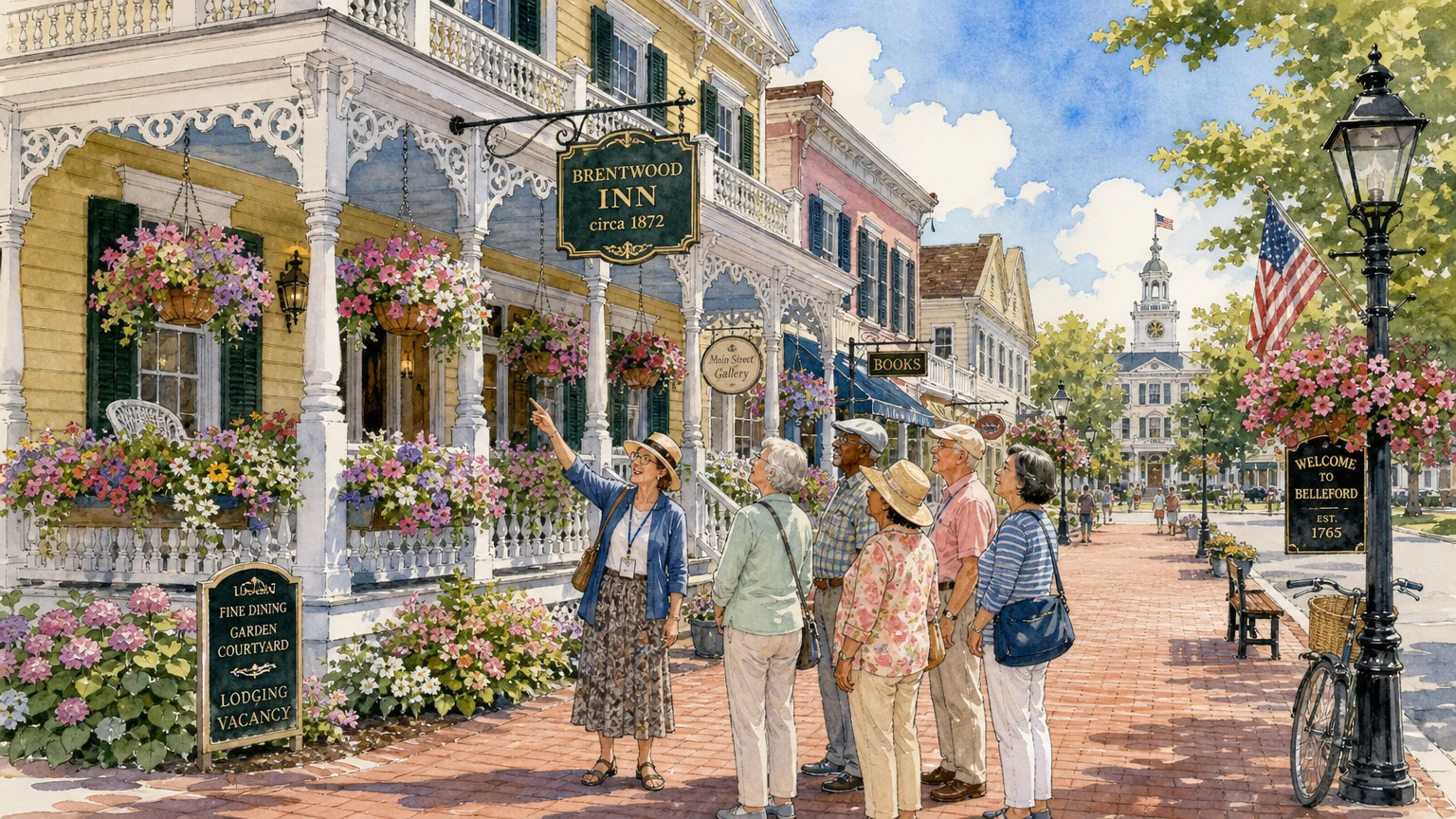
Tip #5: Historic Town Retreats for Cultural Enrichment
Retirement provides the luxurious gift of time—time that is perfectly spent engaging in lifelong learning and cultural enrichment. Historic town retreats offer deep, intellectually stimulating immersion into the past without the overwhelming scale, noise, and frantic energy of a massive metropolitan city. These charming destinations allow you to step back in time, engage directly with historical preservation, and enjoy magnificent architecture at your own unhurried pace.
Travel destinations such as Colonial Williamsburg in Virginia, the historic district of Savannah, Georgia, and the ancient streets of St. Augustine, Florida, are incredibly popular among active retirees. These towns pride themselves on their accessibility and their wealth of educational resources. You can spend your weekend enjoying expert-led historical walking tours, exploring specialized museums, and interacting with passionate historical interpreters who bring centuries-old stories to vivid life. The physical environment of these towns naturally encourages gentle, sustained cardiovascular exercise as you wander from one fascinating landmark to the next.
To avoid physical burnout during your historical exploration, strategically pace your itinerary. Rather than attempting to cram four different museums into a single afternoon, purchase multi-day attraction passes. This smart investment allows you to visit a historical site for a few hours in the morning, return to your hotel for a restorative midday rest, and head back out for a relaxed evening carriage ride. Furthermore, take full advantage of hop-on-hop-off trolley services; they provide excellent, narrated overviews of the town while giving your feet a much-needed break between major attractions.

Tip #6: Creative Arts and Crafting Workshops
Leaving the workforce often frees up immense mental bandwidth, creating the perfect opportunity to rediscover dormant hobbies or cultivate entirely new creative passions. Immersive crafting retreats offer an idyllic blend of expert instruction, artistic expression, and meaningful social connection. Engaging in creative tasks—whether painting, pottery, or woodworking—greatly enhances cognitive function, improves fine motor skills, and provides a profound sense of accomplishment.
The John C. Campbell Folk School nestled in the mountains of North Carolina, as well as the Arrowmont School of Arts and Crafts in Tennessee, are highly celebrated relaxing retreats for seniors. These institutions offer dedicated weekend workshops covering a vast array of disciplines, from traditional Appalachian basket weaving and blacksmithing to watercolor painting and creative writing. The atmosphere at these retreats is distinctly non-competitive; there are no grades or performance metrics. The entire community is focused purely on the joy of creating and the pleasure of sharing stories around the dinner table after a day in the studio.
When selecting an arts retreat, confidently register for introductory or beginner-level workshops, even if you have dabbled in the craft previously. Starting at the beginner level entirely removes the pressure of performance anxiety and allows you to enjoy the physical process of making art in a highly supportive, judgment-free environment. Additionally, these workshops present a wonderful opportunity to organically forge new friendships with fellow retirees who share your specific interests and curiosity.

Tip #7: Spiritual and Mindfulness Retreat Centers
The transition into the golden years, while exciting, occasionally brings unexpected emotional challenges as you adjust to a new daily rhythm, a changing identity, and evolving family dynamics. Mindfulness and spiritual retreats provide excellent, practical tools for navigating this life phase with grace, mental clarity, and deep inner peace. These structured weekend getaways focus entirely on holistic well-being, prioritizing mental health just as much as physical relaxation.
Renowned destinations like the Kripalu Center for Yoga & Health in the Berkshire mountains of Massachusetts or the Art of Living Retreat Center in North Carolina offer magnificent spaces dedicated to personal reflection. A typical weekend at these centers includes gentle, restorative yoga classes designed to improve joint mobility and balance, guided forest bathing walks, and peaceful periods of silent reflection. The cuisine is typically health-focused, featuring nourishing, plant-based meals that provide abundant energy without making you feel sluggish.
When researching mindfulness retreats, specifically seek out centers that highlight programs designed for mature adults or label their movement classes as “gentle,” “accessible,” or “restorative.” These tailored programs ensure that all physical movements can be comfortably modified for any physical limitations, utilizing props like chairs and bolsters. By choosing an accessible program, you ensure that your weekend remains a deeply restorative experience that empowers you to return home feeling mentally lighter and physically rejuvenated.

The Takeaway: Living a More Blissful Retirement
Embracing the concept of weekend getaways serves as a vital component of a healthy, joyful, and deeply fulfilling retirement. You have spent decades working hard, raising families, and meeting obligations; now is the time to prioritize your own joy, curiosity, and relaxation. These short, focused trips beautifully break up the routine of daily life, providing you with exciting events to look forward to and wonderful memories to look back upon.
Whether you choose to soothe your muscles in a natural geothermal spring, challenge your mind in a historic colonial town, or discover a hidden artistic talent at a mountain craft school, the perfect retreat is out there waiting for you. By carefully selecting senior-friendly travel destinations and implementing practical strategies for pacing and comfort, you guarantee that your travels remain safe, deeply relaxing, and endlessly inspiring. Pack your bag, step out of your comfort zone, and allow yourself to fully experience the immense bliss of your golden years.
Frequently Asked Questions
How do I ensure a retreat is accessible for my specific mobility levels?
The most effective way to guarantee accessibility is to call the retreat center or hotel directly before booking your stay. Do not rely solely on internet photos, as they rarely show the number of stairs or the layout of the bathrooms. Ask specific questions: Are there ground-floor rooms available? Do the historic buildings have modern elevators? Are the walking paths on the property paved and flat, or are they uneven dirt trails? Confirming these details over the phone ensures your chosen travel destinations match your physical comfort zone.
Are all-inclusive retreat packages worth the financial investment for retirees?
Yes, all-inclusive packages often provide exceptional value, especially for senior travel. While the upfront cost may appear higher, these packages bundle your lodging, daily meals, specialized classes, and gratuities into one predictable price. This completely eliminates the stress of budgeting on the fly, searching for appropriate restaurants three times a day, or constantly pulling out your wallet. For relaxing retreats, the mental freedom of knowing everything is perfectly arranged and paid for is well worth the initial investment.
What are the most important items to pack for a relaxing weekend getaway?
Comfort and practicality should drive your packing strategy. Always bring highly supportive, well-broken-in walking shoes to prevent foot fatigue. Pack clothing in breathable layers to comfortably adapt to fluctuating indoor air conditioning and outdoor weather changes. Additionally, carry a small, dedicated day bag equipped with a reusable water bottle, your daily medications, a lightweight travel umbrella, and a physical copy of your itinerary. Finally, leave expensive or heavy jewelry at home to streamline your travel experience.
How far in advance should I book popular domestic travel destinations?
To secure the best accommodations—specifically coveted ground-floor suites or highly accessible rooms—you should aim to book your weekend getaways at least three to four months in advance. For prime travel seasons, such as autumn foliage trips to the mountains or summer coastal escapes, booking six months ahead is highly recommended. Booking early not only guarantees your preferred room type but also frequently locks in early-bird pricing and better senior discount rates.
For a wide range of resources for older adults, visit AARP and the National Council on Aging (NCOA). Health information is available from the National Institute on Aging.
Disclaimer: This article is for informational and inspirational purposes only. It is not a substitute for professional medical, financial, or psychological advice. Please consult with a qualified expert for guidance tailored to your individual needs.









Leave a Reply