
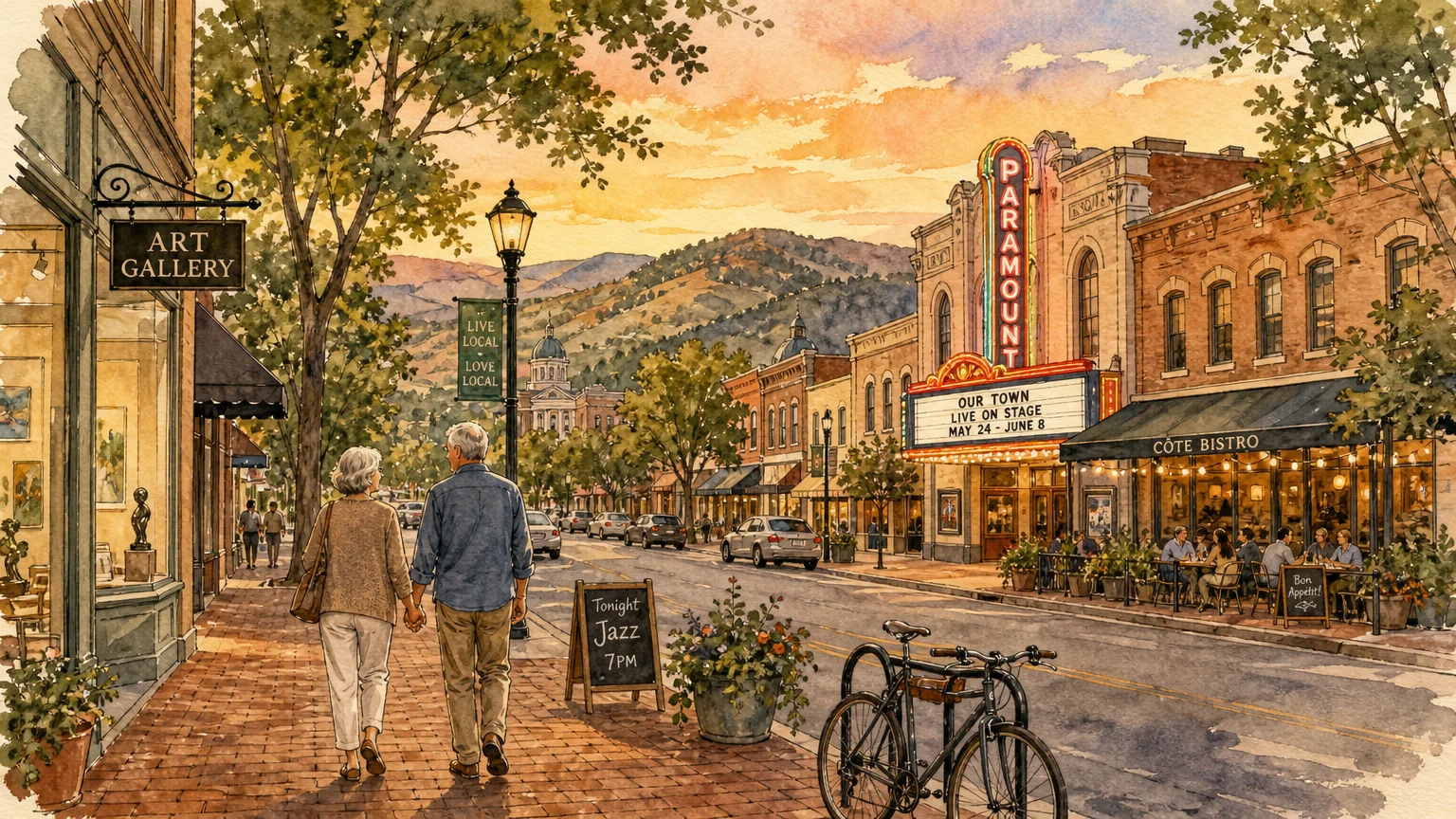
Choosing the right retirement destination means balancing the charm of a tight-knit community with the vibrant lifestyle you deserve. You do not have to sacrifice world-class dining, advanced healthcare, or thriving cultural scenes when downsizing your zip code. Smaller cities across the United States now offer the perfect blend of easy living and big-city amenities; they give you the ultimate setting for a joyful next chapter. Moving to a more manageable locale reduces daily stress—fewer traffic jams and lower living costs—while keeping your social calendar full of theater shows and culinary festivals. Whether you seek coastal breezes or mountain views, discovering these hidden gems will help you craft a deeply fulfilling, amenity-rich lifestyle tailored exactly to your passions.

Tip #1: Greenville, South Carolina
Greenville blends Southern charm with a highly sophisticated downtown, making it a standout choice for an urban retirement. The city features a visually stunning, tree-lined Main Street suspended over a natural waterfall. You enjoy a small community feel while engaging with a thriving social scene. The pace of life feels relaxed; however, the daily entertainment options rival massive metropolitan areas.
Access to top-tier amenities defines the Greenville experience. The Peace Center attracts Broadway tours and renowned musicians, keeping your cultural calendar full. The city boasts hundreds of locally owned restaurants offering everything from farm-to-table Southern fare to authentic international cuisine. Furthermore, you find peace of mind with Prisma Health, the largest not-for-profit health organization in the state, located right in your backyard. This comprehensive medical care allows you to age gracefully without making long commutes to see specialists.
To see if Greenville fits your retiree relocation plans, spend a long weekend exploring the Swamp Rabbit Trail. This 22-mile multi-use greenway connects city parks to local cafes and shops. Rent a bicycle or simply walk a section of the trail to gauge how easily you can incorporate outdoor activity into your new daily routine.
Tip #2: Boulder, Colorado
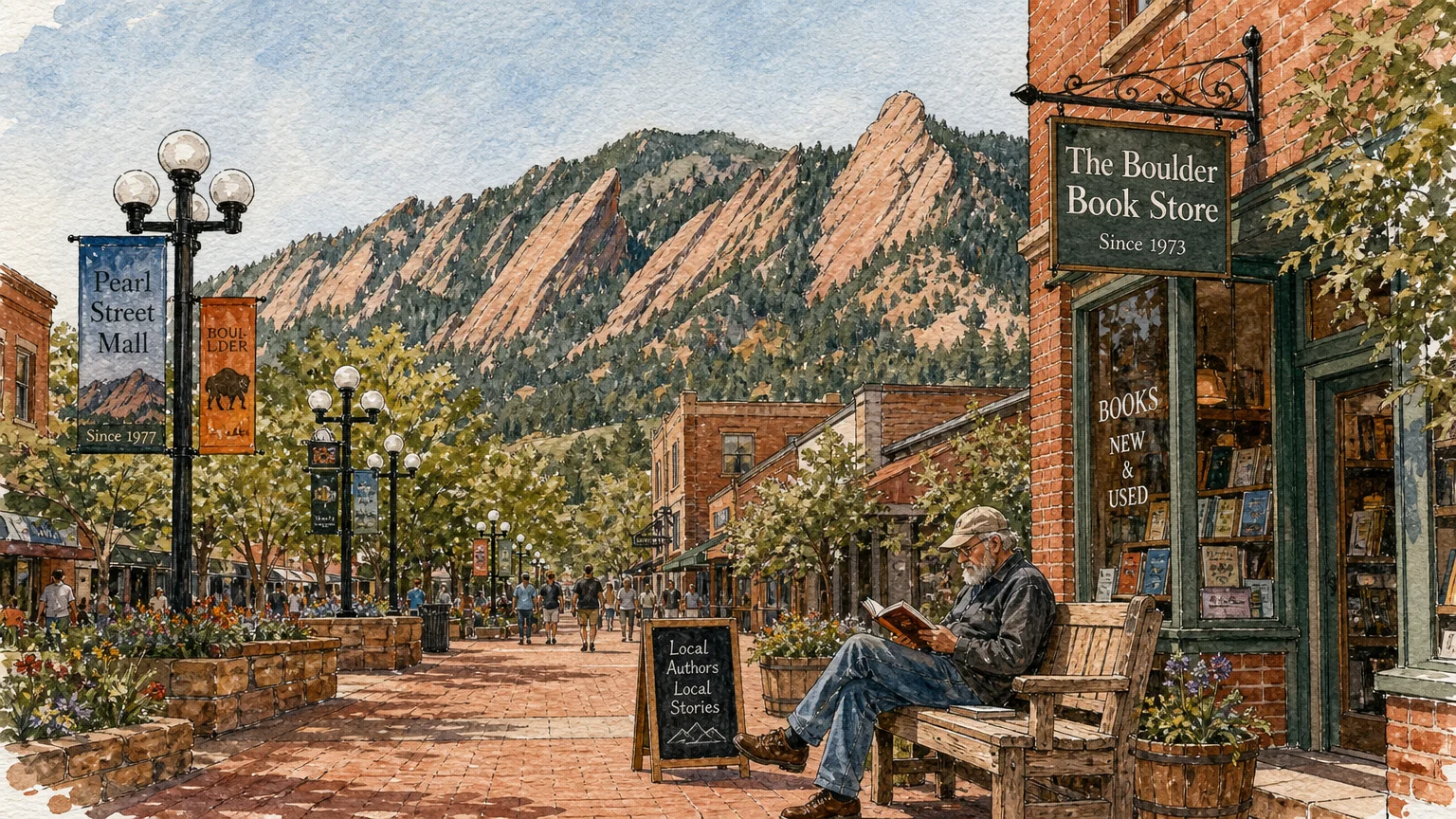
Boulder stands out as an exceptional destination for active seniors who crave intellectual stimulation alongside outdoor adventure. Nestled at the foothills of the Rocky Mountains, this city offers spectacular natural beauty without sacrificing a single urban convenience. The community places a massive emphasis on wellness and sustainability. You find an environment that naturally encourages a healthy, vibrant lifestyle through clean air, endless sunshine, and highly walkable neighborhoods.
The urban amenities cater beautifully to a sophisticated senior living experience. The pedestrian-only Pearl Street Mall serves as the heart of the city; it teems with independent bookstores, art galleries, and chef-driven restaurants. Because it is home to the University of Colorado, Boulder offers incredible opportunities for lifelong learning. Colorado residents aged 55 and older can audit university classes, keeping your mind sharp and engaged. The city also features an excellent public transportation network via the RTD bus system, making it incredibly easy to navigate without a car.
Evaluate your comfort with the high-altitude environment by visiting during the winter months. Take time to explore the indoor amenities, such as the local recreation centers and the public library. Engaging directly with local senior organizations gives you a concrete sense of the robust social support networks available.
Tip #3: Charlottesville, Virginia
Charlottesville captures the imagination of history buffs and culture enthusiasts alike. This historically rich city presents a deeply intellectual atmosphere, driven heavily by the presence of the University of Virginia. You gain the dual benefits of a visually gorgeous landscape and a downtown area bursting with activity. The community embraces a refined lifestyle where historic preservation meets modern convenience, creating an incredibly balanced retirement destination.
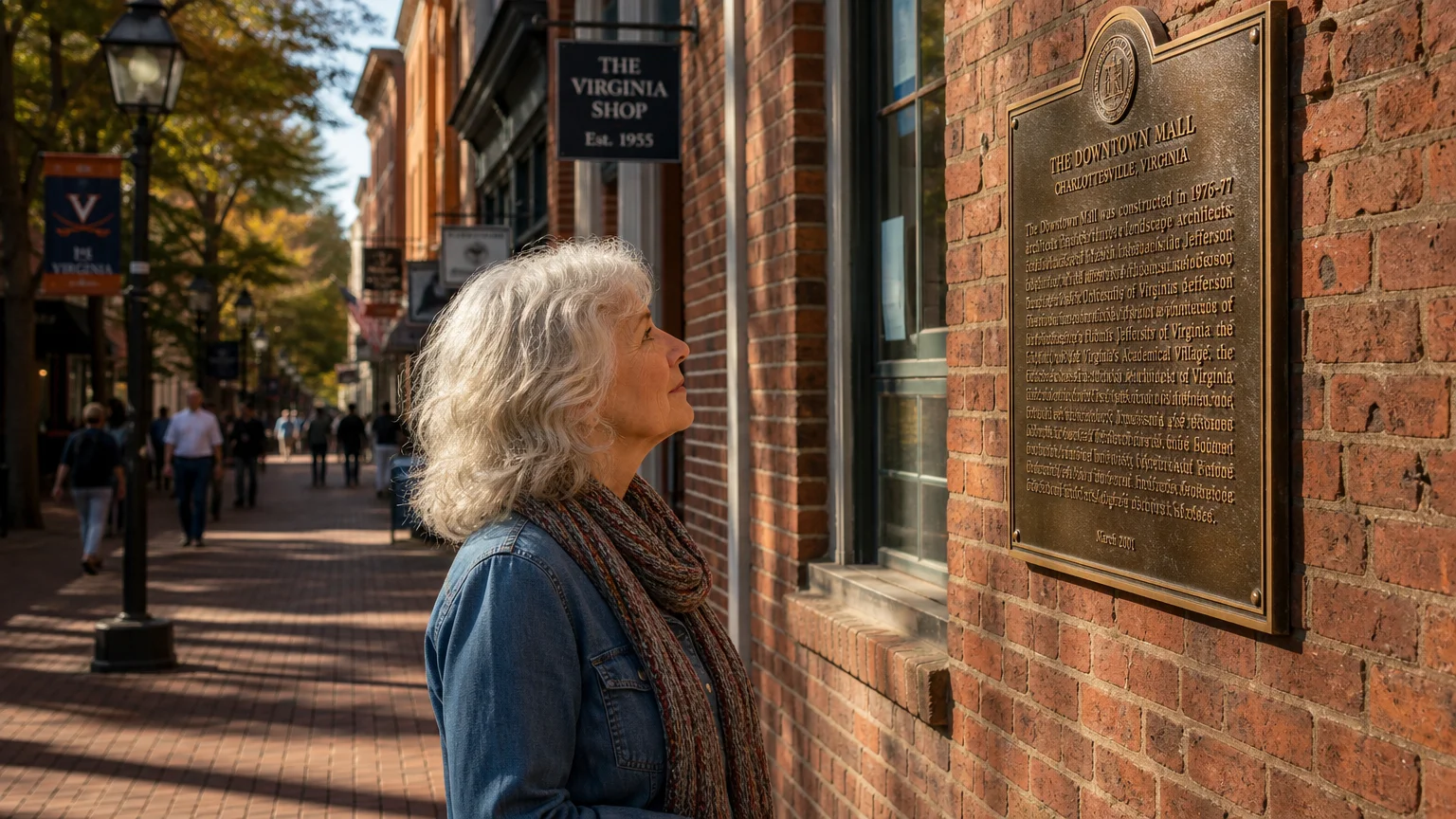
Urban conveniences shine brightly across the city. The Downtown Mall features brick-paved streets lined with restored historic buildings, boutique shops, and outdoor cafes. You can easily catch a performance at the Paramount Theater or browse local farmers markets on the weekend. Healthcare stands as a major pillar of Charlottesville’s appeal. The UVA Medical Center consistently ranks among the top hospitals in the nation, providing you with immediate access to groundbreaking treatments, clinical trials, and top-tier specialists.
When considering a move here, closely examine the surrounding real estate options in Albemarle County. Look for neighborhoods that offer easy transit to the university campus to maximize your access to guest lectures and sporting events. Taking advantage of the local vineyard culture also provides a fantastic, relaxed way to socialize and meet fellow retirees.

Tip #4: Portland, Maine
Portland delivers a quintessential New England coastal experience paired with surprisingly cosmopolitan amenities. The city breathes creativity and maritime history, defined by its cobblestone streets and working waterfront. You enjoy a tightly knit community vibe while living in a hub of artistic expression and gastronomic innovation. The scale of the city remains small enough to feel familiar quickly, yet dynamic enough to keep you exploring year after year.
For those interested in the arts, the Portland Museum of Art and numerous independent galleries provide endless visual inspiration. The city consistently earns accolades as a top food destination; you can easily dine at award-winning seafood bistros or grab artisan pastries at local bakeries. On the practical side, Maine Medical Center offers comprehensive healthcare services, ensuring you have advanced medical support nearby. The city also operates robust ferry and bus services, keeping you connected locally and regionally.
Investigate your tolerance for Northern winters before committing to this coastal haven. Rent an apartment during the colder months to experience the off-season lifestyle firsthand. Focus on finding housing close to the downtown peninsula to maintain walking access to grocery stores, pharmacies, and cafes even when the snow begins to fall.

Tip #5: Santa Fe, New Mexico
Santa Fe offers an entirely unique, culturally immersive backdrop for your golden years. Known as “The City Different,” this high-desert community blends Native American, Spanish, and Anglo traditions into a visually striking and historically profound setting. You find yourself surrounded by Pueblo-style architecture, endless blue skies, and a deeply spiritual atmosphere. The relaxed pacing encourages you to slow down, savor your days, and engage deeply with your personal interests.
Despite its modest population, Santa Fe punches far above its weight class regarding urban amenities. The city is a world-renowned arts destination, boasting more than 250 galleries along Canyon Road and the globally celebrated Santa Fe Opera. Your culinary experiences range from traditional New Mexican chili houses to refined, contemporary dining rooms. Healthcare needs are thoroughly addressed by Christus St. Vincent Regional Medical Center, which offers extensive specialized care. The mild, four-season climate allows for comfortable outdoor activities year-round.
Before planning your retiree relocation, spend a few weeks adjusting to the 7,199-foot elevation. Drink plenty of water and monitor how your body handles the altitude during physical activities. Connect with local artisan groups or volunteer at a museum to immediately anchor yourself within this highly creative and welcoming community.
Tip #6: Ann Arbor, Michigan
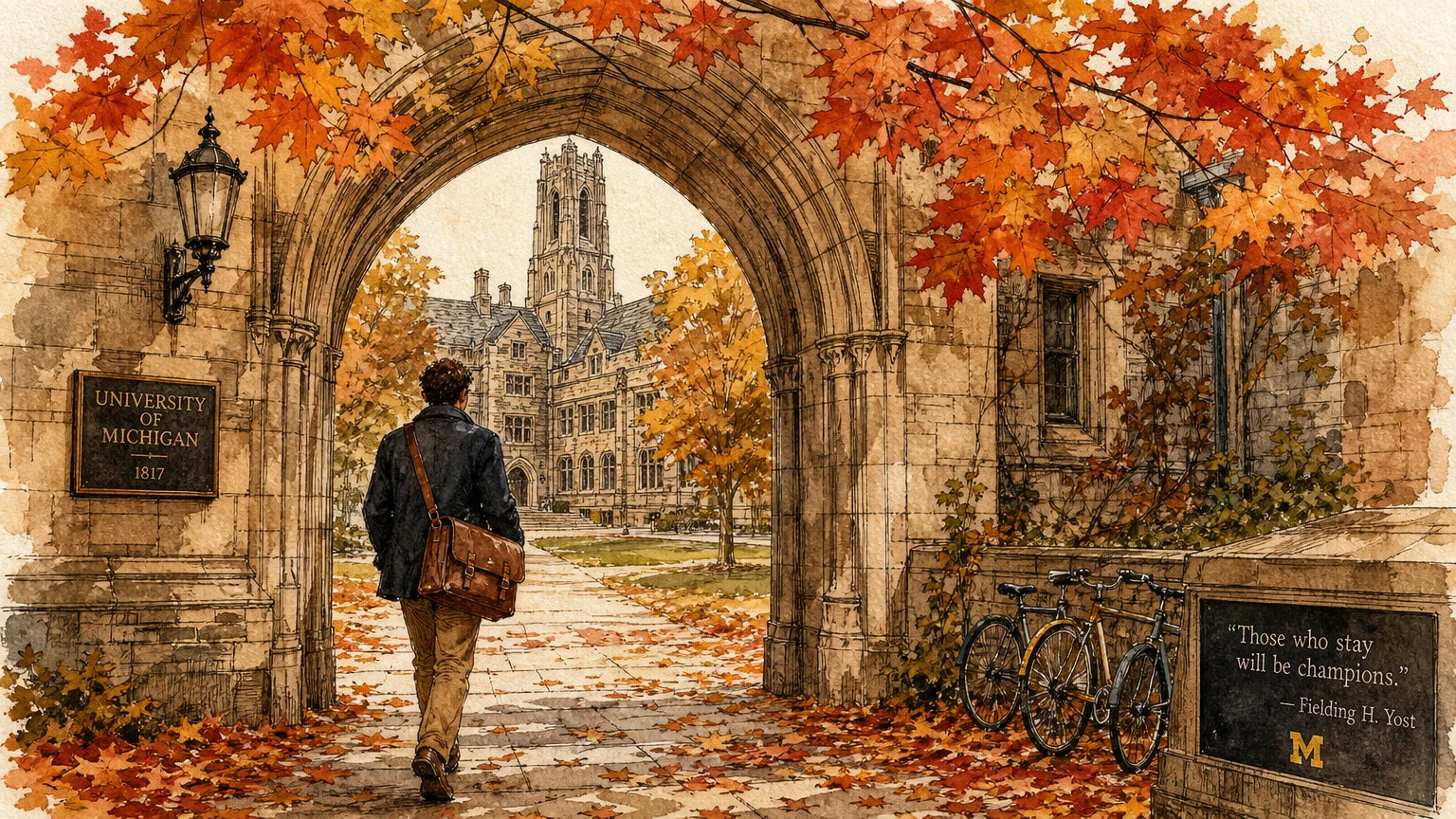
Ann Arbor consistently ranks as a premier location for an intellectually engaging urban retirement. Dominated by the energy of the University of Michigan, the city maintains a youthful, forward-thinking spirit while providing profound comfort for older adults. You discover neighborhoods draped in a canopy of mature trees, offering tranquil residential living mere blocks from bustling commercial districts. The community highly values education, inclusivity, and civic engagement, making it incredibly easy to find your niche.
The sheer volume of amenities rivals cities five times its size. The downtown area features the historic Michigan Theater, world-class independent bookstores, and a diverse array of global cuisine. When it comes to healthcare, you simply cannot do better than the University of Michigan Health system. Regularly ranked among the finest hospitals globally, it provides access to elite geriatric care and specialized medicine. The city also champions accessibility with the Ann Arbor Area Transportation Authority, simplifying a car-free or car-lite lifestyle.
Take time to explore the city’s extensive park system to see how easily you can stay active. Review the local property tax structures, as funding for the exceptional public amenities does influence living costs. Joining a local book club or attending university symphonies rapidly integrates you into the local social fabric.

Tip #7: Asheville, North Carolina
Asheville captures the hearts of those who want spectacular mountain vistas alongside a vibrant, eclectic city culture. Tucked into the Blue Ridge Mountains, this destination champions independent business, holistic wellness, and historic architecture. The city radiates a welcoming, bohemian energy that encourages you to pursue new hobbies and build deep, meaningful friendships. You get the restorative benefits of mountain living combined with an impressively modern infrastructure.
You never run out of things to do in Asheville. The River Arts District houses hundreds of working artists in converted industrial buildings, offering classes and exhibitions daily. The culinary scene heavily prioritizes farm-to-table dining, supported by a vast network of local Appalachian farmers. For your medical needs, Mission Hospital serves as the region’s primary advanced care facility, providing comprehensive health services and specialized care programs. The presence of the Osher Lifelong Learning Institute at UNC Asheville ensures you have ample opportunities for continuing education.
Focus your housing search on neighborhoods that match your desired level of mobility, as the mountainous terrain includes steep streets. Explore the continuing care communities located near the city center if you prefer an all-inclusive living arrangement. Make sure to visit the local botanical gardens to experience the immense natural beauty defining daily life here.

Tip #8: Sarasota, Florida
Sarasota breaks the mold of traditional Florida living by offering a deeply refined, culture-forward environment. Located on the state’s sun-drenched Gulf Coast, the city perfectly balances resort-style relaxation with serious artistic credentials. You enjoy miles of pristine, white-sand beaches alongside a beautifully maintained, highly walkable downtown core. The community attracts highly accomplished, diverse retirees, creating a dynamic social environment where stimulating conversation is always on the menu.
The cultural infrastructure in Sarasota truly astounds. The John and Mable Ringling Museum of Art, the Sarasota Opera, and the Florida Studio Theatre provide endless entertainment options. You can spend your mornings combing the beach and your evenings attending world-class orchestral performances. Sarasota Memorial Hospital anchors the local healthcare system; it stands as one of Florida’s most respected medical centers, offering dedicated cardiovascular, orthopedic, and geriatric care. The city also features excellent shopping districts that rival upscale urban retail centers.
When searching for the perfect small cities for retirees, carefully evaluate the different neighborhoods. Compare the barrier islands with the historic mainland districts to see which vibe suits your daily routine. Since the area experiences heavy seasonal population shifts, visit during both the peak winter months and the quiet summer season to fully understand the local rhythm.
Tip #9: Madison, Wisconsin
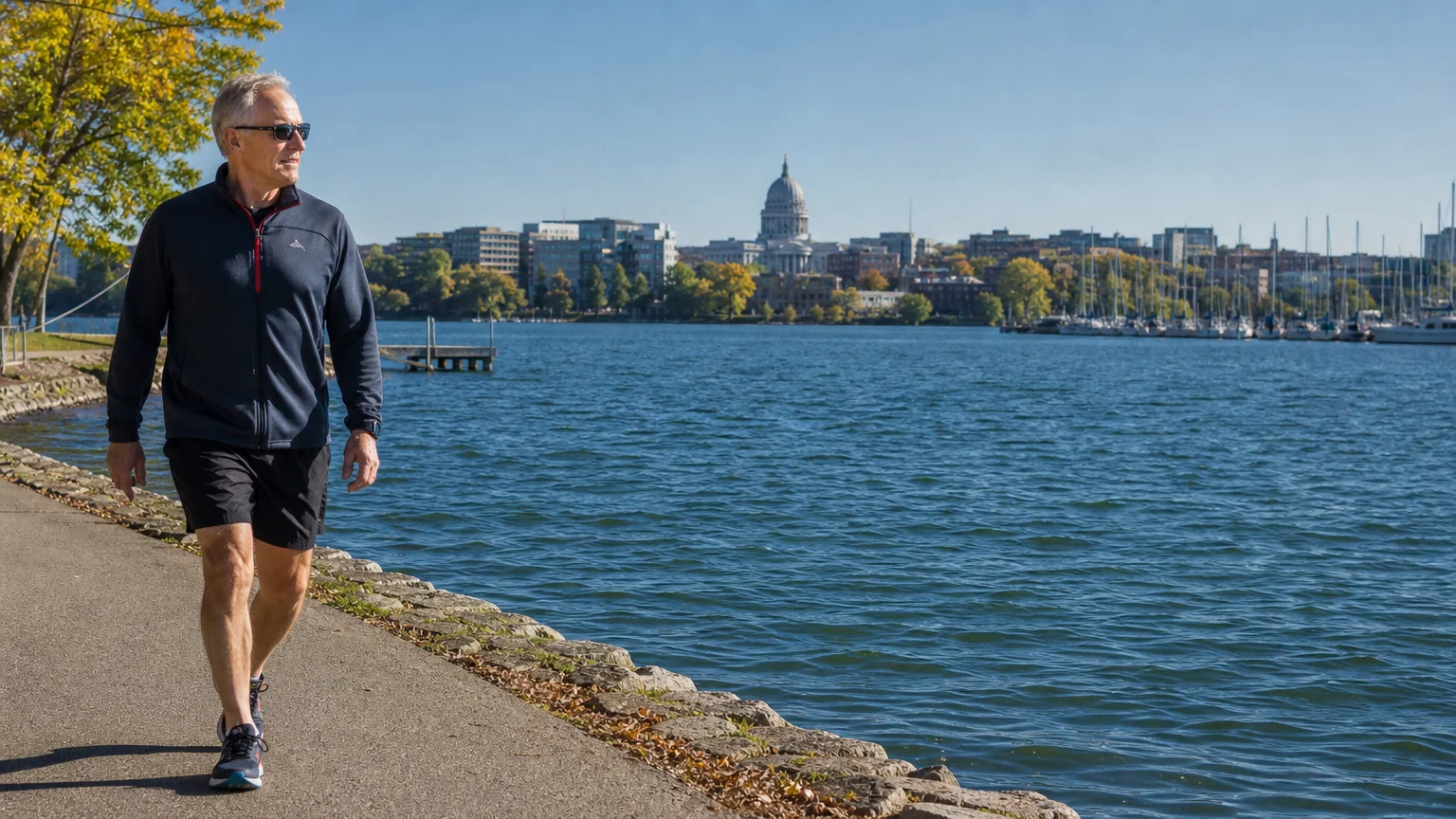
Madison effortlessly combines the natural beauty of an isthmus with the robust infrastructure of a state capital and major university town. Flanked by five stunning lakes, the city offers a picturesque setting that encourages an active, community-focused lifestyle. You experience a highly educated, civically engaged populace that takes immense pride in local businesses and sustainable living. The energy here feels remarkably inclusive, ensuring you feel at home the moment you arrive.
Urban amenities define the Madison experience. The Overture Center for the Arts regularly hosts national touring productions, while the Dane County Farmers’ Market serves as a massive weekly community gathering around the Capitol square. UW Health, associated with the University of Wisconsin, provides exceptional medical care, ensuring you have access to cutting-edge treatments and preventive health services. Additionally, Madison boasts one of the most extensive bicycle path networks in the nation, making it incredibly easy to navigate the city while getting cardiovascular exercise.
Prepare for the distinct seasonal changes by investing in high-quality winter gear, allowing you to enjoy activities like snowshoeing. Look into the extensive volunteer opportunities available through local non-profits and university programs. Engaging in these community-driven initiatives provides a deeply rewarding way to build connections and establish a profound sense of purpose in your new city.

Tip #10: Bend, Oregon
Bend provides an idyllic haven for retirees who refuse to slow down and deeply value environmental stewardship. Located along the Deschutes River, this high-desert city seamlessly integrates dramatic natural landscapes with polished, modern conveniences. You wake up to views of the Cascade Mountains while enjoying the perks of a rapidly growing, economically vibrant community. The city attracts outdoor enthusiasts from all over the country, cultivating a spirited, adventurous local culture.
Despite its rugged surroundings, Bend offers highly sophisticated senior living amenities. The Old Mill District provides upscale shopping, fine dining, and an outdoor amphitheater that draws major musical acts. The culinary scene features acclaimed chefs who emphasize regional ingredients, accompanied by dozens of celebrated craft breweries. St. Charles Bend serves as the medical hub for Central Oregon, offering comprehensive healthcare services, including a leading heart center and cancer care facility. You get the peace of mind of major medical support while living in an alpine paradise.
Embrace the local lifestyle by joining a walking or hiking group tailored to older adults. Because the real estate market in Bend remains highly competitive, work closely with a local realtor to find neighborhoods offering easy access to the river trails and downtown sector. Prioritizing walkability in your home search greatly enhances your ability to enjoy everything this incredible city offers.

The Takeaway: Living a More Blissful Retirement
Finding the perfect balance between small-town tranquility and big-city convenience sets the stage for an extraordinary next chapter. You deserve a locale that nurtures your physical health, stimulates your intellect, and fills your social calendar. By choosing one of these exceptionally well-rounded cities, you can entirely redesign your daily routine. You eliminate the exhausting aspects of massive metropolitan areas while keeping your favorite cultural and medical amenities within arm’s reach.
Take the time to travel and explore these destinations firsthand. Walk the downtown streets, sample the local cuisine, and chat with residents to discover the authentic rhythm of the community. Embrace this transition as a thrilling opportunity to curate a life that aligns perfectly with your passions. Your golden years should absolutely overflow with joy, discovery, and unparalleled comfort.
For a wide range of resources for older adults, visit AARP and the National Council on Aging (NCOA). Health information is available from the National Institute on Aging.
Disclaimer: This article is for informational and inspirational purposes only. It is not a substitute for professional medical, financial, or psychological advice. Please consult with a qualified expert for guidance tailored to your individual needs.
Frequently Asked Questions
What should I prioritize when searching for small cities for retirees?
Focus heavily on the accessibility of high-quality healthcare and everyday walkability. Ensure the city offers cultural activities, continuing education, and reliable public transit to keep you engaged and mobile as your needs change over time.
Will my cost of living decrease by moving to a smaller city?
Relocating to a smaller city often reduces daily expenses like groceries, transportation, and entertainment. However, highly desirable retirement destinations with premium amenities can feature competitive housing markets. Always compare property taxes and state income tax laws to understand the complete financial picture.
How important is access to a major airport during retirement?
Airport proximity remains crucial if you plan to travel internationally or regularly host out-of-state family. Many top-tier small cities feature excellent regional airports with quick, direct connections to major global hubs, drastically reducing your travel-related stress.
Do small cities offer adequate healthcare for older adults?
Absolutely. The most attractive relocation spots are frequently anchored by massive university hospitals or leading regional medical centers. These facilities offer comprehensive, highly specialized geriatric care, ensuring you never have to travel far for advanced medical support.








Leave a Reply