

Uncovering the hidden strategies for a deeply fulfilling next chapter guarantees you maximize the joy and freedom you have worked decades to achieve. The most vibrant retirees rely on a specific set of daily practices that elevate their physical health, emotional well-being, and sense of purpose. Instead of simply letting the days blend together, these savvy seniors actively design routines centered around meaningful connections, lifelong learning, and intentional movement. You can transform your own post-career years into an era of profound growth and happiness by adopting these exact same proven strategies. By focusing on purposeful living and proactive wellness, you ensure your golden years truly sparkle with vitality and genuine contentment.
Tip #1: Prioritize Consistent Movement Over Intense Exercise
Shifting your mindset from grueling gym workouts to sustainable, enjoyable movement forms the foundation of excellent senior living advice. Medical data consistently demonstrates that regular, moderate activity adds highly functional years to your life. You do not need to run marathons to reap cardiovascular and mobility benefits; simply taking a brisk thirty-minute walk every morning significantly lowers blood pressure and boosts mood-enhancing endorphins.
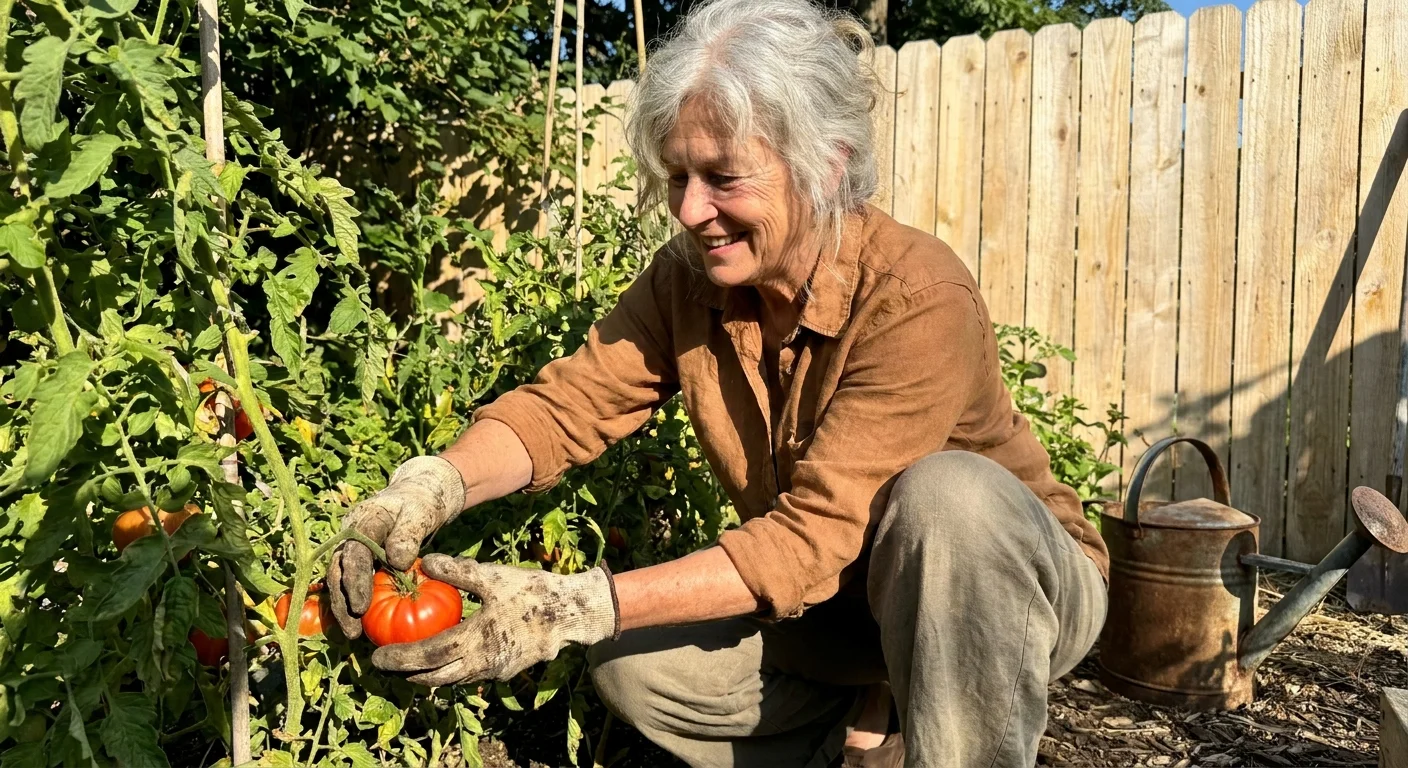
Many energetic retirees swear by low-impact activities—such as water aerobics, tai chi, and restorative yoga—because they protect the joints while building essential core strength. Strengthening your core directly improves your physical balance, which drastically reduces the risk of dangerous falls in your later years. Gardening also serves as an excellent, highly productive physical activity that provides both vitamin D and a rewarding harvest of fresh vegetables.
To implement this healthy habit, schedule your physical activity exactly as you would an important doctor’s appointment. Invite a friendly neighbor for an evening stroll, or join a local community center’s beginner dance class. By viewing daily movement as a joyful requirement rather than a miserable chore, you naturally build physical endurance and maintain the independence necessary for a truly happy retirement.

Tip #2: Cultivate a Micro-Community for Daily Connection
Leaving the traditional workforce often means leaving behind a built-in network of professional colleagues and casual acquaintances. Social isolation poses one of the absolute greatest threats to retirement happiness; prominent health studies reveal that chronic loneliness harms your physical health just as much as smoking fifteen cigarettes a day. Savvy seniors proactively combat this quiet danger by cultivating a tight-knit micro-community.
Instead of relying solely on adult children who may have incredibly busy schedules, you must actively forge new friendships based on shared, specific interests. Join niche groups that meet regularly in your town—perhaps a weekly acoustic guitar circle, a local historical preservation society, or a neighborhood pickleball league. These smaller, highly focused groups provide a welcoming environment where authentic relationships naturally blossom over time.
Initiate contact by inviting a casual acquaintance for a morning cup of coffee or a quick lunch at a local cafe. Consistency builds intimacy rapidly; seeing the exact same people every Tuesday creates a reliable, comforting social safety net. Surrounding yourself with positive, highly active peers encourages you to stay fully engaged with the world and provides crucial emotional support during life’s inevitable transitions.
Tip #3: Establish a Flexible and Joyful Daily Routine
The sudden arrival of endless free time often feels surprisingly overwhelming for new retirees. Decades of your life revolved around a strict, uncompromising schedule dictated by employers, daily commuting, and family obligations. When that rigid structure vanishes overnight, days can easily blur together into a sluggish, unproductive haze. The most successful retirees solve this problem immediately by designing a flexible, personalized daily routine.
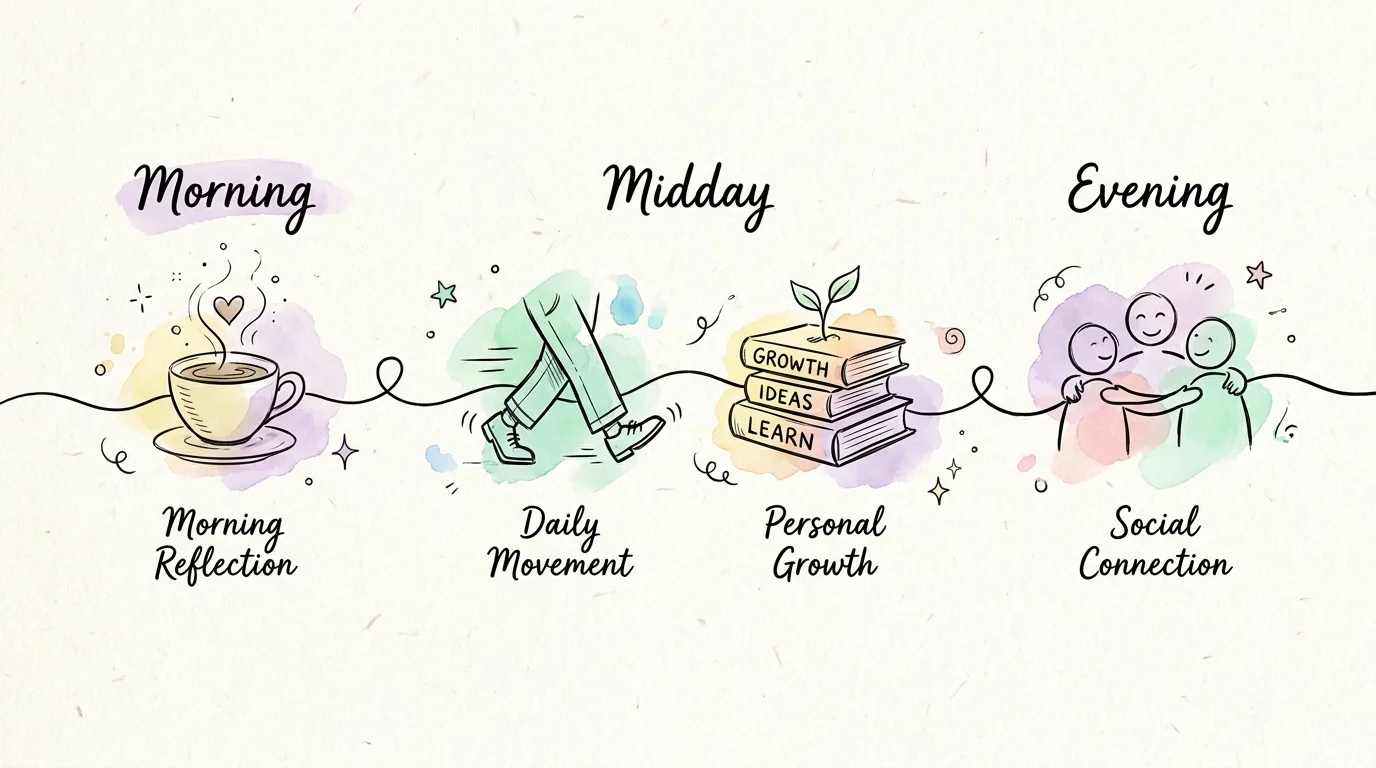
Establishing predictable anchors throughout your week gives your days a comforting rhythm and a distinct sense of forward momentum. Create a morning ritual that sets a wonderfully positive tone—perhaps you spend the first hour enjoying a healthy breakfast, reading a fascinating biography, and completing a quick stretching routine. Dedicate your afternoons to a specific hobby, a planned social outing, or a rewarding household project.
Do not fill every single hour with meaningless busywork; allow plenty of room in your schedule for spontaneous adventures and crucial physical rest. A well-crafted routine simply prevents the heavy malaise of decision fatigue. Knowing exactly how you plan to spend your Tuesday morning eliminates boredom and ensures you continuously invest your precious time in the activities that genuinely enrich your retirement lifestyle.

Tip #4: Pursue Meaningful Endeavors and Volunteer Work
Human beings possess a deep-seated, biological need to feel useful and valued by their surrounding community. Retiring from your professional career certainly does not mean retiring from your overarching life’s purpose. Engaging in meaningful work or dedicating time to volunteering serves as one of the most powerful retirement lifestyle secrets for long-term emotional well-being and cognitive health.
Research from the Corporation for National and Community Service clearly indicates that seniors who volunteer regularly experience significantly lower rates of depression and actually live much longer. Sharing your decades of accumulated professional wisdom provides an immense psychological boost. You can confidently mentor younger professionals in your former industry, read engaging stories to children at the local public library, or help organize fundraising events for an animal shelter.
Choose a specific cause that genuinely excites you and aligns perfectly with your personal values. Even dedicating just four to six hours a week to a respected nonprofit organization gives your week a profound focal point. Giving back to your local community shifts your perspective outward, fosters deep personal gratitude, and connects you with compassionate, like-minded individuals who share your desire to make a positive impact.
Tip #5: Practice Financial Mindfulness Without Deprivation
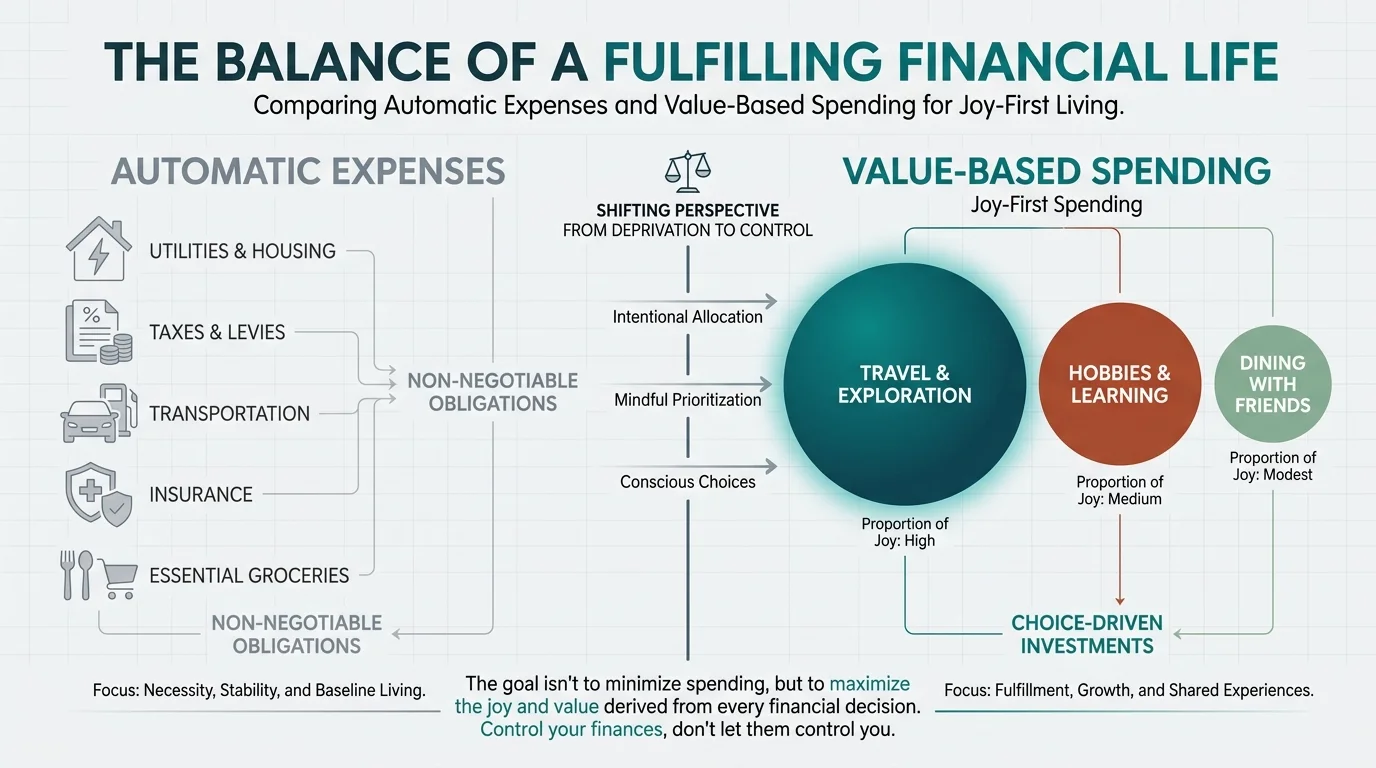
Transitioning from constantly accumulating wealth to actively spending your retirement nest egg triggers profound anxiety for many older adults. However, adopting a mindset of mindful spending allows you to enjoy your hard-earned money without the nagging fear of outliving your financial resources. The secret lies in deliberately prioritizing spending on meaningful life experiences rather than accumulating more material possessions.
Psychological studies confirm repeatedly that experiential purchases—like a weekend getaway to a beautiful national park, an interactive cooking class, or a live concert ticket—generate far more lasting happiness than buying a new television or expensive jewelry. Experiences create cherished, permanent memories and almost always involve vital social interactions. Review your monthly budget and designate a specific fund designed exclusively for these enriching activities.
Work closely with a fiduciary financial advisor to understand your exact, safe withdrawal rate. Once you completely understand your financial parameters, give yourself full permission to spend that allocated money entirely guilt-free. Financial mindfulness means knowing exactly where your money goes and ensuring it directly funds your happiness, rather than letting unnecessary frugality rob you of well-deserved adventures.

Tip #6: Embrace Lifelong Learning to Sharpen Your Mind
Many people mistakenly believe that severe cognitive decline is an entirely unavoidable aspect of the natural aging process. In reality, the human brain retains its incredible neuroplasticity well into your golden years. Keeping your mind incredibly sharp requires you to embrace lifelong learning and consistently challenge your intellect with novel, highly complex tasks.
Simply completing the daily newspaper crossword puzzle provides some minor benefit, but true cognitive growth requires stepping boldly outside your intellectual comfort zone. Attempting to learn a new foreign language, mastering a complex musical instrument, or studying advanced digital photography forces your brain to forge entirely new neural pathways. These challenging activities build substantial cognitive reserve, which directly helps delay the onset of memory-related issues.
Take full advantage of the heavily discounted or entirely free courses offered exclusively to seniors by local community colleges and large universities. Dive deeply into subjects you never had time to explore during your busy working years, such as ancient art history, classical philosophy, or regional botany. Maintaining an intense curiosity about the world keeps you vibrant, socially interesting, and deeply engaged in the ongoing process of personal growth.
Tip #7: Focus on Preventative Health and Adaptability
A joyful, highly active lifestyle relies heavily on a rock-solid foundation of robust physical health. Savvy seniors absolutely do not wait for a major medical crisis to occur; they aggressively prioritize preventative healthcare and intelligently adapt their home environments to suit their evolving physical needs. Early detection remains your absolute greatest weapon against serious, life-altering illness.
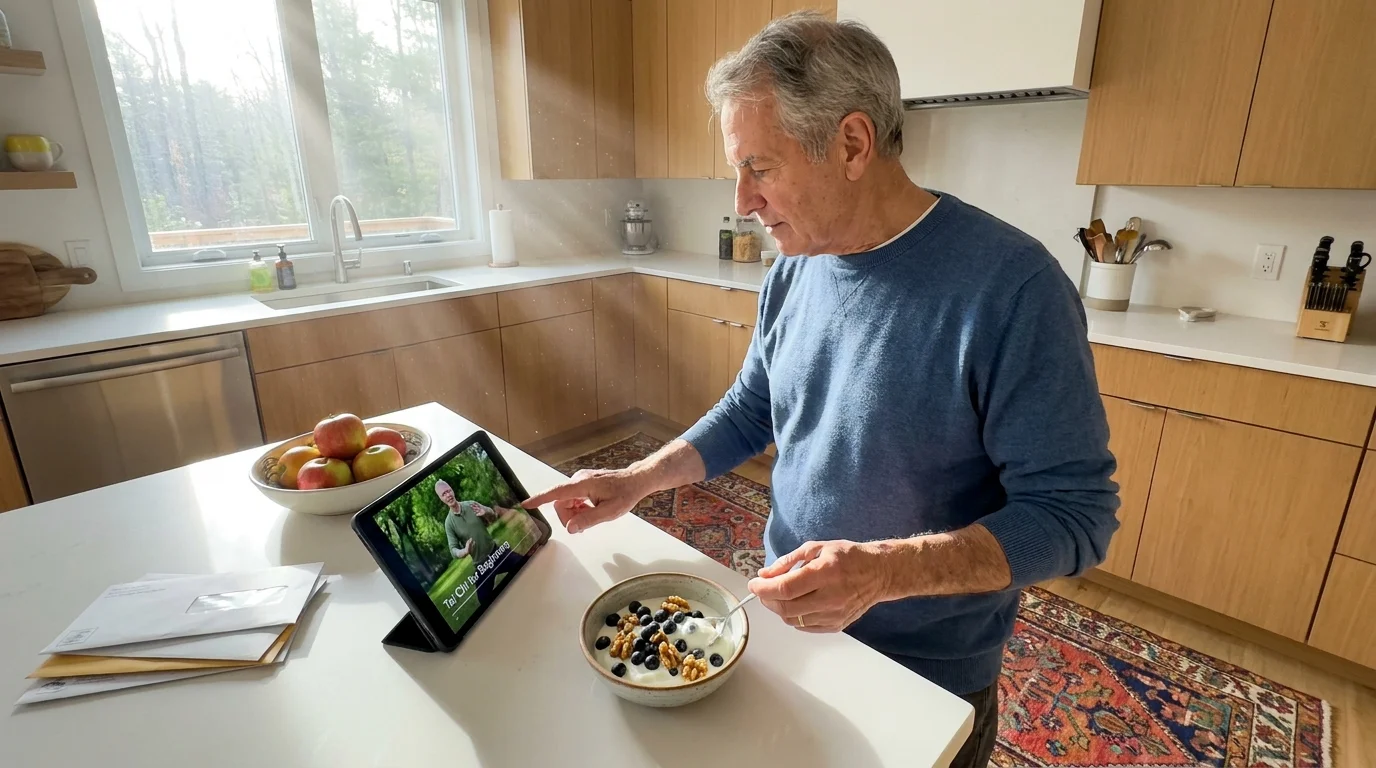
Schedule all recommended health screenings without delay, including regular bone density tests, routine colonoscopies, and comprehensive vision and hearing exams. Addressing a minor hearing loss with modern, highly discreet hearing aids instantly improves your daily social interactions and prevents the deep isolation that often accompanies sensory decline. Furthermore, continuously fuel your body with a nutrient-dense diet rich in leafy greens, lean proteins, and healthy omega-3 fatty acids to reduce chronic joint inflammation.
Adapting your primary living space also demonstrates remarkable personal wisdom. Install sturdy grab bars in your bathroom, drastically improve the overhead lighting in your hallways, and secure loose throw rugs to entirely eliminate dangerous fall hazards. Embracing these smart preventative measures and minor lifestyle adjustments empowers you to age gracefully in place while maintaining your absolute independence and total peace of mind.
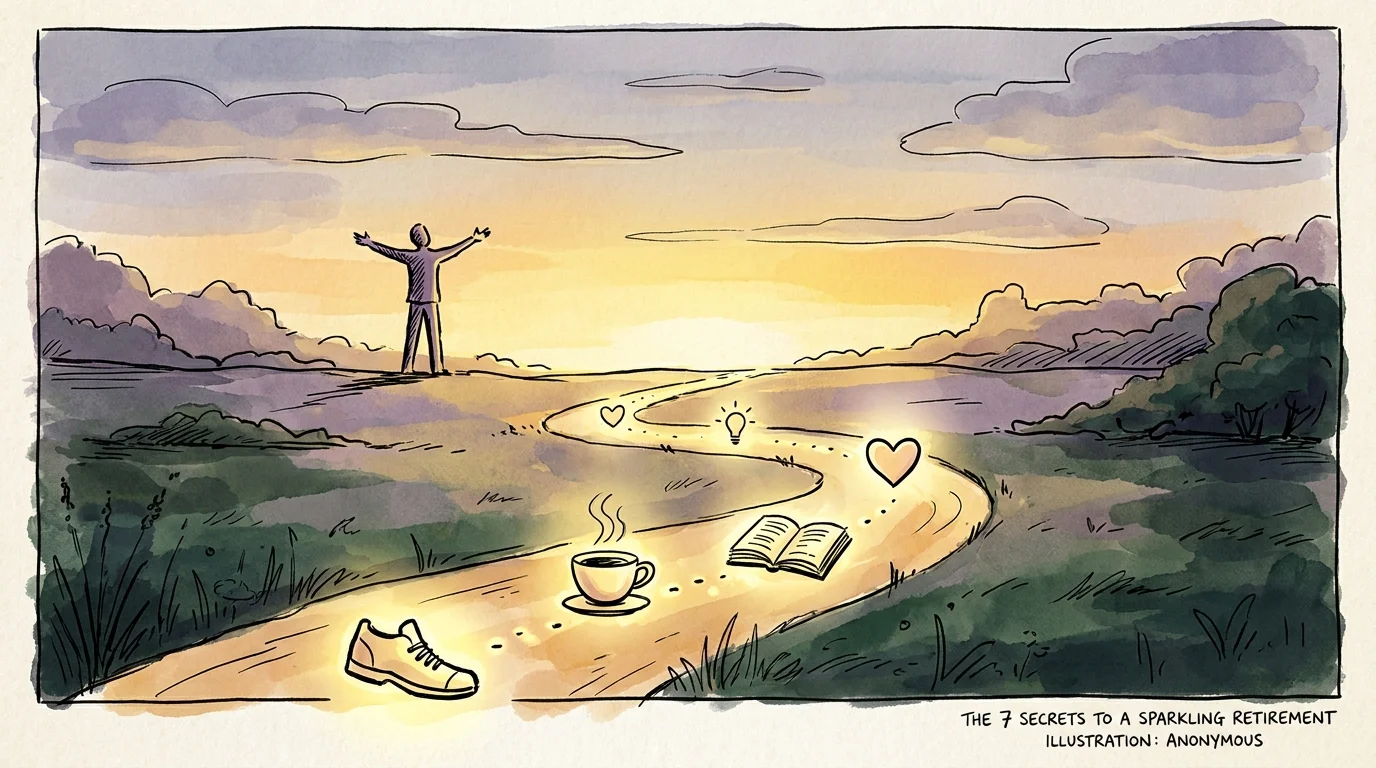
The Takeaway: Living a More Blissful Retirement
Entering your golden years presents a magnificent opportunity to completely redesign your daily existence on your own terms. Thriving during this special phase of life requires much more than simply clocking out of the workforce; it demands a proactive, highly intentional approach to your physical, emotional, and social well-being. By prioritizing daily movement, nurturing a supportive micro-community, and establishing a flexible routine, you build a powerful foundation for enduring happiness.
Remember that your retirement represents a vibrant beginning, not a slow fading away. Embrace the thrilling challenge of lifelong learning, share your vast wisdom through dedicated volunteer work, and spend your hard-earned resources on memorable experiences rather than mere physical objects. Cultivating these powerful daily habits ensures your post-career chapter becomes the most rewarding, deeply satisfying, and genuinely joyful era of your entire life.
Frequently Asked Questions
What is the most important habit for a happy retirement?
While everyone’s preferences differ, maintaining strong social connections consistently ranks as the most vital habit for retirement happiness. Humans are deeply social creatures, and replacing the social network you lost when leaving your job prevents the dangerous physical and emotional effects of isolation. Combining social interaction with daily physical movement multiplies these positive health benefits dramatically.
How can I find a new sense of purpose after leaving my career?
Finding a new purpose requires a period of active exploration and self-reflection. Start by identifying the specific skills you enjoyed using during your career and finding ways to apply them to community service or mentorship. Alternatively, pursue the passions and hobbies you repeatedly delayed while working. Purpose often emerges naturally when you dedicate your time to helping others or mastering a challenging new skill.
Is it normal to feel depressed or anxious during the first year of retirement?
Yes, experiencing a sense of loss, anxiety, or mild depression is incredibly common during the initial retirement transition. You are navigating a massive identity shift and a complete disruption of your daily routine. Acknowledging these complex feelings is the first critical step; establishing a new daily schedule, staying physically active, and talking openly with peers or a professional counselor will help you successfully navigate this transition.
How do I maintain an active social life as a senior?
Maintaining an active social life requires you to become the initiator. Seek out local clubs, recreational sports leagues, or volunteer organizations that naturally gather people with shared interests. Make a firm commitment to attend regular group meetings, and do not hesitate to invite new acquaintances out for coffee. Building a robust social calendar takes consistent effort, but the immense emotional rewards far outweigh the initial awkwardness.
For a wide range of resources for older adults, visit AARP and the National Council on Aging (NCOA). Health information is available from the National Institute on Aging.
Disclaimer: This article is for informational and inspirational purposes only. It is not a substitute for professional medical, financial, or psychological advice. Please consult with a qualified expert for guidance tailored to your individual needs.





Leave a Reply