
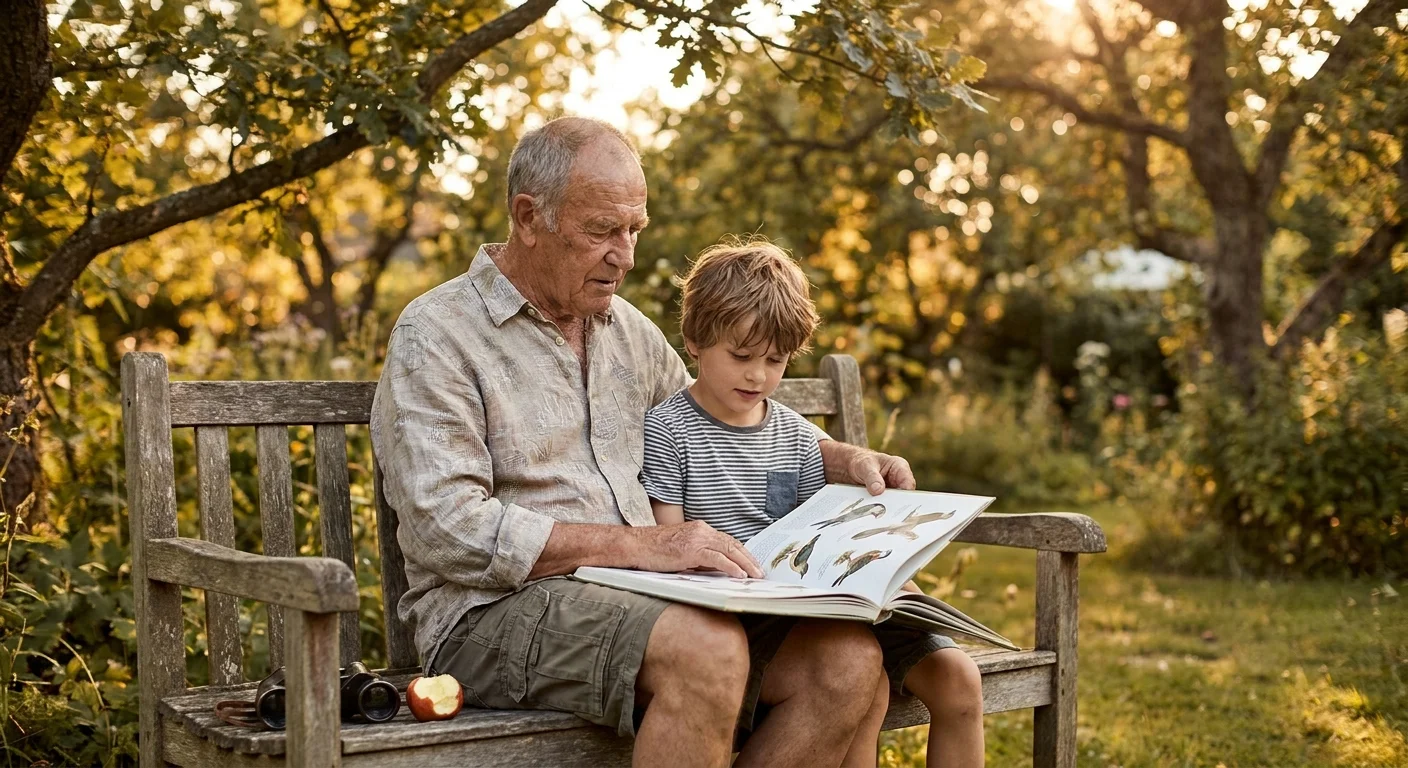
Building a strong bond with your grandchildren offers them a profound sense of identity while giving you renewed energy and purpose. Finding the right grandparent activities requires balancing their evolving interests with your physical comfort and available resources. You can create lasting memories without spending a fortune or planning elaborate vacations; the secret lies in shared experiences that encourage conversation and laughter. Whether you live down the street or across the country, dedicating time to family activities for seniors bridges the generational gap. By engaging in simple, meaningful projects together, you anchor your family history and provide a safe, loving space for the next generation to grow.
Tip #1: Planting a Family Garden Together
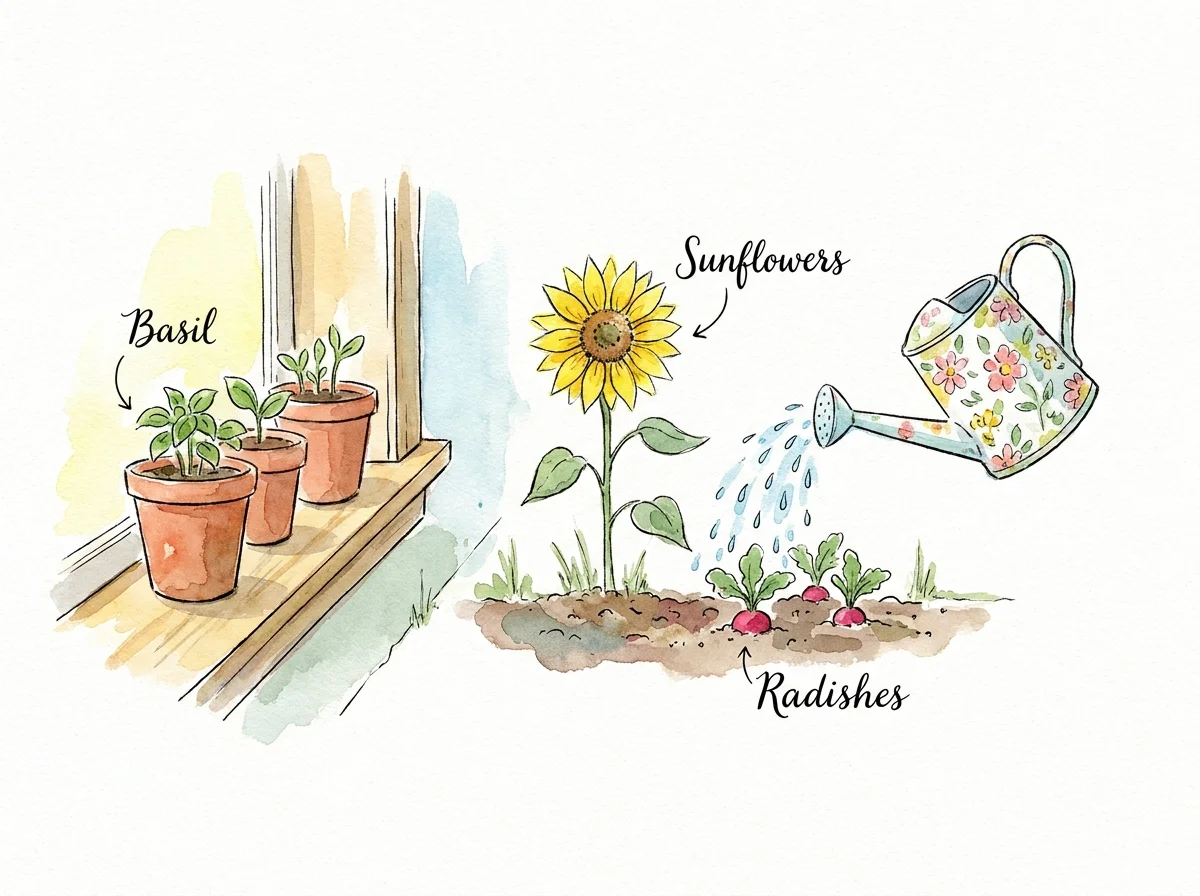
Transform a patch of your backyard or a sunny windowsill into a vibrant, shared gardening space. Growing plants together provides a wonderful, tactile experience that teaches children about nature, responsibility, and the rewards of patience. You can start small with fast-growing plants like radishes, sunflowers, or basil; these give younger kids a quick sense of accomplishment and keep them engaged in the process. As you dig in the dirt together, you naturally open the door for relaxed, side-by-side conversations that feel less intimidating than direct face-to-face questioning.
Gardening also offers fantastic physical benefits. You engage in gentle stretching, lifting, and moving, which helps maintain your joint flexibility and overall stamina. Meanwhile, your grandchildren learn where their food comes from and develop a deeper appreciation for the environment. Children who participate in growing vegetables are far more likely to eat them, making this a rewarding activity for everyone. Give your grandchild a specific responsibility—such as holding the watering can or labeling the seed markers—to instill a sense of ownership over the project. Whenever they visit, the first thing they will want to do is check on the progress of your shared garden, creating a built-in routine for connection.
Tip #2: Cooking and Baking Cherished Family Recipes
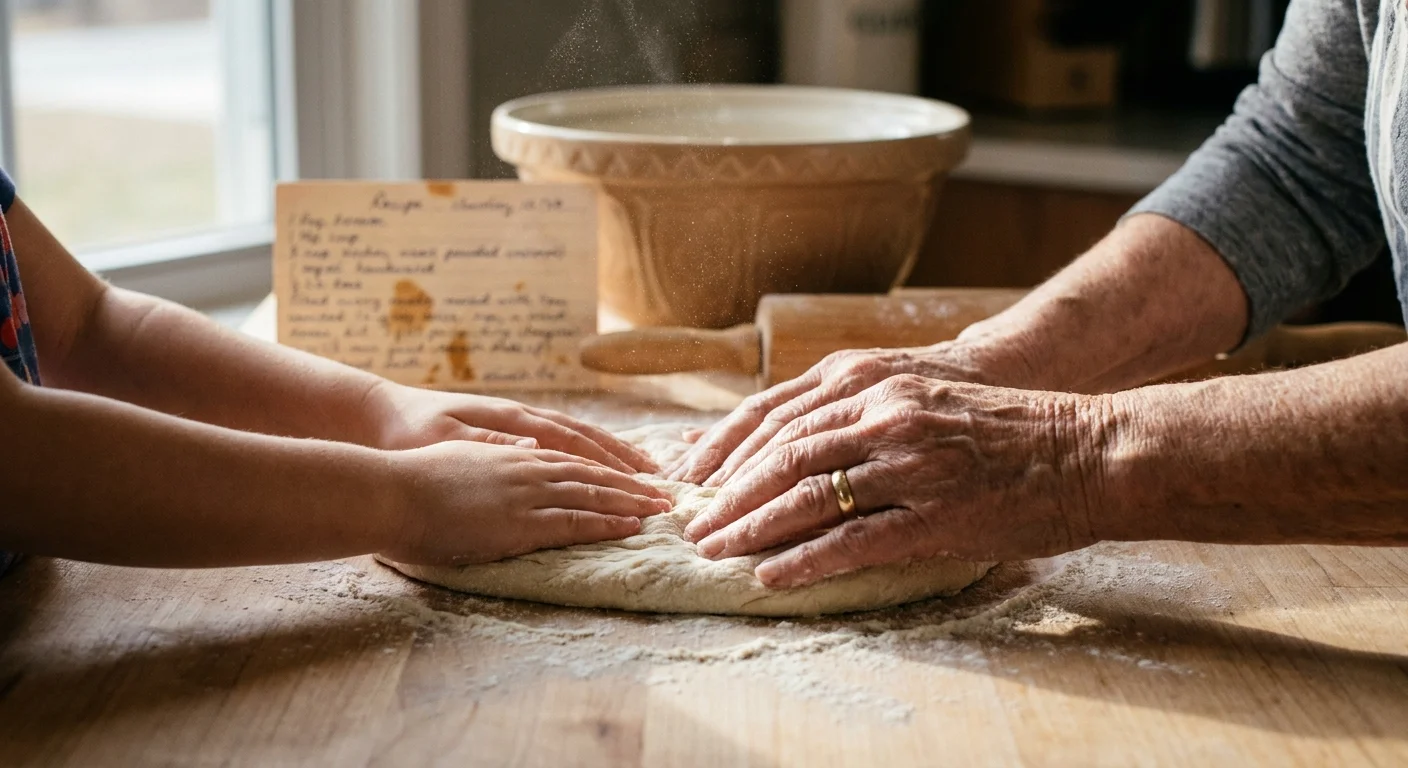
Bring your family history to life by inviting your grandchildren into the kitchen to prepare cherished family recipes. Cooking and baking transcend simple meal preparation; they act as a delicious bridge between generations. When you teach a child how to knead pizza dough or roll out your famous holiday sugar cookies, you pass down a tangible piece of their heritage. The kitchen environment naturally encourages teamwork, measuring skills, and following directions, all while enveloped in the comforting aromas of home.
Share stories about the origins of the recipes while you work. Tell them about the first time you baked that specific pie or the person who originally taught you the technique. These personal anecdotes transform a basic cooking lesson into a rich storytelling session. Bonding with grandkids happens effortlessly over a bowl of batter, as the shared focus on a task alleviates any pressure to keep a conversation going artificially. Do not worry about the inevitable flour spills or sticky countertops; the joy lies in the messy, joyful process rather than achieving culinary perfection. Send them home with a handwritten copy of the recipe card, ensuring that the tradition continues long after the cookies have been eaten.
Tip #3: Hosting a Monthly Game Night
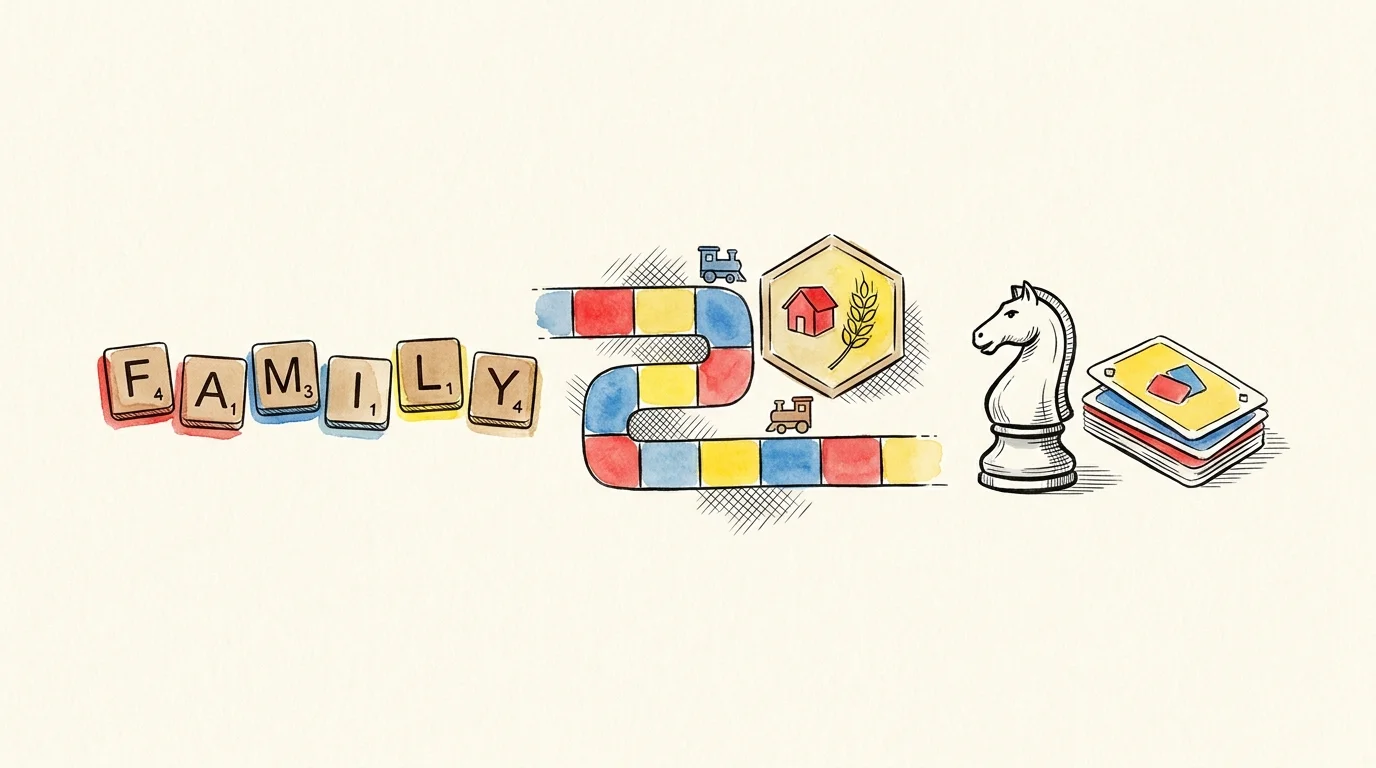
Establish a recurring game night to foster healthy competition, critical thinking, and endless laughter. Board games provide a structured yet highly entertaining environment where families can gather around the table and unplug from digital distractions. You can introduce your grandchildren to timeless classics like Scrabble, chess, or checkers, which rely heavily on strategy and vocabulary. In return, encourage them to teach you a modern board game they love, such as Ticket to Ride or Catan. This role-reversal empowers the child and demonstrates that you remain open to learning new things.
Regularly engaging in these activities delivers cognitive benefits for everyone involved. Research highlights that older adults who play non-digital games frequently help preserve their memory and problem-solving skills, significantly promoting long-term brain health. Simultaneously, younger players learn valuable life lessons about taking turns, playing by the rules, and losing gracefully. Keep a dedicated shelf of games suited for various age groups and energy levels. If you want to make the evening extra special, prepare a specific game night snack that your grandchildren can look forward to. The predictability of this routine gives them a comforting anchor and gives you a lively, stimulating event to anticipate each month.
Tip #4: Crafting and DIY Projects
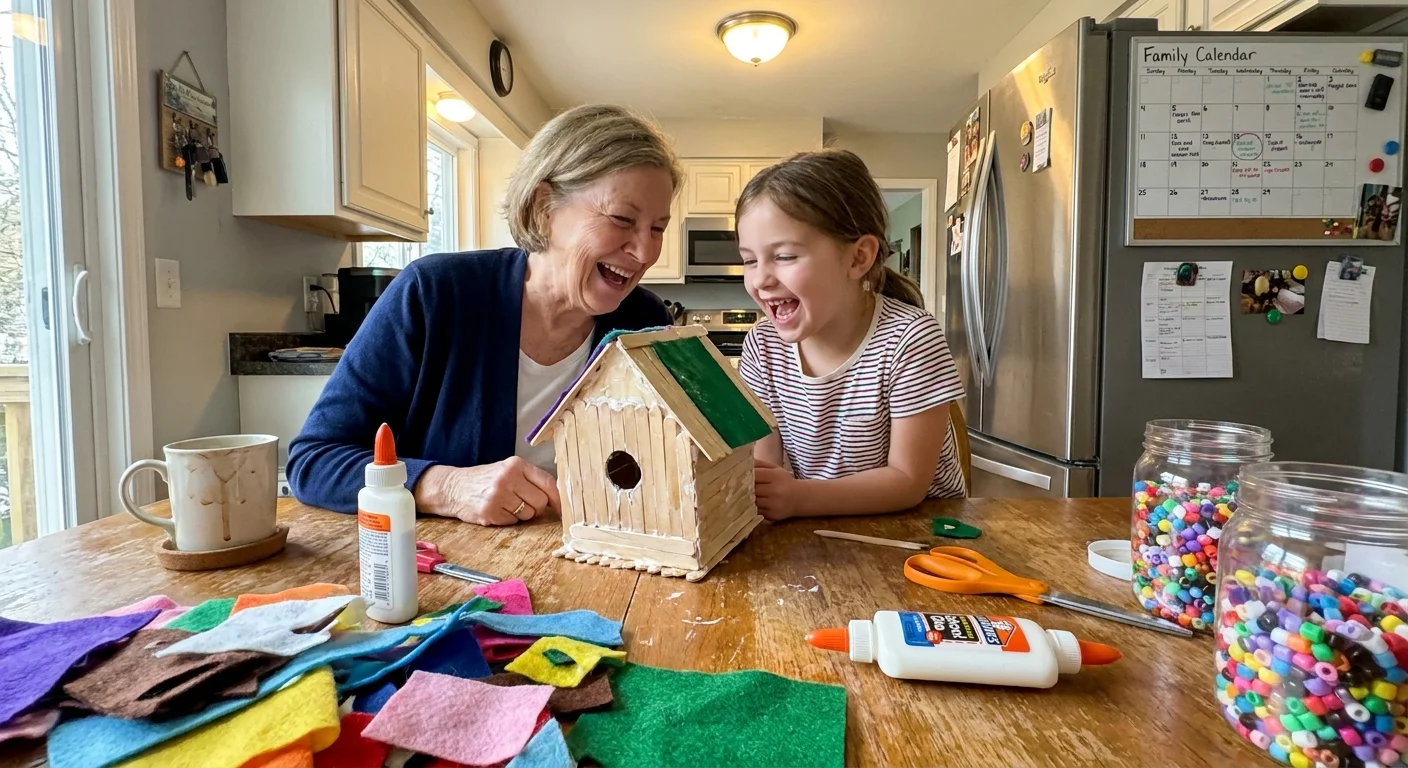
Channel your collective creativity into collaborative DIY and crafting projects. Creating something from scratch gives you both a tangible artifact that represents the time you spent together. Depending on their age and dexterity, you can tackle anything from building and painting a simple wooden birdhouse to knitting scarves for the winter season. Crafting allows children to express their individuality and hone their fine motor skills while benefiting from your patience and guidance.
Focus on projects that serve a distinct purpose or can be gifted to other family members. For instance, creating custom greeting cards, decorating picture frames, or assembling holiday ornaments adds deep meaning to the activity. You do not need to be a master artist to facilitate a successful craft day; simply exploring different materials like clay, watercolors, or upcycled fabrics provides plenty of amusement. Grandparent connection ideas thrive when you focus on the shared experience rather than demanding a flawless final product. Keep a dedicated craft box filled with basic supplies—glue, construction paper, markers, and safety scissors—so you can easily pull it out whenever inspiration strikes. The items you build together will eventually become treasured keepsakes that remind your grandchildren of your unwavering support and creativity.
Tip #5: Exploring Local Nature Trails
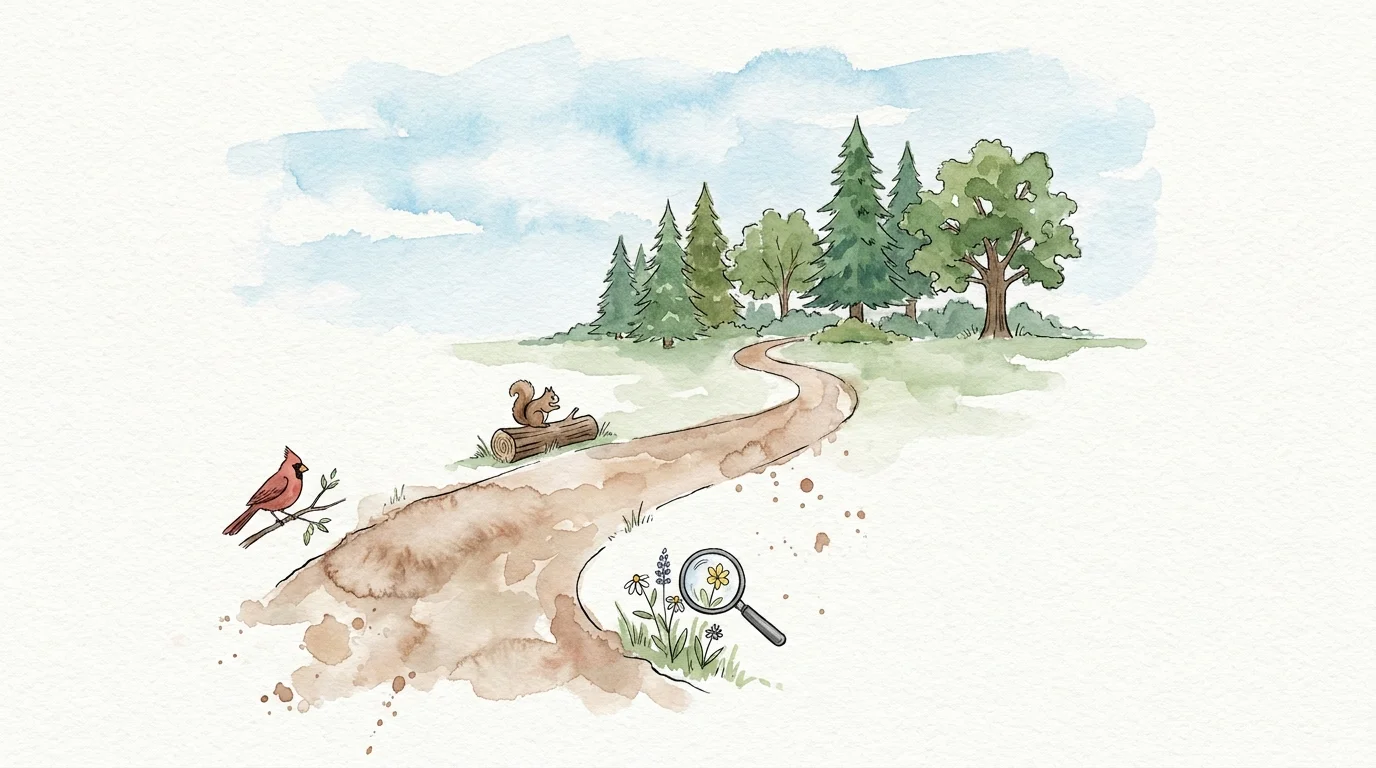
Step outside and explore the natural world by navigating local parks, nature reserves, or botanical gardens together. Physical activity remains a cornerstone of a healthy retirement, and walking alongside an energetic grandchild provides the perfect motivation to stay active. Moving outdoors elevates your mood, exposes you to essential vitamin D, and offers a dynamic backdrop for fascinating conversations. Nature walks give children a much-needed break from screens and structured school environments, allowing their imaginations to run wild in the great outdoors.
To make the excursion more engaging, turn your walk into a purposeful adventure. Create a simple scavenger hunt where you both search for specific types of leaves, smooth stones, or local bird species. Bring along a magnifying glass or a pair of binoculars to encourage them to look closer at the world around them. You can also pack a small picnic lunch to enjoy at the halfway point, turning a simple hike into a memorable afternoon event. Adjust the pace and the distance to suit your physical comfort level; a slow, observant stroll often yields more interesting discoveries than a fast-paced trek. Sharing these tranquil environments fosters a deep sense of peace and gives you a wonderful opportunity to discuss the changing seasons and the importance of environmental stewardship.
Tip #6: Building a Family History Scrapbook
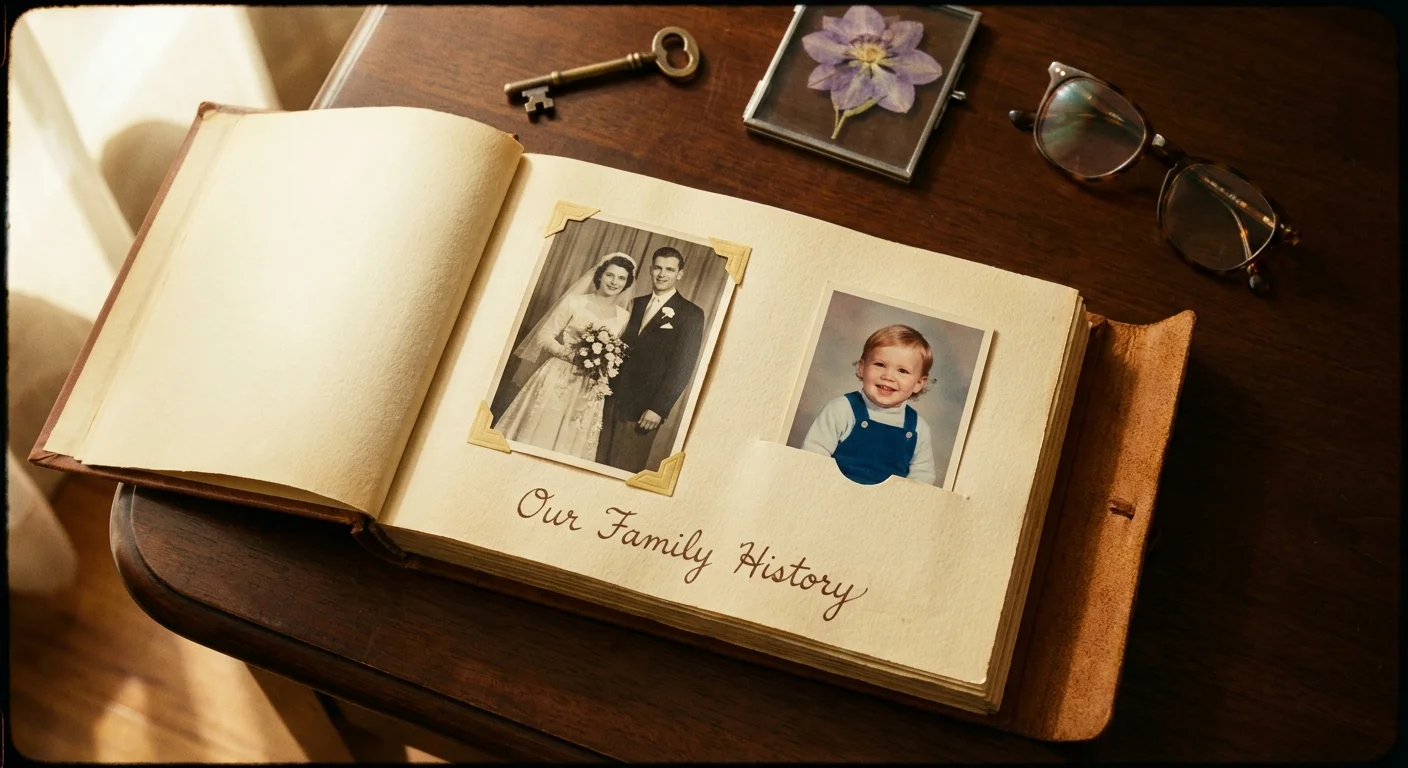
Curate your family legacy by compiling a comprehensive history scrapbook or photo album. Children develop greater emotional resilience when they understand their family narrative, including the triumphs and challenges their ancestors navigated. Gather your old photographs, ticket stubs, handwritten letters, and other meaningful memorabilia, and spread them out on the dining room table. Invite your grandchildren to help you organize these items chronologically or by specific family branches, turning a daunting sorting task into a captivating journey through time.
As you place each photo into the album, share the stories behind the faces. Describe the clothes people wore, the cars they drove, and the historic events that shaped their lives. You can write the captions yourself or have an older grandchild practice their penmanship by recording the details as you dictate them. If you prefer a modern approach, work together to scan the images and create a digital photo book online. This collaborative project bridges the generational gap by making the past incredibly relevant and exciting to the younger generation. Once completed, this scrapbook becomes a priceless family heirloom. Your grandchildren will treasure the physical book, but they will hold onto the stories you shared during its creation even tighter.

Tip #7: Scheduling Virtual Storytime
Leverage modern technology to maintain a strong, consistent presence if you and your grandchildren live in different cities. Geographic distance no longer dictates the depth of your relationship; activities with grandchildren easily translate to the digital realm with a little creativity. Schedule a weekly virtual storytime where you read a chapter of a book over a video call. This reliable routine gives young kids a comforting ritual and ensures you remain an active participant in their daily lives, regardless of the miles between you.
To enhance the experience, purchase two copies of the same book so the child can follow along with the pictures on their end while you read aloud. For older grandchildren, consider starting a two-person book club where you both read independently and then jump on a video call to discuss the plot and characters. You can also play digital games together, utilize interactive screen-sharing features to solve puzzles, or simply prop up your tablet in the kitchen and chat while you both prepare your respective dinners. Consistency matters far more than the duration of the call. By mastering these digital platforms, you demonstrate your willingness to meet them where they are, reinforcing that your love and interest remain unwavering no matter the distance.

Tip #8: Taking Educational Field Trips
Transform a standard weekend visit into an enriching educational adventure by taking field trips to local museums, aquariums, or historical societies. These outings spark immense curiosity and provide interactive learning experiences that go far beyond a traditional classroom setting. Walking through a hands-on science exhibit or gazing at a massive dinosaur skeleton naturally prompts children to ask thoughtful questions, allowing you to learn alongside them. These shared moments of awe and discovery form the bedrock of an incredibly strong generational bond.
To ensure the outing remains successful and stress-free, let your grandchild have a say in choosing the destination. If they currently obsess over space exploration, visit a planetarium; if they love animals, plan a morning at the zoo. Go early in the day to avoid heavy crowds, and set a reasonable time limit so neither of you becomes overly fatigued. Take frequent breaks on a bench to discuss your favorite exhibits and snap a few pictures to document the adventure. Educational field trips expose grandchildren to diverse subjects and new perspectives while keeping you culturally engaged and physically active. These shared excursions create vivid, happy memories that they will look back on fondly throughout their entire lives.
The Takeaway: Living a More Blissful Retirement
Building a robust, meaningful relationship with your grandchildren requires intention, but the rewards are truly immeasurable. By exploring these grandparent connection ideas, you actively contribute to their emotional development while simultaneously enriching your own retirement years. You do not need to orchestrate flawless, expensive events to make a lasting impact. Children rarely remember the precise details of a craft project or the exact score of a board game; instead, they remember the warmth of your attention, the sound of your laughter, and the undeniable feeling that they matter to you.
Embrace your role as a mentor, a storyteller, and a trusted confidant. Every garden you plant, every story you read, and every recipe you share weaves another strong thread into the fabric of your family legacy. Stay flexible and allow these activities to evolve as your grandchildren grow older and their interests inevitably shift. Maintaining an open mind and a joyful spirit ensures that you will always find new ways to connect. Cherish these golden years and the unique opportunity they provide to witness the next generation flourish. Your time, patience, and love remain the absolute best gifts you could ever offer your family.
Frequently Asked Questions
How can I connect with my teenage grandchildren?
Connecting with teenagers requires shifting your approach from hands-on instruction to active listening and mutual respect. Ask them about their current interests, whether that involves a specific music genre, a newly released video game, or their future career aspirations. Invite them to teach you how to use a new app or piece of technology, which empowers them and reverses the traditional dynamic. Simply taking them out to a casual lunch or grabbing a coffee provides a safe, relaxed environment for open conversation without the pressure of a highly structured activity.
What if I have physical limitations that restrict my mobility?
You can build incredible bonds without ever leaving your home. Focus on seated, low-impact activities like working on a complex jigsaw puzzle, painting, or sorting through family photographs. Reading aloud, playing card games, and watching classic movies together also require minimal physical exertion but offer incredibly high emotional rewards. Children adapt easily; they care far more about your undivided attention than the physical intensity or location of the activity.
How often should I plan these specific activities?
The frequency depends entirely on your proximity, schedule, and personal energy levels. If you live nearby, aiming for a consistent weekly or bi-weekly routine—such as a Sunday afternoon game session—builds a wonderful sense of predictability. If you live far away, a brief but reliable weekly video call works perfectly. Consistency and the quality of your interactions always outweigh the sheer quantity of time spent together.
For a wide range of resources for older adults, visit AARP and the National Council on Aging (NCOA). Health information is available from the National Institute on Aging.
Disclaimer: This article is for informational and inspirational purposes only. It is not a substitute for professional medical, financial, or psychological advice. Please consult with a qualified expert for guidance tailored to your individual needs.



Leave a Reply