

Rethink your view of life after work by exploring the real data behind modern aging and retirement trends. Today’s older adults break old stereotypes, launch thriving businesses, and experience peak happiness levels well into their seventies. You hold the power to shape these golden years exactly as you envision them, using compelling statistics to guide your lifestyle choices. Whether you want to travel the globe, start a passionate community project, or simply optimize your daily health routine, the numbers prove that your greatest chapters still lie ahead. Leverage these fifteen eye-opening insights to craft a dynamic, fulfilling, and purposeful retiree lifestyle that aligns perfectly with your personal goals.

Tip #1: Embrace the Entrepreneurial Spirit
People over the age of fifty represent the fastest-growing demographic of new business owners. You do not have to spend your retirement exclusively on the golf course or in a rocking chair. Instead, channel your decades of professional expertise into a brand-new venture. Start a boutique consulting firm, open an online store, or turn a lifelong woodworking hobby into a profitable local enterprise. Establishing a small business keeps your mind sharp and provides a tangible sense of daily purpose. You already possess the resilience and industry knowledge that young founders spend years trying to acquire; put those assets to work for your own satisfaction. Enjoy the freedom of setting your own hours while reaping the financial and emotional rewards of entrepreneurship. You might also consider mentoring aspiring business owners, sharing the invaluable lessons you learned during your career.
Tip #2: Prioritize Social Connection Over Solitude
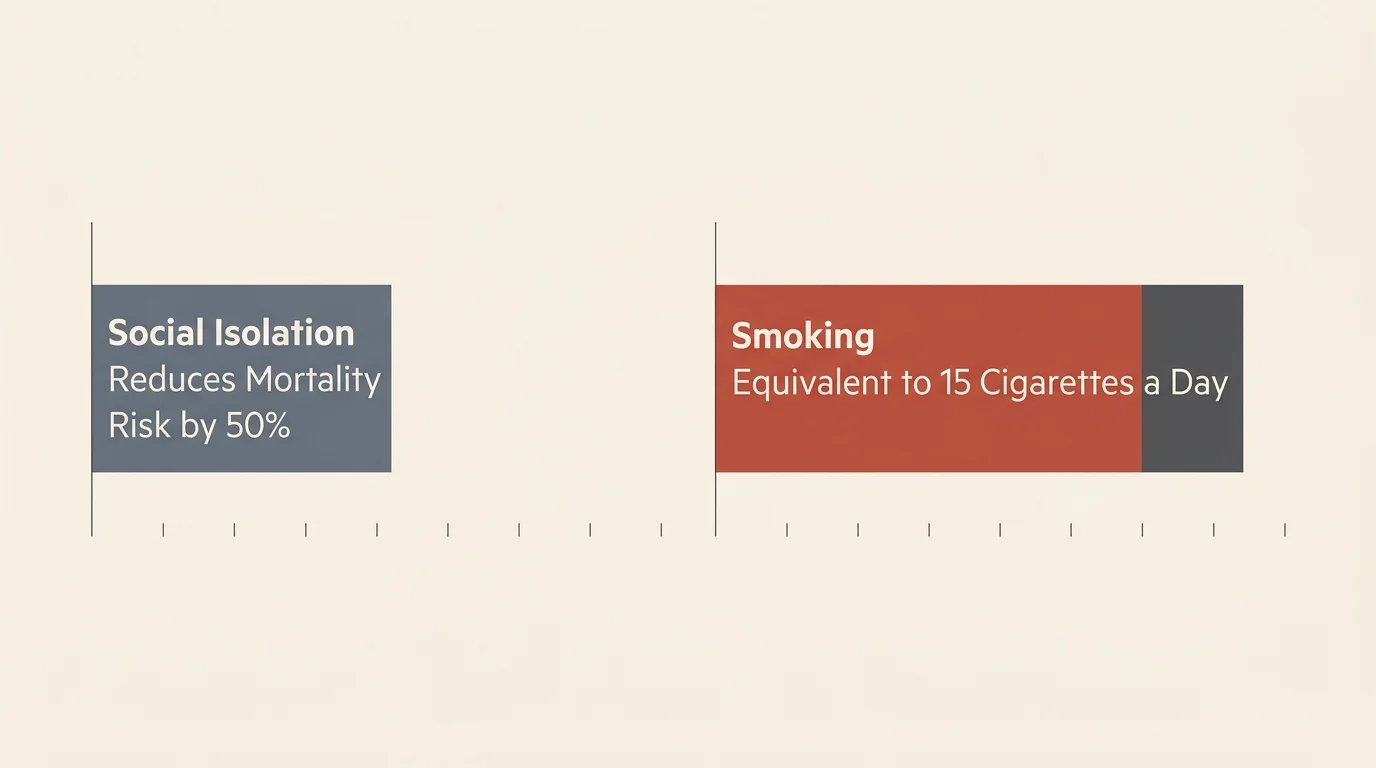
Strong social ties can reduce your mortality risk by up to fifty percent. Medical professionals increasingly recognize that chronic loneliness carries the same health risks as smoking fifteen cigarettes a day. You must proactively cultivate your social circle once you leave the bustling environment of a workplace. Join a local gardening club, attend community lectures, or organize a weekly neighborhood walking group. Consistent social interaction lowers stress hormones and strengthens your immune system. Reach out to old friends you lost touch with during your busy career years. A robust social calendar does more than just fill your time—it actively protects your cognitive function and ensures you remain deeply engaged with the world around you. Do not underestimate the power of simply inviting a neighbor over for a casual cup of coffee; small interactions compound over time.

Tip #3: Treat Volunteer Work as a Longevity Booster
Over twenty million older adults volunteer annually, and the data reveals a startling correlation between charitable work and extended longevity. Giving back to your community provides a profound psychological boost; it lowers rates of depression and dramatically increases your overall life satisfaction. Identify causes that resonate with your personal values and dedicate a few hours each week to them. Tutor local elementary school students, assist at a regional food bank, or foster animals for a nearby rescue shelter. You instantly connect with like-minded individuals and build meaningful intergenerational relationships. Volunteering shifts your focus outward, giving you a structured routine and a powerful reason to jump out of bed every single morning. Many organizations desperately need reliable, experienced individuals to help coordinate their daily operations.

Tip #4: Redefine the Concept of Aging in Place
Seventy-seven percent of adults over fifty plan to remain in their current homes permanently. Rather than passively hoping your house remains suitable, you must take active steps to optimize your living space for the future. Embrace universal design principles right now to prevent accidents and ensure long-term comfort. Install stylish grab bars in your bathrooms, switch out traditional doorknobs for easily operable lever-style handles, and consider upgrading to a zero-step shower entrance. Modern home modifications blend seamlessly with your decor while significantly reducing your risk of dangerous falls. Adapting your environment empowers you to maintain total independence and gives your family profound peace of mind as you enjoy your home for decades to come. Consulting with an occupational therapist can provide you with a personalized blueprint for making your residence as safe as possible.
Tip #5: Consider a Phased Exit from the Workforce
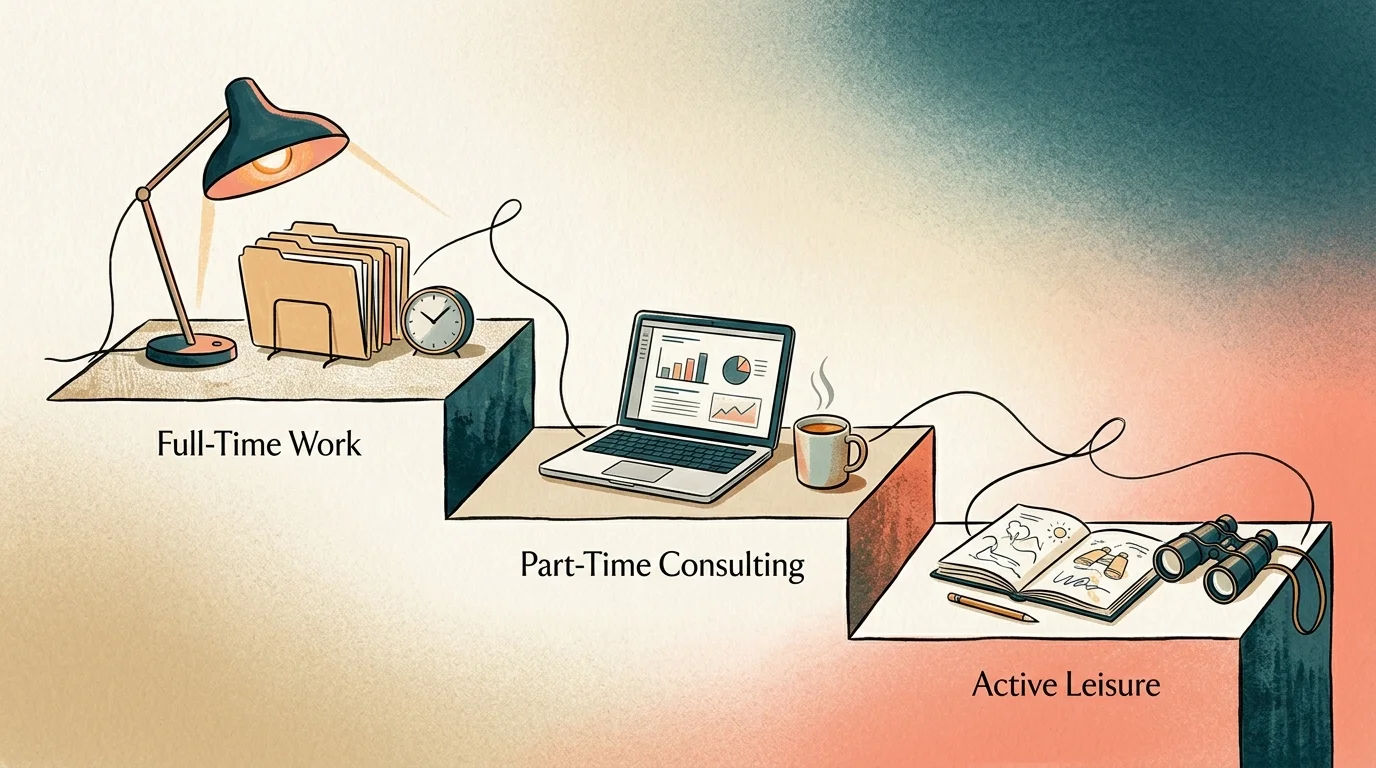
Nearly forty percent of today’s workers want to transition into retirement gradually rather than making an abrupt exit. Moving from a demanding forty-hour workweek to zero hours can induce a sudden loss of identity and routine. Protect your mental health by negotiating a phased retirement plan with your current employer. Reduce your schedule to three days a week, shift into a mentorship role, or transition to remote project work. Easing out of the corporate world allows you to test-drive your new lifestyle while maintaining a comfortable stream of income. You buy yourself crucial time to develop new hobbies, build your non-work social network, and mentally adjust to the realities of a completely unstructured schedule. Discuss your goals openly with human resources; many forward-thinking companies now fully embrace and support flexible transition plans.
Tip #6: Tap into the Global U-Curve of Happiness
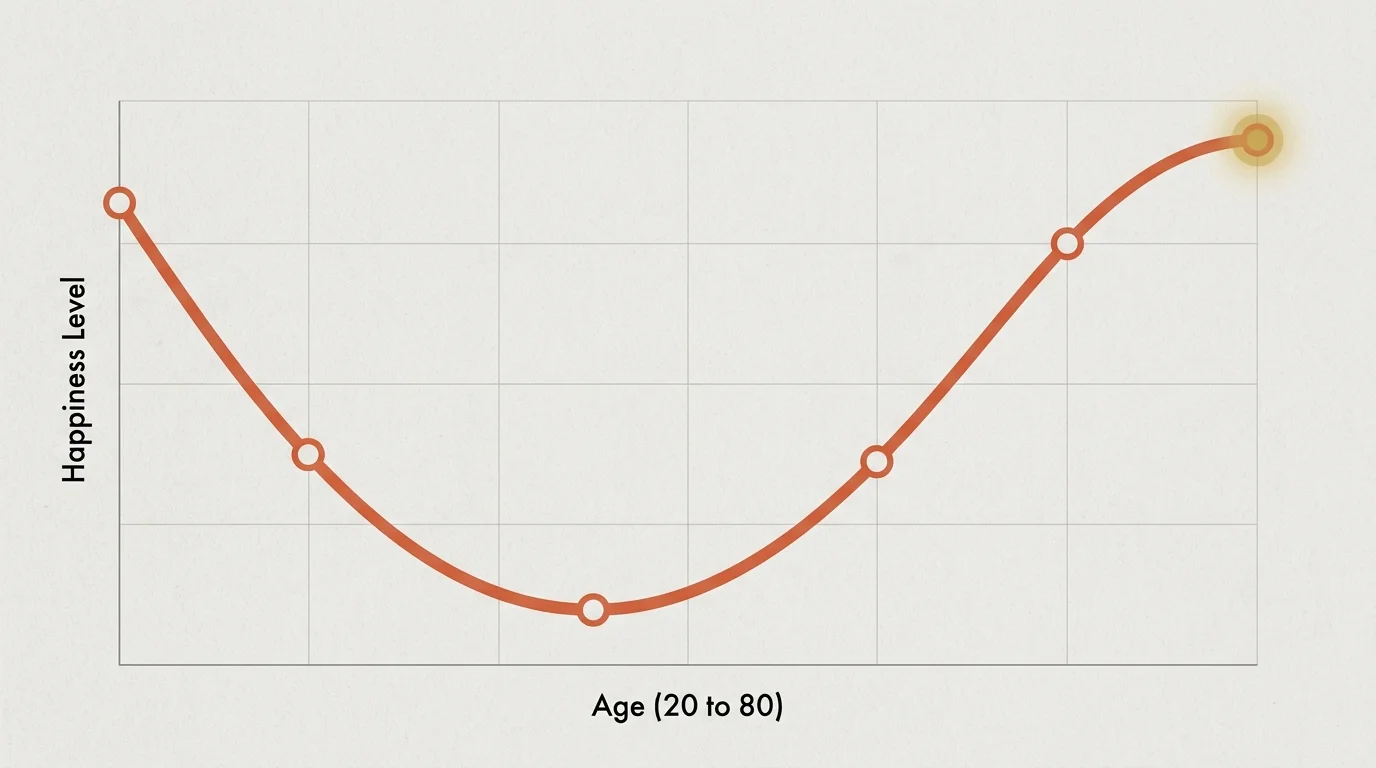
Global psychological studies consistently demonstrate a “U-curve” of human happiness, revealing that overall life satisfaction peaks in your late sixties and seventies. The intense pressures of career building, child-rearing, and financial accumulation largely fade away during your golden years. You finally possess the emotional maturity to let go of minor grievances and focus entirely on present joys. Lean into this incredibly positive statistical reality by actively shedding lingering anxieties from your middle-age years. Forgive past slights, practice daily gratitude, and celebrate the immense freedom you now command. Acknowledge that you are entering the most emotionally rewarding phase of your life; embrace this profound happiness without guilt or hesitation. Surround yourself with positive influences and politely distance yourself from constant negativity or unnecessary drama.

Tip #7: Invest Your Free Time in Lifelong Learning
Engaging in complex cognitive activities reduces your risk of developing dementia by forty-six percent. Your brain remains highly plastic and capable of forming new neural connections regardless of your age. Challenge your intellect by exploring subjects you never had time to study during your working years. Audit a history course at your local university, learn to speak conversational Spanish, or master the intricacies of digital photography. Many educational institutions offer steep discounts or entirely free tuition for senior citizens. Intellectual stimulation prevents cognitive decline, boosts your self-confidence, and introduces you to vibrant communities of fellow lifelong learners. Treat your brain like a muscle; exercise it daily with novel, complex challenges. You can also explore fascinating subjects through online platforms that bring world-class university lectures directly into your living room.

Tip #8: Capitalize on Flexible Travel Opportunities
Modern retirees allocate an average of eleven thousand dollars annually toward travel, driving a massive surge in senior tourism. You no longer have to squeeze rushed vacations into a strictly limited two-week window. Take full advantage of your open schedule by embracing the concept of slow travel. Rent a quiet apartment in a Tuscan village or a cozy cottage on the Oregon coast for an entire month. Traveling during shoulder seasons—spring and autumn—allows you to secure significantly lower rates while entirely avoiding massive tourist crowds. Immersing yourself slowly in different cultures enriches your worldview and provides a profoundly relaxing alternative to the frantic pace of traditional holiday sightseeing. Embrace the journey itself, opting for scenic train rides or leisurely road trips instead of stressful airport layovers.

Tip #9: Adopt a Non-Negotiable Daily Movement Routine
Committing to just thirty minutes of moderate physical activity daily slashes your risk of chronic diseases by up to half. Physical decline is not an inevitable consequence of aging; it frequently stems from simple inactivity. Build a functional fitness regimen that prioritizes core strength, cardiovascular endurance, and balance. Join a neighborhood pickleball league, start swimming laps at the community pool, or follow a daily yoga routine in your living room. Functional exercises like squats and lunges directly improve your ability to perform everyday tasks effortlessly. Prioritizing movement ensures you retain the physical stamina necessary to chase your grandchildren, travel comfortably, and fully execute every item on your ambitious bucket list. Always listen to your body and focus on consistency rather than exhausting, high-intensity workouts that leave you depleted.
Tip #10: Optimize Your Newfound Flexible Sleep Schedule
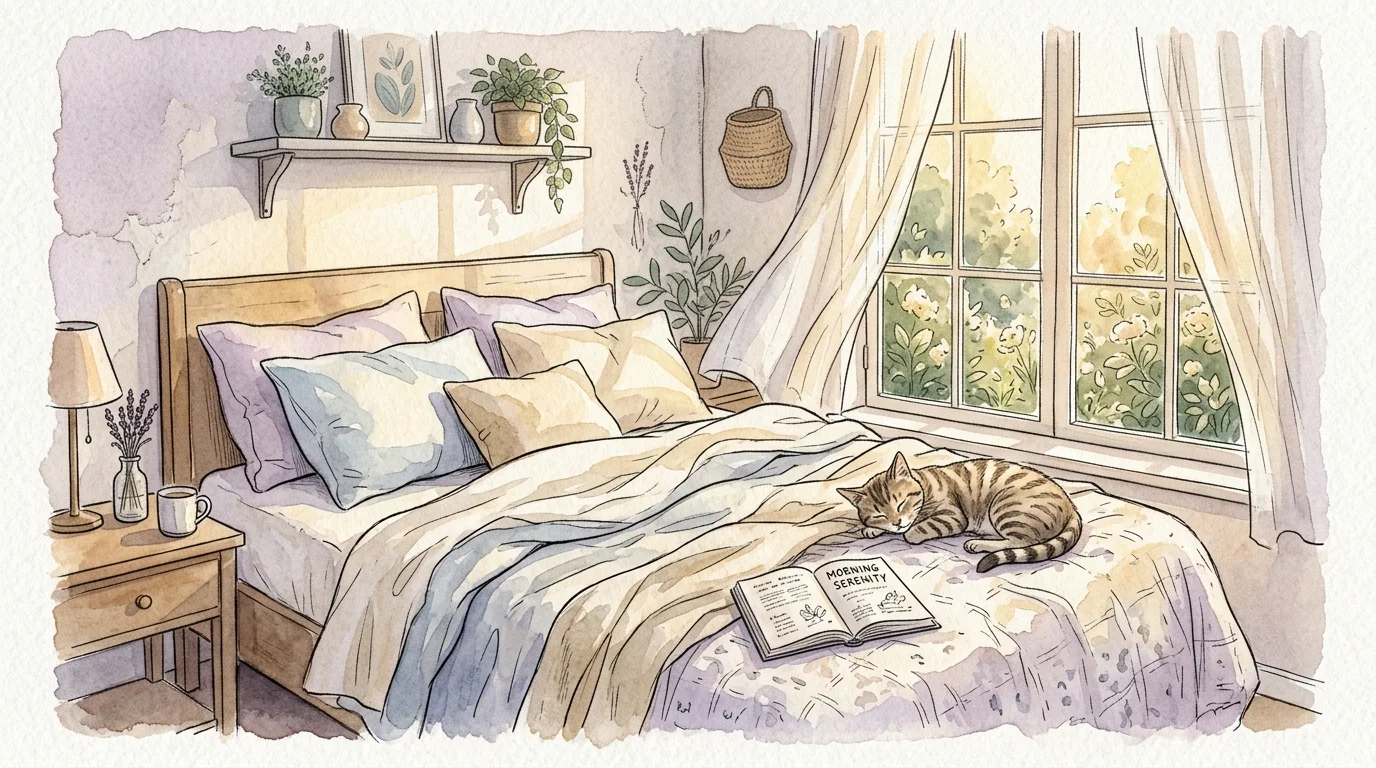
Recent health data shows that happy retirees average exactly seven and a half hours of sleep per night, successfully curing decades of career-induced sleep deprivation. Free from the tyranny of an early morning commute, you can finally align your rest with your body’s natural circadian rhythms. If you naturally wake up at the crack of dawn, use those quiet, uninterrupted hours for meditation, reading, or enjoying a slow cup of coffee. Practice excellent sleep hygiene by keeping your bedroom cool, dark, and strictly free of electronic devices. High-quality restorative sleep accelerates physical healing, sharpens your daytime memory, and dramatically elevates your daily mood and energy levels. Protecting your sleep environment ensures you wake up refreshed, alert, and genuinely excited to tackle the day’s adventures.

Tip #11: Master Technology to Enhance Your Digital Connectivity
Over seventy-five percent of seniors now log onto the internet every single day, completely destroying the outdated stereotype of the tech-phobic older adult. Embrace modern technology as an indispensable tool for managing your health, wealth, and relationships. Master video conferencing platforms to stay face-to-face with distant grandchildren or former colleagues. Utilize password managers to secure your financial accounts and download telehealth applications for instant access to medical professionals. Wearable devices, such as smartwatches that monitor heart rhythms and detect sudden falls, offer an unprecedented layer of personal safety. Viewing technology as an ally rather than an obstacle dramatically enhances your overall quality of life and keeps you culturally relevant. Many community centers offer free technology workshops specifically designed to help older adults navigate new software with confidence.

Tip #12: Stimulate Your Mind with a Creative Hobby
Regular participation in the creative arts elevates subjective well-being by a staggering sixty percent. Analytical thinking dominated your professional career, but retirement grants you the perfect opportunity to activate the creative hemisphere of your brain. Pick up a set of watercolor paints, enroll in a local pottery class, or dust off the piano you have not played in decades. Creative expression provides a healthy, therapeutic outlet for processing complex emotions and dramatically lowers cortisol levels in your bloodstream. You do not need to produce museum-quality masterpieces to reap the benefits; the sheer act of making something new brings immense joy, deepens your focus, and instills a powerful sense of personal accomplishment. Share your creations with friends or family, adding a wonderful social element to your newfound artistic passions.

Tip #13: Shift Your Financial Mindset from Saving to Spending
Nearly half of all new retirees struggle with the psychological transition of drawing down their hard-earned nest egg. You spent forty years diligently accumulating wealth; spending it can initially trigger feelings of profound anxiety. Overcome this mental hurdle by collaborating with a fiduciary advisor to establish a rock-solid, sustainable withdrawal strategy. Once you guarantee your basic living expenses and healthcare costs, explicitly give yourself permission to enjoy the surplus. Create a specific budget category solely dedicated to guilt-free spending on your hobbies, spontaneous travel, or generous gifts for your family. Recognize that you saved this money precisely for this moment; allow your wealth to fund the vibrant lifestyle you deserve. Regularly reviewing your financial plan with a professional ensures you remain safely on track while thoroughly enjoying the present moment.
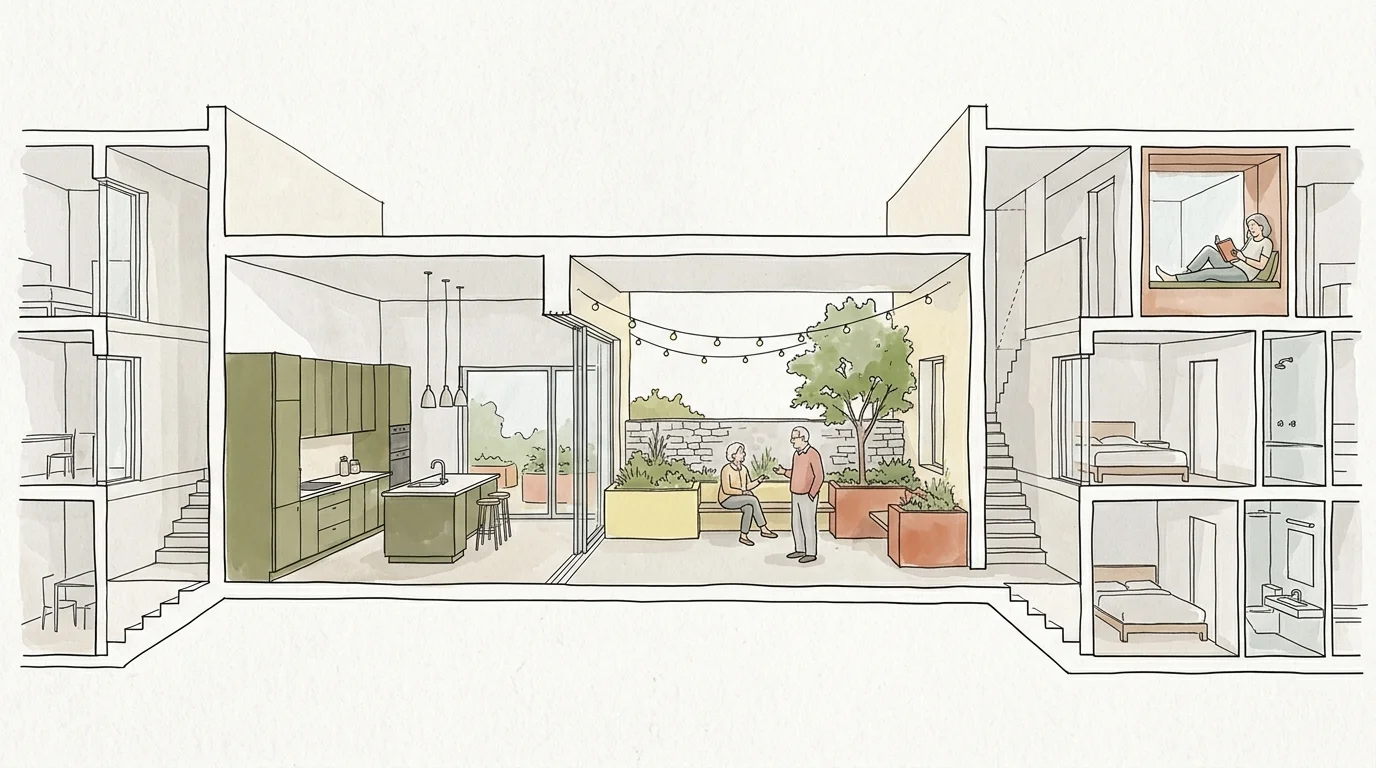
Tip #14: Explore Innovative Co-Living Arrangements
House-sharing among older adults has surged by over twenty percent in recent years as more seniors recognize the benefits of communal living. These arrangements—often affectionately termed “boommate” situations—offer a brilliant solution to rising housing costs and the epidemic of social isolation. Sharing a spacious home allows you to instantly halve your utility bills, property taxes, and home maintenance responsibilities. Beyond the obvious financial advantages, co-living provides built-in daily companionship and a vital mutual support system. If maintaining a large empty house feels burdensome, interview potential housemates or look into dedicated senior co-housing communities. Rethinking your living situation can unlock vast amounts of disposable income while fostering deep, supportive friendships. Ensure you draft a clear, comprehensive agreement regarding household chores, guests, and quiet hours to guarantee a harmonious living situation.
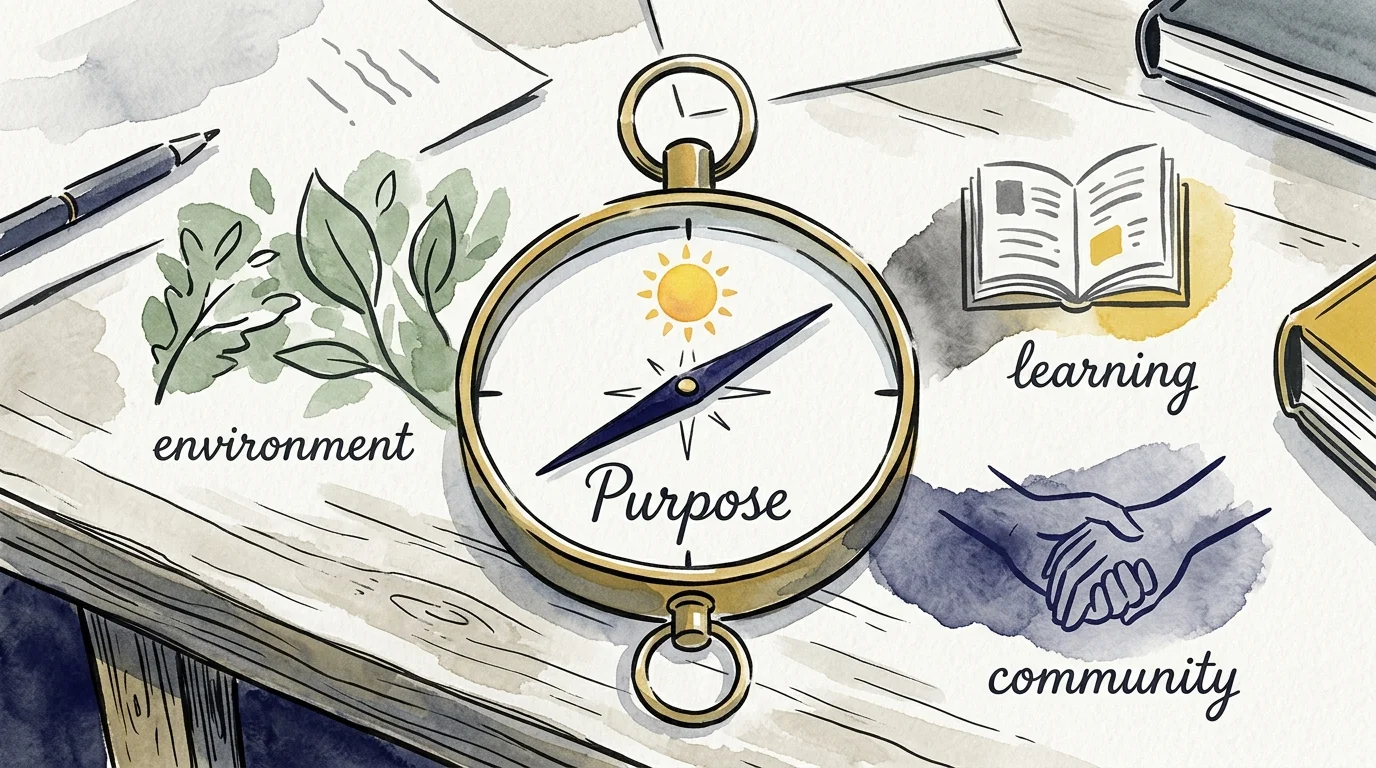
Tip #15: Define a Clear Purpose Beyond Leisure
Statistics reveal that individuals who articulate a clear, driving sense of purpose live up to seven years longer than those who lack direction. A life composed entirely of endless leisure quickly loses its luster and leads to profound boredom. You must deliberately transition your identity away from your former job title and define who you want to be right now. Become a dedicated community builder, a passionate mentor to young professionals, or a fierce advocate for local environmental conservation. Write down your core values and map out how you plan to impact the world around you positively. A strong sense of purpose anchors your days, builds resilience against life’s inevitable setbacks, and ensures your legacy continues to grow. Your unique talents remain highly valuable; direct them toward a mission that genuinely makes your heart sing.

The Takeaway: Living a More Blissful Retirement
Your transition out of the workforce represents a brilliant new beginning rather than an ending. The statistics surrounding modern aging completely dismantle the outdated narrative of decline, proving instead that these years overflow with unprecedented opportunities for growth, joy, and reinvention. You possess the time, the earned wisdom, and the flexibility to design a daily routine that deeply satisfies your soul. Take these fifteen data-backed insights and apply them directly to your personal planning. Prioritize your physical health, fiercely protect your social connections, and never stop challenging your intellect. By intentionally combining strong financial strategies with a profound sense of daily purpose, you guarantee that your post-career chapters will be your most vibrant, fulfilling, and blissful ones yet.
Frequently Asked Questions
Why are so many retirees choosing to return to work part-time?
Many older adults return to the workforce primarily for the social engagement and mental stimulation it provides, rather than out of strict financial necessity. Working part-time or taking on consulting projects offers a structured routine, combats loneliness, and allows individuals to leverage their decades of expertise in a low-stress, highly rewarding environment.
How can I maintain a strong social network after leaving my job?
You must take deliberate, proactive steps to replace the built-in social environment of a workplace. Join local hobby groups, enroll in community college courses, or dedicate time to volunteering. Scheduling regular weekly meetups with friends and family ensures you maintain consistent, meaningful connections that protect your long-term cognitive and emotional health.
Is it financially practical to start a new business in my sixties?
Yes, older adults are currently the most successful demographic for launching new ventures. You possess significant industry experience, extensive professional networks, and strong financial discipline. Starting a small, passion-driven business or a consulting practice requires minimal upfront capital and provides both an exciting challenge and a valuable supplemental income stream.
What is the single most important factor for a happy retirement?
Finding and maintaining a clear sense of purpose stands out as the most critical factor for long-term happiness. While financial security and physical health are undeniably important, knowing exactly why you are getting out of bed every morning—whether to volunteer, mentor, or create art—drives life satisfaction and significantly extends your longevity.
For a wide range of resources for older adults, visit AARP and the National Council on Aging (NCOA). Health information is available from the National Institute on Aging.
Disclaimer: This article is for informational and inspirational purposes only. It is not a substitute for professional medical, financial, or psychological advice. Please consult with a qualified expert for guidance tailored to your individual needs.









Leave a Reply