

Recognizing the early warning signs of a transient ischemic attack empowers you to protect your long-term health and preserve your vibrant independence. Often called a mini-stroke, a transient ischemic attack creates a temporary blockage of blood flow to your brain, serving as a critical alert that requires immediate medical evaluation within hours. By understanding these specific symptoms, you gain the upper hand in preventing more serious neurological events down the line. A swift response safeguards your cognitive and physical abilities; it ensures you can continue enjoying your retirement with confidence and peace of mind. Knowing these five key emergency symptoms allows you to stay active, healthy, and fully engaged in your beautiful life.

Tip #1: Recognize Sudden Numbness or Weakness in Your Face, Arm, or Leg
Your brain relies on a constant, uninterrupted flow of oxygen-rich blood to function at its peak. When a transient ischemic attack occurs, a temporary clot blocks this vital pipeline to a specific region of your brain. One of the most immediate and profound indicators of this blockage is a sudden loss of strength or sensation, typically isolated to one side of your body. Because the right hemisphere of your brain controls the left side of your body—and vice versa—a localized clot almost always presents as unilateral weakness.
You might be pouring your morning coffee and find that your hand simply cannot grip the mug, causing it to slip from your fingers. Alternatively, you may smile at yourself in the bathroom mirror and notice that one side of your face feels incredibly heavy, appearing visibly droopy and unresponsive to your commands. These are not signs of simply sleeping in an awkward position or dealing with a pinched nerve; they represent acute neurological distress. Data from the Centers for Disease Control and Prevention indicates that unilateral weakness remains one of the most frequently reported symptoms during both TIAs and full strokes.
To take immediate action, use the widely recommended arm test. Try raising both of your arms in front of you at the same time. If one arm drifts downward or you find it impossible to lift it at all, you must seek emergency medical help immediately. Do not test your strength against resistance or wait an hour to see if the feeling returns. Call for an ambulance right away. Taking swift action protects the delicate neural pathways that allow you to engage in your favorite hobbies, hug your grandchildren, and maintain your independent lifestyle.
Tip #2: Pay Attention to Sudden Confusion or Trouble Speaking
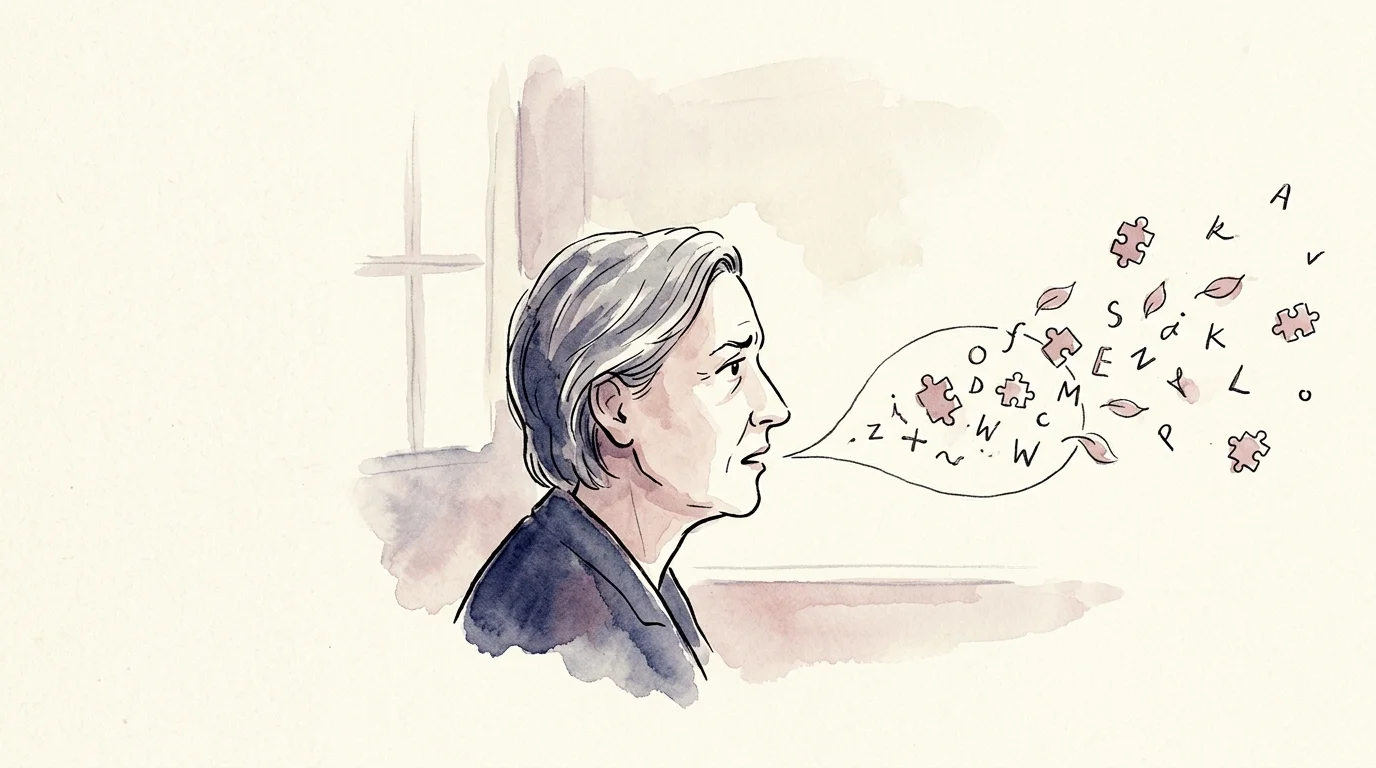
Communication serves as the bridge that connects you to your loved ones and your community. A transient ischemic attack can suddenly sever that connection by disrupting the language centers of your brain, most often located in the left temporal and frontal lobes. This disruption causes sudden aphasia or dysarthria—medical terms for the inability to comprehend language or articulate words properly. Unlike the normal, age-related experience of occasionally having a word on the tip of your tongue, a TIA produces a drastic and immediate communication barrier.
You might know exactly what you want to say, but when you open your mouth, the wrong words tumble out in a confusing sequence. In other cases, your speech may suddenly sound slurred or thick, as if your tongue has forgotten how to form consonants. Sometimes, the difficulty lies in comprehension; a family member might ask you a simple question, and their words may suddenly sound like a completely foreign language to you. This profound level of sudden cognitive and verbal disconnect is a flashing red light for a vascular event.
If you or a companion notice this symptom, try the repetition test. Ask your loved one—or have them ask you—to repeat a simple, familiar sentence, such as, “The sky is bright blue today.” If the sentence comes out garbled, slurred, or incorrect, you need emergency evaluation within hours. Never dismiss sudden confusion as fatigue or a side effect of skipping a meal. Getting evaluated quickly gives emergency physicians the opportunity to identify the source of the clot and implement preventive therapies, ensuring your voice remains strong and clear throughout your golden years.

Tip #3: Notice Sudden Vision Changes in One or Both Eyes
Clear vision allows you to safely navigate your home, read your favorite books, and take in the beauty of a vibrant sunset. When a transient ischemic attack impacts the blood vessels supplying your eyes or the visual processing centers at the back of your brain, your vision can change in a matter of seconds. This symptom requires intense vigilance because many older adults mistakenly attribute sudden visual changes to pre-existing conditions like cataracts, glaucoma, or needing a stronger eyeglass prescription.
A TIA-related vision loss often presents as a condition known as amaurosis fugax. Patients frequently describe this terrifying experience as a dark curtain or shade slowly descending over one eye, temporarily plunging half of their world into darkness. Alternatively, you might experience sudden, severe double vision, or a complete loss of peripheral vision that causes you to bump into doorframes and furniture. These changes happen instantly, distinguishing them from the gradual blurriness associated with typical aging eyes.
To test your vision during a suspected episode, cover one eye with your hand and look straight ahead, then switch hands and cover the other eye. If you notice a drastic difference in visual clarity or an entirely missing field of vision in one eye, you must treat the situation as an emergency. Seeking an immediate medical evaluation can prevent permanent visual impairment. Preserving your eyesight means preserving your ability to drive, travel, and live autonomously—all crucial components of a blissful and active retirement.

Tip #4: Be Alert to Sudden Difficulty Walking or Loss of Balance
Maintaining your mobility requires a complex, seamlessly coordinated effort between your muscles, your inner ear, and a specific part of your brain called the cerebellum. A transient ischemic attack can interrupt the blood supply to the cerebellum or the brainstem, resulting in profound and instantaneous coordination failures. While many seniors experience occasional joint stiffness or mild unsteadiness due to arthritis, the balance issues caused by a TIA are starkly different due to their explosive onset.
You may stand up from your favorite reading chair and immediately stagger, completely unable to find your footing. A severe spinning sensation—known as vertigo—might overwhelm you, making it impossible to walk in a straight line or even stand upright without support. You might also experience sudden clumsiness, finding yourself entirely unable to execute precise movements like buttoning a shirt or unlocking your front door. This sudden loss of equilibrium dramatically increases your risk of suffering a catastrophic fall.
If you suddenly feel as though the ground is shifting beneath your feet, sit down on the floor or the nearest stable surface immediately. Do not attempt to walk to the kitchen for a glass of water or try to “walk it off” to see if your balance improves. Once you are safely seated, use your cell phone or a medical alert device to summon emergency services. Prompt medical intervention will help doctors assess your vascular health and prescribe necessary blood thinners or lifestyle modifications, securing your future mobility and keeping you active on your feet.
Tip #5: Do Not Ignore a Sudden, Severe Headache With No Known Cause
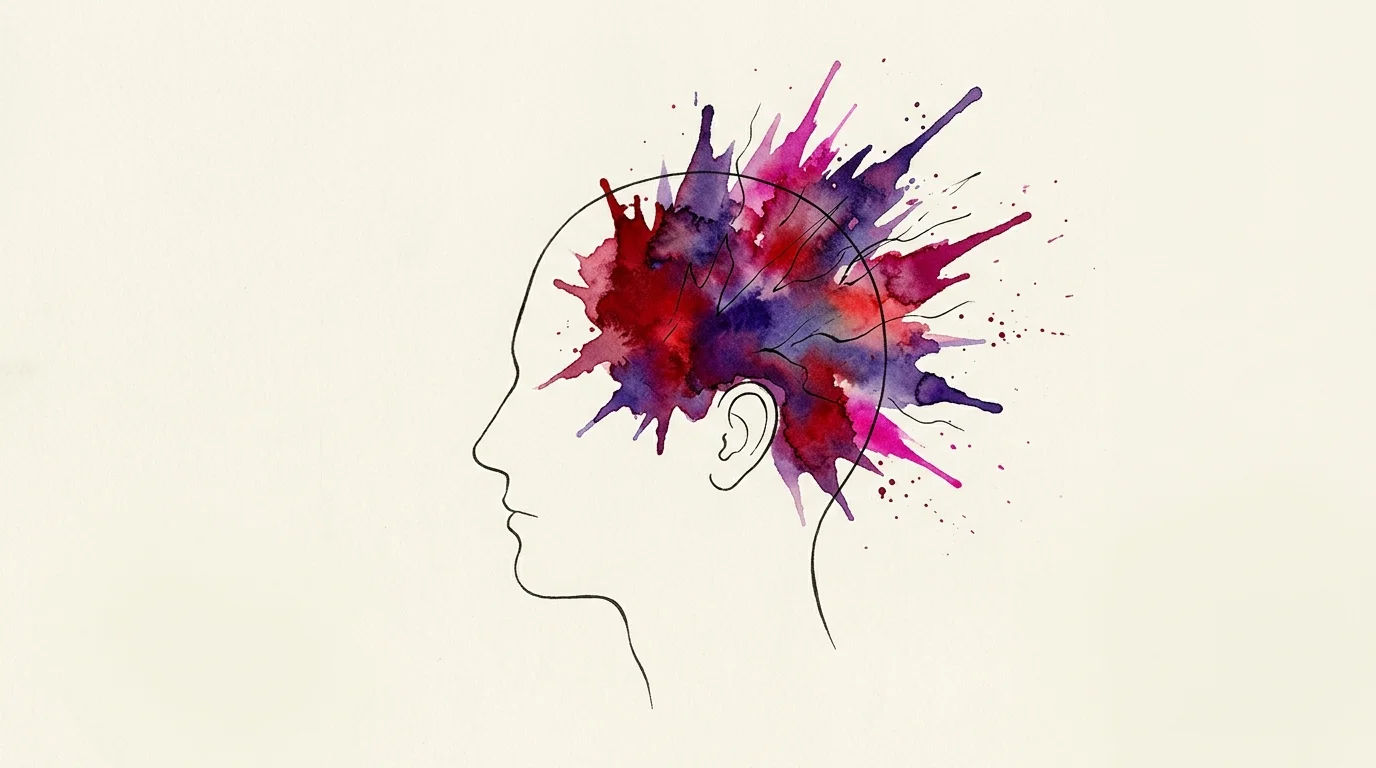
Most adults have experienced their fair share of headaches throughout their lives, from tension headaches caused by stress to sinus pressure from seasonal allergies. However, a headache triggered by a cerebrovascular event is an entirely different beast. Often described by neurologists as a “thunderclap” headache, this specific type of pain reaches its maximum, excruciating intensity within mere seconds to minutes. While this severe pain is more commonly associated with hemorrhagic strokes (bleeding in the brain), it can also accompany severe ischemic events or indicate a critical vascular anomaly.
Imagine sitting quietly while watching an evening television program when an explosive, agonizing pain strikes your head completely out of nowhere. This is not a gradual throbbing; it is an immediate, blinding pain that feels unlike any migraine you have ever endured. It may be accompanied by nausea, vomiting, or an intense stiffness in your neck. When a headache manifests with such violent speed and lacks any obvious trigger, it demands an immediate trip to the emergency room.
The most crucial action you can take in this scenario is to refuse the temptation to self-medicate. Taking over-the-counter pain relievers and lying down to sleep off a thunderclap headache can be a fatal mistake. You need specialized brain imaging, such as a CT scan or an MRI, to rule out life-threatening blockages or bleeds. Trust your instincts; if your body is signaling that something is terribly wrong, listen to it. Prompt medical imaging ensures that any silent threats are neutralized, allowing you to wake up the next day feeling safe, secure, and ready to embrace the day.
The Takeaway: Living a More Blissful Retirement
Navigating the journey of aging requires equal parts optimism and proactive vigilance. A transient ischemic attack is nature’s ultimate warning system—a brief, reversible window of opportunity that allows you to change the trajectory of your health before permanent damage occurs. Statistics clearly show that individuals who heed these emergency signs and receive medical evaluation within hours significantly lower their risk of enduring a full-blown stroke in the subsequent days and weeks.
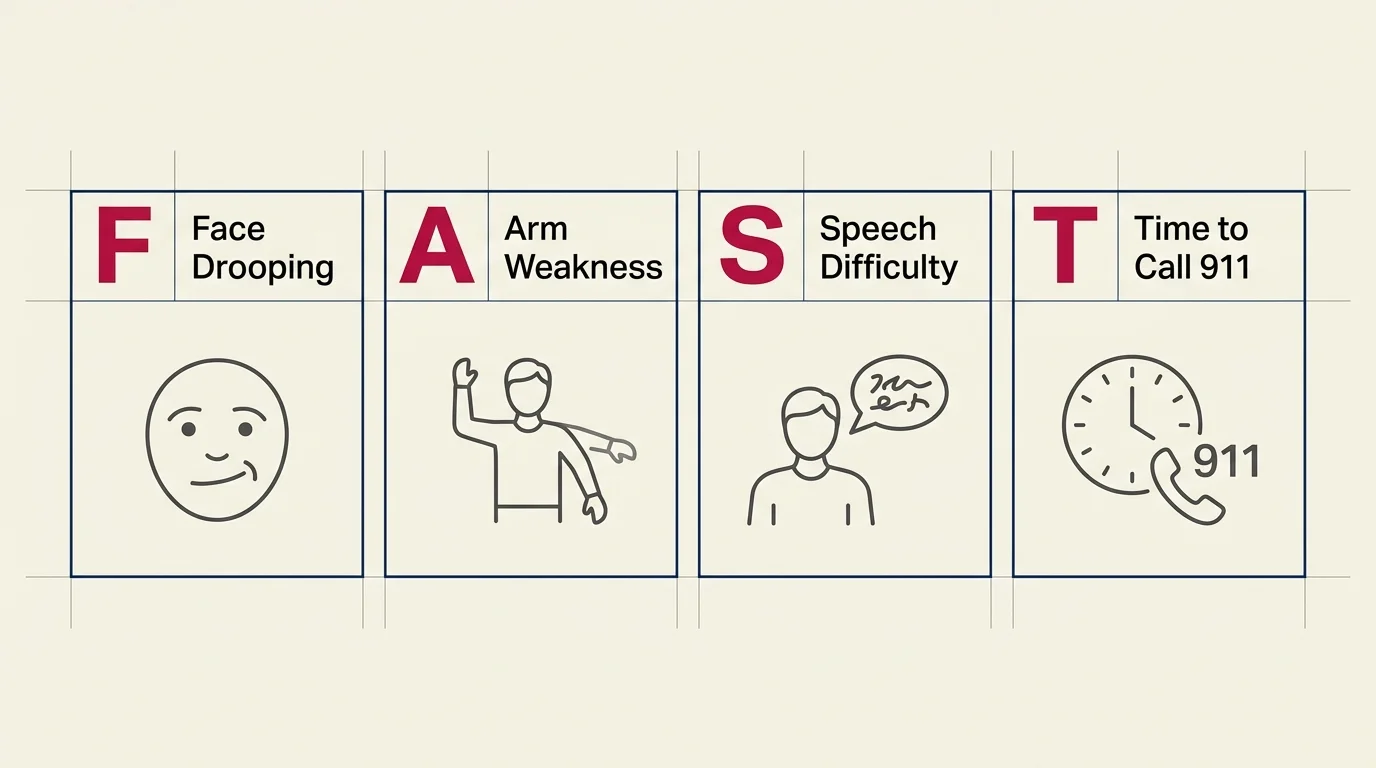
You possess the power to advocate for your own well-being. By memorizing these five critical signs—sudden weakness, confusion, vision changes, loss of balance, and severe headache—you are actively building a fortress around your health. Share this knowledge with your spouse, your children, and your close friends so that you can look out for one another. Embrace the peace of mind that comes from being prepared. When you take bold, immediate action in the face of a medical emergency, you preserve the strength, cognitive sharpness, and physical vitality necessary to make every moment of your golden years truly blissful.
Frequently Asked Questions
What is the difference between a TIA and a full stroke?
Both a transient ischemic attack and an ischemic stroke are caused by a clot that blocks blood flow to a portion of the brain. The primary difference lies in the duration and the permanence of the damage. In a TIA, the clot naturally dissolves or dislodges on its own, usually within a few minutes to an hour, and the symptoms disappear without leaving permanent, visible brain tissue damage on a standard MRI. In a full stroke, the blockage persists long enough to cause localized brain cell death, leading to long-lasting or permanent physical and cognitive impairments.
If my symptoms completely disappear after ten minutes, do I still need to go to the hospital?
Absolutely. The complete resolution of symptoms is the defining characteristic of a TIA, but it does not mean the underlying danger has passed. A TIA is a blaring siren indicating that the vascular environment in your brain is primed for a major, devastating stroke. Medical professionals refer to a TIA as a harbinger event. By going to the emergency room immediately, doctors can perform vascular imaging, check your carotid arteries, evaluate your heart rhythm, and start you on preventive medications that drastically reduce your risk of a major stroke in the near future.
How can I lower my risk of experiencing a transient ischemic attack?
Protecting your vascular health is the most effective way to prevent a TIA. Monitor and manage your blood pressure, as hypertension is the leading cause of cerebrovascular issues. Work with your healthcare provider to keep your cholesterol and blood sugar levels within healthy ranges. Embrace a heart-healthy diet rich in leafy greens, lean proteins, and omega-3 fatty acids. Engage in regular cardiovascular exercise, such as brisk walking, swimming, or cycling, to keep your arteries flexible and clear. Finally, if you smoke, seek resources to quit immediately, as smoking significantly damages your blood vessels.
What should I do while waiting for the ambulance to arrive?
If you suspect you or a loved one is experiencing a TIA, call 911 immediately and clearly state that you suspect a stroke. Have the person lie down in a safe, comfortable position to prevent falls and ease blood flow to the brain. Do not offer any food, water, or medication—especially aspirin—unless explicitly instructed to do so by the emergency dispatcher. Because some strokes are hemorrhagic (caused by bleeding), taking a blood thinner like aspirin without a proper diagnosis could worsen the situation. Stay calm, unlock the front door for the paramedics, and gather all current medication bottles so the medical team can review them upon arrival.
For a wide range of resources for older adults, visit AARP and the National Council on Aging (NCOA). Health information is available from the National Institute on Aging.
Disclaimer: This article is for informational and inspirational purposes only. It is not a substitute for professional medical, financial, or psychological advice. Please consult with a qualified expert for guidance tailored to your individual needs.








Leave a Reply