
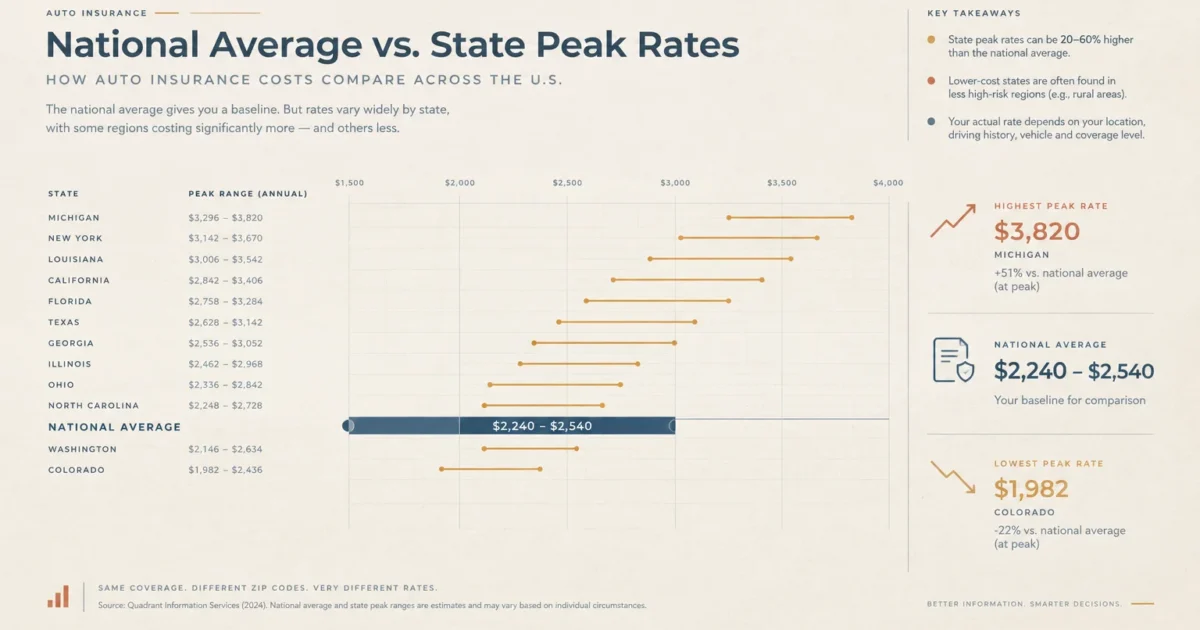
You can protect your retirement budget and keep more cash in your wallet by mastering regional auto insurance trends. Understanding which jurisdictions charge the highest premiums helps you unlock massive discounts on your current coverage.
The national average for full coverage auto insurance now ranges between $2,240 and $2,540 per year. Rising vehicle repair expenses and severe storm activity continue to push those rates even higher across the country.
Fortunately, drivers over 50 often qualify for exclusive rate reductions and low-mileage savings. Exploring an auto insurance cost comparison gives you the power to slash your premium today.

Tip #1: Louisiana
Louisiana consistently ranks at the top of the most expensive car insurance states. Full coverage here costs between $3,600 and $4,180 annually, which is roughly 75% above the national average.
Local drivers often spend around 5.1% of their median annual income just to keep a car insured. Severe tropical storms, frequent localized flooding, and high bodily injury litigation drive these extreme rates.
Vehicle repair parts and labor costs have also risen 45% nationwide over the last five years. Those rising repair figures hit storm-prone Louisiana roads particularly hard.
If you call Louisiana home, ask your insurance carrier about defensive driving discounts. Completing an approved mature driver course can immediately reduce your premium by up to 10%.
You can also raise your collision deductible from $500 to $1,000 if your savings permit. That single adjustment often generates significant annual savings on expensive states car insurance policies.

Tip #2: Florida
The Sunshine State presents unique challenges for mature drivers seeking reasonable premiums. Florida averages between $3,530 and $4,170 per year for full coverage auto insurance.
Heavy traffic congestion along coastal highways, frequent hurricanes, and aggressive litigation keep prices elevated. Furthermore, an estimated 20% or more of Florida motorists drive without any insurance coverage.
Florida law mandates insurance discounts for drivers aged 55 and older who finish an approved defensive driving course. Taking a certified course locks in a 5% to 15% rate reduction for three years.
If you recently transitioned into retirement, be sure to update your policy with your new driving habits. Dropping your commute and logging under 7,500 annual miles can slash your premium by 10% to 20%.
Exploring an auto insurance cost comparison among regional carriers can yield unexpected savings. Regional specialty insurers often offer preferential rates tailored specifically to retired Florida residents.

Tip #3: Nevada
Nevada holds a prominent position among states with high auto insurance costs. Drivers across the Silver State face average full coverage premiums ranging between $3,070 and $3,960 each year.
High accident severity and frequent collisions in tourist centers like Las Vegas and Reno push claim totals upward. Rising medical treatment and legal fees also force insurance companies to elevate local policy rates.
Actuarial data shows that insurance rates for 70-year-olds in Nevada often exceed $4,000 annually. Fortunately, proactive adjustments can safeguard your retirement budget against these aggressive price spikes.
Bundling your auto policy with your homeowners or renters insurance is a reliable strategy. Insurers frequently reward multi-policy households with total discounts ranging from 15% to 20%.
You can also install anti-theft equipment and enroll in a voluntary telematics program. Smartphone tracking apps reward your cautious driving habits with substantial monthly credits.
Tip #4: Michigan
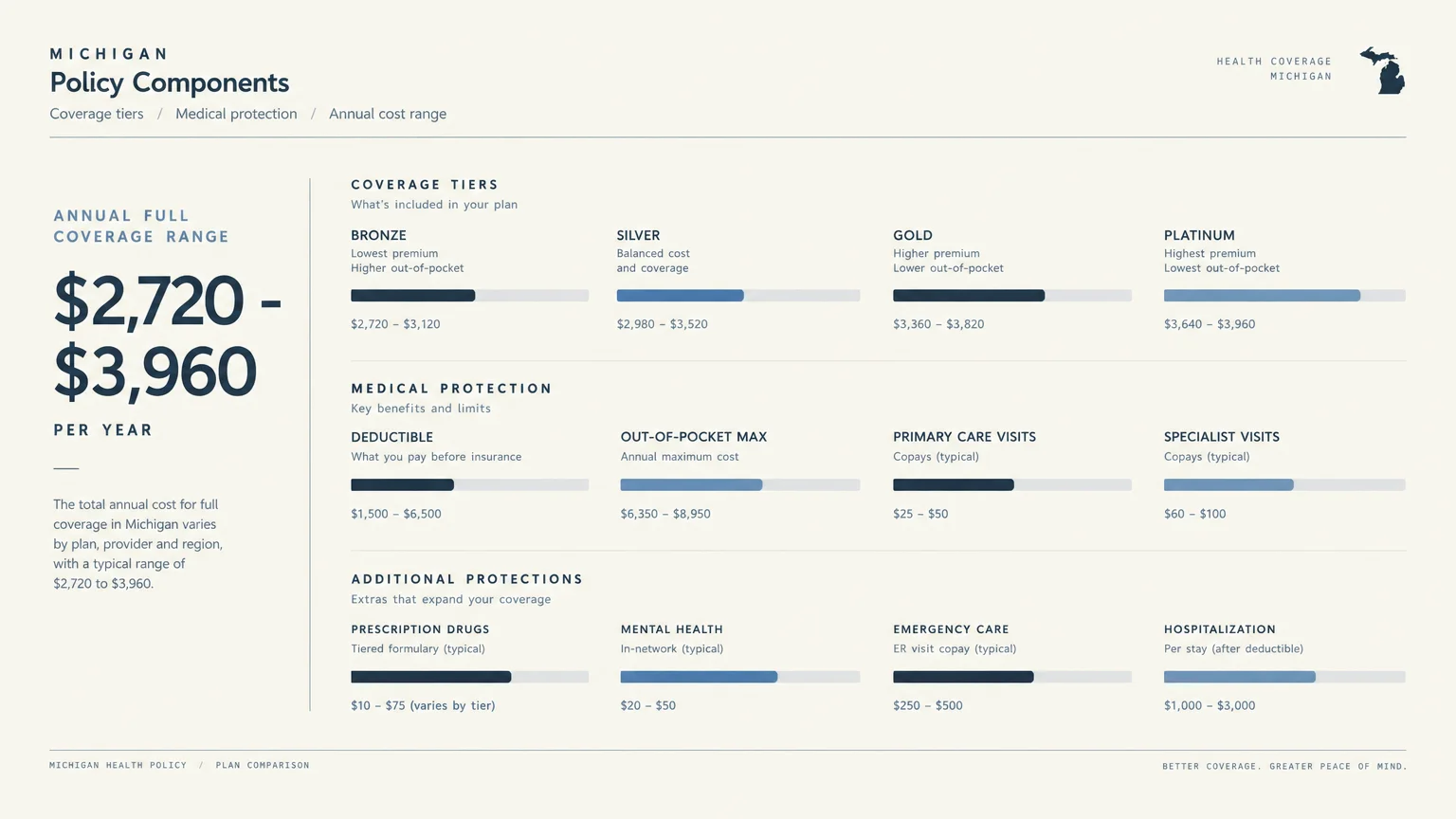
Michigan has long been known for steep premiums, with full coverage running between $2,720 and $3,960 annually. The state’s unique insurance rules continue to influence monthly policy pricing.
Historically, mandatory unlimited Personal Injury Protection (PIP) medical coverage made Michigan the costliest state in America. Even though recent legal reforms introduced tiered PIP options, rates remain elevated.
Mature drivers can lower their bills by coordinating auto coverage with their existing healthcare. If Medicare or a comprehensive retirement health plan covers auto accidents, you can select lower PIP limits.
Michigan also bans insurers from using credit-based insurance scores to calculate your premiums. This vital protection guarantees that fluctuations in your credit rating will never increase your auto insurance rates.
Regularly reviewing your coverage options ensures you do not overpay for unnecessary riders. Speaking with an independent agent helps you customize a policy that respects your retirement income.

Tip #5: New York
New York drivers pay between $2,710 and $3,600 each year for standard full coverage insurance. Extreme traffic volume and no-fault claim rules make New York one of the most expensive car insurance states.
Claim frequency peaks in dense metropolitan zones, where vehicle theft rates and repair costs remain high. Even quiet rural communities feel the impact through shared statewide underwriting formulas.
New York requires insurance companies to grant drivers aged 55 and older a mandatory 10% discount. You only need to finish a certified mature driver improvement course to claim this three-year benefit.
The state also allows motorists to refresh this discount every three years by simply retaking the course. Completing the class online lets you learn comfortably at your own pace.
If you store your vehicle during harsh winter blizzards, ask about comprehensive-only coverage. Suspending collision coverage while your car rests safely in the garage can save hundreds of dollars.

Tip #6: Washington, D.C.
Washington, D.C. ranks among the costliest jurisdictions, averaging between $3,090 and $3,400 annually for full coverage. Commuter density and congested multi-lane avenues create frequent low-speed collisions.
Urban claim concentrations for vehicle vandalism and catalytic converter theft also push comprehensive rates higher. Compounding the problem, nationwide vehicle parts and labor costs have surged 45% in recent years.
Mature drivers can reclaim their financial advantage by taking advantage of regional transit options. Registering your vehicle for leisure driving rather than a daily commute can trim up to 15% from your premium.
Always compare car insurance rates by state and district annually. Independent insurance brokers can cross-reference multiple underwriters to locate specialized low-mileage senior discounts for you.
Check your policy limits annually to confirm you are not carrying duplicate emergency roadside coverages. Streamlining your add-ons keeps your urban driving costs entirely manageable.
Tip #7: Maryland
Maryland motorists face average annual full coverage premiums ranging between $2,800 and $3,350. Heavy commuter traffic along the Interstate 95 corridor and the Capital Beltway generates frequent accident claims.
Dense suburban neighborhoods and elevated vehicle theft statistics keep Maryland on the list of states with high auto insurance. Repair shop labor shortages across the region add further upward momentum to rates.
If you are between the ages of 50 and 64, you sit in the actuarial sweet spot. Drivers in this demographic enjoy lower baseline rates because insurers recognize your seasoned behind-the-wheel experience.
You can enhance those savings by completing an approved safe driving course for older adults. Maryland insurers reward qualifying graduates with notable rate reductions that last for years.
Consolidating multiple household vehicles under one carrier provides an additional multi-car discount. Bundling two vehicles can lower your overall policy cost by up to 25%.
Tip #8: New Jersey
As the most densely populated state in the country, New Jersey averages between $2,670 and $3,070 annually for full coverage. Congested turnpikes and highway corridors produce high claim frequency throughout the Garden State.
High regional medical costs and mandatory personal injury protection requirements also elevate standard liability packages. Insurers must price policies to cover these generous medical benefits for injured drivers.
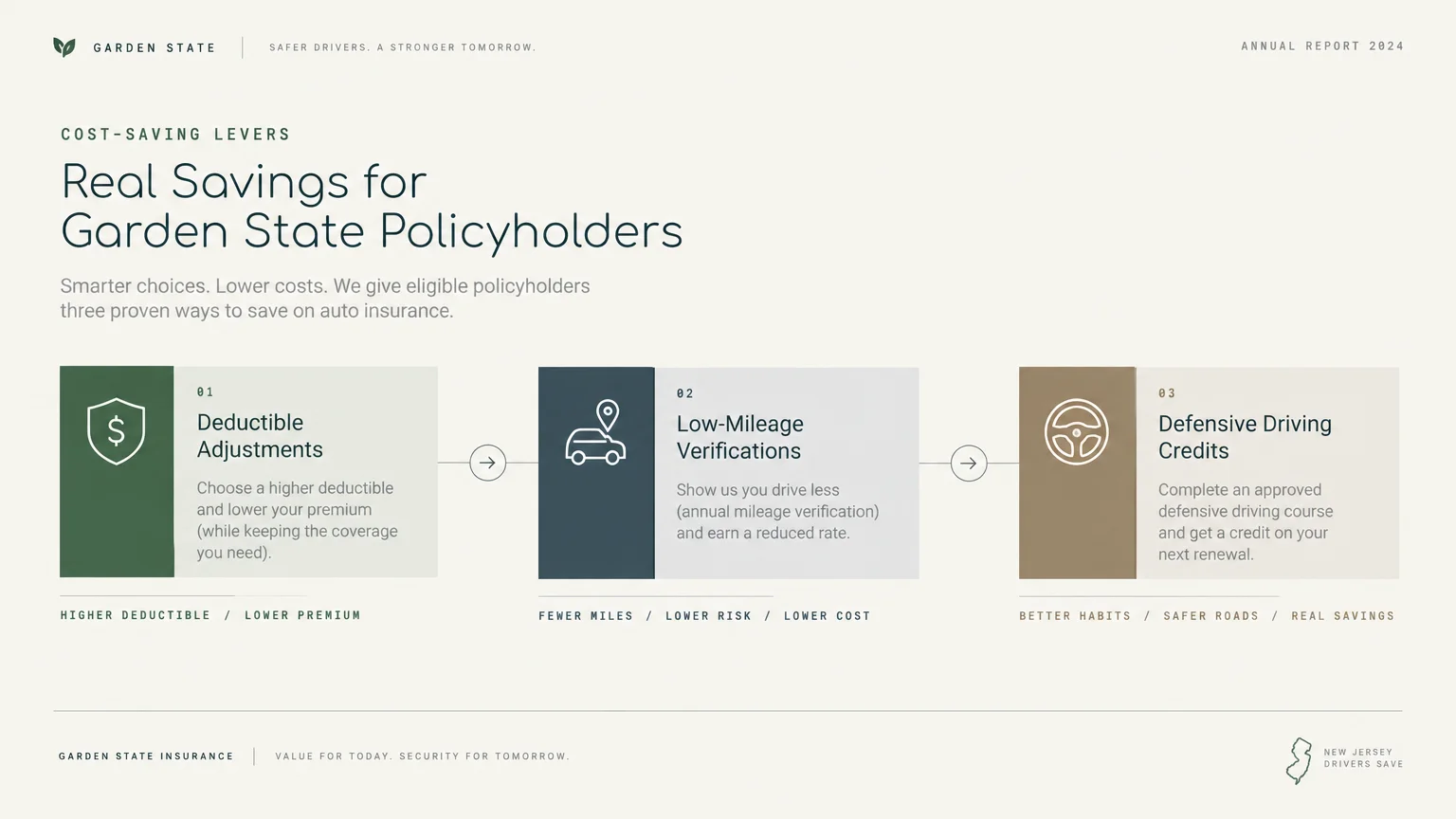
You can easily reduce your premium by paying your annual bill in full or using automated withdrawals. Most New Jersey insurers offer administrative discounts ranging from 3% to 8% for automated payments.
Reviewing car insurance rates by state and regional zip codes reveals that rates differ sharply between counties. If you plan to downsize into a quieter retirement community, check local insurance rates before moving.
Removing unnecessary physical damage coverage from an older, fully depreciated car is another clever tactic. Dropping collision coverage on older vehicles can cut your annual premium nearly in half.
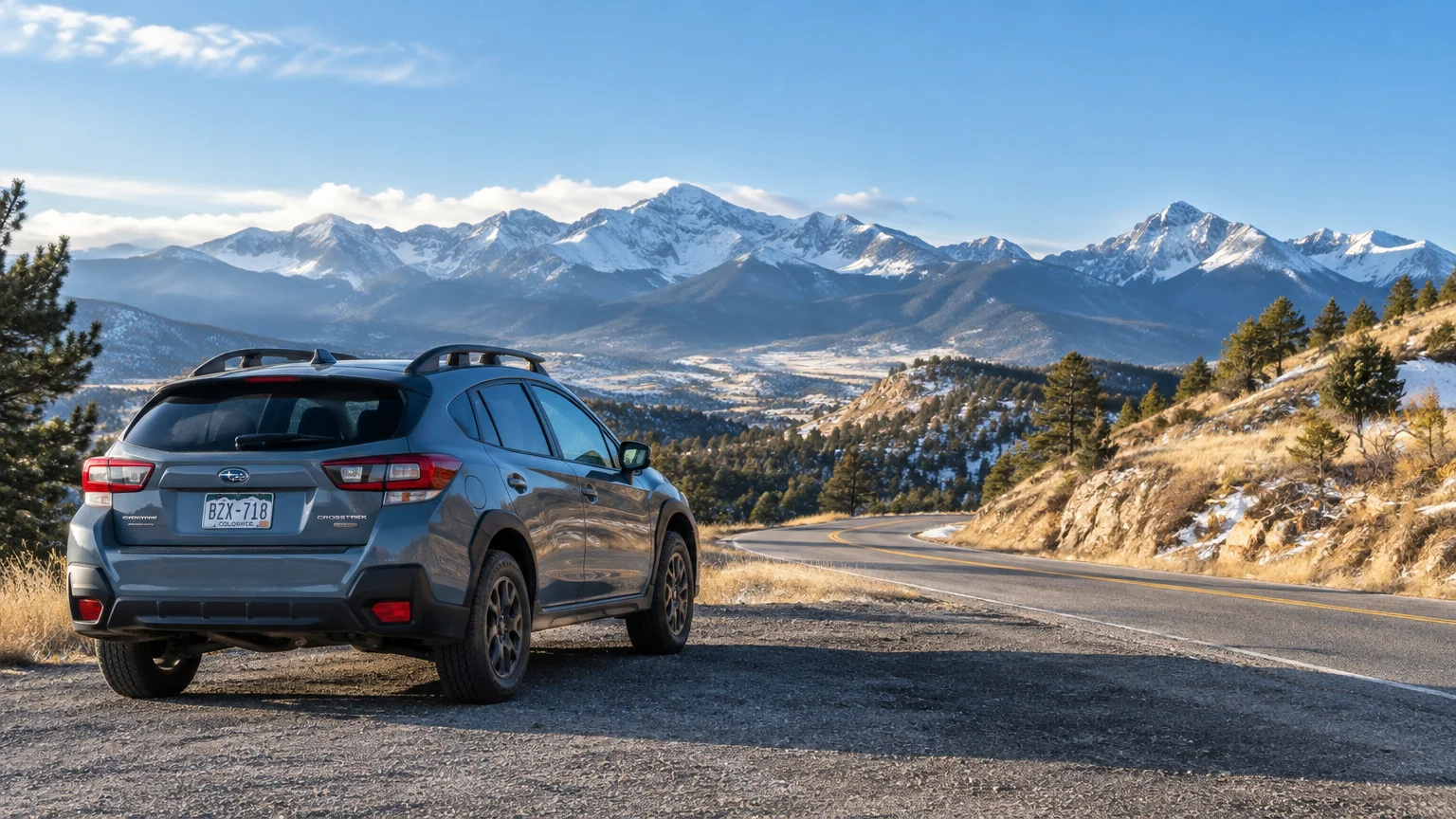
Tip #9: Colorado
Colorado car insurance rates have soared in recent years, averaging between $2,490 and $2,900 annually for full coverage. Severe mountain weather and volatile summer hailstorms serve as the primary culprits.
Catastrophic hail events across the Front Range cause tens of thousands of auto body claims annually. In addition, slick winter roads lead to elevated collision claims during mountain snowstorms.
You can insulate your budget against expensive states car insurance costs by parking inside a sheltered garage. Insurers look favorably upon sheltered parking because it shields your car from damaging hailstones.
Mature Colorado drivers can also enroll in voluntary usage-based insurance programs. If you restrict your winter driving to clear, dry days, telematics programs will reward your prudent schedule with lower rates.
Increasing your comprehensive deductible during storm season is another practical money-saving move. Carrying a $1,000 deductible rather than a $250 deductible significantly lowers your monthly insurance bill.

Tip #10: California
California rounds out the top ten most expensive states, with full coverage rates ranging between $2,460 and $3,070 annually. A recent backlog of regulatory rate approvals caused sharp rate jumps across the state.
Rising repair labor rates, extreme wildfire risks, and dense highway congestion all contribute to high premiums. Even with these headwinds, California law offers great advantages for mature motorists.
California prohibits insurance companies from using credit scores to determine your auto premiums. Your rates depend on your driving record, annual mileage, and years of behind-the-wheel experience instead.
State law also requires insurers to provide discounts to motorists aged 55 and older who complete defensive driving courses. This statutory discount lasts for three years and is fully renewable upon course completion.
Pay-per-mile auto insurance is another fantastic option for retired Californians who travel infrequently. Paying a low base rate plus pennies per mile can reduce your driving expenses by up to 50%.

The Takeaway: Living a More Blissful Retirement
Living in one of the states with high auto insurance does not mean sacrificing your retirement peace of mind. Taking proactive charge of your auto policy protects your nest egg while keeping you safely on the road.
Drivers between ages 50 and 64 currently enjoy the lowest baseline insurance rates in the country. Insurers recognize your decades of careful driving experience, fewer late-night trips, and responsible driving habits.
Even as you cross into your 70s and 80s, statutory defensive driving discounts help keep premiums steady. Completing an accredited mature driver course provides an immediate, guaranteed rate reduction in over 30 states.
Your new retirement lifestyle offers another immediate financial advantage through lower annual mileage. Always notify your insurance company whenever your daily commute ends or your driving habits change.
Make a habit of performing an annual auto insurance cost comparison across top-rated carriers. Regularly shopping your policy ensures you never pay more than necessary for full coverage protection.
With these practical strategies in hand, you can confidently steer your retirement toward financial security and joyful new adventures. Every dollar you save on insurance is another dollar for your golden years dreams.
Frequently Asked Questions
Why do car insurance rates increase for drivers over 70?
Insurance companies use actuarial tables that show higher medical costs and slower reaction times for motorists over 70. By age 80, average premiums rise roughly 32% above what 60-year-olds pay.
However, completing a certified defensive driving course and enrolling in low-mileage programs helps offset these age-related increases.
Which states forbid insurers from using credit scores?
California, Hawaii, Massachusetts, and Michigan strictly ban or heavily restrict insurance companies from using credit scores. Regulators in these states ensure that your credit standing does not dictate your premiums.
In other states, maintaining an excellent credit score can reduce your auto insurance premiums by up to 50%.
How much can I save by reporting my retirement mileage?
Transitioning from a daily commute to pleasure driving often lowers your annual mileage from 12,000 miles to under 7,500 miles. Driving fewer miles dramatically decreases your risk of an unexpected accident.
Insurers typically reward this reduced road exposure with annual premium reductions ranging between 10% and 20%.
How often should I shop around for car insurance quotes?
You should compare rates once every twelve months or whenever you experience a major life milestone. Shopping regularly ensures your current carrier remains truly competitive.
Retiring, moving, buying a new car, or turning 55 can unlock substantial new discounts across competing insurance providers.
For a wide range of resources for older adults, visit AARP and the National Council on Aging (NCOA). Health information is available from the National Institute on Aging.
Disclaimer: This article is for informational and inspirational purposes only. It is not a substitute for professional medical, financial, or psychological advice. Please consult with a qualified expert for guidance tailored to your individual needs.