
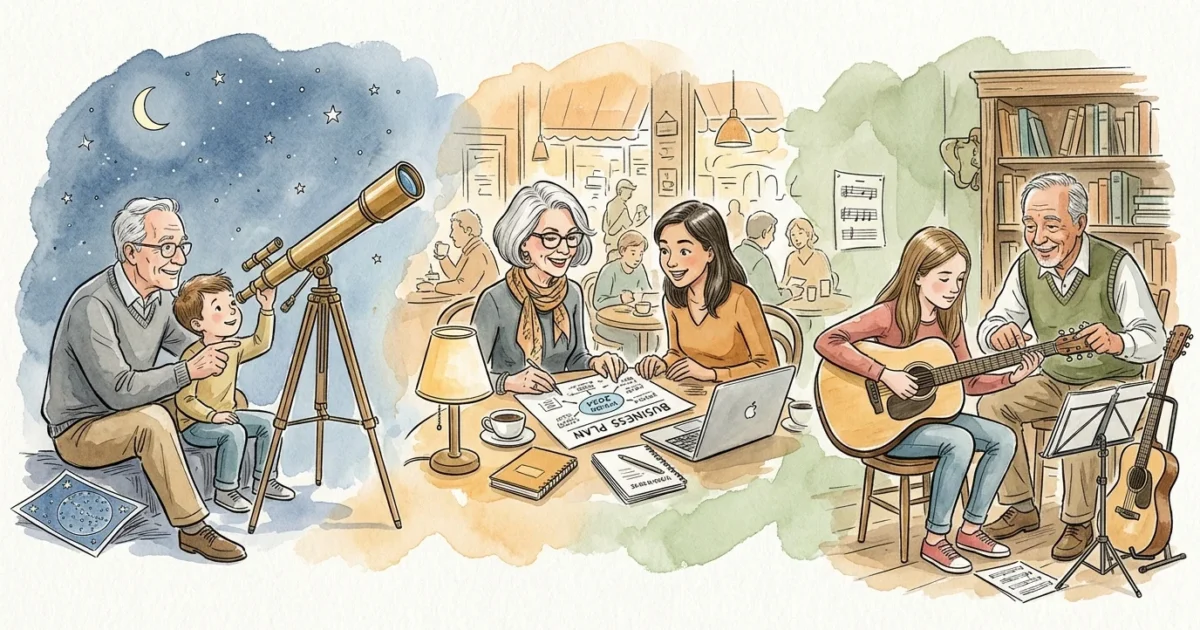
Your decades of professional expertise and life experience represent an invaluable gift that can transform someone else’s future while revitalizing your own sense of purpose. Stepping into retirement opens up unprecedented opportunities to guide the next generation, build uplifting intergenerational friendships, and stay mentally vibrant every single day. Whether you coach an ambitious entrepreneur, teach a child to read, or guide a university student, mentorship creates lasting community impact and enriches your golden years. Giving back through mentorship in retirement allows you to share hard-won wisdom, cultivate deep joy, and build a rewarding legacy on your own schedule.
Tip #1: Guiding Budding Entrepreneurs Through Business Mentoring
If you spent your career navigating corporate corridors, managing teams, or launching your own enterprises, you possess insights that budding entrepreneurs desperately need. Modern business moves quickly, but core business principles remain constant across industries. New founders often struggle with foundational hurdles such as cash flow management, personnel disputes, strategic planning, and customer retention. By stepping forward as a seasoned guide, you provide an objective sounding board that helps ambitious innovators steer clear of costly missteps.
One of the premier retirement mentorship programs in the United States is SCORE. Founded in 1964 as a resource partner of the U.S. Small Business Administration (SBA), SCORE operates with approximately 10,000 volunteer mentors across more than 160 chapters nationwide. Joining SCORE allows you to offer confidential business counseling through in-person sessions, video calls, or email exchanges. You choose the industries you wish to advise and set your own weekly availability, giving you complete flexibility over your calendar.
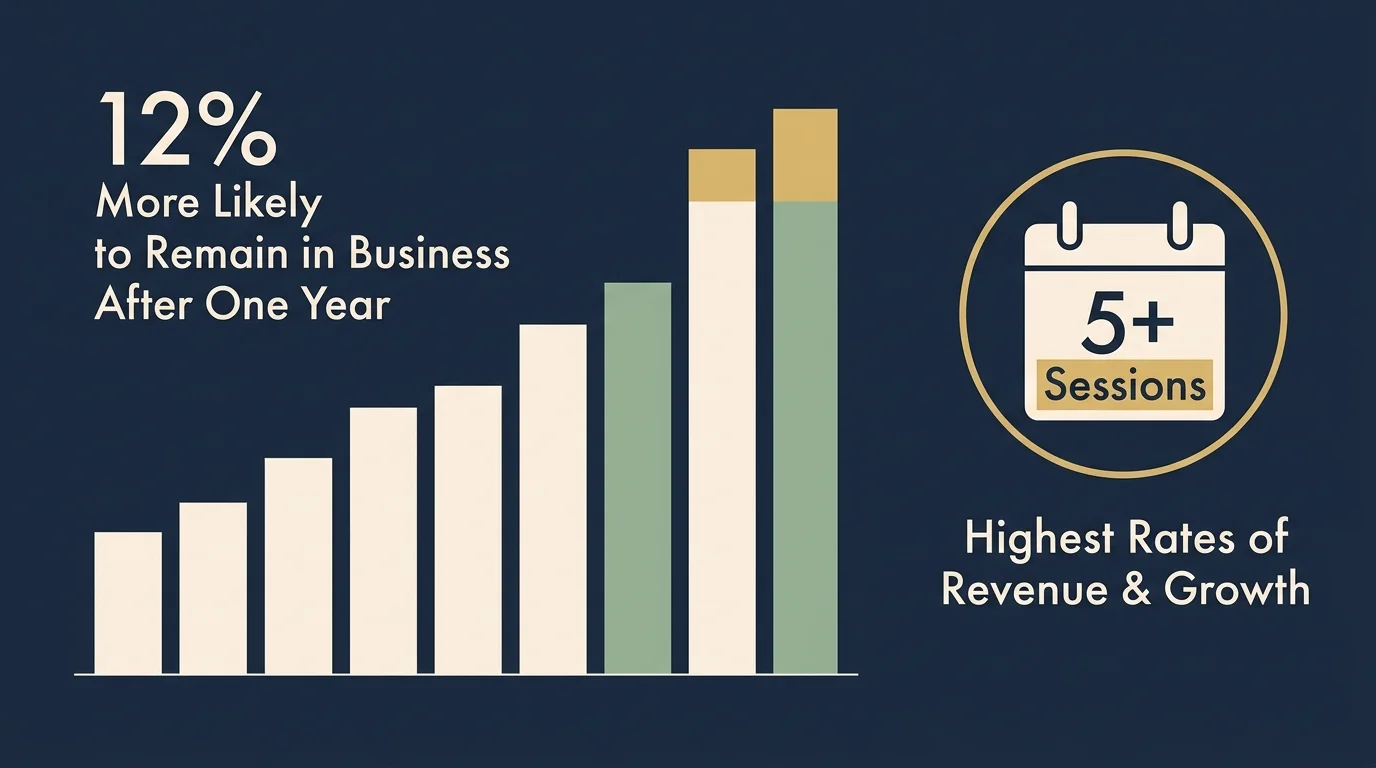
The concrete impact of this business mentorship is undeniable. SCORE survey data shows that small business owners who receive mentorship are 12% more likely to remain in business after one year. Furthermore, entrepreneurs who engage in five or more mentoring sessions report the highest rates of revenue and business growth. When you share your strategic vision, you do not just help a single enterprise survive; you help generate local jobs, stabilize families, and strengthen the economic fabric of your entire community.
Tip #2: Fostering Literacy and Early Learning in Elementary Classrooms
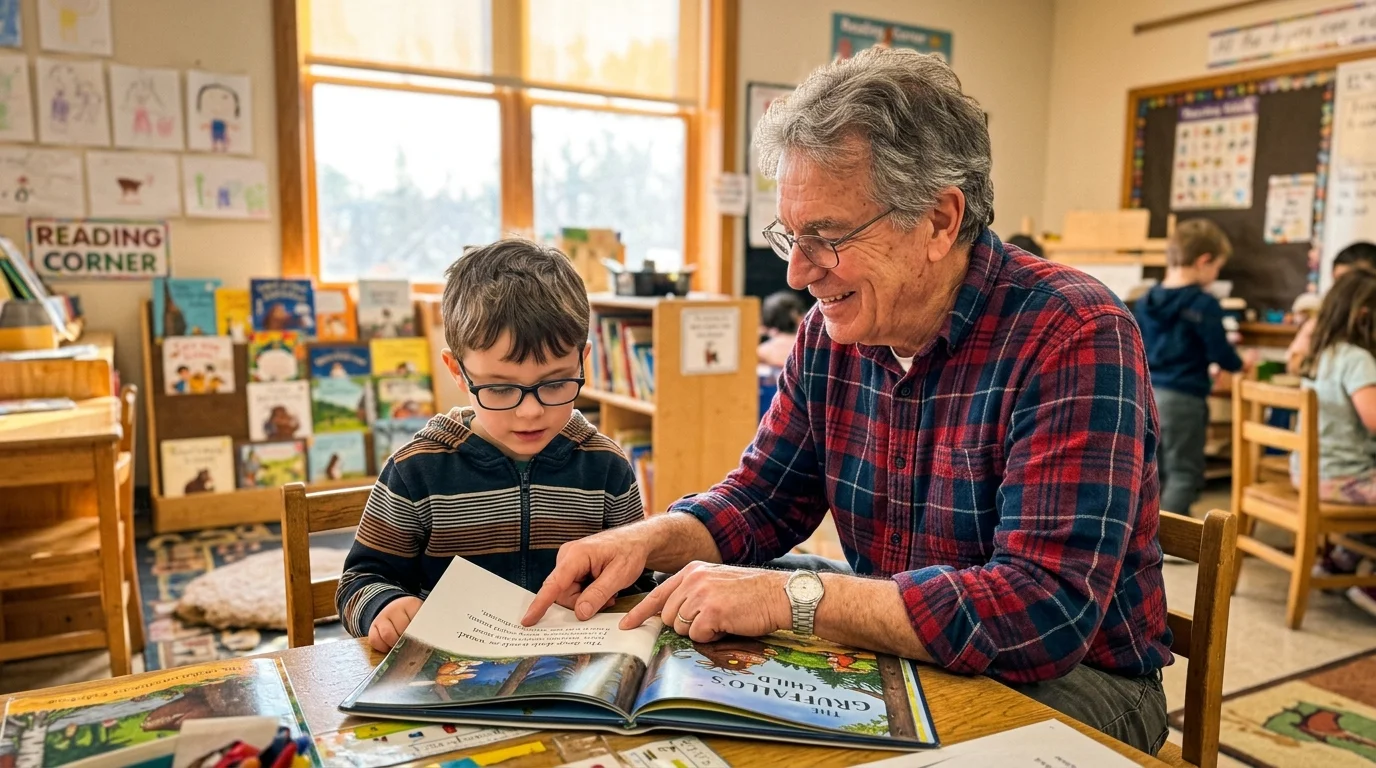
Few experiences match the pure joy of watching a child unlock the magic of reading. If you enjoy interacting with young learners, elementary school literacy initiatives offer some of the most meaningful volunteer mentoring retirement pathways available. In today’s crowded classrooms, dedicated teachers cannot always provide the one-on-one attention that struggling students require to reach crucial reading benchmarks. Your gentle presence and consistent encouragement can completely alter a child’s academic trajectory.
A shining example of this model is the AARP Foundation Experience Corps. This acclaimed program targets adults aged 50 and older who hold at least a high school diploma or GED. Before entering the classroom, volunteers complete roughly 25 hours of annual training to master evidence-based literacy techniques. You then dedicate between 5 and 15 hours per week during the school year to mentor children in grades K through 3. Working closely with the same small group of students builds trust, accelerates reading comprehension, and nurtures academic self-confidence.
Engaging in this work also delivers profound benefits for your own cognitive wellness. Long-term clinical studies on older adult participants in the Baltimore Experience Corps found that senior mentors showed preserved executive brain function and memory performance compared to non-volunteering peer control groups. Furthermore, the active mentors walked more steps daily and reported substantially higher life satisfaction. Giving back in the classroom sharpens your mind while giving an elementary student the tools for lifelong success.

Tip #3: Nurturing Vulnerable Youth Through Foster Grandparent Programs
Children need stability, affection, and patient role models to thrive, especially when facing social, economic, or developmental challenges. Among the most cherished ways retirees can mentor others is by becoming a surrogate grandparent to young people who lack strong support systems at home. Your unconditional support provides an emotional anchor that helps vulnerable children feel seen, valued, and capable of overcoming adversity.
The AmeriCorps Seniors Foster Grandparent Program stands as a national beacon for this intergenerational connection. Established in 1965, this federally supported initiative connects adults aged 55 and older with children and youth in local schools, Head Start centers, and youth organizations. Volunteers typically commit between 15 and 40 hours per week, assisting with developmental exercises, comforting upset toddlers, assisting with homework, and encouraging social-emotional growth.
The program ensures that financial constraints never prevent dedicated older adults from serving. Income-eligible volunteers receive a non-taxable hourly stipend, mileage and transportation reimbursement, and supplemental accident and liability insurance. This comprehensive framework allows you to immerse yourself in community service without incurring out-of-pocket expenses. The emotional rewards are boundless; you build deep intergenerational bonds that fill your weeks with laughter, affection, and profound purpose.

Tip #4: Advising College Students and First-Generation Graduates
The transition from higher education into the professional arena can feel daunting for young adults, particularly first-generation college students who lack established family networks in their chosen fields. By offering collegiate career mentorship, you demystify the professional world for promising young scholars. You help them understand workplace culture, draft compelling resumes, practice rigorous mock interviews, and cultivate authentic networking skills.
Many colleges and universities manage dedicated alumni mentoring networks that actively recruit retired graduates. If you wish to reach beyond your alma mater, organizations like Braven, FirstGen Mentors, and local community college foundations connect seasoned professionals with ambitious undergraduates. These retiree mentorship opportunities often follow structured semester-long commitments, requiring only an hour or two of your time each week via video chat or phone calls.
Your guidance helps bridge the confidence gap that many young job seekers experience. When you share stories of your own early career missteps and triumphs, you normalize setbacks and teach resilience. You can teach a nervous graduate how to negotiate a starting salary, evaluate job offers, and conduct themselves in high-stakes corporate environments. Helping a young adult land their first professional role delivers an immense sense of accomplishment that echoes for decades.

Tip #5: Supporting Community Nonprofits and Board Leadership
Local charitable organizations, community arts councils, animal shelters, and food banks perform vital work, but they frequently operate on shoestring budgets. Executive directors and staff members are often overworked, juggling fundraising, program delivery, and volunteer coordination simultaneously. As an experienced retiree, you can provide the strategic leadership, operational oversight, and executive mentorship that these organizations urgently require.
Skills-based volunteering allows you to apply specialized talents without getting bogged down in daily administrative chores. Platforms like Taproot Foundation and Catchafire match retired professionals with nonprofits that need high-level advisory support. You might help a grassroots charity structure a multi-year fundraising campaign, advise a museum board on sound financial governance, or mentor a passionate young executive director who wants to refine their leadership style.
Serving in an advisory or board capacity keeps your analytical faculties razor-sharp. You tackle real-world organizational challenges, collaborate with diverse community leaders, and help secure critical resources for causes you hold close to your heart. Because board and advisory roles typically demand only a few hours of monthly meetings and periodic consultations, you preserve plenty of free time for travel, hobbies, and family life.

Tip #6: Passing on Skilled Trades, Creative Arts, and Maker Crafts
Mentorship extends far beyond business suits and academic textbooks; hands-on technical skills and artistic crafts are equally vital to pass down to rising generations. If you spent your lifetime working as an electrician, carpenter, machinist, gardener, seamstress, painter, or potter, your practical wisdom represents a treasure trove of tangible knowledge. In our increasingly digital society, many young people yearn to build, repair, and create tangible items with their own hands.
Community maker spaces, public libraries, local arts councils, and community gardens regularly seek experienced craftspeople to lead workshops and mentor apprentices. You can volunteer to teach woodworking fundamentals, guide community garden participants through organic crop rotation, or assist vocational students in mastering diagnostic machinery. Many high school robotics clubs and vocational centers also welcome retired engineers and mechanics to mentor competitive student teams.
Mentoring in a workshop or creative studio fosters active physical movement and hands-on problem-solving. You work shoulder-to-shoulder with eager learners, demonstrating proper tool handling, spatial reasoning, and artistic patience. Watching an apprentice construct their first piece of custom furniture or master a delicate welding technique under your patient guidance provides an earthy, immediate sense of creative satisfaction.

Tip #7: Engaging in Virtual and Cross-Border Mentorship Networks
If you prefer the comfort and convenience of volunteering from home, digital mentorship networks allow you to influence lives across the globe. Modern video conferencing and secure messaging platforms have removed all geographic barriers to volunteerism. Virtual mentoring fits seamlessly into a travel-heavy retirement lifestyle, allowing you to connect with mentees whether you are sitting in your living room or relaxing in a vacation rental across the country.
Numerous global initiatives connect English-speaking retirees with international students, refugee professionals, and aspiring innovators in developing nations. Platforms like MicroMentor facilitate international micro-business coaching, connecting you with entrepreneurs in Africa, Latin America, and Southeast Asia. Other organizations, such as Upwardly Global, pair retired American professionals with fully authorized immigrant and refugee doctors, engineers, and accountants who need assistance adapting their credentials to the domestic job market.
Virtual mentoring exposes you to rich cultural perspectives and fascinating international viewpoints. A single one-hour video call each week can help an international entrepreneur secure micro-financing or guide a newly arrived immigrant through the subtleties of American workplace communication. This flexible format ensures that your wealth of experience reaches those who can benefit from it most, regardless of physical distance.
The Takeaway: Living a More Blissful Retirement
Retirement is not a retreat from the world; it is your golden opportunity to engage with community life on your own terms. Mentorship bridges generational divides, dissolves social isolation, and provides a structured avenue to share the hard-won insights you gathered over decades. When you invest your time in uplifting another human being, you naturally cultivate deep personal joy, meaningful daily routines, and renewed mental clarity.
The positive health effects of this altruistic lifestyle are supported by compelling scientific research. A landmark longitudinal study led by Harvard T.H. Chan School of Public Health researchers, which evaluated roughly 13,000 adults over age 50 in the Health and Retirement Study, revealed remarkable findings. The researchers discovered that volunteering at least 100 hours per year—which equals approximately two hours per week—was associated with a substantially reduced risk of mortality, a lower risk of physical functioning decline, and marked reductions in depression and loneliness.
Your wisdom is an enduring asset that grows in value every time you share it with someone else. Whether you choose to mentor an aspiring small business owner through SCORE, read with a child through Experience Corps, or coach a college student online, your contributions matter immensely. Take that first step today, reach out to a local organization, and experience the profound bliss of giving back through mentorship.
Frequently Asked Questions
How much time do I need to commit each week to mentor someone?
Mentorship programs offer tremendous flexibility to accommodate your retirement lifestyle. While intensive initiatives like the Foster Grandparent Program often request 15 to 40 hours per week, many collegiate, business, and virtual mentorship programs require as little as one to two hours weekly. You can easily find an opportunity that respects your travel plans and personal commitments.
Do I need specialized teaching or professional credentials to become a mentor?
Most mentorship organizations value life experience, empathy, and active listening far more than formal teaching credentials. Programs like AARP Foundation Experience Corps require only a high school diploma or GED and provide comprehensive upfront training. For specialized programs like SCORE, your practical business background and problem-solving skills serve as your primary qualification.
Are there virtual mentoring options if I have limited mobility or travel frequently?
Yes, virtual mentorship is thriving. Platforms like MicroMentor, Catchafire, and university alumni networks allow you to mentor entirely via video calls, phone conversations, and email. This digital setup enables you to provide consistent guidance to students and entrepreneurs from anywhere in the world, even while traveling.
How do I choose the right mentorship program for my golden years?
Reflect on the activities and causes that bring you the most genuine energy. If you love children, classroom literacy or foster grandparent programs make a wonderful match. If you enjoy strategic planning, look into nonprofit advisory boards or business consulting through SCORE. Starting with a single program on a limited schedule allows you to test the waters and discover the ideal fit for your passions.
For a wide range of resources for older adults, visit AARP and the National Council on Aging (NCOA). Health information is available from the National Institute on Aging.
Disclaimer: This article is for informational and inspirational purposes only. It is not a substitute for professional medical, financial, or psychological advice. Please consult with a qualified expert for guidance tailored to your individual needs.