

Your retirement offers an unprecedented opportunity to reinvent your life and chase the ambitions you put on pause for decades. Real retirees prove every single day that age is an asset when turning bold aspirations into reality.
Whether you want to climb mountains, launch an enterprise, or live across the ocean, your next chapter holds immense potential. These twelve remarkable milestones will show you what is possible when passion meets newfound freedom.
You have accumulated wisdom, resilience, and time. Now you can channel those strengths into the adventures you have always envisioned.
Tip #1: Launching a Thriving Encore Business
You do not need to leave the business world behind when you retire. In fact, many older adults discover their greatest entrepreneurial success in their golden years.
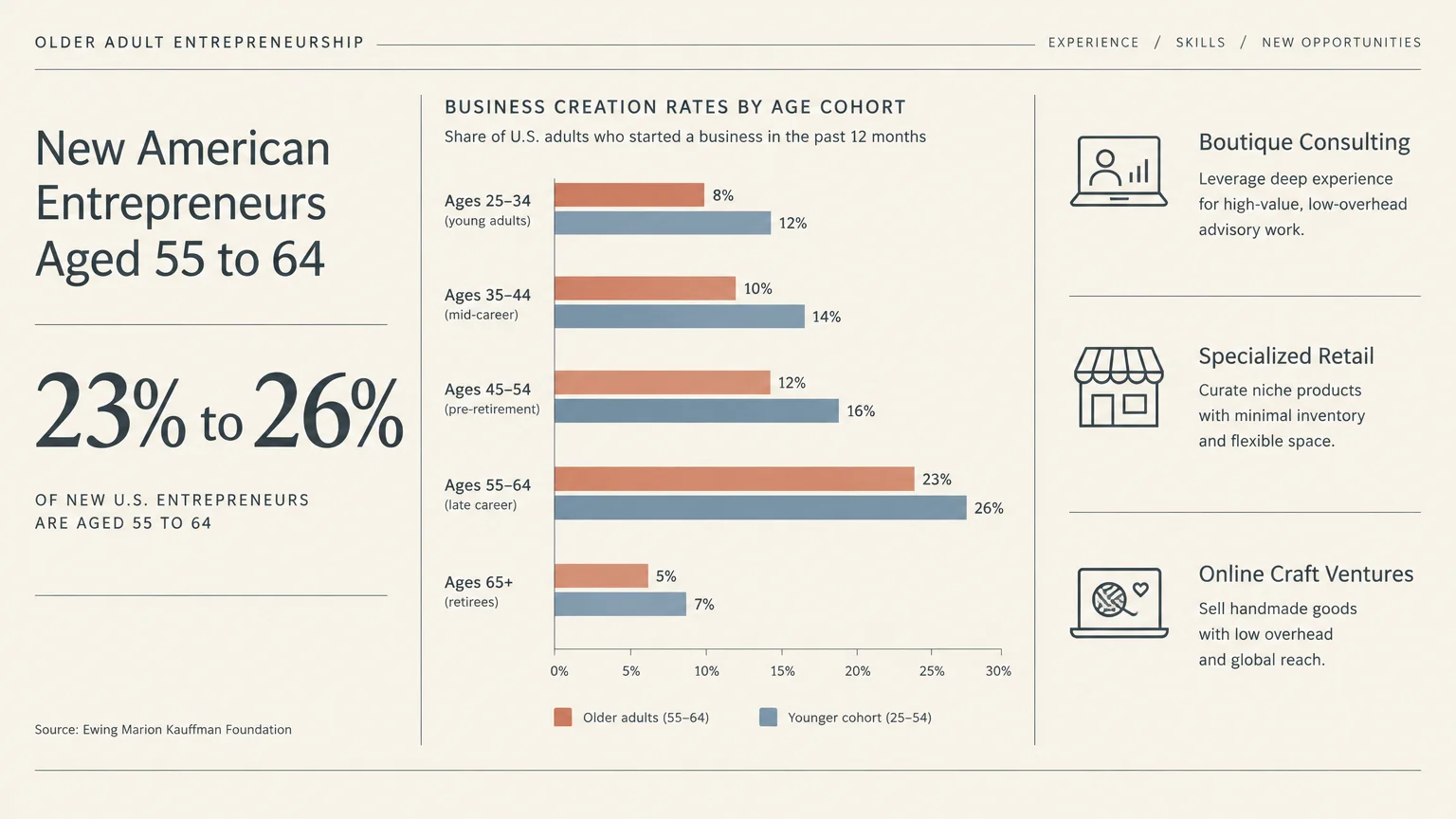
Data from the Ewing Marion Kauffman Foundation shows that adults aged 55 to 64 represent roughly 23% to 26% of all new American entrepreneurs. This cohort consistently outpaces younger groups in startup creation rates.
Your decades of career experience provide a distinct advantage in management, financial planning, and problem-solving. You already know how to navigate complex challenges with calm confidence.
Retirees frequently launch boutique consulting agencies, specialized retail storefronts, or online craft businesses. These ventures turn lifelong passions into steady supplemental income streams.
Begin by drafting a simple one-page business model; validate your concepts with friends and local community markets before investing significant capital.
Starting an encore company keeps your mind sharp while connecting you with vibrant commercial networks.
Tip #2: Hiking the Iconic Appalachian Trail
Trekking across thousands of miles of rugged mountain wilderness sounds daunting, yet determined retirees conquer this goal every year. Physical endurance builds steadily with consistent daily training.
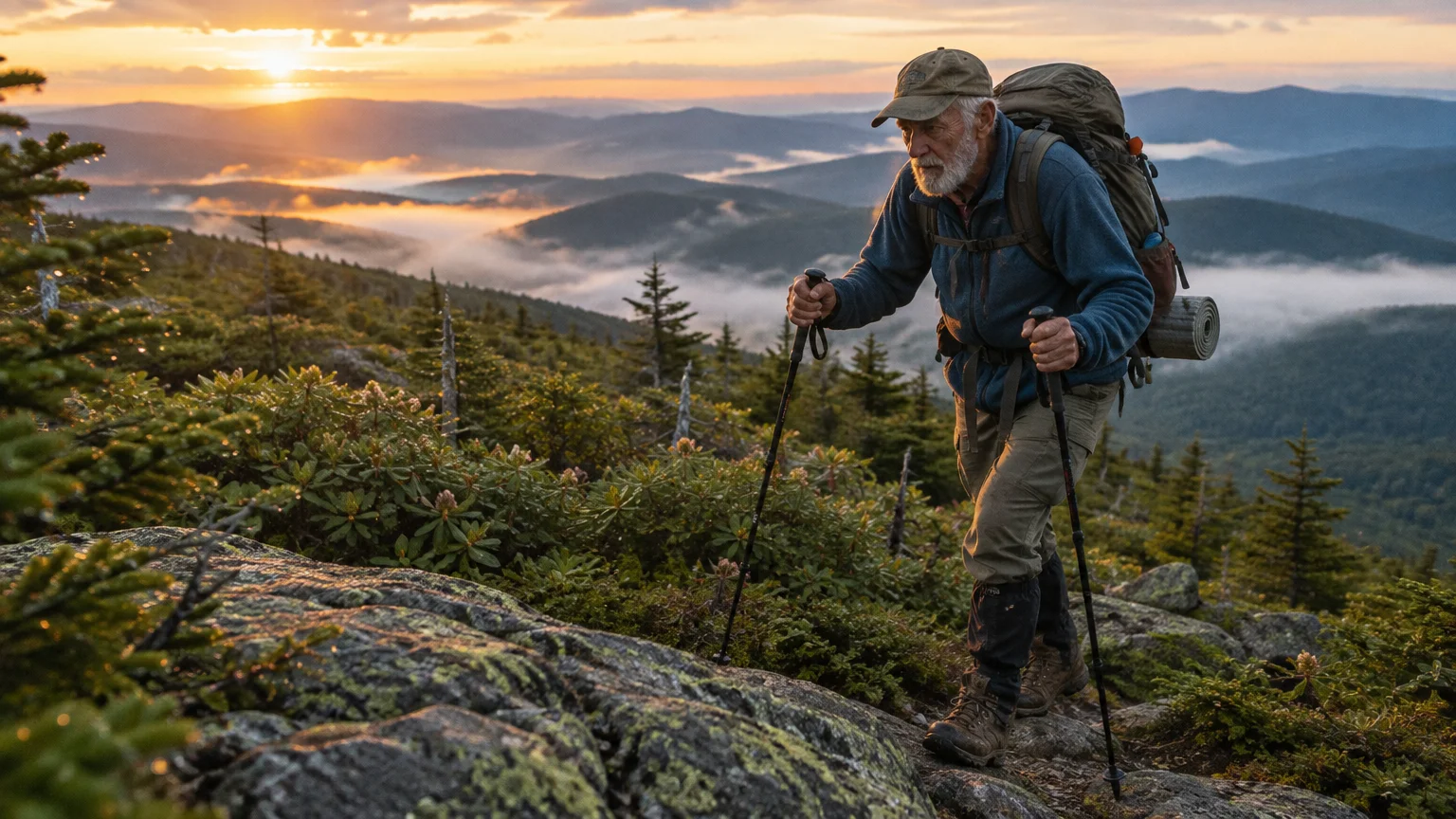
In November 2021, M.J. “Sunny” Eberhart completed the entire 2,190-mile Appalachian Trail at the age of 83. Known by his trail name “Nimblewill Nomad,” he became the oldest thru-hiker in history.
Eberhart broke the previous age record held by Dale Sanders, who finished the trail at age 82 in 2017. Their journeys prove that dedication matters far more than youth on the footpath.
You do not have to conquer the entire distance in a single continuous expedition. Many seniors complete long-distance trails in manageable chunks over several seasons.
Section hiking allows you to savor stunning vistas and peaceful campsites at your own deliberate pace.
Start small by walking local state park trails with a light backpack to build leg strength and cardiovascular stamina.
Tip #3: Walking the Camino de Santiago Pilgrimage
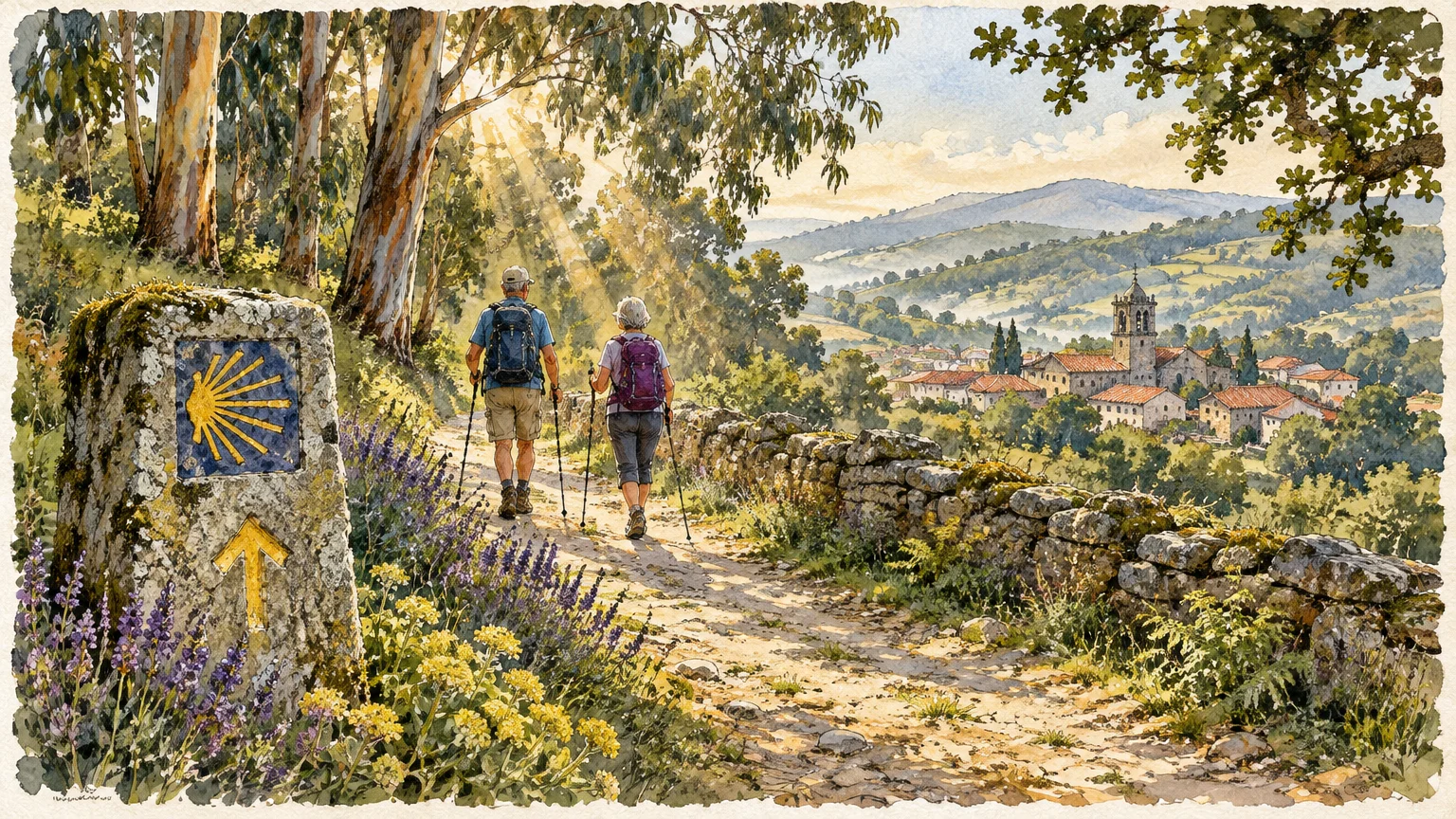
Walking across northern Spain along the historic Camino de Santiago remains one of the world’s most transformative personal journeys. The path combines rich cultural history with stunning rural scenery.
Official records from the Pilgrim’s Reception Office in Santiago de Compostela reveal inspiring statistics. Walkers aged 60 and older represent nearly 18% to 20% of all pilgrims who complete the trek.
The route accommodates varying physical capabilities through reliable luggage-transfer services and frequent village accommodations. You can walk with a featherweight daypack while couriers transport your heavier gear ahead.
Every village offers warm hospitality, communal pilgrim meals, and historic stone architecture. These daily stops create opportunities to forge lifelong friendships with fellow travelers from across the globe.
Begin preparing six months in advance by increasing your daily walking mileage on mixed terrain.
Proper footwear and lightweight trekking poles will protect your joints as you traverse the rolling Galician hills.

Tip #4: Relocating to Southern Europe
Moving abroad represents a premier retirement bucket list dream that is entirely achievable with careful planning. Southern Europe provides fantastic weather, healthy cuisine, and affordable healthcare systems.
Countries like Spain and Portugal offer welcoming residence visas designed specifically for retirees with passive income. Spain’s Non-Lucrative Visa requires proving foreign passive income or liquid savings of €2,400 per month.
Portugal’s popular D7 Visa offers an even more accessible threshold for retirees. Applicants must demonstrate stable passive income equal to the Portuguese minimum wage of €820 per month.
Social security checks and private pensions readily satisfy these financial criteria for many retirees. Once settled, you can enjoy a relaxed pace of life amidst historic coastal villages.
Spend several weeks renting an apartment in your target destination before committing to an international move.
Immersing yourself in local customs will help you build meaningful friendships within your new expatriate community.
Tip #5: Serving Abroad in the Peace Corps
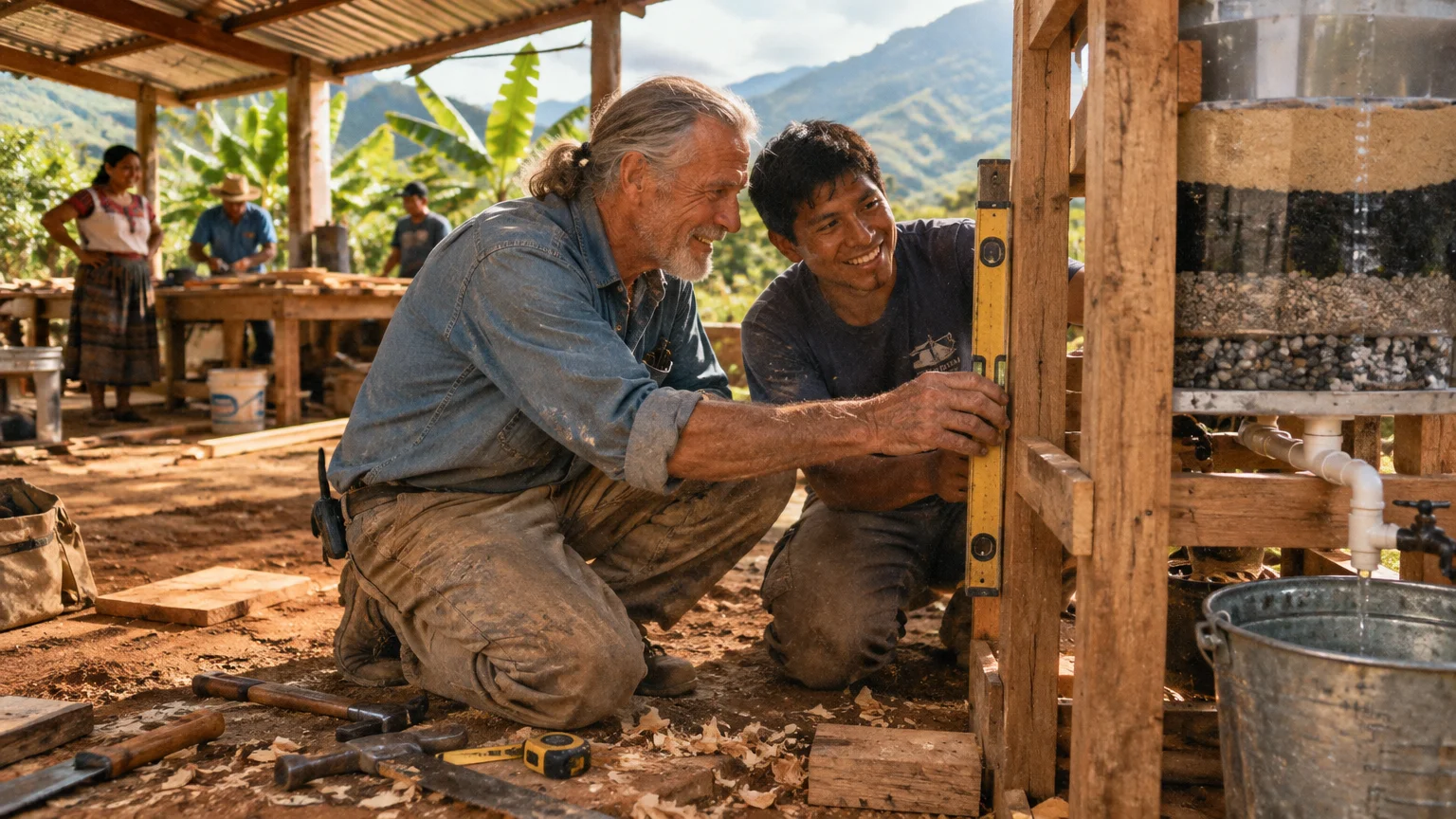
Volunteering in international communities offers a powerful avenue for adventure and cross-cultural service. You can apply your professional expertise to improve education, agriculture, or public health.
The Peace Corps maintains no upper age limit for volunteers. Adults aged 50 and older consistently make up about 3% to 7% of all active volunteers worldwide.
Consider the inspiring story of Alice Carter; she completed her Peace Corps service in Morocco at age 87 in 2017. Her dedication demonstrates that passion knows no expiration date.
Host communities deeply respect older volunteers for their patience, practical knowledge, and emotional stability. Your mentorship can transform local schools and small business cooperatives.
The agency covers your travel expenses, comprehensive medical care, and living stipends throughout your service.
Explore their specialized short-term Peace Corps Response positions if you prefer shorter commitments abroad.

Tip #6: Exploring Every U.S. National Park
Experiencing America’s majestic national parks stands as an iconic item on many retirement bucket lists. From Yellowstone’s geysers to Acadia’s rocky coastlines, natural wonders await your discovery.
The federal government makes this ambition remarkably accessible once you reach age 62. You can purchase the America the Beautiful Senior Pass for an $80 lifetime fee.
This pass grants entry to over 2,000 federal recreation and national park sites across the country. It also provides up to 50% discounts on select federal campground fees and amenities.
Many adventurous retirees outfit a camper van and design multi-month road trips across diverse states. Traveling during shoulder seasons lets you avoid peak summer heat and dense tourist crowds.
Keep a detailed travel journal and stamp your official park passport booklet at every visitor center.
These cherished memories will form a vibrant tapestry of outdoor adventures with your spouse or grandchildren.

Tip #7: Earning a Tuition-Free University Degree
Returning to university gives you the freedom to explore academic subjects simply for the sheer joy of learning. You can study art history, philosophy, or creative writing without the pressure of career building.
The majority of U.S. states have enacted statutes waiving tuition for senior residents at public colleges. These policies typically activate between the ages of 60 and 65 on a space-available basis.
Institutions across California, Georgia, Texas, and Florida welcome older students into both audit and credit courses. You can earn an undergraduate degree or master’s program without accumulating student debt.
Interacting with younger classmates enriches class discussions through intergenerational dialogue and fresh viewpoints. Your life experiences will bring valuable perspective to seminars and collaborative projects.
Contact the registrar’s office at your nearest state university to review their specific senior enrollment requirements.
Stepping onto campus revitalizes your mental agility and connects you to stimulating intellectual communities.
Tip #8: Publishing a Debut Book
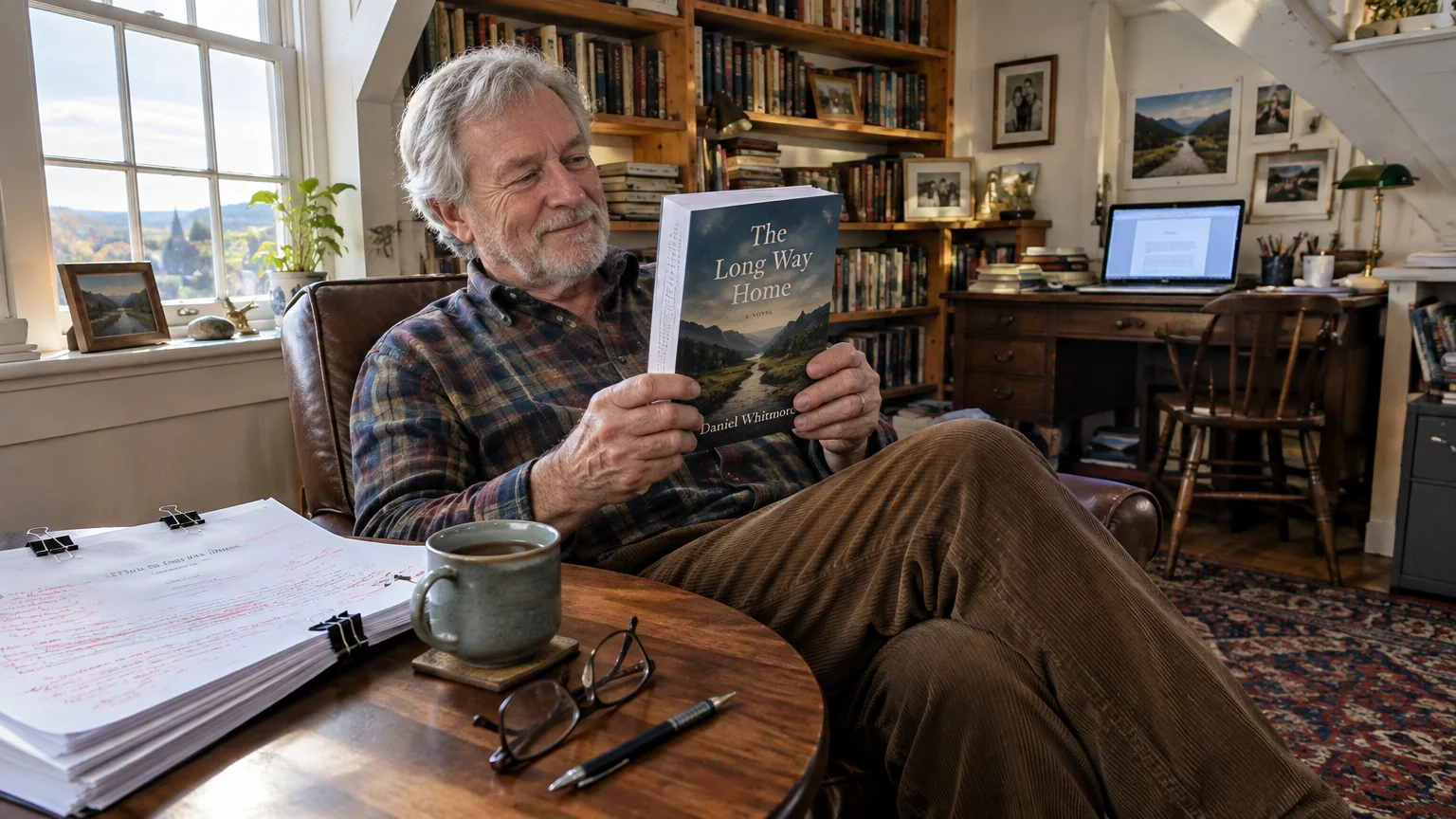
Many aspiring authors carry unforgettable stories in their hearts for decades before finding the time to write them. Retirement clears away professional distractions so you can focus entirely on the page.
You possess a treasure trove of lived experiences, emotional depth, and unique perspectives to enrich your storytelling. Whether you write historical fiction, cozy mysteries, or personal memoirs, your voice matters.
Self-publishing platforms like Kindle Direct Publishing have dismantled the traditional barriers to book distribution. You can format your manuscript, design a cover, and sell your book globally with ease.
Countless retirees have seen their books climb digital bestseller charts through focused community marketing. Seeing your finished paperback on a shelf provides immense creative satisfaction.
Set a modest goal of writing three hundred words every morning before breakfast.
Joining a local critique group provides constructive feedback and keeps your writing routine consistent.

Tip #9: Restoring a Classic Vehicle
Rebuilding a vintage sports car or restoring a classic travel trailer combines hands-on mechanics with genuine artistry. This hobby offers deep tactile satisfaction that office jobs rarely provide.
You can spend peaceful mornings in the garage troubleshooting carburetors, replacing wiring harnesses, and polishing chrome bumpers. Solving tangible mechanical puzzles keeps your cognitive faculties remarkably nimble.
Restoring a retro camper trailer unlocks another exciting dimension of comfortable road-trip travel. You can craft custom cabinetry, install solar panels, and create an authentic home away from home.
Automotive clubs and enthusiast forums connect you with supportive peers who share spare parts and technical advice. Weekend car shows offer fun venues to display your painstaking craftsmanship.
Invest in quality hand tools and safety gear before starting your first restoration project.
Taking detailed photographs at every step makes reassembly straightforward and preserves your project’s historical story.

Tip #10: Cultivating a Self-Sustaining Homestead
Trading a manicured suburban lawn for a thriving homestead delivers incredible tranquility and self-reliance. Growing your own food connects your daily rhythms directly to the changing seasons.
Retirees frequently purchase small rural acreages to install raised garden beds, berry patches, and dwarf fruit orchards. You can add heritage laying hens to harvest farm-fresh eggs every morning.
Homesteading naturally promotes functional physical fitness through lifting, weeding, bending, and outdoor movement. You will breathe fresh air and soak in daily sunshine while reducing sedentary habits.
Learning traditional food preservation techniques like canning, dehydrating, and fermenting extends your harvests through the winter. Sharing excess produce with neighbors strengthens community ties.
Begin with container gardening or a few raised vegetable beds before acquiring larger livestock.
Composting kitchen scraps and collecting rainwater will lower your utility costs and enrich your soil.

Tip #11: Mastering a Complex Musical Instrument
Picking up an instrument later in life offers profound rewards for your emotional wellness and mental sharpness. Learning to read sheet music and coordinate fine motor skills stimulates neuroplasticity across the brain.
Adults who learn the piano, violin, or acoustic guitar show notable improvements in memory and auditory processing. You do not need childhood training to become a skilled, expressive musician.
New Horizons International Music Association bands and community orchestras welcome late-blooming musicians with open arms. These non-competitive ensembles allow you to perform inspiring arrangements alongside friendly peers.
Devoting just twenty to thirty minutes each day to deliberate practice yields astonishing progress over several months. Playing your favorite melodies brings immense peace and artistic fulfillment.
Hire a patient instructor who specializes in adult learners to establish proper hand technique early.
Celebrate small milestones—such as mastering a challenging chord transition—to stay enthusiastic and engaged.
Tip #12: Founding a Community Nonprofit
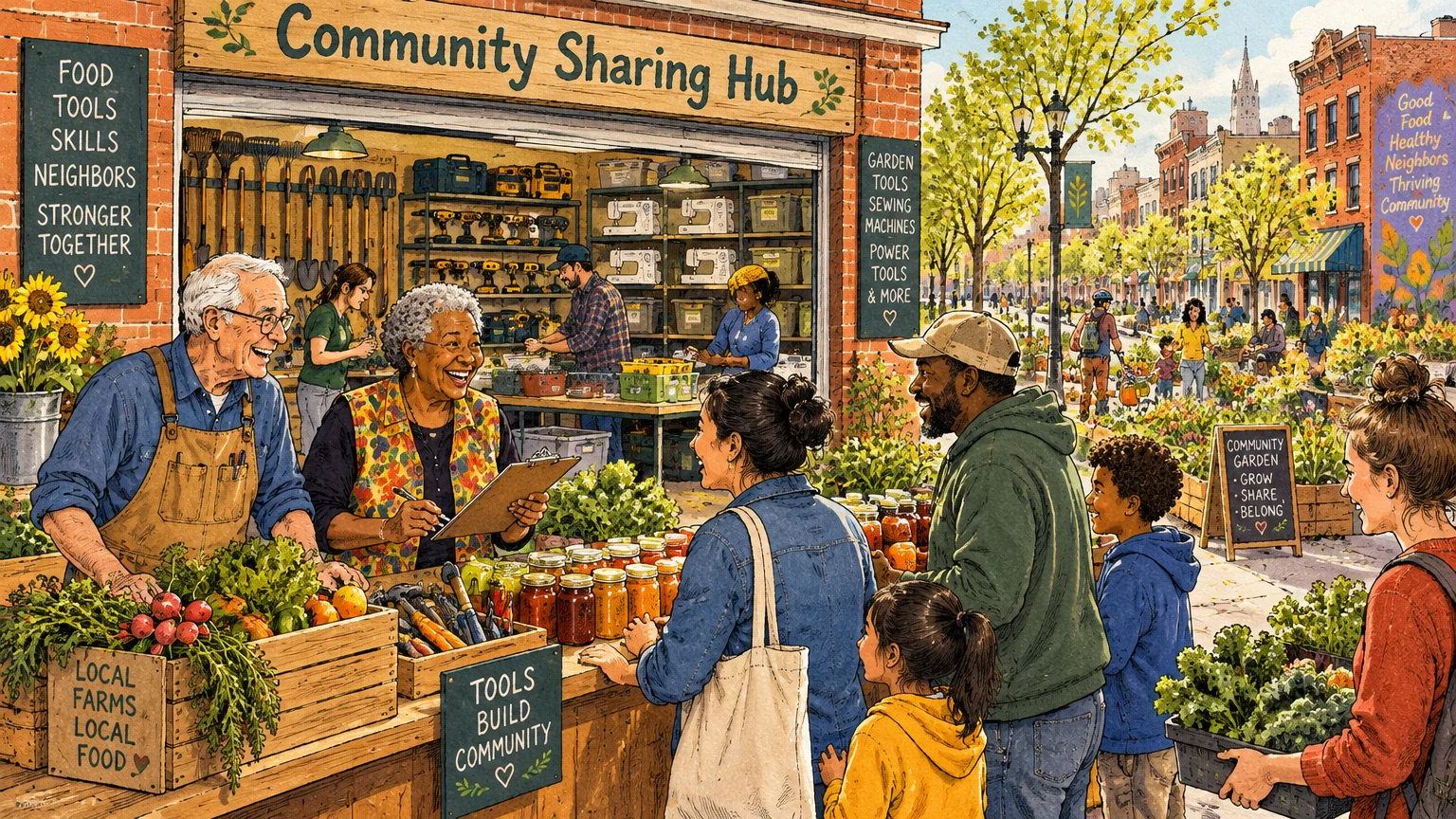
Channeling your skills into charitable leadership creates a lasting legacy of compassion in your community. Many retirees establish non-profit foundations to address localized needs that government agencies overlook.
You can mobilize volunteers to tackle childhood literacy, rescue abandoned pets, or build community vegetable gardens. Your professional background gives you the governance skills needed to run efficient charitable operations.
Retirees excel at cultivating corporate donors and organizing grassroots fundraising banquets. Working toward a shared mission brings deep personal meaning and establishes enduring social connections.
Leading a charitable initiative turns your golden years into an inspiring masterclass in community stewardship. You will see direct evidence of your impact in the smiling faces of those you help.
Partner with an existing community foundation to secure fiscal sponsorship before filing federal tax-exempt paperwork.
Recruit passionate friends and neighbors to form an active, diverse advisory board of directors.
The Takeaway: Living a More Blissful Retirement
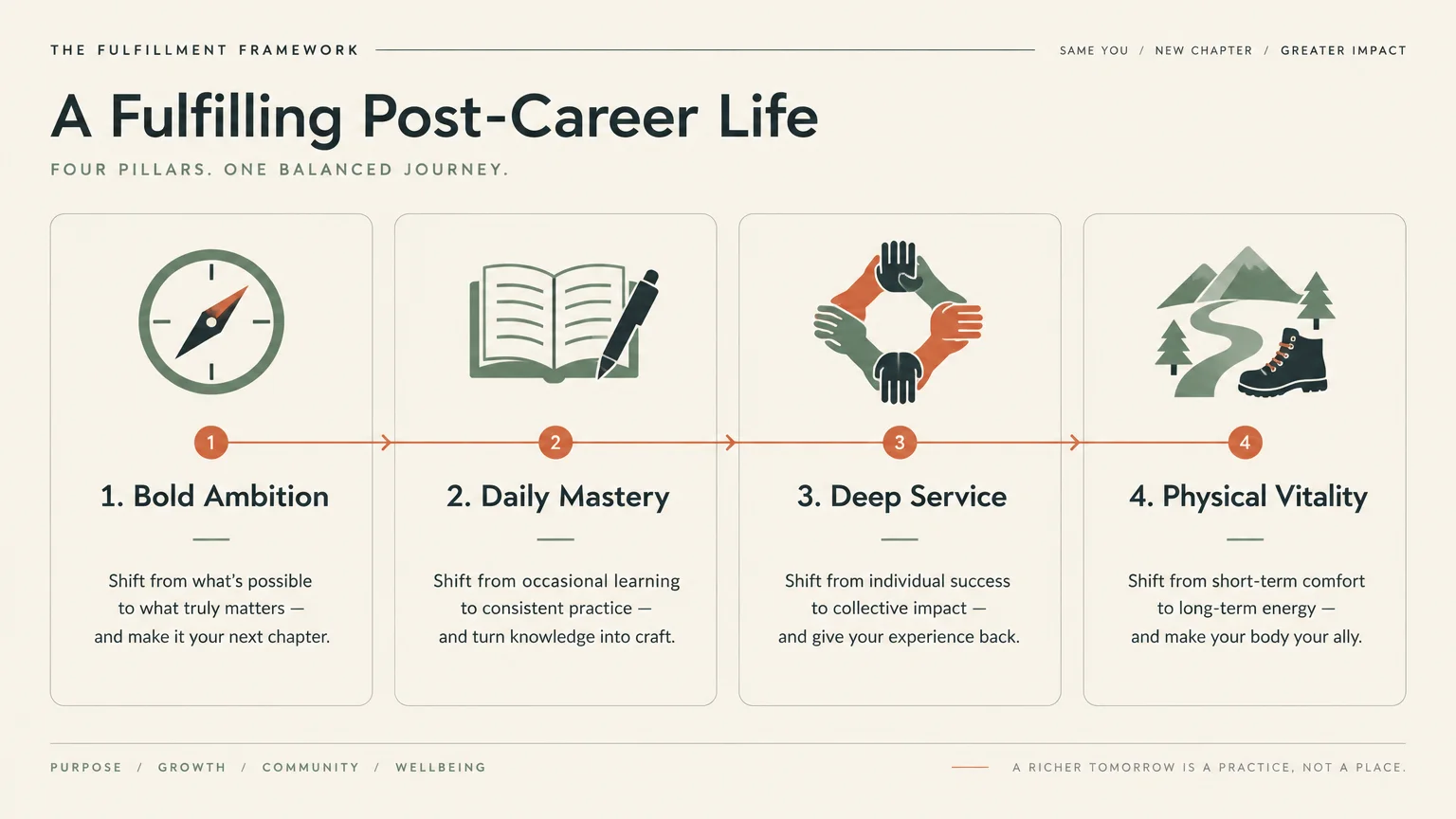
Retirement is not a passive finish line; it is an exhilarating launchpad for personal rediscovery. Reviewing real retirement goals achieved by everyday people proves that age is never a barrier to profound accomplishment.
These retirees success stories highlight how courage and practical planning turn audacious visions into reality. Draw vibrant retirement inspiration from their journeys as you sketch your own bucket list adventures.
Your dreams do not need to mirror someone else’s definition of grand success. Whether you hike across continents or master an instrument at home, your fulfillment remains uniquely yours.
You possess a rare combination of wisdom, resilience, and uncommitted hours that younger workers can only envy. Use these valuable assets to explore the passions you once set aside.
Take the first tangible step toward your retirement bucket list today. Research a flight, buy a trail map, register for a class, or outline your startup business plan.
When you approach your future with optimism and curiosity, every single year becomes truly golden.
For a wide range of resources for older adults, visit AARP and the National Council on Aging (NCOA). Health information is available from the National Institute on Aging.
Disclaimer: This article is for informational and inspirational purposes only. It is not a substitute for professional medical, financial, or psychological advice. Please consult with a qualified expert for guidance tailored to your individual needs.
Frequently Asked Questions
How do I choose which retirement dream to pursue first?
Begin by ranking your bucket list goals based on your physical health, financial resources, and personal excitement. Pursue physically demanding dreams—such as strenuous wilderness hiking—while your joints and stamina are at their peak.
You can easily save quieter intellectual projects or local volunteering initiatives for later seasons of life.
Is it financially realistic to travel or start a business on a fixed income?
Yes, many major retirement ambitions require far less capital than most people assume. Leveraging government programs like senior national park passes or low-cost residency visas makes international living and travel budget friendly.
Starting a lean service business or consulting firm requires minimal overhead while generating welcome supplementary income.
How can I stay motivated if my spouse or partner does not share my dream?
Pursuing separate interests is a hallmark of healthy, enduring relationships. You can join walking clubs, hobby associations, or volunteer groups to find like-minded companions for specific adventures.
Schedule shared quality time at home so both partners feel supported in their individual pursuits.
What is the best way to overcome self-doubt when starting something new?
Remind yourself that learning curves are completely normal at any age. Break your large ambition down into tiny, manageable daily milestones to prevent feeling overwhelmed.
Celebrate every small victory along the way to build genuine momentum and enduring confidence.