

Leaving the workforce unlocks unprecedented personal freedom, yet unexpected adjustments often catch new retirees off guard during this major life transition. You gain complete ownership of your schedule, but you also encounter surprising shifts in your daily structure, social connections, identity, and personal expenses. Understanding these common surprises empowers you to navigate your golden years with proactive confidence, resilience, and genuine joy. By anticipating how your routine, relationships, and financial expectations evolve after leaving your career, you position yourself to build a deeply rewarding, health-focused, and purposeful retirement lifestyle tailored entirely to your personal passions and long-term goals.

Tip #1: The Sudden Loss of Daily Structure
When you leave your job, the predictable skeleton of your week disappears overnight. For decades, alarm clocks, commute schedules, meetings, and project deadlines organized your waking hours. Many individuals look forward to sleeping in and relaxing without a clock ticking, but after a few weeks, that boundless unstructured time can transform into aimlessness. The sheer lack of a schedule turns out to be one of the biggest surprises of retirement for fresh retirees across the country.
Adjusting to retirement requires you to invent your own rhythm rather than letting an employer dictate it. Research from AARP indicates that nearly half of pre-retirees give no thought to how they will find post-work fulfillment or structure their daily routines. Without intentional planning, you might find yourself scrolling through television channels or feeling lost by mid-afternoon.
To master this shift, establish an empowering morning routine that gets you out of bed with enthusiasm. Block out predictable daily hours for physical exercise, creative projects, reading, or household endeavors. Having flexible anchors throughout your week gives you a sense of steady progress without destroying the delightful freedom you worked so hard to earn.
Tip #2: Surprising Healthcare and Out-of-Pocket Expenses
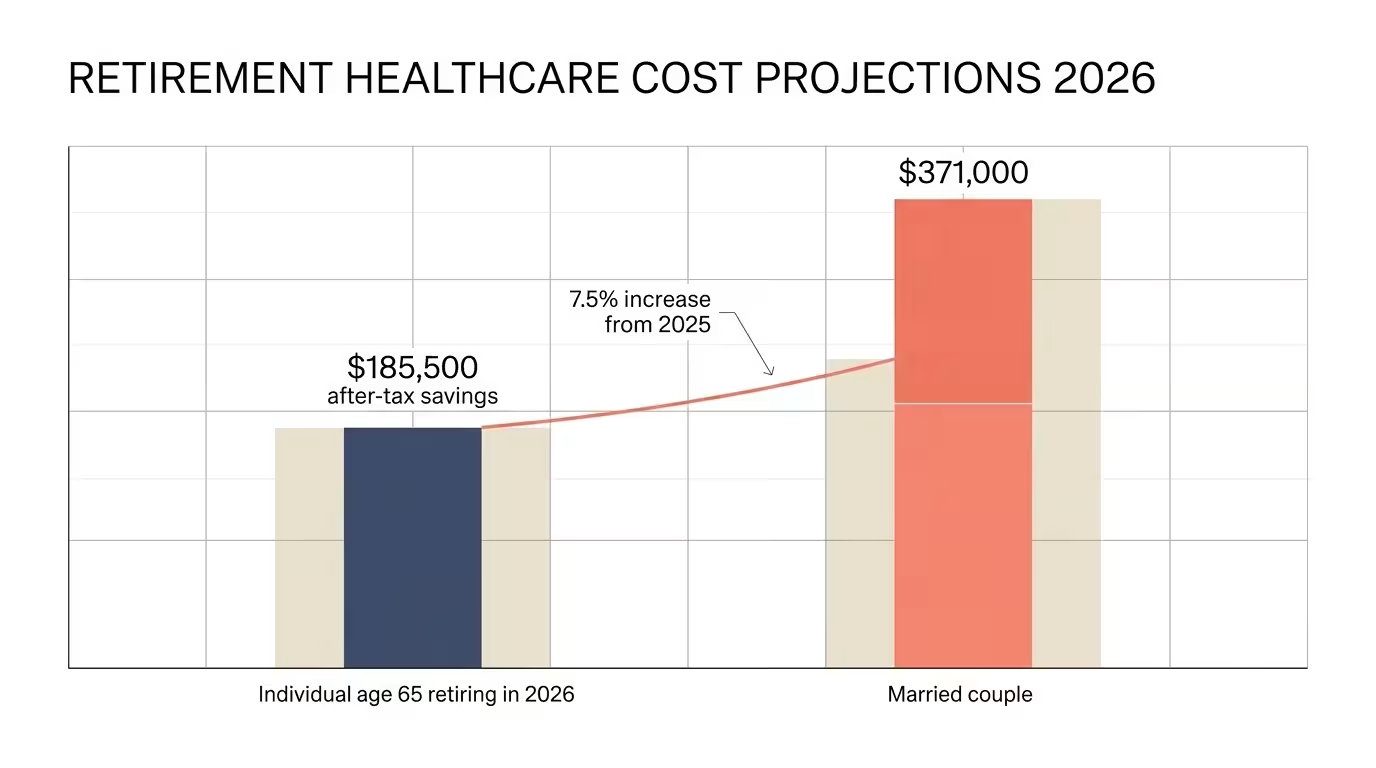
Many pre-retirees assume that stepping away from employment means lower living costs across the board. However, medical expenses routinely shock newcomers who expect Medicare to cover every medical necessity seamlessly. According to data from Fidelity Investments, a 65-year-old retiring in 2026 is projected to need an average of $185,500 in after-tax savings for medical expenses throughout retirement, or $371,000 for a married couple. This projection reflects a steep 7.5 percent increase from 2025 alone, underscoring how rapidly medical care costs grow.
To make matters more complicated, an estimated 54 percent of pre-retirees incorrectly assume that Original Medicare will cover all of their post-retirement medical expenses. In reality, copayments, deductibles, prescription medications, dental care, and vision services generate significant out-of-pocket costs that add up quickly.
You can protect your financial nest egg by auditing your insurance options early. Spend time comparing Supplemental Medicare (Medigap) and Medicare Advantage plans during every open enrollment period. Maintaining a dedicated health savings cash cushion further shields your retirement lifestyle changes from unexpected medical bills.

Tip #3: The Shift in Personal Identity and Self-Worth
When you meet someone new, one of the most common icebreaker questions is, “What do you do?” For decades, your professional title, company affiliation, and daily duties answered that question and shaped your sense of self. Once you step away from the workplace, you might feel a lingering sense of identity loss. You suddenly lack the professional status, recognition, and daily responsibilities that previously defined your role in society.
An AARP study reveals that 57 percent of retirees never planned for their emotional needs before leaving the workforce. Furthermore, approximately 28 percent of retirees experience symptoms of depression during the post-work transition due to this sudden loss of professional identity and daily engagement. Overcoming these new retiree challenges requires a fundamental mental pivot.
You are far more than the job title listed on your old business card. Reframe your identity around your personal values, lifetime wisdom, creative talents, and mentorship capabilities. Step into new roles as a community volunteer, passion project creator, or family storyteller; embracing your authentic self outside of a corporate context opens up an incredibly liberating chapter of personal growth.

Tip #4: The Evolution of Your Social Circle
Workplaces provide an automatic social network where you interact with colleagues, share lunches, and chat by the coffee machine every single day. When you retire, those natural daily interactions vanish almost completely. Even if you promise to keep in touch with former coworkers, busy schedules and different daily routines make maintaining those relationships difficult over time, leading to unexpected feelings of isolation.
Social connection plays a massive role in your mental and physical health. According to an AARP Loneliness Survey, retired older adults who maintain regular contact with former colleagues report significantly lower rates of loneliness at just 15 percent, compared to a staggering 40 percent among those with no post-retirement coworker contact.
Take the initiative to keep your social circle vibrant. Schedule monthly lunch dates with favorite ex-colleagues, but do not stop there. Join local hobby clubs, sign up for group fitness classes, participate in community theater, or attend local library events. Actively cultivating new friendships keeps your mind sharp, your heart full, and your calendar pleasantly engaging.

Tip #5: Managing Financial Confidence and Decumulation
Shifting your mental framework from accumulating money to spending down your savings represents a major psychological hurdle. For forty years, financial discipline meant regularly depositing money into retirement accounts and watching your balances grow. Flipping the switch to drawing down those accounts creates deep anxiety for many new retirees, even those who planned their budgets meticulously.
Economic pressures further compound this anxiety. The 2026 EBRI and Greenwald Research Retirement Confidence Survey highlights that only 64 percent of retirees feel confident they will have enough money to live comfortably throughout their retirement years. This drop in confidence stems from rising inflation, shifting cost of living, and healthcare uncertainties.
To rebuild your financial confidence, work with a fee-only financial planner to design a dynamic withdrawal strategy. Group your spending into non-negotiable needs and flexible discretionary desires. Knowing that your essential bills are covered by guaranteed income streams allows you to spend money on travel, dining, and hobbies without feeling guilty or fearful.

Tip #6: Recalibrating Daily Dynamics with Your Partner
Retirement changes household dynamics dramatically, especially if you and your spouse or partner both retire around the same time. While you might look forward to spending more quality time together, navigating 24 hours a day under the same roof brings unique friction points. Differing expectations about household chores, daytime schedules, and personal space can test even the strongest relationships.
Many couples refer to this adjustment as the “I married you for better or worse, but not for lunch” stage. It is completely normal to feel a bit crowded when both of you suddenly inhabit the home full-time. Overcoming this friction requires proactive communication and intentional boundaries.
Thriving couples maintain independent hobbies, separate social outings, and dedicated personal space alongside shared activities. Give each other permission to enjoy solo time without taking it personally. Set clear daily routines, share household responsibilities fairly, and schedule dedicated date nights to keep the romance vibrant as you adapt to life after retirement changes.

Tip #7: The Quest for Purposeful Activity
While resting and relaxing feels glorious during the first few weeks of retirement, perpetual leisure often turns stale over time. Humans possess an inherent need to feel useful, engaged, and challenged. Sitting on the back porch with a cold beverage is wonderful for a short period, but long-term happiness demands meaningful engagement that gives you a compelling reason to jump out of bed every morning.
Without a clear sense of purpose, life can quickly feel repetitive and uninspiring. Finding purpose does not require launching a million-dollar charity; it simply means engaging in activities that align with your passions and give back to others. When you invest your time in meaningful endeavors, your overall life satisfaction skyrockets.
Consider tutoring students, volunteering at local animal shelters, taking community college courses, or learning a musical instrument. Research shows that maintaining a strong sense of purpose reduces the risk of cognitive decline and promotes longevity. Treat your golden years as a personal renaissance where you finally explore passions you set aside during your working career.

Tip #8: Fluctuations in Energy Levels and Physical Health
Your physical well-being undergoes noticeable adjustments when your regular work routine ends. Some new retirees embrace a sedentary lifestyle after years of demanding manual labor or stressful desk jobs, while others throw themselves into intense home renovation projects or rigorous physical activities too quickly. Both extremes can lead to unexpected physical fatigue, joint stiffness, or injury if you do not manage the transition carefully.
Your body thrives on balanced, consistent movement. When you retire, daily incidental physical activity—like walking across corporate parking lots or climbing office stairs—fades away unless you intentionally replace it with healthy movement habits.
Prioritize low-impact aerobic exercises like walking, cycling, or swimming, and integrate functional strength training to preserve muscle mass and bone density. Dedicate time each day to gentle stretching and mobility work to keep your joints supple. Maintaining a regular sleep schedule and staying properly hydrated keeps your natural energy levels high so you can enjoy active retirement adventures.
Tip #9: Managing Intergenerational Family Expectations
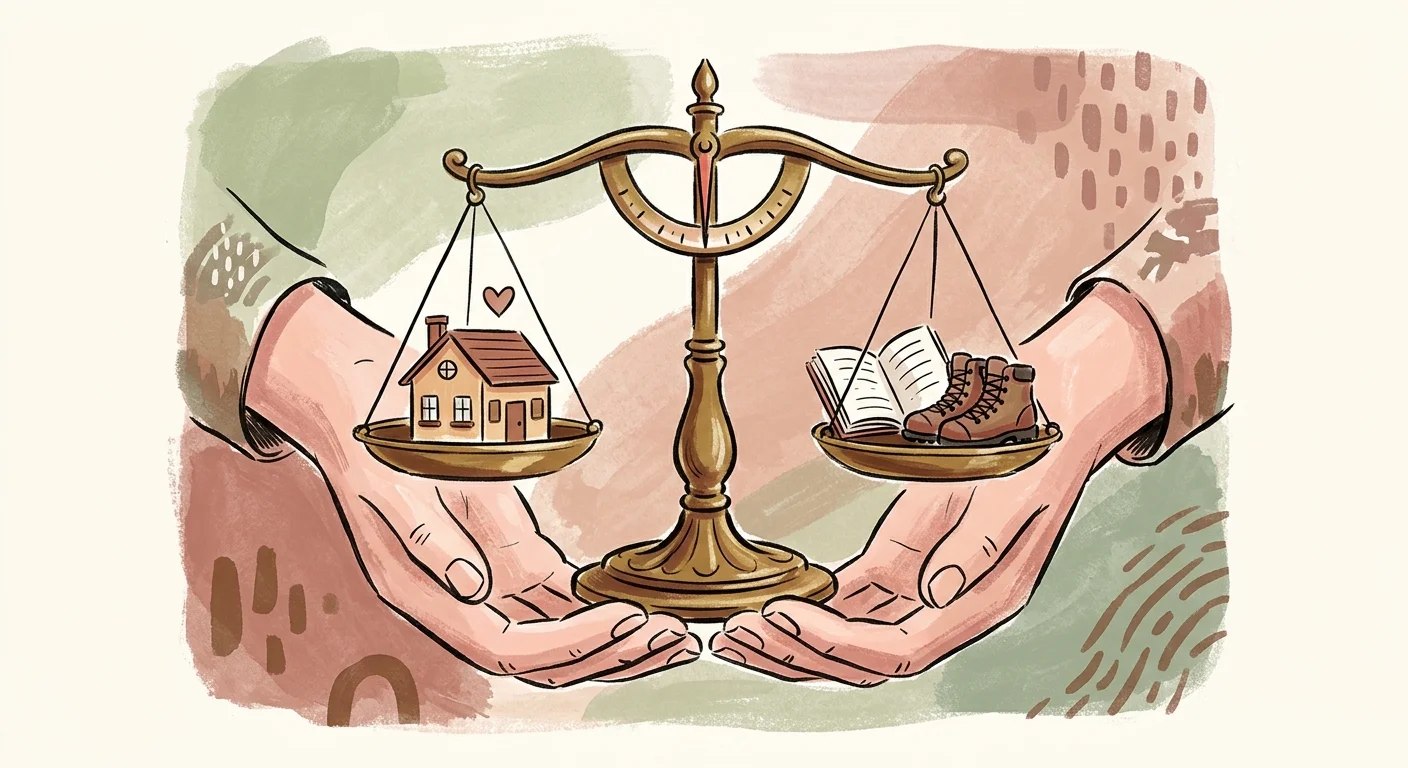
When family members hear that you have retired, they frequently assume that your schedule is completely open. Adult children might expect you to handle full-time, drop-of-a-hat childcare for grandchildren, run family errands, or host extended family gatherings on demand. While spending quality time with loved ones remains a top priority for most retirees, unmanaged family demands can quickly overwhelm your personal calendar.
Surprises of retirement often include feeling as though you have taken on a new unpaid full-time job for your extended family. Failing to establish boundaries early can lead to exhaustion and resentment, robbing you of the personal freedom you worked decades to achieve.
Establish clear, loving boundaries with your family right from the start. Communicate your personal availability honestly, explaining that while you adore your family, you also have personal goals, trips, and schedules to keep. Set specific days or hours when you are delighted to assist with grandchildren or family projects, leaving ample time reserved strictly for your own personal growth and relaxation.
Tip #10: The Surprising Speed of Passing Time
Perhaps the most profound surprise of retirement is how quickly time seems to fly when you no longer mark progress by quarterly reports, paychecks, or annual performance reviews. Without the rigid calendar markers of a traditional workplace, weeks and months can blur together seamlessly. Many new retirees marvel at how fast a year passes when every day feels somewhat similar.
Psychologists note that routine makes time feel accelerated because your brain processes predictable events without forming new, distinct memories. When every day follows the exact same pattern, your mind collapses those days together, making time feel as though it is slipping through your fingers.
To slow down the perceived velocity of time and create rich memories, consciously introduce novelty into your life. Travel to unfamiliar places, try new recipes, pick up novel hobbies, or take different routes on your daily walks. Keeping a daily gratitude journal and establishing quarterly personal bucket list goals creates distinct mental landmarks that make your retirement years feel expansive and memorable.

The Takeaway: Living a More Blissful Retirement
Navigating the unexpected surprises of retirement is a natural, dynamic, and deeply rewarding part of this major life milestone. By recognizing potential adjustments early—from emotional shifts and social changes to financial strategies and family dynamics—you equip yourself to navigate post-work life with dynamic confidence. You hold the pen for this next chapter, and you have the power to write an extraordinary story filled with adventure, personal growth, and lasting peace.
Embrace the learning curve and allow yourself space to adapt at your own pace. Focus on building daily routines that energize your body, stimulate your mind, and nurture your heart. When you approach these lifestyle changes with an open mind and a spirit of curiosity, your golden years become the most vibrant, fulfilling, and blissful period of your entire life.
For a wide range of resources for older adults, visit AARP and the National Council on Aging (NCOA). Health information is available from the National Institute on Aging.
Disclaimer: This article is for informational and inspirational purposes only. It is not a substitute for professional medical, financial, or psychological advice. Please consult with a qualified expert for guidance tailored to your individual needs.
Frequently Asked Questions
How long does it typically take to adapt to life after retirement changes?
Most new retirees require six months to two years to fully adapt to their post-work lifestyle. The adjustment period depends heavily on how intentionally you prepare for emotional, social, and practical shifts. Staying proactive and creating structured routines significantly speeds up the transition.
How can I overcome the loss of social connection after leaving the workforce?
To replace workplace interactions, proactively build new social channels. Schedule regular meetups with former coworkers, enroll in local community college classes, join hobby groups, participate in neighborhood clubs, or volunteer for local non-profit organizations to form rewarding new friendships.
What is the best way to handle unexpected healthcare expenses in retirement?
Work with a trusted financial planner to integrate estimated healthcare costs directly into your retirement withdrawal strategy. Compare Medicare Advantage and Medigap options during annual open enrollment periods and maintain a liquid emergency healthcare fund to protect against surprise medical bills.
How do my spouse and I establish healthy boundaries while sharing space full-time?
Communicate openly about your individual expectations and daily needs. Agree on shared household responsibilities while maintaining individual hobbies, separate social activities, and dedicated personal space. Giving each other room to flourish independently strengthens your partnership.