

Recent legislative shifts directly impact your retirement finances, Medicare costs, and Social Security payouts; checking your accounts now ensures you claim every dollar you deserve. Federal updates constantly tweak cost-of-living adjustments, prescription drug spending caps, and retirement account withdrawal rules. When you understand how these regulatory changes interact with your personal household finances, you take active control of your financial independence. Reviewing your statements today helps you maximize new tax advantages, prevent unexpected penalties, and protect your hard-earned monthly cash flow. Discover the ten clear signs that signal it is time to audit your retirement benefits and secure your peace of mind.
Sign #1: You Noticed a Shift in Your Monthly Social Security Direct Deposit
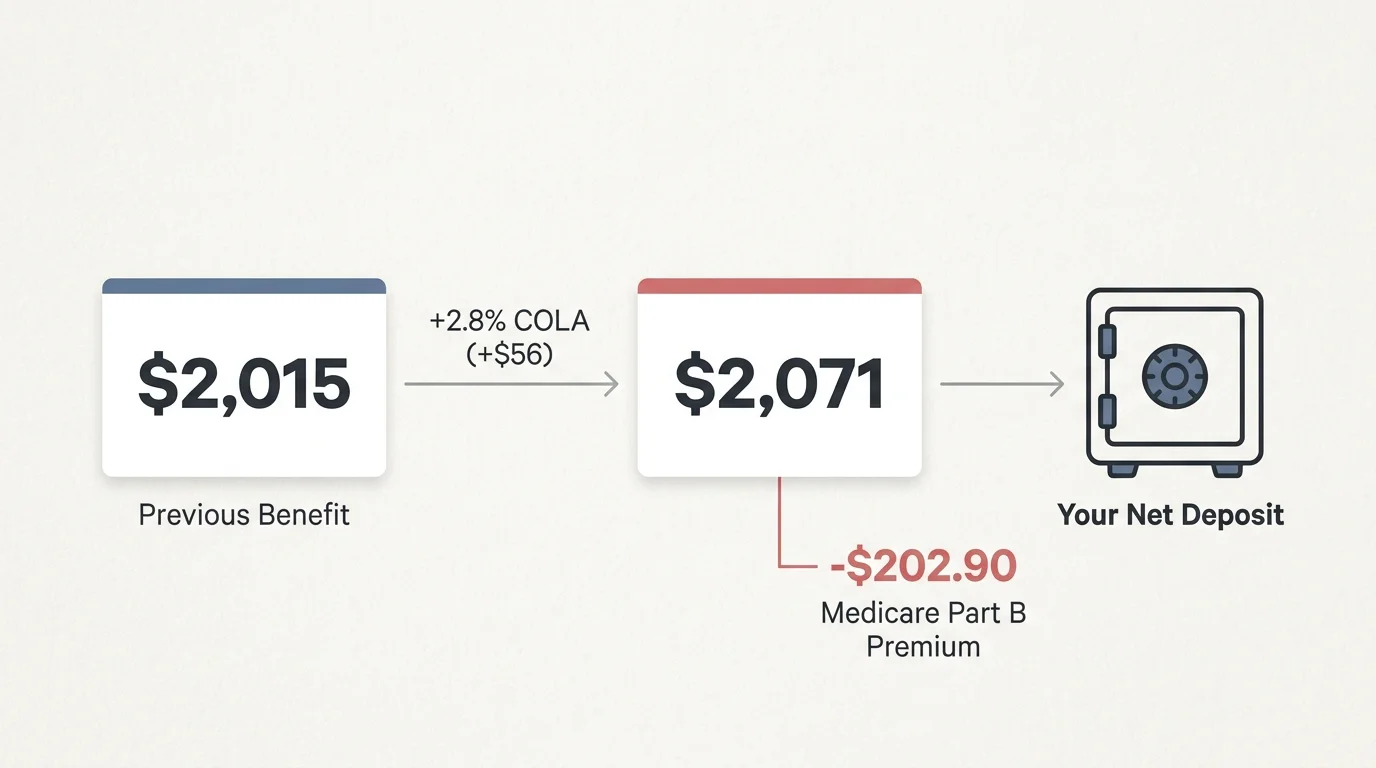
When you log into your bank account and see a different Social Security deposit amount, federal legislation is actively working in your budget. Each year, cost-of-living adjustments (COLA) alter baseline benefit checks to match economic shifts. For instance, a 2.8% COLA boost increases the average retiree monthly benefit by approximately $56, moving from $2,015 to $2,071. However, many retirees notice that their bank deposits do not match the exact percentage increase due to automatic deductions.
To understand the math behind your check, you must look at how new laws affecting Social Security benefits interact with Medicare premium withholdings. The standard Medicare Part B monthly premium sits at $202.90, which the Social Security Administration automatically deducts before transferring your funds. Learning how to check if legislation affects your benefits begins with logging into your personal online Social Security account. By reviewing your yearly benefit notice alongside your Part B statements, you ensure that every withholding reflects your actual income brackets and benefit entitlements.

Sign #2: You Work Part-Time While Claiming Social Security Before Full Retirement Age
Taking on a rewarding part-time job during retirement keeps your mind sharp and your social life vibrant, but earned income triggers federal earnings limit rules. If you collect Social Security retirement benefits before reaching your full retirement age (FRA), Congress imposes strict earnings test caps. In 2026, the retirement earnings exempt amount stands at $24,480 for beneficiaries who remain under FRA for the entire year; earning above this limit results in Social Security withholding $1 in benefits for every $2 earned above the threshold.
During the specific calendar year you reach your full retirement age, the earnings limit increases significantly to $65,160. Beyond this cap, the government withholds $1 for every $3 earned until the exact month you reach full retirement age. The positive news is that these withheld funds are not permanently lost; Social Security recalculates your monthly check once you hit full retirement age to compensate for the withheld amounts. Tracking benefit changing legislation helps you adjust your working hours effectively so you maximize active income without triggering temporary benefit reductions.
Sign #3: Your Out-of-Pocket Prescription Drug Costs Are Changing at the Pharmacy
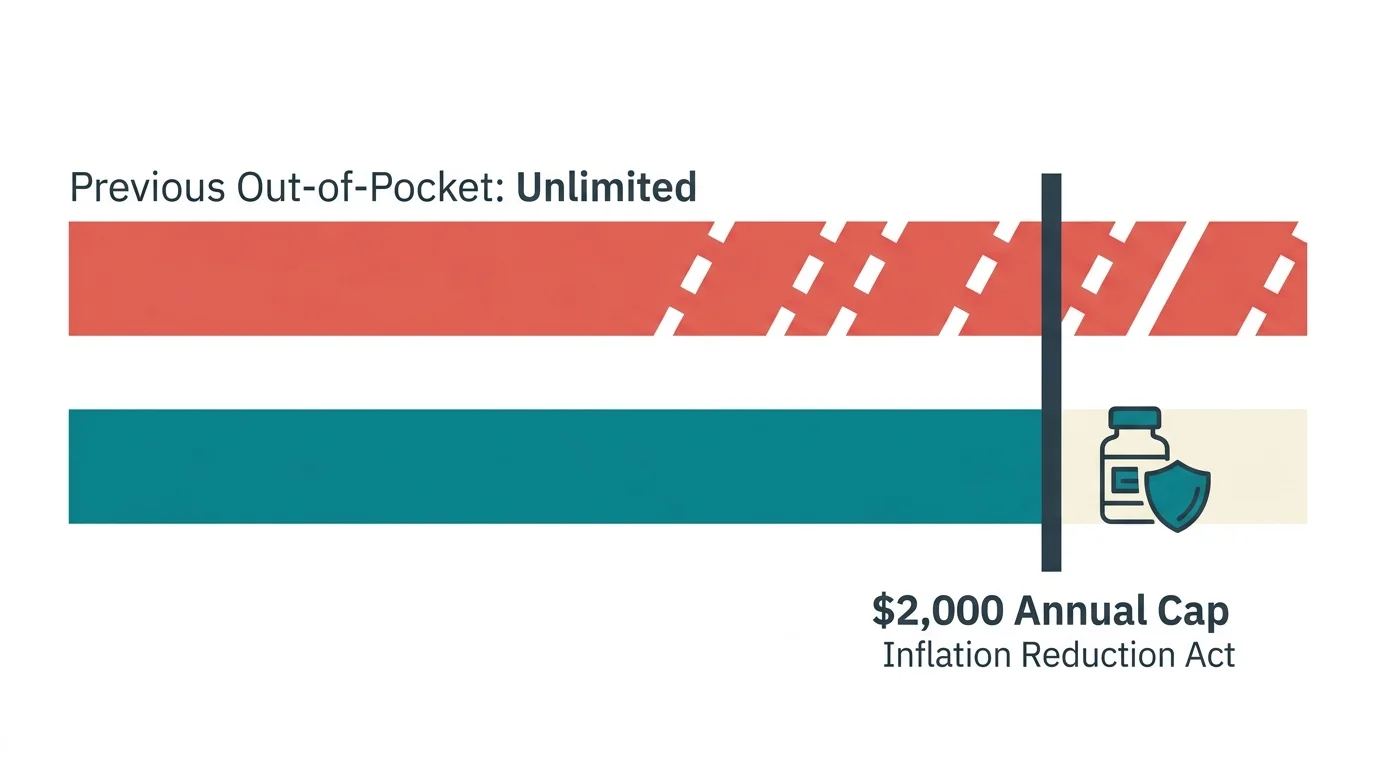
If you purchase prescription medications regularly, recent federal healthcare updates offer substantial relief for your household budget. Under historic provisions from the Inflation Reduction Act, out-of-pocket prescription drug costs for Medicare Part D enrollees are capped at $2,000 annually. This landmark legislation eliminates high catastrophic drug costs, giving you predictable medication expenses every month. Additionally, Medicare enrollees can choose to spread their prescription drug payments throughout the calendar year into manageable monthly installment plans.
These legislative improvements also deliver targeted relief for specific healthcare needs across the country. Out-of-pocket costs for covered insulin products remain capped at $35 per month under both Medicare Part B and Part D. Furthermore, direct government negotiations for high-cost Medicare Part D prescription drugs take effect, lowering retail costs on the first ten selected medications. If you notice lower totals at the pharmacy counter or receive notices about payment plan options, reviewing your plan details empowers you to optimize your prescription coverage.
Sign #4: You Are Approaching Age 73 and Hold Traditional IRAs or 401(k) Plans
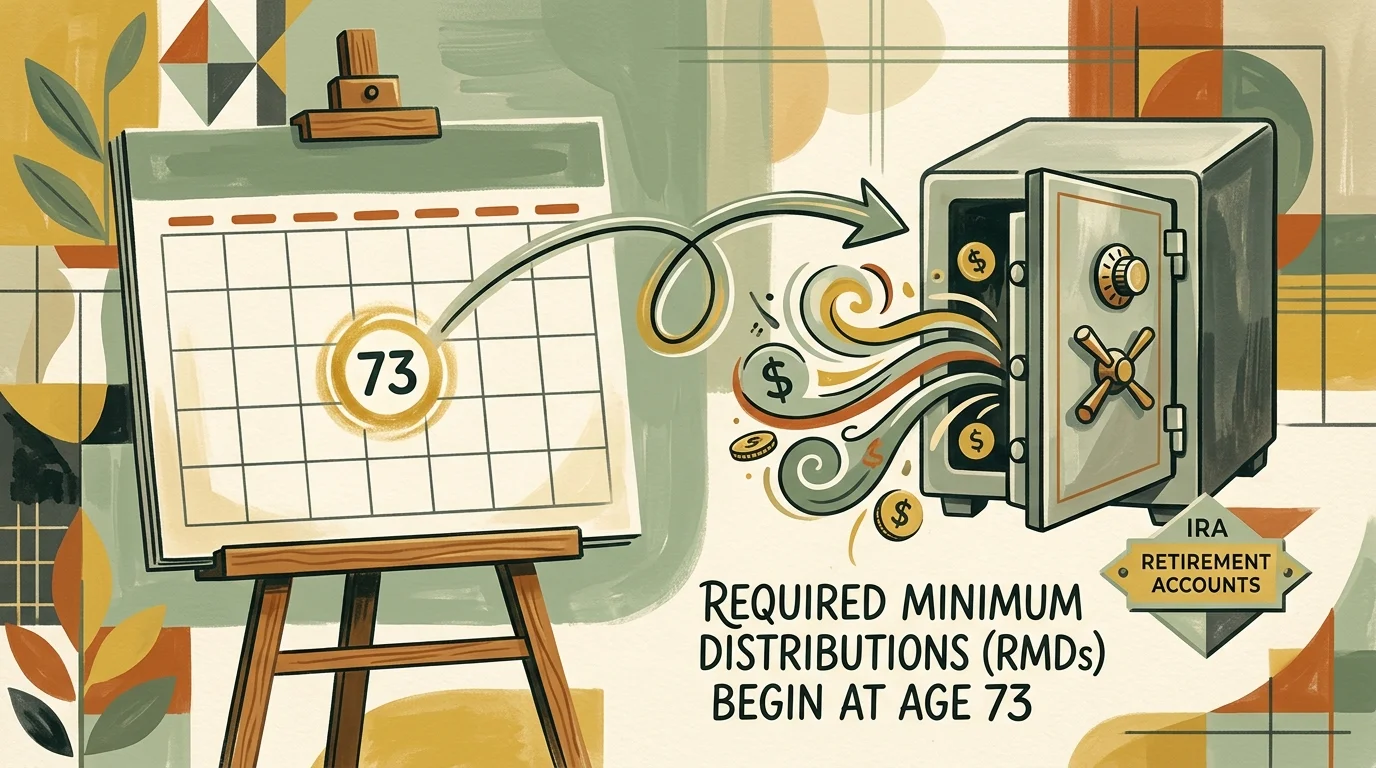
Reaching your early seventies is a major milestone, and recent tax law updates give you more flexibility over your retirement savings. Under the SECURE 2.0 Act, lawmakers raised the starting age for Required Minimum Distributions (RMDs) to 73 years old, with a scheduled increase to age 75 taking effect in 2033. This policy change gives your investments extra time to grow tax-deferred without mandatory tax withdrawals. Furthermore, SECURE 2.0 completely eliminated RMD requirements for employer-sponsored Roth accounts, including Roth 401(k) and Roth 403(b) plans.
Understanding these updated distribution schedules protects your portfolio from unnecessary tax burdens and steep regulatory fines. Congress significantly reduced the penalty for missing a required minimum distribution from 50% down to 25%, and further reduced it to just 10% if you correct the oversight in a timely manner. Evaluating your tax-deferred accounts today ensures you take withdrawals at the correct times, preserving your wealth and supporting a blissful retirement.

Sign #5: You Are Aged 60 to 63 and Want to Boost Your Retirement Savings
The years immediately preceding retirement offer a powerful window to strengthen your financial nest egg, especially under recent legislative expansions. If you are between the ages of 60 and 63, SECURE 2.0 created special enhanced catch-up contribution limits for eligible workplace plans. Instead of relying solely on standard retirement contribution limits, workers in this specific age bracket can contribute up to $11,250 in catch-up contributions, compared to the standard $8,000 limit for other eligible age groups.
Capitalizing on these elevated catch-up limits allows you to accelerate your wealth accumulation before transitioning out of the full-time workforce. To take advantage of this benefit, you should examine your current employer’s benefit portal and adjust your automated payroll contributions. Reviewing how legislation impact on retirement benefits creates targeted opportunities helps you maximize pre-retirement savings while optimizing your long-term income strategy.
Sign #6: You Earn Over $150,000 and Make Workplace Catch-Up Contributions
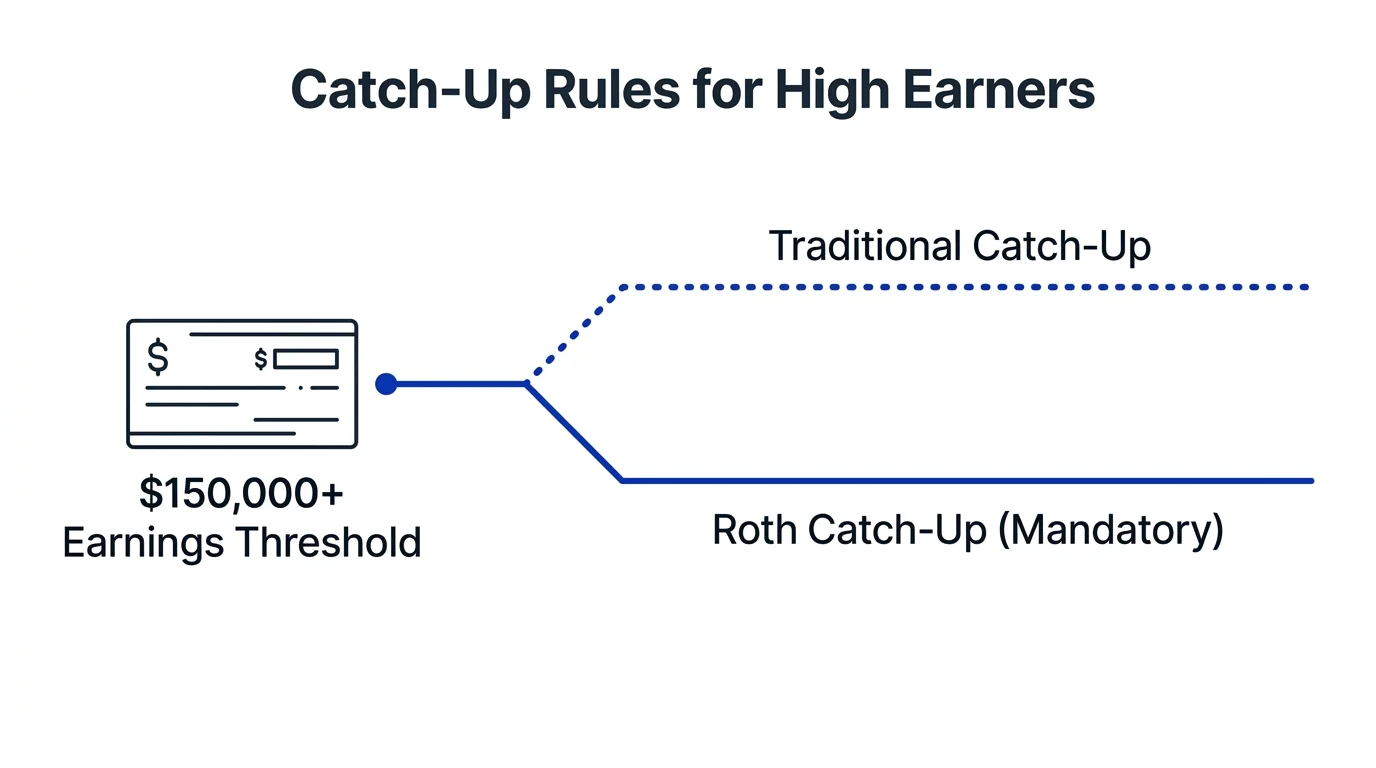
High-earning older workers face new rules regarding how retirement catch-up contributions are treated for tax purposes. Under SECURE 2.0 regulations, workers aged 50 and older who earned more than $150,000 in FICA wages during the prior calendar year must direct all workplace catch-up contributions into after-tax Roth accounts. This policy shifts catch-up contributions away from pre-tax tax deductions into tax-free future withdrawals.
While paying upfront taxes on catch-up contributions slightly alters your current tax return, it locks in tax-free distributions during your retirement years. Staying updated on benefit law changes allows you to adjust your cash flow management and tax strategy well in advance. Consulting with a tax professional helps you integrate these compulsory Roth catch-up rules into a broader retirement vision.
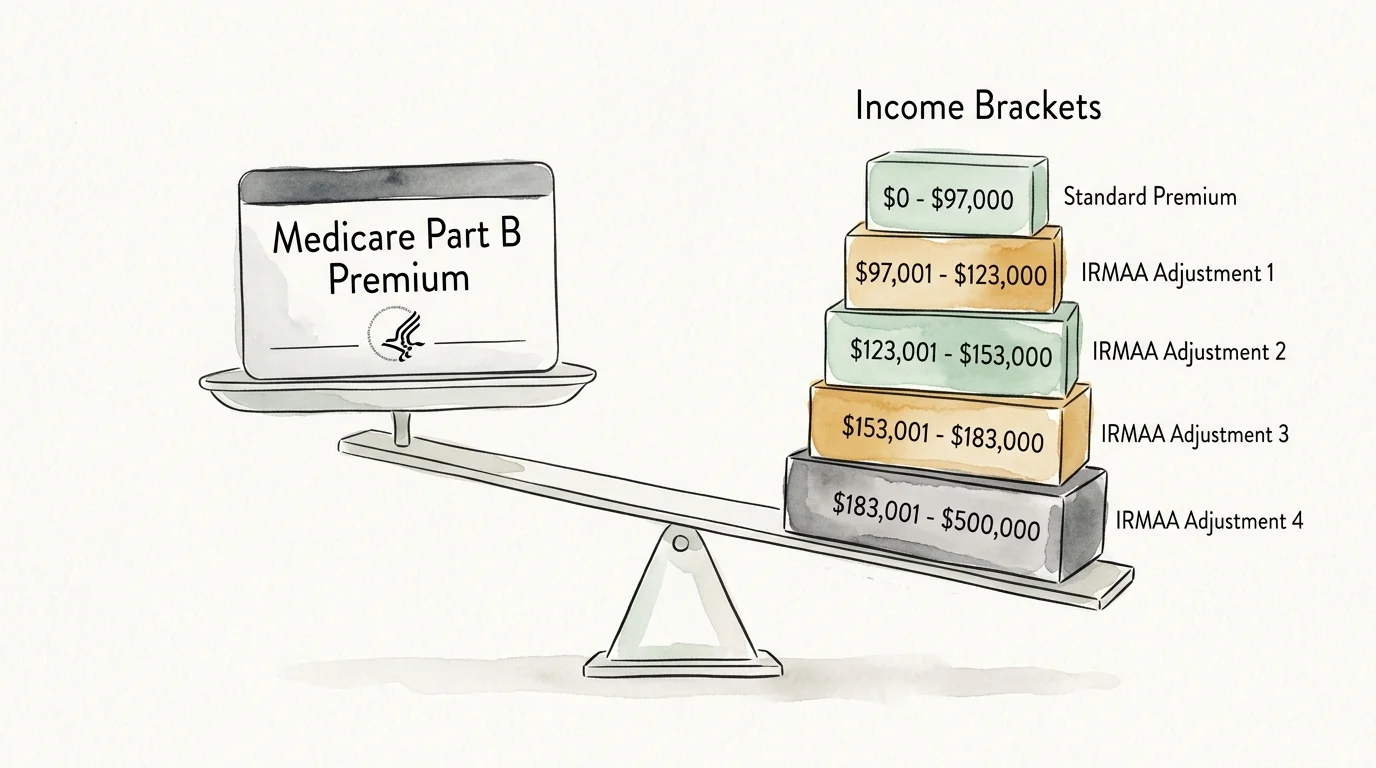
Sign #7: Your Medicare Part B Premium Rates Adjusted Upward
If you notice a higher deduction for Medicare Part B on your monthly statement, federal income adjustments might be influencing your payments. While the baseline monthly Medicare Part B premium sits at $202.90, higher-income beneficiaries pay an additional fee known as the Income-Related Monthly Adjustment Amount (IRMAA). Social Security calculates IRMAA brackets using your tax return from two years prior, meaning previous financial decisions directly shape current healthcare premiums.
However, unexpected life changes—such as retirement, marriage, divorce, or the death of a spouse—can significantly lower your active household income. If your current earnings are lower than the tax return used by Medicare, you can file an appeal using Form SSA-44 to request a premium recalculation. Auditing your Medicare withholdings and responding quickly to income adjustments prevents overpayment and restores balance to your monthly income.

Sign #8: Your Active Earnings Approach the Annual Social Security Wage Base
Seniors who remain active in the professional workforce or operate successful consulting businesses must navigate annual shifts in payroll taxation limits. The maximum taxable earnings cap subject to Social Security payroll tax stands at $184,500. Wages earned above this annual statutory threshold are exempt from the standard 6.2% Social Security payroll tax deduction, providing immediate cash flow relief later in the calendar year.
Reaching or exceeding this cap also influences how the Social Security Administration calculates your future benefit entitlement. Social Security bases monthly retirement checks on your highest 35 years of indexed earnings; replacing lower-earning historical years with higher active wages boosts your lifetime monthly baseline payout. Monitoring these wage caps helps you plan your active income, manage tax withholdings, and build long-term personal financial security.

Sign #9: You Receive Supplemental Security Income (SSI) Alongside Social Security
Beneficiaries relying on Supplemental Security Income (SSI) experience direct benefit increases whenever cost-of-living adjustments take effect. SSI benefits receive the same 2.8% COLA adjustment as traditional Social Security retirement benefits, elevating baseline monthly payments to help offset housing, grocery, and healthcare costs. Beyond raw payment amounts, federal agencies periodically update policy guidelines governing asset limits and in-kind support calculation standards.
Recent updates have streamlined how the government evaluates non-cash assistance, such as food or housing support provided by family members, reducing unnecessary administrative reductions in monthly SSI checks. Checking your official notice letters ensures that your household benefits accurately reflect current federal guidelines and income caps. Maintaining accurate administrative records preserves vital monthly support and fosters continuous financial stability.

Sign #10: Your Household Experienced Recent Life Changes Like Marriage or Widowhood
Major life events significantly alter how federal benefit rules apply to your household, making it essential to audit your accounts after personal transitions. Federal law provides specific entitlement options for surviving spouses, divorced individuals, and dependents under Social Security regulations. For instance, widowed individuals can claim survivor benefits as early as age 60, or switch between personal retirement benefits and survivor benefits to maximize total lifetime income.
Divorced individuals married for at least ten years may qualify for benefits based on an ex-spouse’s earnings record without affecting the ex-spouse’s payouts. Because statutory updates occasionally modify application deadlines, spousal benefit calculations, and administrative documentation rules, reviewing your status ensures you receive maximum statutory allowances. Reaching out to Social Security representatives after life transitions helps you claim all benefits earned through decades of dedicated effort.

The Takeaway: Living a More Blissful Retirement
Navigating benefit law updates does not have to feel overwhelming or intimidating. By remaining proactive, keeping track of regulatory updates, and reviewing your financial statements annually, you take complete ownership of your retirement journey. Modern legislation offers valuable opportunities to lower healthcare expenses, optimize tax-deferred savings, and expand your monthly baseline income. Embrace these updates as helpful tools designed to support your ongoing financial independence and overall wellbeing.
For a wide range of resources for older adults, visit AARP and the National Council on Aging (NCOA). Health information is available from the National Institute on Aging.
Frequently Asked Questions
How often do federal retirement and benefit laws change?
Federal retirement and benefit rules undergo adjustments annually, primarily driven by annual inflation calculations like COLA and legislative updates passed by Congress. Major reform acts, such as the SECURE 2.0 Act and the Inflation Reduction Act, introduce phased-in updates across several consecutive years.
What should I do if my Social Security benefit amount seems incorrect?
If you notice an unexpected discrepancy in your benefit check, log into your online Social Security account to inspect your itemized statement. You can contact the Social Security Administration directly or visit a local office to request a detailed explanation, submit updated wage information, or file a formal appeal.
How do Medicare prescription drug caps impact my monthly budgeting?
The $2,000 out-of-pocket cap on Medicare Part D spending creates a hard ceiling on annual prescription drug expenses, eliminating surprise drug charges. Additionally, opting into monthly installment payment plans allows you to divide out-of-pocket costs evenly throughout the year for steady monthly budgeting.
Where can I find reliable, official updates on benefit law updates?
You can find verified benefit rules directly from government portals like SSA.gov, Medicare.gov, and IRS.gov. Leading advocacy organizations like AARP and the National Council on Aging also publish accessible summaries to help you understand how statutory shifts affect your day-to-day finances.
Disclaimer: This article is for informational and inspirational purposes only. It is not a substitute for professional medical, financial, or psychological advice. Please consult with a qualified expert for guidance tailored to your individual needs.