
You can reclaim your vitality by discovering the real cause behind your recent exhaustion. What many people write off as normal aging is often a gentle, easily treatable thyroid imbalance.
Your thyroid gland regulates your metabolism, core temperature, and cognitive clarity every single day. When this butterfly-shaped organ slows down, your entire body feels the drag.
Recognizing the subtle differences between growing older and an underactive thyroid lets you take control of your health. Uncover five critical clues that deserve a closer look today.

Tip #1: Chronic Fatigue and Persistent Sluggishness
Waking up exhausted after eight hours of sound sleep is not a normal requirement of retirement. You might assume your fading stamina comes with age, but your thyroid may be responsible.
The American Thyroid Association notes that twenty million Americans currently live with thyroid disorders. Remarkably, up to sixty percent of these individuals remain completely unaware of their condition.
Your thyroid produces hormones that serve as spark plugs for your cellular metabolism. When hormone production declines, your body acts like a vehicle running on dirty fuel.
You might struggle to complete regular morning chores or feel a heavy crash right after lunch. These classic thyroid problem symptoms rob you of the active lifestyle you worked hard to enjoy.
Many older adults assume this persistent fatigue simply reflects an inevitable slowdown. However, genuine aging brings gradual changes, whereas thyroid dysfunction creates a sudden, stubborn lack of energy.
Occasional afternoon resting is a wonderful pleasure of retirement, but constant exhaustion is not. If long naps fail to restore your vitality, your thyroid hormones likely need attention.
Keep a simple energy journal on your nightstand for seven consecutive days. Record when your energy dips most severely and whether a good night of rest refreshes you.
Reviewing these concrete notes with your physician provides essential diagnostic clues. A gentle therapeutic adjustment can quickly restore your stamina and help you enjoy each day.
Physical activity can also feel suddenly overwhelming when your thyroid hormones run low. If your regular morning walk leaves your muscles feeling leaden, pay attention to that signal.
You do not have to accept chronic exhaustion as your everyday reality. Restoring hormonal balance will help you wake up eager to tackle your favorite retirement pursuits.

Tip #2: Brain Fog, Forgetfulness, and Low Mood
Walking into your kitchen and forgetting why you entered happens to everyone occasionally. However, ongoing mental cloudiness and slow thinking often stem from an underactive thyroid.
Thyroid hormones directly stimulate the neurotransmitters responsible for your memory, focus, and overall mood. When hormone levels fall, communication between your brain cells slows down considerably.
Many mature adults fear that these cognitive lapses point toward early dementia or Alzheimer’s disease. In truth, underactive thyroid signs frequently disguise themselves as memory loss and difficulty recalling words.
A sluggish thyroid can also cast a persistent emotional shadow over your daily life. You may notice an unfamiliar apathy, mild depression, or a lack of motivation for regular hobbies.
Healthcare professionals sometimes misread these subtle changes as standard late-life depression. Evaluating thyroid symptoms vs aging helps ensure you receive an accurate diagnosis and appropriate support.
The American Association of Clinical Endocrinologists recommends thyroid testing for adults over sixty. This proactive approach helps clarify whether your symptoms stem from hormones or cognitive changes.
Talk openly with your spouse or close friends if you feel mentally foggy or unusually withdrawn. Loved ones often notice subtle personality shifts and cognitive pauses before you recognize them yourself.
Clear thinking and emotional brightness often return quickly once you begin balancing your hormones. You will likely find your mental sharpness returning within just a few weeks of treatment.
Jot down specific instances of forgetfulness, focus issues, or mood changes in your journal. Sharing these specific examples allows your medical team to evaluate your endocrine health promptly.
Protecting your cognitive health is essential for enjoying a vibrant, rewarding retirement. Never hesitate to investigate mental changes that feel out of character for you.

Tip #3: Heightened Sensitivity to Cold Temperatures
Reaching for a heavy sweater while everyone else feels comfortable is a telling warning sign. Most seniors casually blame cold hands and feet on thinning skin or sluggish blood flow.
Your thyroid serves as the primary master thermostat for your entire body. It directs your individual cells to burn stored calories to generate steady internal heat.
When hormone output drops, your cellular furnaces dial down their warmth production. Your extremities suffer first, leaving your hands, feet, and nose feeling uncomfortably chilled.
Epidemiological studies reveal that elevated TSH occurs in ten to sixteen percent of adults aged sixty-five to seventy-four. Among women aged seventy-five and older, that figure climbs above twenty percent.
Overall, up to twenty-five percent of community-dwelling seniors show biochemical evidence of thyroid dysfunction. These numbers prove that your chills may reflect a medical imbalance rather than outdoor weather.
Constantly bumping up your home thermostat while family members feel overheated is another telling indicator. Keeping track of these household differences gives you objective observations to share with your physician.
You might also experience cold intolerance alongside cool, pale skin and reduced perspiration. These combined signals provide strong evidence that your metabolic thermostat needs professional attention.
Interestingly, some older adults experience hyperthyroidism without classic sweating or rapid heartbeats. Up to thirty percent develop apathetic thyrotoxicosis, presenting with lethargy, muscle weakness, and depression.
Whether you feel unusually chilled or inexplicably drained, your endocrine system merits investigation. A simple discussion with your physician can quickly pinpoint the exact source of your discomfort.
Bring a sweater to your clinic appointment and mention your persistent sensitivity to low temperatures. Your doctor can order standard lab tests to evaluate your metabolic furnace accurately.
Tip #4: Chronic Constipation and Sluggish Digestion
Changes in digestive habits can be frustrating, yet mature adults often accept them in silence. Many retirees attribute constipation to reduced physical exercise, prescription medications, or insufficient dietary fiber.
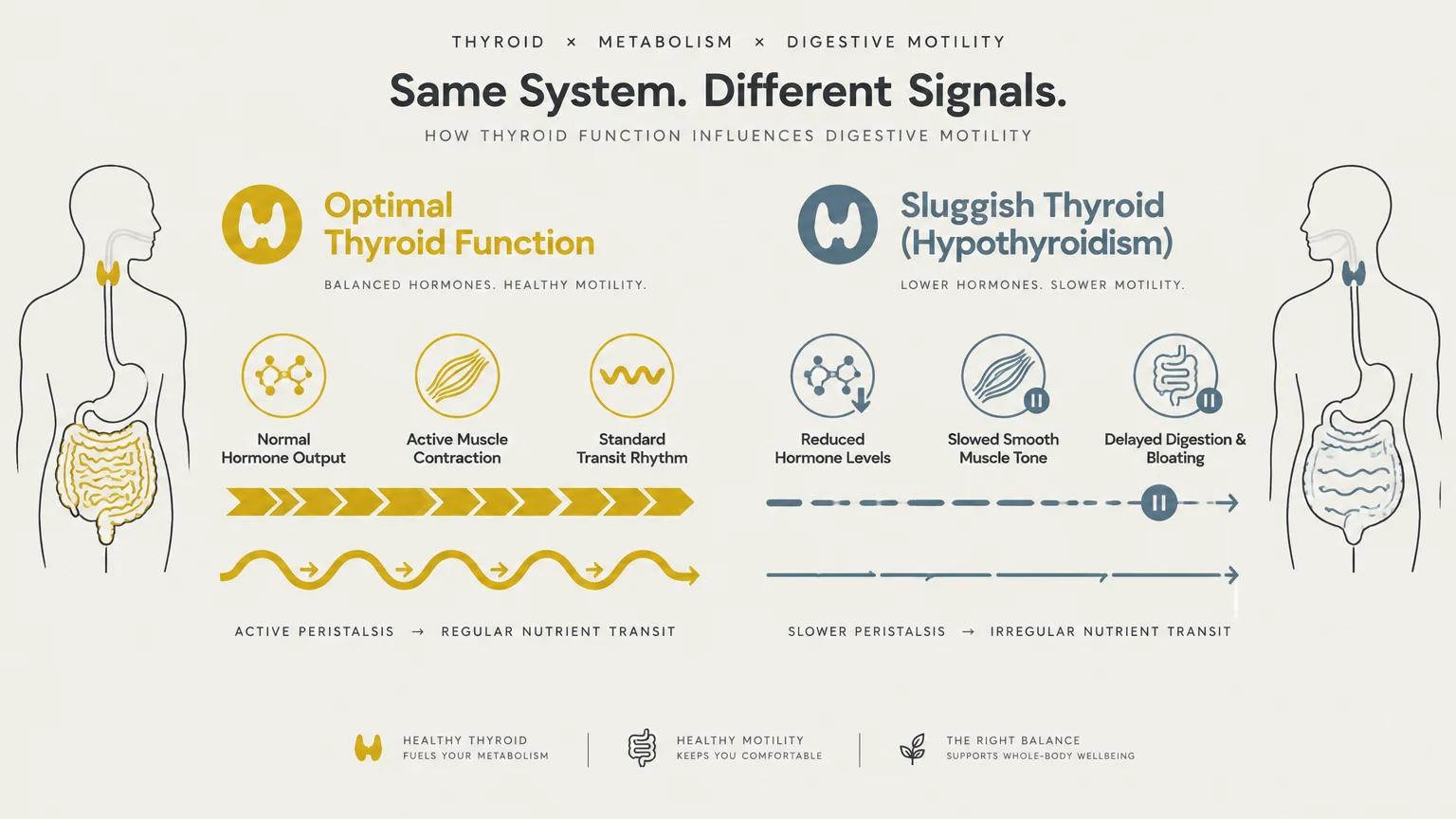
Your gastrointestinal tract relies on steady pulses of thyroid hormone to maintain muscular contractions. These rhythmic contractions, known medically as peristalsis, move waste smoothly through your digestive system.
When thyroid production falters, your digestive muscles slow their pace significantly. Digested food remains inside your colon far too long, leading to dry stool, bloating, and discomfort.
Drinking extra water and eating more bran may provide little relief when gut motility stalls. If standard digestive remedies fail to work, your thyroid could be the true underlying problem.
The famous Colorado Thyroid Disease Prevalence Study revealed just how common underdiagnosed thyroid issues are. Millions of mature individuals endure uncomfortable digestive symptoms without discovering the hormonal explanation.
Gentle movement such as daily walking and regular hydration support digestion, but they cannot overcome hormonal deficits. Pairing healthy habits with balanced hormone levels gives your gastrointestinal tract the support it needs.
Recognizing thyroid issues in seniors allows you to solve digestive complaints at their core source. Balancing your endocrine system restores healthy, predictable gut movement without relying on harsh laxatives.
Try tracking your daily fluid intake, fiber consumption, and bowel movements in a small notebook. If your habits look balanced yet constipation continues, request a focused endocrine evaluation.
A healthy digestive tract plays a massive role in your overall energy and everyday comfort. You deserve to enjoy your golden years free from unnecessary gastrointestinal distress.
Discuss your digestive observations openly with your healthcare team during your next annual checkup. They can run straightforward diagnostic tests to determine if your gut motility needs hormonal assistance.

Tip #5: Dry Skin, Brittle Nails, and Thinning Hair
Brittle fingernails, shedding hair, and rough patches of skin often get dismissed as cosmetic inconveniences. Many retirees assume that fading skin elasticity and thinner locks are simply standard milestones of aging.
These noticeable changes frequently indicate that your thyroid hormone output has dropped below optimal levels. Because your thyroid directs cellular renewal, insufficient hormone levels slow down skin regeneration.
Women are five to eight times more susceptible to thyroid disorders than their male peers. In fact, one in eight women will develop a clinical thyroid condition during her lifetime.
Without enough thyroid hormone, your sweat and oil glands produce less protective natural moisture. Your skin may become flaky, rough, and itchy, especially across your shins and forearms.
Your hair follicles also require steady hormonal stimulation to sustain their normal growth phases. You might notice unusual shedding in your shower drain or thinning along your outer eyebrows.
Your hair stylist or manicurist might also point out sudden changes in hair density or nail texture. These everyday observations provide valuable real-world evidence of an underlying metabolic shift.
Many individuals also experience unexpected, modest weight gain despite maintaining their usual wholesome diet. A sluggish metabolism burns fewer calories, making weight maintenance unexpectedly challenging as you age.
Restoring your thyroid balance replenishes your skin barrier and revitalizes dormant hair follicles. Over time, your fingernails regain their natural strength and your hair feels noticeably fuller.
Take note of any new dermatological changes that moisturizers and gentle conditioners fail to fix. Documenting these physical clues helps your physician make a comprehensive, well-informed assessment.
You have every right to feel confident and vibrant in your own skin throughout retirement. Proactive testing can turn frustrating physical changes into an easily managed medical success story.

The Takeaway: Living a More Blissful Retirement
Aging gracefully should never mean silently enduring mysterious fatigue, cloudy thinking, or stubborn physical discomfort. You deserve to experience your golden years with vibrant energy, sharp focus, and genuine peace of mind.
If any of these five signs sound familiar, schedule a thorough conversation with your primary physician. Uncovering a thyroid imbalance is straightforward, and effective treatment can transform your daily vitality.
Doctors evaluate thyroid health using simple blood serum tests, specifically Thyroid Stimulating Hormone and Free T4. These standard laboratory panels reveal exactly how well your butterfly-shaped gland communicates with your pituitary gland.
Keep in mind that older adults naturally experience an upward drift in their baseline TSH levels. TSH readings between 5.0 and 7.0 mIU/L can be normal for healthy seniors over seventy.
Because of this natural shift, clinical endocrinologists always recommend confirmation testing before starting prescription therapy. Repeating the blood draw ensures you receive treatment only when your body genuinely requires hormonal assistance.
While the USPSTF considers routine universal screening optional for asymptomatic adults, targeted testing remains essential when symptoms appear. Both the American Thyroid Association and clinical endocrinology groups strongly encourage testing for adults over sixty.
Fortunately, accessing diagnostic care is simple and affordable for older adults enrolled in traditional Medicare. When your physician orders blood tests to evaluate symptoms, Medicare Part B covers them with zero out-of-pocket copay.
If your doctor prescribes levothyroxine to replenish low hormone levels, the medication remains remarkably budget-friendly. This synthetic hormone is a Tier 1 generic under Medicare Part D, often costing under fifteen dollars monthly.
Remember that you are the ultimate champion of your own health journey. Asking thoughtful questions during medical visits ensures you receive attentive, individualized care for your thyroid.
Take charge of your health by speaking up whenever something feels unusual in your body. Embracing proactive wellness empowers you to enjoy every moment of your retirement with radiant energy and joy.
For a wide range of resources for older adults, visit AARP and the National Council on Aging (NCOA). Health information is available from the National Institute on Aging.
Disclaimer: This article is for informational and inspirational purposes only. It is not a substitute for professional medical, financial, or psychological advice. Please consult with a qualified expert for guidance tailored to your individual needs.
Frequently Asked Questions
How do doctors accurately diagnose thyroid problems in older adults?
Physicians rely on blood serum tests measuring Thyroid Stimulating Hormone (TSH) and Free T4 to assess your gland. These tests measure the exact concentration of hormones circulating within your bloodstream.
Because healthy seniors often experience a natural upward drift in baseline TSH, doctors interpret laboratory results cautiously. Your physician will typically order a follow-up test a few weeks later to confirm the diagnosis.
Does Medicare cover thyroid blood tests and daily hormone medications?
Yes, diagnostic thyroid blood panels ordered by your doctor are covered under Medicare Part B with zero copay. You will pay nothing out-of-pocket when testing occurs at a participating clinical diagnostic laboratory.
If you require treatment, standard synthetic thyroid hormone like levothyroxine is widely accessible under Medicare Part D. It is categorized as a Tier 1 generic, commonly costing less than ten to fifteen dollars per month.
What is apathetic thyrotoxicosis, and how does it affect older adults?
Apathetic thyrotoxicosis is an atypical form of hyperthyroidism that affects up to thirty percent of older patients. Instead of classic hyperactivity, seniors display lethargy, depression, muscle weakness, and unexplained weight loss.
It can also trigger unexpected heart complications, including irregular heartbeats known as atrial fibrillation. A timely blood test allows your physician to identify this condition and protect your cardiovascular health.
How quickly will you feel better once you begin thyroid treatment?
Most individuals begin noticing steady improvements in energy, mood, and mental focus within two to six weeks. Your body gradually replenishes its cellular hormone stores as the medication reaches a stable therapeutic level.
Your healthcare provider will schedule routine blood draws every six to eight weeks until your dosage is dialed in. Once your numbers stabilize, you can look forward to sustained, dependable vitality every day.