

Protecting your cardiovascular system does not require draining your retirement savings on trendy designer supplements. In fact, some of the most reliable vitamins for heart health cost pennies a day at your local grocery store.
Heart disease remains the leading cause of death for older Americans, and over 70% of adults aged 60 and older manage high blood pressure. Simple daily habits can dramatically improve your vitality and support smooth circulation as you age.
By choosing affordable heart health vitamins with proven track records, you can nourish your cardiovascular system without stressing your monthly budget. Here are five budget-friendly options that deliver exceptional support for your golden years.
Tip #1: Vitamin D3 for Arterial Flexibility
Vitamin D3 functions more like an active hormone than a standard nutrient, directly influencing your blood vessels and heart muscle tissue. It plays a central role in regulating blood pressure and soothing chronic vascular inflammation.
Clinical research reveals that low blood levels of vitamin D strongly correlate with arterial stiffness and endothelial dysfunction. When your arteries lose their natural flexibility, your heart must pump significantly harder against elevated resistance.
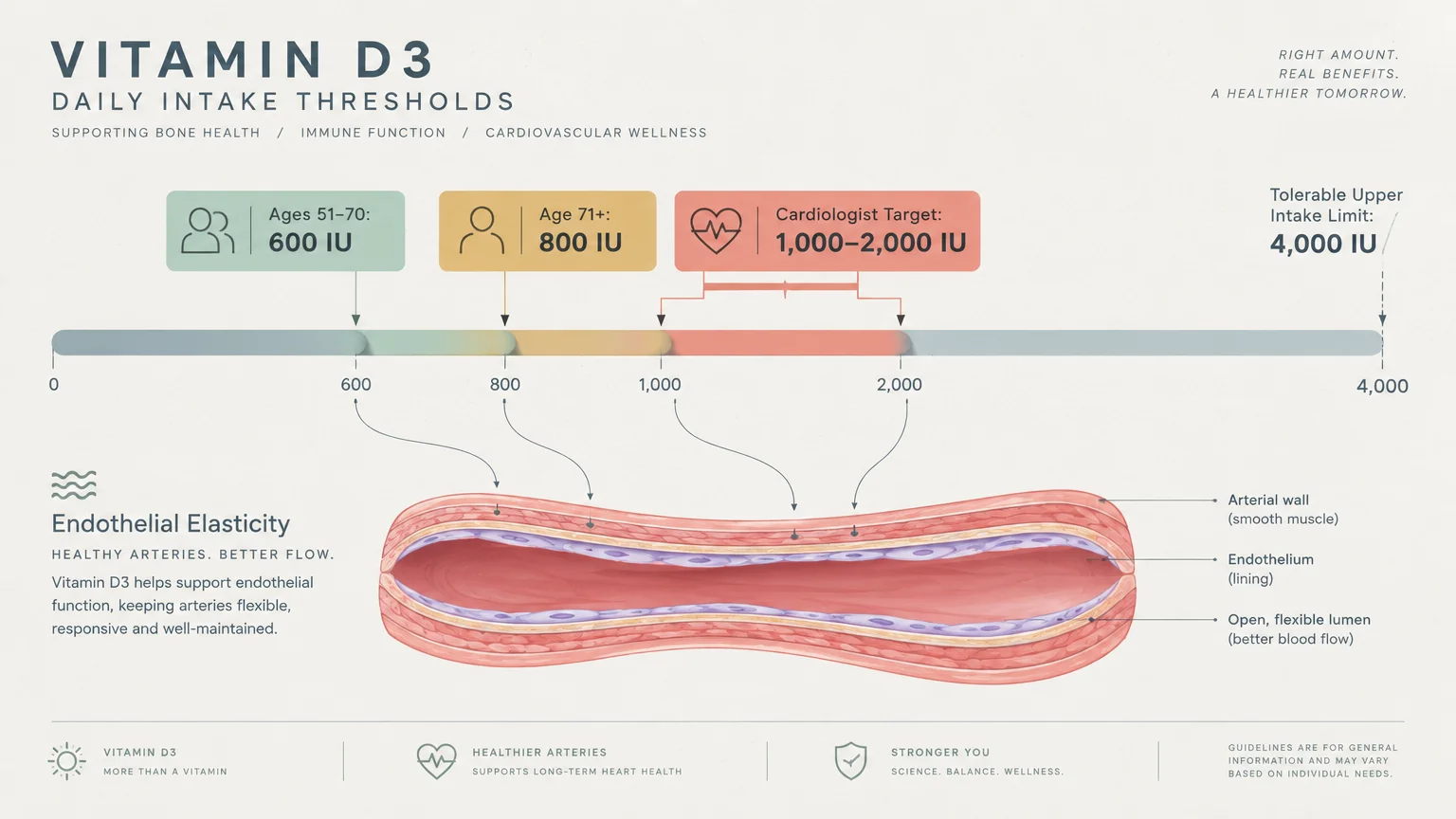
For adults aged 51 to 70, the National Institutes of Health recommends a daily dietary allowance of 600 IU. Once you celebrate your 71st birthday, that recommended target increases to 800 IU each day.
Many cardiologists suggest maintaining a moderate daily intake between 1,000 and 2,000 IU to keep blood levels in an optimal range. However, you should stay well below the established tolerable upper intake level of 4,000 IU daily.
Aging skin synthesizes significantly less vitamin D from natural sunlight, making dietary supplementation particularly valuable after age 50. During long winter months or indoor routines, your natural synthesis drops even further.
Fortunately, Vitamin D3 remains one of the most accessible and cheap supplements for heart wellness available today. A generic store-brand bottle containing a full year of softgels routinely retails for under ten dollars.
That minimal investment breaks down to just two or three pennies per day for substantial cardiovascular reinforcement. Compared to specialty supplements like CoQ10 that cost upwards of thirty dollars a month, basic cholecalciferol delivers extraordinary value.
You can pair your morning softgel with a meal containing healthy fats, such as olive oil or avocado, to maximize absorption. This simple step ensures your body absorbs every microgram effectively.
Ask your physician to run a routine 25-hydroxy vitamin D blood test during your next annual physical exam. Testing removes any guesswork and allows you to calibrate your daily dose with complete confidence.
Keeping your arteries pliable preserves your physical stamina for walking, gardening, and enjoying active afternoons with your family. Consistent vitamin D intake provides a steady foundation for lifelong cardiovascular comfort.

Tip #2: Vitamin B12 for Healthy Blood and Nerve Function
Vitamin B12, known scientifically as cobalamin, supports robust red blood cell formation and sustains healthy neurological communication. It also serves as an indispensable guardian against damaging compounds that circulate through your bloodstream.
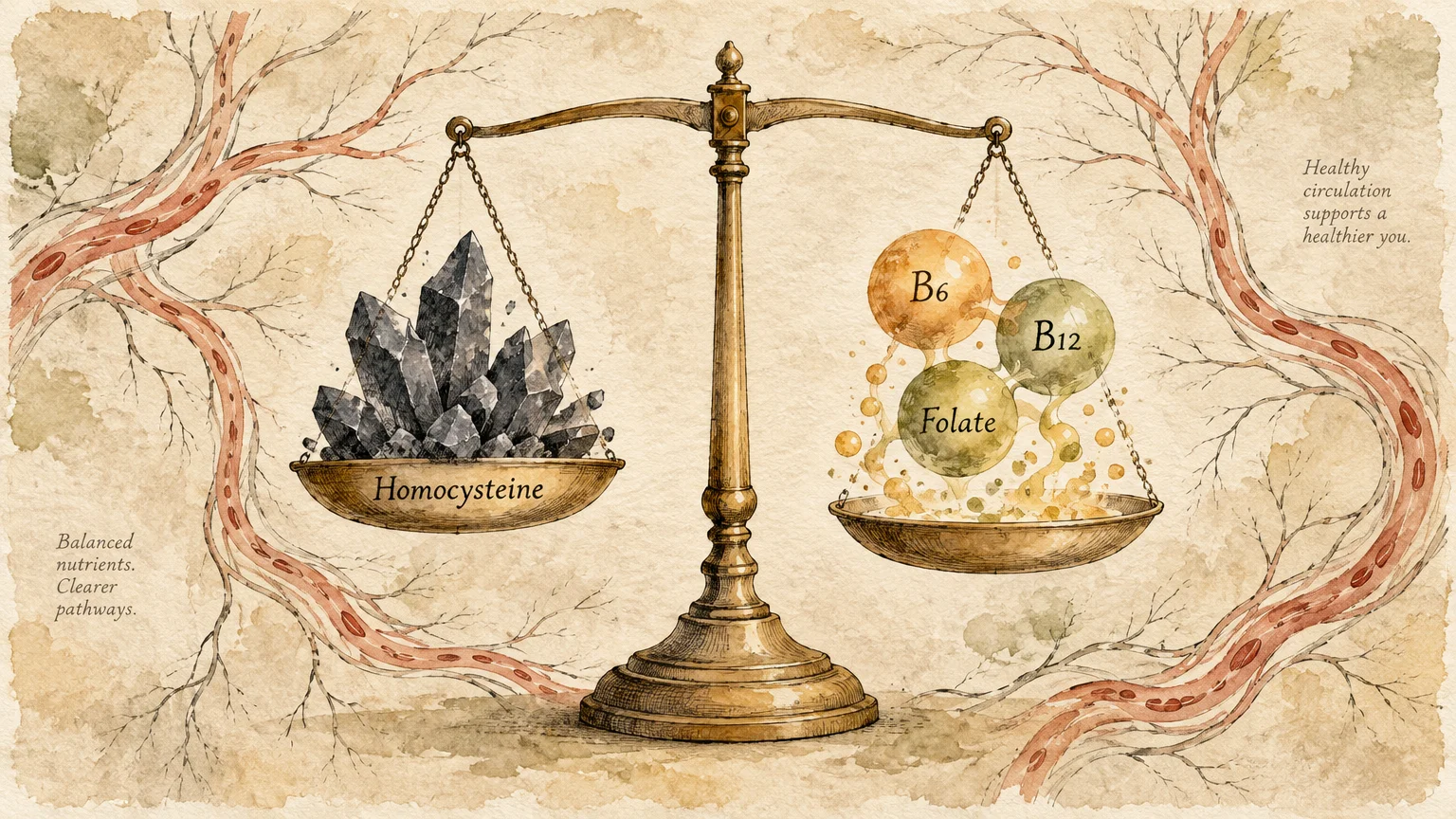
Together with folate and vitamin B6, B12 actively breaks down homocysteine, an amino acid produced during routine protein metabolism. High circulating levels of homocysteine irritate delicate arterial linings and encourage dangerous plaque accumulation.
The official recommended dietary allowance for adults over 50 stands at 2.4 micrograms per day. Achieving this baseline becomes trickier as your digestive physiology gradually changes over time.
The National Institutes of Health reports that between 10% and 30% of older adults suffer from atrophic gastritis. This condition reduces natural stomach acid production, making it difficult to extract natural B12 from animal proteins.
Because your stomach cannot free food-bound cobalamin efficiently, medical experts strongly advise consuming fortified foods or daily supplements. Synthetic crystalline B12 does not require heavy stomach acid for initial breakdown.
Your body absorbs this crystalline form directly through passive diffusion, bypassing typical digestive hurdles with ease. This reliable delivery helps protect your vascular walls from elevated homocysteine spikes.
When shopping for affordable heart health vitamins, standard cyanocobalamin or methylcobalamin tablets cost practically nothing. A six-month supply from brands like Up & Up or Kirkland Signature costs roughly six dollars.
That tiny cost amounts to less than four cents each morning to protect your circulatory highway. You gain peace of mind without stretching your fixed retirement income.
Regular B12 supplementation also safeguards against fatigue and balance problems, keeping your energy levels vibrant throughout the day. When you feel physically energized, staying active and exercising your heart becomes a genuine joy.
Discuss your B12 status with your primary care provider to determine whether a simple sublingual tablet suits your lifestyle. Maintaining clear, resilient vessels is one of the kindest gifts you can offer your heart.
Tip #3: Vitamin B6 to Keep Homocysteine in Balance
Vitamin B6, or pyridoxine, works hand in hand with vitamin B12 to keep your vascular system functioning smoothly. It acts as an essential cofactor for enzymes that transform dangerous homocysteine into harmless, beneficial compounds.
For adults aged 51 and older, the recommended dietary allowance is 1.7 milligrams daily for men and 1.5 milligrams for women. These modest amounts keep vital metabolic pathways operating at peak efficiency.
Keeping homocysteine suppressed prevents micro-tears in arterial walls where oxidized cholesterol tends to embed and solidify. Maintaining balanced B6 intake helps sustain smooth, uninterrupted blood flow toward your vital organs.
While selecting heart healthy supplements, always avoid unguided megadoses of single B vitamins. You should keep your daily B6 intake well below the safe upper limit of 100 milligrams per day.
Caution is especially warranted with other B vitamins, such as high-dose niacin. A landmark 2024 Cleveland Clinic study published in Nature Medicine uncovered significant hidden risks with excessive niacin consumption.
Researchers discovered that excess niacin breaks down into a hazardous byproduct called 4PY. This inflammatory compound directly irritates blood vessels and notably increases the risk of heart attacks and strokes.
Unlike reckless megadoses of niacin, a gentle, balanced B-complex supplement providing standard B6 levels offers proven, safe support. Generic B-complex bottles cost around seven to ten dollars for hundreds of servings.
Spending roughly three cents a day allows you to support vascular health without triggering unexpected inflammatory cascades. Simple, measured nutrition consistently outperforms aggressive supplement fads.
You can also find natural pyridoxine in comforting staples like baked potatoes, bananas, chickpeas, and poultry. Combining wholesome whole foods with an inexpensive daily supplement creates an unbeatable defense.
Prioritizing gentle, balanced nutrients preserves your cardiovascular longevity so you can explore new hobbies with complete confidence. Your blood vessels thrive on steady, moderate nourishment rather than extreme biochemical shocks.
Tip #4: Vitamin C for Sturdy Endothelial Defenses
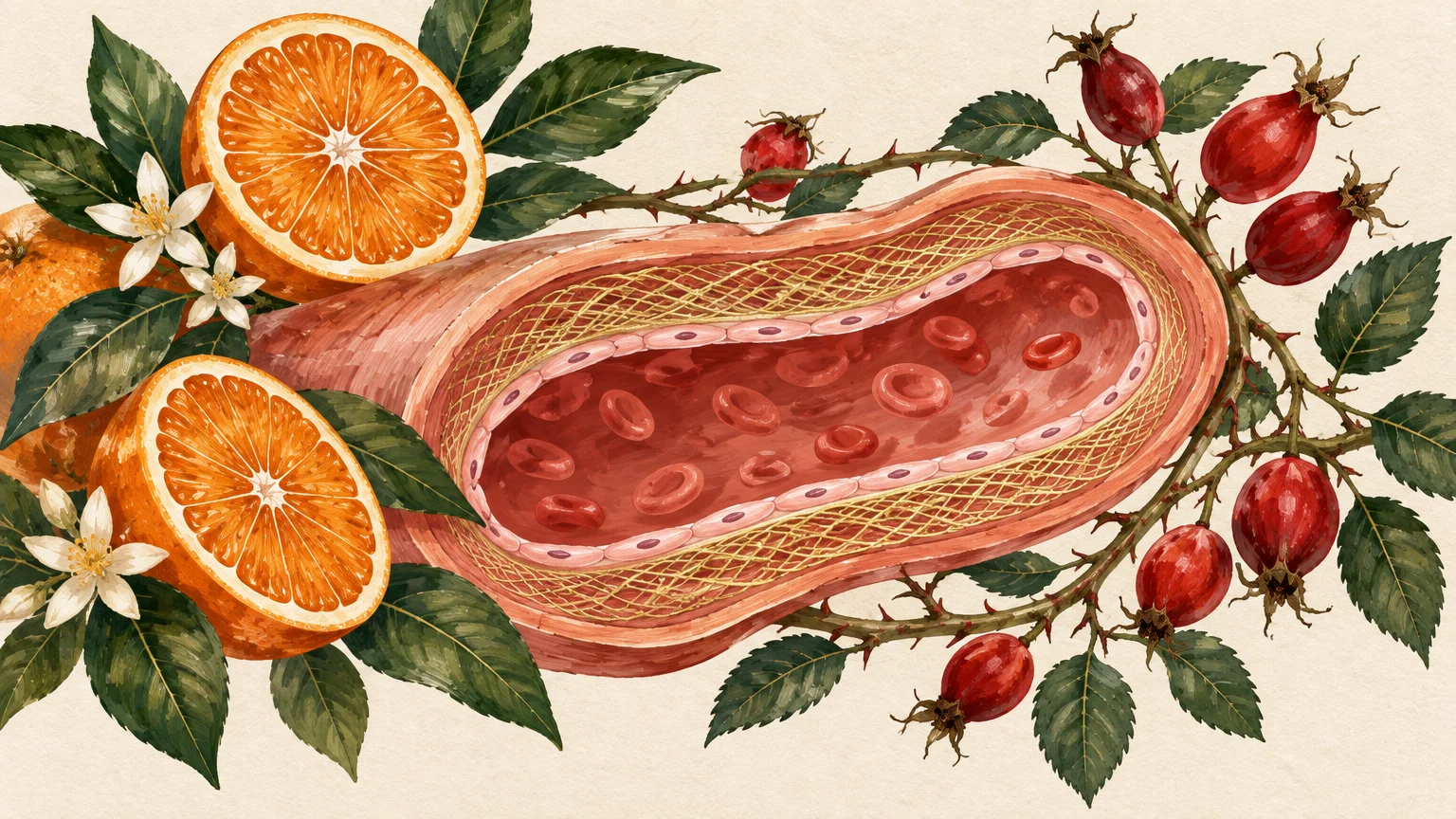
Vitamin C, widely known as ascorbic acid, is far more than an autumn immune booster. It serves as a frontline antioxidant that safeguards the delicate endothelial cells lining your entire cardiovascular tree.
Your blood vessels rely on a tiny, vital gas called nitric oxide to signal their muscular walls to relax and dilate. Vitamin C preserves nitric oxide availability by neutralizing destructive free radicals before they degrade this chemical messenger.
When your vessels dilate effortlessly, blood flows with reduced resistance, helping you maintain healthy blood pressure levels throughout your retirement. This steady vasodilation prevents unnecessary strain on your left ventricle.
The daily recommended dietary allowance for vitamin C is 90 milligrams for men and 75 milligrams for women. Adults who smoke require an additional 35 milligrams daily to counteract elevated oxidative stress.
Unlike fat-soluble vitamins that can accumulate in body tissue, vitamin C is water-soluble, meaning your body easily excretes any surplus. However, you should still keep total daily consumption under the 2,000 milligram upper limit.
In June 2022, the U.S. Preventive Services Task Force cautioned against certain antioxidants, issuing a Grade D recommendation against vitamin E and beta-carotene supplements for heart protection. Clinical trials showed beta-carotene increased cardiovascular mortality, while vitamin E showed zero net benefit.
Instead of wasting money on problematic vitamin E formulas, basic vitamin C provides gentle, proven antioxidant defense for mere pennies. A large bottle of 500-milligram generic tablets costs between six and nine dollars at major discount retailers.
That modest purchase provides almost a full year of cardiovascular support at roughly three cents per daily tablet. You can easily pair your supplement with citrus fruits, bell peppers, and fresh berries.
Supporting your endothelial linings protects you against stiffness and keeps your blood flowing freely during brisk morning walks. Consistent antioxidant protection keeps your circulatory system youthful, energetic, and remarkably resilient.
Simple lifestyle choices make a profound cumulative difference over decades of joyful living. Vitamin C remains a timeless, accessible ally for maintaining arterial elasticity on any retirement budget.
Tip #5: Vitamin K2 to Direct Calcium Away from Arteries
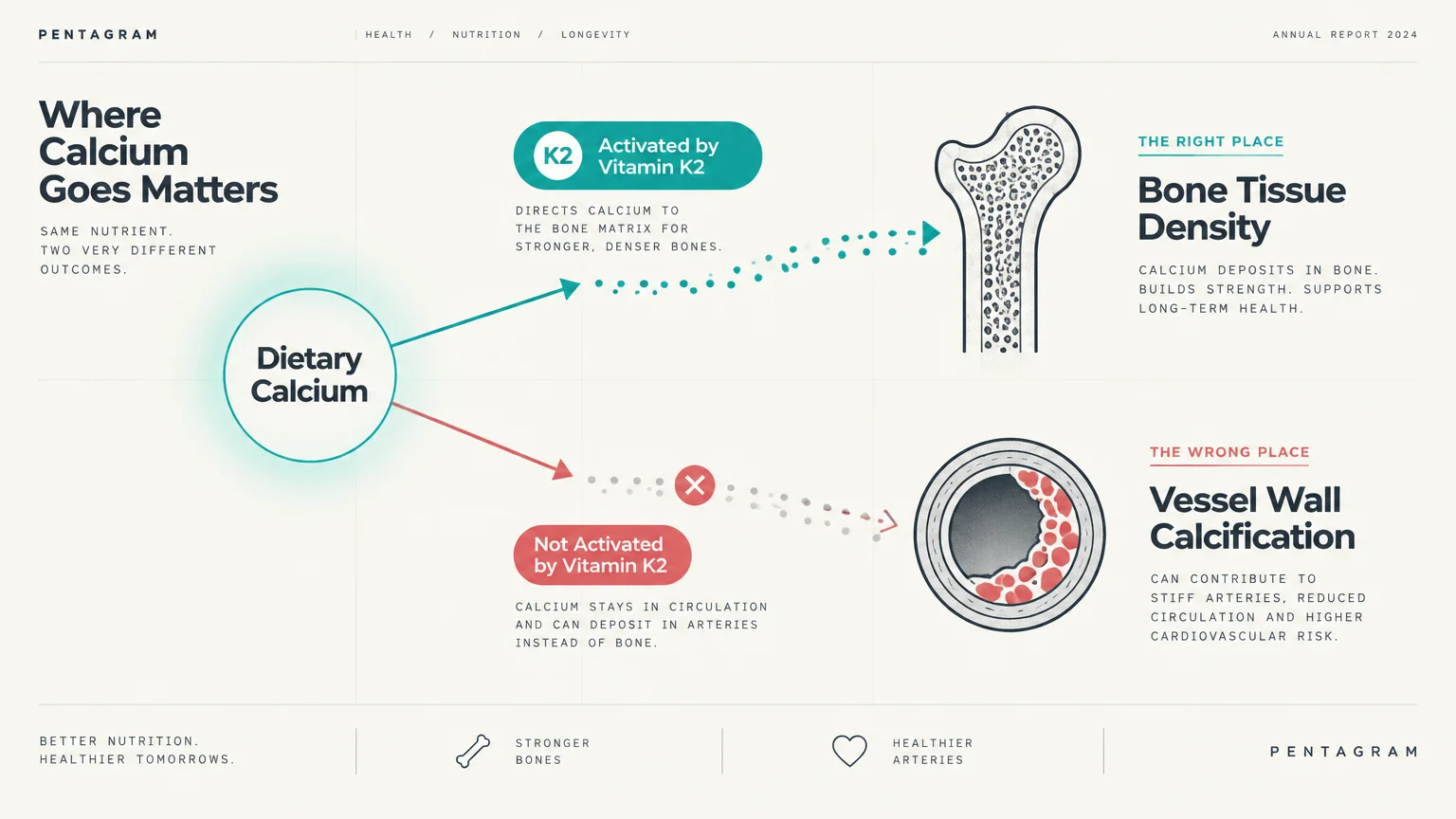
While many seniors take calcium to maintain bone density, an important question often arises regarding where that mineral actually travels. Without proper biological traffic direction, wandering calcium can gradually accumulate inside arterial walls, leading to dangerous calcification.
This is where vitamin K2, known as menaquinone, performs a truly extraordinary service for your cardiovascular system. It activates a specialized protein known as Matrix Gla Protein, which actively prevents calcium from depositing in arterial tissue.
By directing calcium away from your blood vessels and channeling it directly into your skeletal bones, K2 promotes arterial softness. This targeted transport mechanism helps keep your coronary arteries flexible and clear.
The established adequate intake baseline for vitamin K is 120 micrograms daily for men and 90 micrograms for women. Many cardiovascular specialists favor the MK-7 form of menaquinone because it remains active in circulation for extended periods.
You can purchase generic vitamin K2 supplements online or at health outlets for roughly ten to fifteen dollars for a multi-month supply. That translates to about ten to fifteen cents per day for advanced vascular calcification defense.
However, you must observe an essential safety warning if you take blood-thinning medications. Vitamin K directly counteracts anticoagulant drugs such as warfarin, which can alter your international normalized ratio and cause serious health hazards.
Always consult your cardiologist before introducing any form of vitamin K if you manage a prescription blood-thinning regimen. Open communication with your doctor ensures you safeguard your health without disrupting essential medications.
Because the Food and Drug Administration does not pre-approve dietary supplements for purity under federal law, quality verification matters. Always choose bottles displaying trusted third-party certification seals from USP Verified, NSF International, or ConsumerLab.
These independent testing seals verify that the bottle contains precisely the ingredients listed on the label without toxic contaminants. Protecting your heart requires pure, honest ingredients that meet rigorous manufacturing standards.
Adding vitamin K2 to your daily wellness routine ensures your calcium works for your skeleton rather than against your blood vessels. It is an intelligent, affordable strategy for preserving youthful arterial compliance throughout your golden years.

The Takeaway: Living a More Blissful Retirement
Protecting your cardiovascular system does not require expensive monthly subscription boxes or exotic miracle elixirs. The best vitamins for cardiovascular health have been sitting quietly on pharmacy shelves for decades at budget-friendly prices.
Simple additions like vitamin D3, crystalline B12, vitamin B6, vitamin C, and vitamin K2 provide targeted biochemical defense for pennies a day. When combined with daily walking, restorative sleep, and colorful home-cooked meals, these affordable nutrients help you thrive.
Remember that dietary supplements work best as faithful partners to a wholesome lifestyle rather than emergency cures. Celebrate each positive health choice as an empowering investment in your long-term independence and happiness.
Take charge of your cardiovascular wellness by discussing these evidence-based options with your trusted healthcare professional. With simple, inexpensive tools at your disposal, you can look forward to decades of energy, mobility, and peaceful golden years.
For a wide range of resources for older adults, visit AARP and the National Council on Aging (NCOA). Health information is available from the National Institute on Aging.
Disclaimer: This article is for informational and inspirational purposes only. It is not a substitute for professional medical, financial, or psychological advice. Please consult with a qualified expert for guidance tailored to your individual needs.
Frequently Asked Questions
Can vitamins replace my prescription heart medications?
No, dietary supplements should never replace prescribed medications from your physician. Prescription drugs undergo rigorous clinical testing to manage acute conditions like severe hypertension and elevated cholesterol.
Think of affordable vitamins as complementary tools that support your body’s cellular environment alongside medical guidance. Always speak with your doctor before modifying any prescription dosage.
Why are generic vitamins so much cheaper than specialty heart formulas?
Specialty heart supplements often spend heavily on lavish marketing campaigns, proprietary blends, and elaborate packaging. Basic vitamins like D3 and C have standard manufacturing processes with zero patent royalties.
Store-brand bottles from major retailers provide identical active molecular ingredients at a tiny fraction of the retail cost. Choosing generic options gives you identical cardiovascular value while protecting your retirement nest egg.
How can I tell if an inexpensive supplement is high quality?
Look for independent certification marks on the bottle from respected organizations like USP Verified, NSF International, or ConsumerLab. These nonprofit testing groups analyze products to confirm potency and screen for heavy metals.
Many affordable store brands from national pharmacies and grocery chains voluntarily undergo this third-party testing. You do not need to overpay for premium branding to enjoy pure, dependable supplements.
Should I take a daily multivitamin or individual single vitamins?
A balanced multivitamin designed for seniors offers broad nutritional insurance, but individual supplements allow targeted dosing for specific cardiovascular needs. Single vitamins also allow you to avoid unwanted ingredients like iron.
In addition, individual supplements make it easy to avoid problematic megadoses of niacin or unnecessary vitamin E. Consult your doctor to decide which tailored strategy best supports your personal wellness goals.