
Understanding how your body communicates vital health signals allows you to protect your active lifestyle and enjoy a vibrant retirement with complete confidence. While most people associate heart issues with sudden chest pressure, your heart frequently sends distress signals through subtle nerve pathways to your jaw, arms, and upper back. Recognizing these non-traditional warning signs empowers you to act quickly, preventing serious complications and preserving your long-term wellness. By learning to distinguish ordinary muscle aches from cardiac referred pain, you take control of your health journey. Equipping yourself with this essential knowledge ensures that you and your loved ones can pursue every everyday adventure with maximum peace of mind.
Tip #1: Recognize How Referred Pain Signals Cardiac Stress
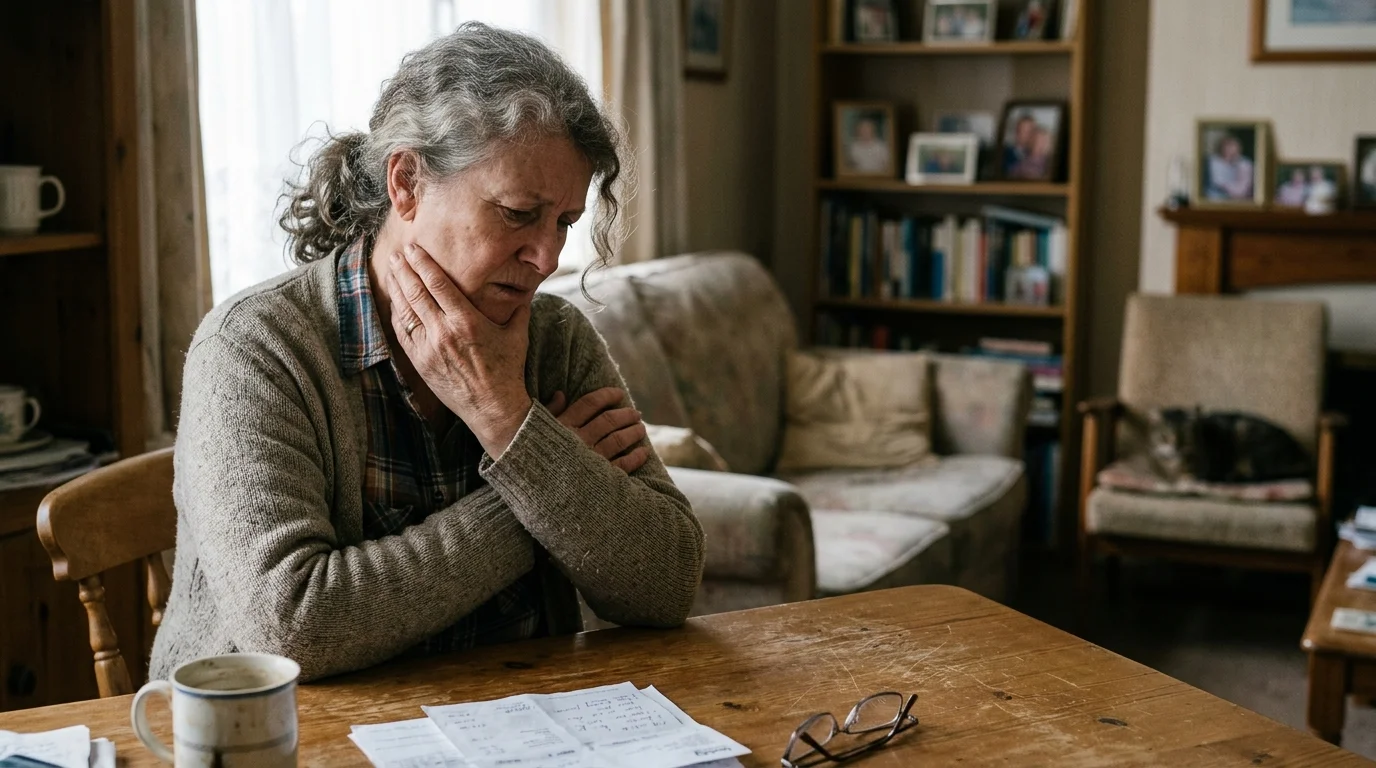
Your central nervous system operates like a complex communications network, transmitting messages between your vital organs and brain along shared neural pathways. When your cardiac muscle experiences reduced oxygen or ischemia, it generates distress signals that travel along autonomic nerve fibers directly to your spinal cord. Because the spinal segments receiving these cardiac pain signals—specifically the upper thoracic nerves—also process sensory input from your neck, shoulders, jaw, and upper extremities, your brain can misinterpret the true origin of the discomfort. Medical professionals refer to this biological phenomenon as referred pain heart attack symptoms, and understanding it serves as one of your most effective health tools.
Data from the Centers for Disease Control and Prevention and the American Heart Association demonstrate why symptom awareness is so vital. Approximately 805,000 Americans experience a heart attack each year, comprising 605,000 first-time events and 200,000 recurrent episodes. Someone in the United States suffers a heart attack every 40 seconds; furthermore, cardiovascular disease remains the leading cause of death nationally, accounting for 915,973 deaths in 2023. Because one person dies from cardiovascular conditions every 34 seconds, recognizing atypical cardiac symptom locations becomes essential for prompt, life-saving medical intervention.
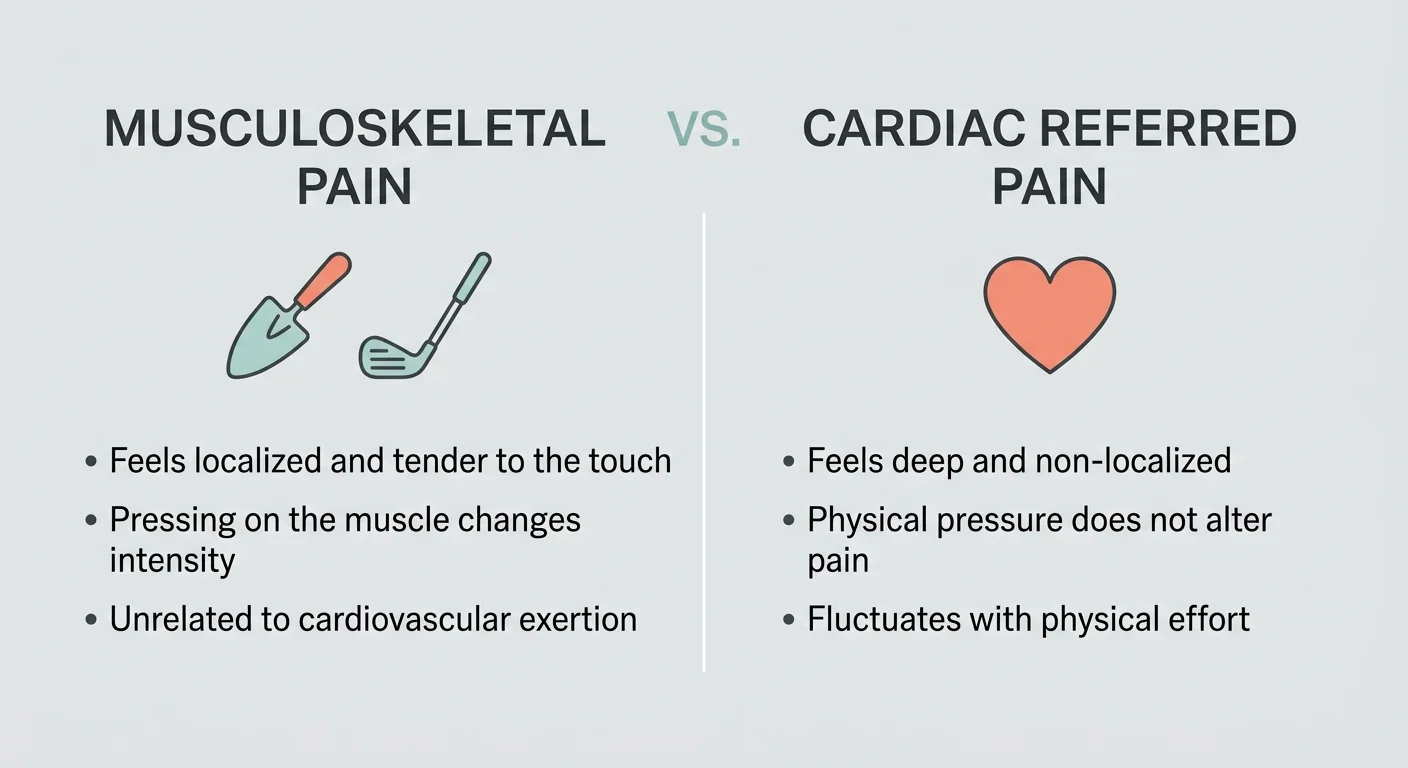
To safeguard your daily physical wellness, you must learn how cardiac referred pain differs from typical musculoskeletal aches. Physical strain from gardening, golfing, or lifting heavy packages usually creates localized tenderness; pressing directly on the affected muscle typically reproduces or intensifies the discomfort. In contrast, heart-related referred pain originates deep within your body, meaning physical pressure on your jaw or back will not alter the intensity of the aching. Furthermore, cardiac-induced discomfort often fluctuates with physical effort—worsening when you ascend stairs or walk briskly—and subsides when you rest. By paying close attention to these subtle distinctions, you empower yourself to respond decisively whenever your heart calls for assistance.
For a wide range of resources for older adults, visit AARP and the National Council on Aging (NCOA). Health information is available from the National Institute on Aging.
Tip #2: Identify Jaw Pain as an Atypical Heart Warning Sign
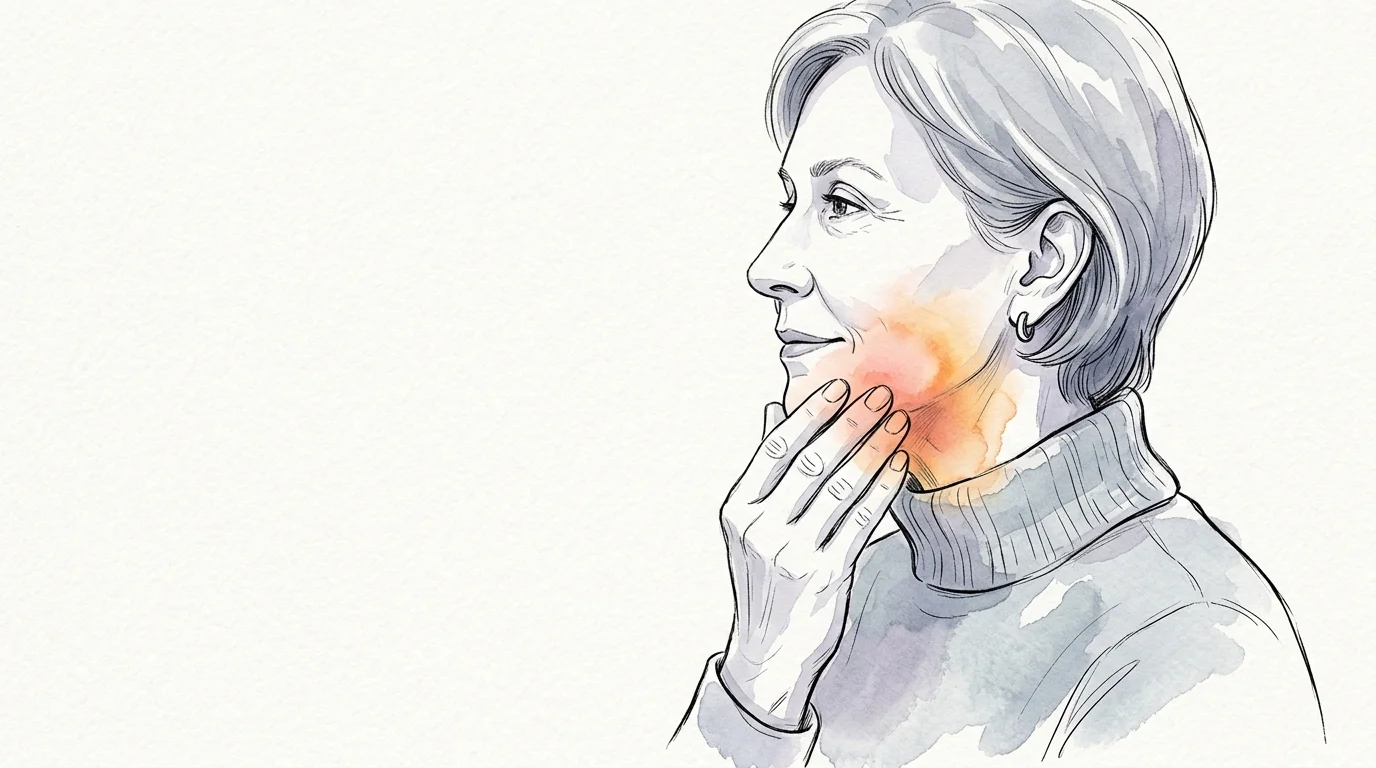
While a persistent ache in your mouth might prompt a call to your dentist, uncomfortable sensations radiating through your lower jaw, teeth, or chin can actually indicate underlying cardiovascular stress. The vagus nerve and upper cervical nerve roots create a shared pathway between your cardiac muscle and the sensory nerves supplying your lower facial structure. When coronary arteries become narrowed or blocked, blood flow restriction triggers pain impulses that travel upward into your jaw. You might experience this sensation as a deep, aching pressure, a feeling of tight squeezing along your jawline, or even an inexplicable toothache that does not align with any known dental issue.
Recent scientific clinical research underscores how widespread these non-traditional symptoms are among mature adults. A 2025 study examining National Hospital Ambulatory Medical Care Survey data revealed that 46.7%—nearly half—of older adults diagnosed with Acute Coronary Syndrome present to emergency departments with atypical symptoms like referred jaw, back, or neck pain, shortness of breath, fatigue, or nausea, rather than classic crushing chest pain. Knowing these jaw arm or back pain heart warning signs helps you avoid dangerous delays in seeking medical attention.
This awareness is particularly crucial for women who prioritize living an active, healthy life. CDC statistics show that heart disease causes approximately 1 in 5 female deaths in the United States, accounting for 304,970 deaths in 2023. Both the CDC and American Heart Association emphasize that women are significantly more likely than men to exhibit non-chest pain warning signs, frequently describing heart related pain in jaw and back regions accompanied by subtle breathlessness or sudden nausea. If you develop unexplained lower jaw tightness during routine physical activities, do not dismiss it as joint stiffness; listen to your body and consult a healthcare provider promptly.
For a wide range of resources for older adults, visit AARP and the National Council on Aging (NCOA). Health information is available from the National Institute on Aging.

Tip #3: Spot Left or Right Arm Discomfort Beyond Muscle Soreness
For decades, popular culture has depicted cardiac events as sudden, intense pain radiating exclusively down the left arm. While left arm heaviness remains a classic sign, cardiac stress can express itself in either arm, both arms simultaneously, or even travel down into your wrists and fingers. The nerve pathways supplying your upper limbs branch directly off the thoracic spine, where your heart’s autonomic nerves enter the central nervous system. As a result, cardiac ischemia can produce a sensation of numbness, tingling, burning, or sudden weakness in your arms that feels completely distinct from a routine exercise soreness or joint fatigue.
Understanding these unusual heart attack warning signs can truly save your life, especially considering how quietly cardiac events can develop. CDC medical estimates reveal that roughly 1 in 5 heart attacks—20 percent—are classified as “silent.” During a silent heart attack, your heart muscle suffers severe structural damage due to insufficient blood flow, yet you may experience no classic crushing chest discomfort at all. Instead, you might only feel a subtle ache in your biceps, a heavy sensation in your forearms, or lingering fatigue that you might otherwise attribute to normal aging or a busy schedule.
You can perform a quick self-evaluation to help determine whether arm discomfort warrants immediate medical attention. Ask yourself whether changing your physical posture, stretching your shoulders, or resting your arm on a pillow relieves the ache. Musculoskeletal injuries generally respond to physical adjustments or localized rest; cardiac pain, however, remains persistent regardless of arm position and often intensifies during physical exertion like walking up a steep incline. When arm heaviness occurs alongside lightheadedness, unexplained cold sweats, or sudden breathlessness, treat it as a medical priority and seek an immediate professional evaluation.
For a wide range of resources for older adults, visit AARP and the National Council on Aging (NCOA). Health information is available from the National Institute on Aging.
Tip #4: Understand Upper Back and Shoulder Blade Tension
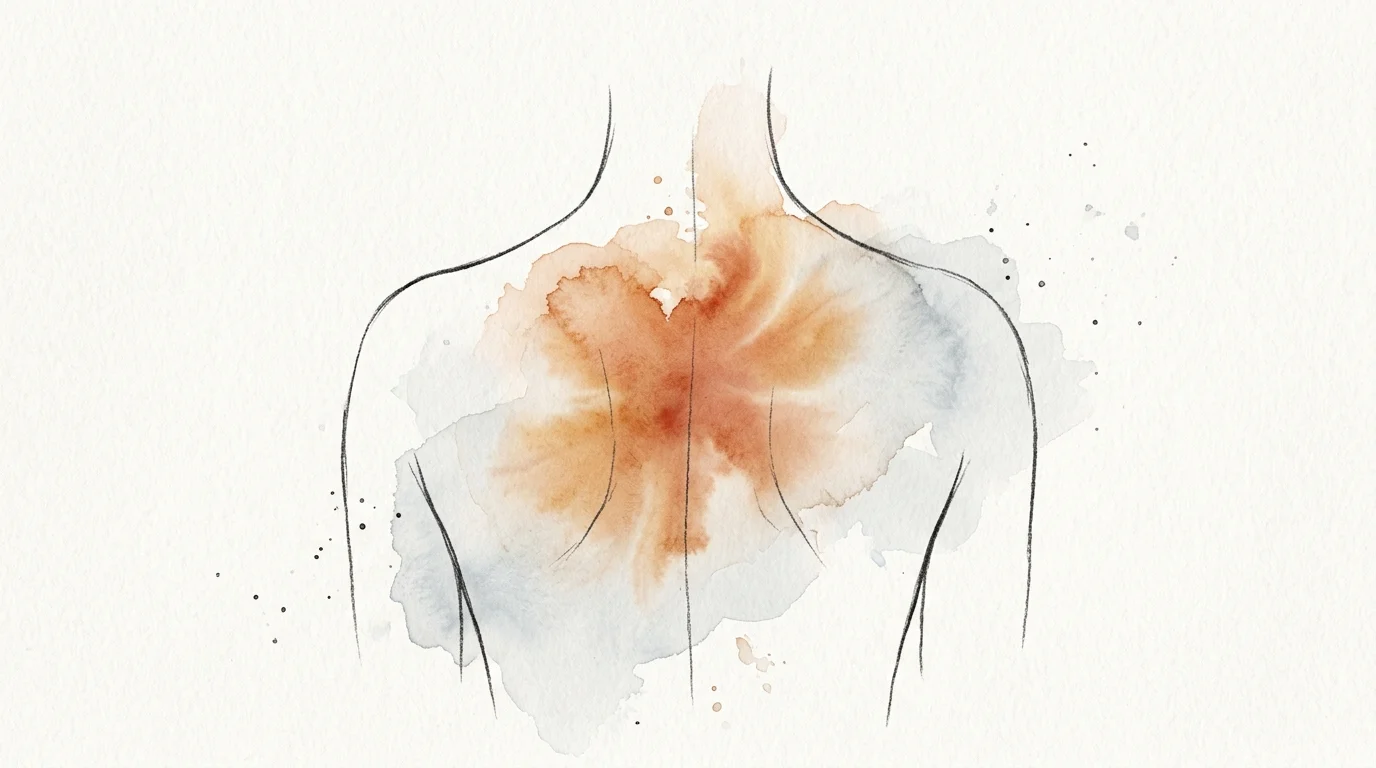
Many active older adults regularly experience back tightness from working in the garden, playing pickleball, or sitting for extended periods. However, discomfort concentrated between your shoulder blades or spreading across your upper thoracic spine can serve as a direct distress call from your heart. The nerve fibers monitoring your cardiac muscle transmit signals directly into the spinal cord, causing pain to manifest across the upper back. Individuals frequently describe this feeling as a deep, heavy oppression, a burning sensation between the shoulder blades, or a tight band wrapping firmly around the upper torso.
Because back pain is so common in mature adults, heart related pain in jaw and back areas is frequently overlooked or misattributed to mild arthritis or muscle strain. However, paying attention to the context of the pain provides vital clues. Cardiac-induced upper back discomfort usually appears suddenly without any recent physical trauma or heavy lifting. It may worsen when you walk briskly or engage in physical exercise, and it frequently coincides with other subtle systemic indicators such as unexpected cold sweats, sudden anxiety, or severe shortness of breath.
Recognizing these atypical cardiac symptom locations empowers you to advocate for your physical well-being effectively. If you suddenly experience severe upper back tightness that feels different from your routine joint stiffness—especially if it arises during emotional stress or light physical activity—do not try to stretch it out or wait for it to pass. Taking prompt action by contacting emergency services ensures that physicians can evaluate your cardiovascular status quickly, preserving your heart function and protecting your active lifestyle for years to come.
For a wide range of resources for older adults, visit AARP and the National Council on Aging (NCOA). Health information is available from the National Institute on Aging.
Tip #5: Take Proactive Action to Safeguard Your Heart Health
Knowledge becomes true empowerment when you translate it into a clear, practical action plan. Protecting your cardiovascular health begins with building strong wellness habits, establishing baseline medical metrics, and knowing exactly what steps to take if you or a loved one notices referred pain heart attack symptoms. Your emergency strategy should be simple, direct, and clearly understood by everyone in your household so you can act without hesitation when seconds count.
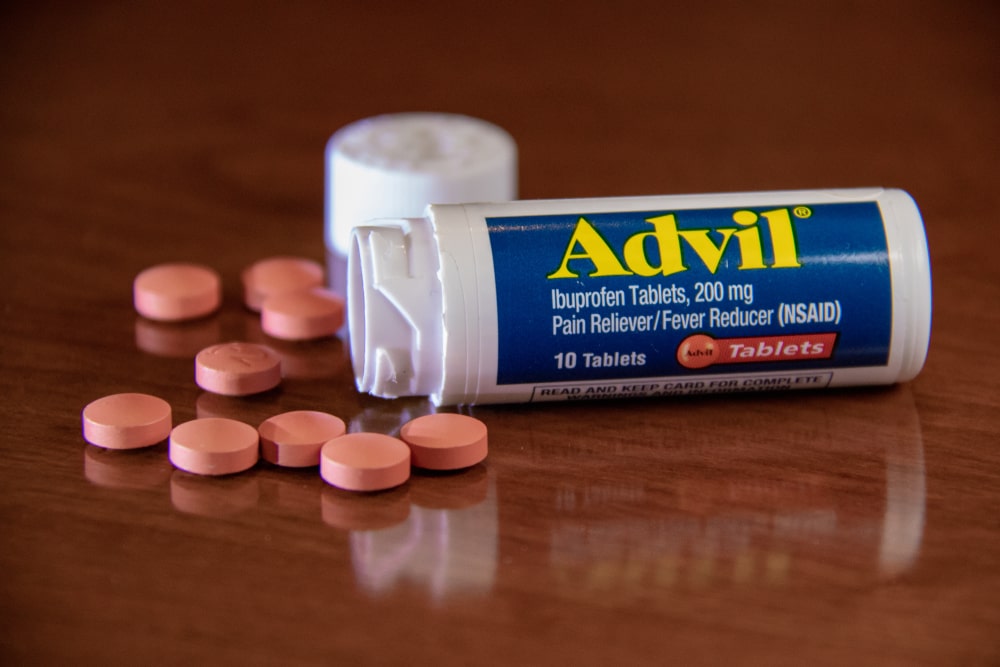
If you experience unexplained jaw arm or back pain heart warning signs, call 911 or your local emergency number immediately rather than attempting to drive yourself to the medical center. Emergency medical service personnel can begin diagnostic evaluations—such as an electrocardiogram—and initiate life-saving treatments the moment they arrive at your home. While waiting for emergency responders, sit down, remain calm, and ask the dispatcher if you should chew an uncoated aspirin, which can help reduce blood clotting in your coronary arteries if medically appropriate for your individual condition.
In addition to emergency preparedness, invest in daily preventative cardiovascular care. Schedule regular annual checkups with your primary care physician to monitor your blood pressure, cholesterol levels, and blood sugar levels. Keep an up-to-date printed list of your current medications, medical conditions, and emergency contacts on your refrigerator or in your wallet where first responders can easily locate it. By combining vigilant symptom awareness with routine medical care, you take proactive charge of your physical health, ensuring your retirement remains full of energy, joy, and peace of mind.
Disclaimer: This article is for informational and inspirational purposes only. It is not a substitute for professional medical, financial, or psychological advice. Please consult with a qualified expert for guidance tailored to your individual needs.
For a wide range of resources for older adults, visit AARP and the National Council on Aging (NCOA). Health information is available from the National Institute on Aging.

The Takeaway: Living a More Blissful Retirement
Your retirement represents a magnificent era of freedom, personal growth, and joyful exploration. Staying informed about your body’s unique signals allows you to protect your physical vitality so you can continue traveling, spending quality time with family, and pursuing your favorite hobbies without unnecessary worry. While cardiovascular conditions present serious health considerations, understanding referred pain pathways equips you with the tools needed to recognize trouble early and seek immediate care. Embracing a proactive, informed approach to your health removes uncertainty and replaces it with lasting confidence. Prioritize your heart health today, trust your instincts whenever unusual symptoms arise, and celebrate each day knowing you are taking every necessary step to enjoy a long, vibrant, and blissful retirement.
For a wide range of resources for older adults, visit AARP and the National Council on Aging (NCOA). Health information is available from the National Institute on Aging.
Frequently Asked Questions
How can I tell if my jaw pain is a dental issue or a heart warning sign?
Dental pain typically centers around a specific tooth, worsens when you bite or consume hot or cold liquids, and often involves visible swelling or localized tenderness in your gums. In contrast, cardiac-related jaw pain affects the broader jawline or lower face, feels like a deep aching or squeezing pressure, and does not change when you press on your jaw muscles or teeth. Furthermore, heart-induced jaw discomfort often arises during physical exertion or emotional stress and may occur alongside shortness of breath, lightheadedness, or unexplained sweating.
Can heart-related pain occur in the right arm, or is it always the left arm?
While pain radiating down the left arm is the most widely recognized symptom, cardiac discomfort can certainly occur in the right arm or in both arms at the same time. The spinal nerve pathways that carry distress signals from your heart connect to nerve networks that serve both sides of your upper body. If you experience unexplained heaviness, aching, tingling, or weakness in either arm—especially if it coincides with physical exertion or breathlessness—you should treat it as a potential cardiac warning sign and seek immediate medical guidance.
Why do women experience atypical heart attack symptoms more often than men?
Biological differences in vascular anatomy and hormone levels influence how heart disease manifests in women. Women are more likely to experience microvascular disease—damage to the smaller blood vessels supplying the heart muscle—which frequently produces diffuse, referred symptoms such as jaw, neck, or back pain, extreme fatigue, and nausea rather than classic crushing chest pressure. Because heart disease remains the leading cause of death for American women, recognizing these subtle, non-traditional warning signs is critical for timely diagnosis and treatment.
What immediate steps should I take if I suspect my symptoms are heart-related?
If you experience sudden, unexplained pain in your jaw, arms, or back accompanied by shortness of breath, sweating, or dizziness, call 911 immediately. Do not attempt to drive yourself to the hospital or ask a friend to transport you, as emergency medical service teams can provide immediate diagnostic care and life-saving treatment en route. Stay as calm as possible, sit in a comfortable upright position, and inform the emergency dispatcher of all your symptoms so they can guide you on initial first-aid measures while help is on the way.