
Spotting thyroid warning signs early protects your everyday vitality and keeps your retirement active. When your thyroid produces excess hormone, your body speeds up unexpectedly; identifying subtle changes restores your natural energy quickly.
While younger people experience jittery bursts, hyperthyroidism in older adults often hides behind quiet physical shifts. Recognizing these unique patterns empowers you to safeguard your thyroid health and protect your peace of mind.
Learning these clues helps you speak with your doctor confidently to secure the right daily support. A balanced thyroid allows you to embrace each morning with steady strength, joy, and lasting wellness.
Tip #1: Spotting Unexplained Weight Loss
Shedding pounds without dieting might sound appealing at first, but sudden weight loss often signals an accelerated metabolism. When your thyroid gland produces too much hormone, your cells burn fuel faster than normal.
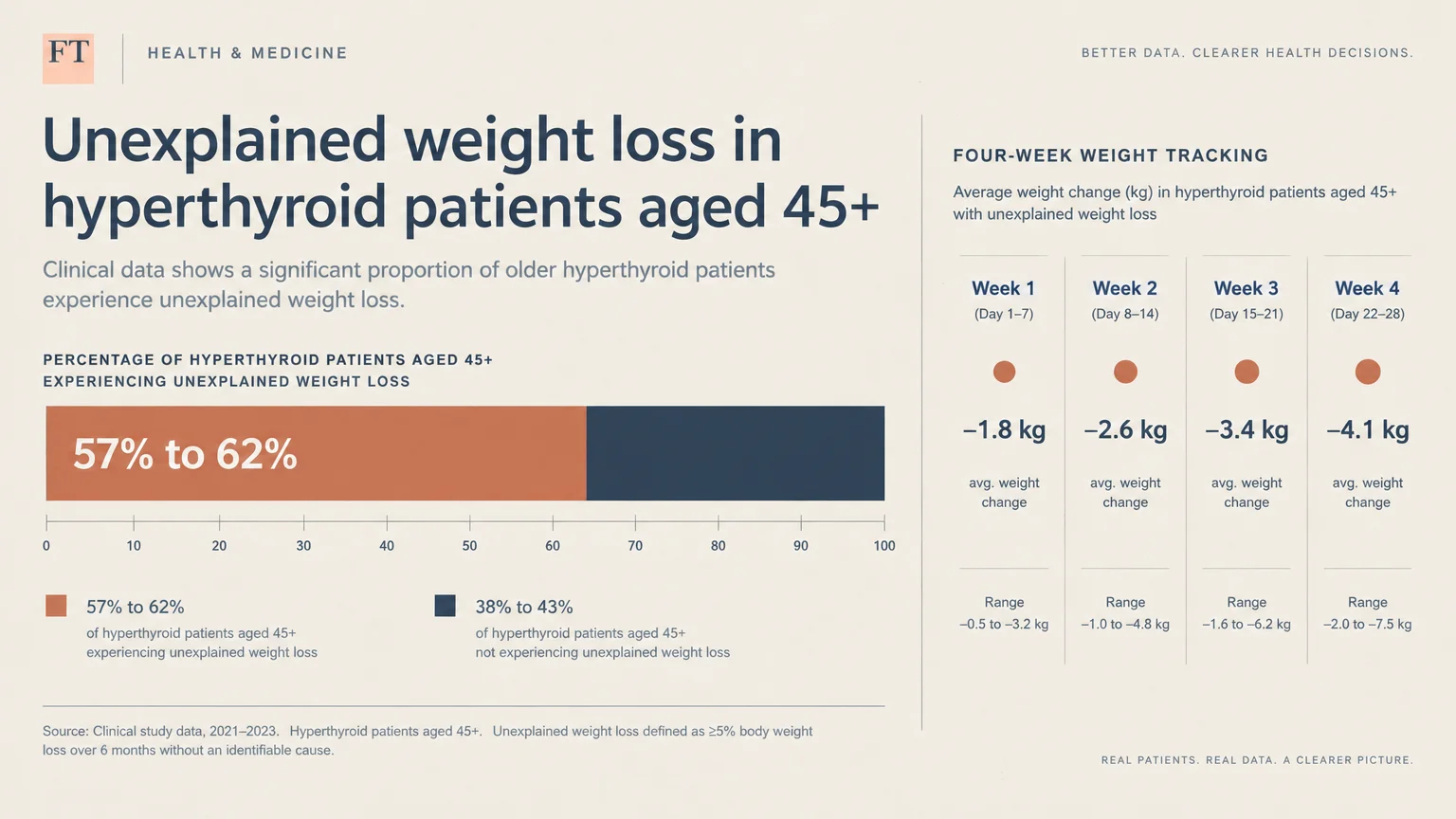
Clinical studies reveal that unexplained weight loss occurs in 57% to 62% of hyperthyroid patients aged 45 and older. In fact, it ranks among the top three most common signs of thyroid trouble in your golden years.
Unlike younger individuals who may experience constant hunger, you might lose weight even while eating your standard portion sizes. Your body simply metabolizes calories at an unnaturally rapid pace.
Pay close attention if your clothes suddenly feel loose around your waist or shoulders. Stepping on your bathroom scale once a week offers a clear, objective view of unexpected trends.
Keep a written record of your weight readings over a consecutive four-week period. Bringing concrete numbers to your healthcare appointment gives your physician immediate clarity.
You can protect your strength by adding calorie-dense, wholesome foods like avocados, walnuts, and olive oil to your meals. These healthy fats sustain your energy while you investigate any underlying shifts.
Nourishing your body with protein-rich snacks such as hard-boiled eggs or cottage cheese also prevents muscle wasting. Small dietary adjustments maintain your vitality during diagnosis.
Promptly identifying weight fluctuations helps you protect vital muscle mass and bone density. Taking action early ensures your retirement remains full of physical vitality and adventure.

Tip #2: Recognizing Persistent Fatigue and Muscle Weakness
Feeling constantly drained despite getting eight hours of restful sleep can feel deeply frustrating. Fatigue stands alongside weight loss as one of the three symptoms affecting more than 50% of older hyperthyroid adults.
Because your body operates on continuous high alert, your internal reserves deplete much faster than usual. This constant cellular exertion eventually leaves you feeling exhausted before your afternoon activities even begin.
In addition to overall tiredness, you might notice subtle muscle weakness in your thighs and upper arms. Clinicians refer to this physical symptom as proximal muscle weakness.
You might find it difficult to stand up from a deep armchair without pushing off with your hands. Climbing a familiar flight of stairs or lifting heavy grocery bags may suddenly feel unusually demanding.
Do not dismiss these physical hurdles as normal aging; your muscles are simply responding to excess hormone levels. With targeted treatment, your baseline muscular strength returns reliably.
Pace your daily chores by breaking them into manageable fifteen-minute intervals. Resting between gardening, walking, or tidying up preserves your stamina throughout the day.
Gentle seated stretches and light leg extensions keep your joints limber without overtaxing your energy reserves. Staying gently active maintains circulation while you seek medical guidance.
Discussing sudden muscle fatigue with your doctor enables you to rule out other conditions. Restoring proper hormonal balance quickly revives your natural endurance and zest for living.
Tip #3: Monitoring a Rapid Resting Heart Rate
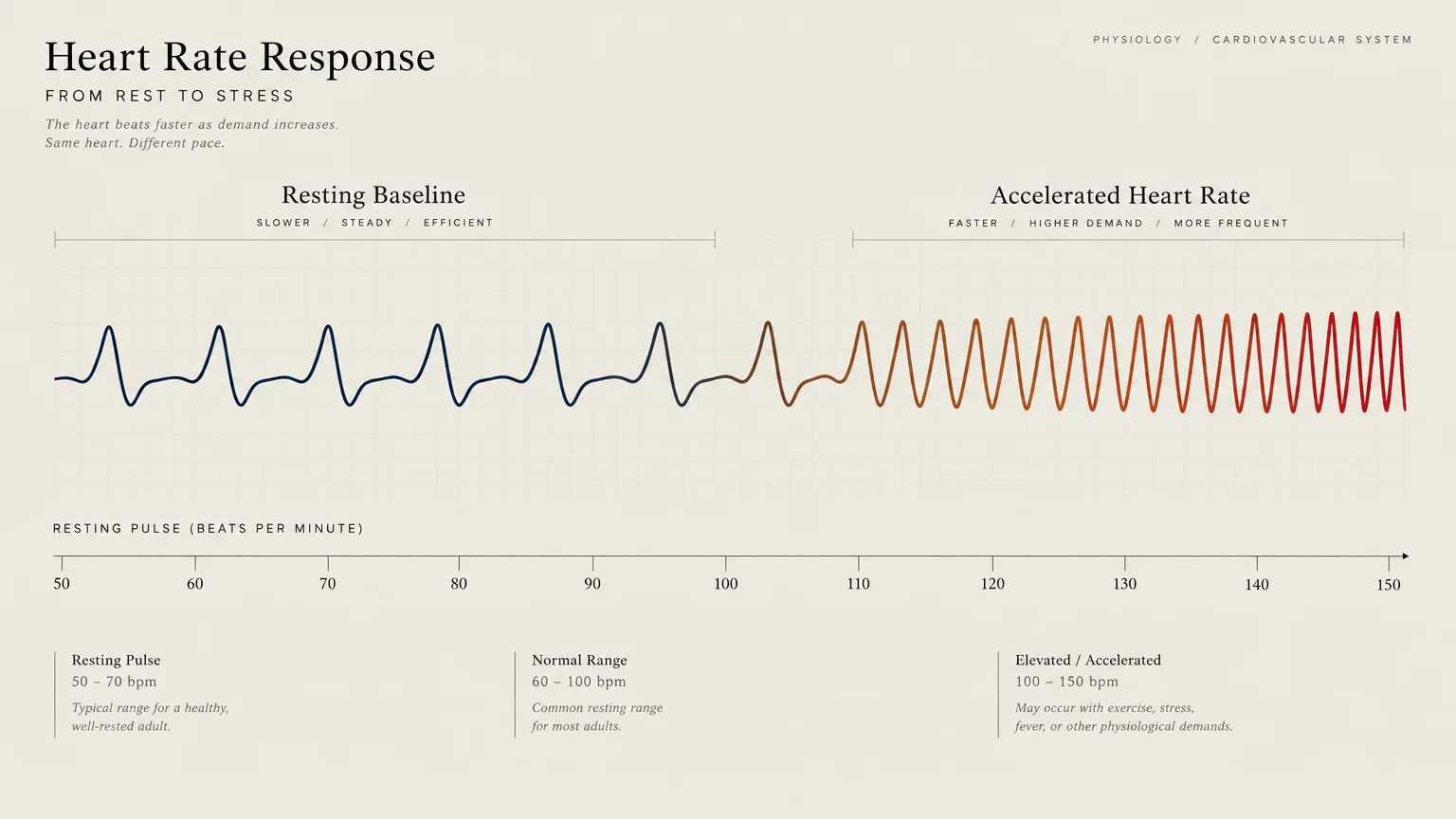
A rapid pulse, known medically as tachycardia, represents the third primary sign appearing in over half of older patients. Thyroid hormones directly stimulate your cardiovascular system, prompting your heart muscle to beat more briskly.
While an elevated heart rate makes sense during brisk walking, it should settle down when you sit quietly. Resting rates that stay elevated require thoughtful evaluation.
Check your pulse manually by placing two fingers gently on the inside of your wrist just below your thumb. Count the beats for sixty seconds while sitting comfortably in a quiet room.
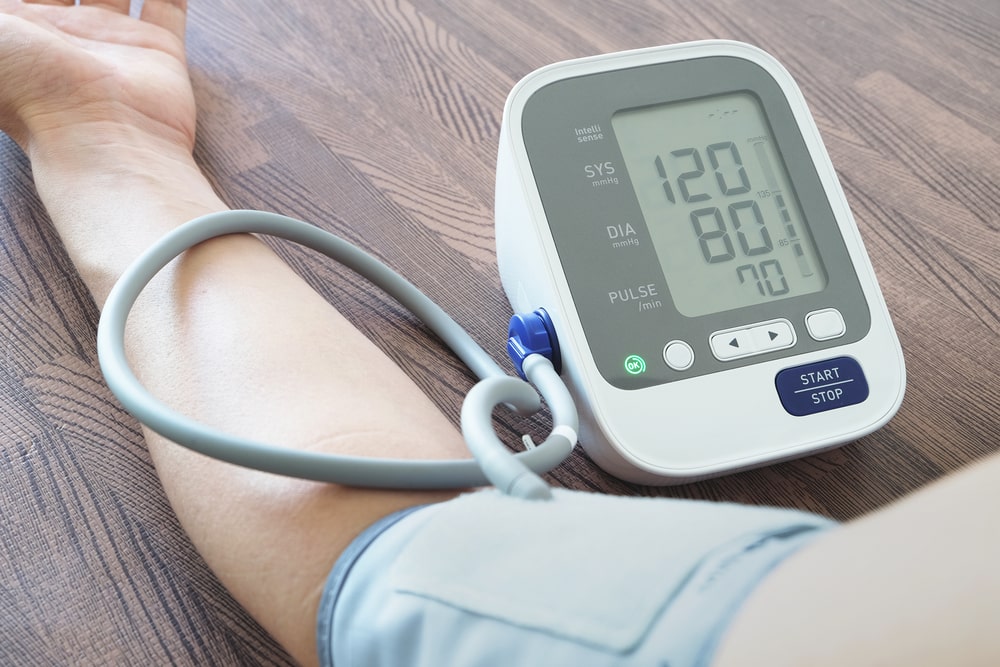
Modern smartwatches and home blood pressure monitors can also track your resting heart rate automatically. Consistent readings above 90 or 100 beats per minute during rest warrant a conversation with your clinician.
Excess thyroid hormone increases the workload on your cardiovascular walls and chambers. Identifying this swift rhythm early protects your heart from unnecessary strain.
Support your heart health by limiting excess caffeine from dark roasts or energy drinks while symptoms persist. Staying well-hydrated with cool water also supports stable blood volume.
Practice slow, diaphragmatic breathing for five minutes every morning to support natural autonomic relaxation. Calming your breath helps your body handle daily physical demands comfortably.
Managing your pulse keeps you safe, confident, and ready for your favorite hobbies. Timely medical care allows your cardiovascular system to return to its calm, steady cadence.
Tip #4: Watching for Irregular Heart Rhythms
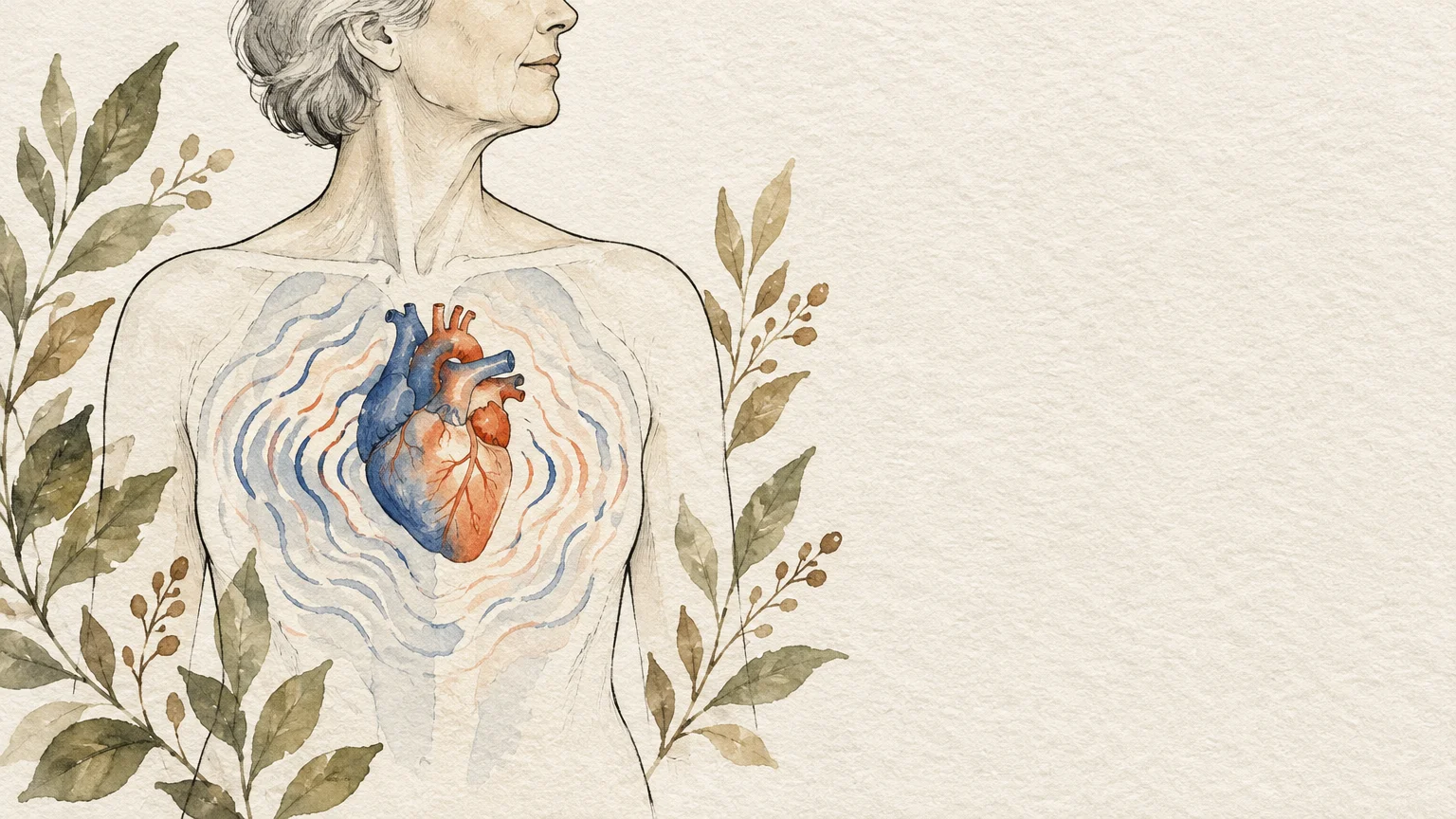
Beyond a simple rapid pulse, an overactive thyroid can cause erratic, fluttering rhythms in your chest. Older adults face a substantially higher vulnerability to rhythm disturbances than younger generations.
Clinical comparisons reveal that atrial fibrillation develops in 14% to 35% of older hyperthyroid patients. In sharp contrast, only 0% to 2% of younger patients experience this complication.
Furthermore, classic heart palpitations occur in approximately 36% of hyperthyroid adults aged 61 and older. You might feel a brief skipped beat or a sudden fluttering sensation beneath your ribs.
Atrial fibrillation disrupts normal blood flow through your heart chambers, which can elevate your risk of stroke. Prompt medical management eliminates this concern and stabilizes your rhythm.
If you notice sudden dizziness, chest tightness, or a chaotic heartbeat, seek prompt medical care. Doctors can evaluate your rhythm swiftly using a painless electrocardiogram.
Keep a simple symptom diary detailing when these fluttering episodes occur and how long they last. Sharing this timeline gives your cardiologist or primary care provider invaluable diagnostic insight.
Avoid sudden strenuous exertion while your heart rhythm remains unassessed. Gentle walking on flat ground provides safe movement without triggering unnecessary cardiovascular stress.
Taking charge of your heart rhythm protects your long-term independence. Effective therapies quickly restore smooth, dependable circulation so you can pursue an active lifestyle.

Tip #5: Paying Attention to a Decreased Appetite
Medical textbooks often describe hyperthyroid patients as ravenously hungry, but older adults frequently experience the exact opposite. Recognizing this critical difference helps you avoid overlooking an overactive thyroid.
Clinical evidence shows that anorexia, or significant loss of appetite, affects 32% of older hyperthyroid patients. Meanwhile, only 4% of younger patients report this atypical symptom.
You might find that favorite recipes no longer smell enticing, or you feel full after only a few bites. Over time, this subtle disinterest in dining contributes to unintentional weight loss.
When meals lose their appeal, try serving smaller, nutrient-dense portions across four or five mini-meals throughout your day. Soups, fruit smoothies, and Greek yogurt provide gentle nourishment without feeling overwhelming.
Enhancing your dishes with aromatic herbs like basil, rosemary, and thyme can gently stimulate sluggish taste buds. Fresh flavors make eating a more engaging sensory pleasure.
Sharing meals with friends or family members can also make dining a warm, joyful social experience. An uplifting atmosphere often encourages healthy, natural nourishment.
Let your physician know if your appetite has diminished over the past several weeks or months. Simple blood panels clarify whether your thyroid is the hidden driver behind your changing eating habits.
Restoring balanced hormone levels gently brings back your normal enjoyment of cooking and dining. Reclaiming your appetite provides the nourishment you need to thrive every single day.
Tip #6: Identifying Subtle Mood Shifts and Lethargy
While young adults often present with noticeable anxiety and restlessness, older adults frequently display a quieter presentation. Clinicians refer to this distinct pattern as apathetic hyperthyroidism.
In patients aged 61 and older, classic anxiety occurs in only 26% of cases. Instead of feeling wired or jittery, you might feel emotionally subdued, detached, or mildly depressed.
In fact, studies show that 17% of hyperthyroid patients over age 61 experience zero classic symptoms. Overall, patients aged 70 and older exhibit an average of only 6 clinical signs.
By comparison, younger patients under age 50 typically display an average of 10.8 clinical signs. Only 13% of seniors experience five or more symptoms concurrently.
You might mistake this emotional flatness or withdrawal for everyday blues or the natural aging process. However, genuine chemical imbalances in your endocrine system often cause these quiet behavioral shifts.
Engaging in brief daily conversations with close friends can lift your spirits and provide emotional grounding. Social connections help you stay attuned to your inner state.
Talk openly with trusted loved ones if you notice a lingering lack of motivation or enthusiasm. Their compassionate observations can help you spot changes you might otherwise overlook.
Treating the underlying thyroid condition lifts the emotional fog and restores your natural spark. You deserve to experience every day of your retirement with genuine clarity and enthusiasm.

Tip #7: Noting Subtle Hand Tremors
Have you noticed a slight shaking in your fingers when holding a teacup, a newspaper, or a pen? Tremors represent a classic neurological response to elevated thyroid hormone concentrations.
Clinical data indicates that hand tremors occur in approximately 37% of hyperthyroid patients over age 61. This subtle trembling results from involuntary, rapid muscle contractions triggered by overstimulation.
You can easily test for this sign at home using a standard sheet of paper. Extend your arm forward, hold your hand flat, and place the paper across your knuckles.
If the paper vibrates or flutters visibly, your nervous system may be experiencing hormonal excess. This quick, objective visual confirmation gives you practical information to share with your physician.
Some adults mistake these tremors for Parkinson’s disease or essential tremor, causing unnecessary emotional worry. A targeted thyroid evaluation provides definitive clarity and avoids misdiagnosis.
Avoid excessive stimulants like dark sodas and energy drinks, which can amplify natural tremors. Gentle hand stretches and deep breathing exercises promote physical calm.
Adaptive tools like weighted pens or wide-handled mugs can make everyday tasks easier while your treatment takes effect. Practical adjustments preserve your daily comfort and confidence.
Once your physician regulates your thyroid levels, these fine tremors usually fade away completely. You can return to writing, painting, and crafting with steady, confident hands.

Tip #8: Tracking Sensitivity to Warm Temperatures
Feeling uncomfortably hot in air-conditioned rooms or sweating while your companions feel comfortable can be an important clue. Heat intolerance appears in approximately 37% of hyperthyroid adults aged 61 and older.
An overactive thyroid accelerates your internal metabolic furnace, causing your body to generate excess heat continuously. Your system struggles to dissipate this thermal energy through standard perspiration.
You might find yourself turning down the household thermostat or switching to lightweight summer clothing in mild weather. Warm baths or sunny afternoons may leave you feeling flushed and depleted.
Keep your living spaces cool by utilizing oscillating fans and breathable cotton bedsheets. Dressing in light, removable layers allows you to adapt comfortably as your body temperature shifts.
Make a note if your temperature sensitivity developed recently rather than being a lifelong personal trait. Sudden shifts in thermal comfort provide valuable diagnostic clues for your medical provider.
Sip iced water or herbal mint tea to cool your core during warmer parts of the day. Proper hydration also replenishes fluids lost through unexpected perspiration.
Plan your outdoor walks for the cooler morning or twilight hours to avoid unnecessary heat stress. Protecting your comfort lets you stay active without feeling overheated.
Regulating your thyroid hormone production normalizes your internal thermostat. Soon, you will enjoy outdoor strolls and cozy evenings without sudden, uncomfortable overheating.

Tip #9: Checking for Sudden Sleep Disruptions
Quality sleep forms the cornerstone of daily vitality, yet an overactive thyroid can disturb nighttime rest. High circulating hormone levels stimulate your central nervous system, keeping your brain in an alert state.
You may struggle to fall asleep initially, or find yourself waking repeatedly throughout the night with racing thoughts. Fragmented sleep leaves you feeling exhausted before your day has even started.
Create a serene sleep sanctuary by keeping your bedroom dark, quiet, and cool. Eliminating television screens and digital tablets an hour before bedtime allows your brain to unwind naturally.
Incorporate relaxing evening rituals such as gentle stretching, listening to calming classical music, or reading an uplifting book. These quiet habits signal to your nervous system that it is safe to rest.
If sleeplessness persists despite excellent sleep hygiene, avoid turning to heavy over-the-counter sleep aids. These products often mask underlying medical causes without resolving the true root problem.
Keep a simple bedside log recording when you wake up and how refreshed you feel each morning. This log gives your healthcare provider actionable details during your consultation.
Instead, discuss your nocturnal waking patterns with your healthcare provider during your next checkup. A simple blood test confirms whether thyroid overactivity is sabotaging your nighttime slumber.
Restoring hormonal harmony allows you to enjoy uninterrupted, restorative sleep night after night. Waking up refreshed gives you the joyful energy to savor your retirement pursuits.
Tip #10: Reviewing Your Daily Medications and Goiter Signs
Thyroid conditions are remarkably common across the nation, affecting approximately 12% of the U.S. population during their lifetime. About 1.2% to 1.3% of Americans currently live with hyperthyroidism.
Among older adults, undiagnosed hyperthyroidism affects between 0.5% and 1.5% of the population. Understanding your personal risk factors helps you stay proactive about your long-term health.
Interestingly, the causes of hyperthyroidism shift dramatically as you age. While Graves’ disease dominates in younger demographics, nodular thyroid disease takes center stage in mature adults.
In patients over age 55, toxic multinodular goiter accounts for 43.1% of cases. Graves’ disease causes 21.4%, while toxic adenoma accounts for 11.8% of diagnoses.
Furthermore, medication overtreatment causes 16.0% of hyperthyroid cases in adults older than 55. General prevalence drops from 1.3% to 0.4% when excluding individuals taking thyroid hormone preparations.
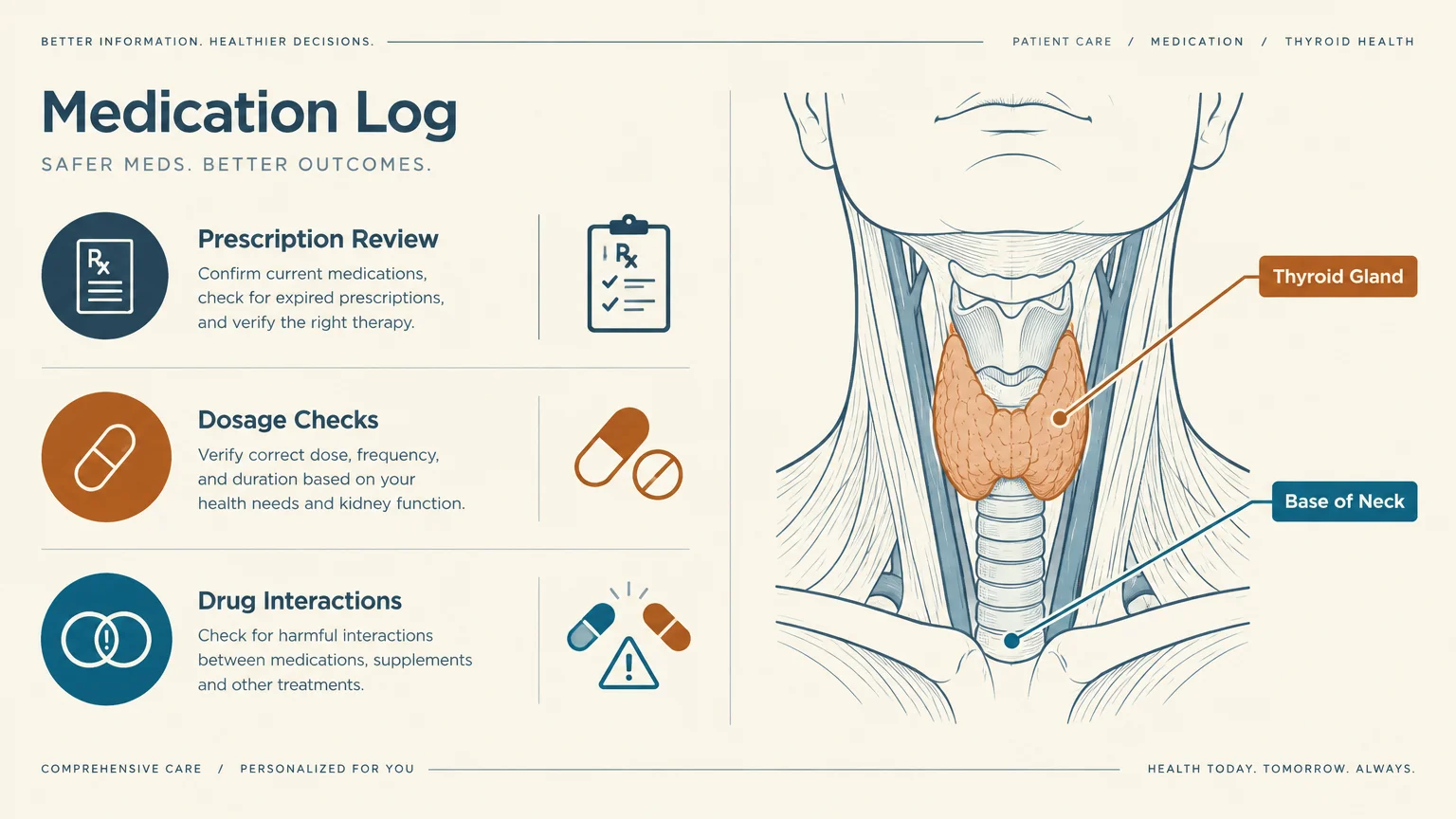
If you take levothyroxine for an underactive thyroid, your dosage needs can change over the years. Over-replacement pushes your body into an unintended overactive state known as iatrogenic thyrotoxicosis.
Physical signs like neck swelling or goiter appear in only 13% of patients over age 61. Digestive changes like diarrhea also appear in just 13% of mature adults.
Gently feel the front of your neck while swallowing water to check for any unusual firmness or lumps. Mention any localized fullness to your doctor during routine examinations.
Schedule an annual TSH blood test with your physician to evaluate your precise hormone levels. Regular monitoring ensures your medication dosage matches your evolving metabolic needs perfectly.
Maintaining open communication with your doctor keeps your thyroid balanced and your body thriving. Thoughtful oversight guarantees a healthy foundation for all your retirement dreams.

The Takeaway: Living a More Blissful Retirement
Your golden years should be filled with vibrancy, peaceful mornings, and meaningful connections. Recognizing the nuanced signs of an overactive thyroid gives you the power to protect your wellness.
Because mature adults experience fewer classic symptoms, staying observant makes all the difference. Gentle self-awareness allows you to catch subtle hormonal shifts before they impact your daily joy.
A simple, routine blood test can evaluate your thyroid stimulating hormone levels within days. Modern medical treatments are gentle, highly effective, and tailored to support your unique lifestyle.
Partnering proactively with your healthcare provider ensures your heart, muscles, and mind stay energized. You hold the tools to preserve your vitality and embrace every adventure ahead.
For a wide range of resources for older adults, visit AARP and the National Council on Aging (NCOA). Health information is available from the National Institute on Aging.
Celebrate your wellness by taking practical, positive steps for your health today. A balanced body opens the door to a happy, active, and deeply fulfilling retirement.
Frequently Asked Questions
How do doctors diagnose an overactive thyroid in seniors?
Physicians primarily use a simple blood test measuring thyroid stimulating hormone, or TSH, alongside free thyroxine levels. Low TSH combined with elevated thyroxine confirms the diagnosis clearly and reliably.
Your doctor may also order a thyroid ultrasound or scan to check for nodules. These non-invasive tests provide detailed images of your gland structure.
Why do older adults have fewer thyroid symptoms than younger people?
Aging changes how your sympathetic nervous system responds to circulating hormones, blunting classic hyperactive symptoms. Consequently, older adults experience subtle, apathetic signs rather than dramatic restlessness.
This distinct biological response makes routine laboratory screenings especially valuable for adults over age 50. Regular checkups ensure timely detection even when overt signs remain hidden.
Can an overactive thyroid resolve on its own?
While temporary thyroid inflammation can occasionally subside, most cases require active medical management. Leaving hyperthyroidism untreated strains your heart and accelerates bone density loss.
Working closely with your physician allows you to explore safe options like medications or radioiodine therapy. Targeted care promptly stabilizes your system and protects your long-term health.
How often should I have my thyroid levels tested?
Most clinicians recommend checking your thyroid levels annually during your routine Medicare wellness visit. If you take thyroid medications, you may need testing every six to twelve months.
Always contact your doctor between scheduled checkups if you experience unexpected weight loss, heart fluttering, or profound fatigue. Prompt testing gives you swift peace of mind.
Disclaimer: This article is for informational and inspirational purposes only. It is not a substitute for professional medical, financial, or psychological advice. Please consult with a qualified expert for guidance tailored to your individual needs.