
You can reclaim your active lifestyle and enjoy retirement when you understand what your spine is trying to tell you. Identifying specific symptoms gives you the power to find targeted relief and protect your everyday mobility.
Learning the true lower back pain meaning helps you distinguish simple muscle tension from structural changes. With this knowledge, you can make confident choices alongside your healthcare provider.
Exploring the various types of back pain allows you to take proactive steps toward enduring vitality. You deserve to spend your golden years pursuing your passions with strength and comfort.
Tip #1: Dull, Muscular Aches from Everyday Strain
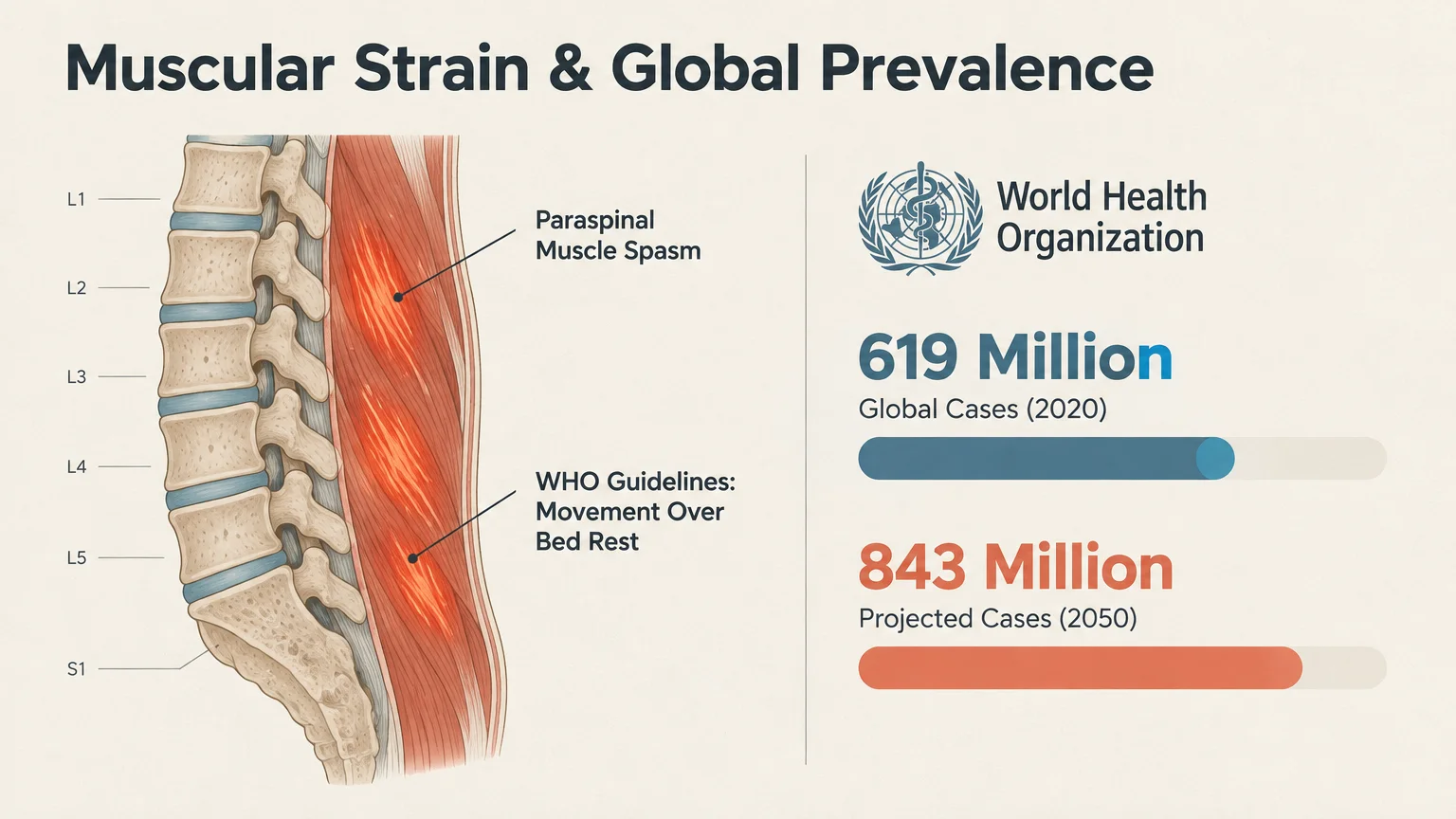
A persistent, dull ache across your lower back often points to a simple muscular strain. Lifting heavy garden soil, bending awkwardly, or trying a new workout can easily overstretch delicate muscle fibers.
Muscular fatigue represents one of the most frequent back pain causes for active older adults. When back muscles tighten up to protect injured tissue, you may notice widespread stiffness.
The World Health Organization reports that low back pain affected 619 million people globally in 2020. Researchers project this number will rise to 843 million by 2050 as populations age.
Fortunately, strained muscles heal reliably when given gentle support and smart care. Resting quietly for an afternoon helps, but long periods in bed actually slow down recovery.
Clinical guidelines issued by the WHO in December 2023 explicitly advise against prolonged bed rest. The organization emphasizes structured exercise and regular movement as premier first-line therapies.
Taking short, gentle walks through your neighborhood increases local circulation and relaxes guarded muscle fibers. Applying a warm heating pad for fifteen minutes also softens tense tissues effectively.
Listen to your body by pacing your daily chores and taking brief sitting breaks. With consistent, low-stress movement, everyday muscular strains usually subside within a few short weeks.
Tip #2: Sharp, Shooting Pain Along the Sciatic Nerve
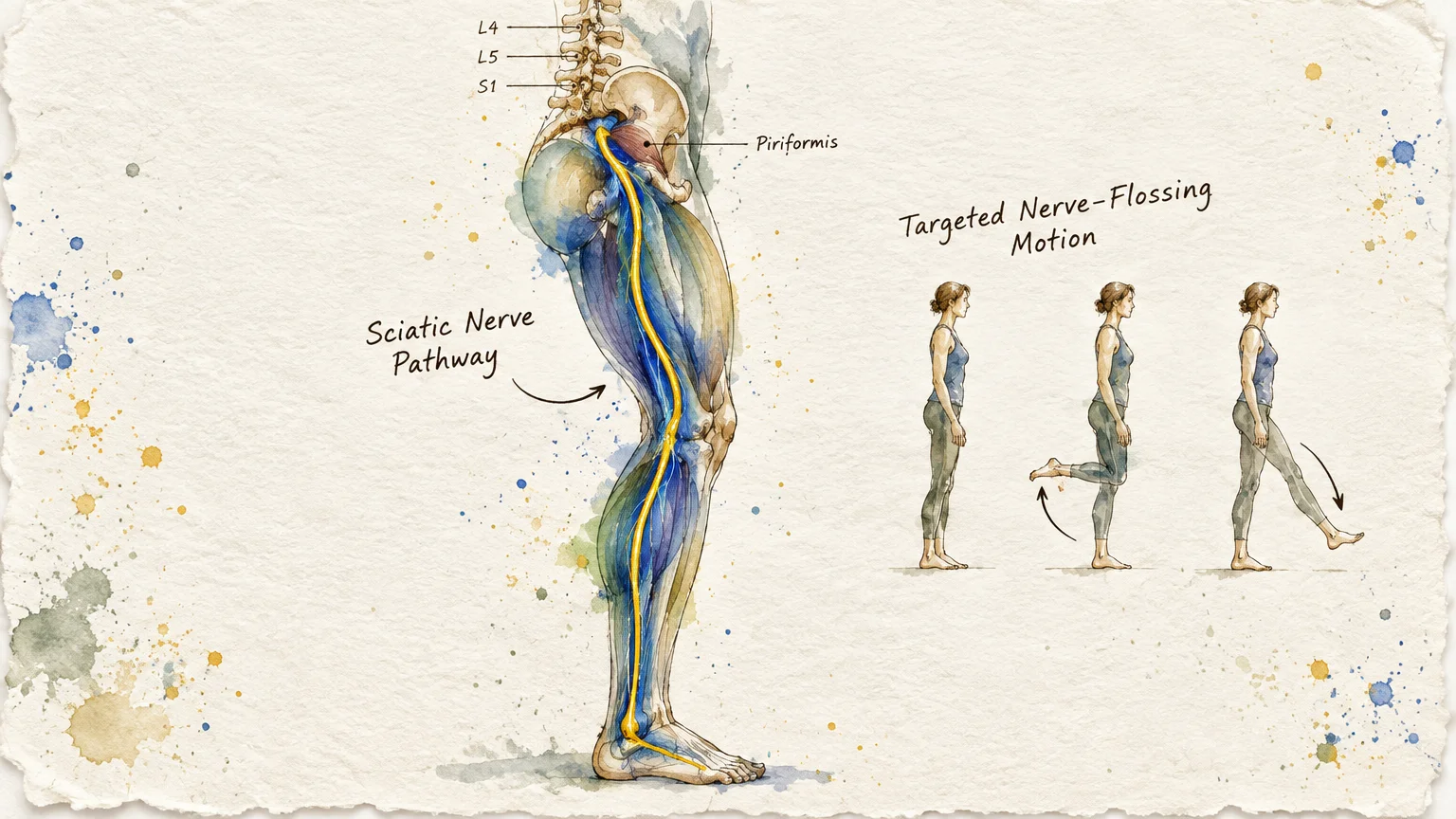
If you feel a sharp, electric jolt traveling from your lower back into your leg, you may have sciatica. This distinct sensation happens when an irritated disc or tight muscle compresses your sciatic nerve.
Understanding this specific lower back pain meaning helps you address the root cause directly. The pain often follows a distinct pathway down your buttocks, thigh, and calf.
Simple actions like coughing or sitting in a soft chair can temporarily intensify this nerve sensation. Fortunately, conservative care provides significant comfort for the vast majority of people.
Targeted back pain relief for nerve irritation focuses on reducing inflammation and easing localized pressure. Alternating cold packs with mild heat helps calm irritated nerve pathways during the first few days.
A physical therapist can guide you through gentle nerve-flossing exercises that restore smooth motion. These subtle movements help your nerve glide freely without catching against neighboring tissues.
Maintaining good seated posture also prevents unnecessary lumbar compression throughout the day. Choosing a firm chair with lumbar support keeps your spine comfortably aligned while relaxing.
Tip #3: Morning Stiffness from Spinal Osteoarthritis
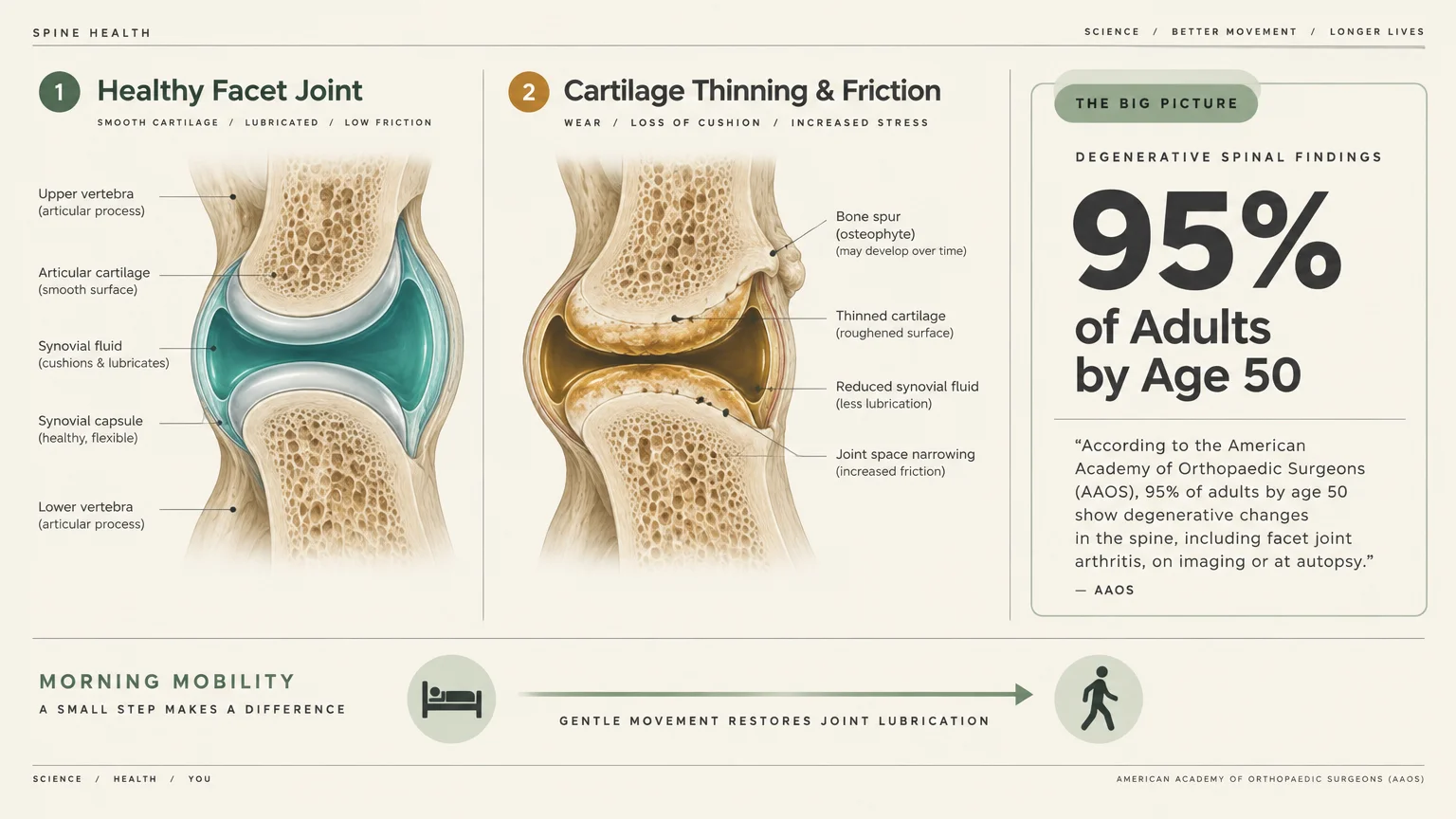
Waking up with a stiff, achy back that gradually loosens as you move often indicates spinal osteoarthritis. This condition involves the gradual thinning of protective cartilage within your spinal facet joints.
Wear-and-tear changes in spinal joints are an entirely normal part of getting older. The American Academy of Orthopaedic Surgeons notes that up to 95% of adults show degenerative spinal changes by age 50.
Imaging findings do not mean you must live with chronic discomfort or give up your hobbies. Your joints simply produce less natural lubricant when you rest in one position overnight.
Taking a warm morning shower warms your spinal joints and stimulates healthy blood flow. Gentle stretching routines before breakfast also help lubricate stiff connective tissues for the day ahead.
Low-impact activities like swimming or gentle water aerobics keep your facet joints agile without jarring impact. Water supports your body weight, allowing you to build supporting core strength comfortably.
Adopting anti-inflammatory eating habits rich in omega-3 fatty acids can also soothe joint sensitivity. Nourishing your body supports resilient joints and keeps you moving forward happily.

Tip #4: Walking Cramps from Lumbar Spinal Stenosis
If your legs feel heavy, tired, or crampy when walking through the grocery store, spinal stenosis could be present. Lumbar spinal stenosis occurs when the spinal canal narrows, crowding passing nerve roots.
Symptomatic lumbar spinal stenosis affects an estimated 10% to 11% of older adults. It has become the most frequent indication for spinal surgery in patients aged 65 and older.
A classic hallmark of stenosis is finding instant comfort whenever you lean forward over a shopping cart. Leaning forward gently opens the spinal canal, creating extra breathing room for compressed nerves.
Non-surgical management offers wonderful results for maintaining your independence and daily comfort. Stationary cycling provides an excellent cardiovascular workout because your back remains in a comfortable, slightly flexed position.
Core-strengthening exercises taught by a physical therapist stabilize your pelvis and relieve canal pressure. Strong abdominal muscles serve as an internal brace for your lower lumbar vertebrae.
Plan your outings with brief rest stops so you can enjoy excursions without pushing into fatigue. Understanding your physical patterns keeps you active, confident, and engaged with friends and family.
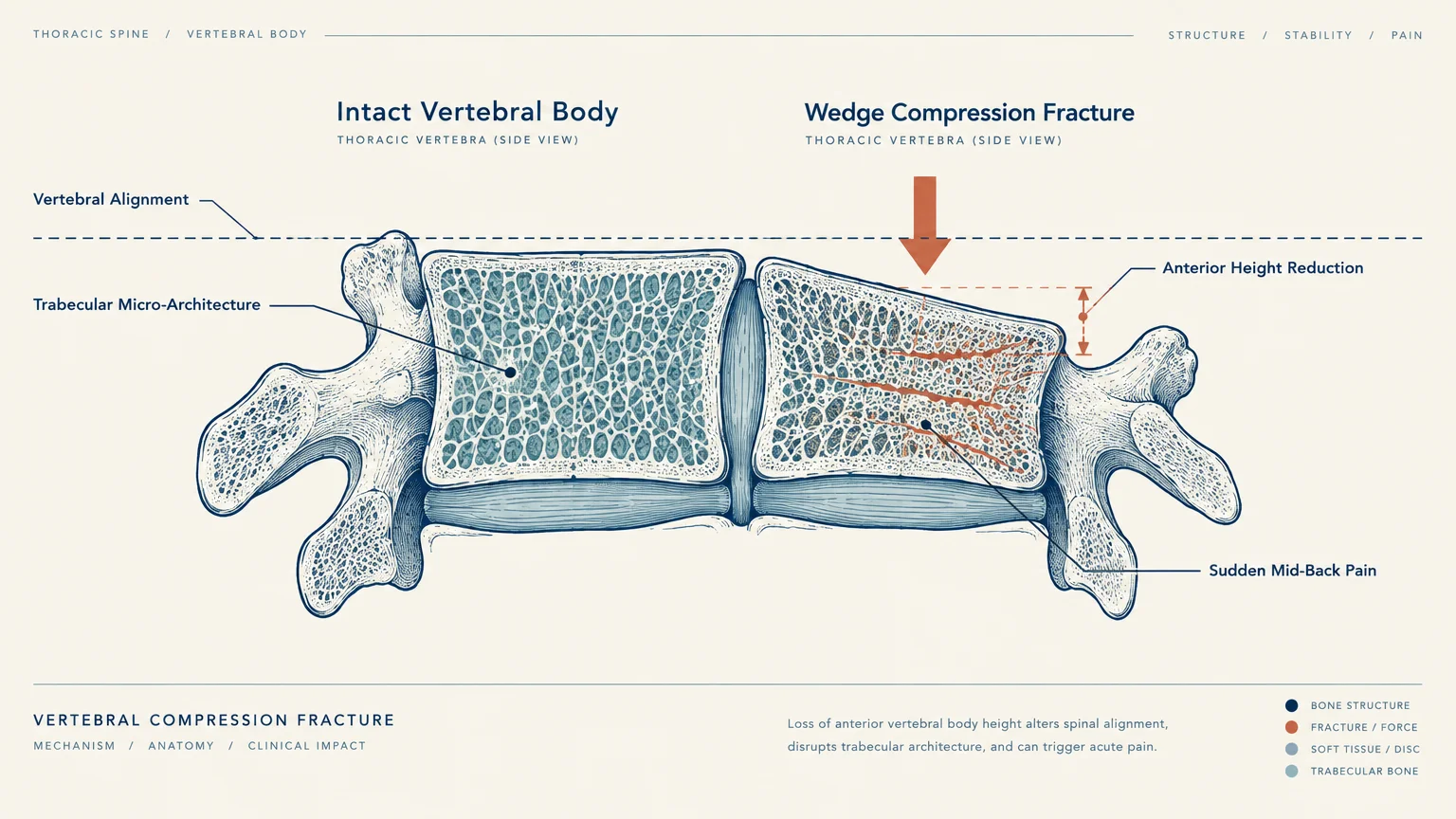
Tip #5: Sudden, Localized Bone Pain from Compression Fractures
A sudden, sharp ache in your mid or lower back following a minor twist may signal a compression fracture. Vertebral compression fractures happen when weakened spinal bones collapse under everyday physical stress.
In the United States, vertebral compression fractures occur between 700,000 and 1.5 million times each year. This makes them the single most common fragility fracture among aging adults.
The American Association of Neurological Surgeons estimates that roughly 25% of all postmenopausal women experience a vertebral fracture. Over two-thirds of these fractures remain silent and are discovered incidentally on routine X-rays.
If you notice sudden pinpoint spine soreness or a slight loss in height, schedule an evaluation promptly. A simple bone density scan helps your doctor determine your current bone strength.
Protecting your bone architecture involves consuming adequate calcium and vitamin D alongside appropriate medical treatments. Weight-bearing exercises like brisk walking stimulate bone-rebuilding cells and strengthen your skeletal framework.
Working on balance reduces fall risks, keeping your spine safe and stable during daily routines. Being proactive about bone density ensures that you continue enjoying retirement with steady confidence.
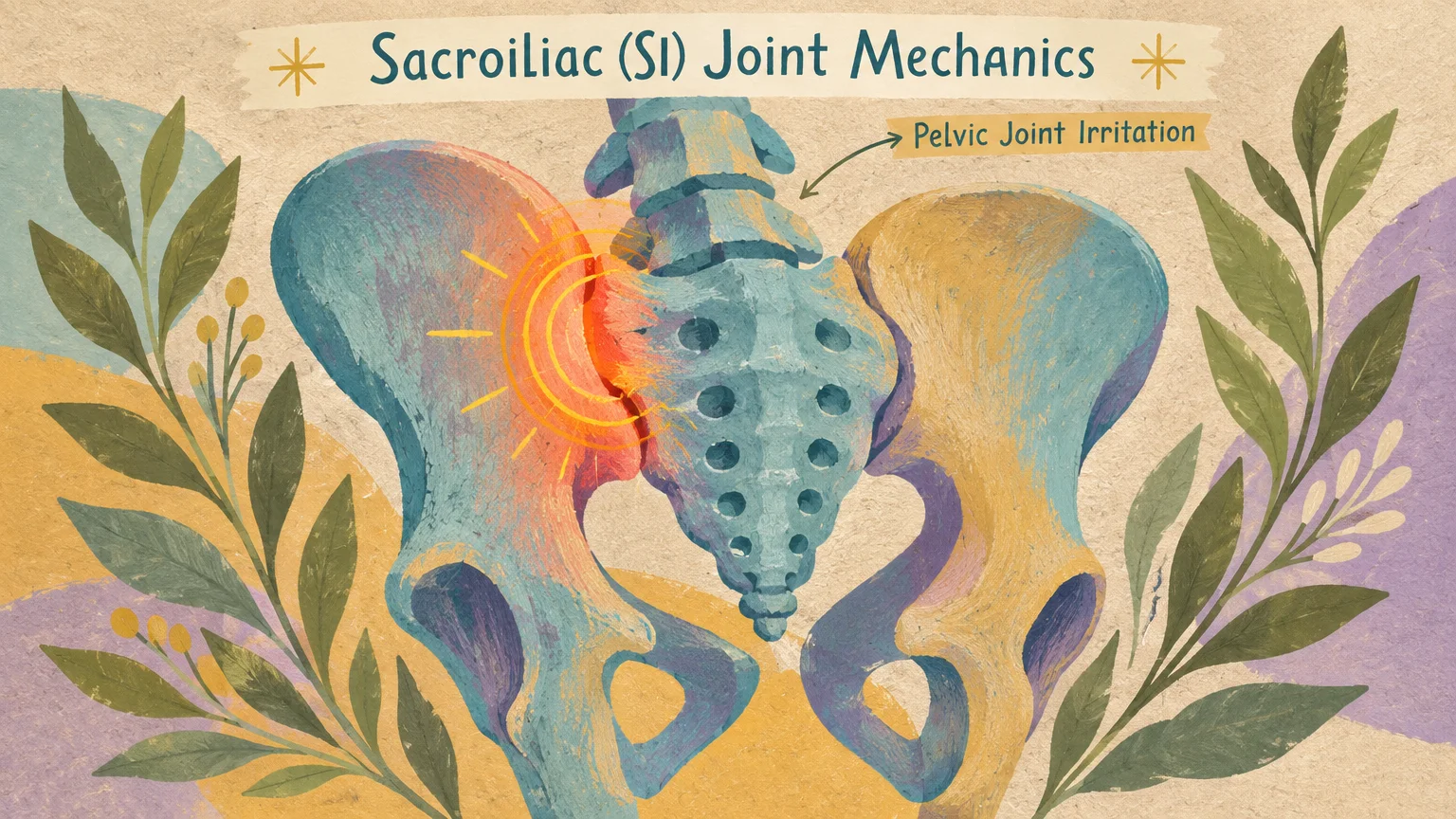
Tip #6: Localized Pelvic Throbbing from Sacroiliac Joint Issues
Pain located low in your pelvis, slightly off to one side of your tailbone, frequently stems from the sacroiliac joint. This crucial joint connects your spine to your pelvis, absorbing physical loads during walking.
Sacroiliac joint dysfunction often mimics hip pain or lumbar disc issues, creating confusion for many seniors. Stepping off a curb awkwardly or walking on uneven ground can irritate this sturdy joint.
You may notice that rolling over in bed or standing up from a low armchair triggers a localized throb. Identifying this unique pattern helps you seek accurate treatments tailored to pelvic mechanics.
Targeted physical therapy stabilizes the ligaments surrounding your pelvis through customized hip strengthening. Strengthening your gluteal muscles and lower abdominals reduces shearing stress on the sacroiliac articulation.
Applying an ice pack to your upper buttock area eases localized inflammation after long periods on your feet. Pairing cold therapy with gentle pelvic-tilt exercises encourages proper joint alignment.
Investing in supportive, cushioned walking shoes provides superior shock absorption on hard pavement. Protecting your pelvic foundation ensures that everyday strolls remain enjoyable and pain-free.
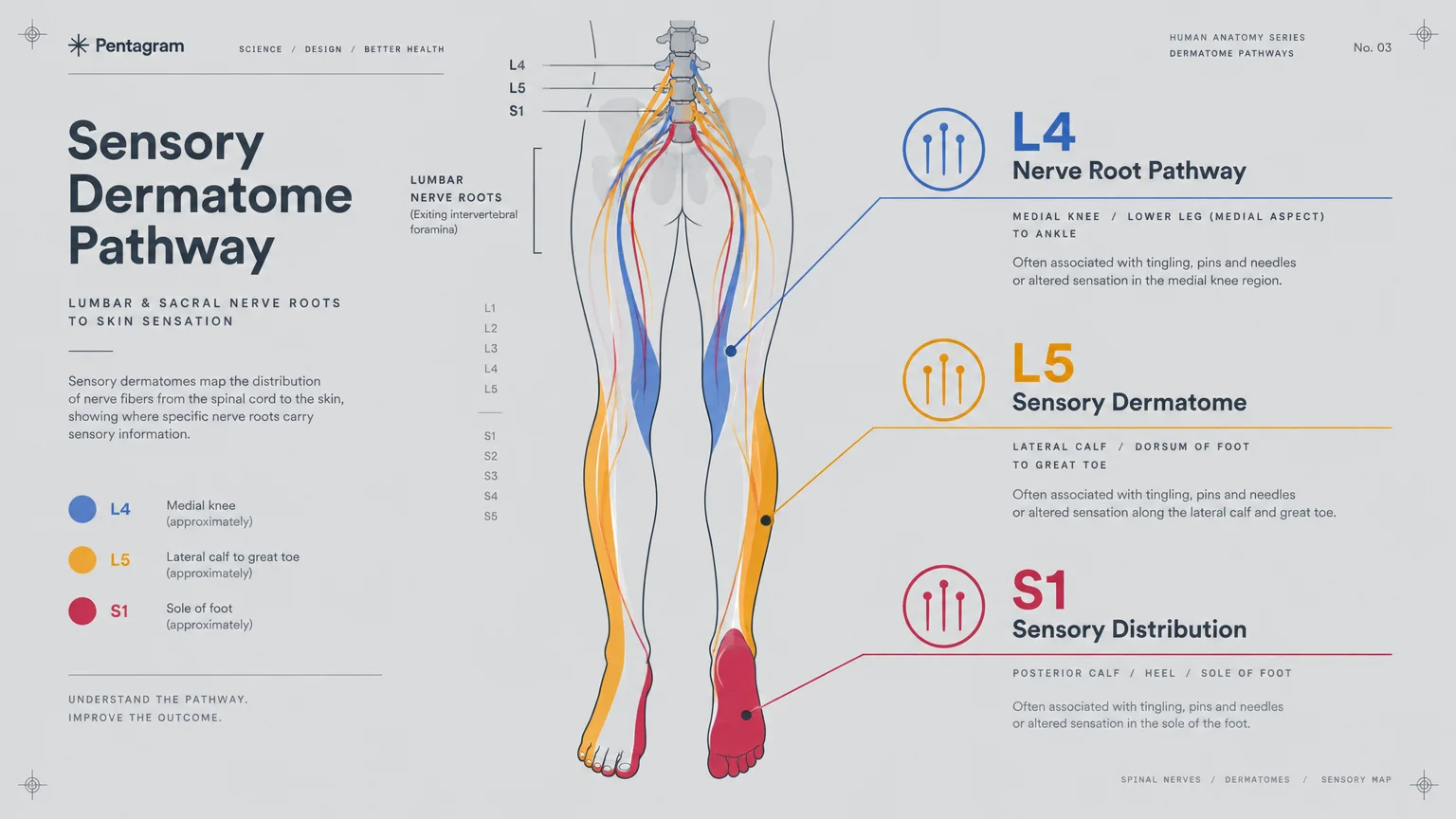
Tip #7: Persistent Tingling from Pinched Nerve Radiculopathy
A persistent pins-and-needles sensation spreading into your extremities often signals radiculopathy. This condition develops when a narrowed nerve exit point pinches a spinal nerve root near your vertebrae.
While radiculopathy can cause uncomfortable numbness, modern conservative therapies offer excellent paths to relief. Your body possesses an impressive ability to adapt and remodel when supported with gentle movement.
The WHO clinical guidelines published in December 2023 emphasize education and structured exercise over invasive interventions. Active therapies empower you to restore nerve mobility while boosting your overall stamina.
Therapists often recommend specific posture adjustments that widen spinal exit pathways during daily activities. Simple chin tucks or seated lumbar extensions can take direct pressure off sensitive nerve tissue.
Practicing mindfulness or cognitive behavioral techniques also helps soothe the heightened nerve sensitivity associated with chronic irritation. Calming your nervous system reduces pain signals and fosters peaceful sleep.
Celebrate small daily improvements in strength and sensation as your body heals. Consistent, compassionate care helps you maintain vibrant mobility throughout your golden years.
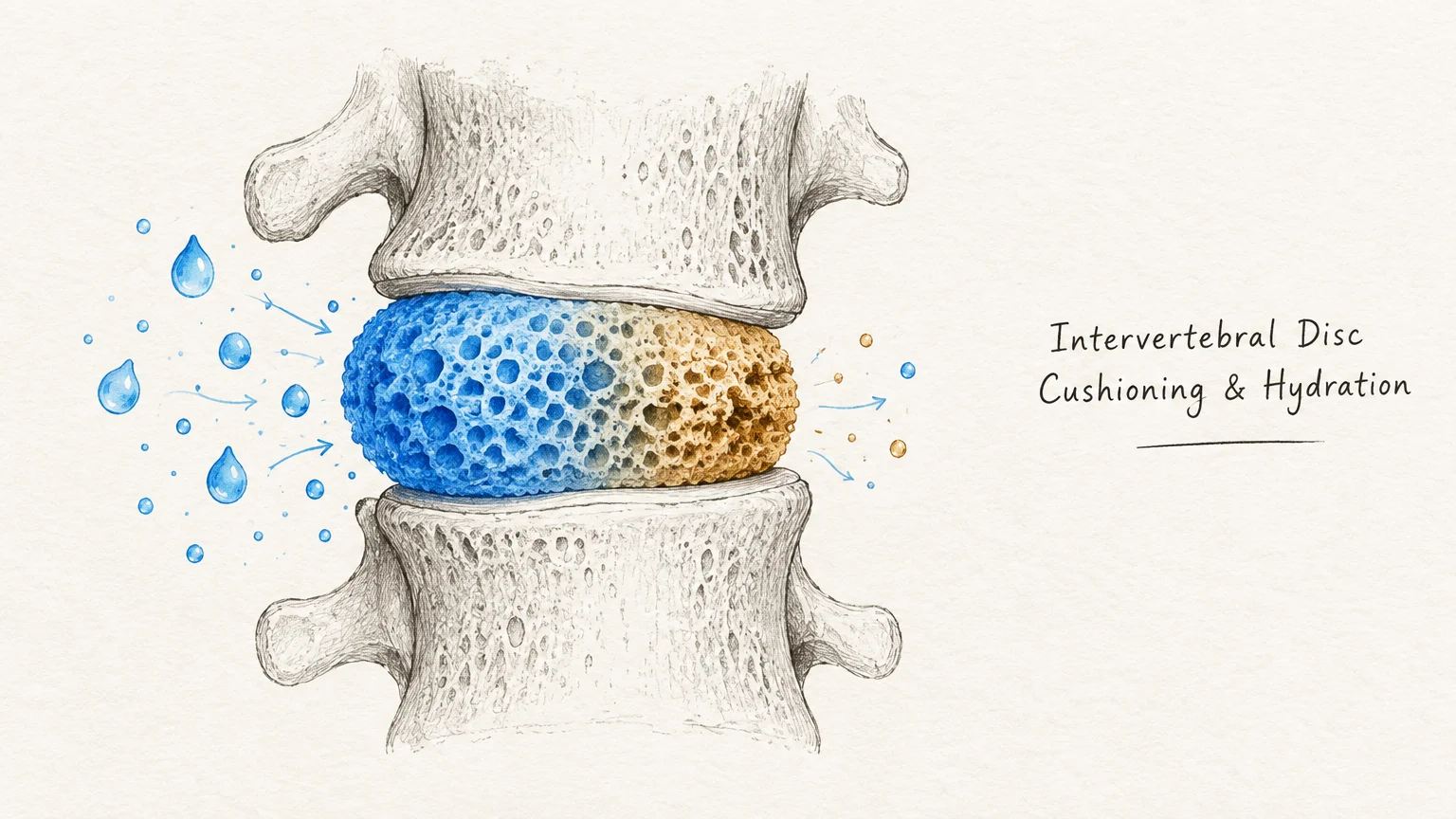
Tip #8: Chronic Centralized Aches from Degenerative Disc Changes
A chronic, low-grade ache centered in your lower back that worsens during prolonged sitting points to degenerative disc changes. Spinal discs naturally lose hydration and elasticity as we collect wonderful life experiences.
Learning that your discs show wear can feel intimidating, but it is a natural biological shift. The American Academy of Orthopaedic Surgeons emphasizes that disc wear appears in almost all healthy adults.
Discs do not contain extensive blood vessels, so they rely on physical movement to absorb nourishing fluid. Gentle motion acts like a sponge, drawing hydration and nutrients into the disc matrices.
The WHO guideline advises against passive modalities like routine ultrasound, spinal traction, and lumbar support braces. Instead, active physical conditioning delivers meaningful, long-lasting back pain relief.
Take frequent movement breaks every thirty minutes if you enjoy reading, crafting, or working on the computer. Simply standing, stretching your arms overhead, and strolling across the room revitalizes your spine.
Staying properly hydrated throughout the day also supports the fluid balance of your connective tissues. Drinking plenty of water keeps your spinal structures supple, resilient, and ready for adventure.
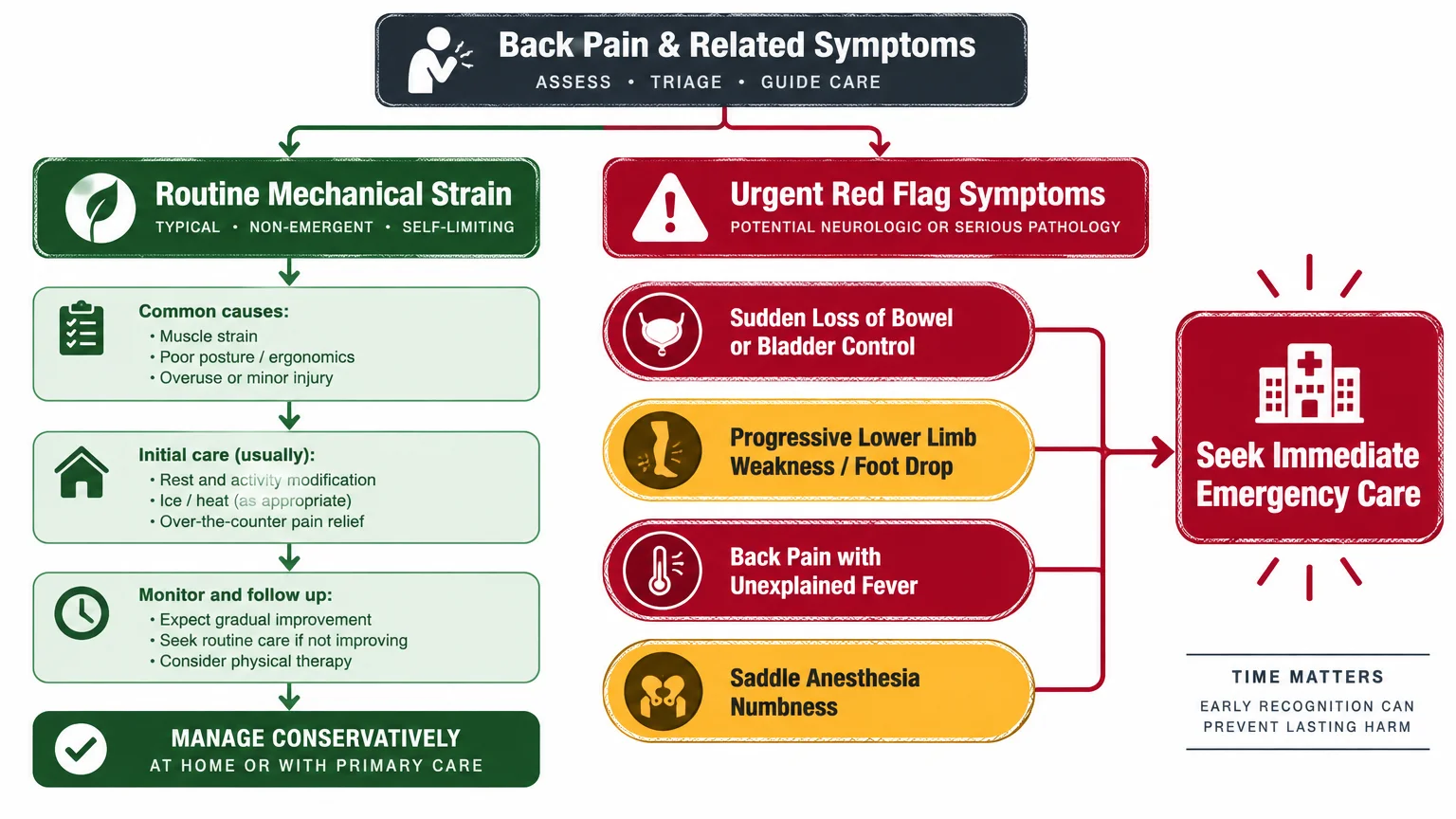
Tip #9: Urgent Red Flags and When Back Pain Is Serious
While most spinal issues resolve with gentle conservative measures, you must know when back pain is serious. Certain clinical warning signs demand immediate emergency medical evaluation to protect your long-term health.
A rare but critical emergency condition is cauda equina syndrome, which compresses the bundle of nerves below your spinal cord. This condition occurs in approximately 1 to 3 per 100,000 individuals, representing less than 1% of lower back cases.
Key red flags include sudden loss of bowel or bladder control and numbness in your groin or saddle area. You should also watch for progressive, severe weakness affecting both legs simultaneously.
Clinical surgical protocols dictate that emergency surgical decompression must occur within 24 to 48 hours of symptom onset. Prompt surgery prevents permanent loss of crucial neurological and sphincter functions.
Other urgent warning signs include unexplained fever, sudden severe pain after a high-impact fall, or a history of cancer. Never hesitate to visit an emergency department if you experience any of these serious red flags.
Knowing these safety signs gives you peace of mind so you can manage common aches without anxiety. Awareness keeps you safe, informed, and in control of your health journey.

The Takeaway: Living a More Blissful Retirement
Navigating back discomfort becomes far less stressful when you recognize the distinct messages your body sends. Knowing the different types of back pain empowers you to take decisive, positive action every day.
Modern medical research consistently shows that active movement, good nutrition, and positive mindset form the foundation of spinal wellness. You do not have to let occasional stiffness keep you from enjoying your retirement dreams.
Commit to a gentle daily routine that incorporates walking, mindful stretching, and restful sleep. Partner with your physician or physical therapist to design a customized strategy that respects your personal comfort.
Your golden years should be filled with laughter, travel, family gatherings, and rewarding hobbies. By treating your spine with kindness and attentive care, you pave the way for lasting vitality and joy.
Frequently Asked Questions
Can regular walking provide back pain relief for older adults?
Yes, regular walking is one of the safest and most effective natural remedies for spinal discomfort. Walking stimulates healthy circulation, strengthens postural muscles, and encourages spinal discs to absorb essential nutrients.
Start with short, ten-minute strolls on flat terrain and gradually increase your duration as your stamina improves. Consistency creates steady progress without straining your joints.
Why does the WHO recommend against bed rest for lower back aches?
The World Health Organization warns against bed rest because extended immobility weakens supporting muscles and stiffens spinal joints. Staying in bed can actually prolong your discomfort and delay your return to regular activities.
Gentle, low-impact movement keeps connective tissues flexible and releases natural endorphins that calm pain signals. Staying gently active helps your body heal much faster.
Are MRI scans always necessary to discover back pain causes?
No, routine imaging scans are rarely necessary for uncomplicated back aches. Because up to 95% of adults over 50 show normal degenerative changes on scans, imaging often reveals harmless wear rather than the true pain source.
A thorough physical examination by your healthcare professional usually provides all the information needed to start treatment. Doctors typically reserve scans for severe red-flag symptoms or persistent nerve deficits.
How can I tell the difference between muscle pain and nerve pain?
Muscle pain typically feels like a dull, localized ache or soreness that intensifies when you contract that muscle. It tends to remain confined to your back or shoulder area.
Nerve pain, by contrast, often creates sharp, shooting sensations, tingling, or numbness that travels down your leg or arm. Sharing these specific sensations with your doctor ensures you receive the most accurate care plan.
For a wide range of resources for older adults, visit AARP and the National Council on Aging (NCOA). Health information is available from the National Institute on Aging.
Disclaimer: This article is for informational and inspirational purposes only; it is not a substitute for professional medical, financial, or psychological advice. Please consult with a qualified expert for guidance tailored to your individual needs.