Tip #5: Dry Skin, Brittle Nails, and Thinning Hair
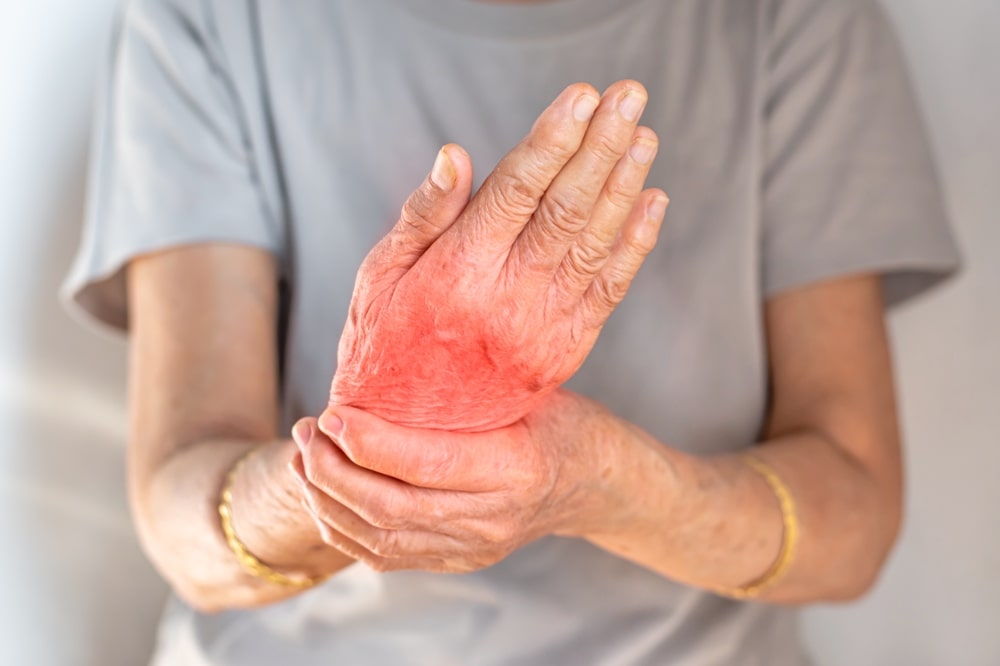
Brittle fingernails, shedding hair, and rough patches of skin often get dismissed as cosmetic inconveniences. Many retirees assume that fading skin elasticity and thinner locks are simply standard milestones of aging.
These noticeable changes frequently indicate that your thyroid hormone output has dropped below optimal levels. Because your thyroid directs cellular renewal, insufficient hormone levels slow down skin regeneration.
Women are five to eight times more susceptible to thyroid disorders than their male peers. In fact, one in eight women will develop a clinical thyroid condition during her lifetime.
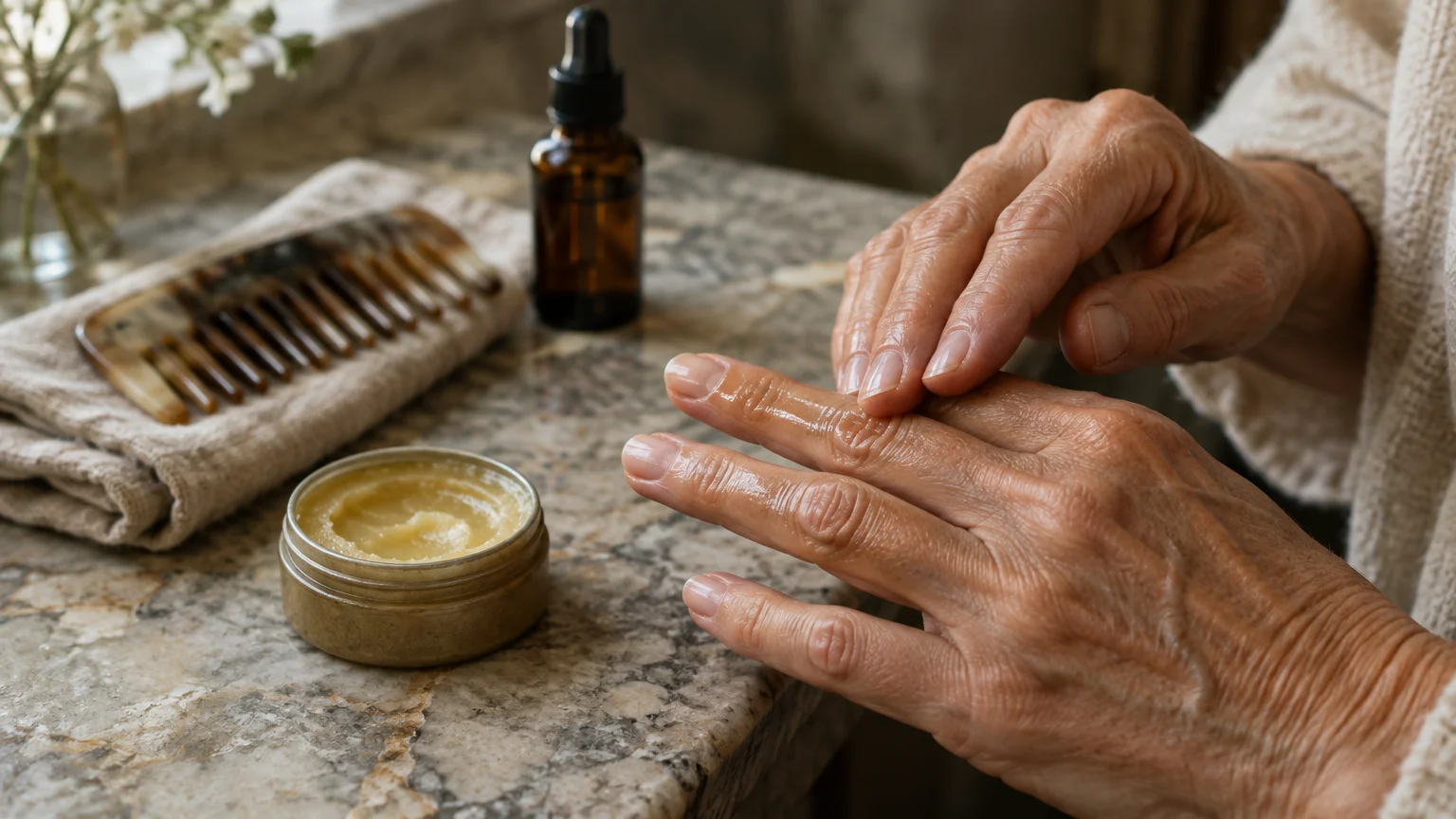
Without enough thyroid hormone, your sweat and oil glands produce less protective natural moisture. Your skin may become flaky, rough, and itchy, especially across your shins and forearms.
Your hair follicles also require steady hormonal stimulation to sustain their normal growth phases. You might notice unusual shedding in your shower drain or thinning along your outer eyebrows.
Your hair stylist or manicurist might also point out sudden changes in hair density or nail texture. These everyday observations provide valuable real-world evidence of an underlying metabolic shift.
Many individuals also experience unexpected, modest weight gain despite maintaining their usual wholesome diet. A sluggish metabolism burns fewer calories, making weight maintenance unexpectedly challenging as you age.
Restoring your thyroid balance replenishes your skin barrier and revitalizes dormant hair follicles. Over time, your fingernails regain their natural strength and your hair feels noticeably fuller.
Take note of any new dermatological changes that moisturizers and gentle conditioners fail to fix. Documenting these physical clues helps your physician make a comprehensive, well-informed assessment.
You have every right to feel confident and vibrant in your own skin throughout retirement. Proactive testing can turn frustrating physical changes into an easily managed medical success story.