

Protecting your clear vision is one of the finest investments you can make for an active, vibrant retirement. Spotting subtle early stage glaucoma symptoms gives you the power to preserve your sight and long-term independence.
Glaucoma often develops quietly over several years, yet your eyes provide clues before permanent harm occurs. Recognizing these early signals helps you take swift, proactive steps alongside your eye care professional.
An estimated 4.22 million American adults currently live with this condition, according to the CDC. Here are eleven critical signs of glaucoma to monitor so you can safeguard your vision for years to come.

Tip #1: Fading Peripheral Vision
The most common form of this condition is primary open-angle glaucoma, which accounts for roughly ninety percent of all diagnosed cases. It typically damages the fragile nerve fibers responsible for your side vision first.
You might notice small blind spots in your outer field of view while reading or walking through your neighborhood. These subtle patches often appear so gradually that your brain cleverly fills in the missing visual information.
Many seniors only discover this change when they turn their head more frequently to see items beside them. Noticing this visual narrowing is one of the most reliable glaucoma early symptoms to discuss with your doctor.
A standard visual field test conducted during an annual checkup can map your peripheral vision with remarkable precision. Catching these tiny gaps early allows your optometrist to recommend simple treatments that halt further progression.
Routine field exams ensure that you stay well ahead of any unnoticed vision loss.
Tip #2: Difficulty Adjusting to Dim Lighting
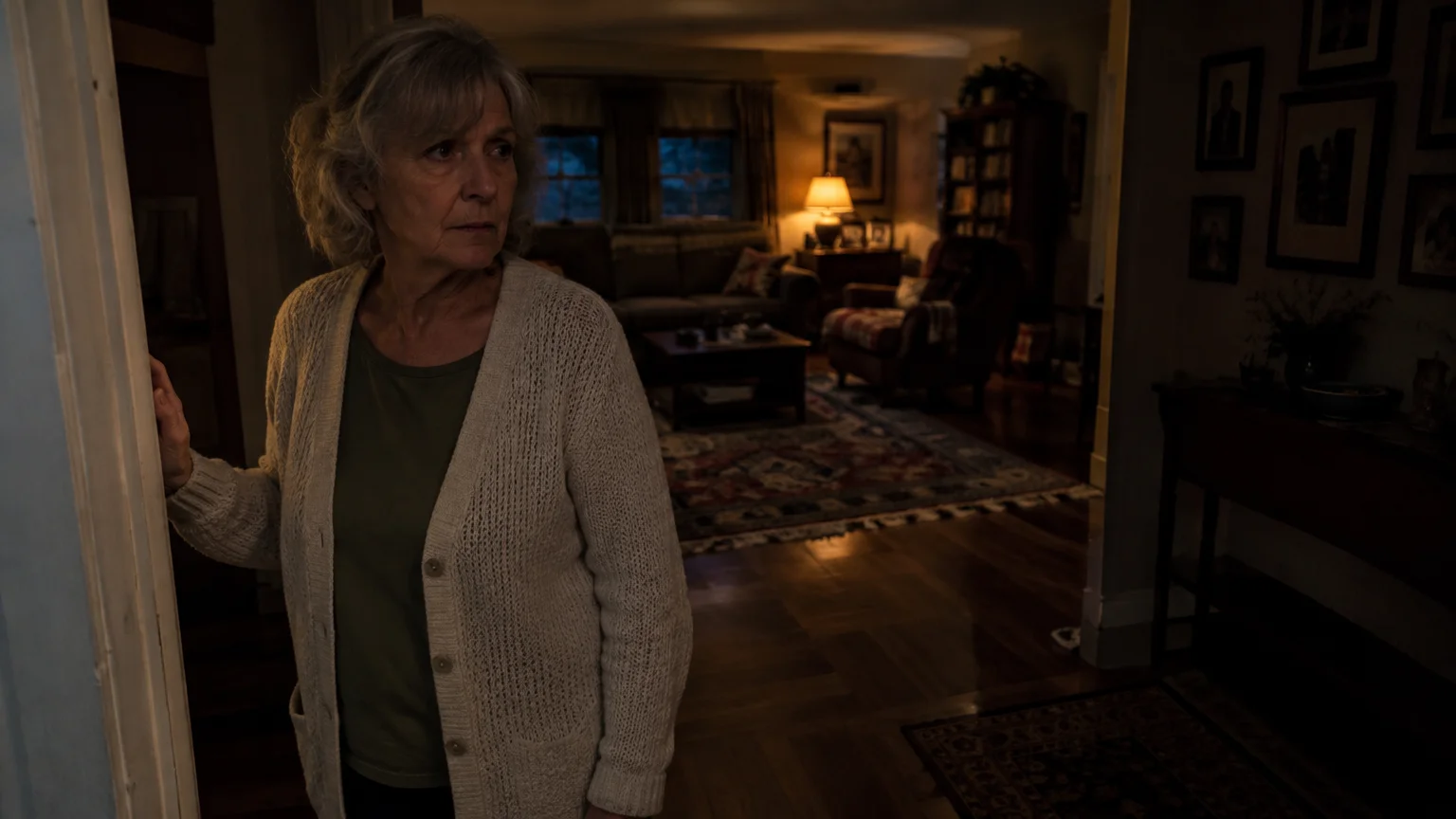
Stepping from bright sunshine into a dim movie theater or restaurant naturally requires a brief moment for your eyes to adapt. However, an unusually long delay in adjusting to low light can indicate stressed optic nerve cells.
Healthy eyes recalibrate quickly by regulating pupil size and activating rod photoreceptors across the retina. When elevated fluid pressure strains your internal ocular structures, this adaptive mechanism slows down considerably.
You might find yourself feeling disoriented or hesitant when entering darkened hallways or dimly lit living rooms. Needing significantly brighter lamps to read your evening book is another practical clue worth tracking.
Pay attention to how your eyes respond during these common daily transitions between light and shade. Mentioning prolonged dark adaptation to your eye specialist can provide invaluable diagnostic insight.
Simple environmental adjustments like installing warmer nightlights can keep your home comfortable while your doctor investigates the root cause.
Tip #3: Rainbow-Colored Halos Around Lights
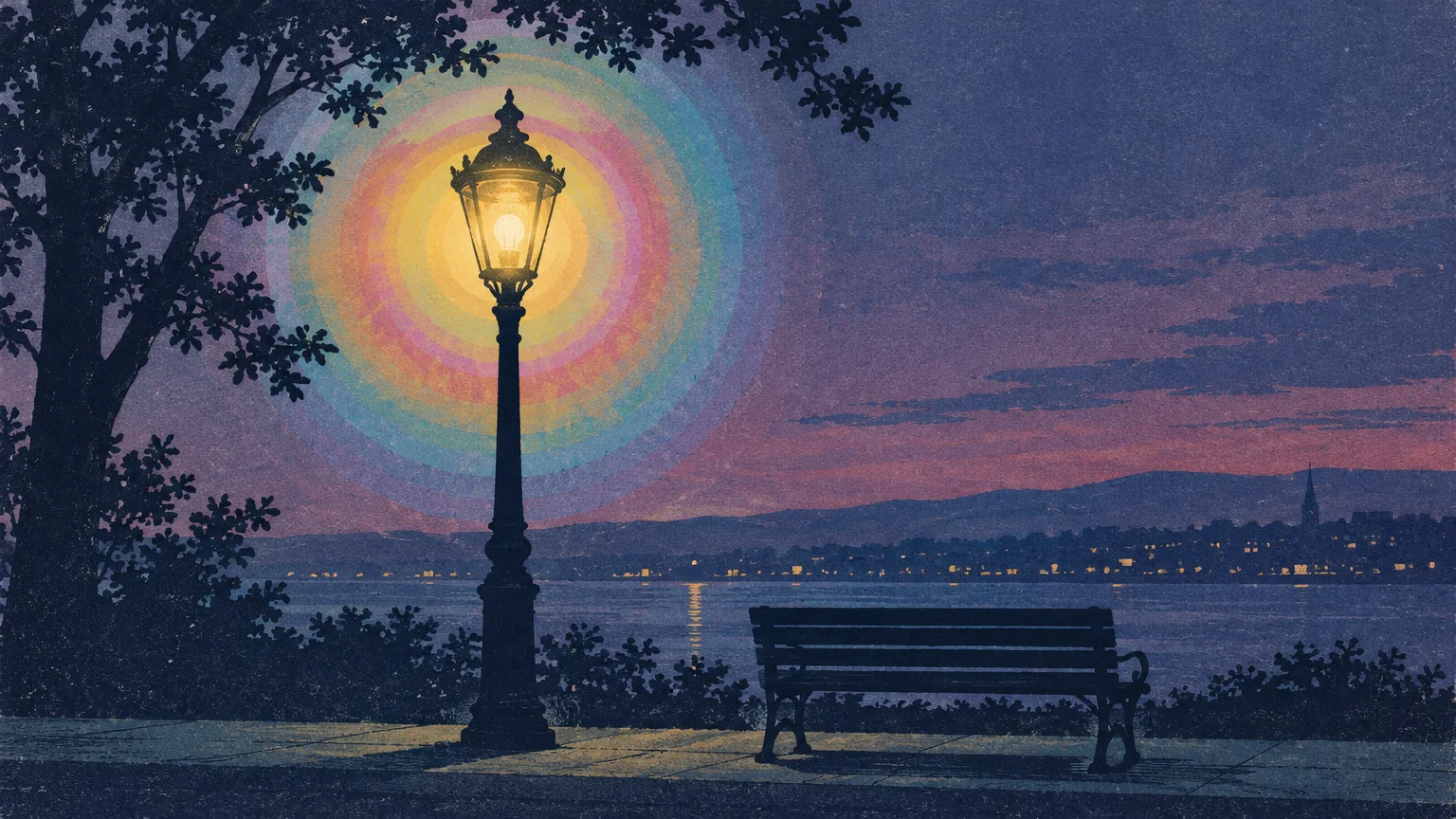
Seeing glowing rings or rainbow-colored halos around streetlamps and car headlights can be a startling experience during evening strolls. This visual effect often stems from mild swelling in the clear cornea at the front of your eye.
When internal fluid cannot drain smoothly, temporary pressure increases cause microscopic fluid pockets to scatter incoming light rays. This optical scattering produces circular glare that resembles glowing rings around bright light bulbs.
While halos can sometimes indicate cataracts, they also serve as vital eye pressure warning signs that warrant prompt evaluation. If you observe halos accompanied by sudden cloudiness, you should contact an eye specialist immediately.
In acute angle-closure glaucoma, these luminous halos appear suddenly alongside noticeable eye discomfort. Recognizing this specific warning sign empowers you to seek swift, sight-saving medical care without delay.
Early medical care clears the corneal swelling and brings immediate visual relief.
Tip #4: Subtle Loss of Contrast Sensitivity
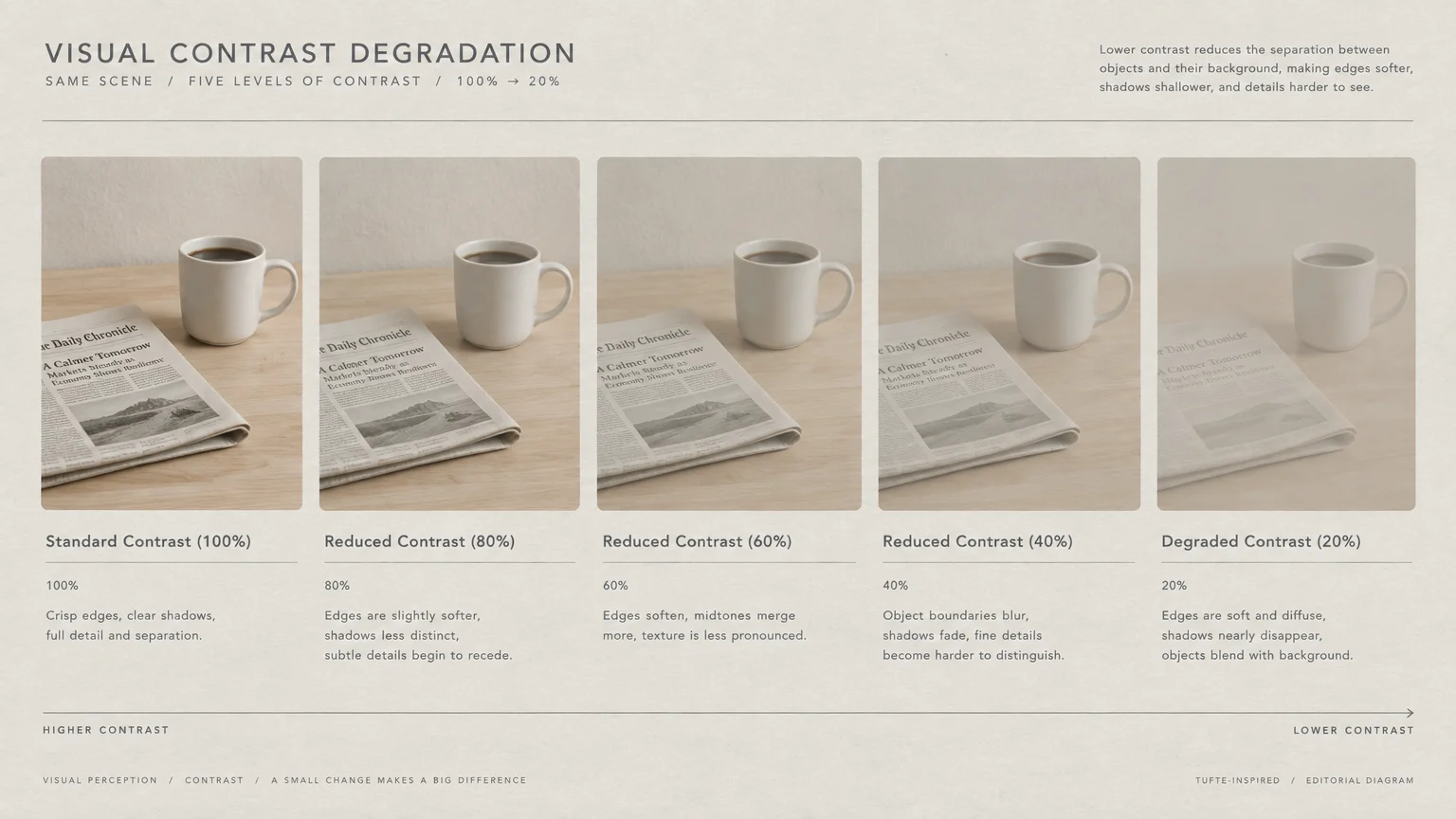
Glaucoma does not just affect the outer edges of your vision; it also softens the boundaries between similar shades. You might notice that black text against gray paper appears washed out and harder to decipher.
Distinguishing curbs from sidewalks on overcast afternoons may also feel slightly more challenging than it used to. This subtle loss of contrast sensitivity occurs when early nerve damage diminishes your perception of fine visual gradients.
Many active adults dismiss these changes as typical fatigue or simple aging, but contrast loss is a measurable clinical marker. Specialized eye charts evaluate your ability to differentiate subtle shades of gray under varying illumination.
Improving the lighting in your home and choosing high-contrast kitchen utensils can make your daily tasks much easier. Meanwhile, bringing this symptom to your doctor ensures your optic nerve receives a thorough, timely review.
Simple testing uncovers these subtle changes long before they interfere with your daily routine.

Tip #5: Dull Aches Around the Eyes or Brow
Primary open-angle glaucoma is famously painless, which is why nearly fifty percent of affected Americans remain unaware of their condition. However, sudden or intermittent spikes in intraocular pressure can create a persistent, dull ache around your brow line.
Some seniors describe this feeling as a localized tension headache that centers behind the forehead or around the eye socket. It often flares up after prolonged reading, working under dim lighting, or watching television in the dark.
These recurring brow aches can signal subacute angle closure, where your drainage angle narrows temporarily before opening again. Because the discomfort often subsides on its own, it is easy to overlook or blame on everyday stress.
Keeping a brief wellness journal helps you track when these aches arise and how long they last. Sharing this log with your eye doctor provides essential clues that help clarify your ocular health.
Listening to these localized physical sensations gives you a distinct advantage in protecting your sight.
Tip #6: Frequent and Unexplained Prescription Changes
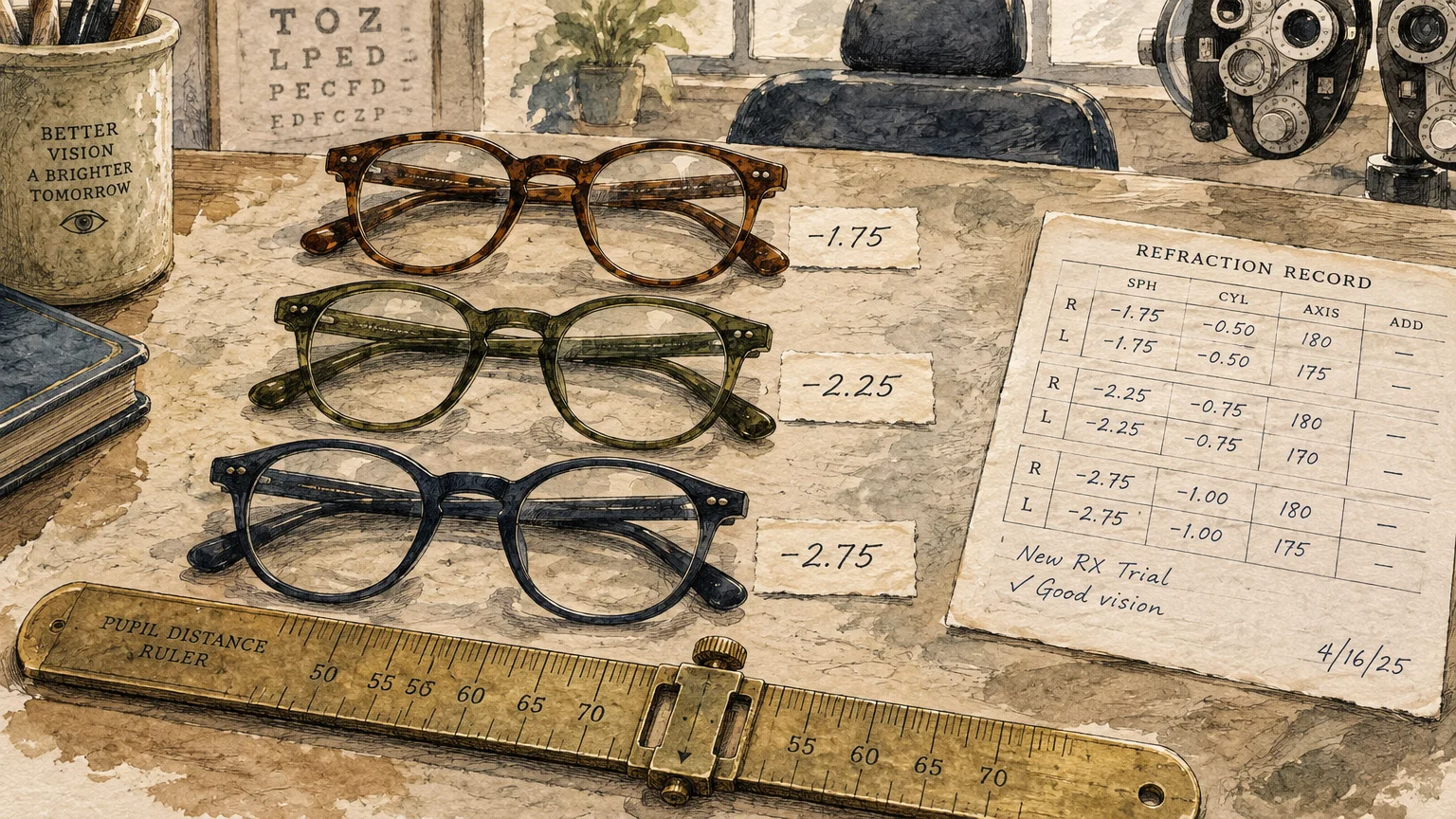
Needing an updated eyeglass prescription every couple of years is completely routine as our eyes mature throughout retirement. However, requiring new corrective lenses every few months points toward rapid shifts within your eye structures.
Fluctuating internal eye pressure can subtly compress your crystalline lens and alter corneal curvature. These subtle physical changes shift your focal point, rendering your brand-new reading glasses or bifocals surprisingly blurry.
If you find yourself visiting your optician repeatedly because your visual clarity keeps drifting, request a comprehensive dilated exam. Exploring the underlying cause rather than simply buying stronger lenses will safeguard your long-term wellness.
An eye care team can measure your intraocular pressure and photograph your optic nerve head to ensure structural stability. Catching pressure shifts early keeps your vision crisp and preserves your favorite hobbies.
Consistent visual prescriptions should bring dependable comfort, so never hesitate to question rapid refractive changes.
Tip #7: Mild Blurriness or Foggy Vision
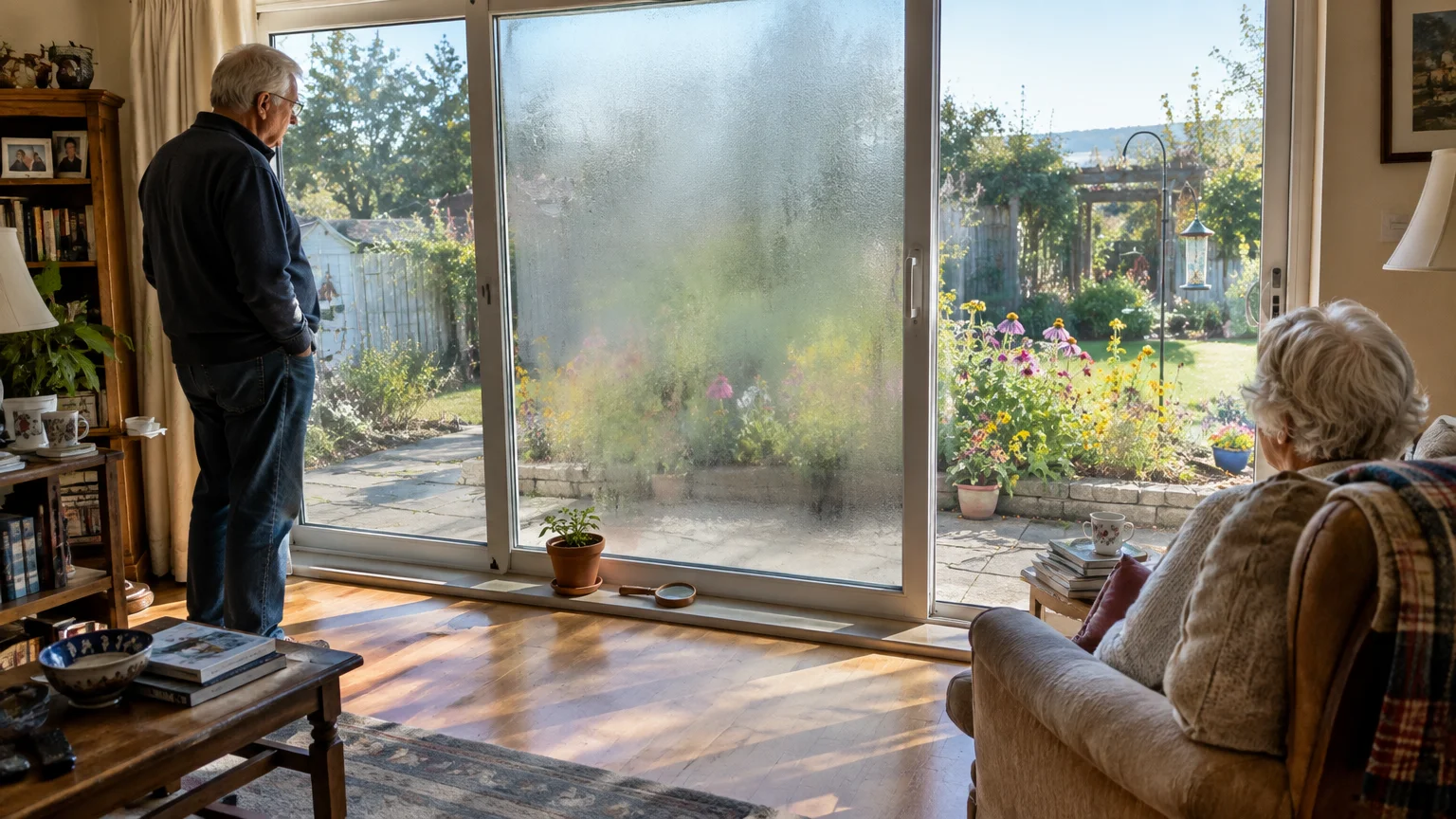
Experiencing intermittent haziness can feel as though you are peering through a lightly steamed bathroom mirror or thin veil. This temporary cloudiness represents one of the lesser-known early stage glaucoma symptoms that older adults encounter.
Such episodes often occur when intraocular pressure rises above normal resting levels, affecting corneal hydration. As the cornea absorbs microscopic fluid, your field of view becomes transiently hazy before returning to normal.
Because the fog often clears within an hour, many people assume dry eyes or allergies caused the blurriness. While lubricating artificial tears can soothe dryness, they cannot resolve pressure-induced fluid buildup inside ocular tissue.
Consulting your eye doctor about intermittent visual haziness helps rule out serious pressure fluctuations. Modern diagnostic imaging can evaluate your anterior chamber angle in minutes, giving you total peace of mind.
Taking quick action restores crisp clarity so you never miss a cherished moment with family.
Tip #8: Spatial Misjudgments and Tripping
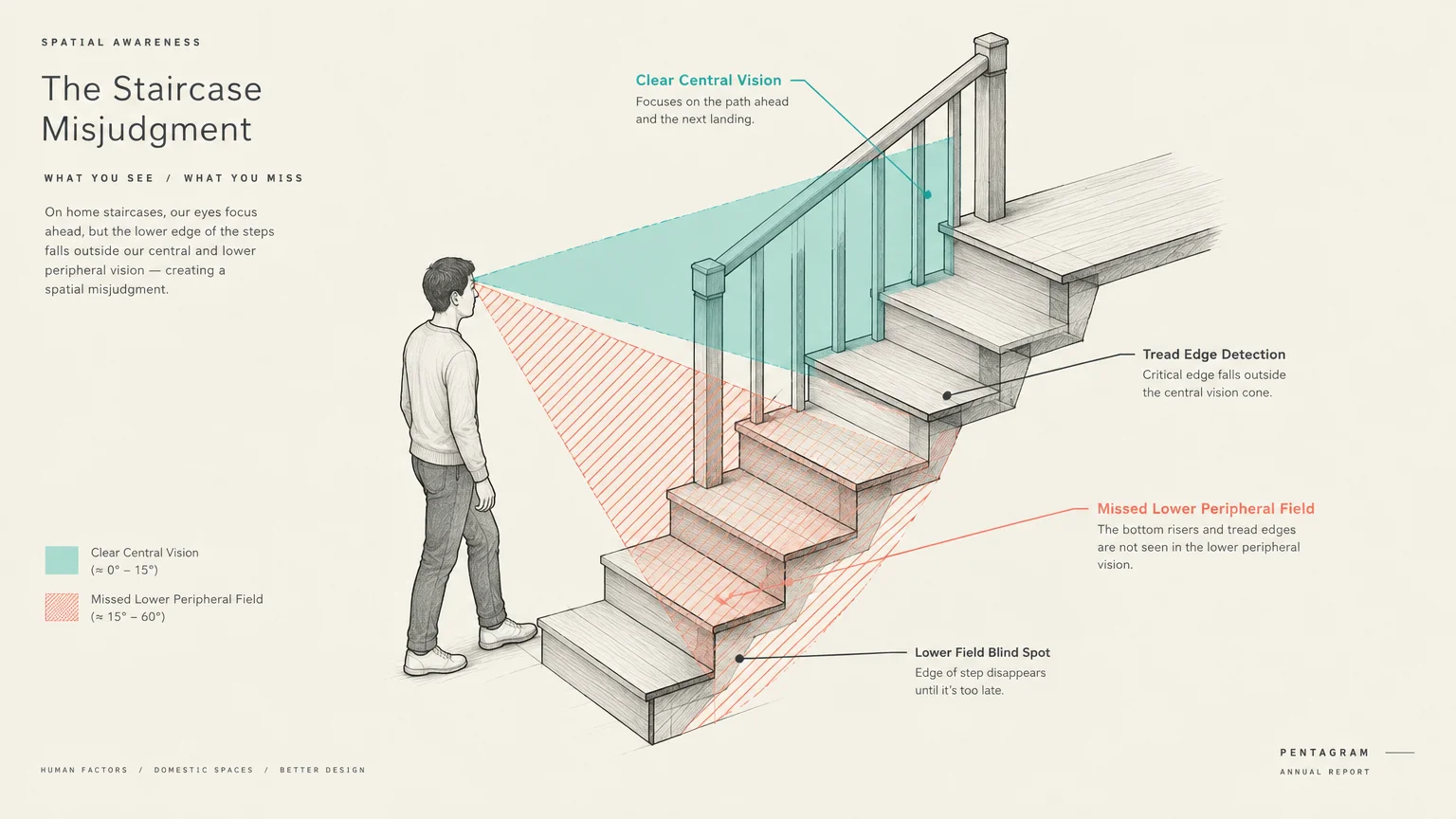
Have you found yourself accidentally bumping into doorframes or misjudging the final step on your front porch? These subtle physical miscalculations frequently stem from early, undetected peripheral field deficits rather than general clumsiness.
Because early nerve loss usually nibbles away at your lower and outer visual boundaries, floor-level hazards can vanish from view. Your brain assumes the ground is clear, causing your foot to catch unexpectedly on curbs or rugs.
Maintaining balance and graceful mobility requires dependable sensory input from both your central and peripheral visual fields. When side vision diminishes, navigating crowded grocery aisles or descending unfamiliar staircases feels noticeably more hesitant.
Addressing these spatial challenges early prevents accidental falls and keeps you walking with confident, upright posture. Scheduling a comprehensive exam reveals whether your side vision needs extra support and clinical monitoring.
Protecting your peripheral field is essential for maintaining lifelong physical freedom and active living.

Tip #9: Heightened Sensitivity to Bright Glare
Enjoying sunny mornings on the golf course or walking along the beach should feel invigorating, not visually uncomfortable. If brilliant daylight suddenly feels overwhelming, your optic nerve pathways may be experiencing subtle functional strain.
Damaged retinal nerve fibers struggle to filter excessive light exposure and balance illumination levels effectively. Consequently, oncoming headlights during evening drives or direct midday sunlight can produce intense, lingering visual glare.
You might find yourself reaching for dark sunglasses indoors or shielding your eyes beneath wide-brimmed hats on overcast days. Recognizing heightened light sensitivity as one of the possible signs of glaucoma helps you take timely protective measures.
Quality polarized sunglasses with full ultraviolet protection can alleviate glare while you consult your eye care professional. Your specialist can perform advanced nerve scans to verify that your retinas remain robust and healthy.
Preserving comfortable vision outdoors keeps your favorite active hobbies enjoyable all year long.

Tip #10: Occasional Eye Redness with Nausea
Red, irritated eyes are commonly blamed on seasonal allergies, prolonged computer use, or dry climate conditions. However, when eye redness accompanies mild stomach upset or vague nausea, it requires careful, immediate attention.
In closed-angle glaucoma, the drainage angle between your iris and cornea narrows, causing intraocular pressure to surge abruptly. This sudden pressure buildup inflames ocular blood vessels and can stimulate systemic vagal nerve reflexes, triggering nausea.
Unlike open-angle conditions, acute angle-closure attacks present intense eye pain, profound redness, vomiting, and dramatic visual blurring. Even subacute episodes with milder, self-resolving symptoms serve as urgent warning bells that require emergency medical evaluation.
Never ignore a persistently red eye accompanied by stomach discomfort or a throbbing sensation behind your brow. Prompt clinical intervention relieves internal pressure quickly, protecting your eyesight and restoring your vibrant well-being.
Immediate professional care safeguards your optic nerve against rapid pressure spikes.
Tip #11: Elevated Pressure During Routine Screenings
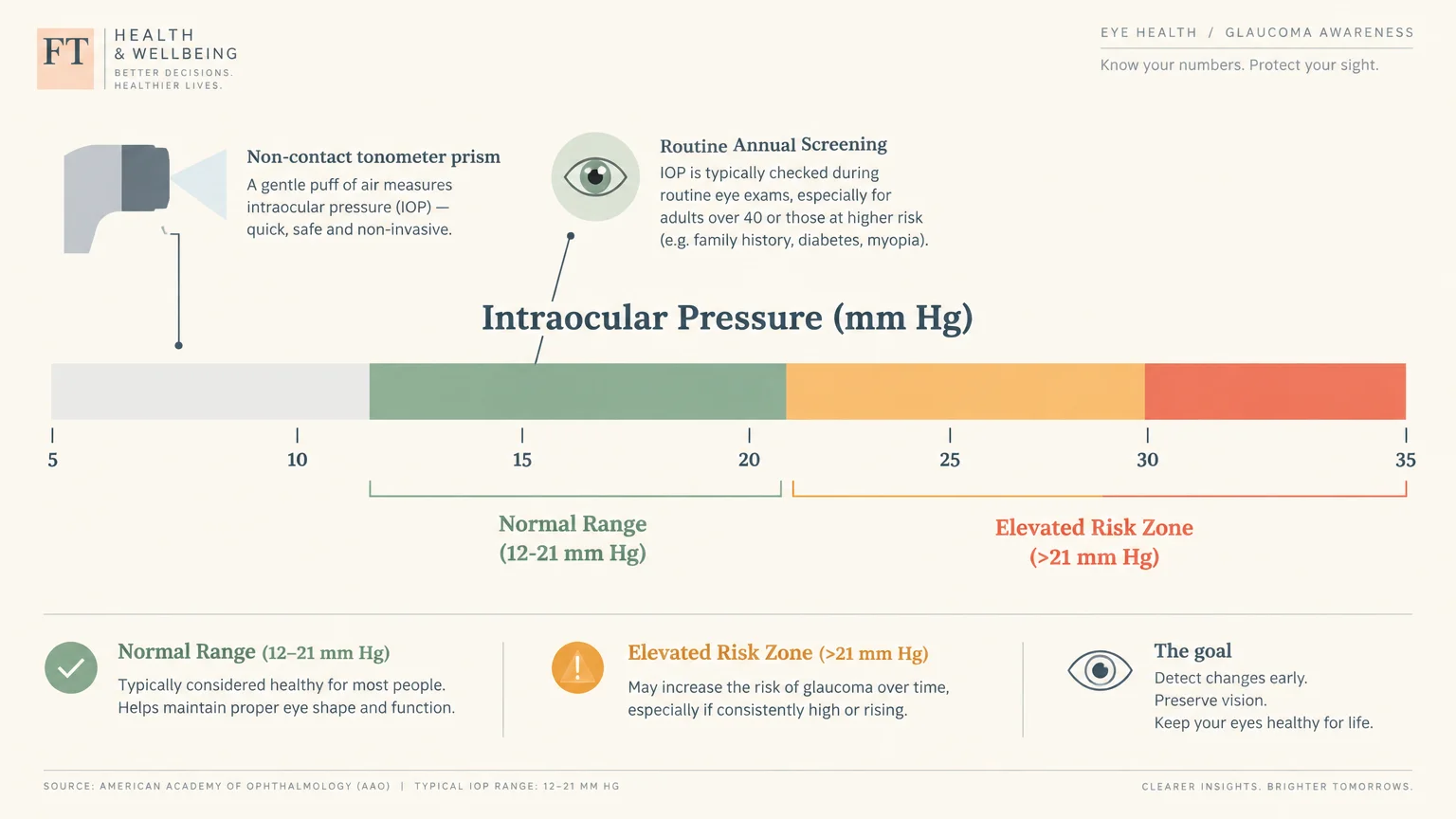
Perhaps the most vital symptom of early glaucoma is what specialists call the silent warning: elevated intraocular pressure. Standard eye pressure ranges between 10 and 21 mm Hg, with measurements above 21 mm Hg indicating ocular hypertension.
You cannot feel internal eye pressure rising, just as you cannot feel high blood pressure circulating through your arteries. This makes regular tonometry testing during routine eye checkups the single most dependable early detection tool available.
It is equally important to understand normal-tension glaucoma, where optic nerve damage develops despite pressure readings under 21 mm Hg. Comprehensive dilated eye exams inspect your optic cup and nerve fiber layer directly, ensuring complete diagnostic accuracy.
Knowing when to get an eye exam gives you the power to protect your vision before any nerve tissue suffers. Timely intervention with gentle daily eyedrops or laser therapy keeps your eyes clear, bright, and resilient.
Partnering with your ophthalmologist transforms silent risks into thoroughly managed wellness milestones.

The Takeaway: Living a More Blissful Retirement
Your golden years offer an incredible opportunity to travel, savor family gatherings, and explore rewarding new passions. Maintaining radiant eye health ensures you witness every sunrise, smile, and sunset with absolute clarity.
While the CDC notes that roughly 1.49 million Americans face vision-impairing glaucoma, modern ophthalmology provides outstanding, highly effective treatments. Early diagnosis preserves more than ninety-five percent of useful vision in compliant patients throughout their lifetimes.
The National Eye Institute projects U.S. cases will reach 6.3 million by 2050, highlighting the growing importance of preventive screenings. Routine wellness habits give you full control over your eye health.
Proactive care transforms what once felt intimidating into a routine, manageable part of your healthy lifestyle. By partnering with your eye doctor, you take loving charge of your sight and embrace every tomorrow with confidence.
Celebrate the gift of sight by scheduling your next comprehensive exam and sharing these helpful insights with friends. A joyful, fulfilled retirement begins with cherishing the wellness habits that keep your world bright and beautiful.
Frequently Asked Questions
How often should older adults schedule a comprehensive glaucoma screening?
The American Academy of Ophthalmology recommends that adults without diagnosed eye disease or high risk undergo a baseline screening at age forty. Adults aged 40 to 54 should get evaluated every 2 to 4 years.
Between ages 55 and 64, schedule exams every 1 to 3 years. Once you reach age 65, book screenings every 1 to 2 years, while adults with risk factors require more frequent evaluations.
Does Medicare cover routine glaucoma tests for seniors?
Yes, Medicare Part B covers an annual glaucoma screening once every twelve months for individuals deemed high risk. Eligible groups include individuals with diabetes, people with a family history of glaucoma, African Americans aged 50 and older, and Hispanic Americans aged 65 and older.
Medicare covers this screening under outpatient medical benefits. You remain responsible for the standard Part B deductible and a twenty percent coinsurance of the Medicare-approved amount.
Can you develop glaucoma even if your eye pressure measures in the normal range?
Yes, this condition is known clinically as normal-tension glaucoma. Optic nerve damage and peripheral visual field loss can develop even when measured intraocular pressure remains within the normal range of 10 to 21 mm Hg.
This fact demonstrates why pressure checks alone are never enough for an accurate diagnosis. Your eye doctor must dilate your pupils to inspect the optic nerve structure and assess your visual field directly.
What is the difference between open-angle and acute angle-closure glaucoma?
Primary open-angle glaucoma accounts for roughly ninety percent of cases and develops very slowly without early physical pain. It typically begins with subtle peripheral blind spots that go unnoticed without specialized field testing.
In contrast, acute angle-closure glaucoma develops rapidly and produces severe, sudden symptoms. These include intense eye pain, severe headaches, rainbow halos around lights, red eye, nausea, and vomiting, requiring immediate emergency intervention.
For a wide range of resources for older adults, visit AARP and the National Council on Aging (NCOA). Health information is available from the National Institute on Aging.
Disclaimer: This article is for informational and inspirational purposes only; it is not a substitute for professional medical, financial, or psychological advice. Please consult with a qualified expert for guidance tailored to your individual needs.