Tip #8: Failing to Adapt as the Grandchildren Grow Older
The way you physically and verbally interact with a bubbling toddler looks vastly different from how you should interact with a developing teenager. Many grandparents severely struggle to transition out of the initial playtime phase and mistakenly continue treating their adolescent grandchildren like young, highly dependent children.
Buying them toys they have long outgrown, constantly using childhood nicknames they now actively dislike, or forcing physical affection when they clearly feel uncomfortable creates an awkward, highly frustrating dynamic.
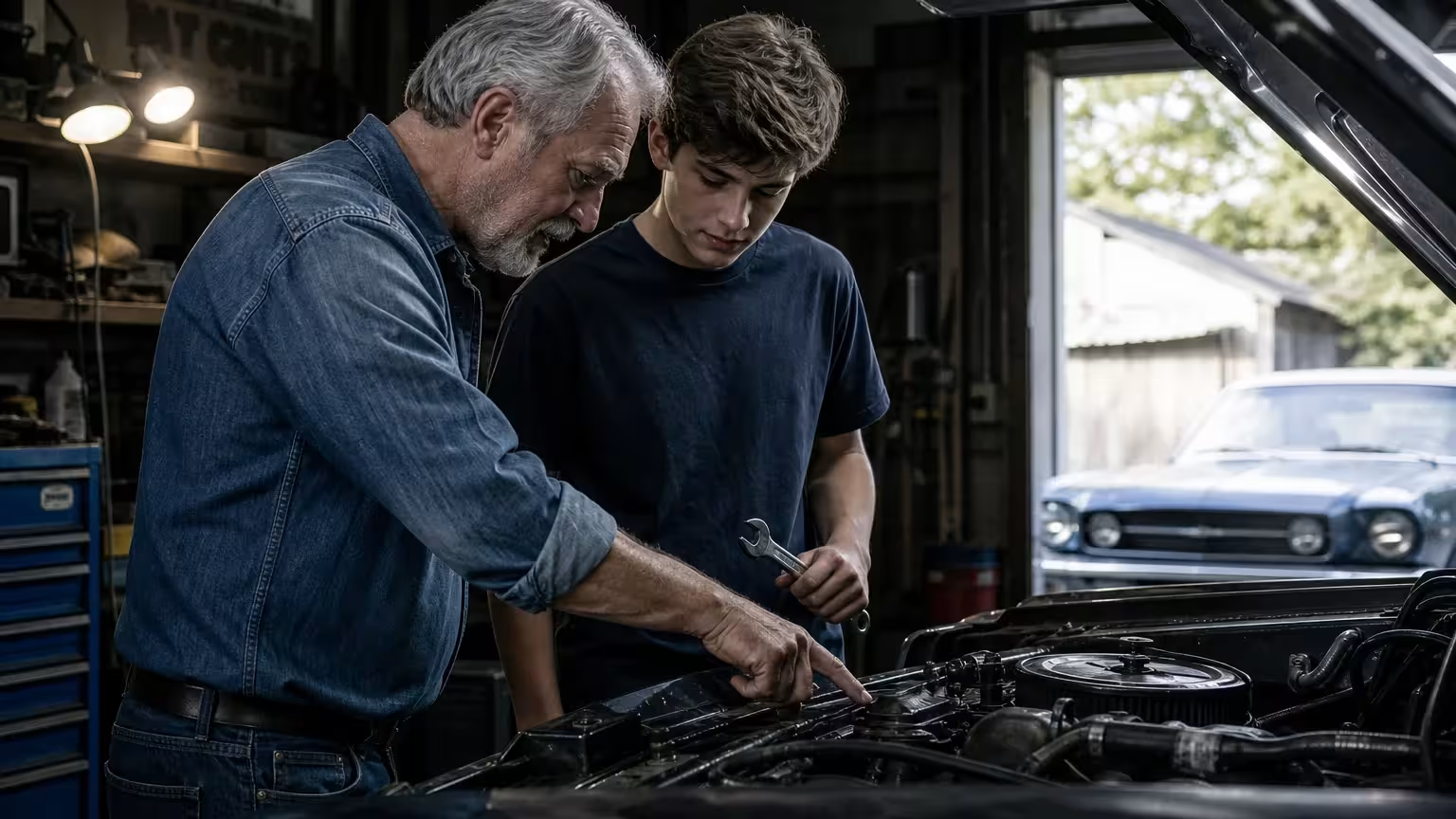
To maintain a truly strong connection, your relationship must gracefully evolve right alongside the growing child. As your grandchildren slowly enter middle and high school, intentionally transition your role from a playful entertainer to a trusted confidant and wise mentor. Show genuine, active interest in their rapidly changing world. Ask them directly about their favorite music, the complex video games they play, or their current, exciting career aspirations.
Learn how to communicate strictly on their terms; sending a funny internet meme or a quick, encouraging text message often yields a much better response from a busy teenager than a lengthy, formal phone call. Give them the necessary space to formulate their own unique opinions about the world. By respecting their growing independence and treating them with the maturity they deeply crave, you establish a profoundly safe space for them to simply be themselves.