Tip #2: Disregarding Established Rules and Boundaries
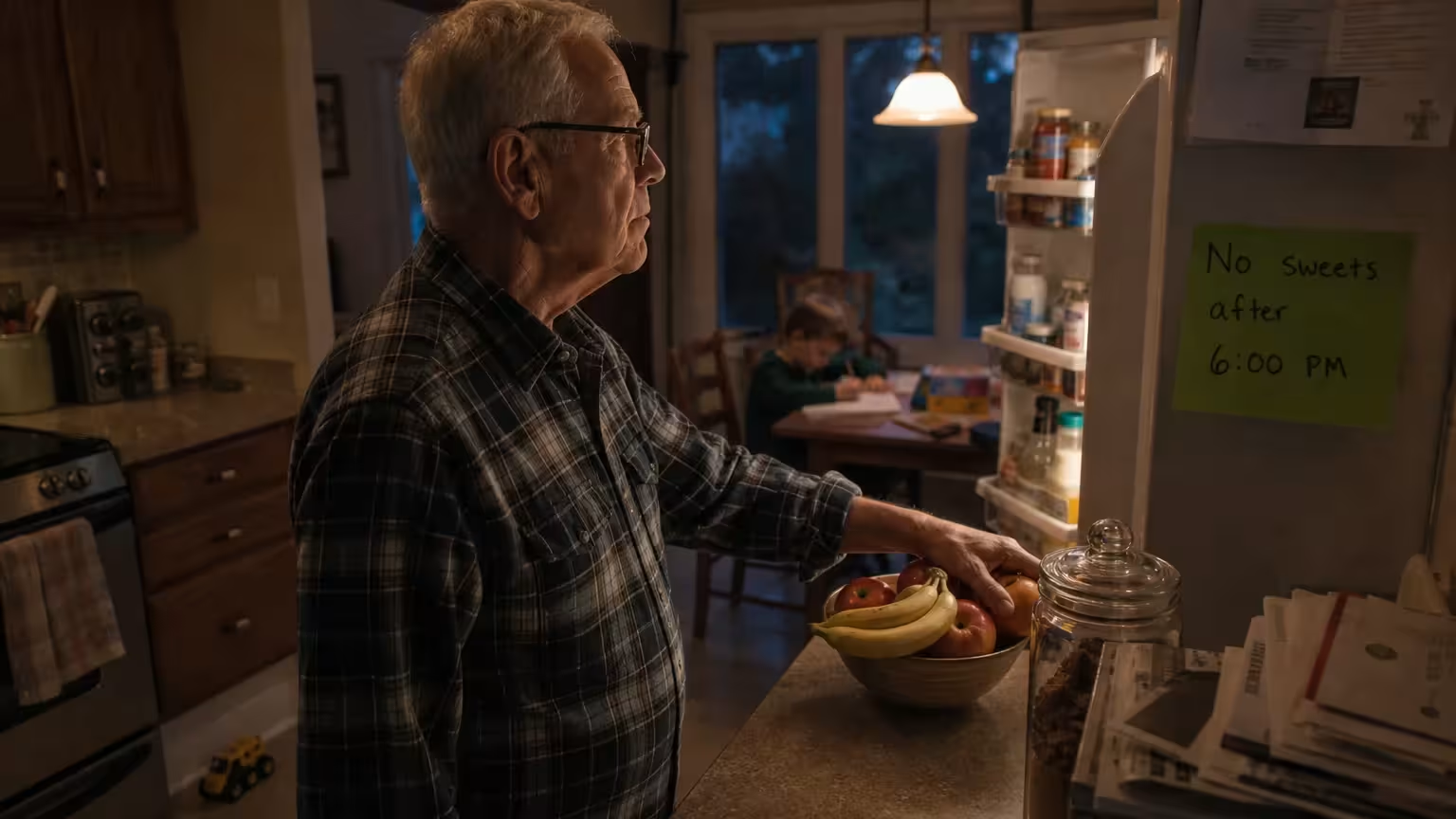
Every household operates on a specific set of rules designed to keep daily life running smoothly. You might feel tempted to act as the fun grandparent who lets the kids stay up past bedtime, eat extra sweets, or enjoy unlimited tablet time.
While sneaking an extra chocolate chip cookie seems entirely harmless to you, it often creates massive headaches for the parents who must deal with the resulting sugar crash—or the thoroughly disrupted sleep schedule. Bypassing the parents’ rules communicates disrespect for their authority; it disrupts the family’s carefully established harmony.
Concrete data from family therapists consistently shows that boundary violations serve as a primary source of conflict between generations. If the parents ask you to limit television time or avoid certain snacks due to dietary preferences, follow those guidelines strictly.
You can still be the fun, beloved grandparent without breaking the rules. Plan engaging, hands-on activities like building living room blanket forts, reading interactive books together, or planting a small backyard garden.
These shared experiences promote deeper family bonding than an extra piece of candy ever could. If you disagree with a rule or find it confusing, have a private, highly respectful conversation with the parents away from the children. When you honor their boundaries, you build an impenetrable fortress of trust.
Tip #3: Showing Unintentional Favoritism
Children possess incredibly sharp intuition, and they easily notice when a sibling or cousin receives preferential treatment. You might naturally click better with a grandchild who shares your passion for woodworking or your quiet, bookish temperament.
However, you must actively prevent that natural connection from manifesting as blatant favoritism. Praising one child’s academic achievements while completely ignoring another’s artistic endeavors creates lingering resentment that can fracture the family dynamic for decades.
Studies on sibling relationships consistently show that perceived favoritism from grandparents heavily contributes to sibling rivalry and lowered self-esteem in the less-favored child. To avoid this painful pitfall, intentionally celebrate the unique qualities of every single grandchild.
Take the time to attend a diverse range of activities, from high-energy soccer games to quiet piano recitals. When buying gifts, keep the financial value equitable across the board, even if the actual items differ significantly. Spend quality one-on-one time with each child, engaging in activities tailored specifically to their distinct, evolving interests.
Showing up consistently for all of them proves that your love remains unconditional and equitable. By nurturing these individual connections carefully, you ensure that grandparents and grandkids share a mutually respectful, deeply loving relationship where absolutely no one feels left behind or undervalued.