Building a strong, lifelong connection with your grandchildren requires balancing your deep love for them with respect for their parents’ boundaries. You can foster incredible family bonding by recognizing and adjusting the subtle behaviors that unintentionally push your family away.
Many loving grandparents accidentally overstep, causing unnecessary friction that disrupts harmony and creates emotional distance. Whether you find yourself offering unsolicited parenting advice or buying lavish gifts without asking first, these well-meaning actions can easily backfire.
Fortunately, recognizing these relationship mistakes allows you to pivot and nurture a healthier, joyful dynamic. By understanding these common pitfalls, you clear the path for open family communication and build a lasting legacy of unconditional support.
Tip #1: Giving Unsolicited Parenting Advice
Parents today face a constant barrage of information, and they desperately want to feel confident in their own parenting decisions. When you jump in with unsolicited advice about sleep training, baby-led weaning, or discipline, you unintentionally undermine that confidence.
Even if your intentions stem purely from love and decades of lived experience, unsolicited advice frequently lands as sharp criticism. This ranks among the most frequent relationship mistakes grandparents make, often resulting in defensive responses or significantly reduced visitation.
Instead of offering immediate solutions when you see your adult children struggling, try shifting your approach to active listening and verbal validation. Ask them how they feel about the situation; simply tell them they are doing a wonderful job.
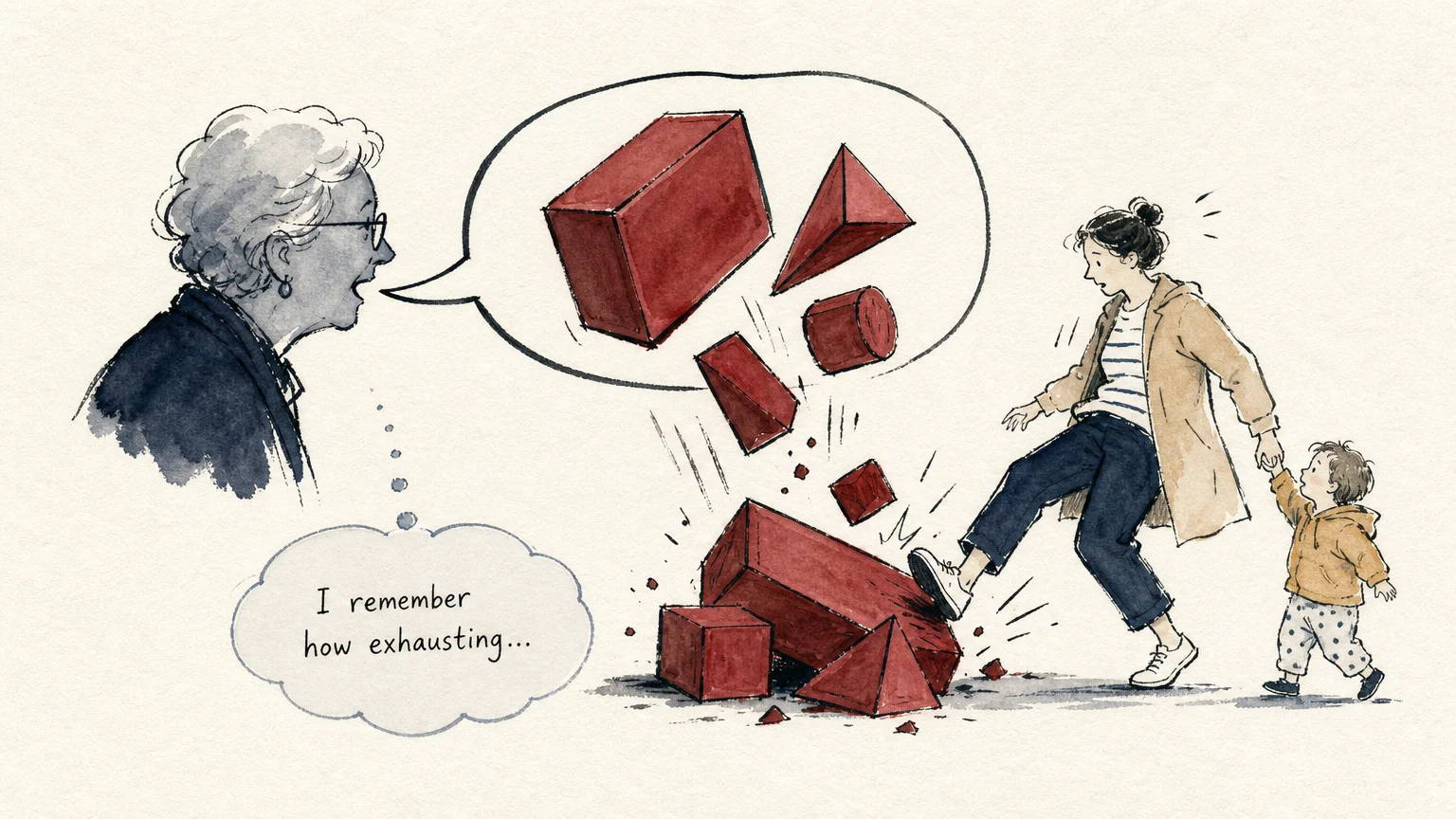
Wait for them to specifically ask for your opinion before you offer it. By positioning yourself as a supportive sounding board rather than an authoritative director, you foster healthier family communication. Concrete examples of this include saying, “I remember how exhausting the teething phase was—you are handling it beautifully,” rather than, “You really should rub teething gel on their gums like we did.”
Empowering the parents strengthens your bond with them, which naturally enhances your grandparent relationships. When parents feel respected and entirely supported, they want you around more often, giving you greater access to the immense joy of watching your grandchildren grow up.