

Yes, food stamps will go up in 2027 through federal cost-of-living adjustments. Eligible older adults will see their monthly grocery budgets expand starting October 1, 2026.
These vital SNAP benefits increase 2027 payments to help you manage supermarket inflation with confidence. Understanding these official updates ensures your household receives every grocery dollar available.
Exploring current income limits and senior deductions puts you in control of your retirement finances. Here are the key food stamps changes 2027 brings to brighten your grocery shopping.
Tip #1: Track the Cost-of-Living Adjustment and Maximum Allotments
The federal government adjusts the Supplemental Nutrition Assistance Program every autumn. These regular updates protect your grocery cart from the steady rise of everyday food prices.
You might ask yourself, will SNAP benefits rise enough to make a real difference? The answer is an encouraging yes for older households across the nation.
The new payment scale officially takes effect on October 1, 2026. This schedule governs monthly disbursements through September 30, 2027, across all 48 contiguous states and Washington, D.C.
The United States Department of Agriculture calculates this increase using the June Thrifty Food Plan. This economic formula directly measures the actual cost of preparing nutritious, home-cooked meals.
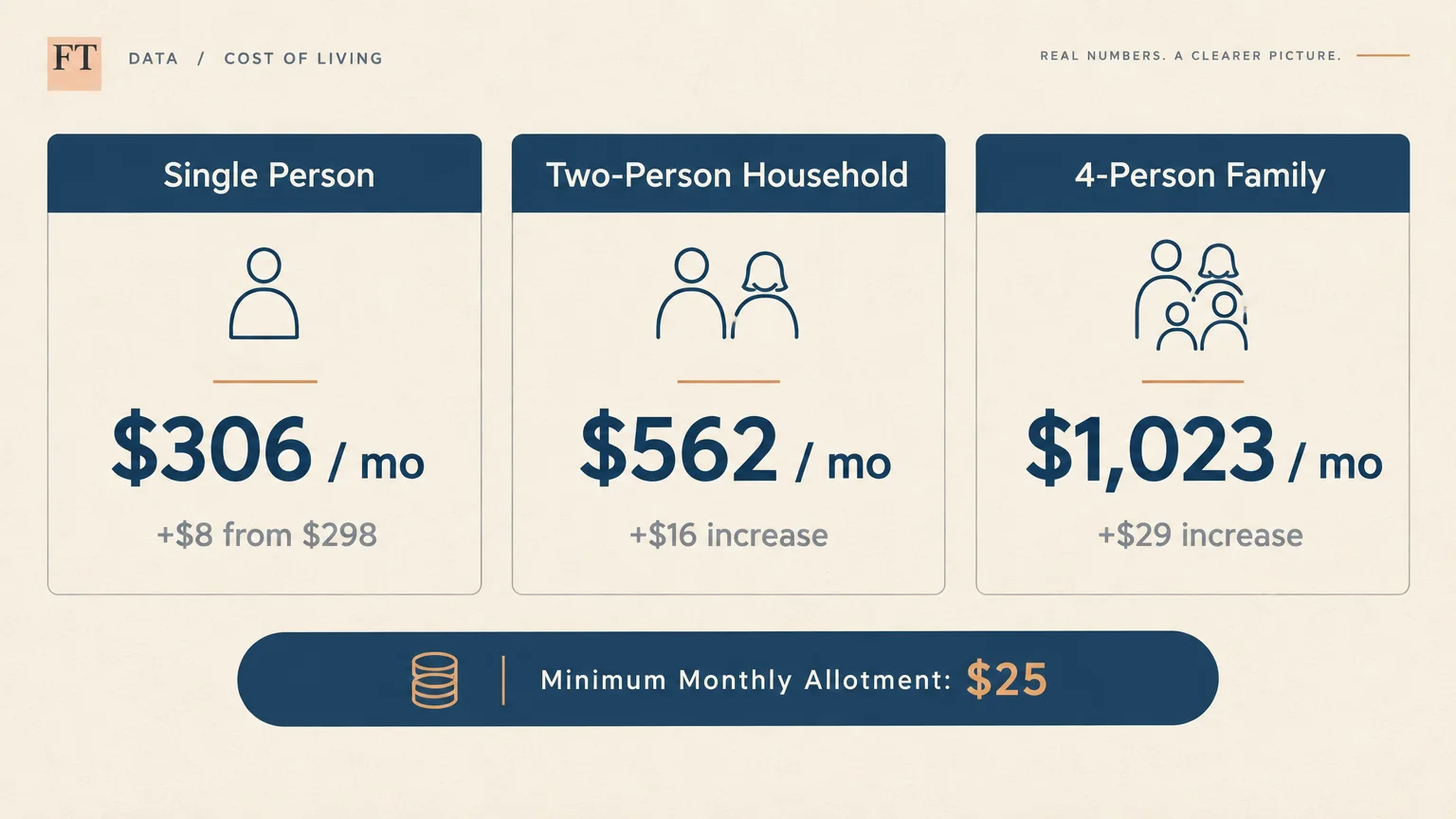
If you live alone, your maximum monthly allotment increases to $306 per month. That represents a welcome eight-dollar boost from the previous $298 monthly limit.
Two-person senior households see their maximum monthly benefit climb to $562. This sixteen-dollar increase helps couples buy more fresh produce, lean proteins, and wholesome pantry staples.
For a four-person multigenerational family, the maximum monthly allotment reaches $1,023. That figure reflects a meaningful twenty-nine-dollar increase over the previous $994 cap.
Even if your countable income is near the top qualifying limit, you still receive support. The minimum monthly benefit for one- and two-person households increases to $25.
Having this extra financial cushion each month brings genuine peace of mind. Every additional dollar helps you choose high-quality groceries without feeling pinched at the cash register.
Tracking these payment tiers ensures you receive the maximum support authorized by federal law. Consistent benefits give you the freedom to plan healthy weekly menus with confidence.

Tip #2: Take Advantage of Special Income Limits for Adults Over 60
Many retirees assume they earn too much pension or Social Security income to qualify. Fortunately, federal guidelines treat households with adults aged 60 and older with special consideration.
Standard applicants must satisfy both a gross income test and a net income test. Gross income measures your total earnings before any deductions or household expenses are subtracted.
For Fiscal Year 2027, the standard single-person gross income limit sits at $1,729 per month. That benchmark equals 130 percent of the federal poverty guidelines.
However, you can bypass this gross income restriction entirely if you are 60 or older. You only need to meet the net income limit to qualify for monthly food support.
The net income limit for a single individual is $1,330 per month. Net income represents what remains after you subtract all your allowable housing, utility, and medical deductions.
This vital exception means your modest pension will not automatically disqualify your application. You can earn above the standard gross threshold and still receive meaningful nutrition assistance.
Taking time to check your SNAP eligibility 2027 standards can uncover pleasant financial surprises. Many older Americans miss out on benefits simply because they assume they earn too much.
Reviewing your monthly budget through the net income lens helps you claim every advantage. Do not let outdated assumptions keep you from enjoying these valuable grocery resources.
When you calculate your true net earnings, qualifying often becomes remarkably straightforward. Take advantage of this unique senior rule to expand your household food budget.
Tip #3: Protect Your Savings with Updated Senior Asset Rules
Preserving your hard-earned nest egg is essential for a peaceful retirement. Federal program guidelines recognize this priority by offering generous resource allowances for older adults.
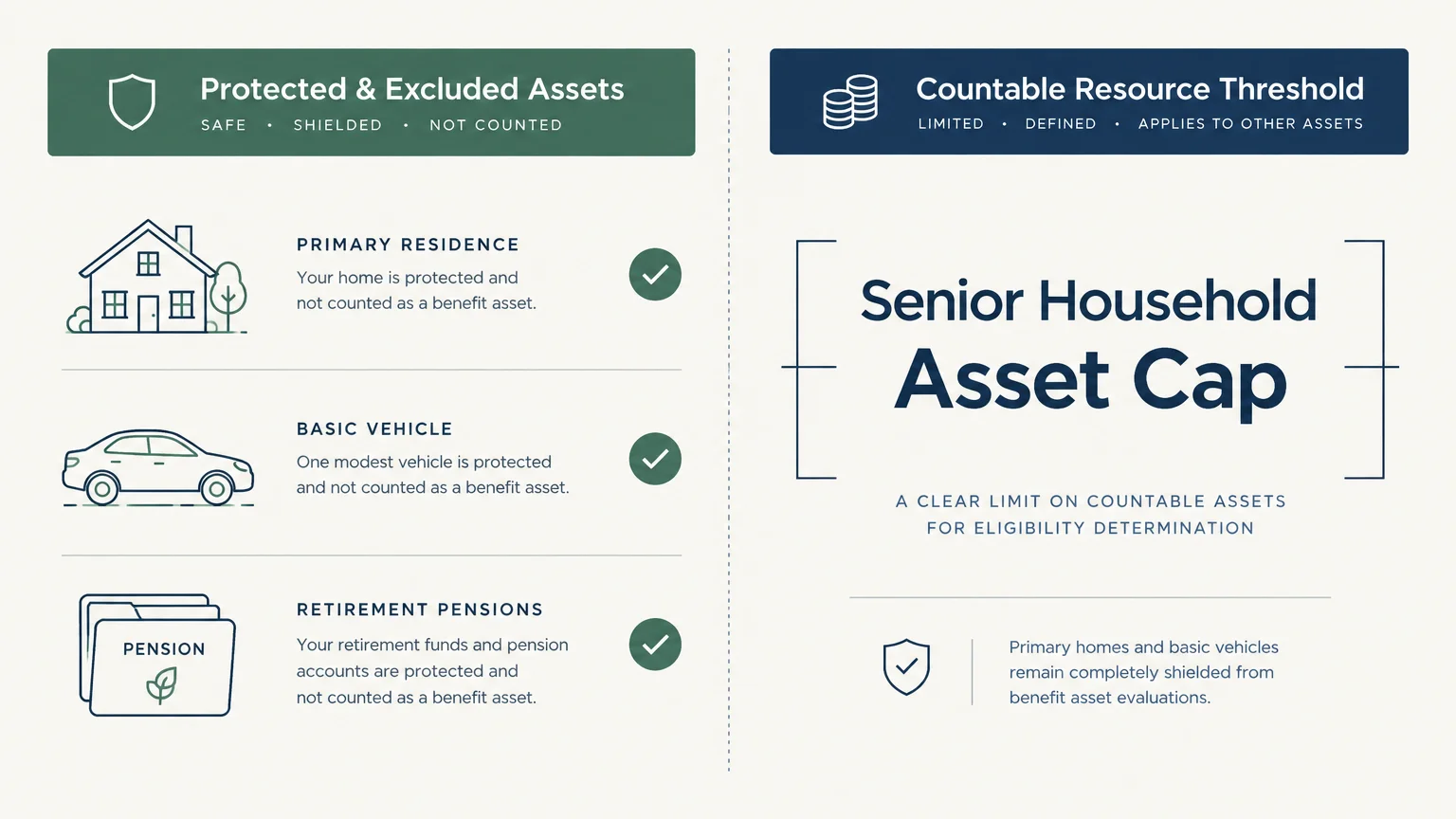
For households that include an adult aged 60 or older, the countable asset limit is $4,750. In contrast, households without older members face a stricter $3,000 asset ceiling.
You might worry that owning personal property could jeopardize your monthly eligibility. Fortunately, federal regulations exclude your most valuable everyday possessions from this calculation entirely.
Your primary residence does not count against your asset limit, regardless of its market equity. You can own your home outright and still qualify for monthly assistance.
In addition, your personal vehicle is completely exempt from the asset test in most states. You can keep your dependable car for doctor visits and errands without concern.
Crucially, qualified retirement accounts such as IRAs, 401(k) plans, and pensions remain fully protected. The program never expects you to drain your retirement funds to purchase groceries.
Only liquid cash reserves—such as non-retirement checking and savings accounts—count toward the $4,750 threshold. Understanding these distinctions helps you protect your financial foundation while receiving vital nutritional aid.
Knowing your personal savings are safe allows you to apply with complete confidence. You worked hard for your independence, and program rules respect your lifelong efforts.
Take comfort in knowing that building a modest emergency fund will not disrupt your benefits. These sensible exemptions ensure your security remains intact throughout your golden years.

Tip #4: Maximize the Uncapped Excess Shelter Cost Deduction
Housing costs represent the single largest monthly expense for many retired individuals. Learning how your shelter expenses influence your food stamp allotment can unlock substantial financial relief.
The program calculates your net income by allowing an excess shelter cost deduction. This deduction accounts for housing costs that exceed half of your adjusted net income.
For general households, the federal government caps this shelter deduction at $769 per month. However, older adults receive a much more generous benefit structure.
If your household includes someone aged 60 or older, there is no cap on shelter deductions. You can deduct every single dollar of excess housing costs from your gross earnings.
Allowable shelter expenses include your monthly rent payments or mortgage principal and interest. Property taxes, homeowners insurance, and mandatory condominium fees count toward this total as well.
Standard utility allowances also factor into your shelter calculation to reflect real living expenses. Heating, cooling, electricity, water, and trash collection costs all contribute to lowering your countable net income.
When your countable income drops through these uncapped deductions, your monthly benefit allotment climbs significantly. Documenting your actual housing expenses ensures you receive the maximum assistance available.
Keep current copies of your lease, utility statements, and tax bills organized in one folder. Submitting complete records allows your caseworker to apply every allowable shelter credit immediately.
This uncapped deduction provides immense relief to seniors living in areas with high housing expenses. Claiming your true shelter costs ensures your grocery benefit accurately matches your real needs.
Tip #5: Claim Every Dollar with the Excess Medical Expense Deduction
Healthcare costs can quickly erode a fixed retirement income if they are left unaddressed. Fortunately, older adults enjoy a unique deduction designed specifically to offset out-of-pocket health expenses.
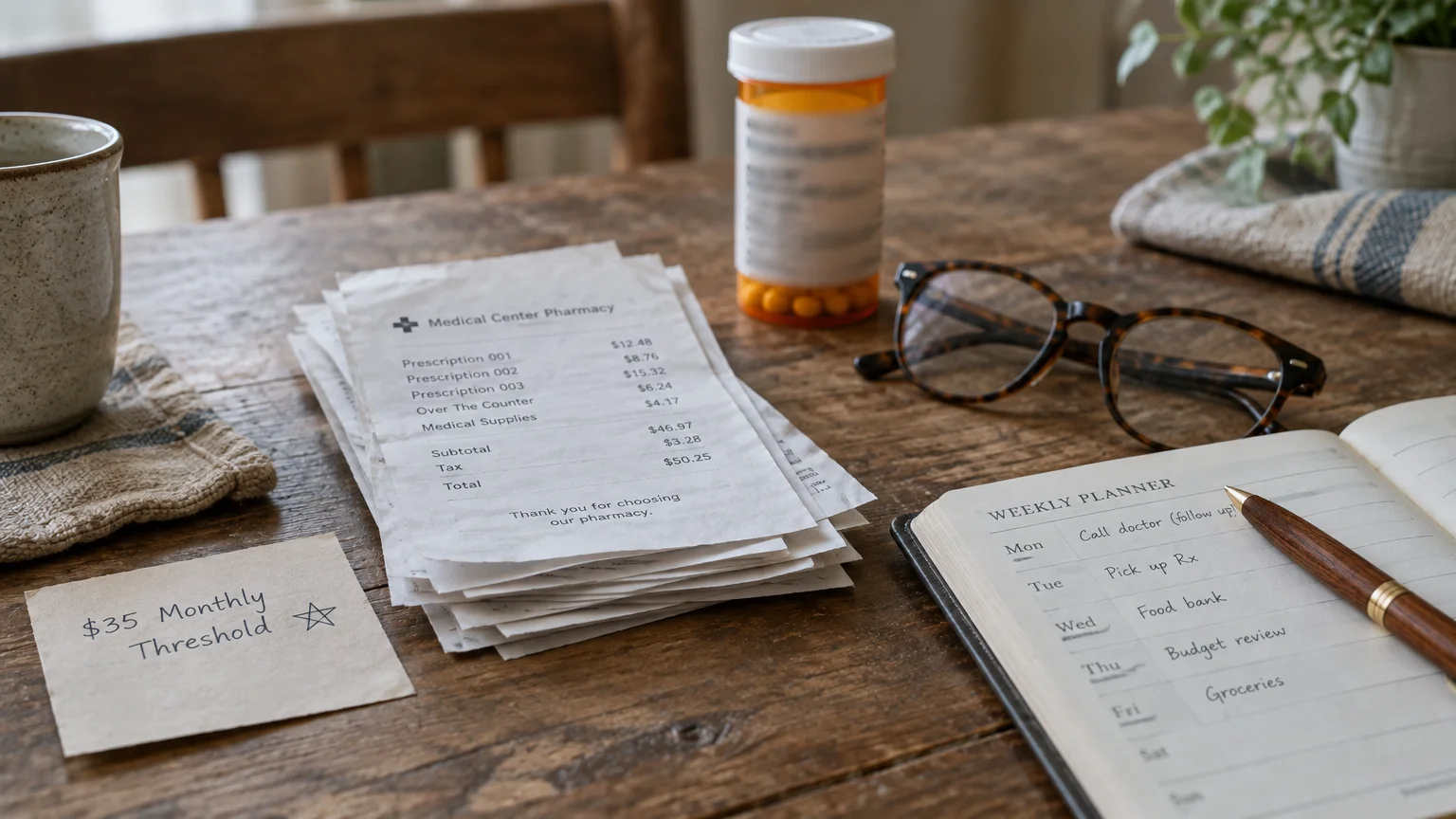
Adults aged 60 and older can deduct allowable, unreimbursed medical expenses exceeding $35 per month. Every qualifying medical dollar you spend past that modest baseline lowers your countable net income.
A lower net income figure translates directly into higher monthly food stamps changes 2027 payments. Many seniors see their monthly grocery funds rise substantially after reporting their medical bills.
You can deduct prescription drug co-pays, over-the-counter items recommended by doctors, and medical supplies. Dental checkups, dentures, eye exams, eyeglasses, and hearing aids also qualify for this deduction.
Monthly Medicare Part B premiums and private supplemental insurance payments count toward your total as well. Even transportation costs for traveling to medical appointments can be included in your claim.
Gather your pharmacy receipts, doctor invoices, and insurance premium statements before filing your paperwork. Providing clear documentation gives you the strongest possible case for an expanded grocery allotment.
Do not assume a small recurring medical bill is too trivial to report to your caseworker. Those regular co-pays add up over twelve months and can unlock dozens of extra grocery dollars.
Prioritizing your physical wellness should never force you to sacrifice wholesome, nourishing nutrition. This targeted deduction ensures you can comfortably afford both your healthcare needs and quality food.
Review your annual medical receipts carefully during every renewal cycle to maximize this deduction. Claiming these out-of-pocket expenses turns your health costs into an asset for your grocery budget.
Tip #6: Navigate the New Work Rules for Adults Ages 50 to 64
Staying informed about recent legislative updates ensures your benefits remain active without interruption. Federal laws have adjusted work rules for able-bodied adults without dependents, known as ABAWDs.
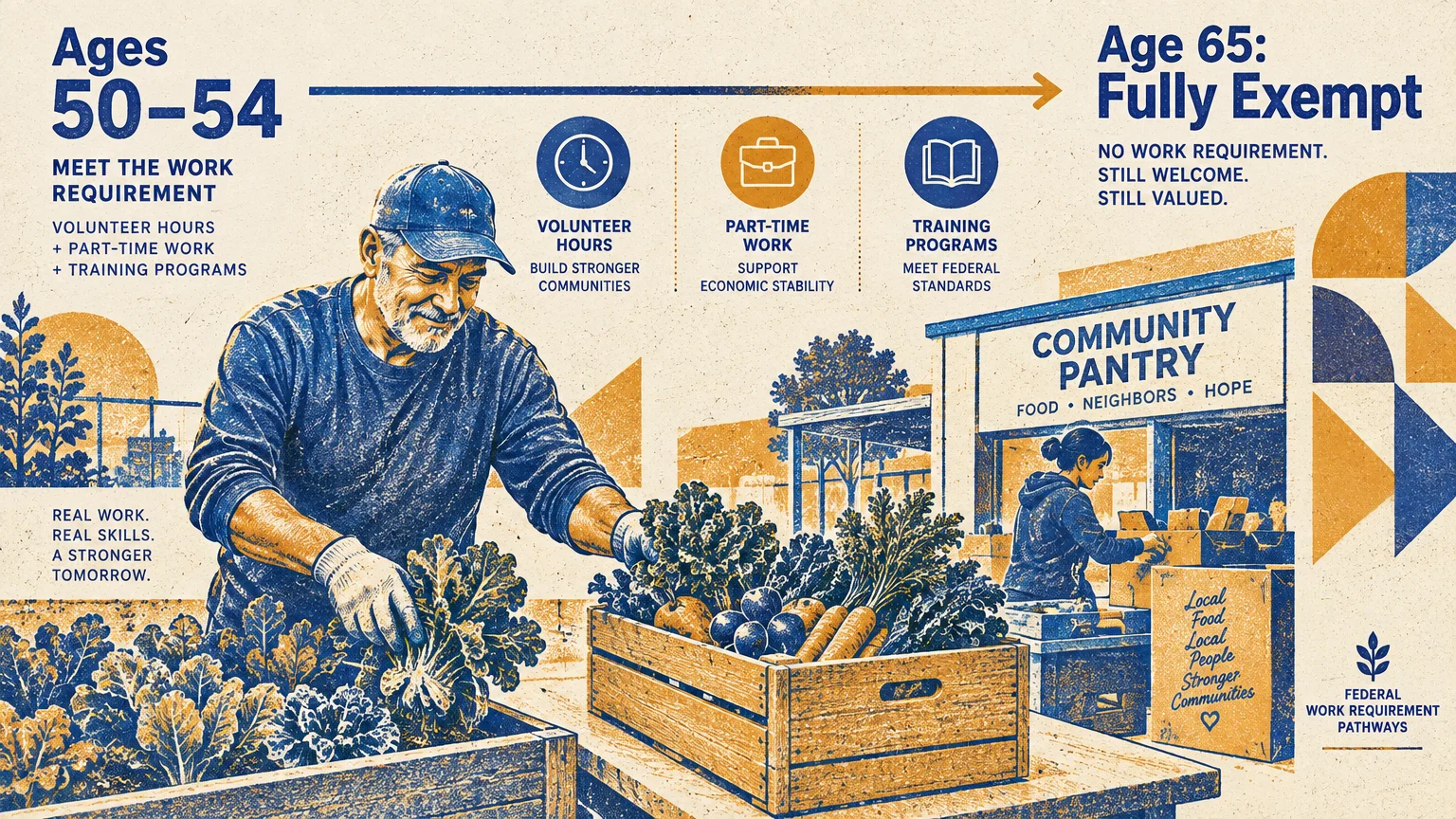
General work reporting rules now apply to individuals between the ages of 18 and 64. If you fall within this age bracket, you must understand how these mandates operate.
Under these guidelines, non-exempt individuals must complete at least 80 hours per month of qualifying activity. This requirement can be fulfilled through employment, vocational training, or approved community volunteering.
If you do not meet the hourly requirement, benefits are limited to three months in three years. However, numerous common-sense exemptions protect older adults facing health challenges or major life transitions.
You are exempt if you face a chronic medical condition or physical limitation that hinders work. A simple statement from your physician confirms your exemption and protects your monthly grocery funds.
Caring for an incapacitated family member also exempts you from these work reporting rules completely. In addition, adults participating in accredited wellness or rehabilitation programs qualify for full exemption.
Once you celebrate your sixty-fifth birthday, you become completely exempt from all ABAWD work mandates. Adults aged 65 and older never have to document work hours to maintain their benefits.
Communicating openly with your caseworker helps you document any qualifying medical or family exemption quickly. Knowing your legal rights ensures your nutritional support continues uninterrupted throughout the coming year.
Never let confusion over work rules discourage you from applying for the assistance you need. Help is available to guide you through exemptions and keep your benefits secure.
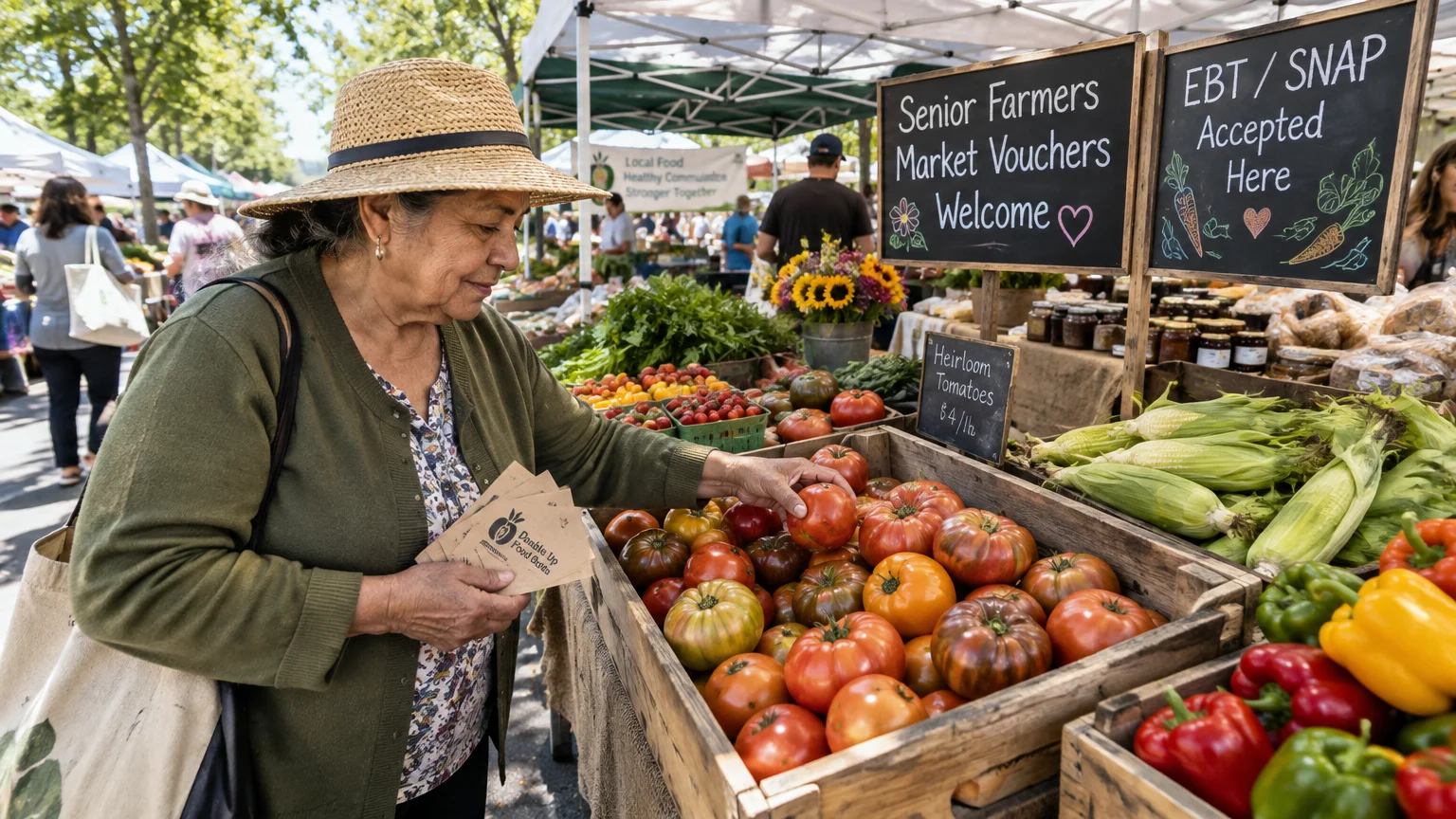
Tip #7: Combine SNAP with Community Food Programs for Maximum Grocery Savings
Receiving monthly food benefits provides a fantastic financial foundation, but you can stretch those dollars even further. Pairing your electronic benefit card with community initiatives doubles your purchasing power at local markets.
Many farmers markets across the country participate in the Double Up Food Bucks program. This wonderful incentive matches your spending dollar-for-dollar on locally grown fruits and vegetables.
If you spend ten dollars of benefits at a participating market, you receive ten bonus dollars. This matching program helps you bring home twice as many crisp apples, leafy greens, and berries.
You should also ask your local agency about the Senior Farmers Market Nutrition Program. This federal initiative provides coupon booklets specifically for older adults to spend at roadside produce stands.
Another valuable resource is the Commodity Supplemental Food Program, often called senior food boxes. This program distributes free monthly packages of cheese, canned proteins, whole grains, and juices to seniors.
Combining food stamp program updates with these community initiatives creates a generous grocery safety net. You can enjoy rich, varied meals while keeping more of your hard-earned money in your wallet.
Connecting with neighborhood senior centers often reveals additional local dining programs and congregate meal sites. Sharing hot, balanced meals with peers offers joyful social interaction alongside hearty daily nourishment.
Embracing these community offerings turns grocery shopping into an empowering, health-focused experience. You deserve access to vibrant, nutrient-dense food that fuels your daily vitality and happiness.
Take advantage of every regional program available to keep your refrigerator filled with colorful, wholesome choices. Nourishing your body with fresh ingredients is one of the greatest gifts you can give yourself.

The Takeaway: Living a More Blissful Retirement
Your golden years should be defined by vibrant health, inner peace, and true financial confidence. Navigating federal nutrition assistance programs gives you the dependable security you need to thrive.
The upcoming benefit increases and generous senior deductions reflect a deep national commitment to older adults. Taking advantage of these programs is an act of smart, proactive self-care.
Nutritious meals strengthen your immune system, boost your daily energy, and support your cherished independence. When your kitchen is stocked with wholesome food, your overall quality of life flourishes effortlessly.
Never hesitate to submit an application or request a benefit review from your regional office. The application process is manageable, and dedicated caseworkers stand ready to guide you through each step.
For a wide range of resources for older adults, visit AARP and the National Council on Aging (NCOA). Health information is available from the National Institute on Aging.
Take charge of your grocery budget today and celebrate the wholesome meals waiting for your kitchen table. A blissful, thriving retirement begins with nourishing your body and protecting your peace of mind.
You have spent a lifetime contributing to your community, and these programs exist to support you now. Step forward with pride, embrace your available resources, and savor every delicious bite ahead.
Frequently Asked Questions
When exactly will the 2027 food stamps increase appear on EBT cards?
The annual cost-of-living adjustments take effect on October 1, 2026, marking the start of federal Fiscal Year 2027. Most eligible recipients will see their increased payments arrive on their scheduled October deposit date.
Each state distributes funds according to its own staggered monthly calendar based on case numbers or birthdates. Check your state agency online portal or call your EBT customer service number to verify your date.
If your October deposit does not reflect the adjustment, contact your local caseworker right away. They can verify your case file and ensure your allotment updates to the correct current standard.
Can I receive food stamps if I already collect Social Security and Medicare?
Yes, millions of older Americans receive both Social Security benefits and monthly SNAP assistance simultaneously. Your Social Security income is simply counted when calculating your monthly net earnings.
In fact, your out-of-pocket Medicare Part B premiums help you qualify by lowering your countable net income. Many retirees discover that these healthcare deductions make them fully eligible for food support.
Do not let receiving Social Security stop you from exploring your food assistance options. Both programs work hand in hand to provide older adults with comprehensive financial security.
What documents do I need to prove my senior medical deductions?
You should provide pharmacy printouts detailing your out-of-pocket prescription expenses over the previous several months. Invoices for doctor visits, dental care, eyeglasses, and hearing aids should also be included.
Be sure to submit copies of your health insurance premium statements and receipts for medically necessary supplies. Clear receipts allow your eligibility worker to deduct every allowable dollar above thirty-five dollars.
Keeping a designated folder for all medical invoices makes your annual recertification smooth and stress-free. Every documented healthcare expense helps protect your hard-earned grocery benefits.
Will applying for food stamps affect my income taxes or estate?
Receiving SNAP benefits does not count as taxable income on your federal or state tax returns. You will never owe income taxes on the grocery benefits you receive each month.
Additionally, federal rules prohibit states from placing liens on your home or recovering food assistance funds from your estate. You can use this nutritional support with total peace of mind for your family.
Accepting this assistance will not impact your heirs or create unexpected financial burdens down the road. It is a straightforward program created to help you maintain vibrant health and well-being.
Disclaimer: This article is for informational and inspirational purposes only; it is not a substitute for professional medical, financial, or psychological advice. Please consult with a qualified expert for guidance tailored to your individual needs.