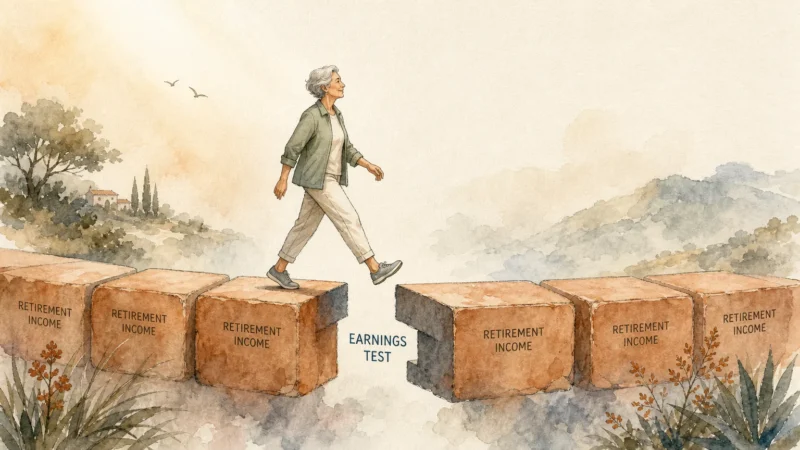

Your retirement budget is getting a noticeable lift in 2027 through a larger Cost-of-Living Adjustment. You can look forward to higher monthly deposits that will help protect your purchasing power against daily expenses.
The Social Security Administration officially confirmed a 3.6% boost for 2027, marking the most substantial annual raise in four years. This positive change delivers tangible financial breathing room for millions of households nationwide.
Knowing your exact numbers helps you optimize your cash flow and embrace this new chapter with total peace of mind. Here is what you should expect from your checks and how to maximize every dollar.
Tip #1: Understand the 3.6% Cost-of-Living Adjustment
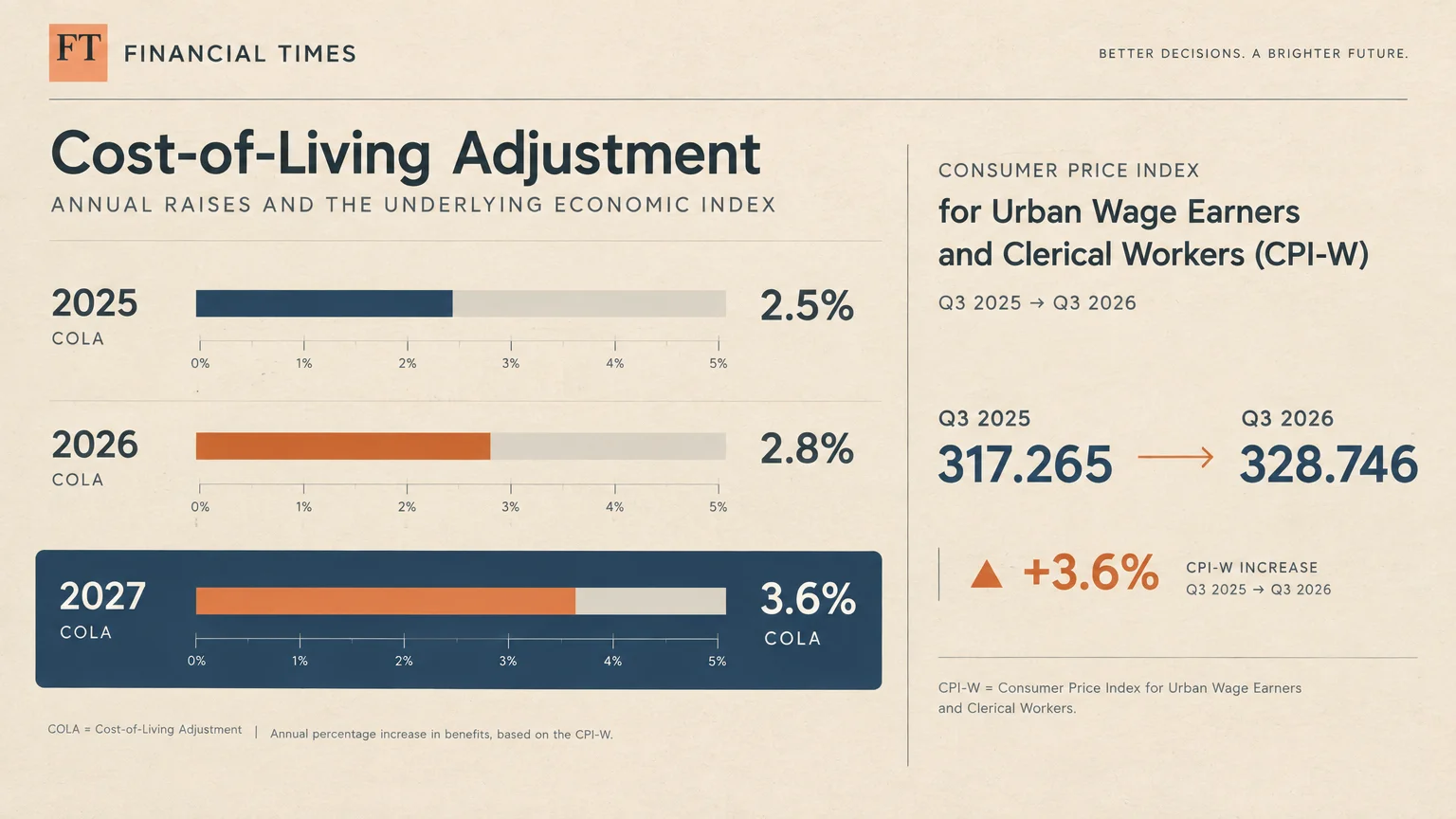
The Social Security Administration officially announced a 3.6% Cost-of-Living Adjustment for 2027 on October 14, 2026. This adjustment provides your largest annual benefit increase in four years.
The updated rate surpasses the 2.8% boost from 2026 and the 2.5% increase from 2025. You will experience welcome relief against ongoing household price pressures.
The federal government calculates this adjustment using the Consumer Price Index for Urban Wage Earners and Clerical Workers, known as the CPI-W. Non-partisan statisticians compare third-quarter economic data year over year.
The CPI-W base average rose from 317.265 in the third quarter of 2025 to 328.746 during the third quarter of 2026. That upward measurement directly produced your 2027 COLA increase.
You do not need to submit applications or file paperwork to receive this boost. The federal government applies the change automatically to your regular monthly distribution.
This annual adjustment protects your purchasing power against everyday living costs. You can allocate these extra funds toward fresh groceries, home utilities, and prescription medications.
Review your personal spending plan before the new calendar year begins. A clear budget allows you to channel every dollar toward your core priorities.
You gain tremendous confidence when you understand the mechanics behind your benefits. Knowing your financial baseline helps you maintain complete financial independence.
Dedicate a portion of this incoming raise toward building a modest cash buffer in your checking account. Establishing an emergency cushion protects you against unforeseen household repairs.
You can also use this raise to fund enriching social activities and beloved hobbies. A balanced retirement pairs disciplined financial management with joyful living.
Stay observant regarding regional price changes across your local community. Tracking these trends ensures that your updated check continues to support your daily comfort.
Tip #2: Calculate Your New Monthly Payment Baseline
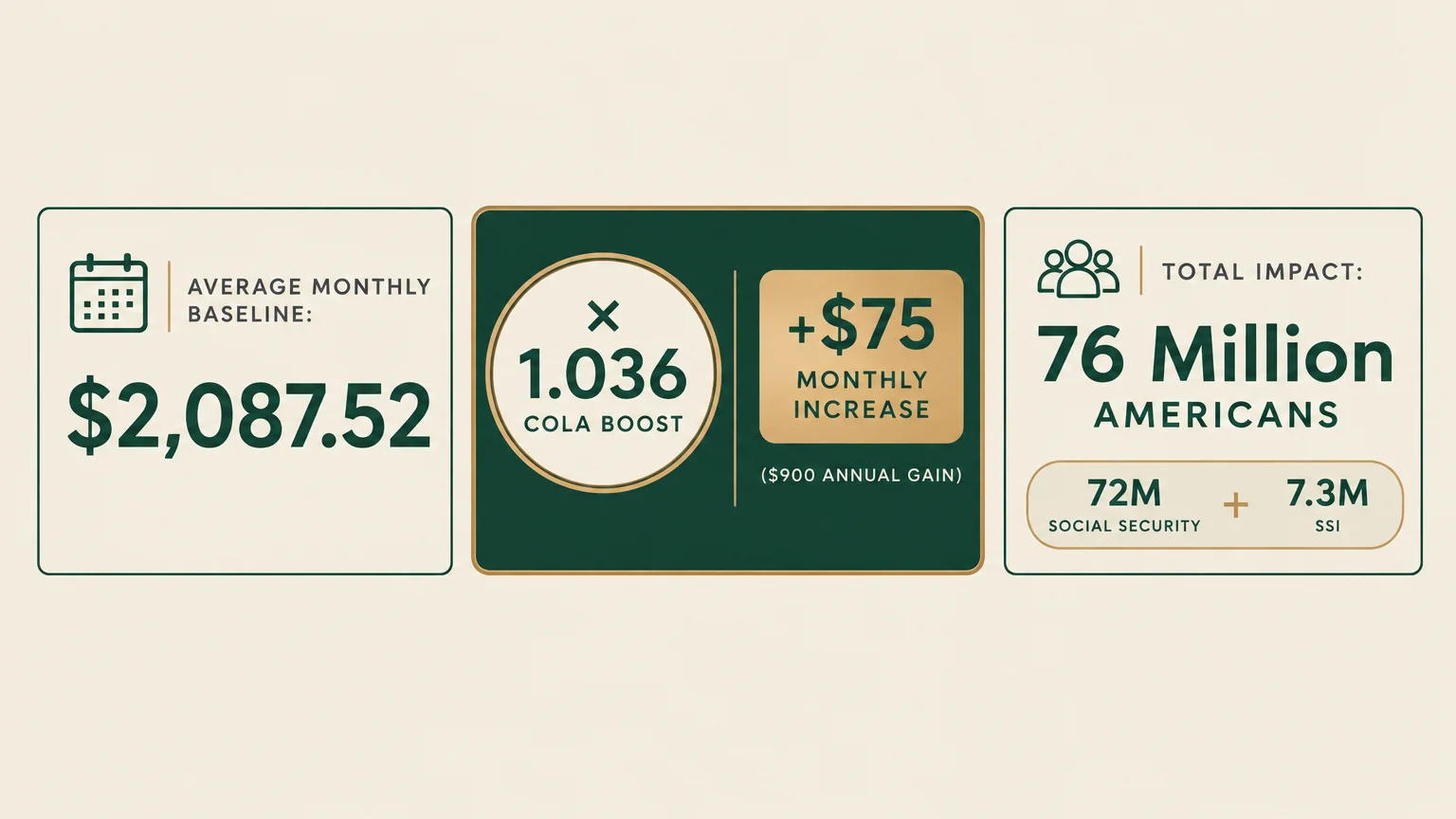
Understanding the exact dollar value of your upcoming raise helps you organize upcoming expenses. The average retired worker benefit stood at $2,087.52 per month before this adjustment.
With the 3.6% boost in effect, average retirement benefits will increase by $75 per month. That equals an extra $900 annually in your pocket.
Roughly 76 million Americans will benefit directly from these updated payment levels starting in 2027. This broad group includes approximately 72 million Social Security recipients alongside 7.3 million Supplemental Security Income recipients.
To estimate your individual check, multiply your current gross monthly benefit by 1.036. This straightforward calculation reveals your gross entitlement for Social Security payments 2027.
Remember that your final bank deposit might differ slightly from this gross estimate. Mandatory deductions like Medicare Part B premiums will adjust your net take-home pay.
Writing down your expected net total allows you to schedule your recurring bills efficiently. You can automate payments for housing, energy, and insurance without financial stress.
An extra $75 per month can substantially ease pressure on your regular grocery budget. You can also redirect that surplus into a high-yield savings account.
Take time to audit your recurring memberships and digital subscriptions. Pairing your incoming raise with trimmed expenses amplifies your overall personal freedom.
Small monthly gains accumulate into meaningful annual savings over time. You will feel far more capable when you actively manage your monthly cash flow.
Celebrate this increase as a well-deserved return on your decades of diligent work. You earned these benefits through years of faithful career contributions.
Consistent financial planning transforms modest annual raises into lasting peace of mind. Keep your primary focus on aligning your monthly income with purposeful spending.

Tip #3: Factor In the Maximum Benefit Thresholds
Maximum benefit limits change substantially for high-earning individuals who reach retirement age. Your chosen claiming age dictates the exact ceiling on your monthly payment.
If you choose to claim benefits early at age 62, your maximum possible monthly check rises to $3,072 in 2027. This marks an increase from the $2,969 limit in 2026.
Claiming at your Full Retirement Age yields a significantly higher maximum payout. For workers reaching Full Retirement Age, the maximum benefit increases to $4,297 per month in 2027 from $4,152 in 2026.
If you delay your claim until age 70, you earn valuable delayed retirement credits. The maximum benefit for age 70 filers reaches $5,362 per month in 2027, up from $5,181 in 2026.
Waiting past your Full Retirement Age boosts your benefit check by 8% for each year you delay until age 70. That guaranteed increase can significantly strengthen your future Social Security benefits.
If you have not claimed benefits yet, evaluate your personal health and family longevity. Delaying even a single year permanently enhances your foundational monthly income.
Those who already receive payments will still enjoy the full 3.6% cost-of-living adjustment. Your established benefit baseline rises proportionally regardless of when you originally claimed.
Compare your current lifestyle needs against your anticipated lifetime payout. Selecting the optimal claiming milestone remains one of your most valuable financial choices.
Consulting an experienced financial planner can help you model different claiming scenarios. Personalized modeling clarifies whether waiting makes practical sense for your family.
Take your time when weighing your options before filing paperwork with the government. An informed choice provides financial security and emotional confidence throughout your golden years.
Every year you defer after reaching Full Retirement Age locks in higher lifelong purchasing power. Make deliberate choices that reflect your personal goals and physical vitality.
Tip #4: Navigate the 2027 Retirement Earnings Limits
Many seniors enjoy working part-time or consulting during their retirement years. If you earn wages while collecting benefits, you must understand the Social Security 2027 changes.
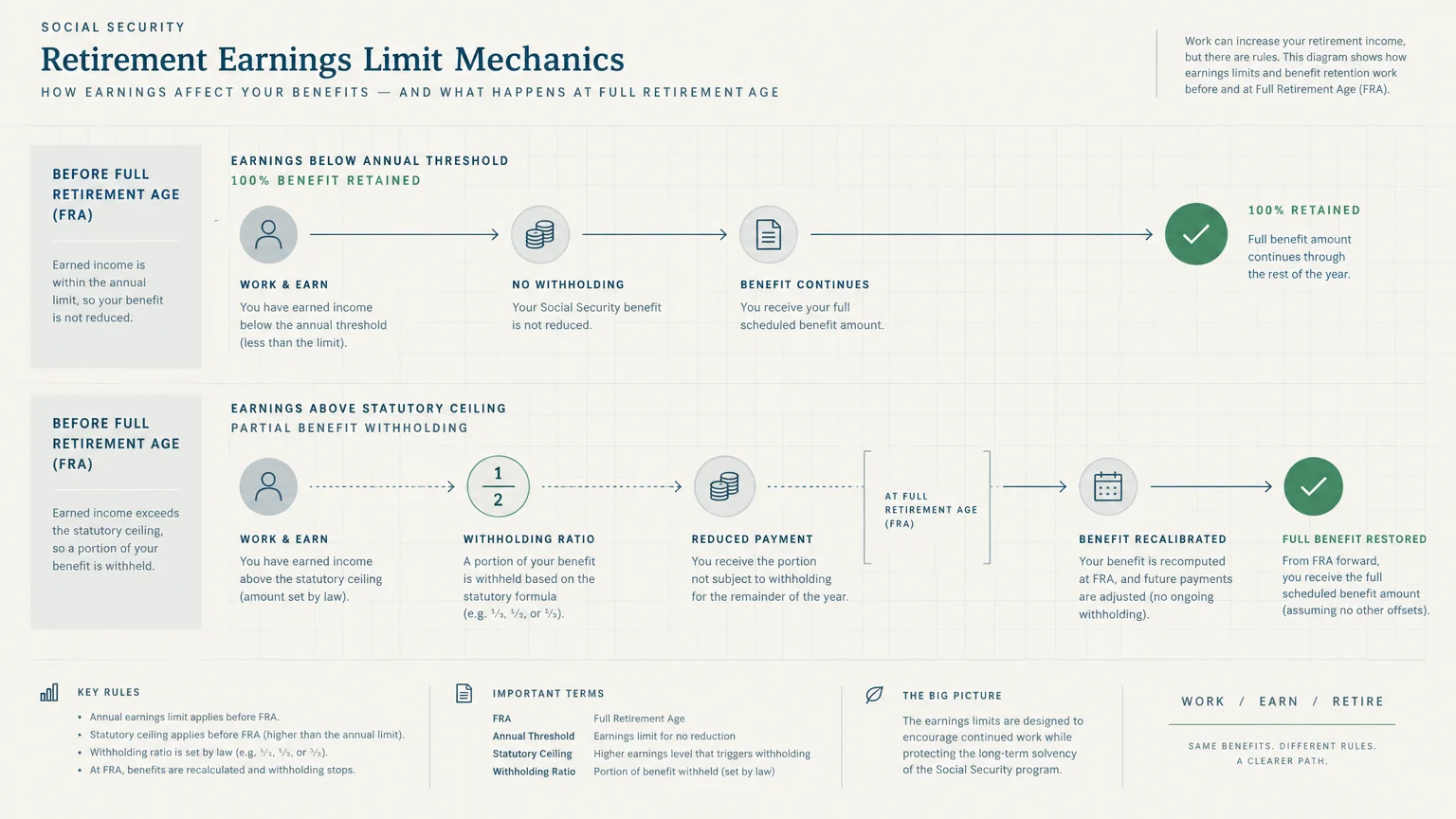
For beneficiaries under Full Retirement Age all year, the earnings limit rises to $25,560 in 2027, up from $24,480 in 2026. The Social Security Administration deducts $1 from benefits for every $2 earned above this mark.
A more generous threshold applies during the calendar year you reach your Full Retirement Age. In that specific year, the earnings cap climbs to $67,920 for 2027.
The agency deducts $1 for every $3 earned above $67,920 until the month you reach your Full Retirement Age. After your birthday month arrives, earnings limits vanish entirely.
Once you reach Full Retirement Age, you can earn an unlimited amount of wages without losing any benefits. Working seniors can pursue ambitious professional goals without fear of benefit penalties.
Any benefits withheld due to the earnings test are never permanently lost. The agency recalculates your monthly check at Full Retirement Age to credit those withheld sums back to you.
The taxable wage base also increases to $192,300 in 2027 from $184,500 in 2026. High earners pay the 6.2% payroll tax on income up to this new cap.
Self-employed seniors pay the full 12.4% rate up to that same threshold. Tracking your gross business revenue prevents unexpected tax surprises in the spring.
If you want to stay active through part-time work, structure your hours around these thresholds. Staying below the annual limit preserves your full monthly benefit checks.
Work brings social connection, intellectual engagement, and supplemental revenue to your life. Balance your employment hours carefully to maximize both your income and your leisure time.
Knowledge of these limits empowers you to make strategic career choices. You can enjoy productive work while safeguarding your hard-earned retirement dollars.
Tip #5: Account for Medicare Part B Premium Deductions
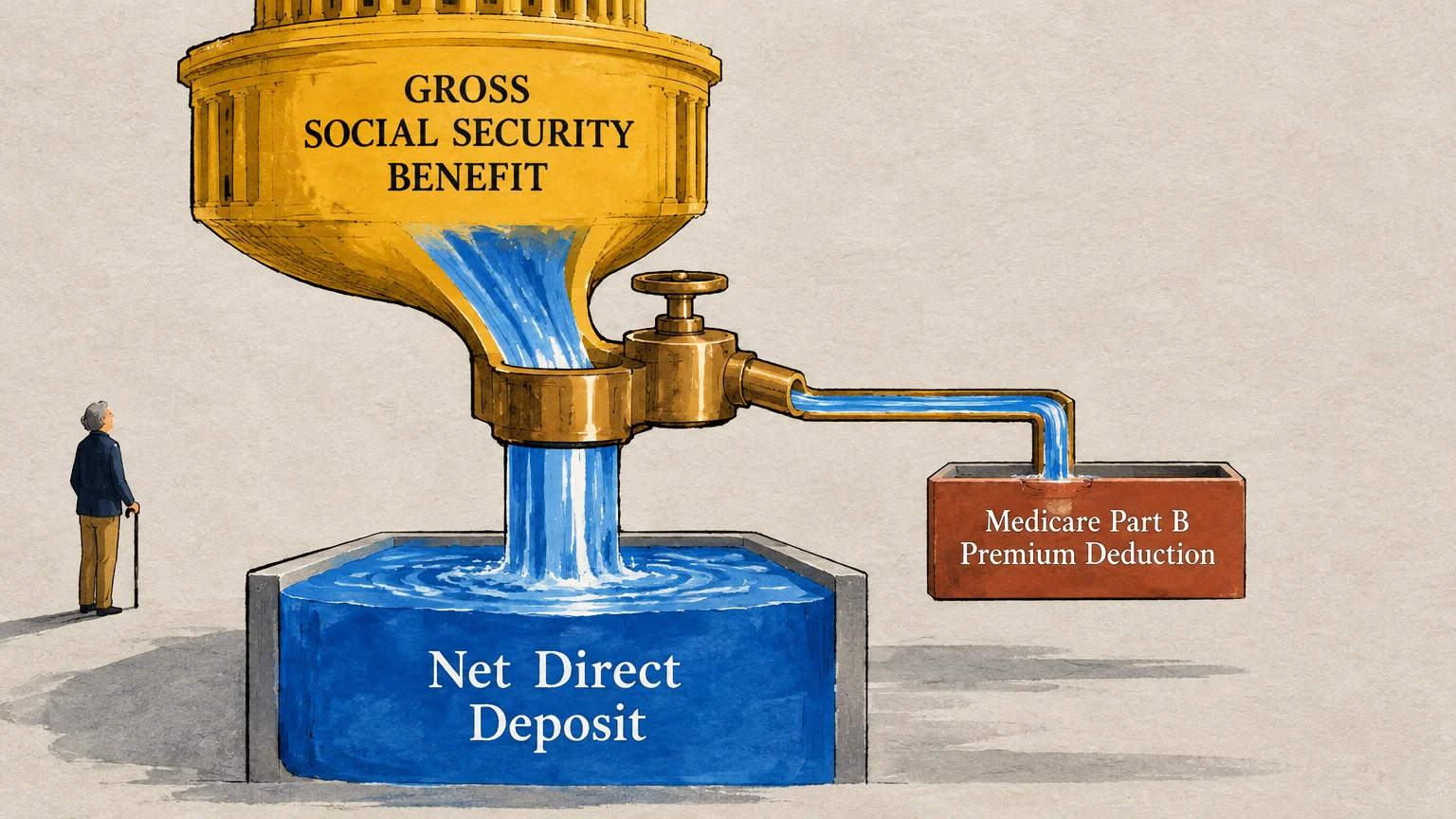
Your gross Social Security increase does not reflect your actual deposit amount. The government automatically deducts standard Medicare Part B premiums directly from most retirees’ checks.
Standard Medicare Part B premiums are projected to rise from $202.90 per month in 2026 to approximately $213.05 per month in 2027. This projected increase slightly offsets your gross Cost-of-Living Adjustment.
While your gross payment climbs by an average of $75 per month, higher healthcare premiums will claim a portion of that raise. Your actual take-home increase will likely sit around $65 monthly.
Net cash flow matters far more than gross figures when paying daily bills. Always build your household budget around the exact net deposit that enters your checking account.
Higher-income beneficiaries may also face Income-Related Monthly Adjustment Amounts, known as IRMAA. These surcharges further increase Part B and Part D premium deductions for top earners.
Review your previous tax returns to see if your adjusted gross income triggers IRMAA brackets. Managing your capital gains and retirement distributions helps minimize potential surcharges.
Evaluate your supplemental Medicare coverage alongside your prescription drug plans each autumn. Choosing cost-effective health coverage ensures that unexpected medical expenses do not erode your retirement gains.
Preventive wellness habits provide another powerful defense against rising medical costs. Staying active and eating nutritious foods helps lower your out-of-pocket healthcare expenses over time.
Do not let rising healthcare premiums discourage your retirement enthusiasm. Even with modest premium adjustments, your net monthly income moves firmly in a positive direction for 2027.
Keep track of official announcements from the Centers for Medicare and Medicaid Services. Clear awareness allows you to adapt your personal financial plan with grace and confidence.
Prioritizing both financial literacy and physical well-being gives you the ultimate advantage. You protect your lifestyle while enjoying vibrant health throughout retirement.

Tip #6: Mark Critical Payment Dates and Account Deadlines
Managing your calendar ensures you access critical financial updates without delay. The Social Security Administration maintains a precise schedule for issuing 2027 notices and revised payments.
You must create a personal online account at my Social Security by November 18, 2026, to review your adjustment digitally. Beneficiaries who register before this deadline skip waiting for physical mail delivery.
Personalized 2027 notices become available inside the online Message Center in late November 2026. Checking your digital portal reveals your exact benefit amount weeks before January arrives.
If you prefer standard postal delivery, paper notices are mailed out during December 2026. Keep this document stored safely in your home filing system for your tax records.
Supplemental Security Income recipients receive their increased 2027 checks on December 31, 2026. This early payout occurs because New Year’s Day is an official federal holiday.
Standard Social Security beneficiaries receive their new payments throughout January 2027. If you filed before May 1997 or receive both Social Security and SSI, your payment lands on January 3.
All other retirees receive funds based on their date of birth. Payments arrive on the second, third, or fourth Wednesday of January.
Birthdays falling between the first and tenth arrive on the second Wednesday. Birthdays from the eleventh through the twentieth arrive on the third Wednesday of the month.
Beneficiaries born on or after the twenty-first receive their monthly deposits on the fourth Wednesday. Noting your specific Wednesday helps you schedule bill payments with precision.
Direct deposit delivers your funds safely into your bank account without the risk of lost paper checks. Verify your banking information online to prevent any administrative payment delays.
A well-organized calendar eliminates unnecessary financial anxiety. You can welcome the new year with total clarity regarding your cash flow schedule.

Tip #7: Plan Proactively for Long-Term Trust Fund Changes
Long-range financial awareness enables you to safeguard your retirement comfort against future policy shifts. An authoritative Social Security forecast indicates the trust fund could face insolvency in 2032.
Without legislative intervention from Congress, an automatic benefit cut of more than 20% could take effect in six years. Taking thoughtful steps today shields your household from potential future reductions.
Congress has historically stepped forward to protect Social Security whenever solvency deadlines approached. Lawmakers understand the immense importance of these benefits to American retirees.
Rather than worrying about headlines, focus on variables within your direct control. Strengthening your personal savings creates a dependable buffer against any future policy adjustments.
Consider diversifying your retirement revenue by nurturing multiple independent income streams. Traditional IRAs, Roth accounts, and taxable investments reduce your reliance on federal checks.
Paying down high-interest revolving consumer debt significantly reduces your required monthly cash outflow. Eliminating debt delivers an immediate, risk-free return on your money.
You might also explore annuity options or rental income to establish guaranteed recurring revenue. Multiple income streams bring deep emotional security to your daily life.
Adopt a flexible withdrawal strategy for your tax-advantaged investment portfolios. Prudent annual withdrawal rates keep your principal protected for decades to come.
Engage in active discussions with a fee-only certified financial planner. A professional advisor helps you craft a resilient distribution plan tailored to your lifestyle.
Proactive preparation turns potential uncertainty into personal empowerment. When you manage your personal wealth deliberately, you secure your independence under any economic circumstances.
Approach your future with confidence and calm optimism. Strategic planning ensures that your golden years remain joyful, productive, and financially resilient.

Tip #8: Optimize Your Personal Cash Flow and Daily Budget
Maximizing the benefits of your 2027 payment adjustment begins with intentional daily cash flow habits. Aligning your regular expenditures with your new income prevents lifestyle inflation from consuming your raise.
Start by conducting an annual audit of your recurring utility and service bills. Contacting service providers to request promotional rates often yields substantial monthly savings.
Channel any freed-up funds directly into an accessible, interest-bearing emergency account. Having three to six months of living expenses set aside insulates your long-term investments from unexpected liquidations.
Review your insurance deductibles and coverage limits across your home and vehicle policies. Adjusting coverage levels to match your current lifestyle can lower your annual premium obligations.
You can also explore senior discount programs available through local merchants and community organizations. Taking advantage of everyday discounts stretches your monthly retirement dollars even further.
Coordinate your Social Security deposits with your required minimum distributions from tax-deferred accounts. Strategic tax planning prevents unnecessary bracket creep and keeps more money in your wallet.
Consider utilizing modern digital banking tools to categorize your routine spending automatically. Clear visual tracking helps you identify spending leaks before they impact your overall budget.
Dedicate a portion of your monthly surplus toward personal health and enrichment experiences. Investing in your physical vitality and mental happiness pays priceless lifelong dividends.
Celebrate small financial victories as you implement these smart cash flow routines. Consistency in your daily habits creates long-lasting stability throughout retirement.
Empowering yourself with intentional money habits brings deep satisfaction and tranquility. You direct your finances rather than letting economic headlines dictate your peace of mind.
Remember that financial mastery in retirement is a continuous, uplifting journey. Every practical decision you make today preserves your freedom and elevates your quality of life.

The Takeaway: Living a More Blissful Retirement
A dependable Social Security raise provides a welcome financial foundation for 2027. However, true retirement bliss blossoms from proactive planning, vibrant health, and intentional daily living.
Knowing your updated payment figures allows you to navigate the coming year with absolute clarity. You can structure your personal budget, manage healthcare expenses, and pursue meaningful passions without hesitation.
Approach your golden years as an empowering opportunity for personal growth and joyful exploration. You have earned this chapter through decades of dedication and hard work.
Take time to align your monthly income with the activities and people that bring you genuine fulfillment. Financial peace of mind serves as the springboard for your most rewarding experiences.
Stay informed about policy updates, but keep your daily energy focused on personal wellness and happiness. You hold the power to shape a vibrant, fulfilling, and secure retirement.
For a wide range of resources for older adults, visit AARP and the National Council on Aging (NCOA). Health information is available from the National Institute on Aging.
Disclaimer: This article is for informational and inspirational purposes only; it is not a substitute for professional medical, financial, or psychological advice. Please consult with a qualified expert for guidance tailored to your individual needs.
Frequently Asked Questions
When will I see the 2027 Social Security COLA increase in my payments?
Supplemental Security Income recipients will receive their higher payments on December 31, 2026. Standard Social Security beneficiaries will see their increases in their regular January 2027 payment checks.
Your exact January deposit date depends on your day of birth or initial filing year. Check your calendar for the second, third, or fourth Wednesday of the month.
Will working in retirement reduce my Social Security benefits in 2027?
If you are younger than Full Retirement Age all year, you can earn up to $25,560 in 2027 before benefit deductions begin. The agency temporarily withholds $1 for every $2 earned above that cap.
Beneficiaries reaching Full Retirement Age during 2027 can earn up to $67,920 before reductions apply. Once you reach Full Retirement Age, no earnings limits apply to your wages.
How will rising Medicare Part B premiums affect my 2027 check?
Standard Medicare Part B premiums are projected to rise from $202.90 in 2026 to approximately $213.05 per month in 2027. Because the government deducts this premium automatically, it slightly offsets your $75 average gross raise.
Your net monthly benefit will still increase by an average of roughly $65. Always base your personal budget on your actual net deposit rather than your gross entitlement.
How do I review my personalized 2027 COLA notice online?
You can create a personal my Social Security account online by November 18, 2026, to receive digital notifications. Your personalized 2027 statement will appear in your online Message Center in late November.
If you do not create an account by that date, the agency will mail a paper notice during December 2026. Both formats outline your exact updated gross benefit and scheduled monthly deductions.