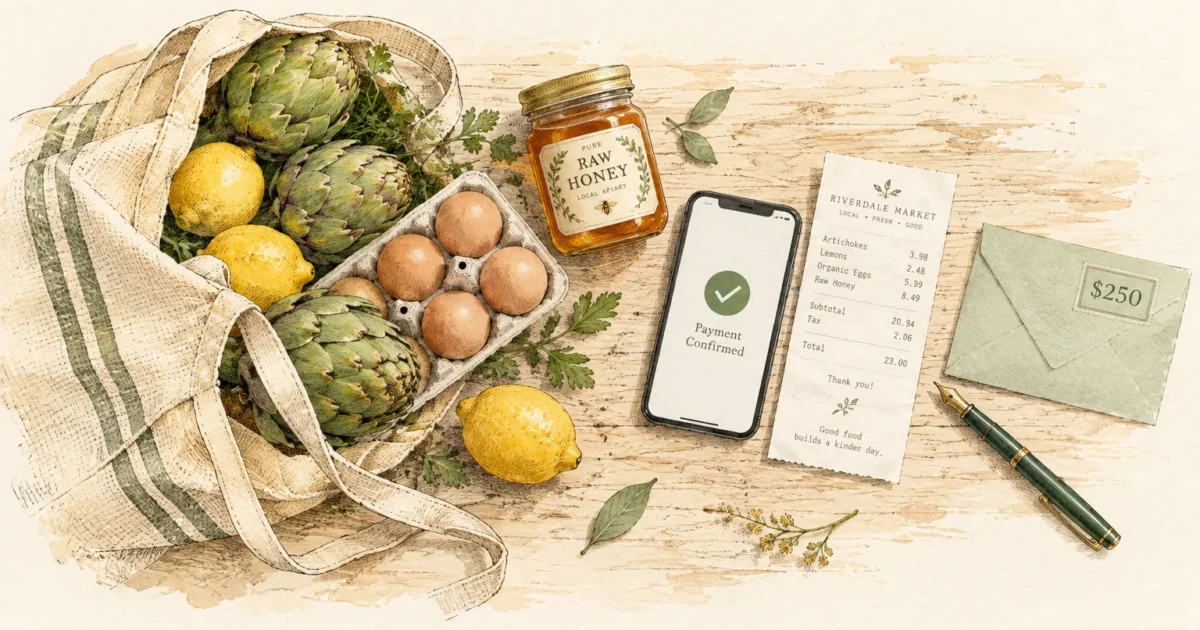
You can pocket an extra $250 this year without altering your budget or sacrificing items you love. Everyday purchases like groceries, prescriptions, and home goods can easily funnel money back into your pocket.
The U.S. Bureau of Labor Statistics reports that the average household spends $6,491 per year on food at home alone. By redirecting a small slice of that routine spending back to your account, you unlock effortless cash.
This guide walks you through simple, rewarding strategies designed for a relaxed lifestyle. With a few taps on your computer or phone, you can turn your regular shopping trips into a delightful income stream.
Tip #1: Route Online Purchases Through Cash-Back Portals
Many major retailers offer cash rebates simply for entering their websites through a rewards portal. You do not pay anything extra for your items, yet you receive a direct percentage back on every dollar spent.
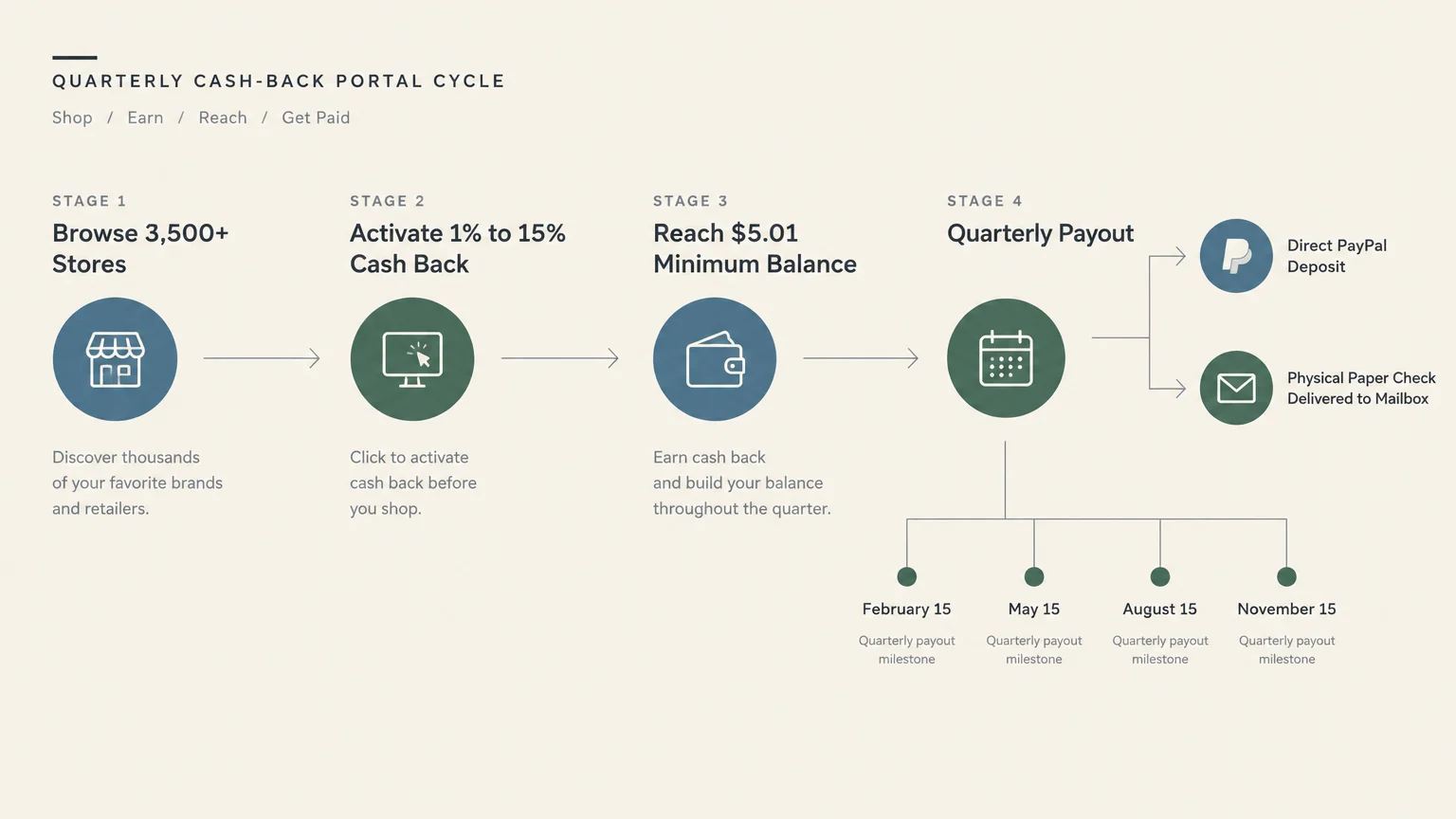
Rakuten stands out as one of the most reliable and user-friendly portals available today. It partners with over 3,500 stores, offering rebate rates ranging from 1% to 15% cash back.
If you order pet food, vitamins, or clothing online, you can activate these rebates with a single mouse click. The portal tracks your purchase behind the scenes and deposits your earnings into your account balance automatically.
Payouts arrive on a dependable quarterly schedule every February 15, May 15, August 15, and November 15. You only need a modest balance of $5.01 to trigger your payment.
You can receive your quarterly payout through PayPal or choose a paper check delivered directly to your mailbox. For those who appreciate classic simplicity, opening your mailbox to find a physical rebate check brings genuine satisfaction.
You can also opt for travel loyalty currencies like Bilt points or American Express Membership Rewards points. This flexibility allows you to customize your savings toward future visits with family or relaxing weekend getaways.
Installing a browser extension on your desktop computer removes the guesswork entirely. The extension alerts you whenever a rebate is available, so you never miss an opportunity to save while browsing your favorite stores.
Shoppers who carry the Rakuten American Express Card enjoy an additional 4% cash back on eligible purchases made through the portal. The annual cap on this 4% rate sits at $10,000, offering substantial room for regular spenders.
Over twelve months, routing your ordinary online purchases through a portal can easily produce $50 to $100 of your target. It requires zero lifestyle changes—only a couple of clicks before you check out.
Developing this simple digital habit ensures you never leave free money behind when ordering necessities online. It is one of the easiest ways to build your retirement spending cushion from home.
Tip #2: Scan Paper Grocery Receipts with Fetch Rewards
If you prefer shopping in person at local supermarkets and pharmacies, your paper receipts hold untapped value. Instead of crumpling them into the trash, you can transform them into immediate spending money.
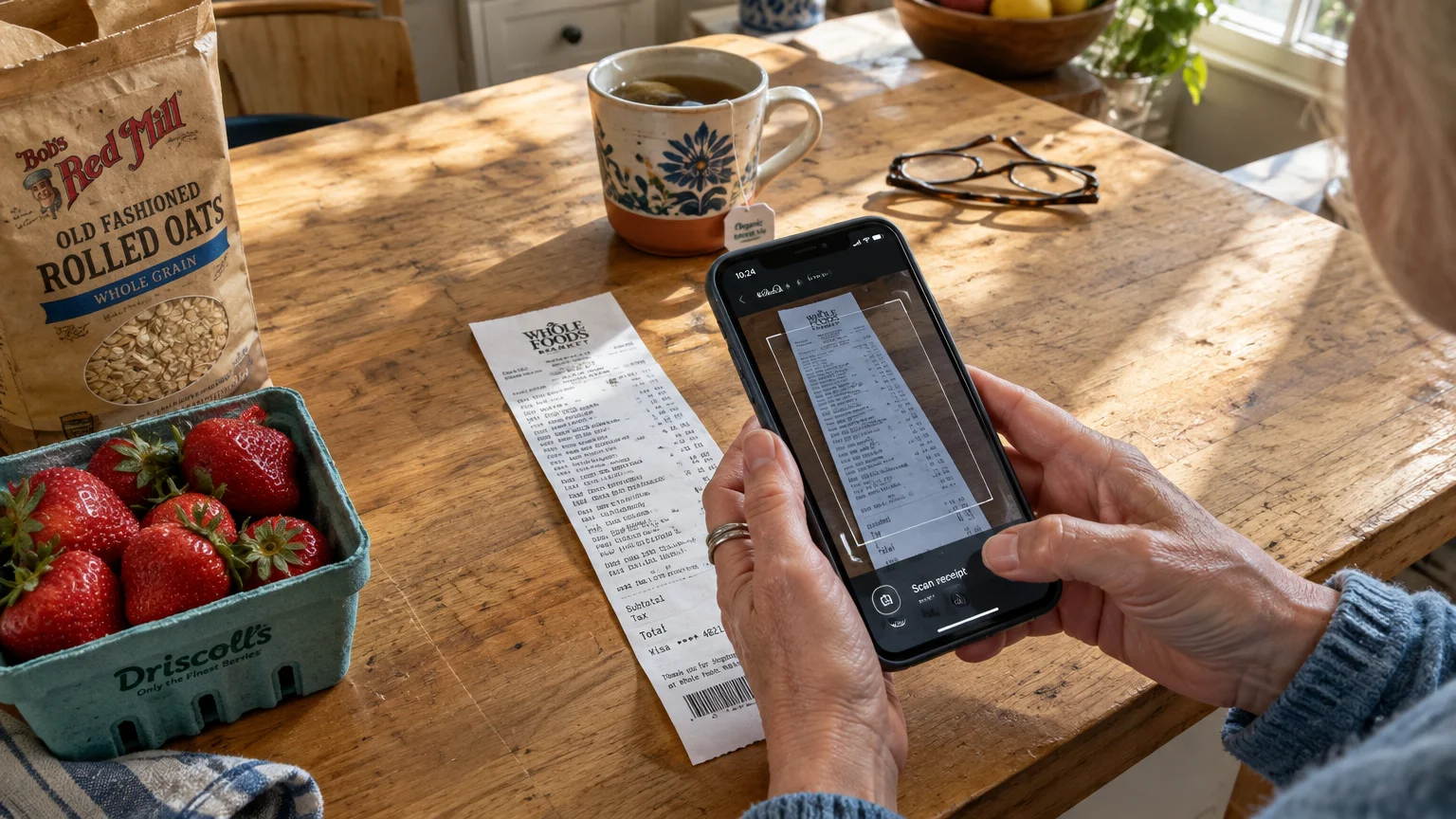
Fetch Rewards makes this process completely painless. You simply open the mobile app, snap a quick photo of your physical receipt, and watch your point balance grow within seconds.
The app accepts receipts from any grocery store, gas station, big-box retailer, or corner pharmacy. You do not need to hunt for specific coupons or pre-select qualifying items before entering the store checkout lane.
In the Fetch system, 1,000 points equals roughly $1 in purchasing value. Every eligible receipt awards base points, while specific featured brands grant generous point multipliers.
You can redeem your points quickly because the minimum cash-out threshold begins at just 3,000 points, which equals $3. You can convert those points into digital gift cards for popular retailers like Amazon, Target, or Walmart.
These gift cards can offset your daily expenses or fund special treats like craft supplies, gardening tools, or grandchildren’s birthday presents. The low redemption barrier ensures you enjoy the fruits of your effort right away.
Keep one vital account guideline in mind to protect your accumulated rewards balance. Fetch points expire if your account remains completely inactive for 90 days.
To prevent this, simply scan at least one receipt every month. Establishing a routine of scanning your grocery receipts right after you unpack your bags guarantees your points remain safe and active.
Over a full year of routine weekly shopping trips, scanning receipts consistently can generate $30 to $50 toward your $250 goal. It transforms a discarded scrap of paper into a rewarding daily habit.
You will find genuine satisfaction in turning ordinary supermarket slips into steady gift card balances. That steady stream of rewards adds a warm layer of comfort to your weekly errands.

Tip #3: Unlock Direct Cash Rebates on Essentials with Ibotta
While scanning receipts offers effortless points, cash rebate apps let you target specific brand-name savings. Ibotta provides substantial cash rebates on everyday pantry staples, fresh dairy, cleaning supplies, and personal care products.
Before you head out to the supermarket, browse the app for five minutes and tap the offers matching your grocery list. Many rebates range from $0.50 to $3.00 for products you purchase on a weekly basis.
Many regional grocery chains allow you to link your store loyalty card directly to the Ibotta platform. When you link your accounts, your rebates process automatically whenever the cashier scans your store barcode at checkout.
If your preferred grocery store does not support digital card linking, simply photograph your printed receipt within the app. The system automatically reads the line items and credits your rebate balance within twenty-four hours.
Ibotta requires a $20 minimum balance to cash out your accumulated funds. Once you reach that threshold, you can transfer your money straight to your checking account, PayPal, Venmo, or select gift cards.
Reaching the $20 threshold takes surprisingly little time when you purchase routine household necessities. Adding just two or three qualifying items per grocery run can yield $4 to $8 in rebates each month.
Be mindful of the platform’s inactivity rule so your hard-earned funds never slip away. Ibotta deducts a monthly maintenance fee from your balance if your account stays inactive for 180 days.
Avoiding this maintenance fee is as easy as redeeming a single grocery offer once every six months. Regular shoppers will naturally bypass this rule while picking up milk, eggs, or pantry staples.
With consistent use throughout the year, Ibotta can easily supply $60 to $80 of your $250 objective. Those funds provide a satisfying boost to your checking account without straining your retirement budget.
Watching your rebate account cross that $20 cash-out threshold brings a wonderful sense of accomplishment. It proves that small, intentional choices at the grocery store produce meaningful financial rewards.
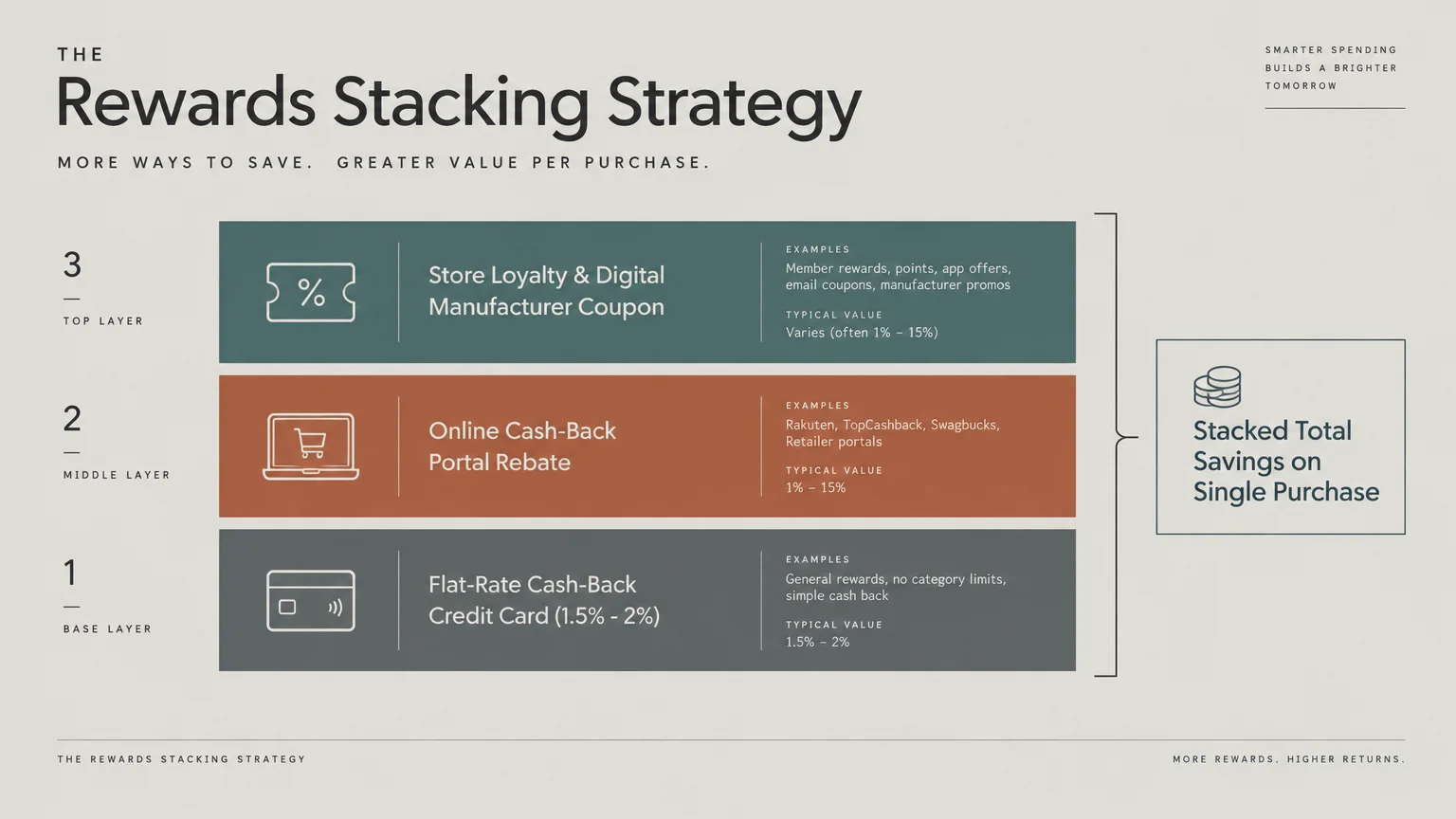
Tip #4: Stack a Flat-Rate Rewards Credit Card on Everyday Essentials
Paying for groceries and household supplies with cash or a basic debit card leaves substantial money on the table. A dedicated cash-back credit card allows you to capture an immediate rebate on every transaction.
Data from the Bureau of Labor Statistics shows that the average American household spends $6,491 per year on food at home. That translates to an average grocery expenditure of roughly $541 each month.
Total food expenditures—including dining out at favorite restaurants—average $10,633 per year. Across all spending categories, overall average household expenditures reach $81,905 annually, or about $6,825 per month.
Earning just 2% to 4% cash back on your routine grocery spending yields $130 to $260 per year on food alone. That single optimization accomplishes your entire $250 goal without altering where you shop or what you eat.
The real financial magic happens when you stack these payment rewards with shopping apps. You earn your credit card cash back at the register, while simultaneously collecting app points and portal rebates on the exact same purchase.
For example, ordering household essentials through a portal with your rewards card lets you double your earnings effortlessly. You capture the portal rebate and your card’s percentage back in one unified checkout step.
To make this strategy work, you must exercise financial discipline by treating the card like cash. Pay off your entire statement balance every month so high interest charges never erase your savings.
Setting up automatic statement balance payments through your bank prevents late fees and protects your credit score. This hands-off system lets you reap pure cash profit on funds you already plan to spend.
Stacking a card reward on top of your grocery budget forms the sturdy foundation of your savings engine. It silently funnels hundreds of dollars into your pocket while you go about your regular weekly errands.
This foundational layer requires no extra coupons or manual scanning after the initial card setup. It works quietly in the background on every carton of milk and loaf of bread you purchase.
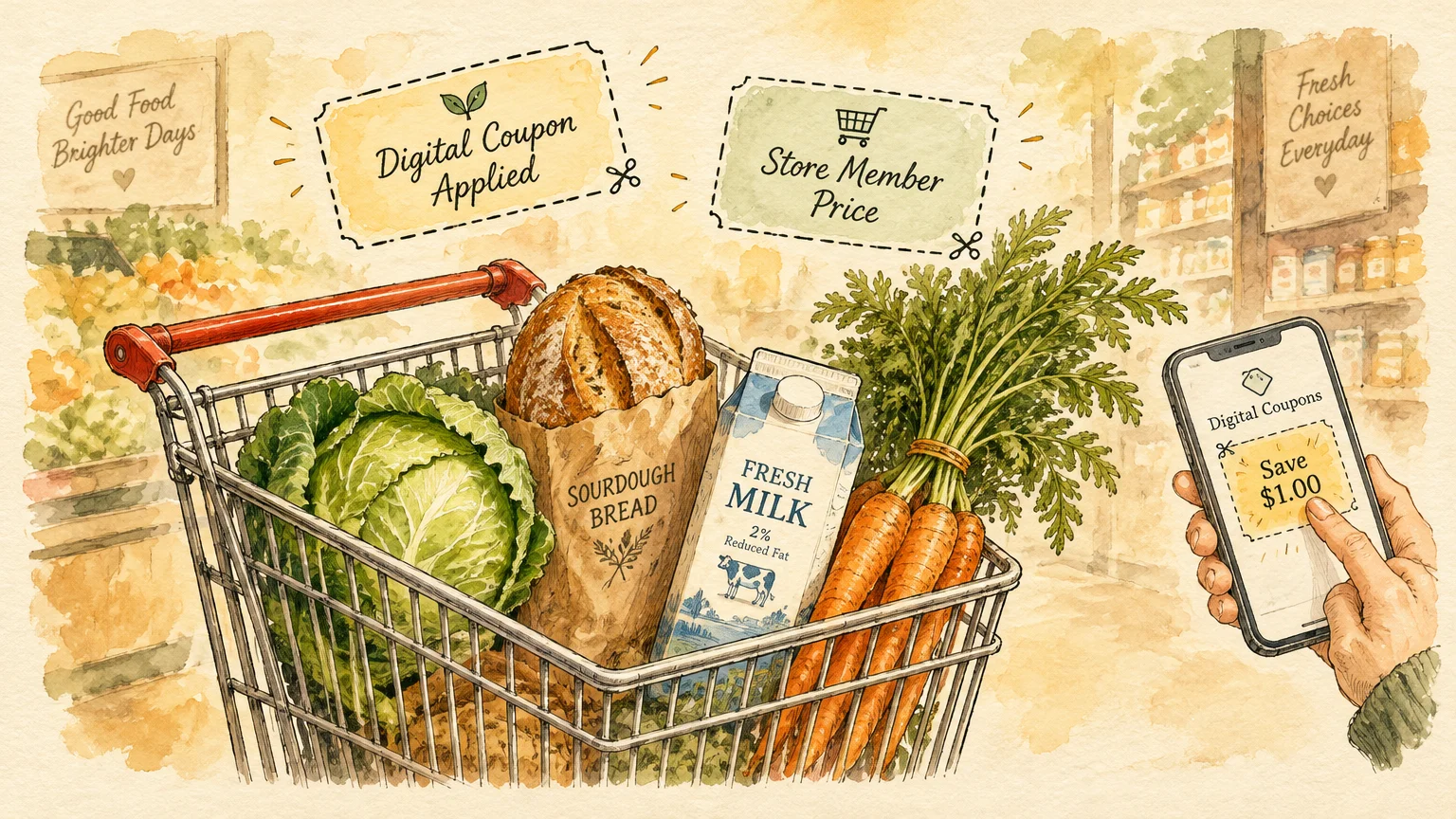
Tip #5: Combine Store Loyalty Accounts with Digital Manufacturer Coupons
Gone are the days of spending hours carefully snipping paper coupons from Sunday newspapers. Today, modern supermarkets place valuable manufacturer discounts right inside their free smartphone apps and website accounts.
Before your shopping trip, open your grocery store’s digital app and browse through the digital coupon aisle. Tapping digital coupons links them directly to your loyalty phone number or membership card.
When the cashier scans your loyalty barcode at checkout, every clipped discount applies to your bill instantly. This immediate price drop happens before you even pay, keeping cash directly in your bank account.
Many regional grocery chains feature personalized digital deals tailored to your past purchase history. If you consistently buy a specific brand of coffee or whole-wheat bread, the store often provides targeted discounts on those exact items.
You can freely combine these digital manufacturer discounts with receipt-scanning rebates from Fetch or Ibotta. This strategy—often called double dipping—lets you collect store savings and post-purchase cash back on the identical product.
For instance, a digital store coupon might take $1 off laundry detergent at the register. Afterwards, an app rebate might send another $1 back to your account when you scan your printed receipt.
When you pay for that purchase with your cash-back credit card, you capture a third layer of savings. Layering three discounts onto a single item drives your overall grocery bill down dramatically.
Spending just five to ten minutes reviewing digital store promotions before each trip pays handsome dividends. Over fifty-two weeks, this simple habit easily saves another $50 to $75 on everyday household necessities.
Combining store promotions with mobile rewards ensures you never overpay for basic living supplies. It brings tremendous peace of mind, knowing your shopping routine works efficiently on your behalf.
You will enjoy the feeling of mastery when your register receipt displays substantial promotional deductions. That instant feedback makes your weekly trip to the grocery store feel like a personal victory.
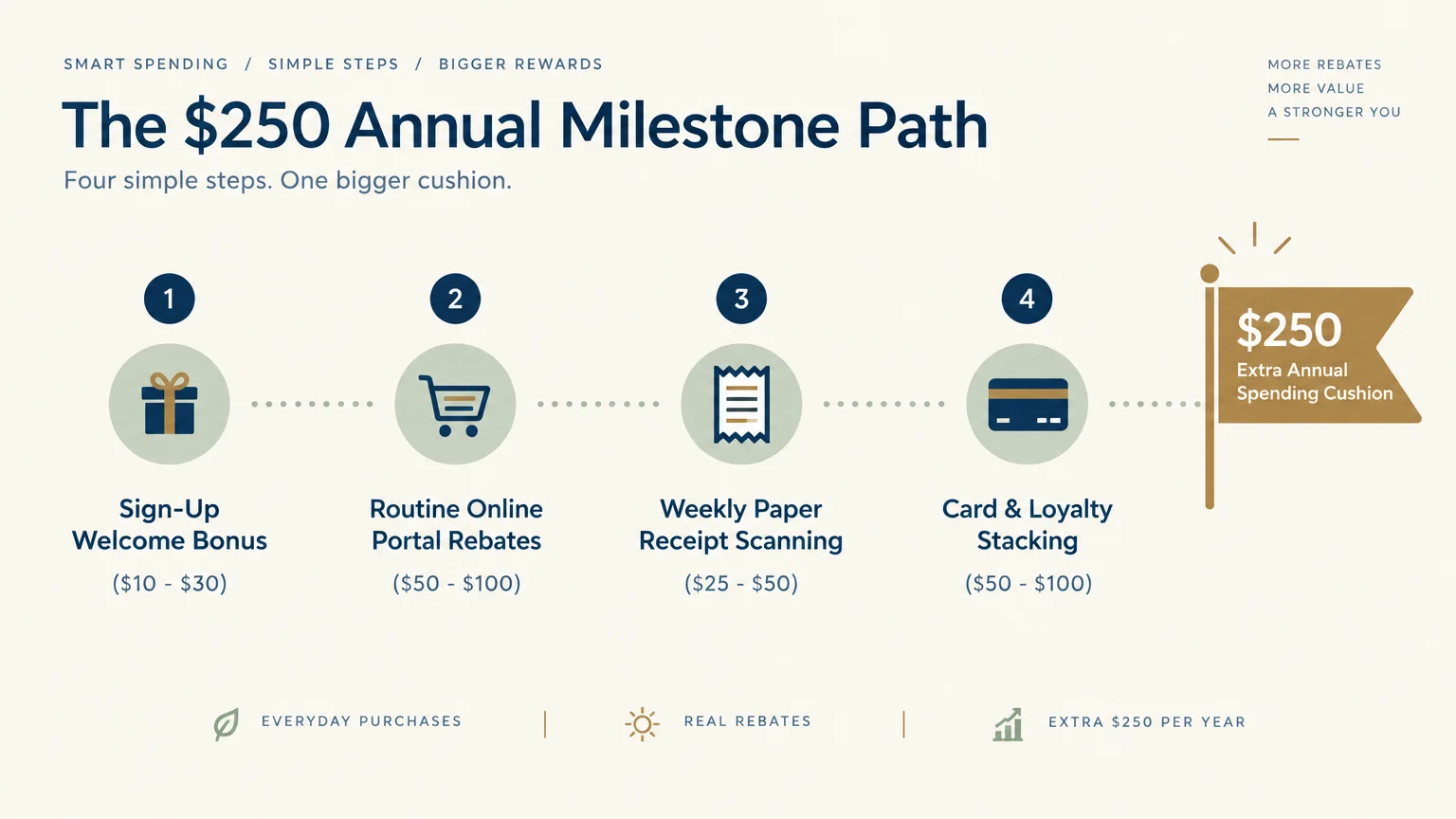
Tip #6: Capitalize on Lucrative Welcome Bonuses and Referral Perks
Many cash-back platforms offer generous introductory incentives to welcome new community members. Taking advantage of these introductory promotions gives your $250 savings goal an immediate, powerful head start.
For example, through December 31, 2026, Rakuten offers a $50 welcome bonus for new users who join through a referral link. You only need to spend $50 on qualifying purchases within 90 days of joining to trigger the bonus.
Standard non-referral sign-up bonuses typically range from $15 to $30. Finding a friend or family member who already uses the service allows both of you to capitalize on premium referral amounts.
Meeting that $50 spending requirement is effortless when applied to items you need anyway. Purchasing pet food, gardening supplies, or everyday household goods easily crosses that initial spending threshold.
Once you establish your own account, you can share your personal referral link with close friends, neighbors, or club members. When they register and complete their qualifying shopping, you both receive bonus rewards in your accounts.
Many seniors enjoy sharing these practical tools at community centers, book clubs, or church gatherings. Helping your friends put money back into their household budgets feels rewarding and creates fun shared savings milestones.
Just one or two successful referrals can instantly deliver $50 to $100 toward your overall annual objective. This quick cash injection accelerates your progress and keeps your motivation strong throughout the year.
Keep track of bonus timelines and qualifying requirements in a small notebook near your computer. Marking the 90-day window on your kitchen calendar ensures you never miss a lucrative sign-up deadline.
Leveraging welcome promotions turns ordinary introductory offers into substantial financial windfalls. It proves that learning a few simple modern tools pays handsomely during retirement.
Watching your account jump by fifty dollars on day one gives you tremendous momentum. It sets a cheerful, confident tone for the rest of your rewards-earning adventure.
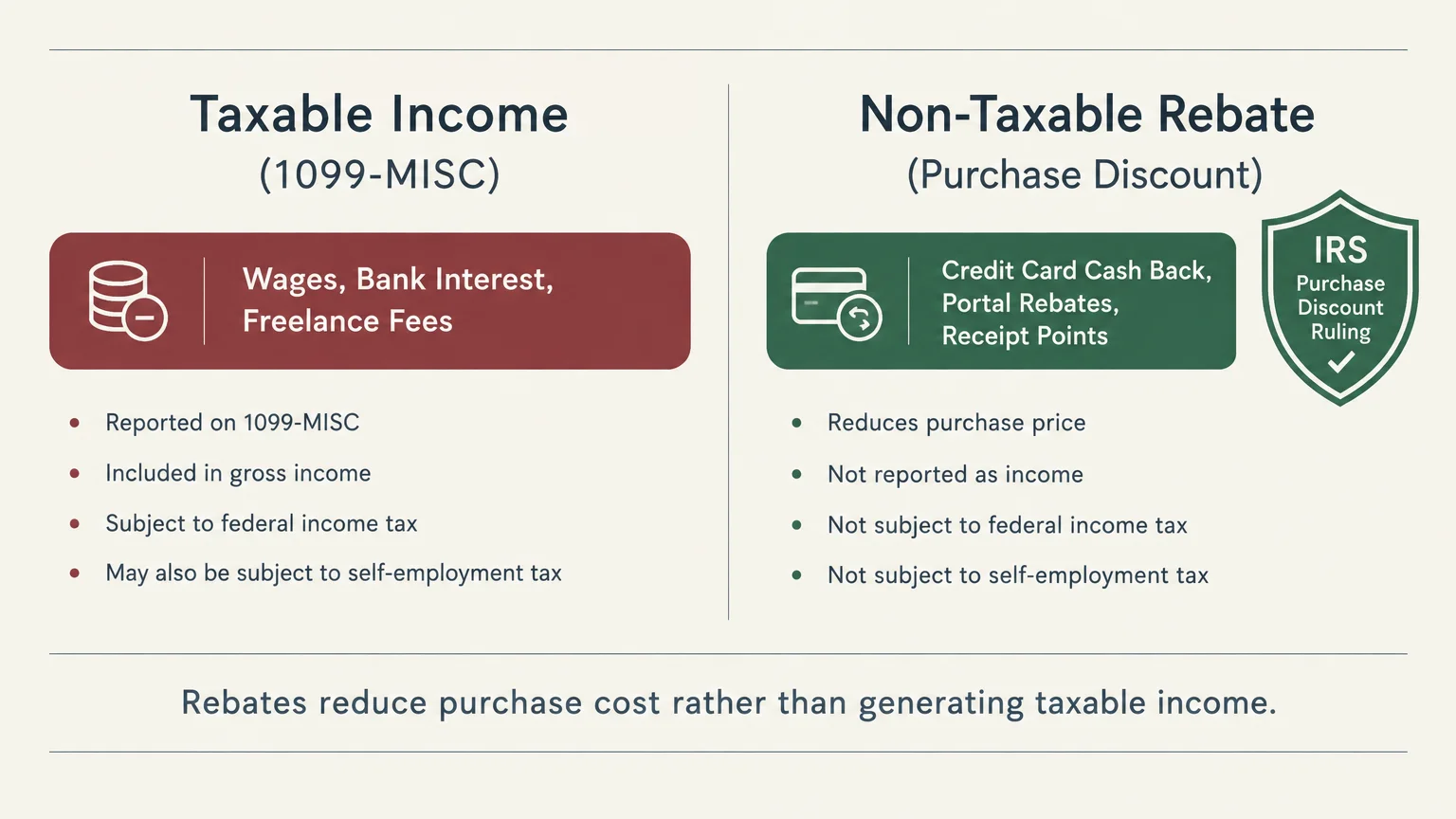
Tip #7: Understand Tax-Free Status and Protect Your Earnings
One of the greatest advantages of earning cash back on shopping is its favorable tax treatment. Understanding the rules set by the Internal Revenue Service lets you enjoy your earnings with complete peace of mind.
Under IRS Publication 525 guidelines, rebates and cash back earned by spending money are considered post-purchase discounts. The government does not treat these rewards as taxable income because you spent personal funds to earn them.
This means the cash you accumulate through credit cards, Ibotta, and Rakuten purchase rebates goes straight into your pocket tax-free. You do not need to set aside money for taxes on those routine shopping savings.
However, bonuses earned without any spending requirement—such as refer-a-friend bonuses—are treated as taxable income by the IRS. You must report these referral earnings when filing your annual personal tax return.
Fortunately, tax reporting requirements became much simpler starting with the 2026 tax year. Companies only issue a Form 1099-MISC if your taxable bonuses reach $2,000 or more, up from the prior $600 threshold.
Protecting your earnings also requires staying attentive to platform expiration and inactivity rules. As noted earlier, Fetch points expire after 90 days of inactivity, while Ibotta charges fees after 180 days.
Set up a quarterly cash-out routine so your earned money never sits exposed to account inactivity rules. Transferring your balances regularly into your personal checking account keeps your cash safe, liquid, and accessible.
Rakuten handles this discipline for you by sending payments every quarter once your balance tops $5.01. For other apps, make it a habit to withdraw your cash as soon as you hit the minimum threshold.
Knowing that your earnings are protected and largely tax-free makes every shopping trip more satisfying. You can watch your savings grow safely, knowing every dollar supports your retirement lifestyle.
Maintaining clear records of your withdrawals ensures you stay organized without any administrative headaches. With simple safeguards in place, your savings journey remains smooth, stress-free, and delightful.

The Takeaway: Living a More Blissful Retirement
Earning an extra $250 through your regular shopping does not require drastic lifestyle overhauls or complicated financial maneuvers. By adopting a few simple digital habits, you capture real value from purchases you make every single week.
That extra $250 can brighten your retirement days in wonderful, tangible ways. You might fund a memorable dinner with your children, purchase fresh perennials for your garden, or treat yourself to relaxing theater tickets.
The golden years are meant for comfort, discovery, and enjoying the simple pleasures of life. Taking control of your everyday spending rewards empowers you to enjoy those special moments with greater financial freedom.
Start small by choosing just one or two methods that feel most natural to your daily routine. Perhaps you begin by downloading Fetch to scan grocery receipts, or you activate Rakuten before your next online order.
As you build confidence and see your balances climb, you can gradually layer in additional apps and techniques. Each small step reinforces your financial savvy and brings greater independence to your retirement journey.
Celebrate your progress every time a quarterly check arrives or an app balance transfers to your bank account. You have earned every dollar simply by living your life and shopping smart.
Your everyday routine holds tremendous earning potential when you let modern tools do the heavy lifting. Embrace these rewarding practices today and enjoy the extra sunshine they bring to your retirement budget.
Frequently Asked Questions
Is cash back earned from shopping apps really tax-free?
Yes, cash back earned from your personal purchases is treated as a non-taxable purchase rebate under IRS rules. The IRS views these earnings as a discount on money you already spent rather than taxable income.
However, referral bonuses earned by inviting friends are considered taxable income because no purchase was required to earn them. Companies only issue a Form 1099-MISC if your non-purchase bonuses reach $2,000 or more in 2026.
What happens if I forget to use my rewards apps for several months?
Platforms maintain different policies regarding account inactivity, so checking specific timelines helps protect your earnings. Fetch Rewards points expire if your account remains inactive for 90 consecutive days without scanning a receipt.
Meanwhile, Ibotta deducts a small monthly maintenance fee from your accumulated balance if your account stays inactive for 180 days. Scanning a single receipt every few weeks prevents inactivity fees and keeps your rewards completely secure.
Can I earn cash back on prescription medications and pharmacy visits?
Yes, you can earn rewards on many pharmacy transactions, though specific rules vary depending on your payment method. Apps like Fetch accept paper receipts from major pharmacies, awarding points on eligible over-the-counter health items.
While federal healthcare regulations often exclude prescription co-pays from direct manufacturer rebates, everyday wellness supplies qualify. Items like vitamins, first-aid products, and personal care goods frequently carry generous cash-back offers across shopping platforms.
How long does it take an average shopper to reach the $250 milestone?
Most households achieve the $250 mark within six to twelve months of consistent, routine participation. With average grocery spending exceeding $6,400 annually, credit card rewards alone provide over half that amount.
Stacking receipt-scanning apps, online shopping portals, and welcome promotions accelerates your timeline significantly. An active shopper who combines these methods can easily reach the $250 milestone in just four to six months.
For a wide range of resources for older adults, visit AARP and the National Council on Aging (NCOA). Health information is available from the National Institute on Aging.
Disclaimer: This article is for informational and inspirational purposes only; it is not a substitute for professional medical, financial, or psychological advice. Please consult with a qualified expert for guidance tailored to your individual needs.