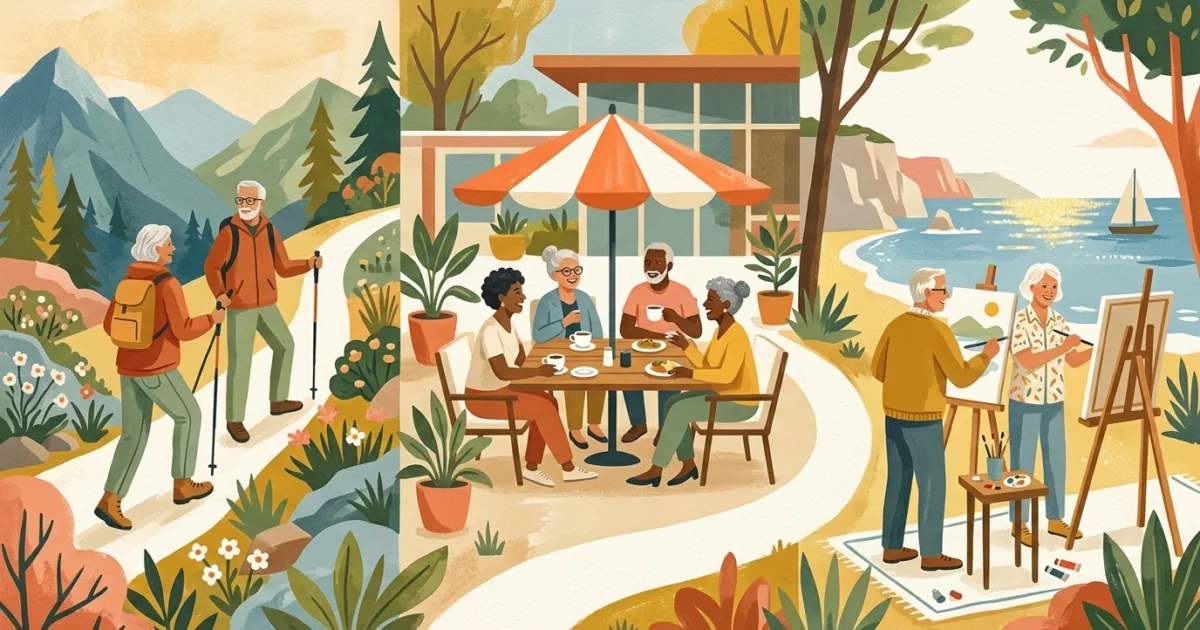
Finding a vibrant community in retirement transforms your health, daily routine, and emotional well-being. Remaining socially active after leaving the workforce protects your mind and body, significantly reducing risks of cognitive decline and chronic disease. Research highlights that strong social ties act as a powerful buffer against physical deterioration while boosting overall happiness. Choosing the right town gives you effortless access to structured clubs, outdoor adventures, arts programs, and welcoming neighbors who share your passions. Whether you prefer sunny town squares, mountain art galleries, or desert recreation hubs, selecting a social retirement destination empowers you to build meaningful friendships and embrace an enriching new chapter.
Tip #1: The Villages, Florida
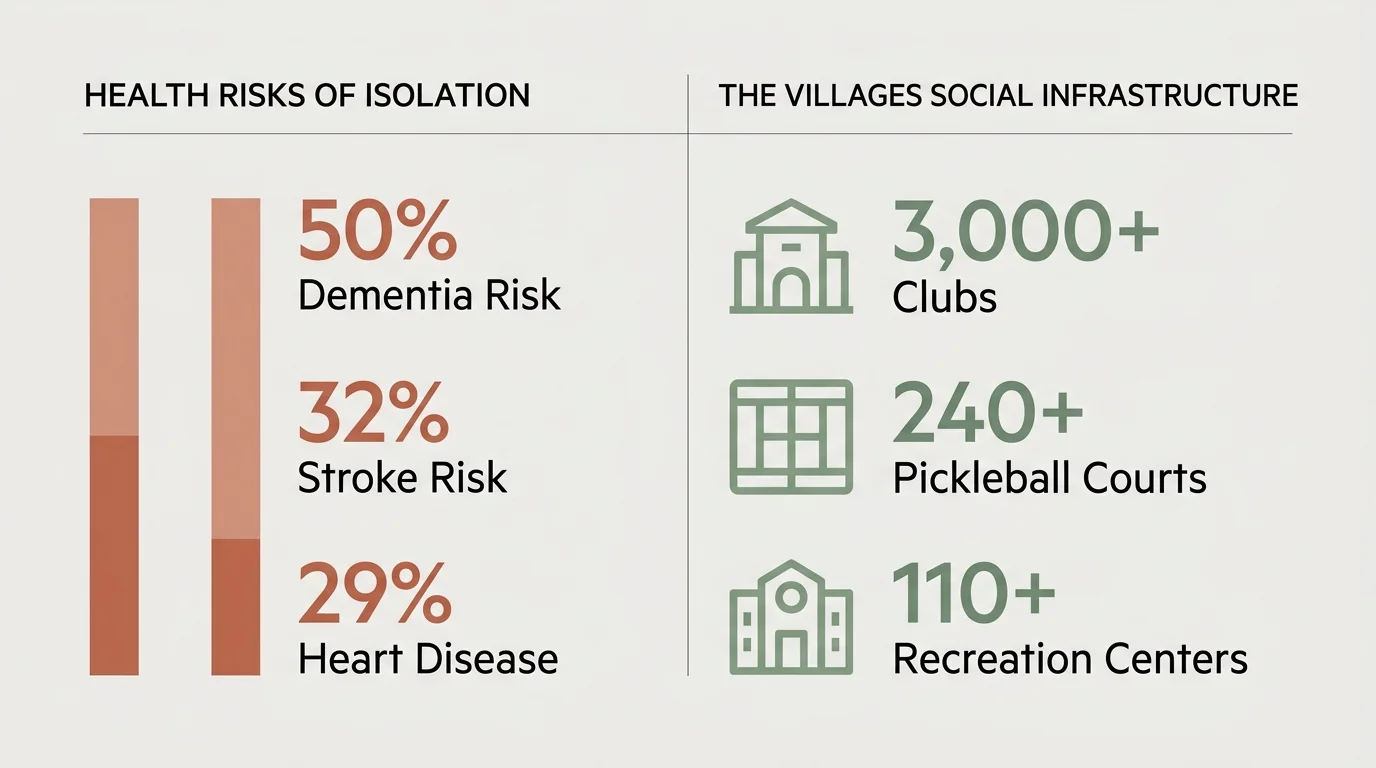
If you want non-stop social energy, The Villages stands out as the world’s ultimate active-adult powerhouse. Spanning three Florida counties with a population exceeding 130,000 to 150,000 residents, this master-planned community revolves entirely around connection, play, and shared hobbies. You can choose from more than 3,000 organized lifestyle clubs catering to every imaginable interest—from synchronized swimming and dragon boat racing to vintage car restoration, local theater, and genealogy. Over 110 recreation centers and swimming pools host daily activities, while more than 240 pickleball courts keep athletic spirits high. Every single evening, three distinct town squares feature live music, dancing, and outdoor dining 365 days a year.
This immersive environment directly addresses a critical public health issue among older adults. A landmark U.S. Surgeon General advisory revealed that lacking social connection raises heart disease risk by 29%, stroke risk by 32%, and dementia risk by 50% in older adults—carrying a physical health impact equivalent to smoking up to 15 cigarettes a day. Furthermore, the December 2024 National Poll on Healthy Aging reported that 33% of adults aged 50 to 80 feel lonely, while 29% feel socially isolated. The Villages combats these risks through built-in social infrastructure. You can ride your golf cart to morning pickleball matches, join a local garden club at noon, and meet friends at Spanish Springs Town Square by dusk; the spontaneous golf cart lifestyle makes introducing yourself to neighbors natural and effortless.

Tip #2: Green Valley, Arizona
Nestled 20 miles south of Tucson against the stunning backdrop of the Santa Rita Mountains, Green Valley provides an affordable, sun-drenched sanctuary for active retirees. Highlighted on Forbes’ Best Places to Retire in 2026 list for its exceptional social value and infrastructure, Green Valley comprises 130 age-restricted developments designed around mutual engagement and community bonding. The heart of this desert haven lies in Green Valley Recreation (GVR), a centralized nonprofit organization operating 14 comprehensive recreation facilities. GVR grants residents direct access to dozens of active clubs focusing on lapidary, woodworking, clay modeling, desert photography, tennis, and aquatic fitness.
Financial accessibility makes Green Valley an attractive choice for retirees aiming to stretch their retirement nest egg while maintaining a busy calendar. In 2026, the median home price in Green Valley sat at $282,000—roughly 31% lower than the national median home price of $409,000. These savings leave you with extra financial freedom to explore regional travel, enroll in creative workshops, or contribute to local charitable endeavors. You can join morning hiking groups exploring nearby Madera Canyon, participate in desert bird-watching excursions, or attend potlucks hosted by neighborhood associations. The laid-back Southwestern culture encourages newcomers to jump into activities immediately, fostering deep friendships grounded in outdoor recreation and artistic pursuits.
Tip #3: Asheville, North Carolina
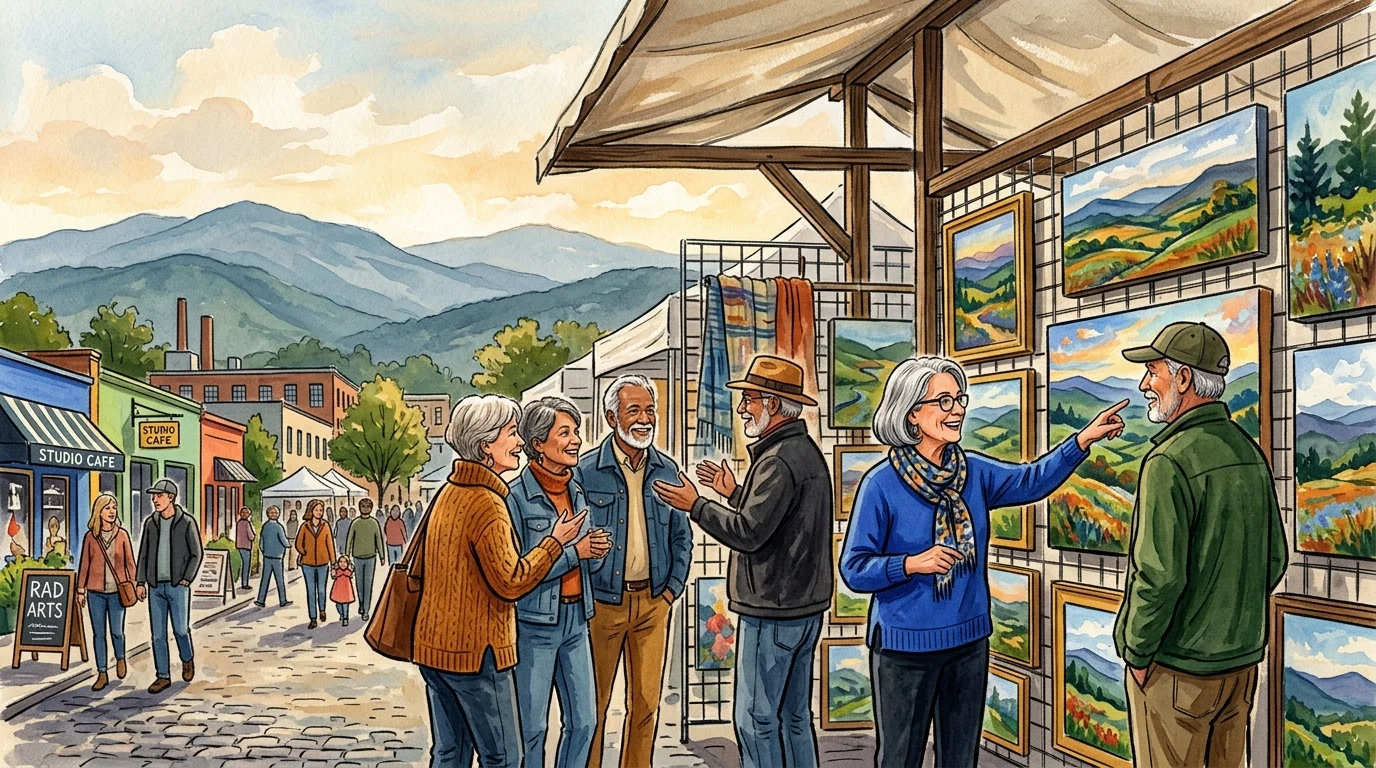
For seniors inspired by mountain vistas, creative expression, and intellectual curiosity, Asheville offers an invigorating retirement destination in the Blue Ridge Mountains. Asheville’s celebrated culture revolves around local art galleries, historic craft guilds, live bluegrass performances, and environmental stewardship. The town naturally draws active adults who value meaningful dialogue, environmental conservation, and collaborative arts. In mid-2026, typical home values sit between $462,000 and $512,000, with median listing prices hovering near $599,000 to $615,000.
You can plug into Asheville’s tight-knit intellectual community by joining the Osher Lifelong Learning Institute (OLLI) at the University of North Carolina Asheville. OLLI hosts hundreds of peer-led courses, lecture series, and field trips designed specifically for mature learners. Outdoor enthusiasts frequently organize group hikes along the Blue Ridge Parkway, while art lovers volunteer together across the vibrant River Arts District. Participating in Friday night drum circles in downtown Pack Square, joining local farm-to-table cooking clubs, or assisting regional land trusts gives you instant access to warm, welcoming networks of friends who share your passion for culture and nature.
Tip #4: Bend, Oregon
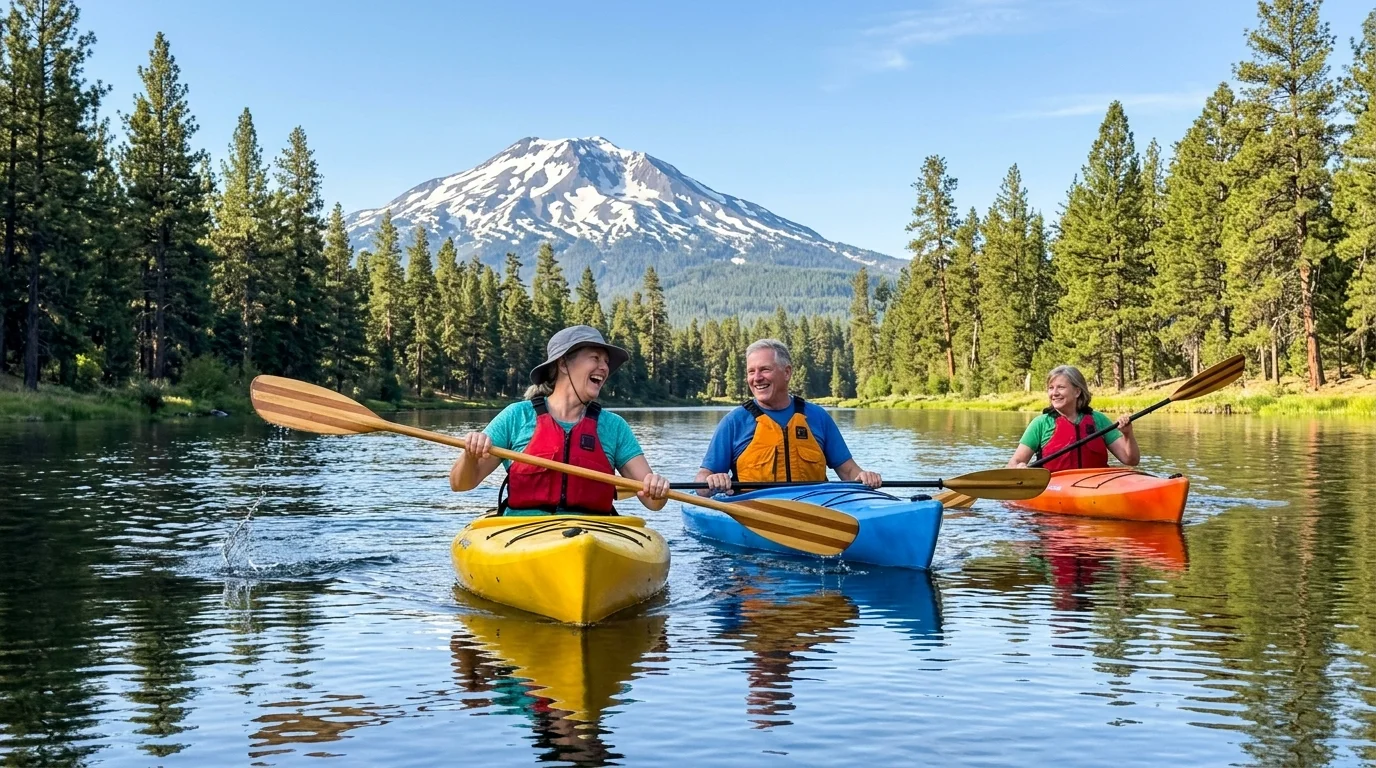
Situated on the sunny eastern edge of the Cascade Mountains, Bend delivers an energetic atmosphere tailored for retirees who thrive in the great outdoors. Bend boasts over 300 days of sunshine per year, providing ideal conditions for year-round social recreation. Active retirees flock to Bend to hike alpine trails, kayak along the Deschutes River, ski at Mount Bachelor, and explore high-desert natural reserves. Mid-2026 housing data places median home sales prices near $725,000, with median list prices hovering around $875,000.
Bend’s thriving craft brewery and farm-to-table culinary scenes serve as lively community gathering spots after outdoor excursions. The Bend Senior Center and the Bend Park & Recreation District coordinate extensive outdoor adventure groups, fitness classes, and social mixers for adults aged 50 and older. You can easily link up with local gravel biking groups, join snowshoeing clubs in winter, or volunteer with environmental restoration groups like the Upper Deschutes Watershed Council. These shared outdoor experiences build lasting bonds rooted in physical wellness, environmental care, and mutual adventure.
Tip #5: Lancaster, Pennsylvania
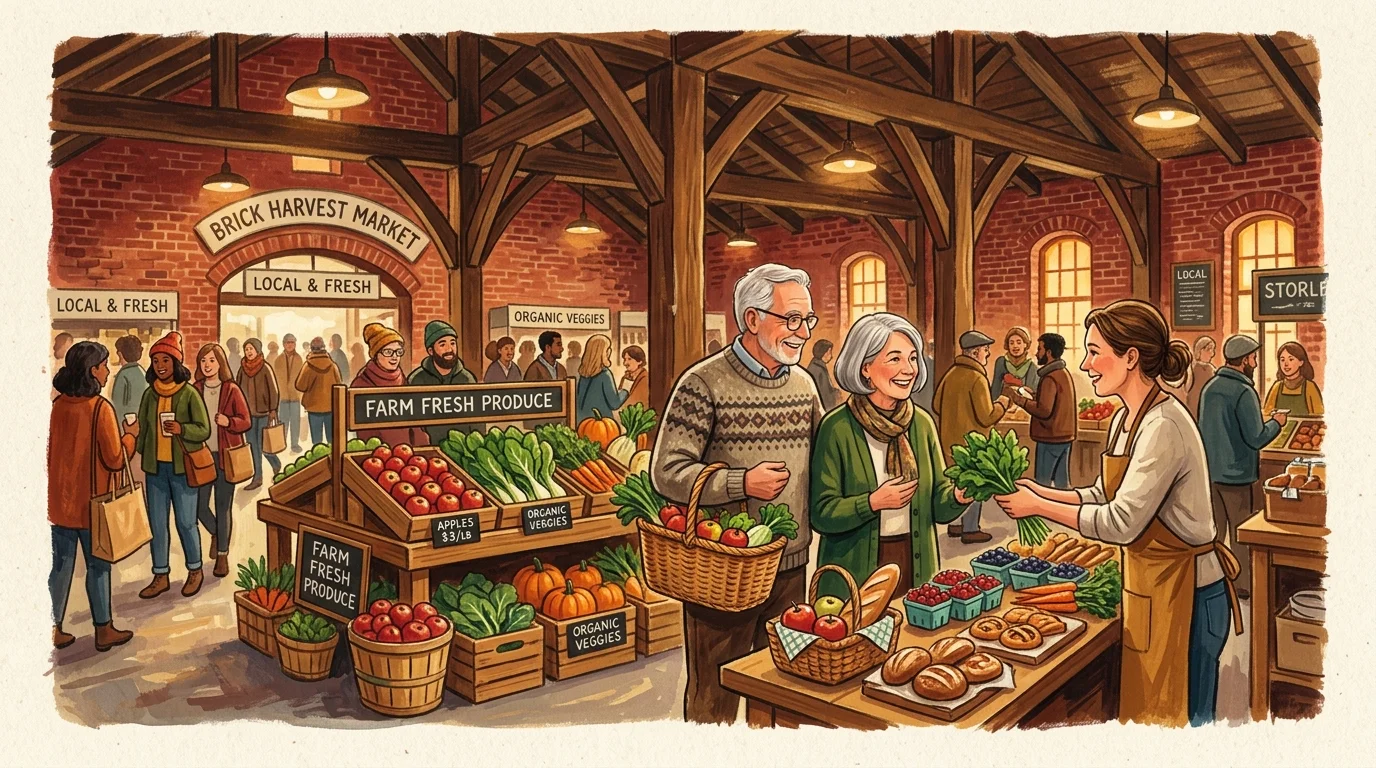
Lancaster combines historic East Coast charm with a bustling downtown arts scene, offering retirees a warm and interconnected environment. Famous for its surrounding farmland and rich cultural heritage, Lancaster features the historic Central Market—the oldest continuously operated public farmers’ market in the United States—where neighbors meet weekly to shop and catch up. Downtown Lancaster thrives with walkable art galleries along Gallery Row, community theaters like the Fulton Theatre, and cozy local cafes host to energetic book clubs and civic discussion groups.
Retirees in Lancaster enjoy access to top-tier lifelong learning opportunities through local colleges, including Franklin & Marshall College. You can volunteer with local agricultural co-operatives, participate in historic preservation projects, or join regional walking groups that explore the surrounding countryside. Lancaster’s moderate housing costs relative to major Mid-Atlantic metropolitan areas make it an appealing option for retirees seeking a rich cultural life, strong community bonds, and convenient urban amenities surrounded by scenic natural beauty.
Tip #6: Madison, Wisconsin
As a dynamic university town set between Lake Mendota and Lake Monona, Madison offers an intellectually stimulating and socially active environment for seniors. The presence of the University of Wisconsin-Madison infuses the city with civic energy, cultural festivals, and world-class athletic events. Retirees benefit immensely from the Participatory Learning and Teaching Organization (PLATO), a vibrant community of over 1,500 active adults who design and lead peer-led courses, field trips, and special interest groups.
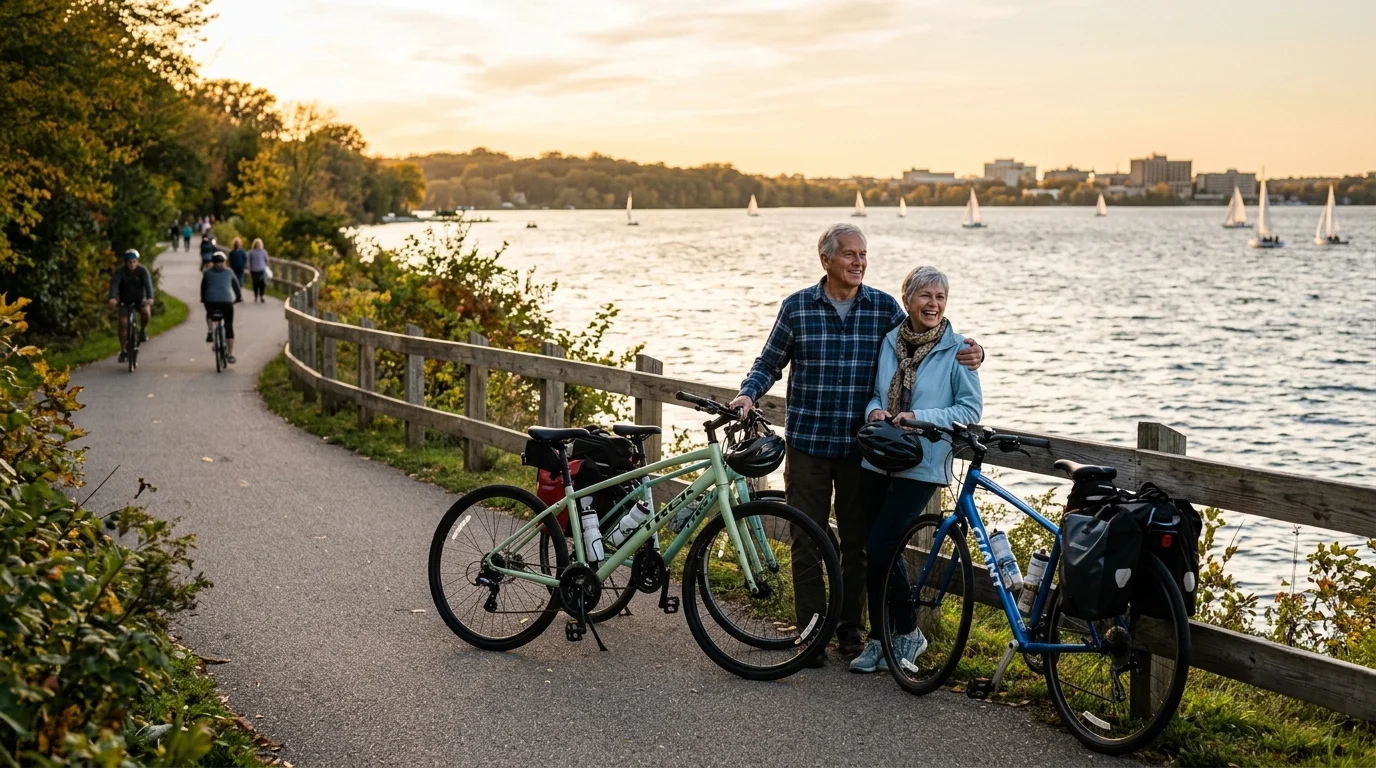
Madison’s extensive network of lakeside bike paths, botanical gardens, and community parks encourages outdoor socializing during every season. The world-renowned Dane County Farmers’ Market on the Capitol square brings thousands of residents together each Saturday morning to support regional growers and socialize with friends. Excellent regional healthcare systems, including UW Health, provide complete peace of mind while you participate in local sailing clubs, volunteer at community gardens, or attend civic forum discussions across the city.
Tip #7: Georgetown, Texas
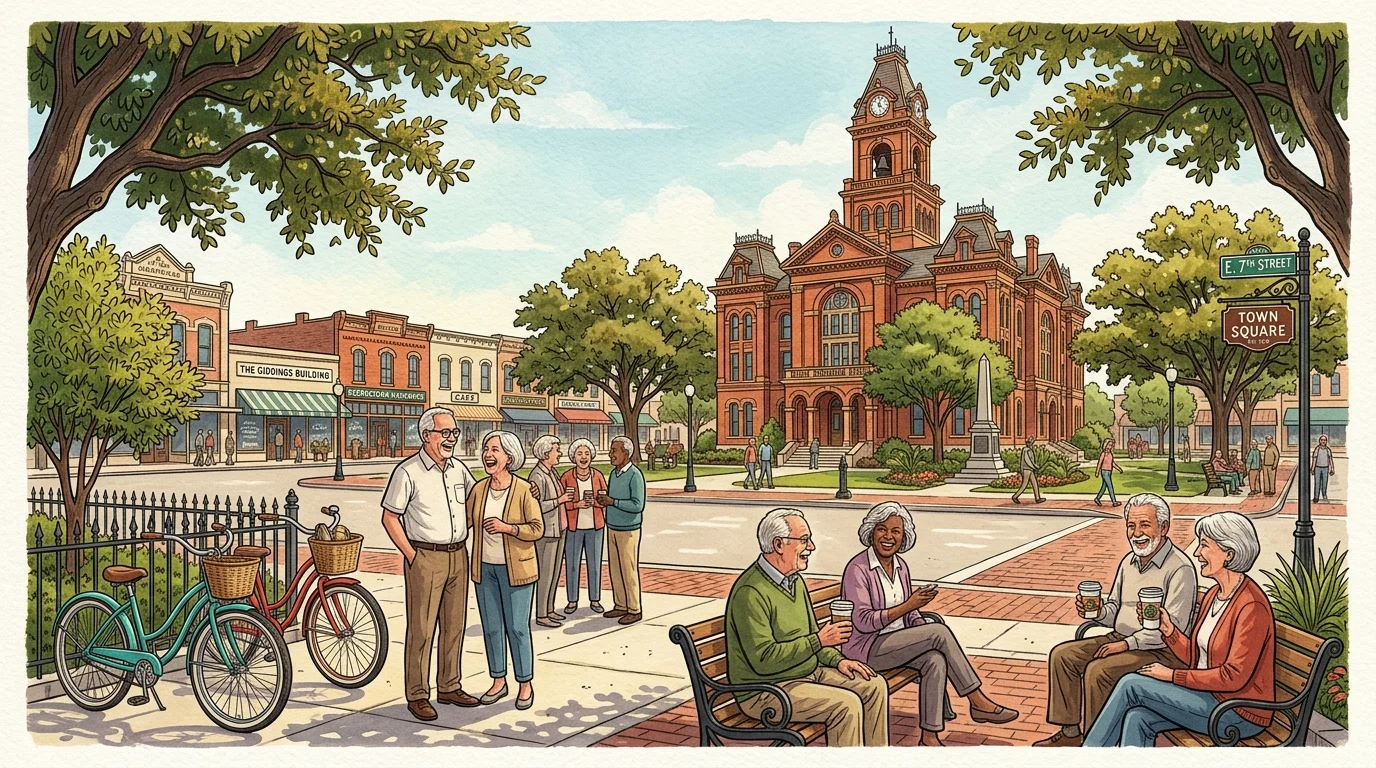
Located just 30 miles north of Austin, Georgetown combines classic Texas hospitality with an active, community-centered lifestyle. Renowned for possessing the “Most Beautiful Town Square in Texas,” Georgetown’s historic downtown district serves as a lively hub for community gatherings, wine tastings, holiday parades, and monthly art walks. The town hosts Sun City Texas, a premier active-adult community that features multiple championship golf courses, resort-style pools, fitness centers, and over 100 resident-run clubs.
Georgetown enables seniors to build social connections through diverse municipal programs, volunteer opportunities, and lifelong learning initiatives at Southwestern University. You can participate in downtown historic preservation societies, join local line-dancing groups, or volunteer with nature centers along the San Gabriel River trail system. The town’s mild winter climate and welcoming culture make outdoor neighborhood gatherings and patio dining natural venues for developing lifelong friendships.
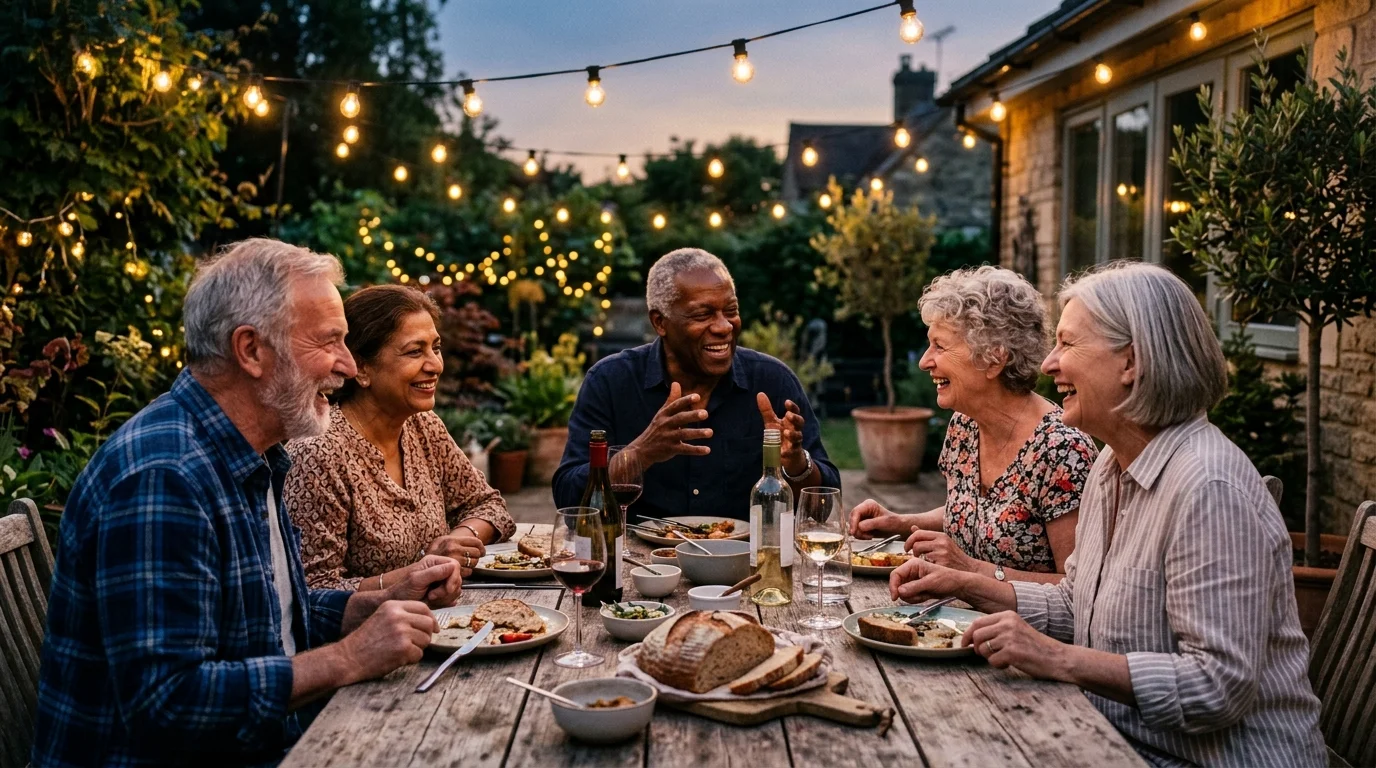
The Takeaway: Living a More Blissful Retirement
Choosing a retirement destination that prioritizes social activity transforms your golden years into an exciting, fulfilling journey. When you move to a town rich in community infrastructure—whether through master-planned recreation, university partnerships, or outdoor social clubs—you make an active investment in your long-term health and emotional vitality. Prioritizing human connection protects your cognitive sharpness, lowers stress, and fills your days with genuine joy and purpose.
To find the location that best fits your personal lifestyle, take proactive steps before making a permanent move. Rent a home for a season in your top candidate town, attend local club meetings, participate in community volunteer projects, and strike up conversations with current residents. Testing the social waters firsthand gives you complete confidence in your decision, helping you build a retirement filled with connection and bliss.
For a wide range of resources for older adults, visit AARP and the National Council on Aging (NCOA). Health information is available from the National Institute on Aging.
Disclaimer: This article is for informational and inspirational purposes only. It is not a substitute for professional medical, financial, or psychological advice. Please consult with a qualified expert for guidance tailored to your individual needs.
Frequently Asked Questions
Why is staying socially active so vital during retirement?
Remaining socially connected directly impacts your physical and mental health. Scientific research shows that loneliness increases dementia risk by 50%, heart disease risk by 29%, and stroke risk by 32% in older adults. Engaging in group activities, joining local clubs, and maintaining regular friendships keeps your brain sharp, reduces emotional stress, and promotes long-term physical vitality.
How can I build a social circle quickly after moving to a new retirement town?
You can quickly establish strong social connections by joining structured organizations immediately upon arrival. Register for classes at local lifelong learning institutes, sign up for community recreation centers, volunteer with regional non-profit organizations, and participate in neighborhood association meetings. Attending local farmers’ markets, sports clinics, and art walks also provides natural opportunities for spontaneous conversations with fellow residents.
What are the best affordable options for social retirees on a budget?
Towns like Green Valley, Arizona offer incredible social infrastructure at a fraction of the cost found in higher-density coastal metros. With median home prices well below national averages and low-cost recreation networks like Green Valley Recreation (GVR), you gain access to dozens of active clubs, pools, and sports facilities without straining your retirement nest egg.
Should I rent before buying a home in a new retirement community?
Renting for six to twelve months before buying allows you to test-drive a community’s true social dynamic across different seasons. Living locally gives you time to explore surrounding neighborhoods, sample various lifestyle clubs, build initial friendships, and verify that the town’s culture aligns with your daily preferences and long-term goals.