
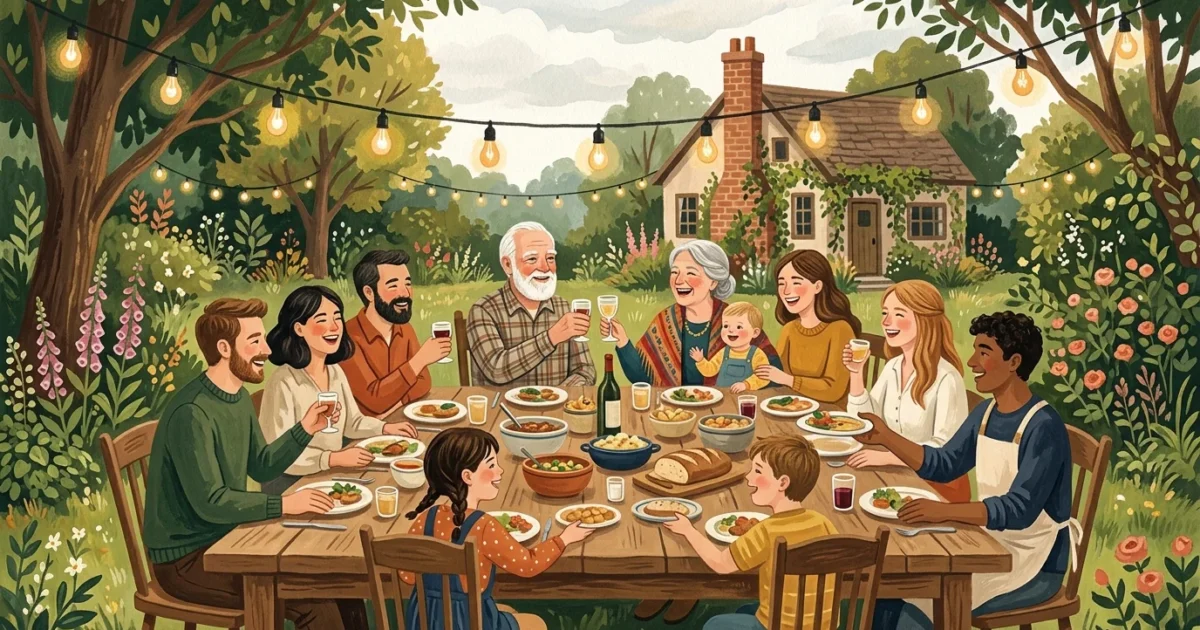
Retirement offers the ultimate luxury of unhurried time to deepen your bonds with the people you cherish most. Starting new retirement traditions allows you to shape meaningful memories, share your wisdom, and build lasting closeness across generations. Whether your family lives across town or across the country, establishing intentional rituals creates joyful anchor points throughout the year. You can easily turn simple get-togethers into cherished annual adventures, shared hobbies, and storytelling sessions that unite your loved ones. These intentional moments enrich your daily life, invigorate your sense of purpose, and create a legacy of love that your children and grandchildren will carry forward forever.

Tip #1: The Annual National Parks Multigenerational Road Trip
Few experiences unite a family like exploring America’s majestic natural landscapes together. Multigenerational travel has surged in popularity; according to research from the Family Travel Association and New York University, 57% of parents actively plan multigenerational trips involving both children and grandparents. Traveling together allows you to experience iconic vistas through the eyes of your grandchildren while sharing your own appreciation for the great outdoors.
To make this tradition exceptionally budget-friendly, take advantage of the America the Beautiful Senior Pass. U.S. citizens and permanent residents age 62 and older can purchase a lifetime pass for $80 or an annual pass for $20 (with a modest $10 processing fee for mail or online orders). This pass covers entrance and day-use amenity fees at more than 2,000 federal recreation sites nationwide for you and all passengers in your vehicle. Choose a new park each year—such as the Grand Canyon, Shenandoah, or Yellowstone—rent a family cabin, and create an enduring annual expedition that everyone looks forward to all year long.
Tip #2: “Skip-Generation” Milestone Getaways
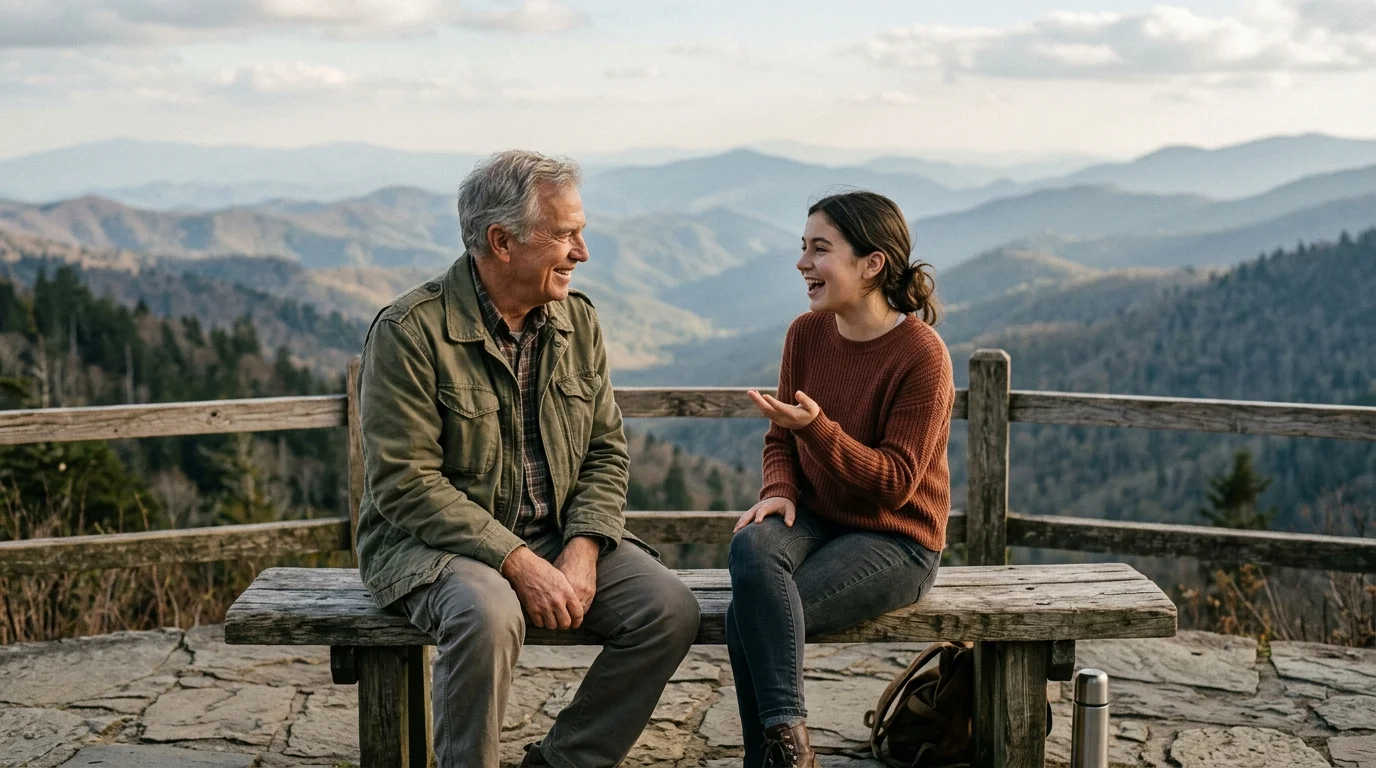
One of the most rewarding ways of building new traditions after retiring is establishing “skip-generation” travel rituals. Data from AARP indicates that approximately 32% to 34% of grandparents have taken skip-gen vacations—traveling exclusively with their grandchildren without the middle generation present. These trips create a unique environment where grandchildren can confide in you, learn from your life perspective, and form independent relationships outside the daily parental routine.
You can tie these trips to major life milestones. Consider taking each grandchild on a special one-on-one journey when they turn 10, graduate from middle school, or complete high school. Let the grandchild participate actively in planning the itinerary, whether they want to explore historic museums in Washington, D.C., catch a show in New York City, or fish in the Great Smoky Mountains. These solo adventures give your adult children a well-deserved break at home while cementing unbreakable, lifelong memories between you and your grandchildren.
Tip #3: The Living Heritage and Digital Storytelling Hour
Your life stories, cultural heritage, and personal lessons represent the most valuable inheritance you can offer your family. An extensive AARP study on grandparenting revealed that 87% of adults age 50 and older believe grandparents play an essential role in passing down values and life skills. However, 63% of grandparents have never formally recorded their personal history, despite 73% expressing strong enthusiasm for using modern digital tools to preserve their legacy.
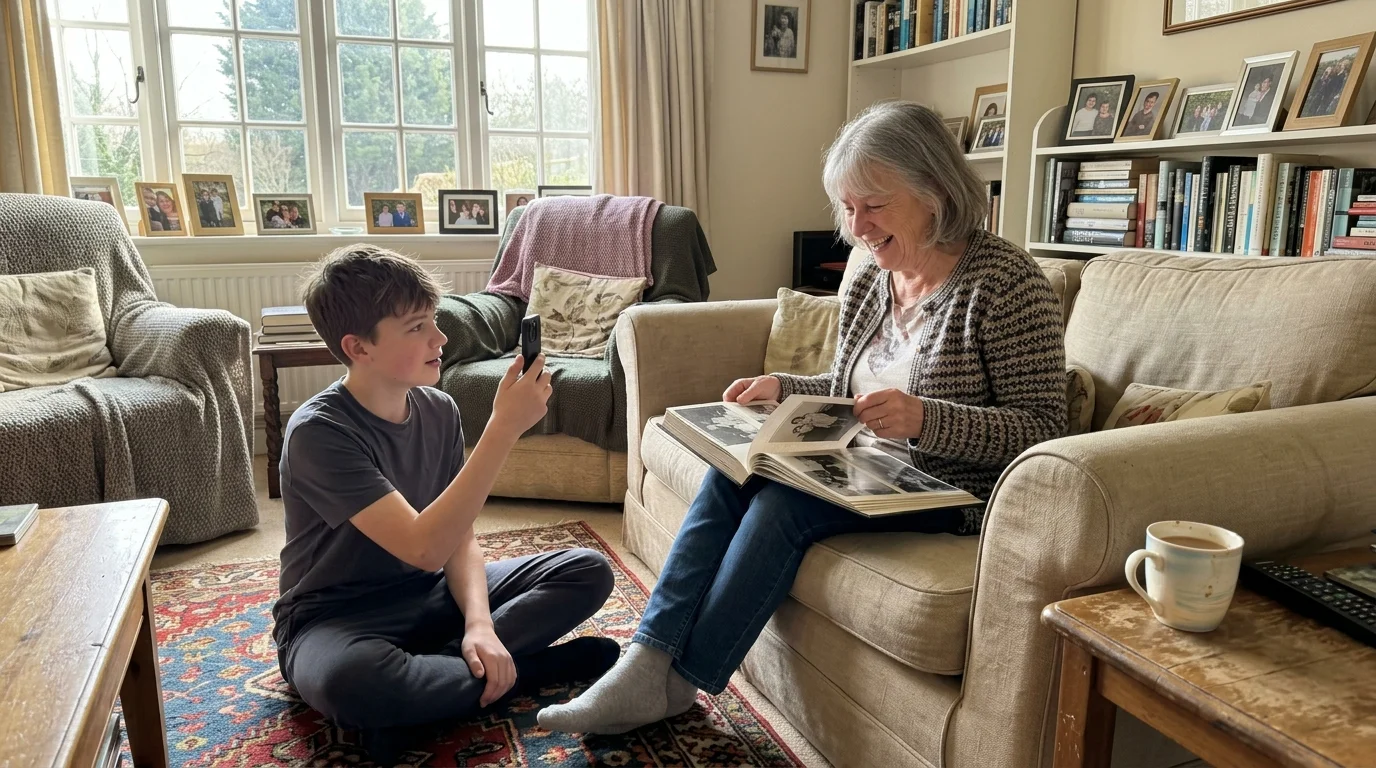
Transform this preservation gap into an engaging, recurring family ritual. Dedicate an afternoon during holiday gatherings or monthly dinners to a digital storytelling session. Hand your smartphone or tablet to your grandchildren and let them interview you on camera. Provide them with creative prompts: ask about your first job, how you met your spouse, the historical events you witnessed, or the greatest challenges you overcame. You can compile these video clips into a private digital archive or transcribe them into a printed family keepsake book that future generations will treasure forever.
Tip #4: Seasonal Heirloom Recipe Swaps and Sunday Suppers
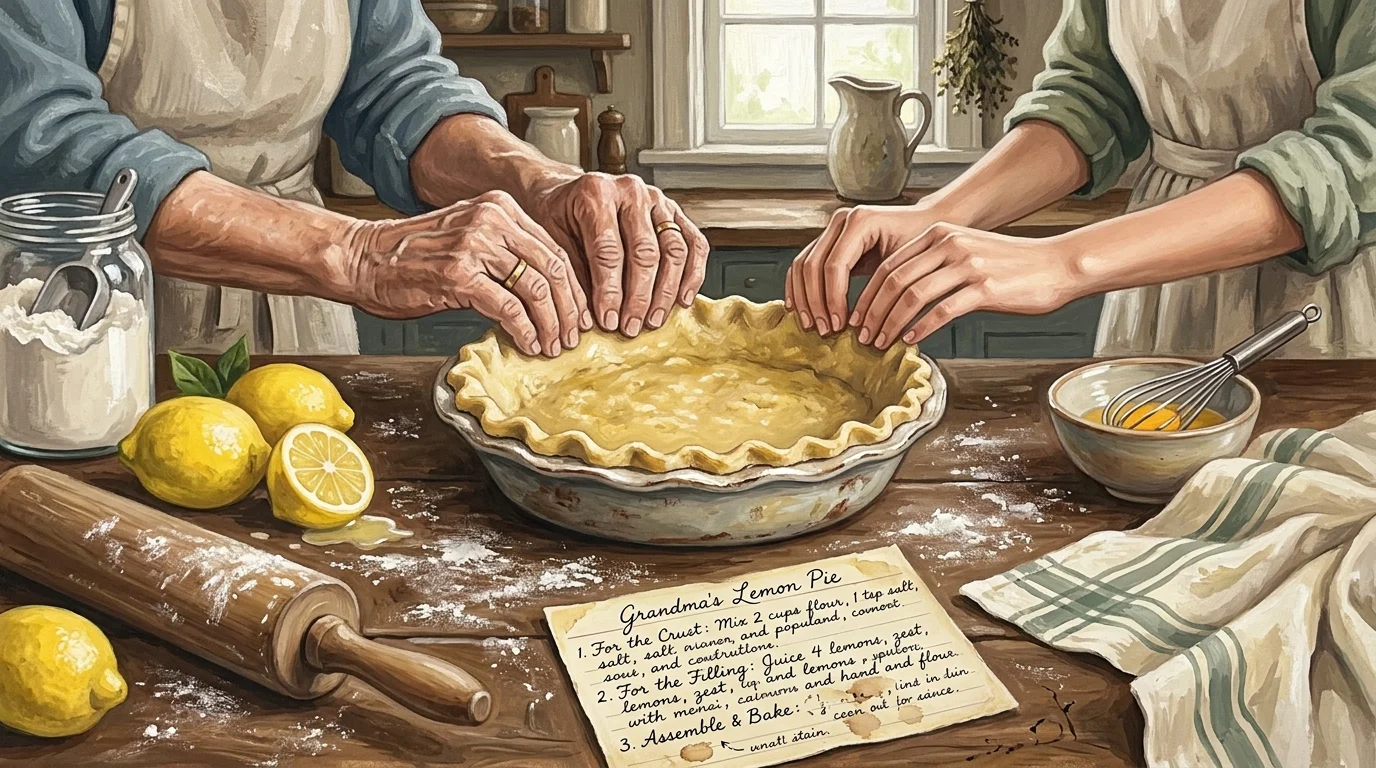
Food serves as an extraordinary bridge across time, culture, and family generations. Establishing a quarterly or monthly cooking tradition allows you to pass down cherished family recipes while enjoying laughter and warm conversation in the kitchen. Too often, secret holiday dishes, ancestral baking techniques, and regional family recipes fade away because they exist only in memory rather than in written instructions.
Designate a regular Sunday supper where adult children and grandchildren join you to prepare a meal entirely from scratch. Teach them how to knead artisanal bread dough, roll handmade pasta, assemble a signature casserole, or bake grandma’s classic apple pie. Assign age-appropriate roles to every participant, from measuring spices to stirring sauces. As you cook, share the origins and funny anecdotes behind each dish, and compile the recipes into a collaborative family binder complete with handwritten notes and photographs.
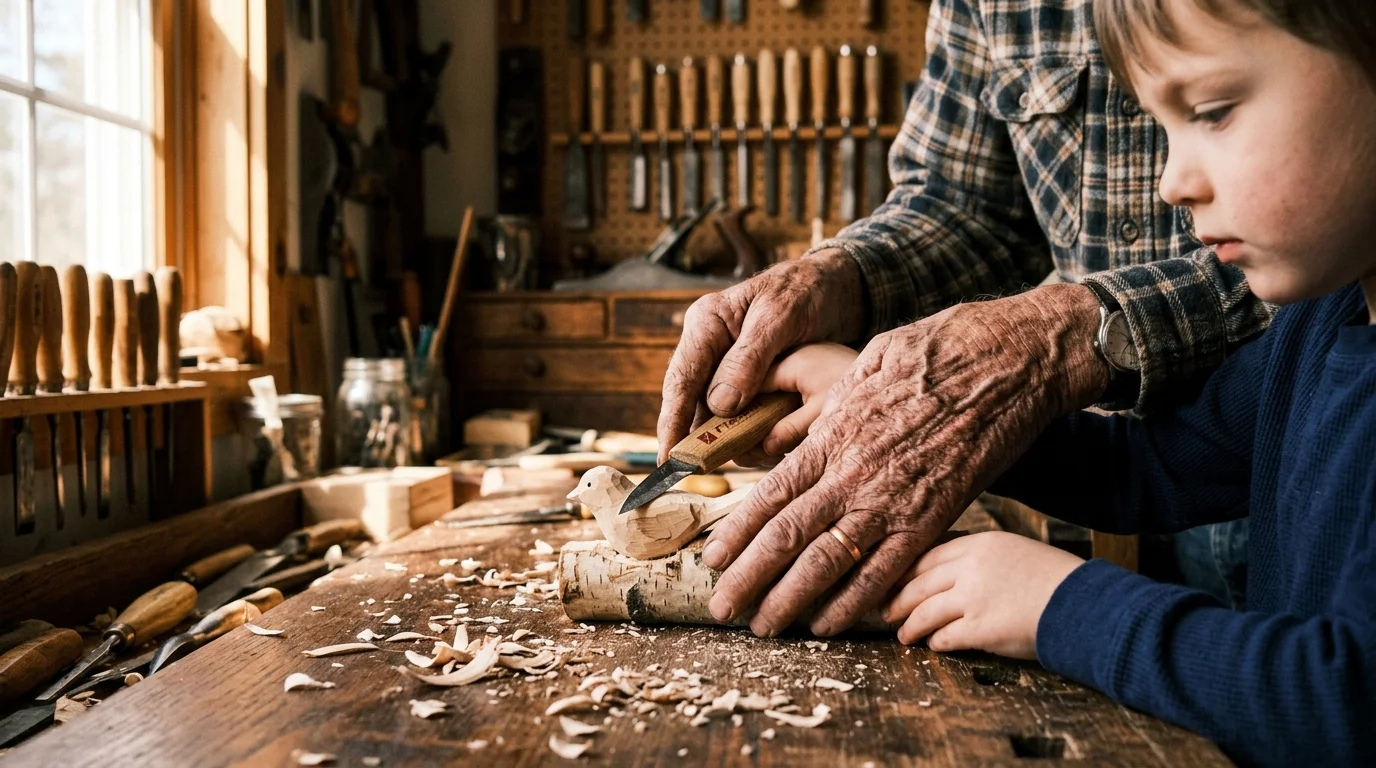
Tip #5: Monthly Intergenerational “Skill-Swap” Workshops
Creating retirement rituals that involve mutual learning builds deep respect between generations. You possess decades of practical craftsmanship, professional wisdom, and foundational life skills; meanwhile, younger relatives possess an intuitive grasp of modern technology and creative digital media. A monthly “skill-swap” afternoon celebrates these complementary strengths in a fun, collaborative environment.
Organize bi-monthly workshops where you teach time-tested abilities such as woodworking, basic car maintenance, gardening, sewing, knitting, or personal financial budgeting. In exchange, invite your grandchildren or adult children to teach you how to organize digital photo libraries, navigate useful mobile apps, or produce short video montages. This balanced exchange removes any feeling of a lecture, elevates everyone’s confidence, and sparks engaging conversations that bring your family closer together.
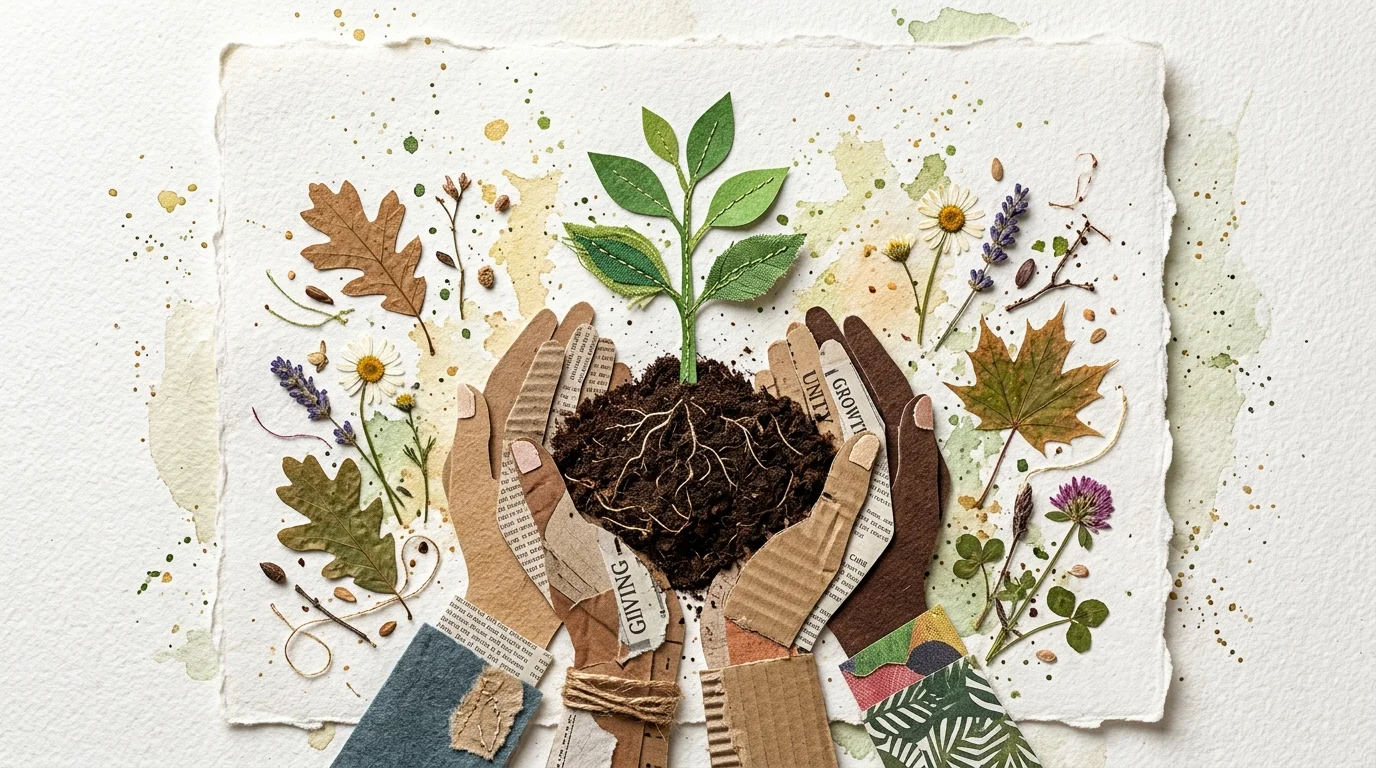
Tip #6: An Annual Family Community Giving Day
Instilling a shared culture of generosity strengthens family identity and reinforces empathy across generations. Working together toward a common cause provides a powerful sense of joint purpose and demonstrates your family’s values through tangible action. Making community service a regular annual or biannual family tradition creates profound emotional connections that go far beyond standard holiday gift exchanges.
Select a meaningful community project to tackle together once or twice a year. You might volunteer at a local food bank sorting donations, plant trees in a community park, pack care packages for active-duty military personnel, or help socialize rescue animals at a local shelter. Conclude the service project with an informal meal where everyone shares what they learned and how the experience impacted them. This tradition models civic responsibility for younger family members and leaves a lasting positive footprint in your community.
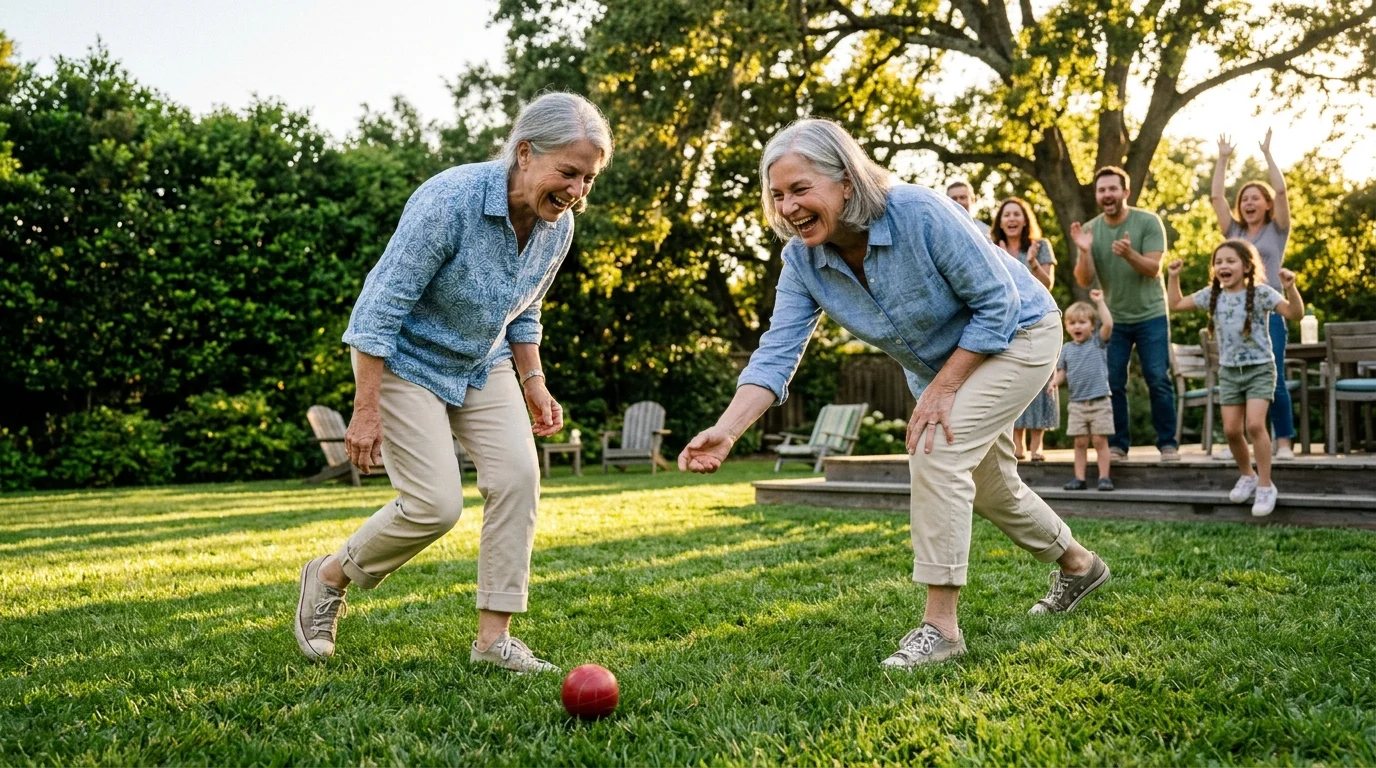
Tip #7: The Family Game Tournament and Lawn Cup
Laughter and lighthearted play keep your mind vibrant and bring infectious energy to family gatherings. Designing an annual family game tournament or holiday game night offers an entertaining way to engage family members of every age. A playful competitive spirit breaks the ice and gets everyone interacting away from their individual television and smartphone screens.
Structure your tournament with a diverse mix of activities so every age group can shine. Combine classic indoor board games like Scrabble, dominoes, and trivia with gentle outdoor lawn games like bocce ball, cornhole, or pickleball. You can even purchase a goofy, inexpensive trophy—like a golden bowling pin or personalized cup—that the tournament winner proudly displays on their mantle until the following year’s challenge. This playful tradition sparks enthusiastic anticipation and creates hilarious running family jokes year after year.
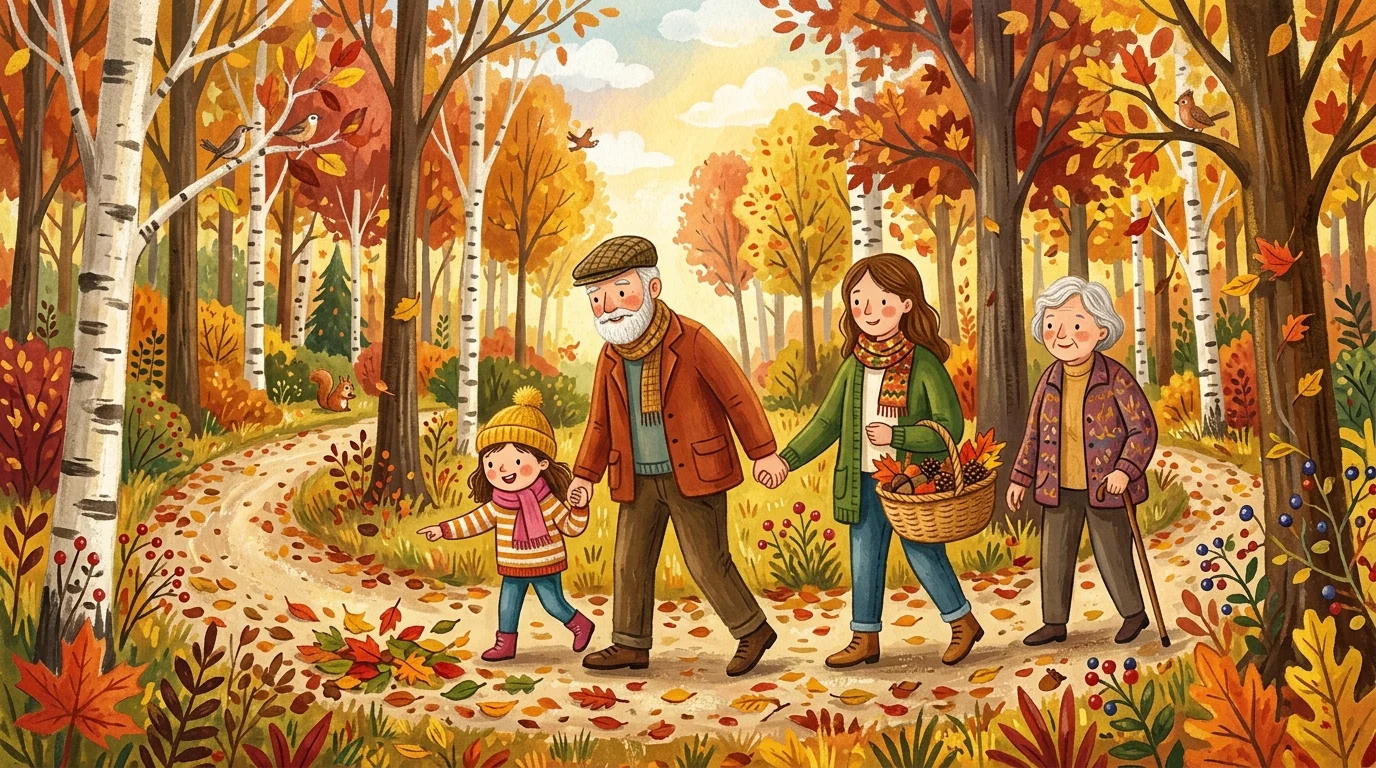
Tip #8: Seasonal Garden Planting and Nature Walk Rituals
Prioritizing regular outdoor movement with your family delivers vital health dividends during retirement. Research from the National Academies of Sciences, Engineering, and Medicine (NASEM) and the Centers for Disease Control and Prevention (CDC) demonstrates that strong social engagement directly combats loneliness in older adults. Chronic social isolation is linked to a 50% increased risk of dementia, a 29% increased risk of heart disease, and a 32% increased risk of stroke. Combining physical activity with family bonding provides powerful dual protection for your body and mind.
Start a seasonal gardening ritual where family members gather in the spring to prepare garden beds and plant vegetables, herbs, and flowers. Host a follow-up harvest gathering in late summer where everyone picks fresh produce to cook a celebratory garden-to-table feast. Complement this gardening ritual with monthly nature walks on gentle, accessible park trails. Observing seasonal bird migrations, identifying native plants, and breathing fresh air together invigorates your physical health while cultivating peaceful, high-quality family time.
The Takeaway: Living a More Blissful Retirement
Starting new retirement traditions does not require lavish budgets or elaborate logistical plans. The true value of meaningful family traditions in retirement lies in your consistency, your emotional presence, and your willingness to create space for genuine connection. By intentionally designing shared rituals—whether through skip-generation travels, culinary workshops, or storytelling hours—you transform ordinary calendar days into extraordinary milestones.
Choose one or two retirement family tradition ideas that resonate most with your family’s personality and propose them at your next gathering. As you embrace these shared experiences, you will discover that the joy of retirement multiplies when you share your time, wisdom, and laughter with the people you love most.
Frequently Asked Questions
How do I introduce new retirement traditions if my adult children have busy work schedules?
Start small and prioritize predictability over frequency. Propose an annual event or a quarterly dinner well in advance rather than demanding weekly commitments. When adult children see that a tradition reduces their stress—such as a skip-gen getaway that gives them a free weekend or a Sunday supper where dinner is already prepared—they will enthusiastically embrace the ritual.
What are some low-cost meaningful family traditions in retirement?
Many of the most impactful traditions cost very little money. Digital storytelling sessions, heirloom recipe cooking nights, backyard board game tournaments, and nature walks require minimal financial investment. The America the Beautiful Senior Pass also unlocks thousands of national parks and federal recreation sites at a minimal one-time cost.
How can our family maintain retirement rituals if we live far apart?
Distance does not have to prevent you from creating retirement rituals. You can host monthly digital video calls with structured themes, such as virtual book clubs, recipe cook-alongs, or online trivia contests. You can also establish an annual destination tradition where the entire family meets at a halfway point for a shared vacation once a year.
What is the best age to begin “skip-generation” travel traditions with grandchildren?
Most grandparents find that ages 8 to 10 represent an ideal starting window for skip-generation travel. Children at this age can manage basic self-care, express their interests clearly, and retain vivid memories of the experience. Keep initial trips short—two to three days—and gradually expand trip lengths as grandchildren mature into their teenage years.
For a wide range of resources for older adults, visit AARP and the National Council on Aging (NCOA). Health information is available from the National Institute on Aging.
Disclaimer: This article is for informational and inspirational purposes only. It is not a substitute for professional medical, financial, or psychological advice. Please consult with a qualified expert for guidance tailored to your individual needs.