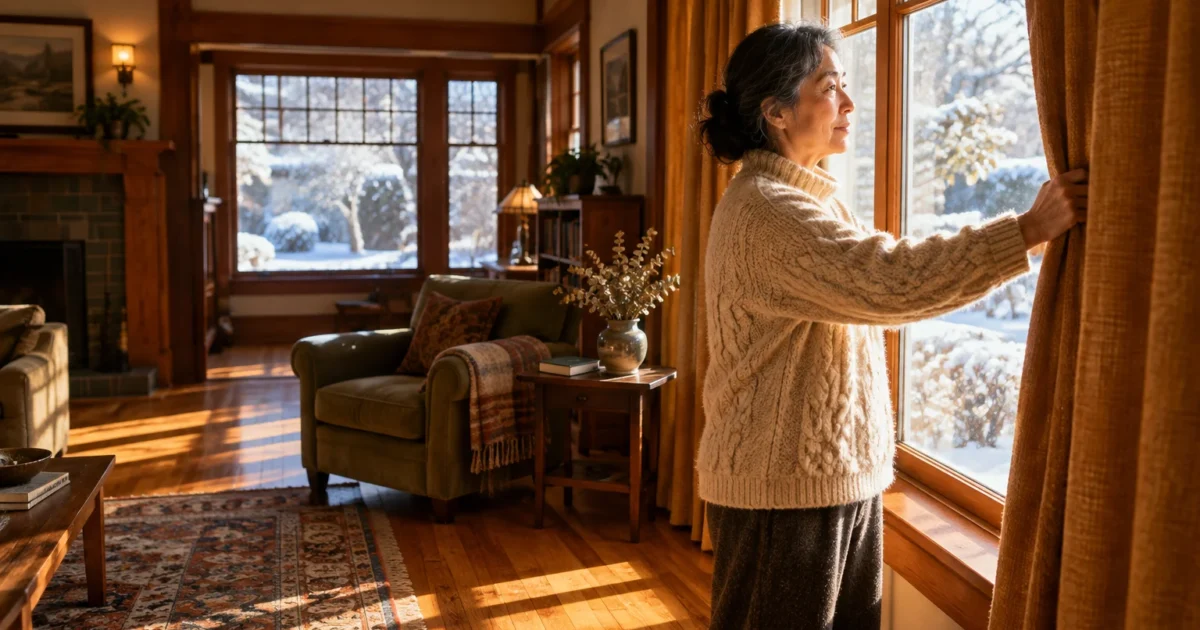
Keeping your home warm during cold winter months should never drain your retirement nest egg. You can comfortably maintain a warm, welcoming living space without spending a fortune on monthly utility bills.
High energy expenses challenge many households, but sensible daily habits offer immediate financial relief. Simple adjustments to your living space preserve warmth and lower heating costs without sacrificing physical comfort.
Discover nine frugal ways to heat your home safely and effectively all season long. These practical strategies deliver reliable warmth and protect your health while keeping your winter budget perfectly balanced.
Tip #1: Maintain Safe and Efficient Thermostat Settings
Managing your thermostat correctly is one of the fastest frugal ways to heat your home. Smart temperature settings protect your bank account while keeping your living areas safe and comfortable.
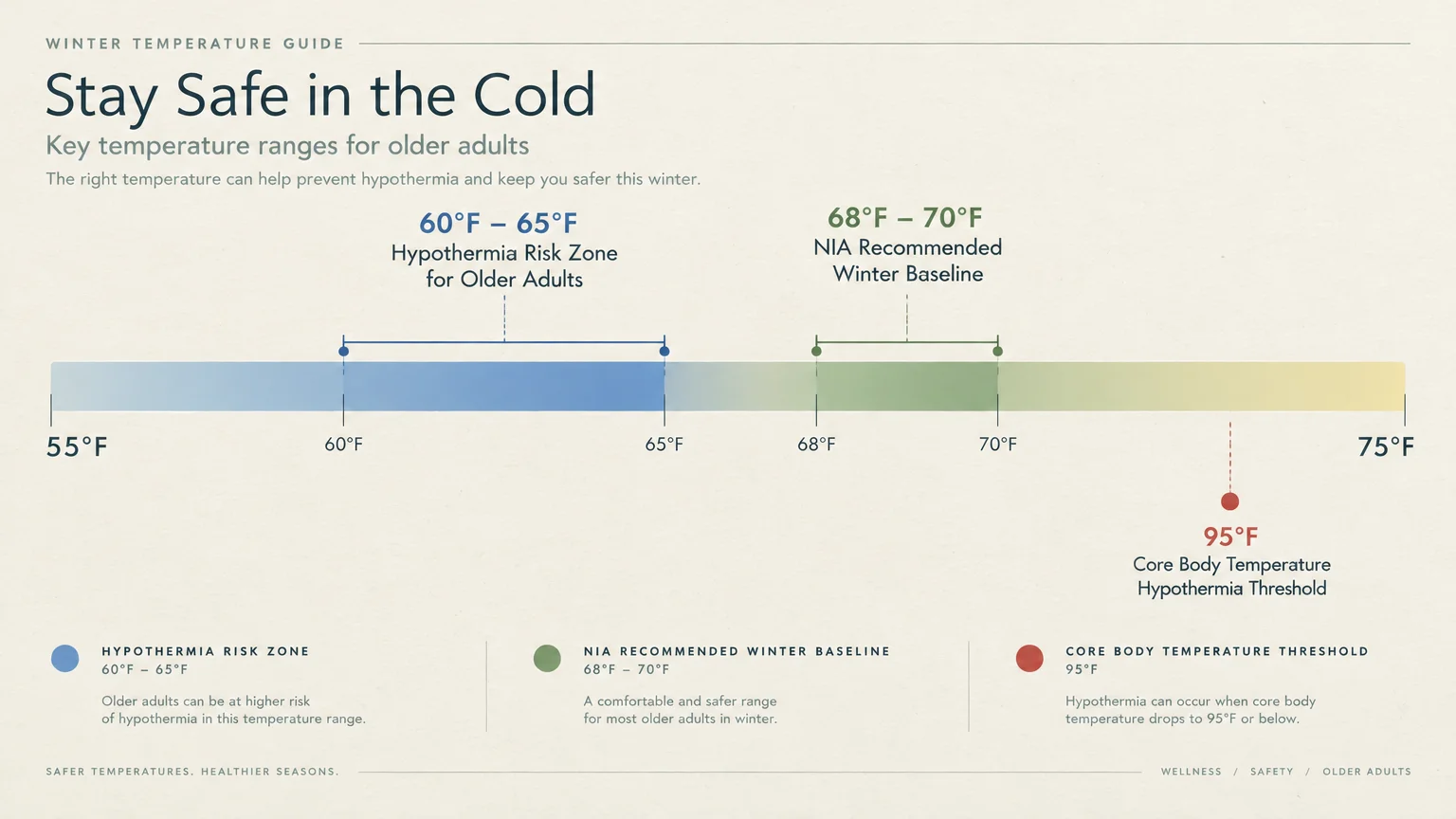
The National Institute on Aging recommends keeping your thermostat set to at least 68°F to 70°F during the winter. This threshold prevents indoor cold from affecting your health.
Indoor temperatures between 60°F and 65°F can trigger indoor hypothermia in older adults. Hypothermia occurs when your core body temperature drops to 95°F or lower.
General energy guidelines suggest lowering temperatures overnight to trim utility bills. However, you must prioritize your personal safety over aggressive thermostat setbacks.
Install a user-friendly programmable or smart thermostat to automate your daily temperature routines. You can program consistent warmth during your waking hours without having to fiddle with buttons constantly.
If you heat with a modern electric heat pump, avoid making large manual thermostat jumps. Sudden increases trigger expensive auxiliary heat strips that consume massive amounts of unnecessary electricity.
Make temperature adjustments gradually in one-degree increments to maintain efficient heat pump operation. This steady approach keeps your mechanical equipment running smoothly while keeping your electric bill low.
Avoid turning your heat down drastically when you sleep. Instead, maintain a steady 68°F baseline to protect your respiratory system and circulatory health throughout the night.
Position indoor digital thermometers in the rooms you use most frequently. These inexpensive gauges verify that your living room and bedroom stay safely within the ideal temperature range.
Consistent indoor warmth protects your joints and keeps your immune system strong all winter. Reliable thermostat management ensures your home remains a peaceful sanctuary without driving up energy costs.
Tip #2: Harness Free Solar Energy Through Your Windows
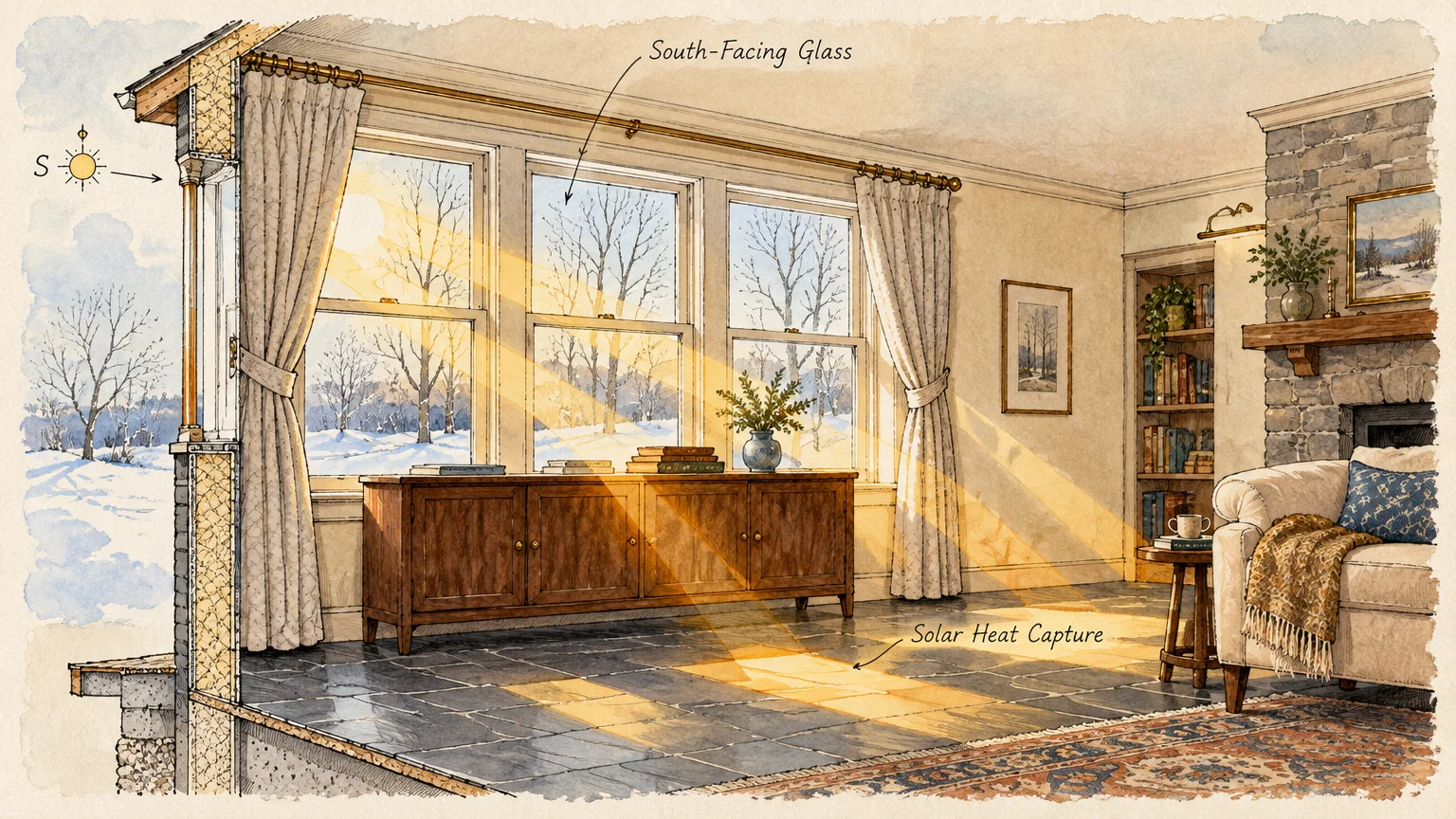
The sun provides powerful, natural warmth that costs you nothing. You can easily capture this free radiant heat to reduce your reliance on primary heating systems.
Open your window blinds and curtains on south-facing and west-facing windows every morning. Sunlight pours through the glass and warms your flooring, furniture, and indoor air naturally.
Keep your window panes clean throughout the late autumn and early winter months. Clear glass allows maximum sunlight to enter your rooms without scattering the sun’s natural thermal energy.
Close all window coverings tightly as soon as the sun dips below the horizon. Closing curtains traps the accumulated solar heat inside and creates a barrier against evening chill.
Invest in thermal, insulated curtains or hang thick quilts over drafty windows at night. These heavy fabrics form an effective dead-air space that prevents heat from escaping outdoors.
Consider installing honeycomb cellular shades on draft-prone windows throughout your living quarters. The hexagonal cells trap air inside distinct pockets, providing an extra layer of insulating defense against the cold.
Keep south-facing windows clear of outdoor patio furniture, potted shrubs, or holiday decorations that block light. Ensuring unshaded glass allows the low winter sun to warm your rooms completely free of charge.
Trim any exterior tree branches that cast heavy shadows over your sunny windows. Allowing direct sunlight to reach your glass maximizes passive solar gain during peak daylight hours.
Place dark-colored rugs or furniture where the sun shines directly into your home. Dark surfaces absorb solar heat during the afternoon and slowly radiate that warmth back into your room after sunset.
This daily habit takes only a few minutes every morning and evening. By coordinating your curtains with the sun, you lower heating bill totals with zero cash investment.
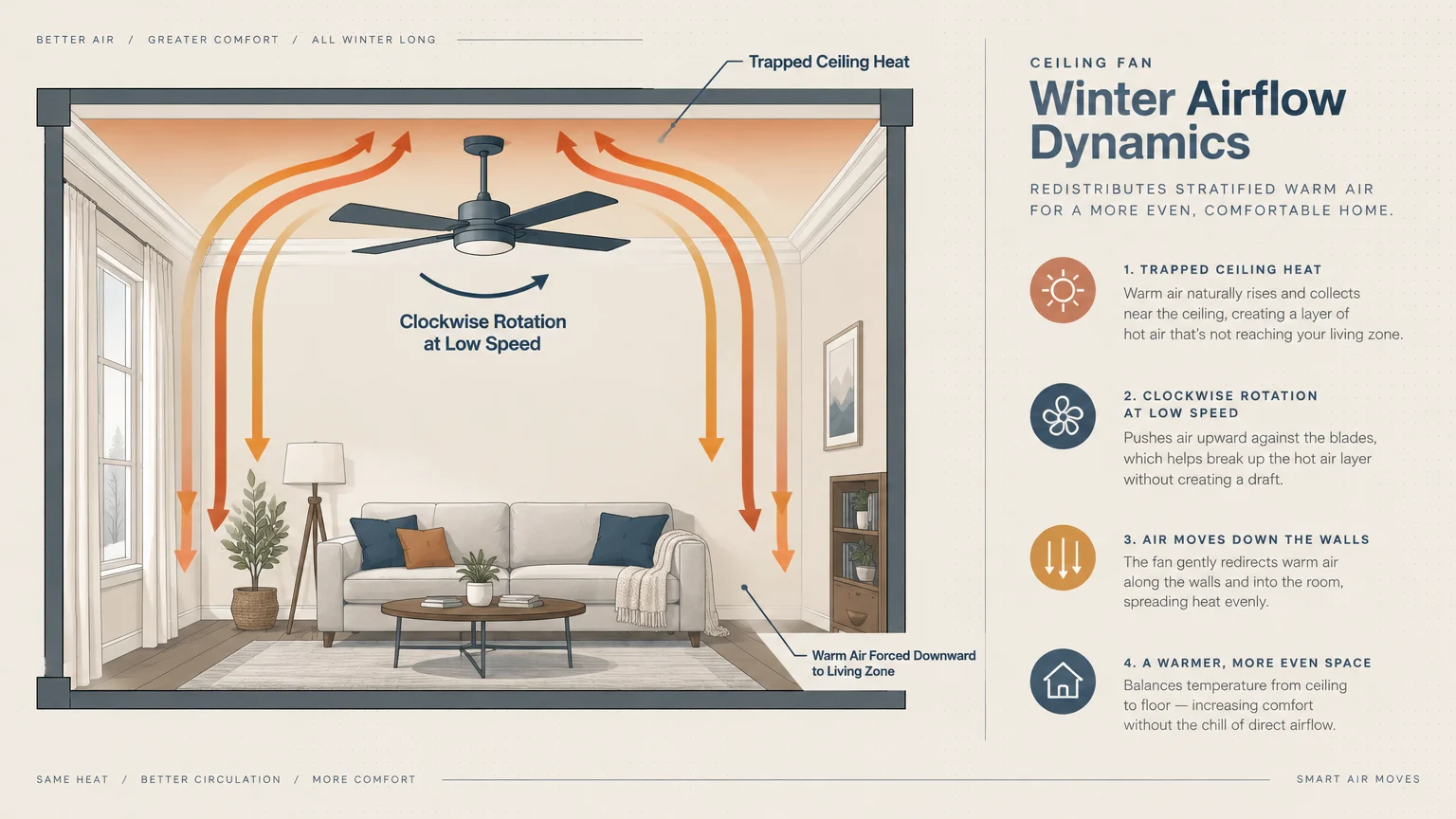
Tip #3: Reverse Ceiling Fans to Circulate Warm Air
Most homeowners view ceiling fans solely as cooling appliances for hot summer months. However, your ceiling fan can become an effective tool for cheap home heating during the winter.
Warm air naturally rises to the ceiling because it is lighter than cold air. In rooms with high or vaulted ceilings, that valuable heat remains trapped uselessly above your head.
Locate the small direction switch on the side of your ceiling fan motor housing. Flip the switch so your fan blades rotate clockwise when viewed from beneath.
Run the fan on its lowest speed setting whenever you occupy the room. Running the blades slowly pushes rising warm air outward along the ceiling and gently down the walls.
This continuous air movement redistributes heat back down to your living level without generating a noticeable breeze. You will feel warmer and more comfortable without turning your thermostat higher.
Wipe down your ceiling fan blades with a damp microfiber cloth before reversing the rotation switch. Dust tends to settle on top of blades, and reversing rotation can shake that debris into your living area.
Check your fan’s operation from across the room to verify it is turning clockwise at minimal speed. You should observe the air gently circulating without feeling any direct downward breeze on your face.
Always keep the fan on low speed to avoid creating an evaporative cooling effect. High speeds produce a windchill sensation that can make your skin feel uncomfortably cool.
Turn off ceiling fans when you leave the room for extended periods. Fans warm people by circulating air, but they do not heat empty rooms directly.
Using your ceiling fans correctly delivers noticeable winter energy savings right away. This simple mechanical tweak ensures every unit of heat you purchase benefits your living space.
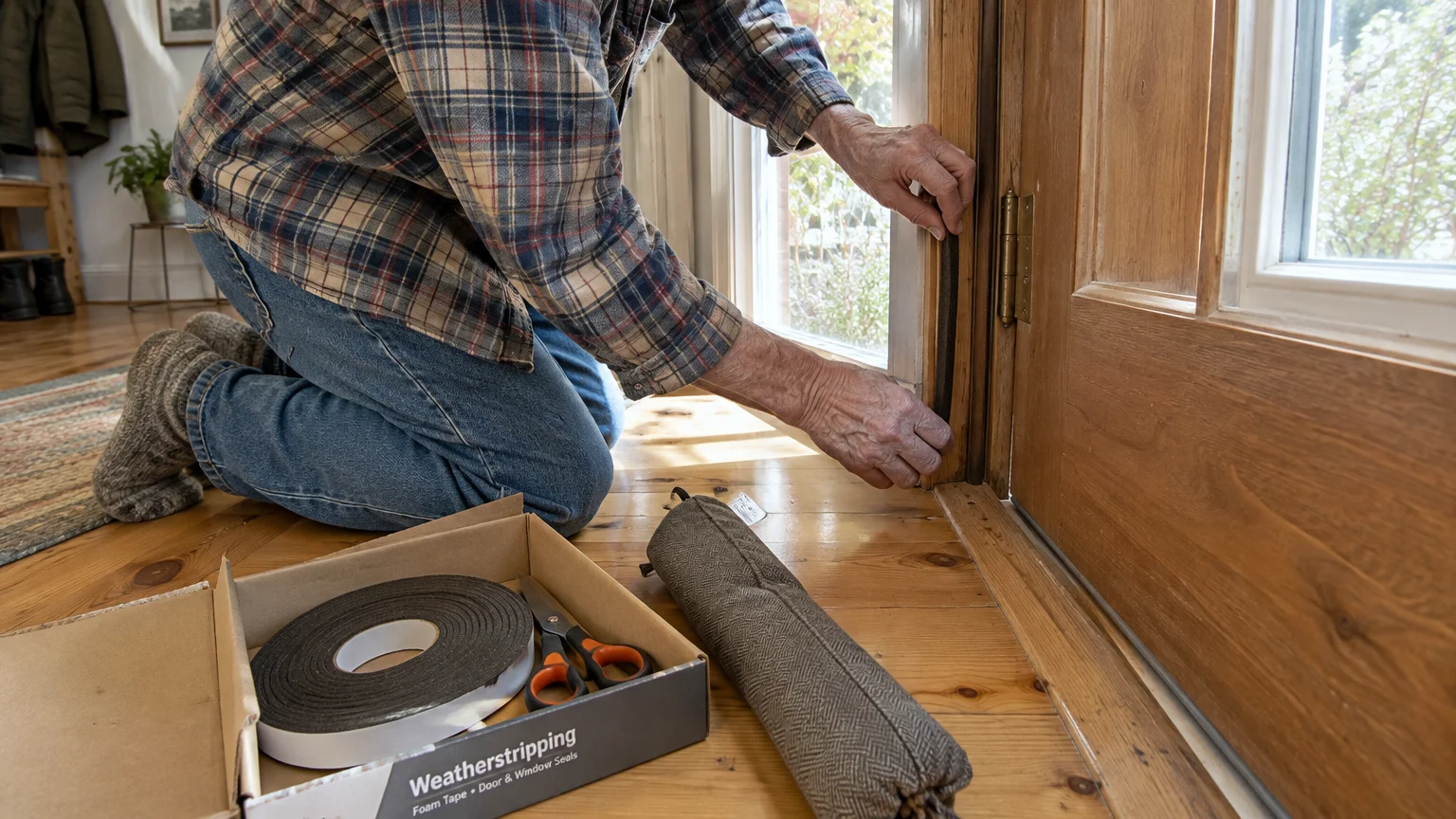
Tip #4: Seal Hidden Air Leaks and Drafty Thresholds
Cold drafts entering around doors and windows force your heating equipment to run overtime. Sealing these gaps is one of the most effective frugal ways to heat your home.
Place fabric draft stoppers or rolled bath towels along the base of exterior doors. This barrier prevents freezing air from sneaking across your floors and chilling your feet.
Apply self-adhesive foam weatherstripping along the interior frames of rattling windows and exterior doors. These budget-friendly strips compress when closed, locking out bitter gusts and locking in indoor warmth.
Cover drafty single-pane windows with clear shrink-film insulation kits. You apply the clear plastic film with double-sided tape and shrink it tight using a common hair dryer.
The plastic film acts as an extra pane of glass by creating an insulating air pocket. It eliminates drafts completely while maintaining your outdoor view throughout the winter season.
Be aware of recent federal regulatory changes regarding home improvements. Under the One Big Beautiful Bill Act of July 2025, federal energy tax credits like Section 25C expired on December 31, 2025.
You cannot claim federal tax credits for window replacements or insulation upgrades made today. Fortunately, low-cost DIY sealing materials cost under thirty dollars and pay for themselves within weeks.
Examine the cabinets under your kitchen and bathroom sinks where plumbing pipes penetrate exterior walls. Small gaps around copper or plastic water pipes allow freezing air to enter directly into your home.
Seal these pipe penetrations using expanding insulating foam or silicone caulk designed for interior use. Closing these hidden voids keeps freezing drafts away from both your living space and your water lines.
Inspect the seals around electrical outlets on exterior walls for noticeable cold airflow. Inexpensive foam outlet gaskets slip behind your cover plates and seal off sneaky drafts instantly.
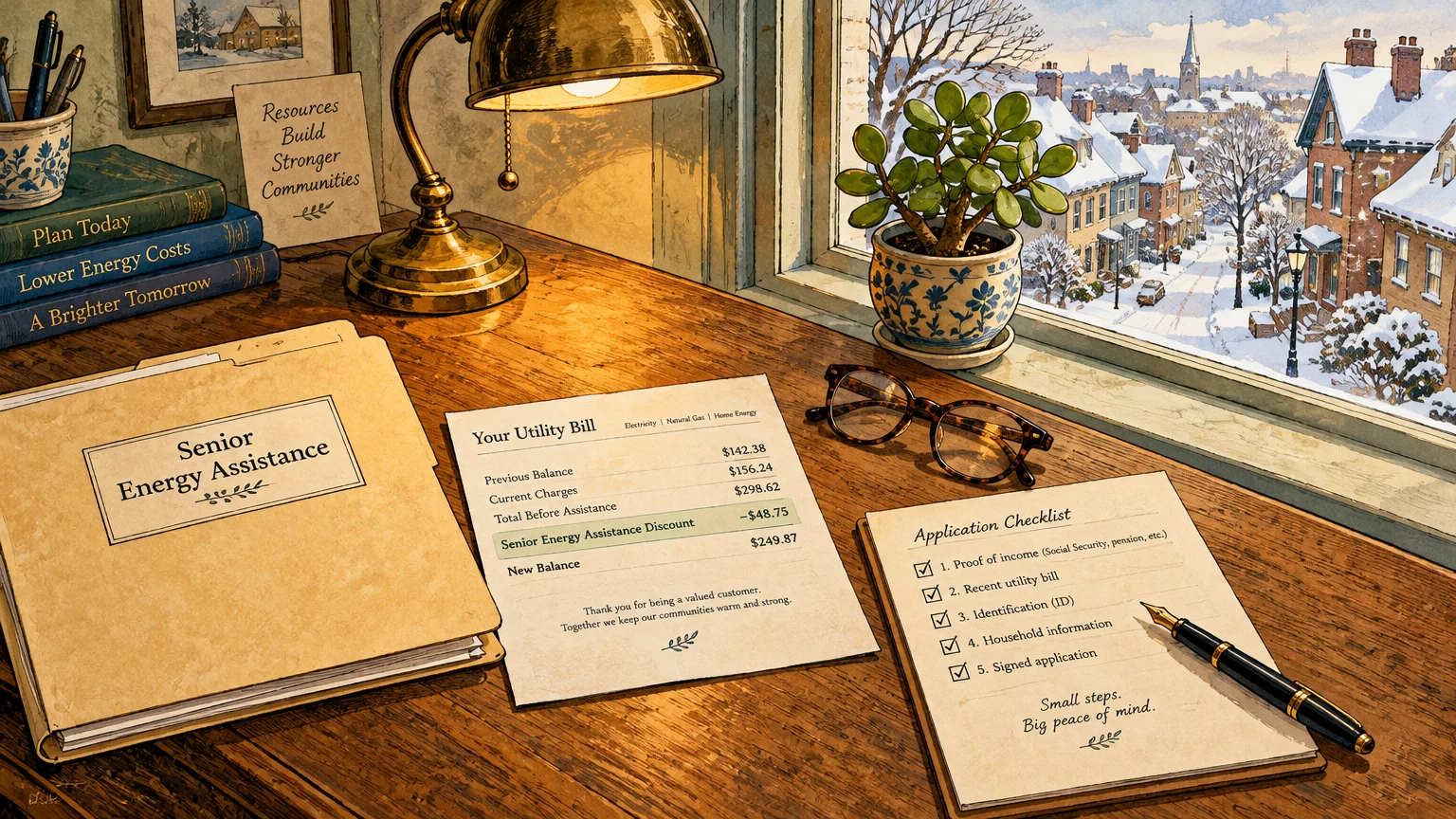
Tip #5: Access Energy Grants and Utility Senior Discounts
Managing utility expenses requires staying informed about seasonal fuel trends and community assistance. Knowing your fuel market helps you prepare your household budget with confidence and peace of mind.
According to the Energy Information Administration’s 2026–27 Winter Fuels Outlook, household heating costs vary widely by energy source. Natural gas costs are expected to average $640, a 9% decrease from last winter.
Propane heating is expected to average $1,246, reflecting a 3% decrease. Conversely, households heating with electricity face an average of $1,196, representing a 4% increase this winter.
Heating oil costs are projected to average $2,115, a steep 21% increase over last winter. If your home relies on oil or electricity, exploring financial assistance programs becomes especially vital.
On October 9, 2026, the federal government released $3.6 billion in LIHEAP block grant funding for Fiscal Year 2027. This assistance helps qualifying older adults manage their home energy bills.
Many state programs open priority application windows starting October 1 or November 1, 2026. These early windows specifically prioritize households with adults aged 60 and older.
Contact your local community action agency or utility provider to submit an application. Eligible households receive direct grants applied straight to their heating utility accounts without any repayment requirements.
LIHEAP assistance is not limited to monthly bill payments; many jurisdictions also offer crisis heating grants. These emergency funds repair or replace broken furnaces for income-qualified seniors facing extreme winter cold.
Check whether your local utility company offers a free comprehensive home energy audit for senior customers. Many utilities send trained technicians to inspect your heating equipment and provide complimentary weatherstripping supplies.
Ask your energy utility about budget billing programs and specialized senior discount rates. Budget billing spreads your annual heating costs across twelve equal monthly payments to prevent unexpected winter bills.
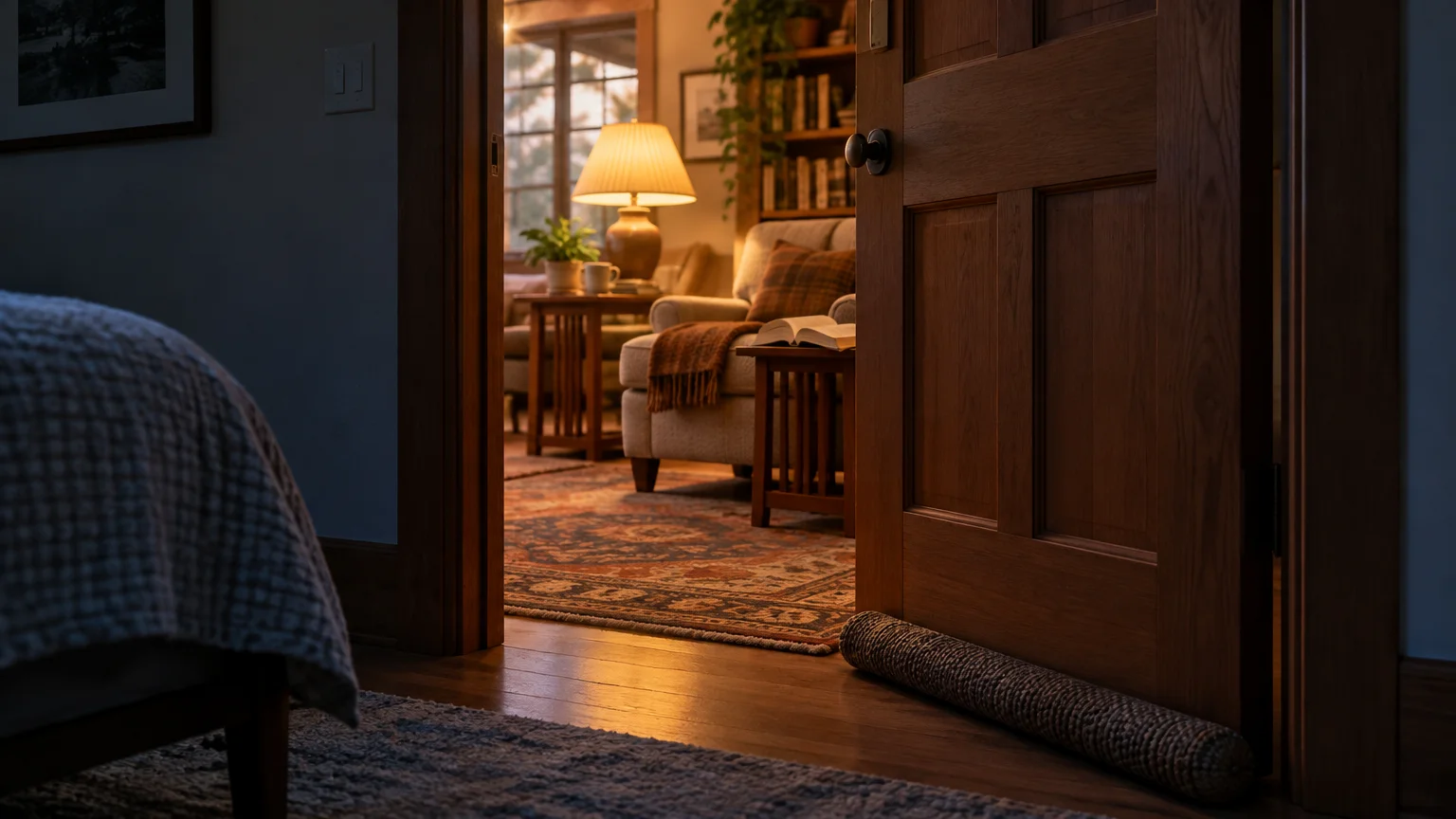
Tip #6: Zone Your Living Area and Close Unused Rooms
Many retirees live in spacious family homes with rooms that sit empty most of the year. Heating unoccupied guest bedrooms and formal parlors drains your monthly budget unnecessarily.
Practice zoned heating by concentrating thermal comfort in the spaces you actually inhabit. Keeping your daily living areas cozy allows you to reduce energy waste in quiet corners.
Close the interior doors to spare bedrooms, home offices, and rarely used storage rooms. Closing doors traps ambient air in those rooms and stops cold air from invading your common areas.
Partially close heating supply registers in unoccupied rooms to redirect warm air to your main living space. Avoid shutting registers entirely, as closing too many can cause furnace backpressure.
Hang heavy insulated portiere curtains across wide open archways leading to unheated staircases or chilly hallways. These decorative fabric dividers prevent rising warm air from escaping into secondary zones.
Open closed interior doors for an hour once a week to allow fresh air to circulate through spare rooms. This brief weekly ventilation prevents stagnant moisture buildup while preserving your overall heating efficiency.
Place inexpensive moisture absorbers or silica gel containers in closed guest rooms to control indoor humidity. Keeping closed spaces fresh and dry protects your spare furnishings and drywall from winter dampness.
Keep your primary living room, kitchen, and master bedroom well-heated and comfortable throughout the day. Focusing heat where you spend time helps you achieve substantial winter energy savings.
Check room temperatures occasionally to ensure unheated areas do not drop low enough to freeze plumbing pipes. Maintain enough airflow through closed spaces to protect wall pipes located on exterior walls.
Zoned living aligns your heating patterns with your actual daily lifestyle. This intentional habit keeps you warm while trimming unnecessary utility expenses effortlessly.
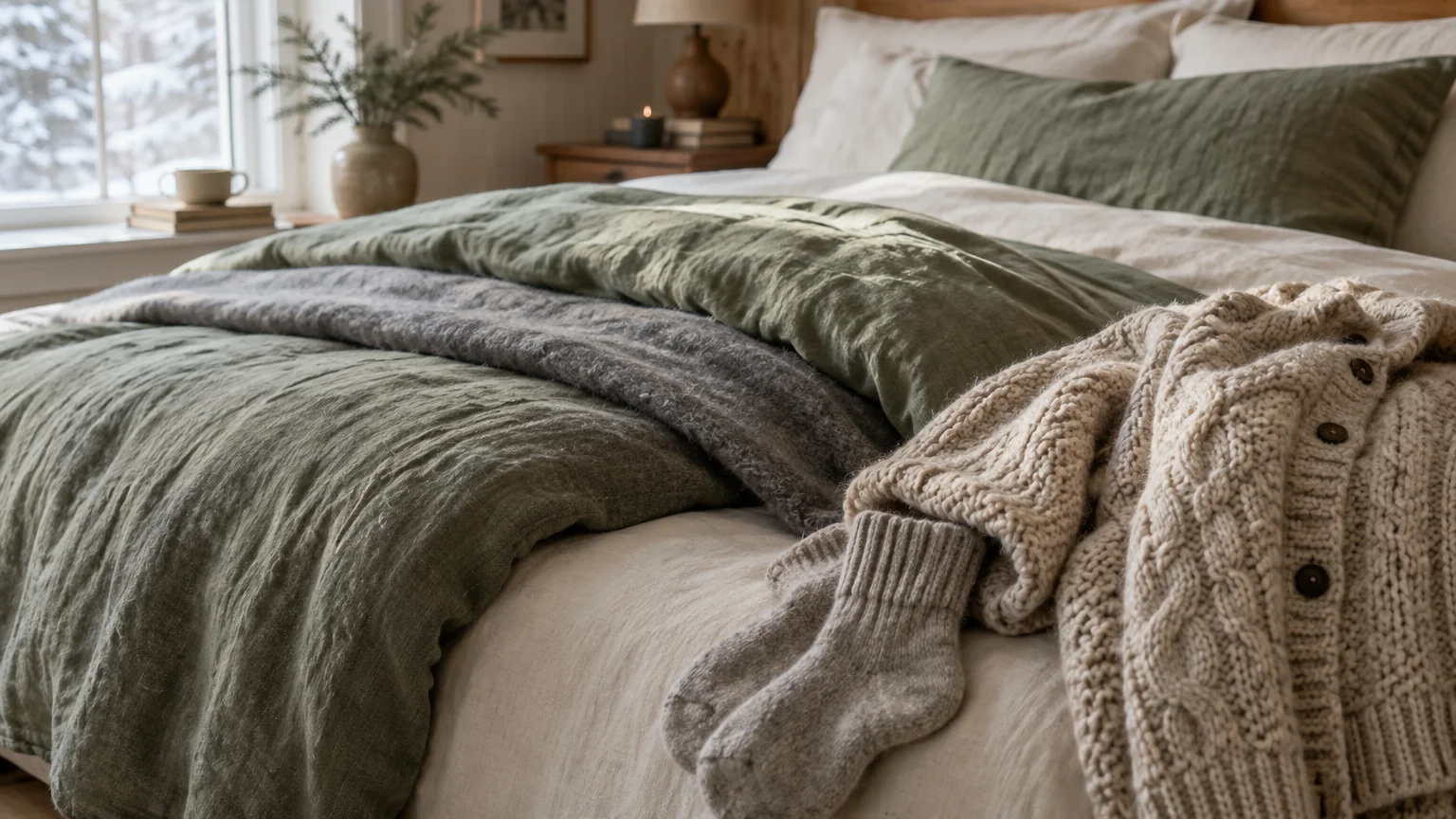
Tip #7: Layer Warm Clothing and Cozy Bedding
Heating your body directly is always more economical than heating several thousand cubic feet of empty air. Thoughtful wardrobe choices keep you comfortable without requiring higher thermostat settings.
Wear lightweight, breathable thermal underwear made from merino wool or moisture-wicking synthetic fibers. Base layers trap a thin layer of body heat directly against your skin without adding bulky weight.
Slip into cozy fleece vests, warm cardigans, and thick wool socks throughout the day. Keeping your extremities warm prevents your body from feeling chilly, even in moderately cool rooms.
Select supportive indoor slippers equipped with non-slip rubber soles and thick fleece lining. Non-slip tread provides secure footing on hardwood or tile floors while insulating your feet from cold flooring.
Elevate your feet on an upholstered footstool when sitting in your favorite armchair for long periods. Keeping your feet off the floor prevents cool air drafts from chilling your ankles and toes.
Invest in soft, washable flannel sheets for your bed to replace cool cotton linens during winter months. Flannel captures your body heat instantly and eliminates that shocking cold feeling when climbing into bed.
Use an energy-efficient electric heated mattress pad to warm your bed for twenty minutes before turning in. Heated mattress pads consume only pennies of electricity per night while delivering luxurious comfort.
Turn off electric blankets and pads before falling asleep to maintain optimal safety and prevent overheating. Premium down comforters or layered wool blankets easily maintain your body warmth through the night.
Keep a plush fleece throw blanket draped over your favorite reading chair or sofa. Having soft warmth within arm’s reach makes relaxing at home cozy, comfortable, and thoroughly enjoyable.
Dressing warmly indoors is an empowering and traditional way to enjoy cheap home heating. Personal comfort starts with warm textiles that wrap you in soothing relaxation.
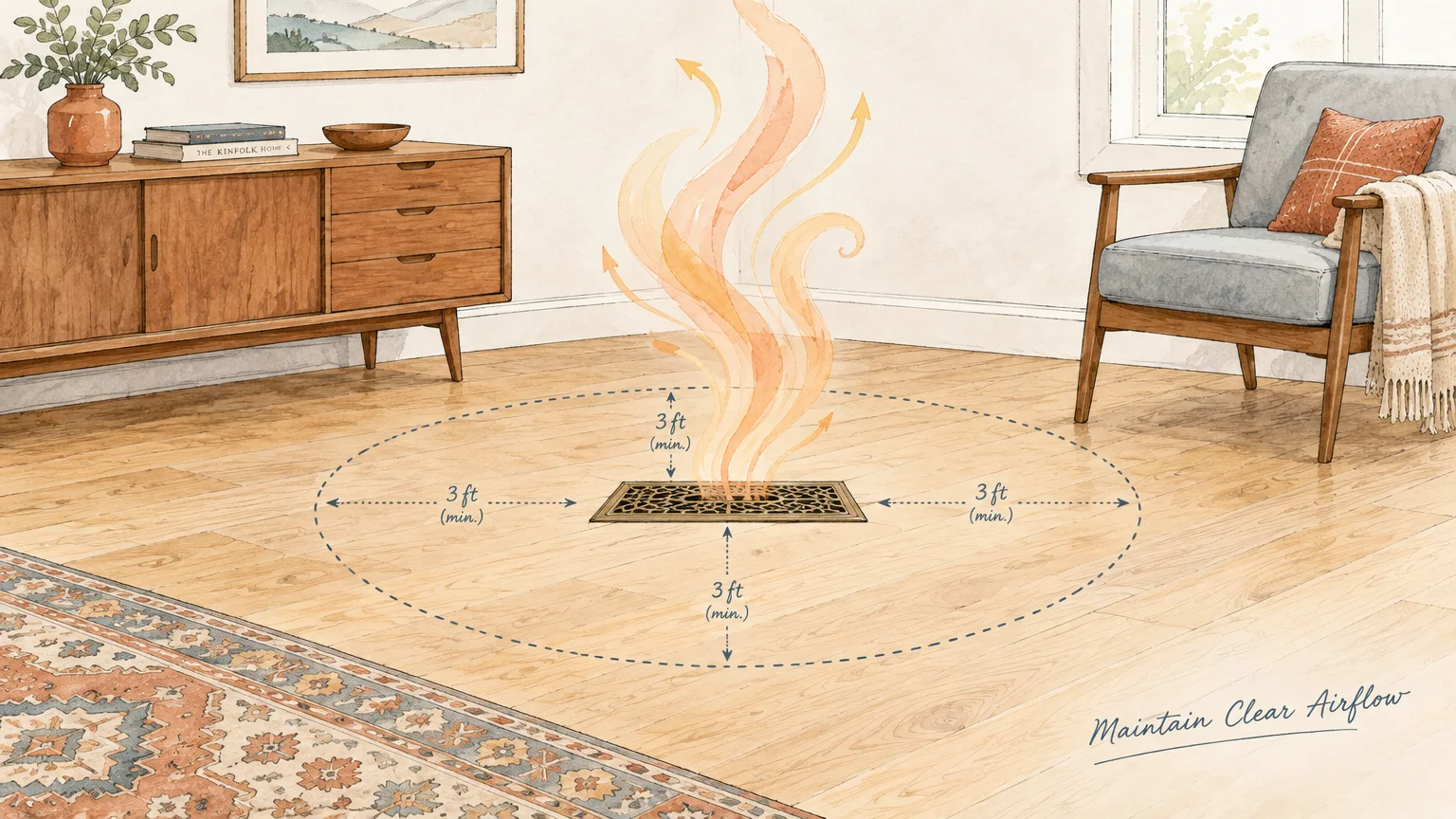
Tip #8: Clear and Maintain Your Heating Vents
Forced-air furnaces and baseboard heaters cannot function properly if physical barriers restrict their airflow. Maintaining clear paths around your heating equipment maximizes warmth throughout your home.
Inspect every floor register and baseboard unit in your primary living areas. Make sure long curtains, heavy furniture, and area rugs do not obstruct the release of hot air.
Pull sofas, bookcases, and recliners at least twelve inches away from supply registers. Providing adequate clearance allows warm air to circulate freely into the center of the room.
Replace your furnace air filters every thirty to sixty days during the active winter heating season. Clogged, dusty filters choke off airflow, forcing your blower motor to work harder and consume more power.
Clean filters also improve your indoor air quality, which supports respiratory health during cold weather. Fresh filters allow your heating system to operate at peak manufacturer efficiency.
If your home features hot water radiators, bleed trapped air from each unit using a radiator key. Trapped air pockets prevent hot water from filling the radiator, leaving the metal cold and inefficient.
Open the small bleed valve carefully until water begins to trickle out, then tighten it closed immediately. Releasing trapped air restores full radiator warmth across every room without increasing your fuel consumption.
If you have wall radiators, place heat-resistant reflective panels on the wall surface behind each unit. These metallic sheets reflect radiant heat back toward your room instead of soaking into cold exterior walls.
Vacuum dust and pet hair from your radiator fins and floor registers regularly. Dust buildup acts like an unwanted insulator, reducing heat transfer and diminishing your system’s output.
Simple maintenance steps require minimal physical effort but yield substantial returns in heating efficiency. Unhindered heating vents deliver fast, consistent comfort to every corner of your home.
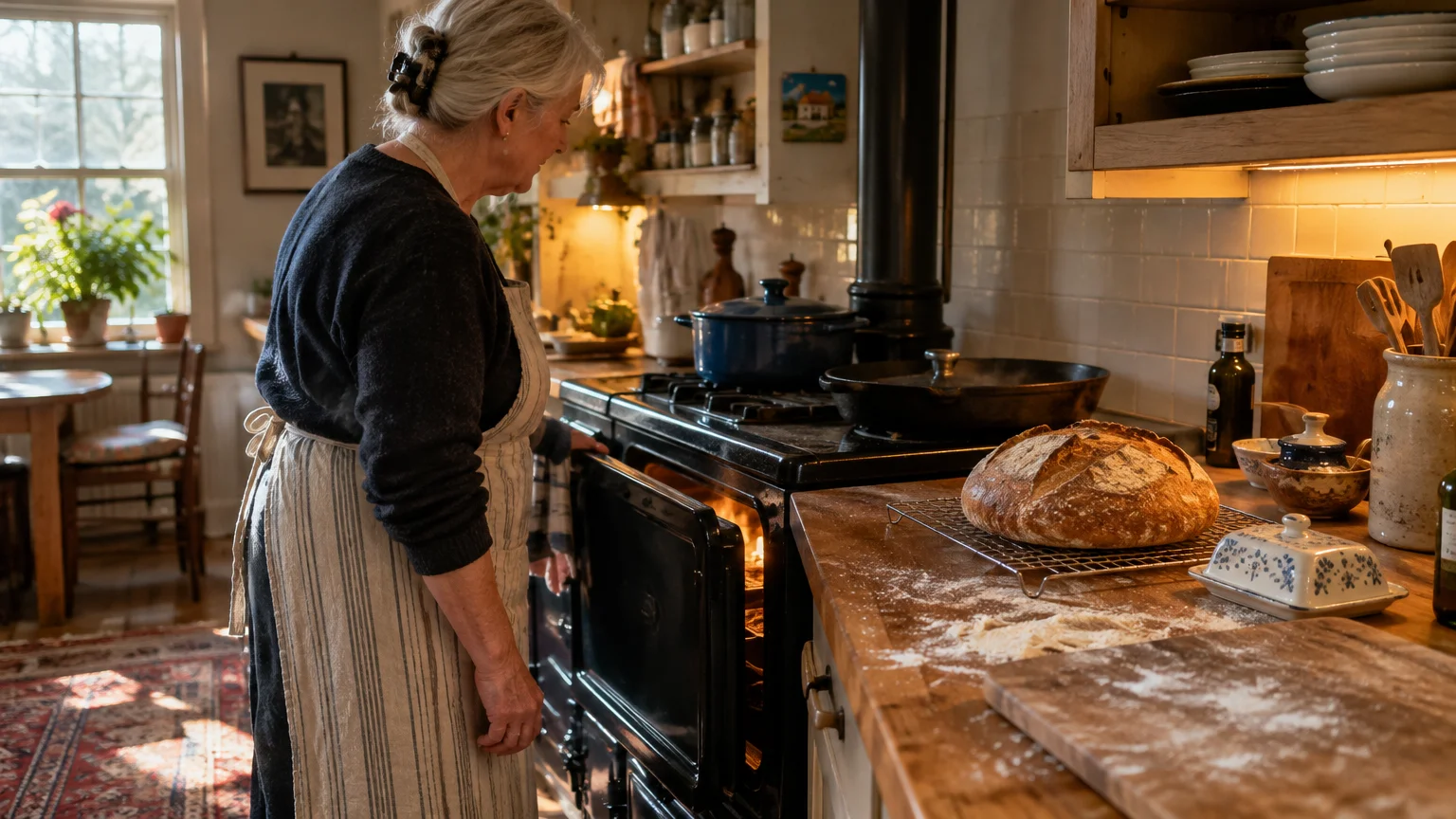
Tip #9: Repurpose Heat from Cooking and Daily Routines
Everyday household activities generate considerable amounts of thermal energy and humidity. Learning to capture and reuse this secondary warmth is one of the cleverest frugal ways to heat your home.
Bake delicious casseroles, hearty breads, or roasted vegetables during the colder afternoon hours. Cooking nutritious comfort meals warms your kitchen naturally while filling your home with delightful aromas.
Turn off your oven after cooking and leave the oven door slightly cracked open. The trapped heat radiates gently into your kitchen and dining areas rather than cooling down unused.
Always turn the appliance off completely before opening the door, and keep pets away from the hot range. This simple habit reclaims heat you have already paid to generate.
Use a countertop slow cooker to prepare comforting winter stews and broths throughout the day. Slow cookers release gentle aromatic heat and pleasant humidity into your kitchen while using minimal electric power.
Enjoying a hot cup of herbal tea or warm broth warms your body from the inside out. This soothing daily ritual provides hydration and raises your personal thermal comfort without touching the thermostat.
Leave your bathroom door open when taking a warm bath or shower. Bath steam adds valuable humidity to dry winter indoor air while spreading radiant warmth into adjoining hallways.
Humid air feels significantly warmer than dry air at the exact same thermostat temperature. Adding natural moisture from showers helps lower heating bill costs by making moderate settings feel cozier.
Air-dry freshly laundered clothing on a folding drying rack placed in your living room or bedroom. The evaporating water naturally humidifies your living space while saving you money on clothes dryer electricity.
Integrating these everyday routines turns normal household tasks into practical heating aids. You maximize the value of your utility spending while enjoying a warm, nurturing home environment.
The Takeaway: Living a More Blissful Retirement
Your retirement years should be defined by peace, contentment, and physical comfort. Managing your winter heating budget thoughtfully allows you to enjoy cold months without financial strain.
Practicing frugal living is not about sacrifice or enduring uncomfortable conditions. Instead, it represents an empowering commitment to living smartly, safely, and intentionally in your own home.
Combining safe thermostat settings with passive solar gain and smart draft sealing yields noticeable savings. Even modest adjustments compile over time to protect your financial security throughout the winter.
Stay connected with community assistance programs like LIHEAP if heating expenses ever feel overwhelming. Federal and local utility resources exist precisely to ensure older adults remain safe and protected.
Taking small, deliberate actions each day transforms how you experience the winter season in your home. You gain tremendous satisfaction knowing that every frugal habit safeguards both your health and your retirement independence.
Embrace these gentle changes as comforting winter rituals rather than burdensome chores. Your golden years deserve to be filled with deep warmth, cozy relaxation, and lasting financial peace of mind.
Take pride in curating a cozy, warm, and inviting home for yourself and your loved ones. Simple daily actions put you in complete control of your environment, comfort, and retirement bliss.
Frequently Asked Questions
What is the safest indoor temperature for older adults during winter?
The National Institute on Aging advises that older adults keep their home thermostats set to at least 68°F to 70°F. Setting thermostats lower than 68°F increases the risk of cold-related illnesses.
Indoor temperatures between 60°F and 65°F can trigger indoor hypothermia in seniors, where body temperature drops to 95°F or lower. Never compromise your personal health to lower heating bill expenses.
Check on elderly neighbors and family members during severe winter storms to confirm their living spaces remain adequately heated. A dependable thermometer placed at eye level helps monitor safe room conditions.
Can I still claim federal tax credits for upgrading my home insulation or heat pump?
No, federal residential energy tax credits are no longer available for new home improvements. Under the One Big Beautiful Bill Act of July 2025, those major tax incentives expired on December 31, 2025.
This expiration applies to both the Section 25C home improvement credit and the Section 25D clean energy credit. You cannot deduct expenses for new insulation, exterior doors, windows, or heat pumps on current tax returns.
Instead of costly equipment overhauls, focus on low-cost DIY weatherization like weatherstripping and door draft stoppers. These simple materials cost very little and deliver immediate, reliable winter energy savings.
Who qualifies for winter heating assistance through LIHEAP?
The Low Income Home Energy Assistance Program provides federal grant funding to help income-eligible households manage heating expenses. On October 9, 2026, the federal government released $3.6 billion in block grants for Fiscal Year 2027.
Many states open early priority application periods starting October 1 or November 1, 2026, specifically for adults aged 60 and older. Applying during these early windows ensures your benefits are processed before peak cold weather arrives.
Reach out to your local community action agency or state energy assistance office to check your household eligibility. Approved funds are paid directly to your utility company or fuel delivery service on your behalf.
Is using a space heater cheaper than running central heating?
A portable space heater can reduce costs only if you heat a single occupied room while maintaining safe temperatures elsewhere. However, relying on multiple electric space heaters can cause your electric bills to skyrocket unexpectedly.
With electricity heating costs projected to average $1,196 this winter, running multiple 1,500-watt heaters quickly becomes expensive. Space heaters also present potential fire and trip hazards if left unattended near blankets or curtains.
Keep your primary thermostat at a safe baseline of at least 68°F and use warm clothing or textiles for personal warmth. This balanced approach protects your physical safety while keeping overall energy expenses under control.
For a wide range of resources for older adults, visit AARP and the National Council on Aging (NCOA). Health information is available from the National Institute on Aging.
Disclaimer: This article is for informational and inspirational purposes only and does not substitute for professional medical, financial, or psychological advice. Please consult with a qualified expert for guidance tailored to your individual needs.