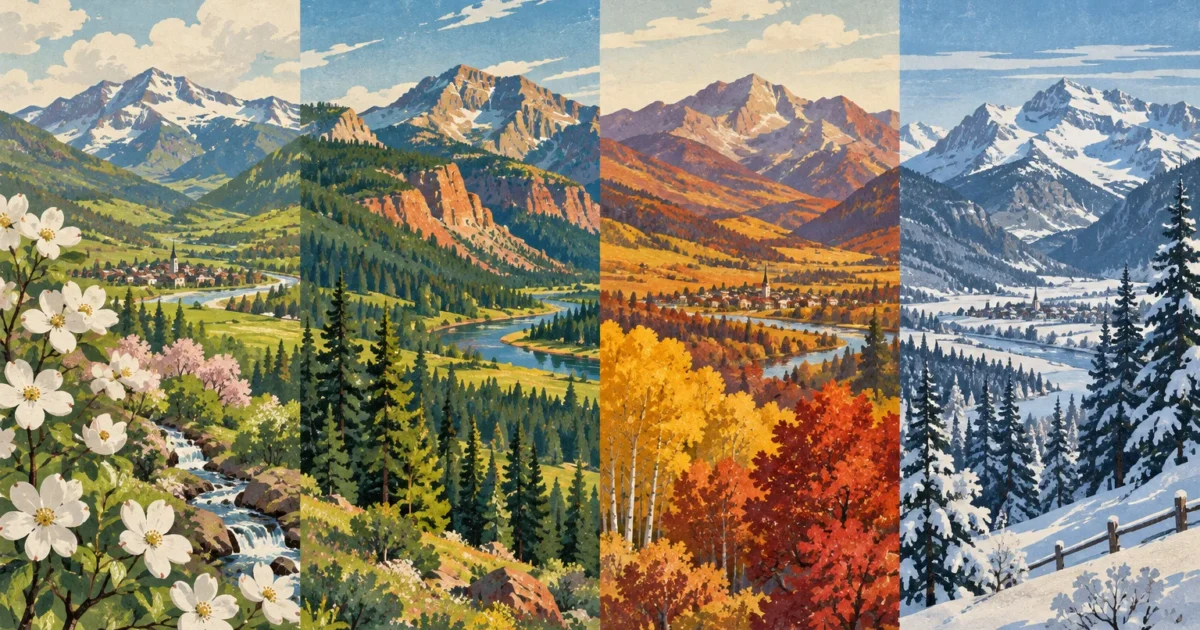
Crisp autumn mornings, vibrant spring blooms, sun-drenched summers, and quiet winter snowfalls bring natural rhythm to your daily routine. Finding the right mountain towns with four seasons allows you to embrace invigorating weather changes without enduring severe climate extremes.
Many active adults discover that four season towns foster better physical health, richer outdoor recreation, and genuine community spirit. You stay energized when every three months brings fresh scenery, seasonal produce, and distinct local celebrations.
These twelve mountain and valley towns to live offer affordable living, modern healthcare, and distinct weather cycles for a joyful seasonal climate retirement.
Tip #1: Roanoke, Virginia
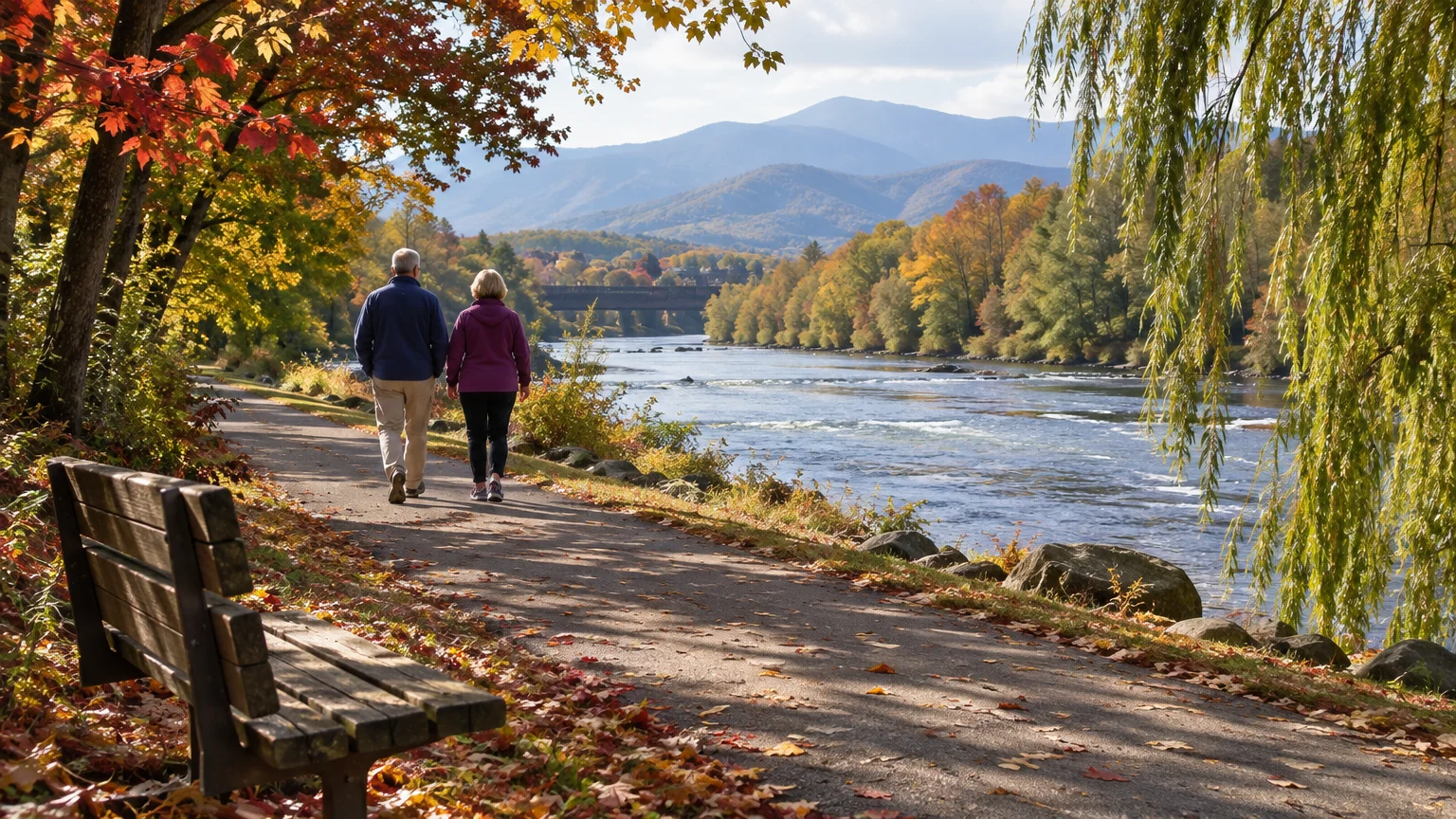
Roanoke sits nestled in the Blue Ridge Mountains within the picturesque Roanoke Valley. You will enjoy four well-balanced seasons without suffering through prolonged sub-zero chills or oppressive summer humidity.
Summer highs hover near 86°F, while January brings crisp daytime temperatures around 45°F and about 15 inches of annual snow. Spring brings dogwood blooms across the valley, and autumn paints the mountains in crimson.
You can stroll the paved Roanoke River Greenway or drive along the Blue Ridge Parkway on sunny afternoons. The vibrant historic downtown market provides fresh local produce and artisan crafts every Saturday morning.
Carilion Roanoke Memorial Hospital delivers award-winning tertiary and cardiac healthcare right in town. This reliable infrastructure ensures you can access world-class medical specialists whenever you need routine or emergency care.
The local cost of living remains roughly eight percent below the national average. This financial affordability makes Roanoke one of the premier valley towns to live for budget-conscious retirees.
Tip #2: Bend, Oregon
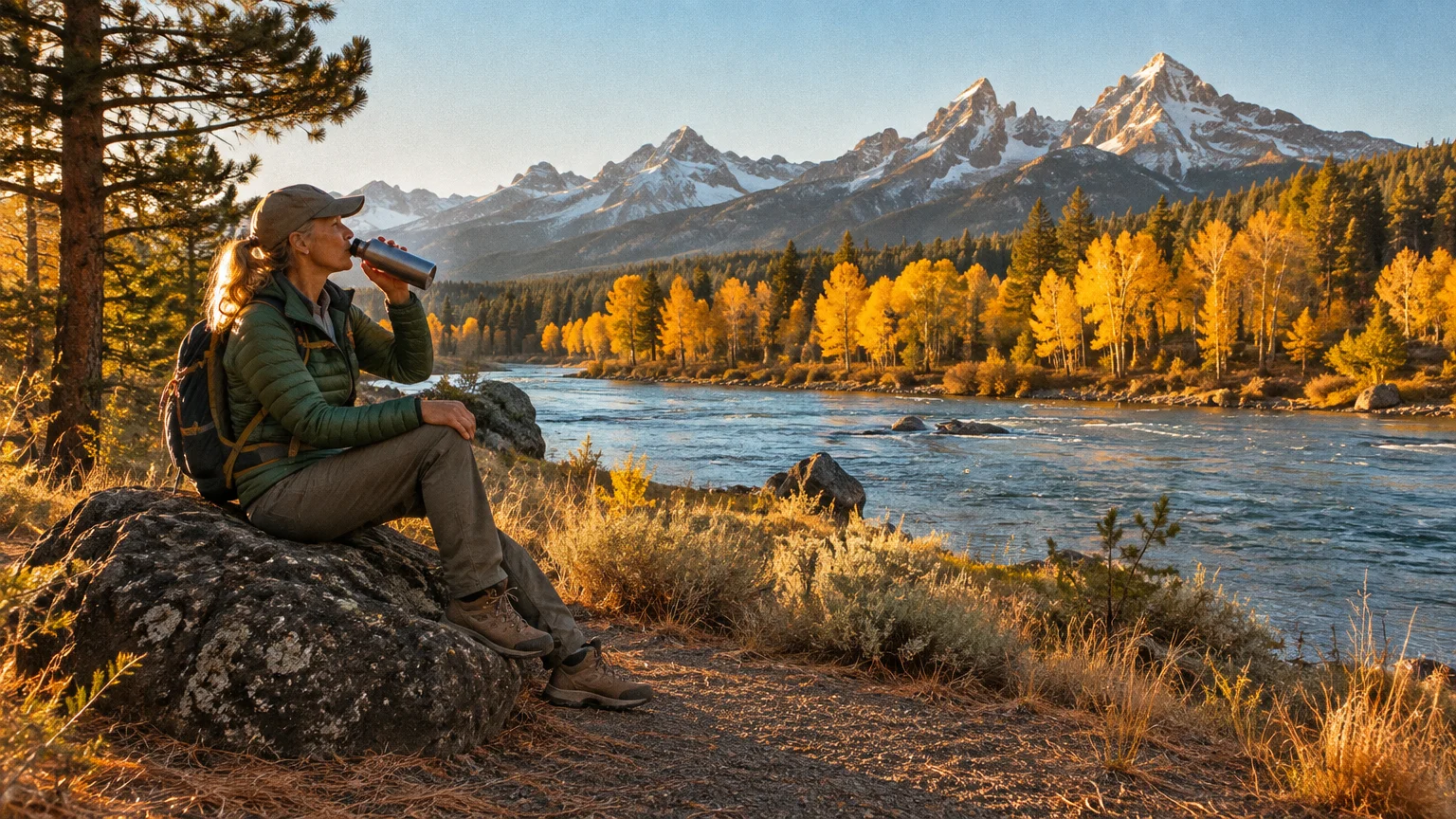
Bend rests on the eastern slopes of the Cascade Range along the Deschutes River. This high-desert climate delivers nearly 300 sunny days each year alongside four distinctive seasons.
Summer afternoons reach comfortable highs around 82°F with virtually no humidity. Winter brings crisp blue skies and approximately 24 inches of dry snowfall, making snowshoeing and cross-country skiing accessible.
You can walk the scenic Deschutes River Trail or explore the Cascade Lakes Highway from June through October. Autumn brings vibrant golden aspens and crisp evening air perfect for gathering around an outdoor fire pit.
St. Charles Bend provides comprehensive medical care and is the largest healthcare facility in central Oregon. You benefit from modern cardiology, oncology, and orthopedic centers staffed by experienced physicians.
Active retirees adore Bend because the community embraces daily outdoor movement in every weather cycle. It stands as an exceptional choice among mountain towns with four seasons.
Tip #3: Grand Junction, Colorado
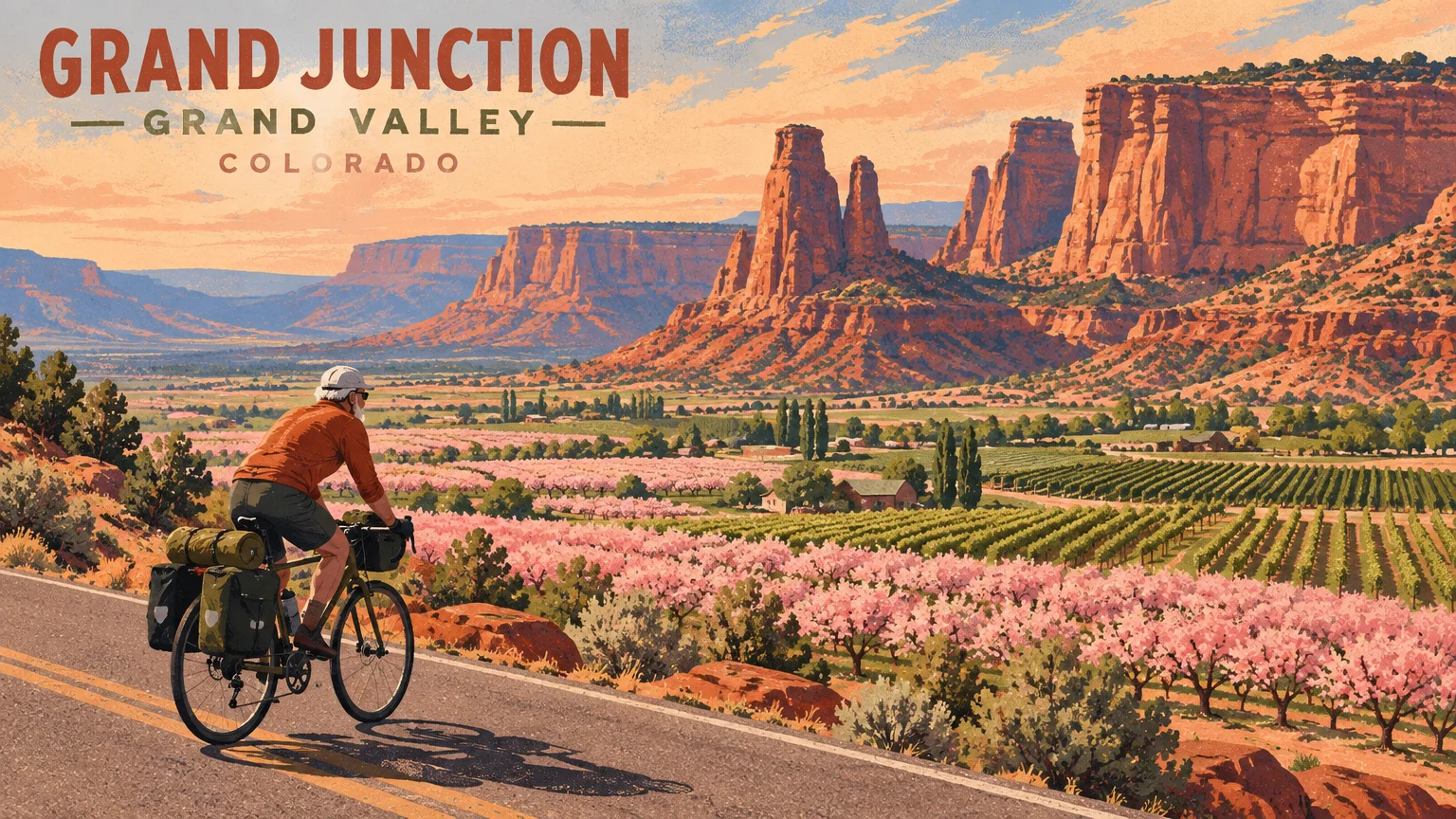
Grand Junction anchors Colorado’s western slope inside the sweeping Grand Valley. Sheltered by the Grand Mesa and Colorado National Monument, this community enjoys a mild microclimate throughout the calendar year.
Summer temperatures reach the low 90s under dry desert air, while winter highs average a moderate 40°F. The valley sees only 16 inches of snowfall annually, allowing year-round golfing and paved walking.
Spring arrives early with flowering peach orchards across neighboring Palisade. Autumn brings community harvest festivals, crisp evening walks, and award-winning wines produced from nearby local vineyards.
St. Mary’s Medical Center offers regional healthcare leadership with specialized neurological, surgical, and heart care services. You will find excellent geriatric specialists and modern clinical facilities located right in the city center.
Housing costs remain significantly lower than in Denver or Boulder, protecting your retirement savings. It offers a warm community atmosphere and represents one of the friendliest towns with real seasons.
Tip #4: Prescott, Arizona
Prescott sits in north-central Arizona at an elevation of 5,368 feet. Unlike the scorching southern deserts, this historic mountain valley delivers four authentic, refreshing seasons.
Summer temperatures rarely exceed 89°F, offering welcome relief from Phoenix heat. Winter brings mild daytime highs near 52°F, accompanied by an average of 12 inches of light, fast-melting snow.
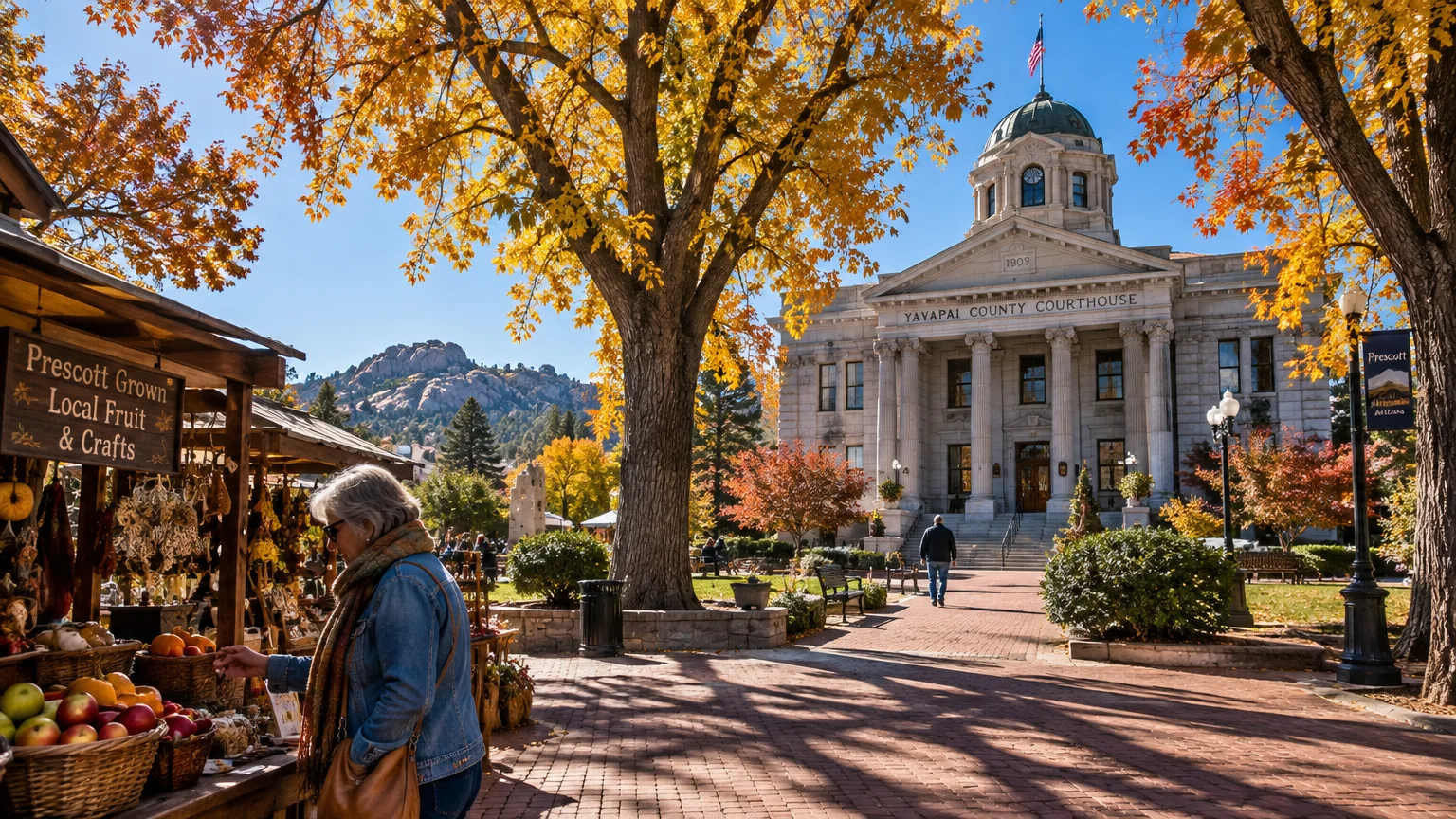
You will love walking around the historic Courthouse Plaza during autumn art fairs and festive winter holiday lightings. Hiking trails surrounding Watson Lake and Lynx Lake provide scenic exercise options year-round.
Yavapai Regional Medical Center provides comprehensive cardiovascular, orthopedic, and emergency healthcare. In addition, Prescott features extensive wellness clinics and rehabilitation centers geared specifically toward senior wellness.
With its deep Old West heritage and active cultural scene, Prescott offers an invigorating lifestyle. It delivers the balanced seasonal climate retirement that active older adults desire.
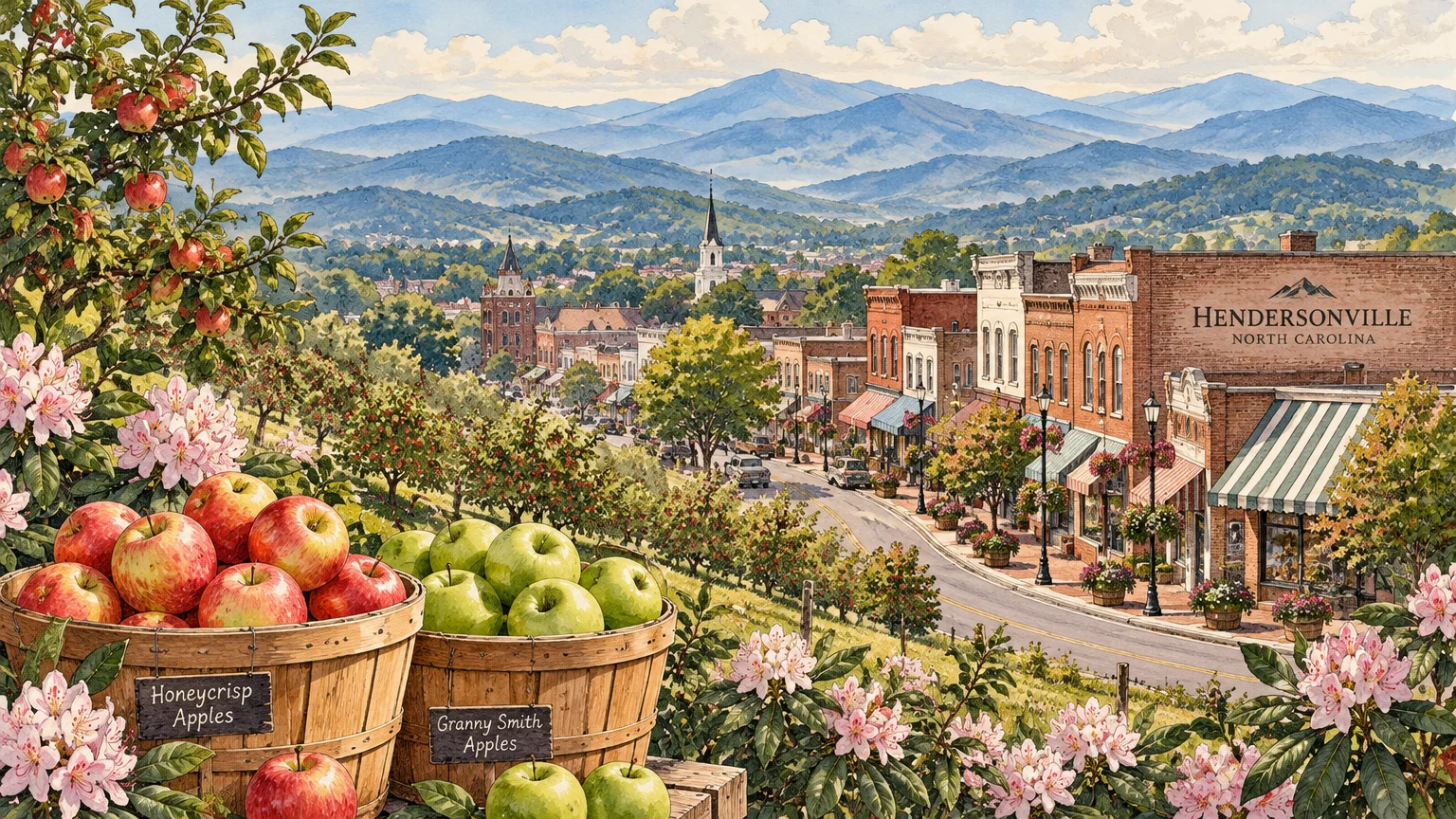
Tip #5: Hendersonville, North Carolina
Hendersonville rests upon a gentle plateau in the Blue Ridge Mountains at 2,152 feet elevation. This charming mountain retreat provides cooler summer days and mild, manageable winter seasons.
July highs hover near 84°F, while winter lows rarely dip into harsh territory. The town receives only nine inches of snow each winter, which melts quickly under abundant afternoon sunshine.
Fall foliage transforms the surrounding mountain ridges into a tapestry of gold, orange, and deep red. You can pick crisp apples at local family orchards or browse the pedestrian-friendly historic Main Street shops.
Pardee UNC Health Care and AdventHealth Hendersonville deliver top-tier medical services right within city limits. You will appreciate immediate access to experienced cardiac specialists and comprehensive cancer treatment facilities.
Hendersonville combines small-town Southern warmth with sophisticated dining, theater, and arts. It is widely recognized as one of the most delightful four season towns for retirees.
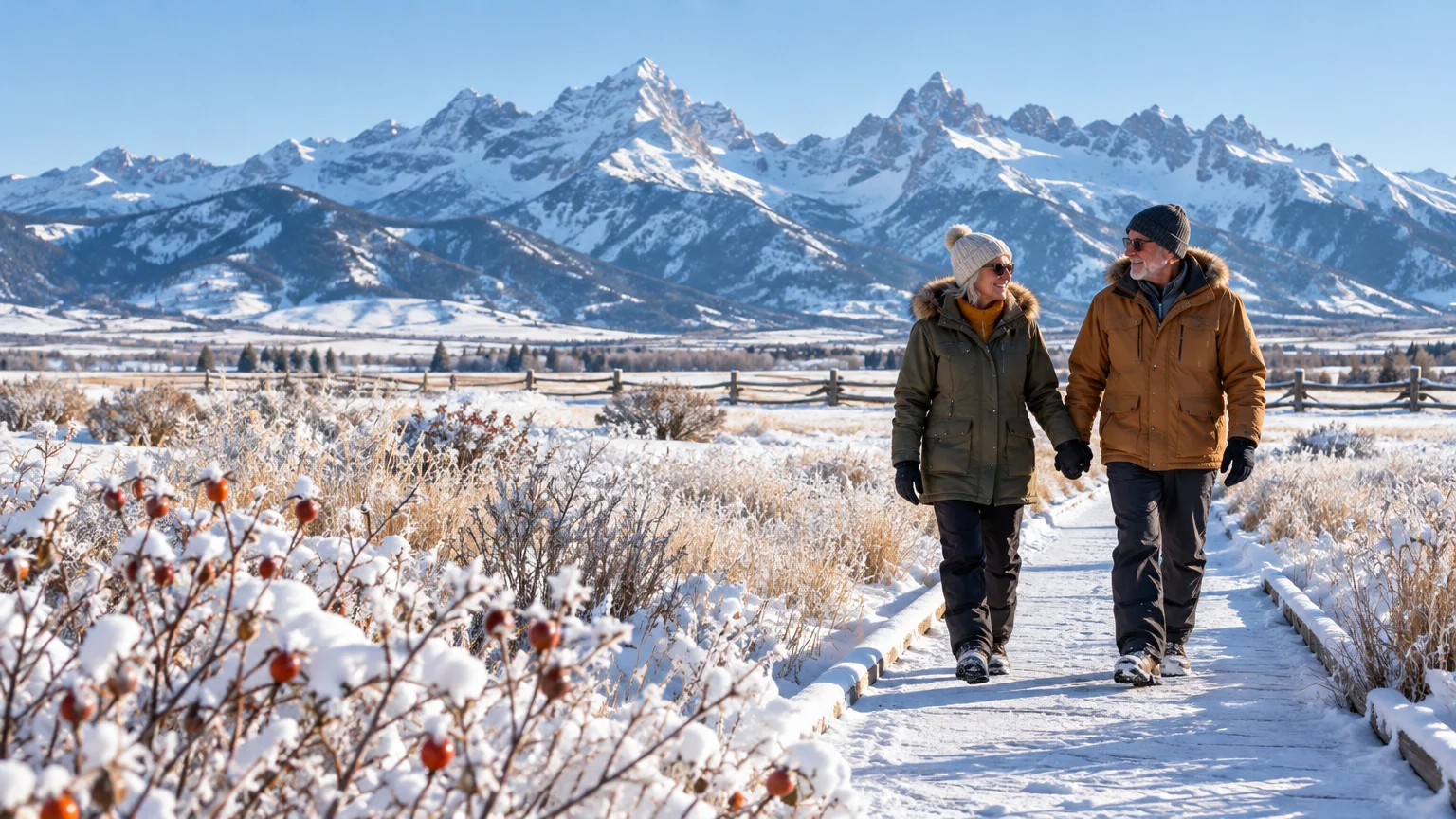
Tip #6: Bozeman, Montana
Bozeman sits in the Gallatin Valley surrounded by six majestic mountain ranges at an elevation of 4,820 feet. This energetic valley community gives you front-row access to postcard-perfect seasonal transitions.
Summer brings clear sunny days in the low 80s, ideal for fly fishing and mountain picnics. Winters are snowy with roughly 70 inches of powder, creating a wonderland for active winter enthusiasts.
Autumn arrives with brilliant golden cottonwoods along the Gallatin River and crisp, invigorating morning air. Spring welcomes wildflowers across mountain pastures alongside returning migratory songbirds.
Bozeman Health Deaconess Hospital provides advanced healthcare, including an award-winning cancer center and state-of-the-art orthopedic surgery units. The presence of Montana State University also enriches local wellness programs and cultural opportunities.
If you crave authentic alpine scenery and vibrant seasonal shifts, Bozeman is tough to beat. It remains a crown jewel among mountain towns with four seasons.
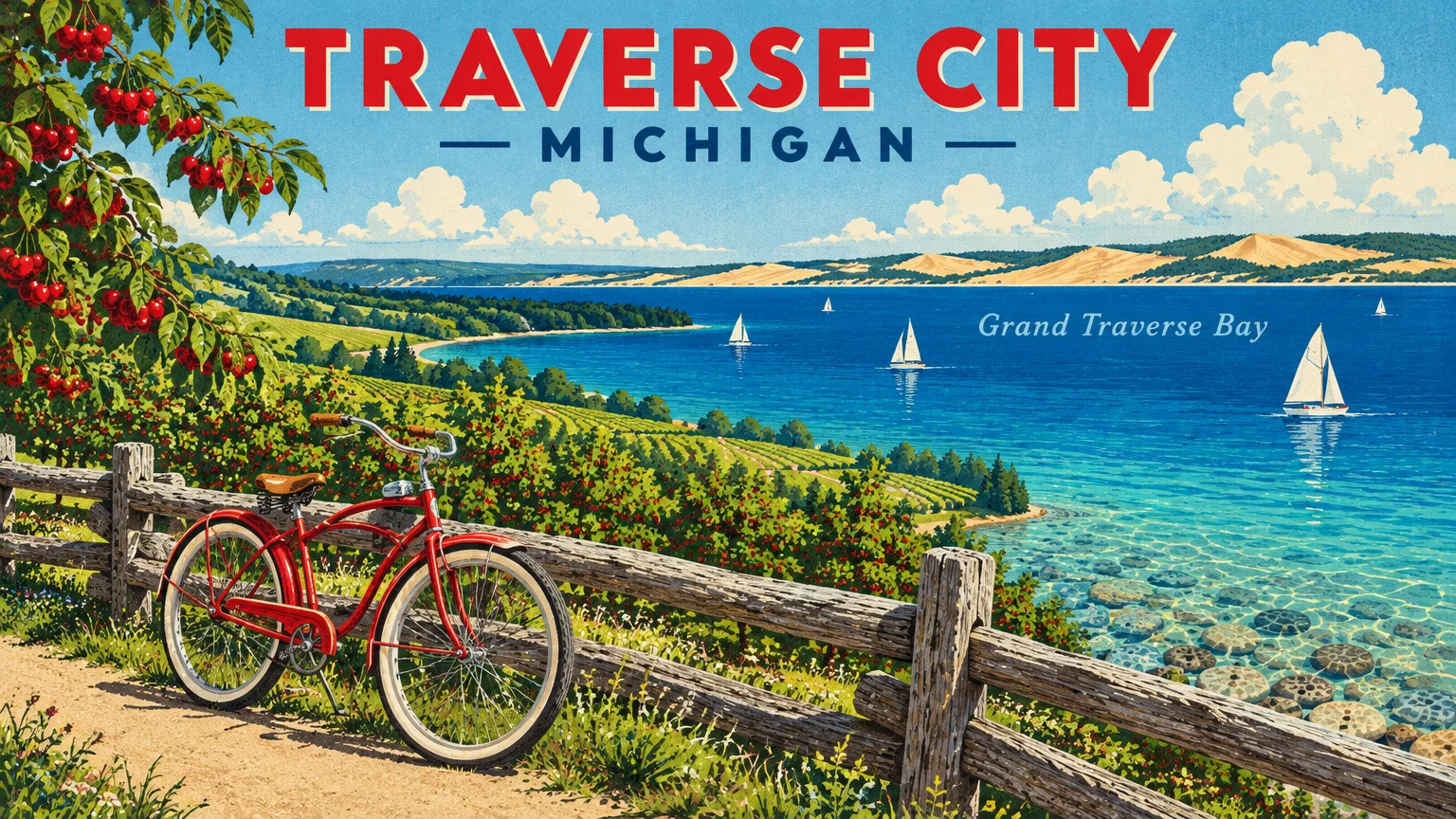
Tip #7: Traverse City, Michigan
Traverse City rests along the rolling hills and deep blue waters of Grand Traverse Bay. This coastal valley setting softens winter winds while providing four unmistakable, refreshing seasonal cycles.
Summers feature sun-drenched afternoons averaging 80°F, ideal for sailing and walking sandy freshwater beaches. Winters bring picturesque lake-effect snowfall, turning local parks into peaceful cross-country skiing sanctuaries.
Spring carpets the rolling orchards in fragrant white cherry blossoms. In autumn, driving along the Old Mission Peninsula treats you to fiery red leaves, roadside cider stands, and local wine tastings.
Munson Medical Center serves as northern Michigan’s primary regional referral hospital with Level II trauma care. You can rely on their nationally recognized cardiac institute and extensive network of geriatric clinicians.
Traverse City offers a thriving culinary scene and rich community library programs. It stands out among valley towns to live for lovers of water and woods.
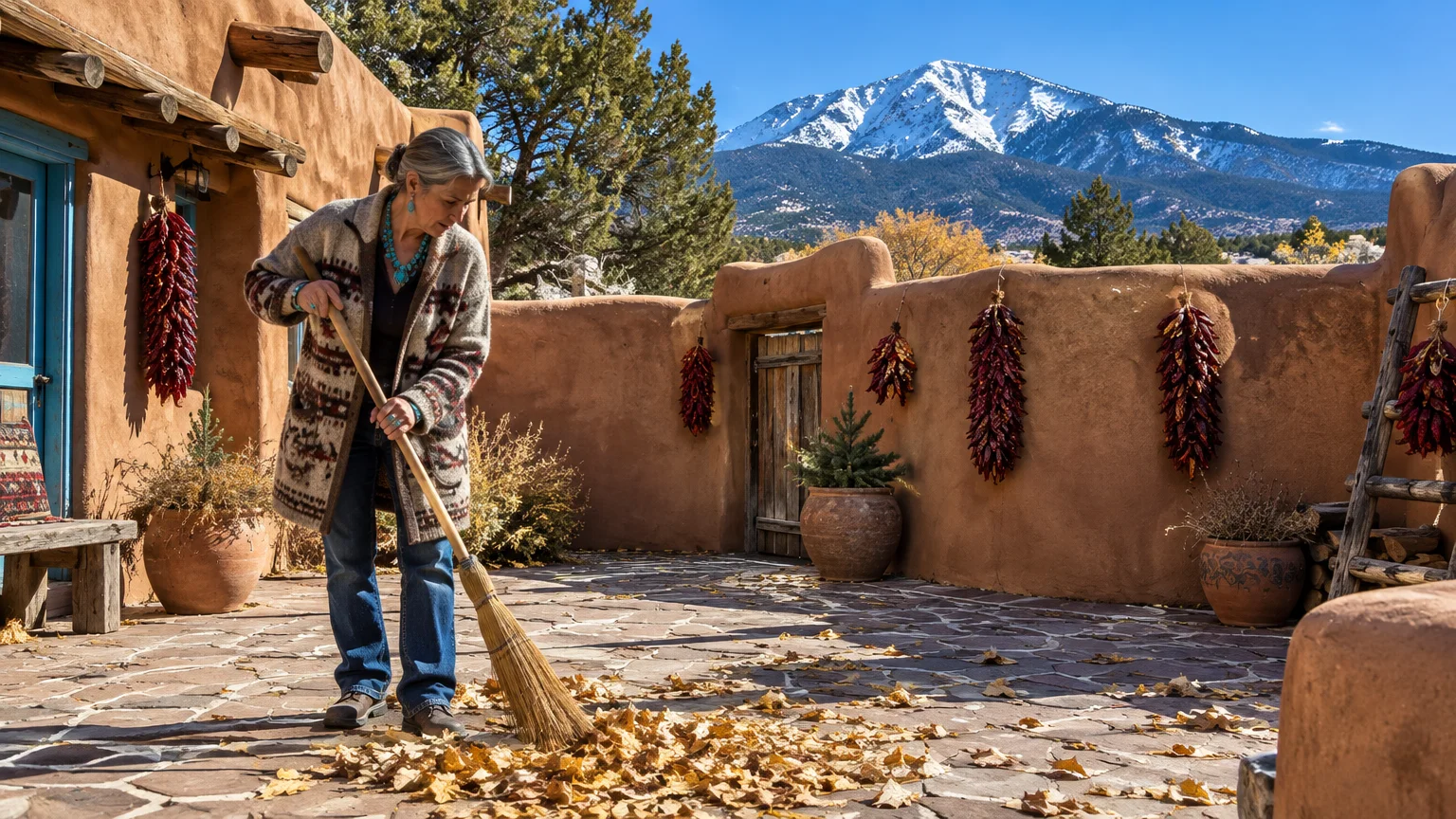
Tip #8: Taos, New Mexico
Taos perches on a high mountain mesa at 6,969 feet beneath the Sangre de Cristo Mountains. This historic valley combines rich cultural heritage with vivid seasonal shifts and high-desert sunshine.
Summer highs remain comfortable around 85°F with cool night breezes sliding down from the peaks. Winters bring bright blue skies and approximately 30 inches of valley snow that evaporates quickly under intense sunlight.
Fall is magical here as golden aspens illuminate the mountain slopes against deep turquoise skies. You will enjoy exploring local art galleries, historic adobe plazas, and thermal mineral springs nearby.
Holy Cross Medical Center provides high-quality primary care, general surgery, and emergency services for valley residents. Specialized regional medical centers in nearby Santa Fe offer additional clinical support just ninety minutes away.
The unique blend of Pueblo, Hispanic, and Anglo cultures creates a stimulating retirement environment. It is an inspiring choice for anyone seeking towns with real seasons.
Tip #9: Walla Walla, Washington
Walla Walla rests in a fertile valley framed by the rolling Blue Mountains in southeastern Washington. Known for friendly neighbors and scenic agricultural beauty, this town enjoys a mild four-season climate.
Summer days offer warm sunshine averaging 88°F, followed by cool evenings cooled by mountain air. Winter stays relatively mild with daytime highs around 41°F and modest snowfall averaging 14 inches.
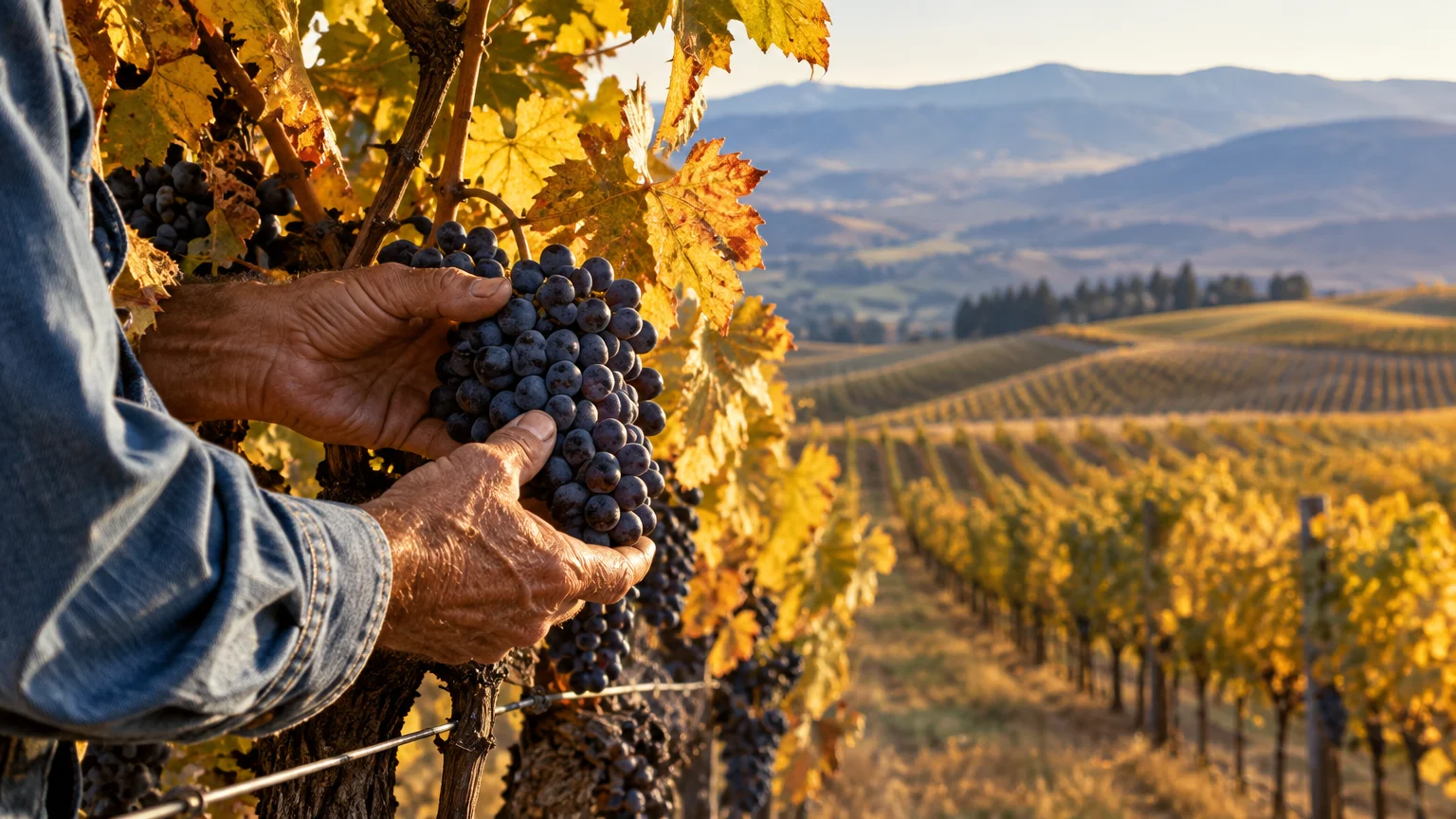
Spring blankets the valley in green wheat fields and blooming fruit trees. Autumn brings exciting grape harvests, community farmers markets, and golden foliage along tree-lined downtown boulevards.
Providence St. Mary Medical Center provides regional healthcare excellence, complete with modern cancer and cardiac care units. You will find attentive physicians and accessible wellness clinics throughout the community.
With its celebrated culinary culture and walkable downtown, Walla Walla enriches everyday life. It offers an exceptional environment for a fulfilling seasonal climate retirement.
Tip #10: Cedar City, Utah
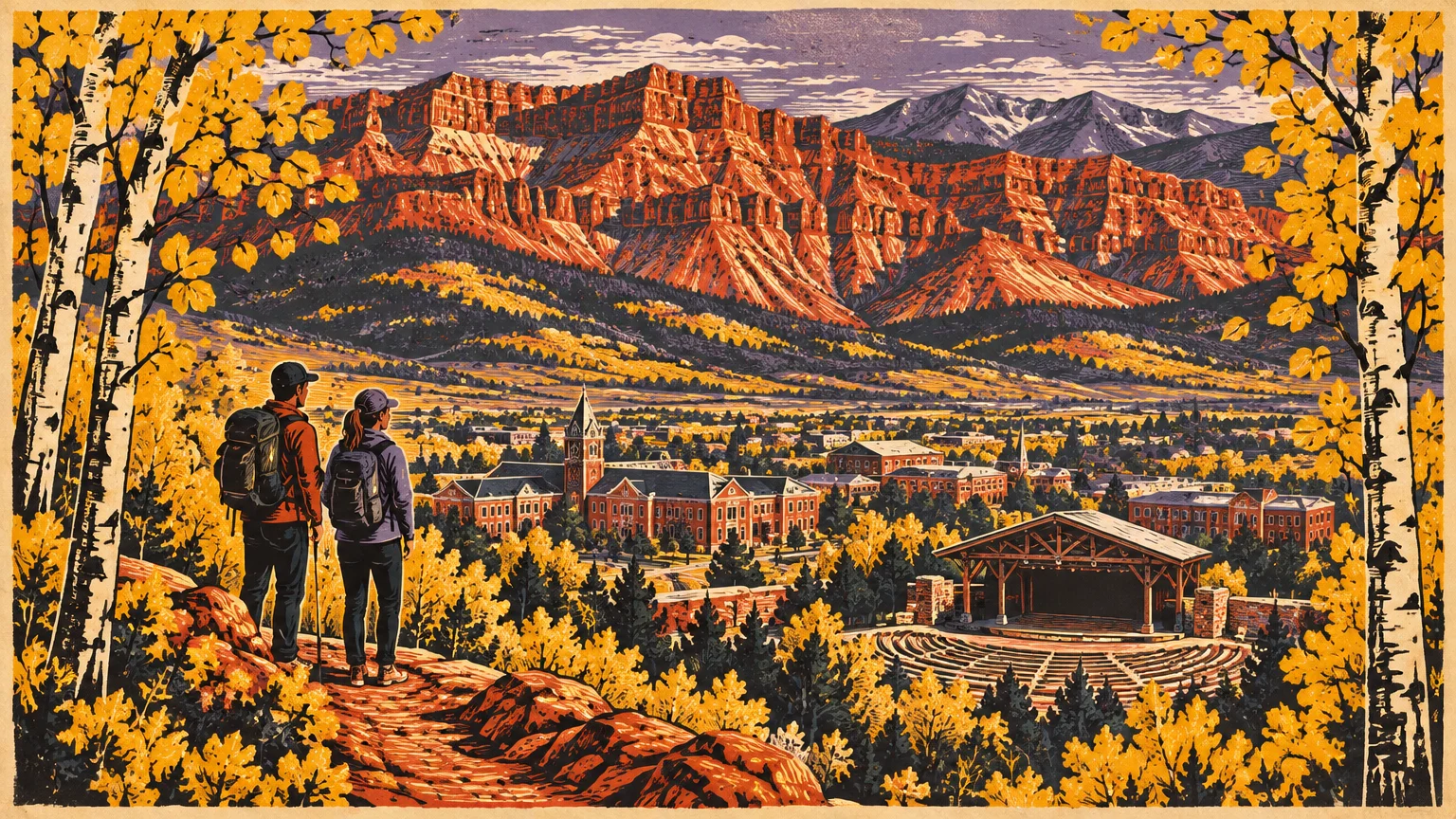
Cedar City sits in Cedar Valley at the foot of the Markagunt Plateau at 5,846 feet elevation. Known as Festival City, this community delivers four vivid seasons alongside spectacular red-rock mountain backdrops.
Summer highs average a comfortable 87°F with low humidity and cool, starlit nights. Winter brings roughly 45 inches of snow, providing scenic beauty without overwhelming your daily schedule.
In autumn, nearby Cedar Breaks National Monument glows with golden aspens and brilliant orange sandstone. You can attend the world-famous Utah Shakespeare Festival or hike tranquil trails in Dixie National Forest.
Cedar City Hospital, part of the respected Intermountain Healthcare system, provides emergency, surgical, and rehabilitation services. You gain access to dependable medical professionals who prioritize compassionate, patient-centered senior care.
Housing values remain attractive compared to northern Utah cities like Salt Lake City. Cedar City is an inspiring option among mountain towns with four seasons.
Tip #11: Lewisburg, West Virginia
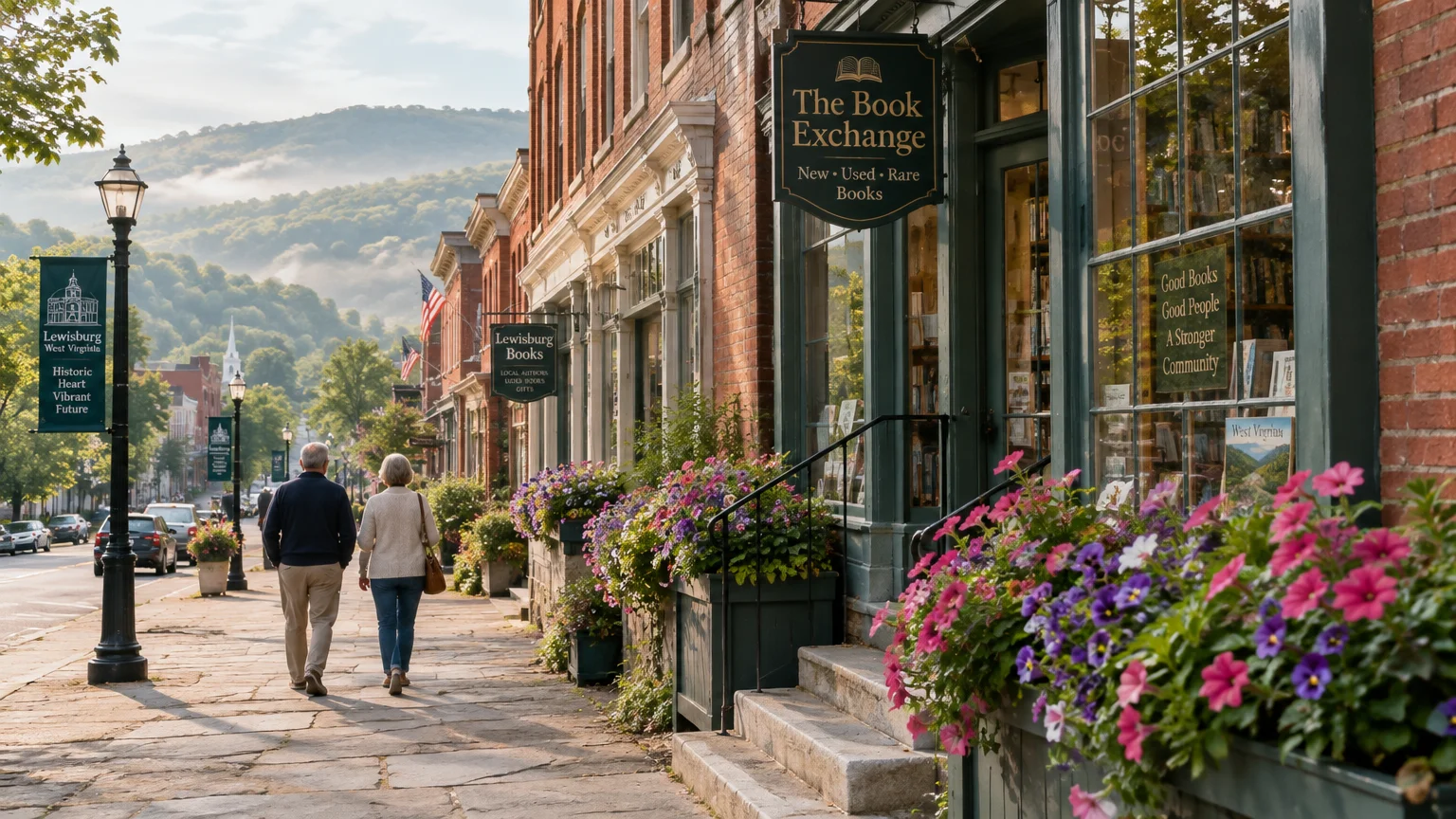
Lewisburg rests in the historic Greenbrier Valley surrounded by the Allegheny Mountains at 2,080 feet elevation. This welcoming mountain hamlet features a vibrant arts culture and four well-defined Appalachian seasons.
Summer temperatures peak gently around 81°F, letting you spend long afternoons outdoors without sweating. Winter brings peaceful snowscapes averaging 28 inches of snow, alongside daytime highs around 40°F.
Spring fills the valley meadows with rhododendrons and flowering dogwoods. In autumn, driving the country roads rewards you with brilliant red maples and crisp mountain air.
Greenbrier Valley Medical Center delivers modern surgical, cardiovascular, and emergency treatment right in town. Furthermore, the West Virginia School of Osteopathic Medicine brings talented doctors and cutting-edge clinical practices to the area.
You will love the town’s historic Carnegie Hall, indie boutiques, and the nearby 78-mile Greenbrier River Trail. It shines as one of the most idyllic four season towns in the eastern United States.
Tip #12: State College, Pennsylvania
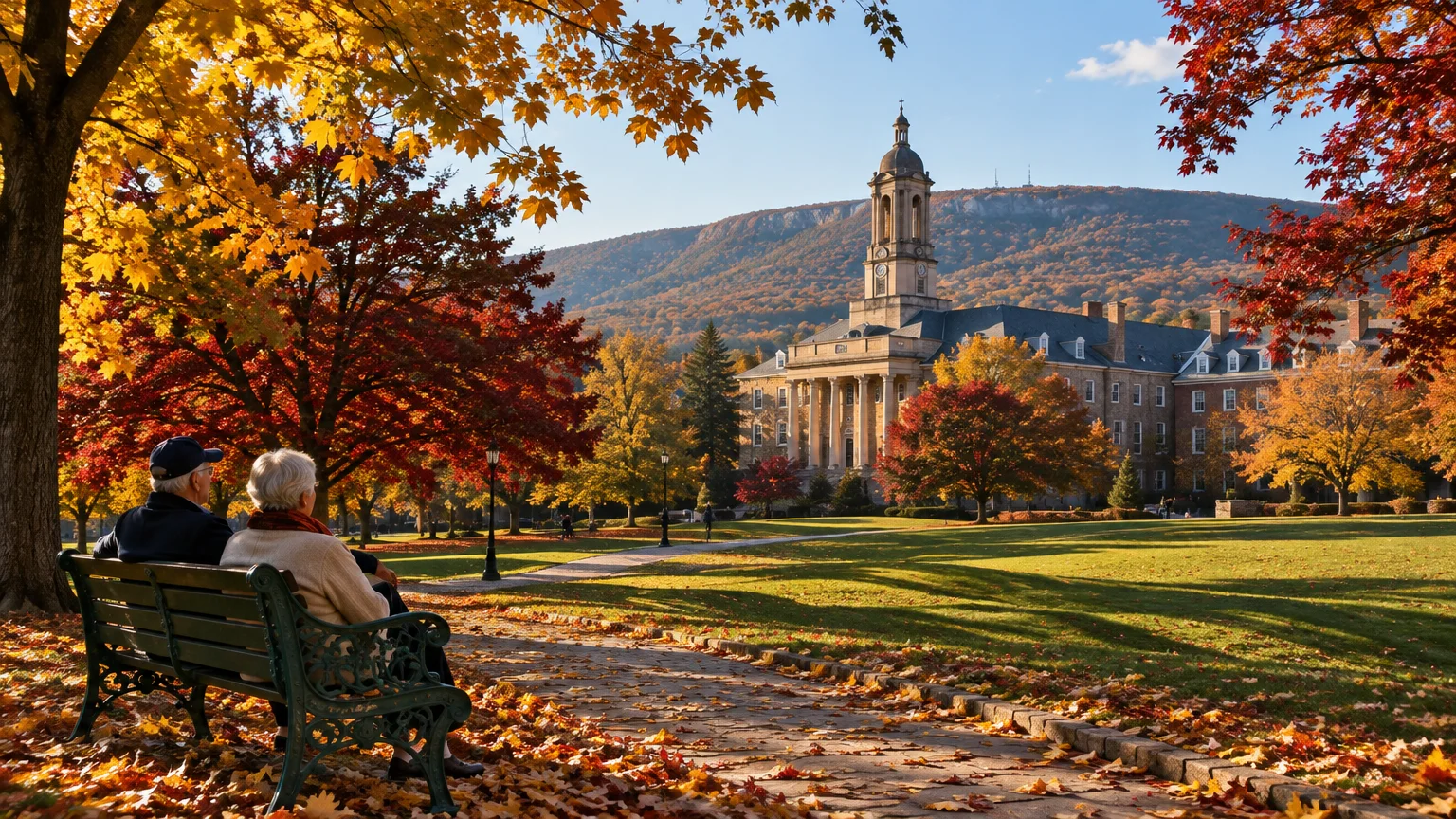
State College sits in the scenic Nittany Valley between forested Appalachian mountain ridges. This vibrant university town offers rich intellectual stimulation and four classic northeastern seasons.
Summer days average 82°F, perfect for exploring nearby state parks or attending community concerts. Winter brings about 45 inches of snow, creating storybook winter scenes without freezing your spirit.
Autumn arrives with crisp football weekends and fiery mountain ridges encircling the valley. Spring brings delicate cherry blossoms and flourishing perennial gardens at the sprawling Arboretum at Penn State.
Mount Nittany Medical Center provides comprehensive healthcare with dedicated cardiac, cancer, and orthopedic facilities. Penn State Health clinics throughout town offer easy access to top specialists and geriatric physicians.
Excellent public transit, free university audit classes, and active senior centers make daily living effortless. State College stands among the finest valley towns to live for lifelong learners.
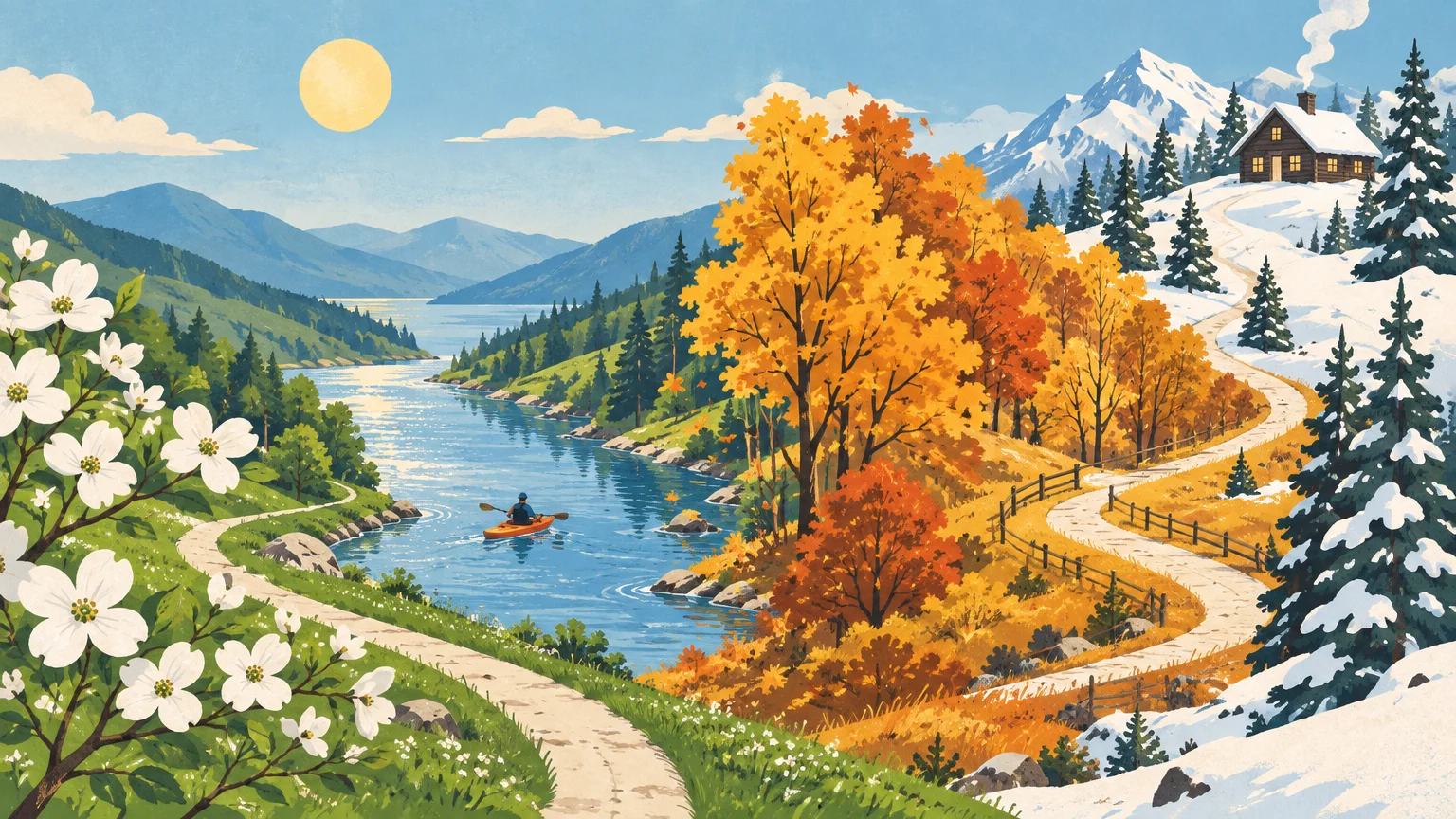
The Takeaway: Living a More Blissful Retirement
Choosing to live where the seasons change keeps your senses sharp and your calendar engaging. Each passing quarter brings new sights, seasonal foods, and distinctive pastimes that prevent retirement from feeling monotonous.
The twelve mountain and valley destinations highlighted here prove you do not need to choose between brutal winters and sweltering summers. They provide moderate climates, excellent healthcare infrastructure, and warm communities where you can thrive.
Plan exploratory trips during different times of the year before making a permanent relocation decision. Rent a home for a month in autumn or winter to experience daily life firsthand.
Your retirement years represent a golden opportunity to design your ideal lifestyle. Embrace the natural rhythm of the seasons and discover the joy of mountain and valley living.
Frequently Asked Questions
How does living in a four-season climate benefit senior health?
Seasonal changes encourage natural physical variety in your exercise routines across the calendar year. Walking in spring, swimming in summer, hiking in autumn, and snowshoeing in winter keep different muscle groups active.
Research also suggests that experiencing seasonal shifts supports natural circadian rhythms and boosts emotional vitality. You remain mentally engaged when your surroundings transform every few months.
How can I manage winter driving and home maintenance as I age?
Focus on towns that feature reliable municipal snow removal and modest annual snowfall totals. Modern all-wheel-drive vehicles and quality winter tires make driving on plowed roads safe and stress-free.
Many retirees also choose single-level patio homes or condominiums where homeowner associations handle all shoveling and landscape care. This arrangement lets you enjoy winter beauty without physical strain.
What should I look for regarding healthcare in mountain and valley towns?
Prioritize communities with an accredited regional hospital and robust primary care networks within twenty minutes of your home. Access to specialized cardiology, orthopedic surgery, and emergency services is essential for long-term peace of mind.
Many valley towns also offer specialized geriatric centers and academic medical affiliations that provide cutting-edge treatments. Verify that your insurance network covers local hospital systems before you finalize any move.
Are mountain and valley towns affordable for retirees on a fixed income?
Many mountain and valley communities maintain cost-of-living metrics near or below national medians. Destinations like Roanoke, Lewisburg, and Grand Junction offer reasonable property taxes and accessible housing options.
Comparing state income taxes, pensions exemptions, and local sales tax rates helps protect your retirement nest egg. Careful financial planning ensures you can live comfortably while enjoying four distinct seasons.
For a wide range of resources for older adults, visit AARP and the National Council on Aging (NCOA). Health information is available from the National Institute on Aging.
Disclaimer: This article is for informational and inspirational purposes only. It is not a substitute for professional medical, financial, or psychological advice. Please consult with a qualified expert for guidance tailored to your individual needs.